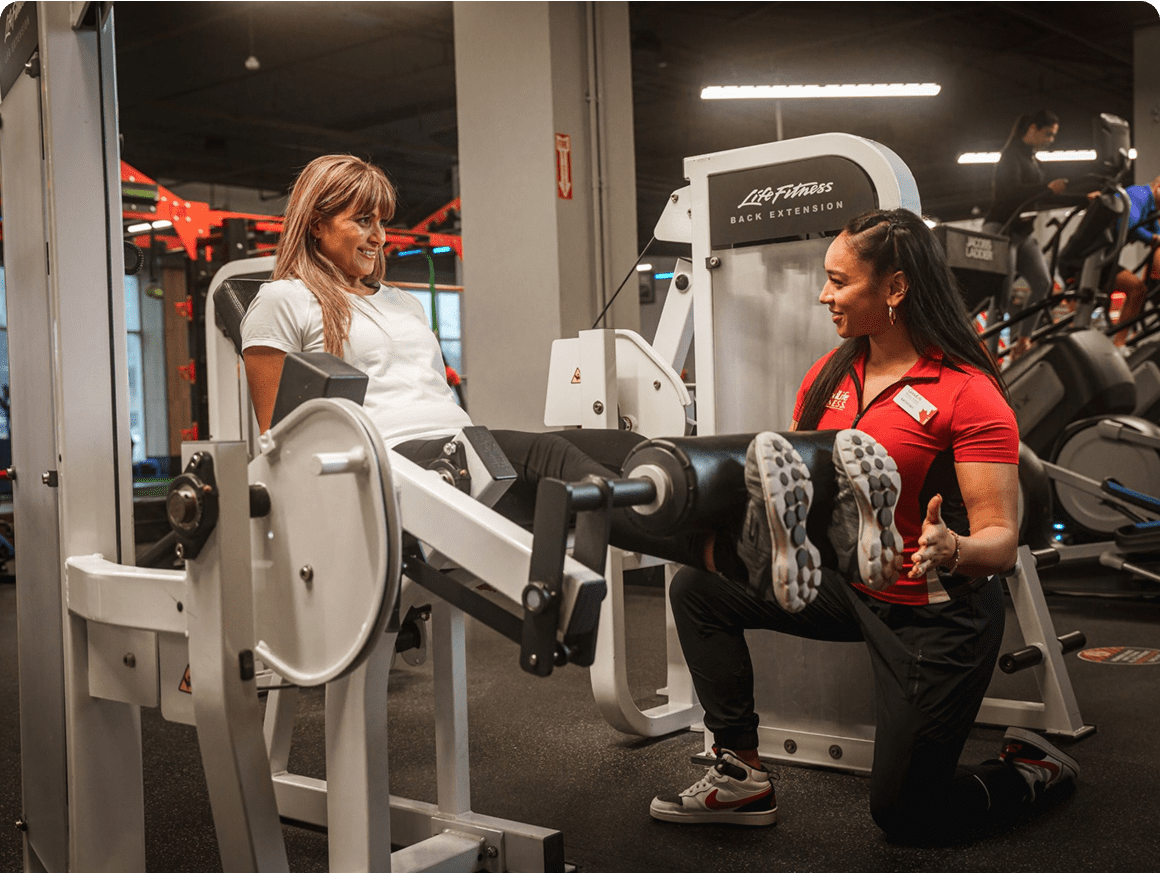
A Nationwide Commitment to Coaching Women Better The partnership began with a shared vision. Girls Gone Strong issued Certifications to key members of GoodLife’s leadership and education teams, giving them firsthand experience with the quality and depth of Girls Gone Strong’s Certification programs. Molly Galbraith, co-founder of GGS, then delivered a powerful company-wide talk to GoodLife staff—focused on what it really means to coach women with empathy, expertise, and inclusivity. VIP Enrollment, Real Certification, Measurable Impact Following the initial rollout, Girls Gone Strong opened exclusive enrollment opportunities for GoodLife professionals, enabling trainers and coaches across Canada to formally pursue Certifications through GGS. Many GoodLife professionals enrolled in and completed Girls Gone Strong certifications, including: These Certifications equip health and fitness professionals with the tools and knowledge to meet women where they are, guide them safely, and support their health through every life phase—from adolescence to menopause and beyond. The Result? A Better Gym Experience for Women Nationwide Thanks to this partnership, GoodLife Fitness is now home to dozens of GGS-certified professionals—and counting. Their trainers are more informed, their approach more inclusive, and their mission more aligned with what Canadian women actually need in a gym environment. This collaboration has already transformed how women experience fitness at GoodLife locations across Canada, strengthening GoodLife’s ability to support women’s health and fitness needs nationwide. What’s Next for GGS x GoodLife? Girls Gone Strong and GoodLife Fitness continue to explore opportunities to expand education access, including additional workshops and Certification pathways for fitness professionals.This collaboration reflects a shared commitment to improving how women are coached and supported in gym environments nationwide. Source link

Can Epidural Injections Be Used for Pain Management?
When pain becomes unbearable, people are willing to explore any treatment that promises relief. One treatment that often comes up in discussions is epidural steroid injections (ESIs). While you may have heard of these injections in the context of childbirth, they also serve another function: pain management for chronic conditions. So, the big question is: Can epidural injections really be used for pain management? Absolutely! Let’s look at how they work, who can benefit from them, and what you should know before considering them as a treatment option. What Are Epidural Injections? An epidural injection is a minimally invasive procedure that delivers anti-inflammatory medication—typically a corticosteroid—directly into the epidural space of your spine. The epidural space surrounds the spinal cord and the nerve roots, which are often the source of pain when irritated or inflamed. Corticosteroids are powerful anti-inflammatory medications that help reduce swelling, pressure, and irritation on the nerves. By delivering them directly to the source of the pain, epidural injections can provide targeted relief that oral medications often fail to offer. How Do Epidural Injections Work? Think of epidural injections as fire extinguishers for your nerves. When a nerve becomes inflamed, it can cause a lot of discomfort and, in some cases, even debilitating pain. This inflammation often results from conditions like a bulging disc or spinal stenosis that put pressure on your nerves. By injecting steroids near the affected nerve roots, the inflammation is reduced, and with it, the pain subsides. The injection consists of two key components: a corticosteroid to reduce inflammation and an anesthetic to provide immediate pain relief. The anesthetic gives you relief shortly after the injection, while the corticosteroid works over a longer period to keep inflammation at bay. Conditions That Epidural Injections Can Treat Epidural injections are most commonly used to treat pain that originates in the spine and radiates to other parts of the body, such as the legs or arms, which is known as radicular pain. Here are a few conditions where epidural injections may help: Herniated Disc A herniated disc occurs when the cushion-like discs between your spinal bones rupture, pressing on the spinal nerves. This condition can cause intense pain that radiates down the legs (sciatica) or arms. Epidural injections can relieve the inflammation caused by the herniated disc and alleviate nerve irritation. Spinal Stenosis This condition refers to the narrowing of the spinal canal, which can put pressure on the spinal cord and nerve roots. This typically causes pain, numbness, and weakness in the legs. Epidural injections can help reduce the inflammation and pressure on the nerves, providing relief from these symptoms. Sciatica Sciatica is the pain that radiates along the path of the sciatic nerve, which extends from your lower back through the hips and down each leg. When a nerve in the lower spine is compressed, the result is typically sciatica. Epidural injections target the inflamed nerve and provide relief. Degenerative Disc Disease As we age, the discs in our spine begin to wear down, leading to pain and discomfort. While this is a natural part of aging, it can become debilitating for some people. Epidural injections can help manage the pain associated with degenerative disc disease by reducing inflammation in the affected areas. What to Expect during the Procedure If you’re considering an epidural injection for pain relief, understanding the procedure can help ease any concerns you might have. Here’s a breakdown of what typically happens during an epidural steroid injection: Preparation: You’ll lie face down on a table, and the area where the injection will be administered is sterilized. Local anesthesia may be used to numb the injection site, so you won’t feel much discomfort. Guided Imaging: For precision, the physician will use fluoroscopy (a type of X-ray) to guide the needle into the epidural space. This imaging technique ensures that the medication is delivered to the right spot. The Injection: Once the needle is in place, the physician injects a mixture of corticosteroid and anesthetic into the epidural space. Post-Procedure: After the injection, you’ll be monitored for a short time before being allowed to go home. You’ll want to take it easy for the rest of the day but can typically resume normal activities the following day. How Long Do Epidural Injections Last? This is one of the most common questions people have about epidural injections. While the anesthetic in the injection provides immediate relief, the corticosteroid takes a little longer to kick in—usually within 2 to 7 days. The relief you experience from the injection can last anywhere from several days to a few months. Some patients experience significant pain reduction after just one injection, while others may require a series of injections for more sustained relief. Who Shouldn’t Get Epidural Injections? While epidural injections are a great option for many people, they aren’t suitable for everyone. You may not be a good candidate for an epidural steroid injection if you have a bleeding disorder, a current infection, uncontrolled diabetes, and certain neurological conditions. Your physician will review your medical history and discuss whether or not this treatment is appropriate for you. The Benefits of Epidural Injections One of the biggest benefits of epidural injections is that they provide targeted pain relief without the need for oral medications, which can come with unwanted side effects like drowsiness, nausea, or dependency. Here are some other key advantages: Non-Surgical: Epidural injections are a minimally invasive option that may help you avoid surgery. Fast Relief: The anesthetic component of the injection can provide immediate pain relief, often allowing you to return to normal activities quickly. Reduced Inflammation: The corticosteroid reduces inflammation at the source, helping to provide longer-lasting relief. Improved Quality of Life: For many, epidural injections allow for a significant improvement in quality of life, helping them stay active and functional. Should I Consider an Epidural Injection for Pain? If chronic back or neck pain is affecting your quality of life, an epidural injection might be worth considering. However, it’s not a

Life Time Hosts Girls Gone Strong Master Class for Fitness Professionals
A Shared Vision for Empowering Coaches and Clients Life Time and Girls Gone Strong both believe in equipping fitness professionals with science-backed, inclusive, and high-impact education. Their team sought out GGS after hearing strong endorsements from existing staff who had already experienced the quality of Girls Gone Strong Certifications. Following initial conversations with Life Time Leadership and one of their top female trainers, Life Time requested GGS education be made available to their training staff.” Real Impact for Fitness Professionals Who Work with Women. The pilot collaboration included several key initiatives: Girls Gone Strong issued Certifications to select Life Time team members, allowing them to review the curriculum and become GGS Certified. GGS Co-Founder Molly Galbraith delivered a company-wide master class focused on evidence-based health and fitness coaching for women. A private enrollment opportunity was created exclusively for Life Time professionals to access and complete GGS Certifications. The response demonstrated strong engagement, with many Life Time coaches attending the master class and completing their Certifications. Why It Matters: Elevating the Coaching Standard for Women’s Health This initiative reflects a broader shift toward elevating standards in women’s health and fitness education. With thousands of women walking into Life Time facilities every year, and more professionals now trained in women-centered coaching strategies, the ripple effect is powerful: The GGS x Life Time Educational Initiative Girls Gone Strong provided Life Time with educational resources, including a company-wide masterclass, complimentary certifications, and professional development opportunities for their training staff. Life Time fitness professionals interested in GGS certifications can learn more at girlsgonestrong.com. Source link
Experts weigh federal MAHA programs targeting rural health
Add topic to email alerts Receive an email when new articles are posted on Please provide your email address to receive an email when new articles are posted on . “ data-action=”subscribe”> Subscribe We were unable to process your request. Please try again later. If you continue to have this issue please contact customerservice@slackinc.com. Back to Healio Although experts generally support the stated goals of programs targeting rural areas in HHS Secretary Robert F. Kennedy Jr.’s “Make America Healthy Again” initiative, many have questioned whether the actual policies are up to the task. “Overall, the growing attention on rural health care and the barriers faced by rural residents is music to our ears,” Rebecca J. Schmidt, DO, FACP, FASN, assistant dean for rural outreach and community engagement, and professor of medicine in the division of nephrology, at West Virginia University School of Medicine, told Healio. “It is refreshing to note that the problems with access to care for rural residents are being recognized and that efforts to address access to care issues have entered the national dialogue.” In December 2025, CMS announced all 50 states would receive awards as part of the Rural Health Transformation Program, a $50 billion initiative established under the One Big Beautiful Bill Act. The awards ranged from $147 million to $281 million, with the average award being $200 million. “Overall, I think the initiatives are welcomed in rural communities, where there are disproportionately high rates of conditions such as type 2 diabetes, heart disease and obesity,” Jessica Jolly, senior director of practice advancement at the American College of Lifestyle Medicine, told Healio. However, she added that the awards’ impact must be considered in the context of recent reductions in federal and state health care funding. “While the Rural Health Transformation Program’s focus on the specific needs of rural communities is exciting, those needs are great and the funding is less than the reductions states have experienced recently,” she said. Similarly mixed opinions on the current administration’s efforts to improve rural health can be found across medicine. “In general, these initiatives are well-intended,” Stephen M. Lindsey, MD, MACR, of the Louisiana State University Health Science Center, in New Orleans, told Healio. “They want to move the focus from treating disease to prevention of chronic illness. They want to address behaviors like diet and exercise to reduce obesity. All of this will improve health in rural communities. Stephen M. Lindsey “However, there is nothing in the MAHA policy where they really address expanding rural health care or how to improve assistance in Louisiana,” he added. “What I am seeing is private systems are doing expansions by buying smaller hospitals. They are not doing it as part of the MAHA initiative, they are doing it as profit sources. In the long run, it may be helping rural patients, but it is hard to say.” Meanwhile, Terry L. Moore, MD, FACP, FAAP, MACR, director of the divisions of adult and pediatric rheumatology at Cardinal Glennon Children’s Hospital in St. Louis, Missouri, and professor of internal medicine, pediatrics and molecular microbiology and immunology at Saint Louis University Medical School, suggested that other messages that have emerged from Kennedy’s office and the MAHA movement in general, including vaccine skepticism, could be counterproductive to the rural health. Terry L. Moore “Missouri is a very red state,” he said. “We have young patients coming into our clinic with juvenile arthritis and connective tissue disease on immunosuppressives and they have had no flu shot, no COVID shot — they are reluctant to do any immunization. We have seen a few cases of measles. This is going to impact patient outcomes regardless of the other measures that are part of this initiative.” A close look at the language of the initiative and its specific components could hold clues to how rural communities and patient populations will be impacted. ‘Just rhetoric’ The Rural Health Transformation Program contains several platforms that aim to bring health care to places that are difficult to reach. “States will advance Make Rural America Healthy Again goals by expanding preventive, primary, maternal and behavioral health services, and creating new access points that bring care closer to home and help preserve strong local health systems,” HHS said in a statement. “Many states are implementing evidence-based, outcomes-driven strategies — such as physical fitness and nutrition programs, food-as-medicine initiatives, and chronic disease prevention models — to address root causes of diseases and manage chronic conditions,” the statement continued. “States will also strengthen rural emergency care through improved emergency medical services (EMS) communication, treat-in-place options, and coordinated transfers.” The program also includes provisions to upgrade the rural clinical workforce, drive structural efficiency and empower community providers, modernize rural health infrastructure and technology, and advance innovative care models and payment reform, according to the statement. “In general, the need for a nationwide commitment to strengthen rural health care cannot be overemphasized,” Bethany Pellegrino, MD, division chief of nephrology and nephrology fellowship program director at the West Virginia University School of Medicine, said in an interview. “The components of this initiative are noble and signify the recognition that health care in rural America, particularly that which addresses chronic illness, could be greatly improved.” Bethany Pellegrino However, for some, the issue is not the platforms themselves but how they will work in practice. Many experts who spoke with Healio voiced concerns that the MAHA initiatives, as stated, are not enough to provide people the resources they need to be healthy. “The MAHA initiative suggests that people should eat good food, but they can’t get it because they can’t afford it,” Lindsey said. “We need to reach these populations with healthy alternatives at affordable prices. I do not see a lot of action on that front. I hear a lot of rhetoric. It is good rhetoric, but it is still just rhetoric.” According to Schmidt, failure to generate material improvements among these communities through concrete action

The Role and Importance of Pain Management Specialists
Pain is a common experience, whether from an injury, a chronic condition, or post-surgical recovery. While minor pain may fade with time, severe or chronic pain can significantly impact quality of life, interfering with daily activities and emotional well-being. This is where pain management specialists step in, offering essential care for individuals dealing with ongoing pain. Who Are Pain Management Specialists? Pain management specialists are physicians with specific training in evaluating, diagnosing, and treating various types of pain. They often have anesthesiology, neurology, physical medicine, or rehabilitation backgrounds. These professionals develop treatment plans tailored to each patient’s unique condition, using methods that may include medication, physical therapy, minimally invasive procedures, and lifestyle adjustments. The importance of pain management specialists lies in their ability to create comprehensive plans that address not just the symptoms but also the underlying causes of pain. This holistic approach is necessary for those with chronic pain, who often require ongoing care that standard medical providers may not be equipped to deliver. Benefits of Consulting a Pain Management Specialist Living with chronic or severe pain can be physically exhausting and emotionally draining. Consulting a pain management specialist offers many benefits, including: Specialized Knowledge These experts undergo rigorous training in pain assessment and treatment. Unlike general practitioners, who may treat pain as part of other health issues, pain specialists focus specifically on understanding pain and its complex mechanisms. This specialized knowledge enables them to diagnose complex pain issues accurately and create treatment plans that address the root causes. Access to Advanced Treatment Options Pain management specialists can access various treatment options beyond traditional pain relief medications. Depending on the diagnosis, a specialist may recommend interventional procedures such as nerve blocks, spinal injections, or radiofrequency ablation. For those with severe pain, advanced options like implantable devices that stimulate nerves or pump medication directly to affected areas are also available. Pain specialists may also explore complementary therapies, such as acupuncture or behavioral therapy, as part of a comprehensive approach to pain relief. Personalized Treatment Plans Each patient’s experience with pain is unique, as are the factors contributing to it. Pain management specialists understand this and customize treatment plans to address each patient’s specific needs. Rather than offering one-size-fits-all solutions, they consider factors like the patient’s age, lifestyle, medical history, and individual pain tolerance. How Pain Management Specialists Diagnose and Treat Pain Pain management specialists follow a thorough diagnostic process to identify the causes and characteristics of a patient’s pain. This allows them to develop effective treatment plans tailored to each individual’s needs. Here’s what the process typically looks like: Comprehensive Evaluation The first step involves a detailed evaluation, where they review the patient’s medical history, current symptoms, and previous treatments. They may conduct a physical examination and ask about the patient’s pain experience, such as the intensity, location, and duration of the pain. Advanced diagnostic tools like imaging studies (MRI, CT scans, or X-rays) or nerve conduction tests might also be used to identify the root cause of the pain. Developing a Treatment Plan Based on the diagnosis, the specialist designs a treatment plan that combines different approaches. For instance, a treatment plan for a patient with arthritis may include anti-inflammatory medications, physical therapy, and specific lifestyle recommendations. A person recovering from surgery might benefit from medication combined with rehabilitation exercises. Regular Monitoring and Adjustments Pain management is not always a straightforward process; it requires monitoring and adjustments. Specialists follow up with patients regularly to evaluate their response to treatment, making necessary adjustments along the way. This continual monitoring helps prevent side effects, reduces the risk of dependence on medications, and helps the patients receive optimal care. The Role of Pain Management in Improving Quality of Life For those experiencing chronic pain, quality of life can be significantly affected. Pain management specialists help improve patients’ daily experiences by helping them regain mobility, reduce reliance on medications, and improve emotional well-being. The benefits of their care extend beyond physical relief and can impact mental health and overall outlook. Pain often takes a toll on mental health, leading to issues like depression, anxiety, and social isolation. The specialists can address these factors, either directly or by coordinating with mental health professionals. This holistic approach helps patients manage the emotional aspects of chronic pain, creating a support system that emphasizes physical and mental wellness. When to See a Pain Management Specialist It can be challenging to know when pain requires specialist intervention. Here are some indicators: Persistent Pain: If pain has lasted longer than three months and doesn’t respond to standard treatments, consulting a pain management specialist may help uncover the root cause. Reduced Daily Functioning: When pain affects work, family life, or recreational activities, a specialist’s intervention can help restore a sense of normalcy. Side Effects from Pain Medications: Chronic use of pain medications can lead to side effects or dependency. A pain management specialist can offer alternative treatments to reduce medication reliance. Complex Conditions: For patients with conditions like fibromyalgia, migraines, or complex regional pain syndrome, the specialists provide the advanced expertise necessary for effective treatment. Finding the Right Pain Management Specialist When choosing a pain management specialist, consider their experience, certifications, and approach to patient care. Many specialists are board-certified, indicating they’ve undergone additional training. It’s important to find a provider who listens, takes the time to understand your needs, and communicates clearly about treatment options. Referrals from primary care doctors or other specialists can be helpful, as they may know reputable providers with experience in treating specific types of pain. Final Thoughts Pain management specialists offer hope and relief for those dealing with chronic or severe pain. Their training and expertise allow them to provide advanced treatment options, personalized care plans, and compassionate support that can make a significant difference in a patient’s life. Seeking help from a pain management specialist can help individuals regain control over their pain, improve their quality of life, and, in many cases, return to activities they once enjoyed. If chronic pain has

Facts About Night Blindness (Dim Light Disturbances)
Picture this: It’s Friday night and you have plans to meet your BFF for dinner. You opt for a ride share, get in the car and notice the lights are glaringly bright — beams extending up and out from passing headlights — making it hard to see. If this sounds familiar, you could be experiencing dim light disturbances (DLD), formerly known as night vision disturbances or night blindness. People with DLD can see fine during the day or in well-lit areas but have difficulty seeing clearly in low lighting. DLD can have a serious impact on quality of life, but new hope is on the horizon. What are dim light disturbances? Dim light disturbances refer to a wide range of symptoms that affect the quality of vision in darker environments. Symptoms can include: Seeing halos surrounding light sources Monocular diplopia (double vision) Blurriness Starbursts — streaks or rays surrounding a light source Glare disability — reduced vision because of the intense light How does the eye adjust for dim light? Your eyes are always adjusting to help you see — even in the dark. The iris — the colored part of your eye that surrounds the pupil — regulates the size of your pupil and manages how much light enters the eye. When it’s dark, your pupils get bigger to let more light in so you can see. For people with DLD, the larger pupil size makes flaws in the lens or cornea of the eye worse, which leads to symptoms like light scattering and distorted images. What are the causes of dim light disturbances? Dim light disturbances are a side effect of a health condition or eye surgery. Causes of DLD can include: Keratorefractive surgery (e.g., LASIK, PRK, SMILE) Keratoconus, an eye condition that changes the shape of the cornea Cataracts Dry eye disease Corneal scars For some people, DLD can last for months or years following a common surgery like LASIK. Treatments for dim light disturbance There are currently no FDA-approved treatments for DLD. But there are promising developments on the horizon. Researchers are looking at phentolamine ophthalmic solution eyedrops to help improve DLD symptoms. The eyedrops help keep the pupil smaller to block out unfocused rays of light for clearer vision. So far, the research has shown promising results, including an increase in vision and overall decrease in glare disability, halos and startbursts in people with DLD. Accommodations for dim light disturbance There are some accommodations people can make to help with DLD: Get your annual eye exam and update any prescriptions If you wear glasses, try antireflective coatings to reduce glare Get treated for any health conditions like dry eye that may be affecting your vision Add more lights around your home Dim your dashboard lights to reduce glare when driving Stick to familiar streets and well-lit roads when driving See your healthcare provider about your night vision Dim light disturbances can have a negative impact on vision, which can be especially dangerous when driving at night. If you have symptoms of DLD or notice any vision changes when going from a well-lit area to low lighting, talk to your healthcare provider (HCP) right away. Your HCP can properly test you for eye conditions and help you find the best path forward. This educational resource was created with support from Viatris, a HealthyWomen Corporate Advisory Council member. Related Articles Around the Web Source link

Is Phantom Pain a Real Medical Condition?
Phantom pain is a fascinating and often misunderstood medical phenomenon that has sparked debate and research within the medical community for decades. If you’ve ever wondered whether phantom pain is real, the answer is a resounding yes. It’s a documented and studied condition that affects many individuals, particularly those who have undergone an amputation. What Is Phantom Pain? Phantom pain is a sensation of pain that seems to come from a body part that is no longer present. It’s most commonly associated with amputees, though it can also occur after the removal of other body parts, such as breasts (during a process called a mastectomy) or teeth. Unlike phantom limb sensation, which involves non-painful feelings like tingling or itching, phantom pain is characterized by discomfort that ranges from mild to debilitating. Common descriptions of the kinds of phantom pains you can experience include burning, throbbing, stabbing, or cramping. What Causes Phantom Pain? The exact causes of phantom pain remain unclear, but several possible explanations highlight how complex the brain and nervous system truly are: Brain Rewiring: When a limb is removed, the brain must adapt to the loss. This involves rewiring the body map in the brain. The area responsible for the amputated limb may begin processing sensations from other body parts, which can lead to confusion and pain signals. Nerve Misfires: Nerves that once connected to the amputated limb may still send signals to the brain. These signals, although originating from the remaining stump, can be interpreted by the brain as pain coming from the missing limb. Emotional Triggers: Emotional distress, such as anxiety or depression, can amplify phantom pain. For many amputees, the loss of a limb is a traumatic experience, and this psychological strain can heighten the perception of pain. Peripheral Nerve Sensitivity: The remaining nerve endings near the amputation site, known as neuromas, can become hypersensitive. These neuromas may send exaggerated signals to the brain, contributing to the sensation of phantom pain. Symptoms of Phantom Pain Phantom pain manifests differently for everyone, but some symptoms are commonly reported. For many, the pain feels sharp, stabbing, or like an intense burning sensation. Others describe it as persistent cramping or an uncomfortable feeling of heaviness, as though the missing limb is still present but trapped or compressed. In some cases, the pain may come in waves, varying in intensity throughout the day. These sensations often start shortly after surgery but can persist for months or even years if left untreated. It’s important to note that phantom pain differs from residual limb pain, which occurs at the site of the amputation itself. When Should You See a Doctor? It’s best to seek medical attention if phantom pain becomes severe or begins to interfere with your daily life. Persistent discomfort that disrupts your ability to work, sleep, or engage in regular activities should not be ignored. You should also consult a healthcare provider if the residual limb shows signs of swelling, redness, or unusual sensitivity, as these could indicate other complications requiring immediate attention. A doctor can help you differentiate between phantom pain and other potential issues while guiding you toward effective treatment options. Managing Phantom Pain While phantom pain can’t always be cured, there are several ways to manage it effectively: Medication Options Many individuals find relief through medications that target nerve activity or pain signals. Over-the-counter pain relievers, such as acetaminophen, may help with mild discomfort, while stronger prescription options, like opioids, are sometimes used for more severe cases. Antidepressants and anticonvulsants are also common, as they can alter how the brain perceives pain. Therapies and Non-Invasive Techniques Non-invasive treatments often provide significant relief for those dealing with phantom pain. Mirror therapy, for example, is a method that uses a mirror to create the illusion of the missing limb, helping to retrain the brain and reduce pain. Physical therapy is another valuable approach, focusing on exercises and massages to improve circulation and relax muscles. For some, transcutaneous electrical nerve stimulation (TENS), which delivers mild electrical impulses to the skin, can block pain signals and provide temporary relief. Surgical Solutions In cases where other treatments are unsuccessful, surgical options may be explored. Procedures such as nerve revision surgery or spinal cord stimulation can target the root of the pain and offer more long-term solutions. Coping with Phantom Pain Beyond medical interventions, coping strategies can play a significant role in managing phantom pain. One of the most effective methods for coping with phantom pain is staying active. Engaging in regular exercise, tailored to your abilities, can release endorphins that naturally reduce pain. Mindfulness practices, like meditation and deep breathing, help calm the mind and increase pain tolerance by lowering stress levels. Additionally, joining a support group for amputees can offer emotional support and practical advice, creating a sense of community for those with shared experiences. Using adaptive tools, such as prosthetics and mobility aids, can also improve independence and reduce physical strain. Can Phantom Pain Be Prevented? While it isn’t always possible to prevent phantom pain, taking certain steps before and after an amputation can reduce the risk or severity of the condition. Preoperative counseling is one such step, as it prepares patients mentally and emotionally for the changes they will experience. Postoperative care, including proper wound care and physical therapy, can help minimize complications and aid recovery. For some individuals, early use of a prosthetic limb encourages the brain to adapt more quickly, potentially reducing the occurrence of phantom pain. Advances in Research and Treatment The study of phantom pain continues to evolve, with researchers exploring innovative solutions to improve outcomes for patients. Virtual reality therapies are gaining attention for their ability to immerse users in simulations that retrain the brain. Advanced prosthetics equipped with sensory feedback technology are also emerging as a promising tool for reducing phantom pain by restoring a sense of connection to the missing limb. Moreover, brain stimulation techniques, such as transcranial magnetic stimulation (TMS), are showing potential in clinical trials. These advancements offer

Treatments for Hot Flashes – HealthyWomen
You’re having dinner with friends when all of a sudden heat rises up in your body. You begin sweating. Your face turns red, and you may even have heart palpitations. You ask, “Is it hot in here, or is it just me?” It’s just you — but it’s definitely not just you. Hot flashes and night sweats, also known as the vasomotor symptoms (VMS) of menopause, are associated with perimenopause and menopause. VMS affects 8 out of 10 of women over 40 and can last, on average, 7 years, sometimes even up to a decade. About 1 in 3 women report having up to 10 hot flashes a day. And each menopausal hot flash can last from one to five minutes. Symptoms can last longer and severity can be worse for Native American and Black women. VMS can influence your mood, cause anxiety and interfere with your sleep. This may impact your ability to focus, work or be present in relationships. Luckily, menopause symptoms are starting to get more attention. Read: 7 Menopause Tips from the Pros >> What happens to your body during a hot flash As you enter perimenopause and menopause, your estrogen levels begin to decline. This decrease in estrogen can affect the thermoregulatory center of your brain that helps regulate body temperature, said Robin Noble, M.D., gynecologist and chief medical advisor of the nonprofit Let’s Talk Menopause. Before perimenopause, if we’re rushing up the stairs or we’re stressed about something, our body temperature might vary. But we can accommodate that without having a hot flash. “When our estrogen declines, our thermoregulatory zone narrows. There’s less leeway, and changes in body temperature are less tolerated,” Noble said. Hot flashes from menopause can happen anytime, anywhere, day or night, and they can range from feeling slightly warm to incredibly disruptive, drenching you in sweat. Your skin might feel clammy, and you might have chills and anxiety after the flash. Hormonal therapy for hot flashes Hormonal therapy (HT) is widely considered the gold standard for the treatment of menopause and VMS. HT treats the symptoms of menopause by replacing estrogen and progesterone in your body. The two main types of HT are: Estrogen therapy: This hormone treatment replaces estrogen that the body no longer makes during menopause. Estrogen therapy by itself can increase the risk for uterine cancer, so people who no longer have a uterus can take estrogen-only therapy. Combination therapy: Combination therapy is a mix of both estrogen and progestin. This is recommended for women who still have a uterus. The progestin in combination therapy protects the uterine lining from the negative effects of estrogen. The safest way to get estrogen therapy is through the skin, using patches, gels, mucosal rings or creams. Estrogen pills are also available, but they slightly increase the risk of stroke. Progestin is often given orally or vaginally. Along with helping to ease hot flash symptoms, hormone therapy can also protect other areas of the body. HT can be beneficial for bone health, cardiovascular disease, diabetes, joint pain, and skin and hair changes. Since HT can also help regulate your mood, it may also be helpful in alleviating symptoms of anxiety and depression. Hormone therapy does come with some risks, though, and it isn’t for everybody. If you’ve had certain types of cancers, are at a high risk for blood clots, or have a history of stroke and other cardiovascular diseases, you might need to think about other options. Nonhormonal medications for hot flashes Some women are unable to take HT, while others may prefer not to. Now, there are two types of FDA-approved, nonhormonal medications on the market that target moderate to severe menopausal hot flashes. Both nonhormonal medications work by blocking pathways in the brain’s temperature control center. Elinzanetant (brand name Lynkuet) is a dual NK1 and NK3 receptor antagonist. Fezolinetant (brand name Veozah) is an NK3 receptor antagonist. Both medications have been shown to reduce moderate to severe menopausal hot flashes and improve sleep quality. Note: Both elinzanetant and fezolinetant are processed through the liver, so you’ll need blood work to check your liver enzymes before starting treatment and again at different points during treatment. The liver monitoring schedule is different for each drug. Talk to your healthcare provider about hot flashes When you’re struggling with hot flashes, it might feel like there’s no end in sight. That’s why it’s important to find a healthcare provider (HCP) who will listen to your concerns and help you make an informed decision. Here are some ways to prepare for your appointment: Track your symptoms for a few weeks before your appointment Write down your questions so you don’t forget them Share your preferences for hormonal or nonhormonal medications If your HCP dismisses your symptoms or won’t listen to you, it might be time to find a new one. To find a menopause-certified HCP near you, search The Menopause Society directory by ZIP code. Or look for a telehealth professional. With more choices available, there’s no reason for anyone to have to struggle with hot flashes. This educational resource was created with support from Bayer, a HealthyWomen Corporate Advisory Council member. From Your Site Articles Related Articles Around the Web Source link
GLP-1s sustain weight loss in IBD, obesity without worse symptoms
Add topic to email alerts Receive an email when new articles are posted on Please provide your email address to receive an email when new articles are posted on . “ data-action=”subscribe”> Subscribe We were unable to process your request. Please try again later. If you continue to have this issue please contact customerservice@slackinc.com. Back to Healio Key takeaways: GLP-1s plus lifestyle counseling sustained weight loss and improved bowel symptoms in patients with IBD with obesity. Fatigue also improved without IBD-related hospitalizations or changes in therapy. CHICAGO — Patients with obesity and inflammatory bowel disease showed improved bowel function while receiving GLP-1 receptor agonists and lifestyle counseling, in contrast to the gastrointestinal issues typically associated with GLP-1s. “Given that gastrointestinal side effects are often a concern with GLP-1 therapy, it was notable that patients reported improvement rather than worsening of bowel symptoms, suggesting these therapies may have broader benefits in selected patients with IBD,” Stephanie Lauren Gold, MD, assistant professor of gastroenterology at Icahn School of Medicine at Mount Sinai, told Healio. Gold and colleagues presented their research at Digestive Disease Week. “These findings highlight the importance of integrating metabolic and weight management interventions into routine IBD care,” Gold continued. The treatment combination also was associated with clinically significant weight loss and reduced patient-reported fatigue. Obesity may be a modifiable risk factor in patients with IBD, the researchers wrote. “In the general population, GLP-1s are well-established therapeutic options to treat obesity,” Gold said. “However, prospective and real-world data on the safety and efficacy of GLP-1 therapy in patients with IBD remain limited.” For a 12-month period, 95 patients (median age, 40 years; 64% women; median BMI, 35 kg/m2) with an IBD diagnosis and a BMI higher than 25 kg/m2 received guidance on diet and exercise at a multidisciplinary IBD-metabolic clinic. Vibration controlled transient elastography showed 68 patients had hepatic steatosis and three had fibrosis. Clinicians initiated GLP-1 therapy among 50 patients who met indication criteria — BMI of at least 27 kg/m2 with a comorbidity or BMI of at least 30 kg/ m2 — and could pay for or had insurance to cover the drug. Data on IBD symptoms, weight loss and fatigue were gathered at baseline and 3, 6, 9 and 12 months of follow-up. During the study period, patients receiving both GLP-1 therapy and lifestyle counseling had a significantly greater median percent weight change than those treated with counseling alone. At 3 months, the difference was –5.5% vs. +1%; 6 months, –9.5% vs. +2%; 9 months, –13.8% vs. +1%; and 12 months, –20.9% vs. +3%. Patients receiving the combined intervention also reported reduction in fatigue and improvement in stool frequency and consistency after 3 months. The researchers observed no significant differences in ED visits, hospitalizations and changes in IBD therapy between cohorts. Further research is required on the topic, according to Gold and colleagues. “We need prospective studies to define optimal dosing, duration, long-term safety, predictors of response and tolerability, and whether GLP-1 therapy can improve IBD-related outcomes beyond weight loss,” Gold said. “It is also important to focus on a more personalized approach for obesity care in patients with IBD, identifying which patients are most likely to benefit from specific interventions.” For more information: Stephanie Lauren Gold, MD, can be reached at laura.ruocco-duran@mountsinai.org. Published by: Sources/Disclosures Source: Gold SL, et al. GLP-1RA therapy plus lifestyle counseling significantly improves clinical and patient-reported outcomes in patients living with IBD and obesity. Presented at: Digestive Disease Week; May 2-5, 2026; Chicago. Disclosures: Gold reports being a 2023 Nestle Nutrition Institute Fellow, as well as support from Crohn’s and Colitis Foundation Career Development Award and Medical Board Members of Nutritional Therapy for IBD. Please see the study for all other authors’ relevant financial disclosures. Ask a clinical question and tap into Healio AI’s knowledge base. PubMed, enrolling/recruiting trials, guidelines Clinical Guidance, Healio CME, FDA news Healio’s exclusive daily news coverage of clinical data Learn more Add topic to email alerts Receive an email when new articles are posted on Please provide your email address to receive an email when new articles are posted on . “ data-action=”subscribe”> Subscribe We were unable to process your request. Please try again later. If you continue to have this issue please contact customerservice@slackinc.com. Back to Healio Source link
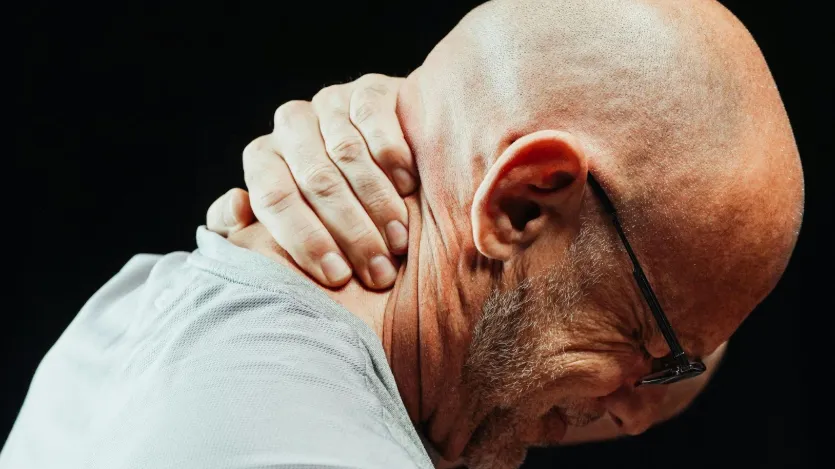
The Link Between Chronic Pain and Mental Health: Breaking the Cycle
Chronic pain and mental health are closely connected, creating a cycle that is often challenging to disrupt. Persistent physical discomfort often leads to emotional distress, while mental health challenges can amplify pain perception. Understanding this relationship is integral to finding effective solutions for those trapped in this cycle. What Is Chronic Pain? Chronic pain is defined as pain lasting for three months or longer, persisting beyond the typical healing time for an injury or illness. Unlike acute pain, which signals immediate harm to the body, chronic pain often serves no protective purpose. Common conditions associated with chronic pain include arthritis, fibromyalgia, and back pain. Chronic pain impacts physical well-being and disrupts daily routines, work performance, and relationships. Over time, the constant struggle with pain can lead to feelings of frustration, hopelessness, and isolation. The Impact of Chronic Pain on Mental Health Living with chronic pain can significantly affect mental health. Persistent pain often leads to anxiety, depression, and mood disorders. These mental health challenges arise for several reasons: Emotional Strain: The stress of dealing with ongoing pain can wear down emotional resilience. Sleep Disruption: Chronic pain frequently interferes with sleep, which is necessary for mental and physical recovery. Reduced Social Interaction: Pain may limit mobility and participation in activities, leading to loneliness and social withdrawal. Studies have shown that individuals with chronic pain are more likely to experience mental health conditions. For example, depression rates are significantly higher among people with chronic pain compared to the general population. How Mental Health Influences Pain Mental health disorders can intensify the experience of chronic pain. Anxiety and depression often heighten pain perception, making it feel more severe than it is. This occurs because emotional distress activates areas of the brain involved in pain processing, creating a feedback loop that worsens both conditions. Additionally, negative thought patterns associated with depression or anxiety, such as catastrophizing, can make it harder to cope with pain. Catastrophizing involves focusing on the worst-case scenarios, which increases feelings of helplessness and amplifies pain. Effective Approaches to Breaking the Cycle Breaking the link between chronic pain and mental health challenges requires a comprehensive approach. Addressing both physical and emotional aspects is essential for meaningful relief. Holistic Pain Management Managing chronic pain involves far more than just taking medication; it requires a comprehensive and integrated approach that considers physical, emotional, and social factors. Physical therapies like physiotherapy focus on improving strength, flexibility, and mobility, which can reduce pain over time. Acupuncture, an ancient practice rooted in traditional Chinese medicine, stimulates specific points in the body to alleviate discomfort and promote healing. Similarly, massage therapy can help relax tense muscles, improve circulation, and release endorphins, the body’s natural painkillers. These treatments don’t just address physical symptoms; they also promote relaxation, which can ease the emotional distress often linked to chronic pain. Relaxation techniques help regulate the nervous system, reducing stress and anxiety—two factors that can intensify the perception of pain. Holistic pain management also emphasizes the importance of addressing the social dimensions of chronic pain. Isolation and reduced participation in daily activities can worsen feelings of despair, creating a cycle that’s hard to break. Individuals can maintain connections that foster emotional resilience by incorporating group support, counseling, or even gentle social activities. This multidimensional approach makes sure that pain is not merely suppressed but actively managed in a way that improves overall quality of life. Combining physical treatments with mental health support creates a powerful framework to help individuals regain control and live more comfortably. Psychological Interventions Cognitive-behavioral therapy (CBT) is one of the most effective tools for addressing the mental health impacts of chronic pain. It frees individuals from negative thought patterns and develops healthier coping mechanisms. Other therapies, such as mindfulness-based stress reduction (MBSR) and acceptance and commitment therapy (ACT), focus on building resilience and fostering acceptance of pain. Medication and Medical Treatments In some cases, medications such as antidepressants or anti-anxiety drugs may be prescribed to address the mental health effects of chronic pain. These medications can work alongside pain relievers to provide comprehensive support. However, it is important to use medications under the guidance of a healthcare professional to avoid dependence or side effects. Lifestyle Modifications Lifestyle changes play a critical role in managing chronic pain and improving mental health. Regular exercise, for instance, releases endorphins—the body’s natural painkillers—and boosts mood. Balanced nutrition and adequate hydration also support overall well-being. Prioritizing sleep hygiene can help reduce both physical discomfort and emotional distress. The Role of Support Systems A strong support system can help individuals dealing with chronic pain and mental health challenges. Family, friends, and support groups can provide emotional encouragement and practical assistance. Sharing experiences with others who understand the challenges of chronic pain can also reduce feelings of isolation. Healthcare professionals, such as doctors, psychologists, and physiotherapists, are allies in this journey. Promoting Awareness and Reducing Stigma One significant barrier to addressing the link between chronic pain and mental health is stigma. Many people feel ashamed to discuss their struggles, fearing judgment or misunderstanding. Promoting awareness and fostering open conversations can help break down these barriers. Educational campaigns, community programs, and workplace initiatives can raise awareness about the challenges faced by individuals with chronic pain and mental health conditions. Encouraging empathy and understanding creates a more inclusive environment for those seeking support. Final Thoughts The connection between chronic pain and mental health is undeniable, yet it is often overlooked. Breaking the cycle requires acknowledging the intricate relationship between physical and emotional well-being. Addressing chronic pain and mental health together is about both reducing symptoms and empowering individuals to lead fulfilling lives. With the right approach, this is possible, offering hope and relief to those who need it most. Take control of your life with us at Pain Treatment Centers of America, where expert care meets compassionate solutions. Don’t let chronic pain hold you back—our team is here to provide personalized treatments that work. Rediscover the joy of living pain-free with innovative therapies tailored to