

Why your body clock matters for migraine We all have a natural preference for when we feel most awake and when we prefer to sleep. Some of us, known as “morning larks”, prefer to rise early and feel most productive in the morning, while “night owls” prefer a later start and later evening. This preference is called your chronotype. Research suggests that people living with migraine are . However, work, school or social commitments do not always fit well with these preferences. When people are forced to follow a sleep-wake schedule that differs from their natural rhythm, they can experience what is known as . Like jetlag, where your biological clock is misaligned with your new time zone, social jetlag is where your biological clock is misaligned from your social schedule. This misalignment between the body clock and daily life may increase the likelihood of a migraine attack. So, understanding your natural sleep pattern may help you identify changes that could help with your migraine. Interestingly, there is growing evidence that migraine itself may be influenced by the body’s internal clock. While migraine attacks can occur at any time of the day or night, many people report that their attacks occur at a particular time of day, for example, in the early morning. There is also some evidence that melatonin rhythms may be altered in some people with migraine. Consequently, there has been some interest as to whether taking melatonin may be beneficial in helping to treat migraine. Some of the evidence to date indicates that melatonin may help to reduce monthly headache days when used as a preventative, however further research is required to determine its efficacy in larger samples, and in comparison, to existing . As with any treatment approach for migraine, every medication has potential benefits, side effects or risk of interacting with other medications, so it’s important to speak to your GP about what is right for you when considering new treatments. The complex link between sleep and migraine is slowly being unravelled, although it is clear that maintaining healthy sleep habits can form a valuable part of a broader migraine management plan. Source link

Beacon data breach – The Migraine Trust
The Migraine Trust, like over 1,000 other charities, use a cloud-based customer relationship management platform called Beacon CRM. We use this platform to store information about our service users, fundraisers and other supporters. On 3 August, Beacon informed all charities it had experienced a cyber-security incident that involved unauthorised access to its systems. Beacon has engaged specialist cyber security experts and is investigating the incident. While Beacon’s investigation is still ongoing, Beacon has advised all organisations that information stored within its systems may have been downloaded by an unauthorised third party. At present, there is no evidence that information relating to The Migraine Trust has been published, shared publicly or misused, but we wanted to inform you so that you are aware of the situation. What information might be affected? The information we store within Beacon may include your name, postal address, email address, telephone number, records of your interactions with The Migraine Trust, donation history, and information you have shared with us in connection with our services and activities. Importantly, the data does not include usable payment card details or bank account information. No bank account details, sort codes, card numbers or card security details were stored in our Beacon database. What steps has The Migraine Trust taken? At The Migraine Trust, we immediately took steps to protect our systems from further risk. We have also reported the incident to relevant government authorities. We are working with Beacon to understand the full impact of the incident and the risk to individuals affected. How does this affect me and what should I do? You do not need to take any action, but you might receive emails, calls or texts claiming to be from The Migraine Trust when they are not, so do be vigilant. Remember that we will never contact you to request financial information, like credit card details. We understand that this may be worrying and sincerely apologise for any inconvenience caused. While there is currently no evidence that data about you has been shared or misused, we will keep you informed of updates as we receive them. For more information, including about how to get in touch with us, please see the FAQs below. Thank you so much for your valued support for The Migraine Trust. Rob Music, CEO, The Migraine Trust FAQs Source link

Finding migraine information online in the age of AI
Tips for using AI to find migraine information AI can be a useful tool to find and condense information. Equipped with some knowledge on how best to use AI tools, you can feel more confident in navigating information online! Check out our top tips: When using AI tools (like ChatGPT, Google Gemini, Microsoft Copilot, Claude AI) Consider the wording of the prompts you use in searches: AI models are trained to please the user, and the language that you use in prompts can affect the response you receive. In the below example, using a symptom that isn’t associated with migraine, the AI search result essentially agrees with the user that chest pain is a rare symptom of migraine: Considering the phrasing you use in your search can help to ensure the information generated is more relevant to your needs. In the example above, using broader search terms such as ‘symptoms of migraine’ may help to reduce the likelihood of AI essentially agreeing with the user. In other situations, being more specific when searching for information can be helpful, for example searching for ‘migraine treatment options UK’ should avoid the information being pulled from sources in other countries which may not be as relevant. When looking at results from an internet search engine that produces an AI summary Check out the original sources As in the examples above, the sources that the AI summary has pulled information from should be visible. It’s often best to click through to the original source to better understand the context of the information and make sure you’re not missing anything. Avoid AI in Google search queries entirely by including ‘-AI’ If you’d rather avoid AI summaries in search results altogether, one tip is to add ‘-AI’ at the end of your search term. You can also navigate to the ‘more – web’ search option to bypass AI summaries in your search results. If in doubt, ask the experts! Health is always a very personal situation – your experience of migraine and the treatment approaches that are suitable for you will most likely be different to another person living with migraine. That’s why it’s important to always check health advice with a healthcare professional who is aware of your unique situation. For more general advice, The Migraine Trust’s information pages are reviewed by expert health professionals and people affected by migraine. Our information has also been awarded the PIF TICK quality mark so you can be confident that it is trustworthy health information. Our helpline team are also here to provide free, evidence-based information and support on all aspects of migraine, if you ever want to check that the information you have is accurate. Check out the ways you can get in touch. Source link
New research highlights devastating financial and mental health impact of long waits to access migraine care
New research from The Migraine Trust reveals the financial and mental health impact of long waits for migraine care and treatment. Two-thirds say it took more than five years before they were able to access a satisfactory treatment Almost a third of people with migraine report challenges accessing a GP appointment and almost three quarters on a neurology waiting list have been on it for 5+ months A third have turned to private healthcare for their migraine and a quarter reported that they had experienced financial difficulties as a result Three quarters of people with migraine report a negative impact on mental health but only 10% have been offered mental health support through the NHS Migraine is a complex neurological condition, characterised by migraine attacks, affecting 10 million – or one in seven – adults in the UK. Symptoms include headache, nausea, vomiting, sensitivity to light, sound or smell, and fatigue. The report, The cost of waiting: how the migraine treatment gap is failing patients, is based on a survey of over 1,500 adults with migraine and highlights their challenges in navigating the healthcare system. Finding an effective treatment can take years Less than half of respondents (38%) are satisfied with their current migraine treatment, with delays in accessing support and finding an effective treatment a major reason. Almost a third (29%) report challenges accessing a GP appointment, and almost three quarters (69%) of those waiting to see a neurologist have been waiting more than five months, rising to one year for almost a third (29%). Finding an effective treatment can take years. Among respondents who had found a satisfactory migraine treatment, almost two thirds (62%) had spent more than five years trying. Just over a third (38%) had tried seven or more treatments before finding one they were satisfied with, while many surveyed had yet to find a treatment that helped. This is despite major treatment advances in recent years. Medications developed specifically for migraine, including Calcitonin gene-related peptide (CGRP) monoclonal antibodies (mAbs) and gepants, are now available in the UK. Studies indicate these treatments are more effective in reducing frequency of migraine days and associated with reduced risk of side effects, compared to other preventive migraine medications. Impacts on mental health and wellbeing Delays in accessing effective migraine treatment can have far-reaching consequences. A third (36%) have turned to private healthcare for migraine and a quarter (23%) reported financial difficulties as a result. Over two thirds (69%) said trying to find a satisfactory treatment made it harder to work or study, with many reporting reduced hours, job loss or being unable to work. People with migraine also reported a strain on their mental health and wellbeing. Three quarters (76%) said trying to find a satisfactory treatment had negatively affected their mental health or mood, yet only one in 10 (10%) had been offered mental health support through the NHS. Source link

The Migraine Trust awarded The Helplines NI Brendan Bonner Award for Innovation
The post The Migraine Trust awarded The Helplines NI Brendan Bonner Award for Innovation appeared first on The Migraine Trust. Source link
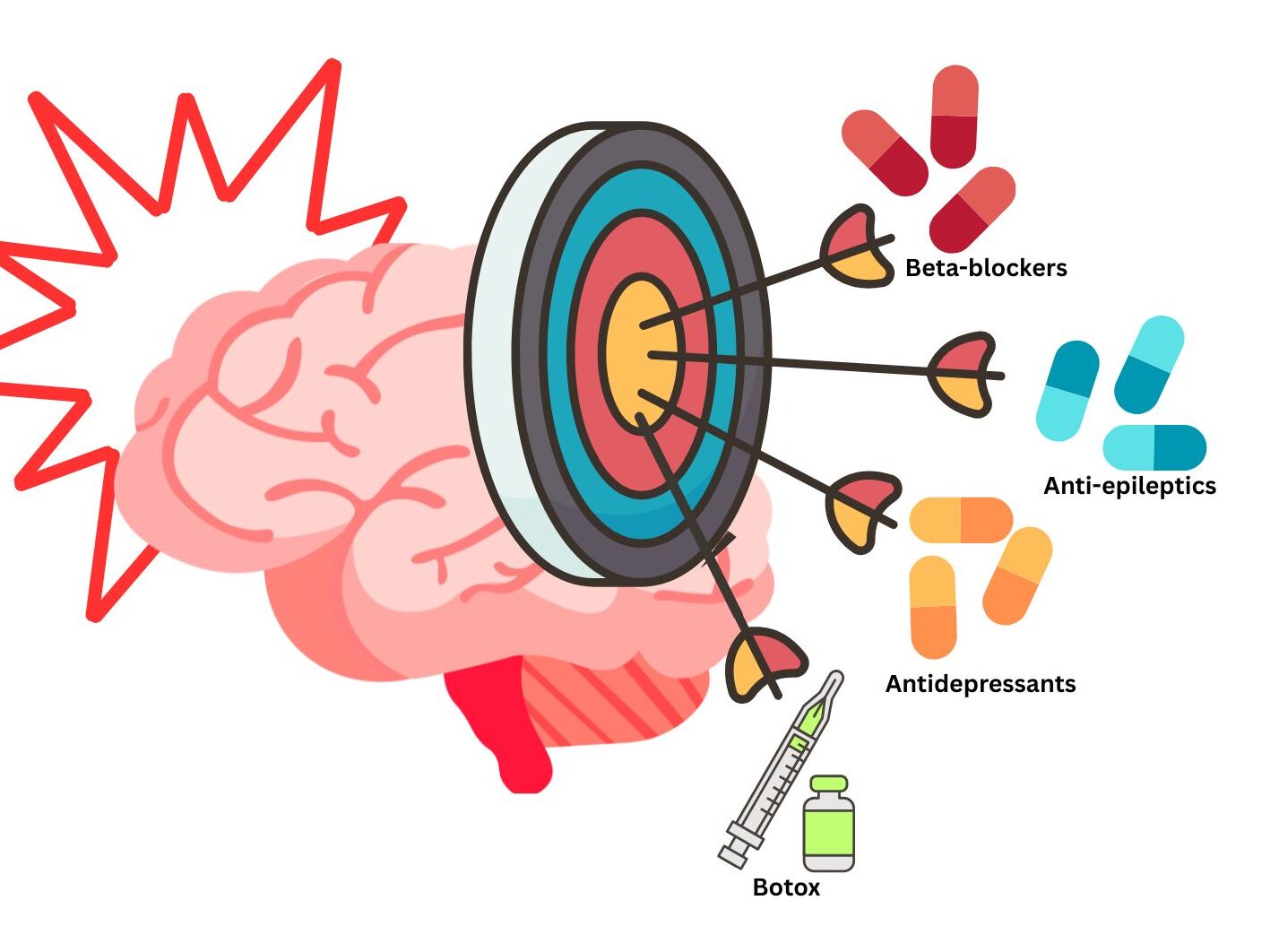
From Botox to beta blockers: how medications developed for other health conditions are used in migraine
How Repurposed Medications Work in Migraine Many older migraine medications, especially those used as preventives, were not originally developed to treat migraine. In reality, several commonly used migraine preventives were actually developed to treat a variety of conditions from high blood pressure to epilepsy. However, coincidentally, people taking these drugs started to report that their migraine attacks were getting better leading researchers to explore their use as migraine treatments. This might seem surprising, but when we look at the science, migraine and these conditions share some overlapping biology, including changes in the way our neurons (brain cells) communicate and the chemicals they release to do so. One example of this is a brain chemical called serotonin, which is involved in migraine and mood disorders, and therefore a medication that could stabilise serotonin has the potential to work in both. These repurposed medications aim to reduce attack frequency and severity (preventive medications) rather than treat an existing attack (acute medications). Examples of repurposed migraine medications include: Mignon Van der Watt, Canva 2026 Beta blockers (e.g. propranolol) What was it originally used for? Medications like propranolol were originally designed to treat heart conditions and high blood pressure. They primarily work by blocking the activity of stress hormones like adrenaline and noradrenaline that underlie the ‘fight or flight’ response, leading to a slower heart rate and lowered blood pressure. How might they work to help prevent migraine attacks? Although migraine biology is complex, researchers believe the beta blockers’ ability to calm down the body’s stress response may help it to reduce the sensitivity of migraine-related brain pathways and dampen some of the abnormal nerve signalling involved in attacks, potentially reducing their frequency. They may also influence chemicals involved in pain and inflammation, including CGRP. Beta blockers are considered a first-line preventive treatment for migraine and are often a first choice for people who also have conditions like high blood pressure or anxiety. Anti-epileptic medications (e.g. topiramate) What was it originally used for? Medications like topiramate were originally designed to treat epilepsy and seizures. These medications prevent seizures by rebalancing the excitability of neurons in the brain. How might it work to help prevent migraine attacks? Migraine and epilepsy both include changes in the electrical activity of neurons in the brain. Because both conditions share some of the same underlying mechanisms, anti-epileptic medications can be repurposed to help stabilise overactive brain activity in migraine. It is important to note that women who are considering planning a pregnancy should avoid taking anti-epileptic medications, like topiramate, as it may cause harm to an unborn baby. Antidepressants (e.g. amitriptyline) What was it originally used for? Medications like amitriptyline were originally designed to treat depression. Antidepressants work by altering brain chemicals such as serotonin and noradrenaline. How might it work to help prevent migraine attacks? Both serotonin and noradrenaline play a role in migraine biology by influencing pain pathways, mood changes and sleep. At lower doses, antidepressants may alter these chemicals to help the brain process pain differently and improve sleep, which can help reduce migraine frequency. Botox What was it originally used for? While we may now associate Botox with cosmetic procedures, it was originally used to treat eye muscle disorders. It works by temporarily preventing muscles from contracting through blocking the release of a brain chemical, acetylcholine, that signals muscles to move. How might it work to help prevent migraine attacks? Botox is a treatment that can be used in people living with chronic migraine. It works by calming overactive nerves and by blocking pain signals. In addition to reducing the frequency of migraine attacks, it can also reduce how severe a migraine attack is. How repurposed drugs expand migraine care We know that migraine treatment is highly individual. What works well for one person may not work well for another, which often leads people to try several options before finding the right fit. Drug repurposing helps expand the treatment options available. Using existing medications that have been shown to be effective for migraine can save time and cost, as researchers often already understand their safety profiles, allowing access to treatments to be accelerated. Although these medications are established, they can still cause side effects and should be prescribed and monitored appropriately. Not every medication works for every person, and treatment decisions should always be made with a healthcare professional. Not only can drug repurposing increase the number of medications available for migraine management, but they can also teach researchers more about migraine biology itself. While this approach has worked and we now also have targeted preventive therapies, it’s clear that a medication doesn’t need to be designed specifically for migraine to make a real difference to people living with it. You can learn more about these preventive medications for migraine here. Source link
New tool launched to help improve headache and migraine care
This week, The Migraine Trust and The Neurological Alliance launched Improving headache and migraine care together: A tool for NHS professionals & providers. The new tool is designed to help NHS commissioners, providers and professionals to plan, design and improve local services for people of all ages affected by headache and migraine. It identifies and signposts to the best available resources and provides a framework for local service transformation. Developed by The Migraine Trust and the Neurological Alliance with support from people living with migraine, health professionals, service managers at Integrated Care Boards (ICBs) and NHS provider representatives from across England, the tool is focused on care pathways that can be delivered in the community with key stakeholders, partners and services. Rob Music, Chief Executive of The Migraine Trust, said: “We know that many people with migraine find it challenging to access the care they need or deserve. At the same time, we recognise it can be challenging as a commissioner, provider or healthcare professional looking to improve services to know where to start. The launch of this tool marks an important step in moving toward consistent, high-quality care for people living with migraine.” Georgina Carr, Chief Executive of Neurological Alliance, said: “This tool offers a blueprint for best practice headache and migraine care in local settings and supports the NHS 10 Year Plan’s ambition to move care from hospitals to communities. We hope it will empower local healthcare leaders to improve headache and migraine services, which will not only improve patient outcomes but also reduce pressure on secondary care services.” Improving headache and migraine care together: A tool for NHS professionals & providers is endorsed by the British Association for the Study of Headache (BASH), Association of British Neurologists (ABN) and British Paediatric Neurology Association (BPNA). Alex Sinclair, Chair of BASH, said: “BASH welcomes this practical, evidence-informed tool, which brings together the key resources needed to improve headache and migraine care across the NHS. By supporting joined-up pathways, strengthening primary and community management, and enabling timely access to specialist expertise, it represents an important step towards more consistent, high-quality care for people affected by headache disorders.” Dr Rachael Kilner, Clinical Advisor on the project, GP with extended role headache King’s College Hospital, St Thomas’ Hospital and Bromley GP Alliance community headache clinic, said: “Headache disorders represent one of the largest opportunities to improve neurological care across the NHS. Too many people are still experiencing avoidable delays, unnecessary referrals and fragmented pathways. This tool brings together the evidence, clinical guidance and practical resources needed to support more consistent, joined-up care across primary, community and specialist services.” Dr Kay Kennis, Clinical Advisor on the project, GP with extended role in headache, Bradford Community Neurology Service, said: “For many people living with migraine, the difference between good and poor care comes down to whether they can access the right support at the right time. Strengthening headache care in the community has the potential to improve outcomes for patients while reducing avoidable demand on hospitals. This tool supports services to make those changes using evidence-based approaches.” The Migraine Trust is committed to improving care, support and awareness for people with migraine. You can stay up to date with our work here and by signing up to our ebulletin. Financial support for this project has been provided as a Quality Improvement Grant from Pfizer International LLC. Editorial control rests with The Migraine Trust and the Neurological Alliance. Source link

“Migraine makes your world and prospects feel very small.”
The post “Migraine makes your world and prospects feel very small.” appeared first on The Migraine Trust. Source link

Migraine: pregnancy, labour and postpartum experiences
The post Migraine: pregnancy, labour and postpartum experiences appeared first on The Migraine Trust. Source link

NICE approves atogepant for acute treatment of migraine on the NHS in England
According to the latest NICE guidance, atogepant can be prescribed as an option for the acute treatment of migraine with or without aura in adults only if, for previous migraine attacks, at least two triptans were tried and they did not work well enough or were not tolerated and nonsteroidal anti-inflammatory drugs (NSAIDs) and paracetamol were tried but did not work well enough. Whether atogepant can be prescribed for the acute treatment of migraine in both primary and secondary care settings will be subject to local commissioning through Integrated Care Boards. This means that GPs may be able to prescribe atogepant as an acute treatment or they may need to refer to a specialist for a patient to gain access, depending on where they are based. While the availability of atogepant for acute treatment is a positive step forward in improving migraine care, we are also aware of the difficulties that people experience in accessing these much-needed medications. Research for The Migraine Trust’s 2023 report, Heading in the Wrong Direction, found that among people who reported themselves to have met the eligibility criteria for CGRP mAbs, only 52% had been offered access to this treatment. Those unable to access it reported being told that their GP, neurologist or the local NHS does not prescribe it, that there was a lack of funds available to prescribe it, or that waiting lists are too long so clinicians were opting not to prescribe. Alice, who lives with chronic migraine, welcomes today’s announcement. She also believes that access to medications such as atogepant at an earlier stage would make a considerable difference for people living with migraine. Alice said: “I lost years of my life waiting to be taken seriously by medical professionals and waiting to access migraine-specific treatments. If a wider range of migraine-specific treatments, such as atogepant, were available earlier in the patient journey, I believe many people could reach effective treatment sooner, avoid years of unnecessary suffering, reduce their exposure to ineffective medications and side effects, and maintain a better quality of life. “ Similarly, Lisa, who has struggled to access migraine treatment, is clear that access to migraine-specific medications as acute treatment options is a step forward: “You must try so many different treatments and face the side effects, then at times the waiting list for neurology has been nine months long. I do understand you can’t give out treatments to everyone straight away, but it’s a lot to deal with.” Source link