

This post may contain affiliate links. Migraine Strong, as an Amazon Affiliate, makes a small percentage from qualified sales made through affiliate links at no cost to you. Receiving a migraine diagnosis can feel overwhelming. It’s a relief to finally have a name for what you’ve been experiencing, but it also comes with a lot of questions. How do you manage migraine attacks? What migraine treatments are available? What lifestyle changes can make a difference? The good news is that you don’t have to navigate this alone. There are many ways to take control of your health and improve your quality of life. Whether you’re just beginning your journey or looking to refine your management strategies, here are the next steps to consider after a migraine diagnosis. ** While Migraine Strong writes about the latest in migraine treatments, this is not medical advice. We are patient educators. All information you read about should be discussed with your doctor. 1. Find the Right Medical Support: Why a Headache Specialist Matters Migraine is a complex neurological disease, and not all doctors are equipped to provide the specialized care you need. While a general practitioner or general neurologist may have some experience with migraine, a headache specialist has additional training and focuses on treating headache disorders. They can help you develop a personalized treatment plan, identify triggers, and explore cutting-edge therapies. If you have high frequency attacks, headache specialists are your best bet for treatment. How to Find A Headache Specialist Finding a headache specialist can take time, but it’s worth the effort. The American Migraine Foundation and the National Headache Foundation offer directories to help locate specialists. Online support groups can also be a great resource for recommendations. Neura Health is an online neurology clinic. They offer online appointments in a fraction of the time it takes locally. You can see a trained headache provider in a matter of days. They also offer care coaching and a migraine tracker that is reviewed by your headache provider. Read about our experience with Neura Health in this review article. You can also see interviews with various Neura Health providers on the Migraine Strong Instagram. Go to our grid and look for the purple covers indicating what we talked about and with whom. Preparing for Your Appointment To get the most out of your visit, come prepared. Keep a symptom journal detailing your attacks—when they occur, how long they last, and what symptoms accompany them. List past treatments and their effectiveness, and write down any questions you have. The more information you provide, the better your doctor can tailor your treatment. 2. Learn About Available Treatments – Acute vs. Preventive Medications Migraine treatment generally falls into two categories: acute and preventive. Acute medications, such as triptans and gepants, are taken at the onset of an attack to stop it from progressing. Preventive treatments, like beta-blockers, antidepressants, anti-seizure medications, and CGRP inhibitors, aim to reduce the frequency and severity of attacks. CGRP Medications CGRP inhibitors are a breakthrough in migraine treatment. These medications, which include IV infusion (Vyepti), injectables (Aimovig, Ajovy, Emgality) as well as oral options (Qulipta, Nurtec, Ubrelvy, Reyvow, Zavzpret) target a protein involved in migraine attacks. Many patients find relief with these new therapies. Those with commercial insurance can qualify for Patient Assistance programs offered by the pharmaceutical companies which help make the new medications more affordable. Nerve Blocks & Botox For those with frequent attacks, nerve blocks and Botox injections can be effective preventive options. These treatments work by disrupting pain signals and reducing inflammation in the nervous system. Neuromodulation Devices Non-medication options are also available, such as neuromodulation devices like Cefaly, gammaCore, and Nerivio. These devices use electrical pulses to modulate pain pathways and can be a great alternative for those who prefer non-pharmaceutical approaches. 3. Consider Supplements That May Help Many migraine specialists recommend supplements as part of a comprehensive treatment plan. Some of the most commonly suggested options include: Magnesium glycinate, threonate or malate: Can help with brain excitability and reduce attack frequency. These are also better tolerated than magnesium oxide which is the most studied, but often causes intestinal issues. Riboflavin (B2): May improve mitochondrial function and reduce migraine severity. CoQ10: Supports cellular energy production and has been shown to decrease attack frequency. Feverfew & Butterbur: Herbal options that some find beneficial for migraine prevention. Ginger: Helps with nausea and can also treat the symptoms of a migraine attack. When choosing supplements, look for third-party testing to ensure quality and purity. Always consult with your doctor before adding new supplements to your routine. Our Supplement Dispensary offers quality brand supplements and a discount for all of our readers. 4. Prioritize Sleep for Better Migraine Control Why Sleep is Crucial – Sleep disturbances are closely linked to migraine attacks. Poor sleep quality can make attacks more frequent and severe. Tips for Better Sleep Stick to a consistent sleep schedule. Limit screen time before bed. Keep your bedroom cool and dark. Avoid caffeine in the afternoon. If you suspect you have a sleep disorder, such as insomnia or sleep apnea, discuss it with your doctor. Treating underlying sleep issues can significantly improve migraine management. 5. Include Daily Movement in Your Routine Exercise can be a powerful tool for migraine management, but it’s important to approach it carefully. High-intensity workouts and Couch-to-5k programs are best put off until you know how exercise affects your migraine disease. Some people find vigorous exercise triggers migraine attacks. Best Types of Exercise for Migraine Gentle movement is often best, including: Walking Yoga Swimming Low-impact strength training How to Start Without Triggering an Attack Begin slowly and listen to your body. Stay hydrated, warm up properly, and avoid overexertion. If you haven’t exercised in a long time, spend a few weeks ramping up. Start with laps around your living room and gradually expand the amount of time and distance you walk. Over time, regular movement can help reduce attack frequency and improve overall well-being. 6. Discover

Celebrating March for Migraine 2026
2026 was the fifth year of The Migraine Trust’s March for Migraine challenge, where we asked our supporters to walk, run, wheel, hop, skip or even row in one instance, 100 miles across the month of March. A total of 140 people signed up to the challenge and together they raised a fantastic £12,792 which will go towards our work to support people with migraine, fund crucial new research and campaign for change. Not only did our ‘Marchers’ raise vital funds, but they also helped to raise important awareness of migraine and the impact it can have on people’s lives. The majority of our ‘Marchers’ live with migraine themselves, many with chronic migraine, so we are particularly grateful to everyone who took on the challenge while managing migraine attacks or caring for a loved one with migraine. Two of our ‘Marchers’, Bex and Ludmilla gave their reasons as to why they participated: Source link

Botox for Migraine: What You Need to Know About This Preventive Treatment
This post may contain affiliate links. Migraine Strong, as an Amazon Affiliate, makes a small percentage from qualified sales made through affiliate links at no cost to you. Botox may be best known for smoothing wrinkles, but for many living with chronic migraine, it’s also a powerful tool to help prevent attacks. Approved by the U.S. Food and Drug Administration (FDA) in 2010, Botox for migraine has become a widely used and effective preventive treatment. Whether you’re just beginning your migraine management journey or have tried several preventive medications without success, Botox might be worth considering. In this article, we’ll break down what Botox is, how it works, who it’s for, and what you can expect before, during, and after treatment. ** While Migraine Strong writes about the latest in migraine treatments, this is not medical advice. We are patient educators. All information you read should be discussed with your doctor. What Is Botox? Botox is the brand name for onabotulinumtoxinA, a purified neurotoxin derived from the bacterium Clostridium botulinum. While it’s widely known for cosmetic use—reducing fine lines and wrinkles—it’s also FDA-approved for several medical conditions, including chronic migraine. The discovery that Botox could help with migraine was somewhat accidental. Patients receiving Botox injections for cosmetic reasons reported fewer headaches, prompting researchers to explore its effects on migraine. Clinical trials confirmed its effectiveness in reducing the number of headache and migraine days for people living with chronic migraine. Botox was officially approved for chronic migraine in 2010 by the FDA. How Botox Works for Migraine While the exact mechanism isn’t fully understood, Botox is believed to work by blocking the release of certain neurotransmitters involved in the pain pathways associated with migraine. These neurotransmitters signal pain, and Botox may help interrupt that communication before an attack begins. Unlike acute treatments, which are taken once a migraine attack has started, Botox is a preventive treatment. The goal is to reduce the number, frequency, and severity of migraine attacks over time. On average, Botox reduces 8 to 9 headache and migraine days per month [1]. Who Qualifies for Botox for Migraine? Botox is approved only for chronic migraine, not for episodic migraine. According to the International Classification of Headache Disorders, chronic migraine is defined as: 15 or more headache days per month, and At least 8 of those days must include migraine features, such as head pain, sensitivity to light or sound, nausea, or visual aura Symptoms must persist for more than 3 months In most cases, insurance providers require that patients try and fail two or more preventive treatments—either due to lack of effectiveness or intolerable side effects—before approving Botox. This is called Step Therapy. The Botox Procedure: What to Expect Botox for migraine is typically administered by a neurologist or headache specialist trained in the PREEMPT injection protocol, which involves: 31 small injections Across 7 specific muscle areas in the head, neck, and shoulders Every 12 weeks (approximately every 3 months) Botox for migraines injection sites Botox for migraines injection sites Botox for migraines injection sites Botox for migraines injection sites Botox for migraines injection sites The treatment itself usually takes between 5 to 15 minutes. A fine needle is used to inject small amounts of Botox into the targeted areas. Most patients describe the sensation as a series of small pinches or stings, and the procedure is generally well tolerated. There is no required recovery time—you can typically drive yourself home afterward and return to your regular activities the same day, though some people prefer to rest for a few hours. Most doctors recommend not exercising or lifting for 24 hours after the procedure. The Cleveland Clinic has a good overview of what you should and shouldn’t do after Botox for migraine. When Will You See Results? Botox is not an instant solution. Results typically appear gradually over time. According to studies and patient reports: Some people experience improvement within 4 weeks Most see significant results after 2 to 3 treatment cycles, spaced 12 weeks apart On average, Botox reduces 8 to 9 headache or migraine days per month [1] Research shows that even if a patient doesn’t respond after the first cycle, they may respond after the second or third. A large study found that: ~25% of people who didn’t improve after the first treatment cycle responded after the second Another ~25% who didn’t respond after the second round improved after the third This supports the recommendation to try Botox for at least three full treatment cycles before evaluating its effectiveness [3]. Predicting Whether Botox Will Work for You While there’s no guaranteed way to know whether Botox will work for an individual, some studies have looked for possible predictors. A study by Dr. Rami Burstein suggested that the type of migraine pain a person experiences might help indicate whether they’ll respond to Botox. The research found: People who describe their pain as “imploding” (a crushing or inward sensation) were more likely to respond to Botox People who describe “exploding” pain (as if pressure is building inside the head) were less likely to respond In fact, 92% of non-responders reported “exploding” pain, while 74% of responders described “imploding” or “ocular” migraine pain [5]. Overall, about 65% of chronic migraine patients respond to Botox after three cycles [4]. Botox Side Effects and Safety Botox is considered a safe and generally well-tolerated treatment. However, as with any medical procedure, side effects can occur. The most commonly reported side effects include: Neck pain Headache or worsening of migraine symptoms Eyelid or eyebrow drooping (ptosis) Muscle stiffness or weakness near the injection sites Mild bruising or swelling [6], [7] The good news is that side effects tend to decrease with each subsequent treatment [8]. If side effects persist, your doctor may adjust the dose, recommend a different botulinum toxin like Myobloc, or consider discontinuing the treatment altogether. The first time I tried Botox, I felt like my attack frequency increased, and I ended up giving up on it too soon. I

The Migraine Trust urges government to incorporate migraine into the renewed Women’s Health Strategy
Migraine is a significant health issue that disproportionately affects women. Around 10 million people in the UK live with migraine and women are two to three times more likely to experience migraine than men. Migraine in women often worsens around menstruation, and has strong links to contraceptive choices, pregnancy, post-partum, and menopause. It is therefore no surprise that the lifetime prevalence of migraine is reported as 33% in women and 13% in men – before puberty, migraine frequency is the same in both sexes. Despite its prevalence and debilitating impact, it was absent from the renewed Women’s Health Strategy published earlier this week. While we welcome the government’s revival of a dedicated plan to tackle gender inequity in the health system, this is a significant missed opportunity. It is especially disappointing given that migraine sits squarely within the strategy’s four priorities. First, migraine is a condition that affects women disproportionately and often differently across the female life course. Second, it is a clear example of women’s pain being minimised or dismissed, with many women reporting that their migraine is not taken seriously, dismissed as “just hormones” or “everyday stress.” Third, it is highly suited to the strategy’s proposed shift toward earlier intervention and stronger community-based pathways – better diagnosis and treatment in primary care would prevent the condition worsening and the need for repeated appointments within secondary care. Finally, migraine has a substantial impact on work, caring responsibilities, and quality of life, making it highly relevant to the strategy’s wider goals on participation, productivity and reducing the toll of long-term conditions. Treating migraine as a priority implementation case would be a practical and credible way for government and the NHS to show that the strategy will deliver for women with common, painful, disabling but often overlooked conditions. The Migraine Trust therefore urges the government to act now to improve the migraine experience for millions of women by applying the strategy’s existing commitments to migraine care. The government can do this through: 1. Formal recognition Government and NHS England should explicitly recognise migraine as a condition that falls within the strategy’s commitment to improve care for conditions that affect women disproportionately or differently. 2. Better community pathways Integrated Care Boards should be tasked to improve migraine pathways in primary and community care, with particular attention to menstrual migraine, medication overuse, prevention, and links to reproductive health. 3. Taking women’s migraine pain seriously Implementation of the strategy’s commitments on listening to women and acting on repeated presentation should include migraine, so that women do not have to fight for a proper diagnosis or an effective care plan or review. 4. Stronger data and accountability Migraine should be included in relevant women’s health improvement metrics, including patient experience, access to appropriate treatment, and avoidable urgent or emergency care use. 5. Research across the female life course Research and innovation priorities should reflect the role of sex differences and hormones in migraine, including menstruation, pregnancy, post-partum change, and menopause. The Women’s Health Strategy was designed to improve the lives of women with common, disabling conditions that have too often been neglected. To succeed in this aim, migraine must be included in the strategy’s implementation phase. Source link

Vegan Headaches & Migraine – What You Need To Know
This post may contain affiliate links. Migraine Strong, as an Amazon Affiliate, makes a small percentage from qualified sales made through affiliate links at no cost to you. Many people adopt a vegan diet to improve their health, protect animals, or support the planet. But here’s a surprising twist — some of your favorite vegan foods might actually be triggering headaches or even full-blown migraine attacks. In this guide, you’ll learn: Common vegan food triggers for headaches and migraine. Why migraine is about more than just diet. How to make smart food swaps without giving up your plant-based lifestyle. As a registered dietitian who lives with migraine myself, I’m passionate about helping people use nutrition as a tool for migraine management. While there’s no single “migraine diet” that works for everyone, food changes can help many people reduce migraine frequency and intensity ** While Migraine Strong writes about the latest in migraine treatments, this is not medical advice. We are patient educators and all information you read should be discussed with your doctor. What is the vegan diet? A vegan diet eliminates all animal products — including meat, poultry, seafood, dairy, and eggs. Meals are typically made up of: Grains and legumes Nuts and seeds Fruits and vegetables #AD Are the vegan diet and the plant-based diet the same? It depends on who you talk to. While veganism is strictly defined, many people think of the plant-based diet as a bit looser. Vegan vs. Plant-Based: What’s the Difference? Vegan diet: Strictly avoids all animal-derived foods. Plant-based diet: Primarily plants, but may occasionally include animal products (like butter, cheese, or fish). Someone may consider themselves a plant-based eater if they use butter or enjoy Caesar salad dressing. Some may consider themselves a plant-based eater even if they steal a few bites of French toast from their kid’s plate or cannot resist ordering a spicy tuna roll when out to dinner. However, other strict vegans just prefer describing themselves as plant-based eaters. Yes, words are important but some use the terms interchangeably. What causes vegan headaches and migraine? The answer is complicated so let’s break it down. The root cause of migraine The root cause of migraine is genetic — your brain’s unique wiring makes you more sensitive to certain triggers. Food doesn’t cause migraine, but it can set off an attack if you’re already prone. Common triggers include stress, hormonal shifts, weather changes, bright light, fragrances — and yes, certain foods. The most common triggers typically cited are stress, weather, hormones, lighting, fragrances and, of course, certain foods. As a dietitian, I love the topic of food triggers as what we choose to put in our mouth is within our control. Professionally, not much makes me happier than helping someone experience an “Ah-ha!” moment when a hidden food trigger becomes the obvious culprit for the dreaded vegan headache. To be clear, food does not cause you to be prone to headaches or to have migraine disease. Food can be a trigger regardless of the way a person eats. Let’s take a closer look at possible reasons a person following a vegan diet may find themselves burdened with headache and/or migraine. The main vegan headache triggers First, it’s important to know that food triggers are unique to the individual. Some people are not triggered by foods. From years of experience in working with people living with migraine, I have found that many people have a small handful of food triggers. You should not read the below and assume you are triggered by all of these foods. Rather, there may be one or two foods that you’d be better off banishing from your life for a while. 1. Highly processed proteins People enjoying a plant-based diet usually look to the protein and fat to give the meal “staying power” and a sense of being satisfied. Plant-based smoothies, shakes and protein bars are very common for breakfast and between meals. Protein powders are often added to a delicious blend of fruits and veggies. The protein not only adds to the nutritional value, it gives the liquid more body and a more pleasing mouthfeel. When certain proteins go through the process of becoming convenient, palatable powders, they naturally become high in substances considered common migraine triggers. The process of pulverizing, liquifying, concentrating, “hydrolyzing” and preparing a marketable powder often makes the proteins into natural glutamate that is similar to MSG. The vegan headache can often be explained by natural glutamate. Fortunately, most people are not sensitive to MSG and natural glutamate. However, many people prone to headaches and migraine episodes cannot tolerate highly processed proteins. The migraine brain is different than the typical brain. Professionally, it has given me great pleasure when merely pointing out this single, common vegan headache trigger and helping someone find lasting relief. Later I will discuss some options for those of you reading this and wondering how to replace your favorite vegan protein powder. 2. Umami ingredients Umami is its own category of taste. It’s often described as a meaty, savory, rich flavor. It’s glutamates like MSG and other naturally-occurring MSG-like components that seem to “wake up the flavor” of many foods and give them a boost. Some Asian cuisines endeavor to develop rich umami by adding fermented soy products like miso or soy sauce. These foods are delicious and satisfying in many vegan meals but can trigger the dreaded headache or full migraine attack. 3. Nuts and legumes It’s enough to make a dietitian cry. Certain wholesome, delicious, unprocessed nuts, peanuts and legumes are considered common migraine triggers. Nuts and legumes are typically key sources of protein in the vegan diet as they are nutrient-dense, portable and convenient. Additionally, they add a great deal of texture and flavor to meals and snacks. Toasted, candied or spiced nuts are often the stars of favorite salads and pasta dishes. 4. Certain fruits and vegetables Onions, avocados, bananas and citrus are often key parts of vegan meals and snacks. Unfortunately, they
Survey launched to explore access to migraine treatment
Share your experience of accessing treatment for migraine in our new survey to help shape our work This week, The Migraine Trust launched a new survey into people’s experience of accessing migraine treatment. Everyone living with migraine should be able to see the right health professionals, get the medicines or treatments they need and be able to use them without too much difficulty. But we know finding the right treatment for migraine can be challenging – from knowing what treatments are available, to trying multiple treatments that don’t work for you, or cause side effects that are difficult to manage. We want to ensure that people living with migraine have fair access to treatments and care. That’s why we’re asking you to share your experiences. If you’re based in the UK and live with migraine, please consider completing our survey. Your voice will help us represent the 1 in 7 people affected by migraine to push for change. Financial support has been provided to The Migraine Trust through grants from Pfizer Ltd and Dr Reddy’s Laboratories (UK) Ltd, who have had no input or influence into the development and delivery of any activities related to this project. Source link

Best Migraine Cocktails for Acute Relief: A Full Medication Breakdown
This post may contain affiliate links. Migraine Strong, as an Amazon Affiliate, makes a small percentage from qualified sales made through affiliate links at no cost to you. Migraine disease affects over 1 billion people worldwide, including more than 39 million in the United States, making it the 3rd most disabling illness globally, according to the Migraine Research Foundation. For those of us navigating this chronic condition, finding an effective migraine cocktail—a personalized mix of medications and therapies that stop an attack—is often a game-changer. In the Migraine Strong Facebook community, we talk daily about which acute medications work best, which ones can be combined, and how many triptans are actually available. This article brings together everything you need to know about building a migraine cocktail, including over-the-counter (OTC) options, prescription treatments, second-line rescue meds, and even devices. I’ll also share what works for me personally, as well as treatments for vestibular migraine and emergency care options. 🩺 Disclaimer: This post is written from the perspective of a patient and patient advocate. It is not a substitute for professional medical advice. Please consult your healthcare provider to find the best treatment plan for you. What Is a Migraine Cocktail? A migraine cocktail is a combination of medications—prescription, OTC, and/or natural remedies—used together to treat a migraine attack effectively. The goal is to interrupt the migraine process and relieve symptoms like head pain, nausea, and sensory sensitivity. It’s important to note that not all medications are safe to combine. Always speak to your doctor or pharmacist before trying a new combination. Triptans: First-Line Acute Treatment Triptans are often the first prescription medication added after OTC treatments have failed. These drugs work by narrowing blood vessels and blocking CGRP (calcitonin gene-related peptide), a protein involved in migraine pain pathways. CGRP causes blood vessels to swell and triggers the inflammation cascade that leads to migraine pain.¹ While sumatriptan (Imitrex) is the most commonly prescribed, not everyone finds it effective—or tolerable. Digestive issues during attacks can also interfere with absorption. In these cases, nasal sprays or injections might provide better relief. If one triptan doesn’t work, it’s worth trying another. Each is formulated differently. Trying a different triptan or combining it with other medications may lead to better outcomes. Triptans should be limited to 10 days a month or about twice a week to avoid rebound headaches.² #AD Acute Medications – Triptans Medication Brand Name Dosage Maximum per Day Almotriptan Axert 12.5mg tablet 25mg/day Eletriptan Relpax 40mg tablet 80mg/day Frovatriptan Frova 2.5mg tablet 5mg/day Naratriptan Amerge 1–2.5mg tablet 2 doses/day Rizatriptan Maxalt 10mg tablet or ODT 3 doses/day Rizatriptan/Meloxicam Symbravo 1 tablet (20mg meloxicam/10 mg rizatriptan) 1 dose/day Sumatriptan Imitrex 50–100mg tablet, 40mg nasal spray 200mg/day or 40mg nasal spray Sumatriptan Injection Imitrex, STATdose, Sumavel, DosePro 4–6mg subcutaneous Twice/day Sumatriptan + Naproxen Treximet 85mg sumatriptan + 500mg naproxen 2 tablets/day Zolmitriptan Zomig 2.5–5mg dissolvable tablet or nasal spray 10mg/day or one nasal spray NSAIDs and Other Non-Triptan Acute Medications NSAIDs such as ibuprofen, naproxen, and diclofenac block the neuroinflammation that fuels migraine pain. These medications may be more effective for fully developed attacks—especially those that strike during the night or early morning.³ NSAIDs can also complement triptans to form a well-rounded migraine cocktail that targets multiple pain pathways. If used alone, NSAIDs may be taken up to 15 days per month. However, when part of a combination drug like Excedrin Migraine or used in combination with a triptan, they should be limited to 10 days/month to avoid rebound. Other Acute Medications Medication Brand Name Dosage Maximum per Day Diclofenac potassium powder Cambia 50mg packet 150mg/day Naproxen/Naproxen sodium Aleve, Anaprox 220mg or 500mg 1000mg/day Diclofenac sodium Voltaren 75mg tablet 2 tablets/day Ibuprofen Advil, Motrin 400–800mg 2400mg/day Excedrin Migraine – 1–2 tablets 4 tablets/day Prodrin – 1–2 tablets 5 tablets/day Timolol maleate (ophthalmic solution) – 0.5% solution – 1 drop/eye 2 drops/eye/day Why Timolol? Timolol eye drops are a fast-acting beta blocker with no rebound risk. In a small study, they were found to help relieve migraine symptoms.⁴ They work faster than the oral version used preventively and are worth discussing with your doctor. Compounding pharmacies can make a nasal spray that is also a 0.5% solution. The formulation was published in the International Journal of Pharmacy Compounding. You can read more in our article about Timolol for migraine. New Migraine-Specific Medications Recent additions to migraine treatment include CGRP receptor blockers like Ubrelvy, Nurtec, and Zavzpret, as well as Reyvow, which works like a triptan without affecting blood vessels. Many headache specialists recommend taking these meds early in the attack. They may also be combined with NSAIDs to enhance their effectiveness. New Migraine Medications Medication Brand Name Dosage Maximum per Day Ubrogepant Ubrelvy 50–100mg tablet 200mg/day Rimegepant Nurtec 75mg orally dissolving tablet (ODT) 75mg/day Lasmiditan Reyvow 50, 100, or 200mg tablet 1 dose/day Dihydroergotamine Trudhesa 1 spray per nostril (upper nasal) Follow prescription Zavegepant Zavzpret 10mg nasal spray (1 spray in 1 nostril) 1 spray/day Rescue and Second-Line Treatments When first-line medications don’t work, rescue meds may be used. These are often prescribed for severe or prolonged attacks and are sometimes combined with Benadryl or anti-nausea meds. Our article on Benadryl for migraine provides more in-depth information. Second-Line Rescue Medications Medication Brand Name Dosage Max/Day Diclofenac sodium Voltaren 75mg tablet 2 tablets/day Dihydroergotamine Migranal Nasal spray Per RX Ketorolac Toradol, Sprix Injection 60mg/2ml 2/day Ketorolac Tablets – Oral tablets 2/day Ketorolac Nasal Spray Sprix 1 spray per nostril 4 doses/day Steroids Prednisone, Dexamethasone Varies 40–80mg max/day Ergotamine Ergomar, Cafergot Varies 2 tablets/day Controversial Rescue Treatments These medications are generally not recommended due to addiction and rebound risks. They may be prescribed in rare situations. Dr. David Watson notes that when used occasionally, opioids may offer relief.⁵ However, studies show they can lead to central sensitization⁶ and cause rebound headaches when used more than four times per month.⁷ Controversial Treatments Medication Brand Name Max Dose Guidance Butalbital combos Fiorinal, Fioricet, Phrenilin, Esgic As directed, limit per
From research lab to medicine cabinet: how new migraine treatments are discovered
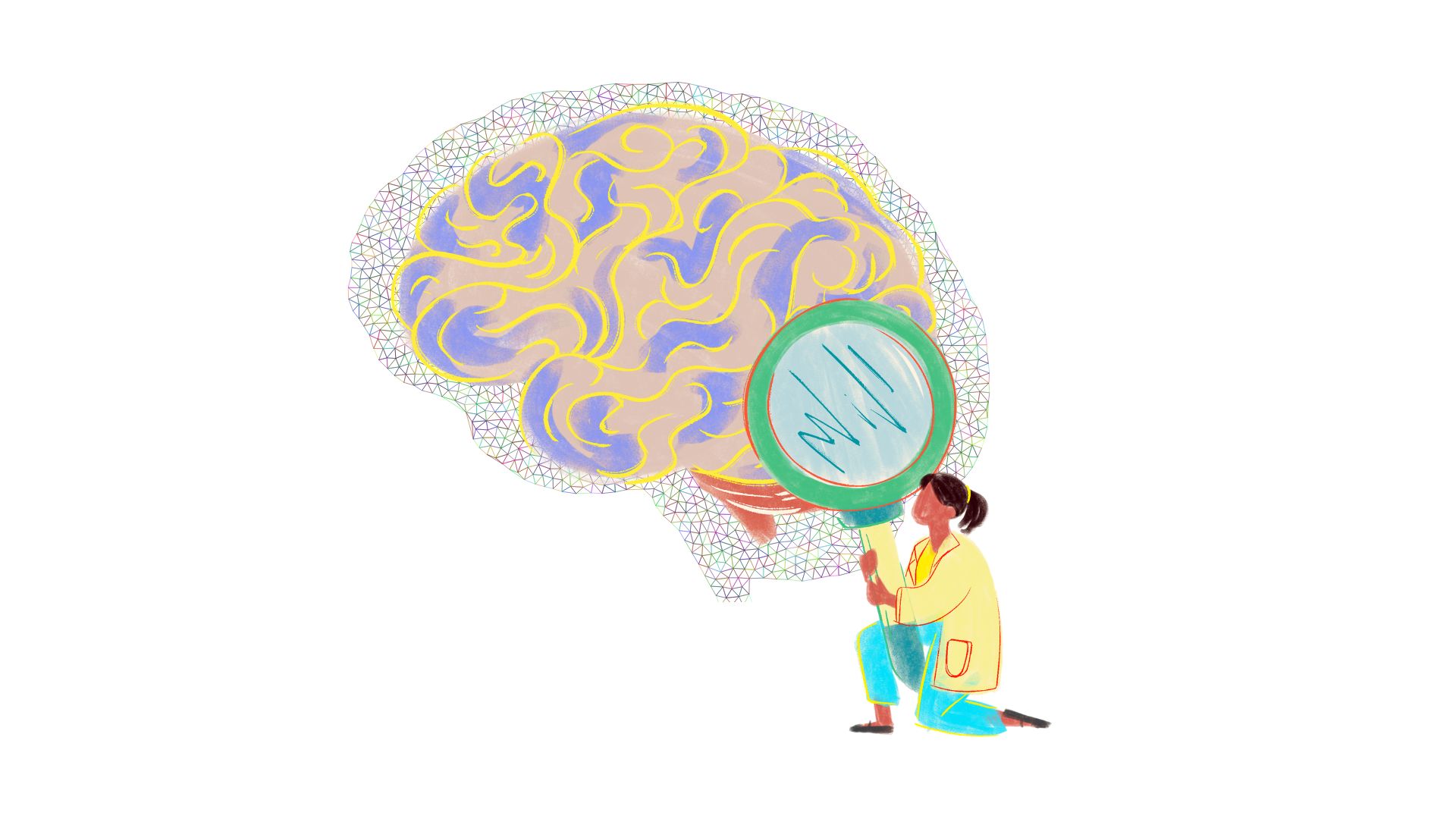
The first widely used migraine-specific treatments, the triptans, were introduced in the early 1990s. These drugs marked a turning point towards more targeted management of migraine. However, a substantial proportion (around one third) of individuals do not respond adequately to current treatments. Many drugs primarily target head pain, despite non-pain symptoms like fatigue, light sensitivity and nausea often being just as debilitating. As a result, researchers continue to search for new drug targets. But how does a new migraine treatment turn from an idea into something prescribed in a clinic? This blog will give you some insights into what happens ‘behind the scenes’ of drug discovery. Where do new ideas come from? New treatment ideas begin with discovery science. As research improves what we know about what’s happening in the brain during a migraine attack, scientists identify biological processes that could be targeted with drugs. For example, Calcitonin Gene-Related Peptide (CGRP) was discovered to play a key role in migraine pain-signalling as its levels were shown to increase in people during attacks. This initial insight led to the development of therapies to block its effects, with some drugs now available. But not all scientific discoveries lead to the development of new drugs. Sometimes researchers can repurpose existing treatments, like botox, instead. In other cases, observing the strengths and weaknesses of existing drugs, helps researchers design safer or more effective options. New treatments rarely emerge in isolation but instead build on decades of accumulated research and clinical observations. From the research lab: Once an idea is generated, the earliest stage of drug development happens in laboratories. Scientists will first test compounds in preclinical models, like cells, animals or computer simulations, to look for signs that one of these compounds might improve migraine-related biology. You can think of drug discovery as testing many different keys in a complex lock (which may itself not yet be understood). If a particular compound is successful at improving migraine-related biology, it becomes a potential new medicine, known as a ‘drug candidate’. However, scientists may need to test thousands of compounds before finding one promising drug candidate, making this a challenging and time-consuming process. These initial investigations done in preclinical models allow researchers to begin to assess both how effective a drug candidate is at modifying migraine-related biology and whether it appears safe enough to progress further. To the medicine cabinet: If a medication shows promise in preclinical testing, it will move on to clinical trials. Clinical trials are divided into four phases to ensure safety of participants and effectiveness of a drug. Each phase has its own specific purposes and builds upon the preceding phase. The key questions answered and goals of each phase of a clinical trial are as follows: Phase 1: Is it safe? What dose should be used? Small groups of healthy participants are studied to determine the safety of the drug candidate. Phase 2: Does it show signs of working? Is it effective in improving migraine biology in people with migraine? Larger groups of volunteers, including people with migraine, allow researchers to test the effectiveness of the drug at improving migraine-related biology. Phase 3: Does it work well and safely compared to existing treatments? Does it provide additional benefits to existing drugs that are already on the market? Large populations are studied to assess if there are improved benefits to most people with migraine. Approval by regulatory bodies: Can this drug be put on the market? If there is evidence that a drug candidate meets these criteria in a significant proportion of participants, the medication will be considered for market approval. In the United Kingdom, regulatory bodies like the Medicines and Healthcare products Regulatory Agency (MHRA) oversee the approval of new medications. These regulatory bodies are critical in ensuring treatments are safe and effective for public use. In England and Wales, approval by regulatory bodies is not the final stage. New drugs also need to be assessed and approved by the National Institute for Health and Care Excellence (NICE) to make them available to people being treated by the NHS, often with specific rules. Phase 4: What happens after approval in real-world use? Even after approval, drugs continue to be monitored. This is done to look out for rare side effects that may not have been spotted during clinical trials. It also allows real-world data to be collected to refine how medications are used. For example, drugs could be repurposed or better dosing strategies can be discovered to improve their use in migraine management. Why does this process take so long? It can take years (and hundreds of millions of pounds) to develop an idea for a new migraine medication into a fully-fledged drug that is prescribed in the clinic. Circling back to the development of the triptans, although they were discovered in the late 1970s, they were only made available to the public in the 1990s. Similarly, CGRP was initially discovered in the early 1980s and convincingly linked to migraine biology in 1990, but the first CGRP-targeting drug (a CGRP monoclonal antibody called erenumab) was only approved for use in 2018. Testing these medications for safety and effectiveness took around 20 to 30 years, highlighting that the process from drug discovery to development can be slow. Many potential drugs fail along the way either in their ability to work well in improving symptoms of a migraine attack, in their safety or in providing more benefits than existing medications. Therefore, time is needed to ensure that beneficial medications are being developed. What is currently in the discovery pipeline? There are currently exciting prospects in the migraine treatment pipeline. While much progress has been driven by targeting CGRP, researchers are now exploring new approaches that go beyond pain. Recent clinical trial data showed the potential for early intervention in migraine care, whereby blocking CGRP signalling during the earliest phase of an attack, prior to the onset of pain demonstrated beneficial effects. Data from the study suggests that the early use of a

Top Gift Ideas For People With Migraine
This post may contain affiliate links. Migraine Strong, as an Amazon Affiliate, makes a small percentage from qualified sales made through affiliate links at no cost to you. With the holiday season quickly approaching, gift shopping is officially on the horizon. Finding the perfect present for someone you care about can feel overwhelming—especially when you’re not quite sure what they want or what might truly help. The good news? We’re here to make celebrating, supporting, and choosing a meaningful gift for someone living with migraine a whole lot easier. We’ve curated thoughtful ideas designed to bring a genuine smile to your loved one’s face. Many retailers are already kicking off their holiday deals, and whenever possible, we’ll also share special Migraine Strong discount codes to help stretch your budget a little further. Keep an eye out for savings as you explore the list! To take the stress out of holiday shopping, we’ve gathered a selection of gifts that are both practical and comforting—great for anyone navigating migraine disease (including yourself!). Our hope is that this collection of top picks helps simplify your search and makes your gift-giving feel effortless, meaningful, and successful. 1. Migraine care package options Migraine gift bundles are a heartfelt way to show compassion and genuine understanding for the people you care about. Because you can tailor these care packages to match someone’s specific symptoms and needs, they’re a meaningful way to say, “I see what you’re going through, and I want to help.” To make your gift-giving effortless, we’ve gathered some of the most helpful tools and comforts that many people with migraine rely on. These migraine-friendly picks include items that can ease triggers between attacks and offer soothing relief during an attack—thoughtful gifts anyone living with migraine would be grateful to receive. Ear Plugs Nausea and Pain Relief Saje Peppermint Halo This is perfect for rolling directly onto the scalp to help ease head pain—and it’s truly one of my favorites. I love applying it around my hairline for that cool, icy sensation that wraps around my whole head. It’s a great source of distraction and comfort while waiting for medication to kick in! Peppermint Essential Oil Roll On is great not only for nausea but to mask strong triggering scents. Be Kool soft gel sheets – Great for symptom relief. Soothing Sleep Bucky 40 Blinks No Pressure Eye Mask – This eye mask blocks out every bit of light, all without putting pressure on your eyelids. It also helps keep your eyes comfortably moisturized throughout the night, making it a great option for more restful sleep. Alaska Bear Sleep Mask – This eye mask ensures no pressure on the eyes. Science Based Supplements Travel Pill Organizer – My favorite travel organizer for my bag. I use the 8 compartments to keep my migraine meds and acute cocktails with me, organized and labeled! Personal pampering TheraGun Mini Plus Massage Gun by Therabody – Handheld massager designed for travel or home. Helps ease migraine neck and shoulder pain. Ice Face Roller Massager – De-puff eyes and reduce migraine pain and you can customize it to include anything soothing for you. Tangle Teezer Plant-Based Ultimate Detangler Brush – This Tangle Teezer hair brush has regular-flex teeth that gently detangle straight to curly strands and is great for migraine sensitive scalps. Therabody SmartGoggles Heated Eye Mask – This mask offers customized treatments to lower heart rate, relieve eye strain or tension, provide headache/migraine relief and stress relief. Very soothing! Naturium The Glow Getter Multi-Oil Hydrating Body Wash – This hydrating body wash transforms from a luscious oil to a gentle lather, cleansing without stripping the skin of essential moisture. I love that it is unscented!LISAPACK Metal Eye Cream Roller Wand – This metal eye-roller wand can massage the eye and face to relieve eye strain, reduce puffiness, dark circles, wrinkles, and tighten skin. It’s lovely and cool when applying eye cream. Love it!Supergoop! Unseen Sunscreen – SPF 40 – This sunscreen is a totally invisible, weightless, scentless formula that provides oil-free sunscreen protection for all skin types and tones. Everyone in my family uses this and loves the feel and protection it offers. Will not leave a cast on the skin!Aquaphor Repairing Hand Masks – Hydrating and conditioning hand treatment infused with a blend of avocado oil and shea butter, plus Aquaphor’s signature ingredients. Unscented as well!! I love using these in the winter when my hands get so dry. Migraine Strong Amazon Store Thoughtful Gifts That Costs No Money An offer to watch the kids, walk the dog, throw in a load of laundry etc. to allow your loved one to rest would be well received & appreciated! Prepare dinner and pop it into their freezer so they have easy access to a healthy meal when they’re feeling their worst. Weighted products Nodpod Weighted Sleep Mask – Nodpod’s strap-free design evenly spreads gentle, deep-touch pressure across key points on the face, helping to calm a busy mind, soothe head pain, and ease you into deeper, more restful sleep. Nodpod Weighted Pod For Your Bod – It’s like having all the calming benefits of a weighted blanket wrapped into a single, convenient pod. Nodpod BODY’s unique design offers a cooler, more contouring experience, giving you the soothing feel of a full-sized weighted blanket in a portable, machine-washable form. Hand-Knit Weighted Blanket for Adults,Chunky Knit Blanket – carefully balanced weight distribution, this blanket drapes naturally with 8–12 pounds of gentle pressure. The deep-touch stimulation helps promote relaxation, making it easier to drift into a deep, restorative sleep. Cozy Comforts Women’s Pajamas Long Sleeve Sleepwear – These cozy PJ’s are perfect for lounging! Women’s Fuzzy Socks – The moderate thickness of these socks is nice for wearing during sleep or lounging.Chunky Knit Throw – This throw is cozy and warm. It has replaced my heated throw for the fall season! Crafts and Hobbies Crafting and hobbies can be a powerful distraction from the pain and discomfort of migraine. We

Training for a half marathon was not straightforward, just like my journey with migraine.
My first migraine attack happened when I was 14 years old and in school. My hand and mouth became numb, I had an intense headache, and I didn’t know what was happening. Nowadays, I can go up to six months of not having a migraine attack and then have a period of having migraine symptoms daily. My symptoms begin with blurry vision, it’s as if glass has shattered and I can’t read things. When this happens, I take painkillers early to manage my symptoms, but I still experience aura. I’m lucky in that if I catch it early enough, I can treat my symptoms with basic painkillers. Sometimes, my migraine attacks can come on suddenly, for example, when I’m looking after my kids. When this happens, I need to take time out and sit in a dark room. When this occurs, I’ve had to stay in bed for the rest of the day and not interact with anyone. Source link