
The moment you walked into the SHE Media Co-Lab at SXSW, it was clear it would not be a typical conference. Tables were lined with products, from wellness tools to educational materials, all designed with women’s bodies in mind. The panels reflected that same theme. Gynecologists, surgeons, Olympic medalists, actors, and podcasters filled the stage, while a majority-women audience sat eager and engaged, ready to learn more about their bodies and well-being. One of the most interactive sessions, From the Ground Up: Rituals for a Stronger, More Aligned Life with Gabby Reece, immediately shifted the energy in the room. Instead of beginning with conversation, former pro beach volleyballer Reece guided the audience through a breathing exercise. As we settled into our seats, she instructed us to place a hand on our stomach, close our eyes, and imagine a place where we felt completely at peace. Breathing slowly at first, then gradually increasing pace, the room moved in unison. Related story How SHE Media’s SXSW Co-Lab Reframed my Gen-Z Anxieties Within moments, the atmosphere changed from buzzing to calm and focused. The exercise wasn’t just about relaxation, but awareness, and by the end, everyone was more present, our attention sharpened, our bodies grounded. When asked how to better align life with personal health, Reece emphasized simplicity over dependence on technology. “I build plans that ultimately reflect me,” she said, noting that relying on wearable tech devices is not necessary, in her opinion. In a generation increasingly reliant on such wearable technology to track sleep, stress, and overall health, Reece’s message stood out. Because while these tools can provide helpful data, she stressed, no device understands the body better than the individual living in it. The conversations shifted later in the day with Scott Galloway — professor, podcaster, and author — who introduced the concept of “wallet activism.” His session drew a more diverse audience, including more men, and focused on how everyday financial decisions reflect personal values. Galloway highlighted how many people subscribe to multiple platforms — streaming services, online retailers, and apps—without considering the broader impact of where their money goes. From political affiliations to corporate practices, he argued that consumer spending is one of the most powerful tools individuals have. By choosing where to spend (or not spend) money, consumers are effectively “voting” for the kind of world they want to support. His message encouraged us to be more intentional, urging us to research companies and align spending habits with beliefs. On Sunday, the focus turned inward again — this time, to recognizing and responding to what the body is trying to communicate. This talk offered practical advice on how to take that control, emphasizing the importance of documenting physical experiences — tracking symptoms, noting patterns, and writing down concerns as they arise. The advice resonated across the audience, including myself. Walking into an annual exam without knowing what to say or ask is a common experience—but one that can be changed with small, consistent habits. Overall, the SHE Media Co-Lab at SXSW created a space not just for learning, but for reflection. Whether through breathing exercises, conversations about consumer responsibility, or reminders to listen to your body, the event empowered us to take a more active role in our own lives. Lucero Corona is a digital journalist specializing in fast-paced storytelling and cultural reporting. From the assignment desk to festival floors, her focus is on bringing dynamic, front-row perspectives to audiences. Source link

Strong Women and Unexpected Joys: Welcome to SXSW with SHE Media
Entering the She Media Co-Lab space at SXSW on recent Saturday morning, I was immediately struck by the wellness-themed displays — Peloton bikes, mushroom coffee, protein sparkling water. Just as sparkling, though, were the panels that went on throughout the day. Chaunté Lowe was by far my favorite speaker of the weekend. The story she shared in “Winning Women: Playing for Impact” really described just how strong and resilient women are. The genuineness and rawness of it all moved me, especially hearing it in these times, when anything less than perfect is considered a weakness. Lowe turned this negative connotation around and made it a power, stressing not only is there strength in going through hard times, but in overcoming them and being able to smile through it all. Related story How You Can Support Moms Across the Globe on International Women’s Day — & Beyond During “What if Nothing Gets Better?: Finding Happiness,” Kate Bowler, author of Joyful Anyway, talked about experiencing joy and allowing ourselves little happy moments despite what may be going on around us. She recounted finding a small resemblance to something from her childhood — a magic show — during a visit to the doctor. The doctor acquiesced to her request to act like a magician during her scheduled treatment, and it reframed her entire experience. This was truly a moment of finding joy in unexpected ways, and it inspired me to actively pursue it. During the panel “The Architecture of Wellness: Designing Daily Rituals,” Robert Hammond, who’s working to bring Roman baths to the U.S., introduced me to a new usage of a word not found in the Gen Z dictionary of constant hustle culture: “bathing.” Searching up the term on Google, you find the word means literally immersing yourself in an experience. Leaving the crowd with the question, “What is the American bathing culture?” he highlighted the importance of going outside and allowing yourself some time to really be in the moment and unplug. All of the samples and unique products found throughout highlighted both health and innovation, shining a light on the time we found ourselves in. The panels, meanwhile, were a reflection of the light found in the room, highlighting important topics — made effervescent with the words found within them. As someone who’s in her last semester of university, the advice given throughout the panels were words I needed to hear — especially as I’m about to enter the workforce. It all helped me to slow down and actually enjoy what I was doing. In the words of Gabby Reece during her “Rituals for a Stronger, More Aligned Life” panel, I learned to “take in the little moments,” and find a way to have a “win in your jar every day.” Melani Alanis is a writer, stylist, and creative focused on fashion, media, and culture. A recent graduate from UT Austin, with dual degrees in Advertising, and Communication and Leadership, she is passionate about storytelling across editorial, luxury fashion, social media, and live events. Source link

How SHE Media’s SXSW Co-Lab Reframed my Gen-Z Anxieties
As a college student, academia has lately felt like a pressure cooker. Time and resources feel limited when they should feel abundant. Thinking about the future fills me with a sense of anxiety when it should feel invigorating. What so many describe as the “best years of your life” has instead become a period of intense uncertainty — and being around so many high achieving peers has only heightened this sense of doubt. But recently, I got to step outside the sphere of campus and into an environment where I was one of the youngest people in the room, by attending the SHE Media Co-Lab event at SXSW. And it was a culture shock, to say the least. Still, my feelings of inadequacy quickly dissipated as I listened to folks of a different generation discussing their unique struggles. It felt foolish to let my anxieties get the best of me when I was surrounded by a group who’d already suffered through the rollercoaster ride of being a 20-something and came out alive. Not only had they survived, but they’d lived to tell the audience their tale. Related story Why Only 36% of College Students Are Thriving — and How You Can Help Your Teen Beat the Odds One speaker, best-selling author Kate Bowler, mentioned how even though it’s becoming increasingly difficult to let ourselves be vulnerable, happiness is more likely to come our way if we’re willing to have a “greater honesty about the things that hold us down.” In a culture obsessed with productivity and presenting our best self, suggesting that we put away our bravest faces is a revolutionary call to action. It’s difficult to keep in mind that our struggles don’t define us, but leaving the door open for connection in our most vulnerable times is the key to stumbling upon joy again. Flecks of inspiration kept coming at me. During the “Winning Women” panel, four-time Olympian Chaunte Lowe, who was diagnosed with breast cancer in the midst of her athletic career, discussed the importance of success stories from those facing any battle — whether physical, internal, or external. You don’t have to be an Olympic contender for Lowe’s message to resonate; I witnessed firsthand a wave of women across the room whose faces lit up as Lowe pulled an Olympic medal from her pocket. If she refused to surrender in a time when continuing felt impossible, shouldn’t we do the same? Most importantly, there were moments at the conference that forced me to acknowledge perspectives outside of my own, especially when it came to the generation above me. During the “Holding on, Letting Go” panel, Kim Holderness and Gretchen Rubin discussed the “rebranding of the empty nest.” I’d never truly contemplated how my parents must have felt when I went off to college, as I’ve become so consumed by my studies and social responsibilities that I often forget to check in on them and ensure everything’s fine on their end. Being in a room of women who had already gone through the empty nest phase or are going through it right now enlightened me on how anxiety isn’t exclusive to my generation. Our parents, after all, are simultaneously wondering if we’re alright, even if their concern takes the form of late-night lurking on Life360. As the conference came to a close, I felt grateful for the opportunity to be surrounded by a plethora of high-minded individuals who had forged their own paths personally and professionally. Instead of clinging to the version of myself that’s eager to have everything figured out, the panelists helped me see that there can be comfort in the uncertainty. Caleb Morrow is an Economics and English major at UT Austin. His writing focuses on topics like popular culture, finance, and social phenomena. Outside of writing, he spends his free time reading, discovering new music, and playing volleyball. Source link
Kimchi May Flush Microplastics from the Body, Thanks to This Probiotic
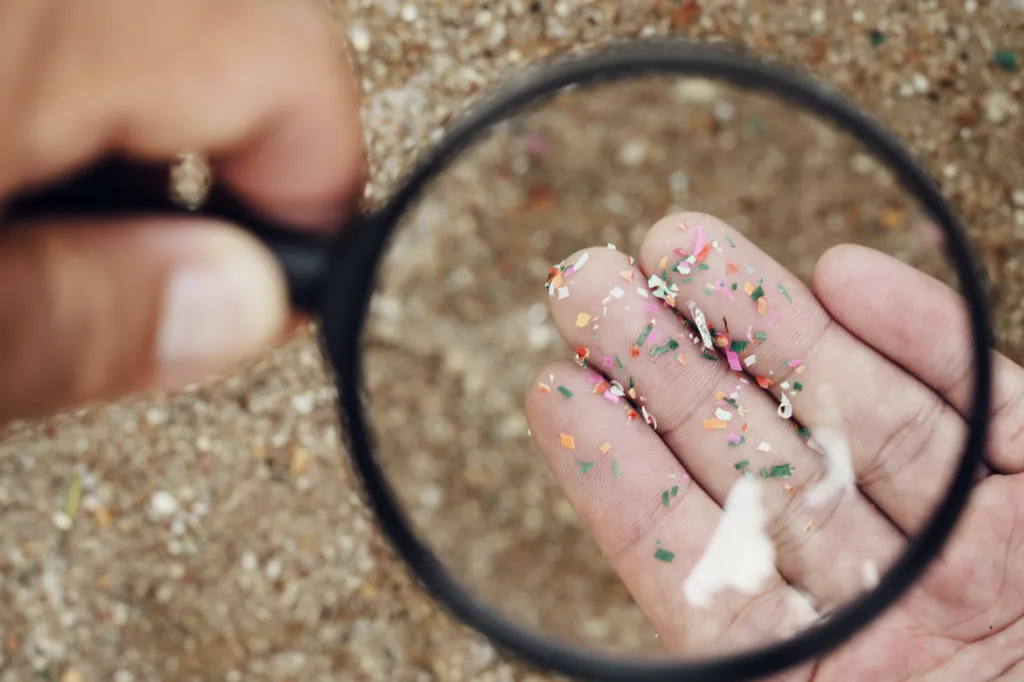
Microplastics and their potentially harmful effects on human health (and the world) have been top-of-mind for the last few years. Now, a new study may have found a mechanism to remove them from our bodies, hiding in a popular fermented food: kimchi. The study, ran by the World Institute of Kimchi in South Korea, found that a probiotic bacterium found in kimchi may help the body get rid of microplastics naturally. The bacteria binds to the particles inside the intestine and moves them out of the body via stool. Could it be that simple? Related story Flesh-Eating Bacteria Is on the Rise. Here’s How to Keep Your Kids Safe This Summer Well, maybe not quite. There is a lot we still don’t know, says Avery Zenker, a registered dietitian with MyHealthTeam who was not involved in the study. “It’s important to keep in mind that this study was conducted in a lab on a bacteria derived from kimchi,” she explained, “which does not necessarily translate to direct effects in the human gut.” However, she says, the results show real promise. The scientists looked at one strain of lactic acid bacteria which was isolated from kimchi. They found that, under laboratory conditions, this strain of bacteria removed 87 percent of microplastics. Under conditions that mimicked a human gut, that number dropped to 57 percent—still significantly better than a different strain of bacteria tested for reference, which dropped from 85 percent to 3 percent. A few more words of caution: this study wasn’t performed directly on humans (rather, using bacteria in a lab and under conditions similar to a human gut), and it didn’t find that kimchi itself reduces microplastic absorption, as Zenker points out. Instead, it focused on “a bacterial strain commonly found in kimchi that showed potential,” she explains. “More research is needed to uncover the impact of kimchi consumption specifically.” Still, she says there’s potential here—and it’s welcome news for many of us who are concerned about the effects of microplastic on our health. These tiny particles of plastic—less than one micrometer long—have been found in our brains, hearts, stomachs, placentas, and genitals. They’ve been detected in urine, breast milk, semen, and even meconium, a newborn’s first stool, per Stanford Medicine. Research is ongoing into how exactly microplastics play into health issues, but studies have linked them to inflammation, abnormal organ development, cell damage, and cancer. So, hearing that a bacteria found in a common food could help the body get rid of these tiny bits of plastic? Very exciting. “The degree to which this probiotic strain was able to bind to microplastics is quite profound,” Zenker agrees. And the fact that it’s found in kimchi is also a positive, because we know that kimchi, along with other fermented foods like sauerkraut and kefir, are great for your health to begin with. “Research suggests fermented foods may support microbial diversity, digestion, immune function, and overall gut health,” says Zenker. Fermented foods contribute “good” bacteria (aka probiotics) to our gut microbiome, which “impacts every body system, including brain, heart, bone, immune, and metabolism.” Eating fiber (found in fruits, veggies, nuts, and beans) and especially prebiotic fiber (found in foods like asparagus, leeks, onion, and garlic) is also good for your microbiome, as it feeds those healthy bacteria. While we still have a lot to learn about how probiotics, kimchi, and other fermented foods interact with microplastics, it may be worth adding more of them to your — and your family’s — diets. “Many health experts encourage adults and children to eat fermented foods regularly, even daily,” Zenker says. She recommends starting with small amounts at time, like mixing a bit of sauerkraut into stew, making a smoothie popsicle with kefir, or adding minced kimchi to scrambled eggs. And keep including probiotic-rich foods that your kids already enjoy, Zenker adds, like yogurt, kefir, or fermented pickles. While we wait for more research on probiotics and microplastics, you’ll at least be doing your family’s microbiomes a world of good. Source link

Jamie-Lynn Sigler Says Parenting Through MS Takes a ‘Strong Village’
Jamie Lynn Sigler knows it takes a village to raise a family. And when you have relapsing multiple sclerosis (RMS), like Sigler does, “it takes a really strong village.” That perspective comes from experience. Sigler, who’s been in the spotlight since starring in a top-rated TV show in the early 2000s, knows firsthand what managing a chronic condition is like – especially when balancing it with parenthood. When she was diagnosed with RMS at age 20, she kept her diagnosis a secret for many years, navigating her condition privately. It wasn’t until 15 years later, when she became a mom, that Sigler decided to share her diagnosis publicly. (Learn more about Sigler’s story and her journey with MS here.) When asked how she’s navigated parenting alongside a chronic health condition, Sigler recalls how important it’s been to realize a condition such as RMS “does not take away any of your value as a mother.” She explains, “Once I fully accepted and understood that, I was able to make the adjustments I needed, show up for my kids, figure out ways to stay present, play with them, whatever it may be, making me feel good about who I am as a mother.” Sigler also speaks candidly about the importance of accepting her own limitations. “I’ve had some moments of harsh judgment on myself as a mother because of things I physically couldn’t do with my two active young boys,” she shares. “But through those moments I have learned some valuable lessons.” One of those lessons has been to practice self-reflection – a key pillar to the three-step guide, Reframing MS, that Sigler partnered with Novartis to develop for anyone living with chronic conditions. “The three-step guide is this process that I use when I come up against any challenge in my life,” Sigler explains. “Step one, reflection, is about feeling the emotions and your reactions to a moment or challenge. Reframing is about accepting whatever your situation may be, whatever this challenge may be. Reframing what this means for your life, how to pivot, how to adjust to move forward.” The last step is about reaching out for help. “Especially as mothers, this is really hard for us to do,” Sigler acknowledges. “We want to be everything, do everything, but we can’t. We have to take care of ourselves, and sometimes to be able to do that, we need to reach out for help.” One positive side effect of reaching out? It’s “really deepened a lot of my relationships and my friendships,” she says. “People like to be of service. My friends have taught me how to make pivots and adjustments so that I can fully show up as the wife, mother, and friend that I want to be.” Sigler hopes to carry these lessons over to her children, making sure they grow up knowing there’s “no shame in asking for help, in being vulnerable.” Speaking up for herself has also been essential for Sigler when navigating treatment options. “Finding my voice and advocating for myself has set me up for success in more ways than I can say. One of them, in a very important way, is finding the treatment that was right for me,” she shares. Choosing a treatment option is a personal choice, and it can be hard and overwhelming. She co-created a decision guide with Novartis to provide people with detailed questions to ask an MS specialist to reach an informed treatment decision. This resource offers a checklist of questions, ranging from asking about study results to the different types of treatment options. By speaking openly and honestly with her MS specialist, Sigler was able to find the right treatment plan for her, ultimately choosing KESIMPTA® (ofatumumab), indicated for the treatment of RMS in adults. Following the three weekly starter doses, KESIMPTA can be taken at home, or on the go, just once a month. At the end of the day, Sigler acknowledges that while her RMS presents its own challenges, every parent is navigating something. She shares, “We’re all doing the best we can, we’re all fighting the same good fight. We all want to be good parents. We all want to raise good kids.” Curious to see more? Watch the video above to see how Sigler navigates parenthood with RMS. Indication What is KESIMPTA (ofatumumab) injection? KESIMPTA is a prescription medicine used to treat adults with relapsing forms of multiple sclerosis (MS) including clinically isolated syndrome (CIS), relapsing-remitting disease, and active secondary progressive disease. It is not known if KESIMPTA is safe or effective in children. Important Safety Information Who should not take KESIMPTA? Do NOT take KESIMPTA if you: Have an active hepatitis B virus (HBV) infection. Have had an allergic reaction to ofatumumab or life-threatening injection-related reaction to KESIMPTA. What is the most important information I should know about KESIMPTA? KESIMPTA can cause serious side effects such as: Infections. Serious infections, which can be life-threatening or cause death, can happen during treatment with KESIMPTA. If you have an active infection, your health care provider (HCP) should delay your treatment with KESIMPTA until your infection is gone. KESIMPTA taken before or after other medicines that weaken the immune system may increase your risk of getting infections. Tell your HCP right away if you have any infections or get any symptoms including painful and frequent urination, nasal congestion, runny nose, sore throat, fever, chills, cough, or body aches. HBV reactivation. If you have ever had HBV infection, it may become active again during or after treatment with KESIMPTA (reactivation). If this happens, it may cause serious liver problems including liver failure or death. Before starting KESIMPTA, your HCP will do a blood test to check for HBV. They will also continue to monitor you during and after treatment with KESIMPTA for HBV. Tell your HCP right away if you get worsening tiredness or yellowing of your skin or the white part of your eyes. Progressive Multifocal Leukoencephalopathy (PML). PML may happen with KESIMPTA. PML
15 Best Pregnancy-Safe Self Tanners, Derm + OB-Approved 2026
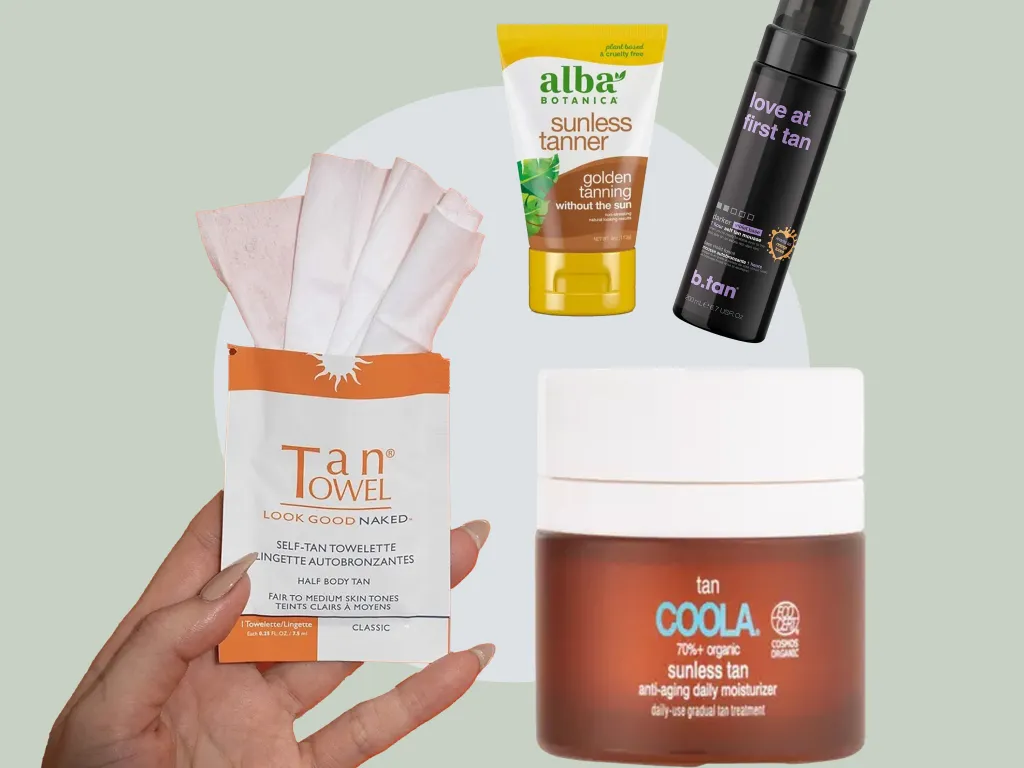
If you purchase an independently reviewed product or service through a link on our website, SheKnows may receive an affiliate commission. For many of us, summer presents an opportunity to soak in as much sunshine as possible. But if you’re pregnant, doctors say you should try to stay out of the direct sun as much as possible, particularly in the first trimester, as too much sun can decrease the amount of the crucial pregnancy nutrient folic acid, according to Northwestern Medicine. But the good news is you don’t have to give up your sunkissed glow just because you’re expecting. In addition to applying a great pregnancy-safe SPF from head to toe every day, make a pregnancy-safe self-tanner or tinted moisturizer your go-to product for getting bronzy, no sun required. Spoiler alert: not all self-tanners are safe to use during pregnancy, though. We asked a dermatologist and an OB/GYN to give us some pointers. Related story Cool Moms Are Finding Their Go-To Beach Bags at This Unexpected Place This Summer—& They’re All Under $40 Best (and Safest) Self Tanners for Pregnancy, at a Glance Best Overall: Tanologist Daily Glow Hydrating Lotion, $15Best Runner Up: Isle of Paradise Self-Tanning Drops, $22 (originally $30)Most Popular: Lux Unfiltered N°32 Hydrating Gradual Self Tanning Lotion, $38Best Foam: b.tan Love at First Tan, $12Best Mousse: Jergens Natural Glow Instant Sun Sunless Tanning Moisturizer + Bronzer, $12 (originally $13)Best Body Lotion: Alba Botanica Sunless Tanner, $17Best for a Dark Tan: Beauty By Earth Self Tanner Tanning Lotion, $36Best Serum: Whind Marrakech Sun Instant Glow Tanning Water, $35Best Face Moisturizer: Coola Organic Sunless Tan Anti-Aging Daily Moisturizer, $48Best Towelette: Tan Towel Self Tan Towelette, $30 (originally $35) Is Self-Tanner Safe During Pregnancy? Many self-tanners are safe to use during pregnancy, but not all. Two factors will determine whether a self-tanner passes the pregnancy test: its packaging and the ingredients on the label. “I do not recommend using any aerosol versions of self-tanners,” says board-certified dermatologist Dr. Rachel Nazarian to SheKnows. “Stick to the lotions, creams and drops. Aerosolized versions can leave droplets of these ingredients in the air that are irritating and potentially toxic to lung tissue.” It’s important to read the ingredients on the label. The active ingredient in most sunless tanning products that enhances the pigment by dying the surface layer of the skin is dihydroxyacetone, or DHA, which, thankfully, is minimally toxic. “The concentration of this active ingredient ranges depending on the product,” says Nazarian. “Typically, this ingredient can range from between 1 to 15 percent in self tanners, and thankfully studies have been done that have shown that systemic absorption of this ingredient is minimal. It stains the top layers of skin cells, and doesn’t have significant penetration into deeper layers of skin or [the bloodstream].” “While there are no studies to prove the safety of DHA in pregnancy, DHA has been used in cosmetics since the 1960s with no reported problems,” confirms Dr. Kelly Culwell, MD, Board Certified OB/GYN, also known as ‘Dr. Lady Doctor.’ “When used topically (on the skin), minimal DHA is absorbed and likely even less (if any) could make it through the placenta.” Of course, it’s totally up to you how safe you want to play it: If you’re still uncomfy with the idea of using products with DHA, skip it. What Ingredients to Avoid in Self-Tanner When Pregnant, According to Experts So what should you avoid in a pregnancy-safe self-tanner? It’s okay if the product contains DHA, but it is smart to look for plant-based or organic products, because those should have fewer chemical additives — you should always try to avoid chemicals including parabens, phthalates, and formaldehyde during pregnancy to cut back on your risk of birth defects or preterm birth. Just make sure the label says “paraben-free” or “pregnancy-safe” before you buy a self-tanner. And the shorter the list of ingredients, the better! “Other ingredients to avoid in pregnancy include formaldehyde and oxybenzone, which either don’t have enough information to prove that they’re safe, or have some evidence to suggest they are harmful during pregnancy (hormone disrupters),” says Dr. Nazarian. Taking all of that into consideration, you’re left with plenty of options for sunless tanners that are pregnancy-safe: Some lather on like a lotion, while others can be applied in a thicker foam or drops on the skin. Remember to exfoliate and moisturize before using any self-tanner to ensure even coverage. Check out our top picks below. Happy bronzing! Our mission at SheKnows is to empower and inspire women, and we only feature products we think you’ll love as much as we do. CVS is a SheKnows sponsor, however, all products in this article were independently selected by our editors. Please note that if you purchase something by clicking on a link within this story, we may receive a small commission of the sale. Best oVERALL Tanologist Daily Glow Hydrating Lotion If you’re pregnant and looking for a sun-kissed glow without spending hours in the sun, the Tanologist Daily Glow Hydrating Lotion is a popular option worth considering. The gradual self-tanning moisturizer is designed to build a natural-looking tan over time while simultaneously hydrating the skin, making it an easy addition to an everyday body-care routine. Unlike some self-tanners that can feel drying or leave behind streaks, this formula is infused with moisturizing ingredients to help keep skin feeling soft and smooth. It contains hydrating ingredients such as glycerin and skin-conditioning squalane, while remaining free from mineral oil, parabens, and other ingredients experts recommend avoiding during pregnancy. Product type: LotionKey ingredients:Hyaluronic acidSqualaneBeta glucanFragrance: Soft summer scent Pros:Includes hydrating ingredientsBeginner-friendlyDoubles as a body lotionCons:Results aren’t instantMay not show up as quickly on deeper skin tones Best Runner Up Isle of Paradise Self-Tanning Drops If the thought of applying a traditional self-tanner feels intimidating, the Isle of Paradise Self-Tanning Drops offer a more customizable approach. Designed to be mixed directly into your favorite moisturizer, serum, or body lotion, the drops let you control the depth of your glow by simply adjusting

Poor Sleep in Childhood May Lead to Depression as a Teen, Study Finds
We know sleep is intimately connected with mental health. It turns out, they start intertwining earlier than we might’ve imagined. A new study from the University of Birmingham analyzed data from over 15,500 children and found that children who experienced “persistent shorter sleep” from 6 months to 7 years old were about twice as likely to develop symptoms of depression between ages 13 and 22. While the study was large, researchers emphasized that the subset of children experiencing these sleep issues represented just 2 percent of the overall study. “A doubling of odds might sound like a lot,” lead study author Dr. Isabel Morales-Muñoz said in a press release, “but we saw that persistent sleep issues only affected a small number of children who took part in the study and that there was still only a small percentage of children who went onto experience persistent depressive symptoms.” Related story These Are All the Countries With or Considering Social Media Bans for Teens. One Is Glaringly Absent. Still, the connection was noteworthy, especially because sleep is considered a modifiable risk factor for depression—meaning that you can address it early, often without medical intervention, and improve your kids’ odds. The study found that the average sleep time for children ages 6 months to 7 years was about 11 hours, with more variation among younger kids. They defined “persistently shorter sleep” during this period as 9 to 9.5 hours. It’s also worth noting that inflammation may play a role in the link between childhood sleep and depression, the researchers say. “The findings suggest that chronic poor sleep may contribute to long-term mental health difficulties through biological pathways including inflammation,” study co-author Dr. Rebekah Amos said in the press release. The good news? Improving sleep can disrupt this effect and improve a child’s chance of better mental health. So how can you help your child get better sleep? It starts with earlier and consistent bedtimes, researchers say — and better sleep hygiene habits, too. That includes reducing screen time before bed and promoting a sleep environment that’s calm, quiet, and peaceful. It also helps if your child gets plenty of physical activity during the day to tire them out. Researchers noted, though, that access to good sleep conditions aren’t always equal or possible. Housing, income, and neighborhood environments are big factors in children’s sleep quality that aren’t so easy to control. Still, knowing the factors that go into a good night’s rest — and about how much sleep kids should be getting — is a good start. “Sleep is also an element of childhood that is possible to improve without needing medical interventions,” Dr. Morales-Muñoz said, “and efforts to address persistent poor sleep during childhood will have a host of benefits including addressing any potential mental health risks.” Source link
Best Supplements for Bloating for Women According to Experts 2026
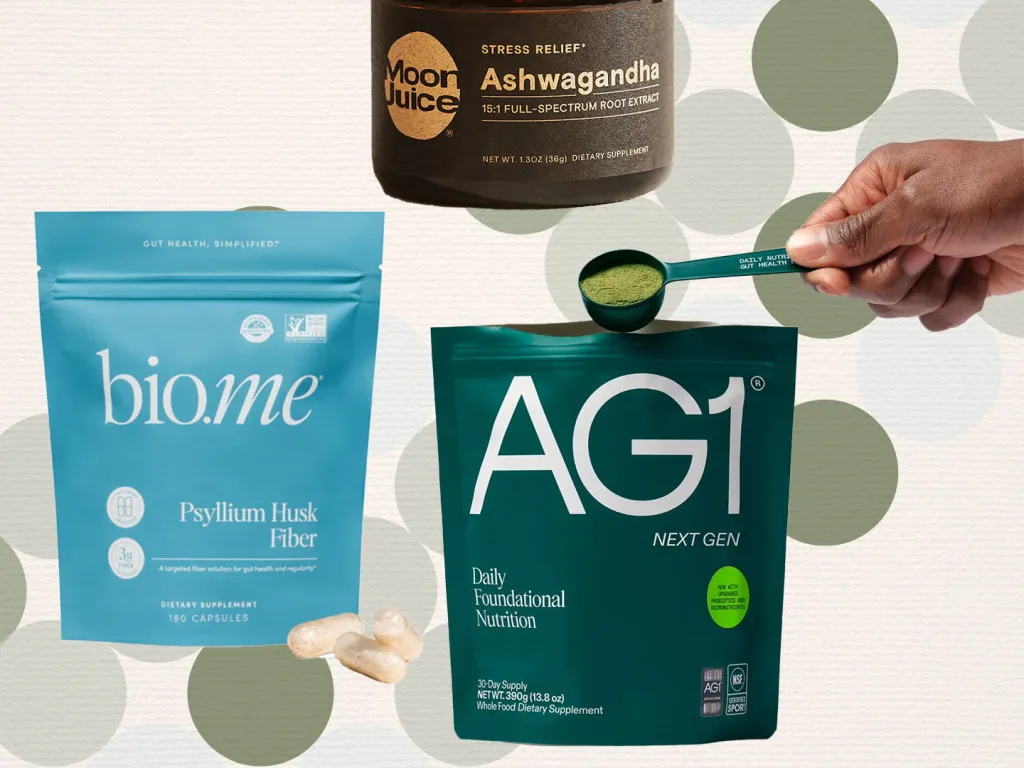
If you purchase an independently reviewed product or service through a link on our website, SheKnows may receive an affiliate commission. Bloating is a common issue for women of all ages. Whether you’ve indulged in foods that don’t agree with you, are dealing with hormonal changes, or have had too much fiber, it’s an uncomfortable (and sometimes painful) experience. And if you regularly deal with bloating, adding a supplement to your diet can be an easy way to find relief. The best supplements for bloating for women are specially designed to ease water retention and regulate your body’s systems. Best Supplements for Bloating for Women at a Glance Best Overall: AG1 Next Gen Pouch, $79 monthly (originally $99)Most Affordable: Bio.me Psyllium Husk Fiber, $14 (originally $20)Best Ashwagandha supplement for Bloating: Moon Juice Ashwagandha, $28 (originally $38)Best Prebiotic Supplement for Bloating: Promix Debloat: Prebiotic + Probiotic, $58Best Magnesium Supplement for Bloating: Thorne Magnesium Glycinate, $26Best Fast-Acting Supplement for Bloating: Arrae Bloat, $55Best Enzyme Supplement: Pure Synergy Enzyme Power, $50 Related story Parke’s Coastal Collection Officially Launches Today — What to Know About Their Biggest Sweatshirt Drop of the Summer “For bloating, I recommend trying these three categories of supplements: digestive bitters and herbs like fennel, ginger, and cumin; adaptogenic herbs like ashwagandha and holy basil that calm stress-related gut issues; and magnesium supplements to reduce water retention,” explains Shruti Mishra, a certified nutritionist and the founder of Osh Wellness. To help you understand how supplements can help with bloating, we spoke with experts who shared what to look for when shopping for supplements, which ingredients to consider, and the best options. bEST OVERALL AG1 Next Gen Pouch $79 (monthly) $99 20% off The AG1 Next Gen Pouch gets the title of our best overall supplement for bloating, as it takes a comprehensive approach to “fostering a healthy, balanced gut microbiome and supporting efficient digestion,” AG1 says. The powder is crafted with high-quality nutrients such as vitamins, minerals, antioxidants, and mushrooms, for a total of over 75 vitamins, minerals, and whole-food-sourced ingredients. In addition to reducing bloating, AG1 also helps to bolster digestion and nutrient absorption, so you feel energized and have fewer cravings. Ingredients: vitamins and minerals, pre- and probiotics, stress adaptogens, antioxidants (vitamin E and B-complex), superfoods (like ginger and pea protein) and mushroomsSize: 13.8 oz.Type: Powder Most Affordable Bio.me Psyllium Husk Fiber “Psyllium husk is cheap and well tested,” says Anna Mapson, registered nutritional therapist, author, and host of the podcast Inside Knowledge For People with IBS. “Start with a small amount, such as one capsule, and increase slowly. In research, people are given doses of around 10g to 15g, so you can take quite a lot, but start with lower doses to begin.” Ingredients: Organic psyllium husk fiber, magnesium, chloride, sodium, and potassiumSize: 180 capsulesType: Capsules Best Ashwagandha Supplement Moon Juice Ashwagandha Mishra says, “I would point readers to ashwagandha (KSM-66 or Sensoril, 300–600 mg/day) to lower cortisol-driven bloating.” If you’re not sure what to consider, add Moon Juice’s Ashwagandha mix to your list. The adaptogenic herb helps to reduce stress and regulate cortisol levels when taken consistently. It’s a breeze to add to either your morning or evening routine. Just add the recommended serving size to your coffee, smoothies, or favorite drink before bed. Ingredients: Organic Ashwagandha root extractSize: 1.3 oz.Type: Powder Best Prebiotic Supplement Promix Debloat: Prebiotic + Probiotic The Promix Debloat: Prebiotic + Probiotic is also recommended by experts, since it reduces bloating and cramping without causing additional discomfort. The supplement is crafted to improve digestive comfort, combat bloating, and support overall gut health, the brand says. Its results are evident in its formula, which features wild-harvested organic baobab and 5 billion CFU (3 probiotic strains) to support a healthy gut. Ingredients: Probiotics, baobab, turmeric, monkfruit, vitamin CSize: 0.07 oz. per stick (30 count)Type: Powder Best Magnesium Supplement Thorne Magnesium Glycinate Mishra also suggests magnesium glycinate (200–400 mg at night) to support gastrointestinal (GI) motility and sleep. Thorne’s Magnesium Glycinate is one of the best you can snag. It comes in capsule form, making it simple to add to your daily diet. Each capsule contains highly absorbable magnesium bound to glycine, which promotes restful sleep and supports healthy digestive and organ function. Ingredients: Magnesium glycinate and silicon dioxideSize: 90 capsulesType: Capsule Best Fast-Acting Supplement Arrae Bloat When bloating calls, make sure to have the Arrae Bloat on hand. This supplement is designed to soothe digestive discomfort within 1 hour and support the body’s digestion of hard-to-digest foods. Its formula offers fast relief and is packed with a blend of five organic herbs (lemon balm, peppermint, dandelion, ginger, and slippery elm), alongside bromelain (a pineapple-derived digestive enzyme). Ingredients: Peppermint, dandelion, ginger, and slippery elm, dandelion, ginger, and othersSize: 60 capsulesType: Capsules Best Enzyme Supplement Pure Synergy Enzyme Power Dr. Chanté Wiegand, a licensed naturopathic physician and VP of Science & Education at The Synergy Company, says that the Pure Synergy Enzyme Power delivers a full spectrum of meticulously measured digestive enzymes to break down protein, fat, dairy, and plant fiber. “It is optimized with a digestive herbal blend including ginger, fennel seed, and turmeric, specifically designed to soothe temporary gas and bloating while fostering bowel regularity,” she adds. Ingredients: Bromelain, papain, protease, peptidase, acid protease, and lactaseSize: 90 capsulesType: Capsules Frequently Asked Questions What Causes Bloating? Mapson explains that there is rarely a single cause of bloating, but it can be triggered by constipation, food intolerance, stress, and bacterial overgrowth. “Another big factor I see with my clients is undereating. If you skip meals, eat a very small volume of food, then your digestive system can slow down, which can lead to bacterial overgrowth in the small intestine,” Mapson adds. Dr. Kristy Appelhans, global HCP scientific education manager at Metagenics, also says that other bloating culprits include general day-to-day inflammation; hormonal fluctuations associated with menstrual cycles or otherwise (men/women), pregnancy, or peri/menopause; dehydration; and stress. How to Choose the Right Supplement for Bloating? Dr. Appelhans
Best Types of Probiotics for Women Over 40, According to Experts 2026
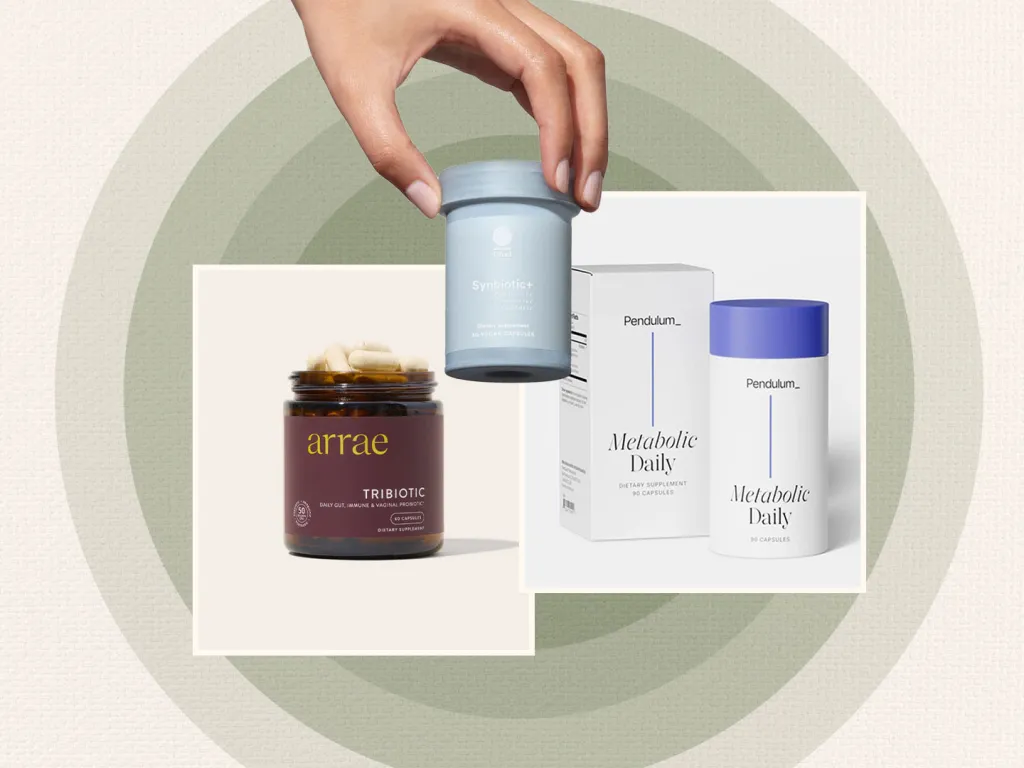
If you purchase an independently reviewed product or service through a link on our website, SheKnows may receive an affiliate commission. Probiotics are living microorganisms that support multiple body functions. These supplements improve gut health, address digestive issues, and strengthen the immune system. For women over 40, they become even more crucial by helping maintain vaginal health as hormones fluctuate. To better understand these “good bacteria,” we spoke with experts to learn more about probiotics, their benefits, different strains, and the best options to shop for. Best Probiotics for Women 40+, at a Glance Best Overall: California Gold Nutrition LactoBif 30 Probiotics, $16 (originally $22)Best Probiotic for Vaginal Health: pH-D Women’s Probiotic and Prebiotics, $26Best for Digestive & Vaginal Health: Align Women’s Dual Action, $30Best All-In-One Probiotic: Arrae Tribiotic, $44 (originally $49)Best Probiotic for Gut Health: Ritual Synbiotic+, $43 (originally $44)Best Probiotic for Metabolic Health: Pendulum Metabolic Daily, $49 (originally $69) Related story The Brand Famous for Designer Fashion Dupes Makes the Best Greens Powder—So You Can Stop Overpaying for Yours What Are Probiotics? Probiotics are live microorganisms, primarily beneficial bacteria and some yeasts, that help support a healthy balance of microbes in the gut. “I often describe them to patients as the ‘good bacteria’ that work alongside your body to help maintain digestive function, immune health, and overall wellness,” says Dr. Susan Kais, a board-certified gastroenterologist and the assistant professor of clinical at UC Health. Dr. Kais says that you want your “good bacteria” to be balanced with “bad bacteria.” “We all naturally have trillions of bacteria living in our intestines, and many factors can disrupt our microbiome balance, like stress, illness, antibiotics, diet, aging, and hormonal changes.” Should Women Over 40 Take a Daily Probiotic? Women over 40 often experience hormonal changes that can affect gut health. Dr. Rob Boyd, a naturopathic physician, nutritionist, and medical advisor for the Institute for Digestive Wellbeing, explains that taking a targeted daily probiotic can be beneficial during this time. “For many women, perimenopause begins around age 40 and menopause around age 50; the hormonal shifts around this time, particularly declining estrogen, cause significant changes in gut bacteria,” he says. “High levels of the wrong types of bacteria can make hormonal symptoms worse, which is where probiotics can come to the rescue.” Dr. Erica Montes, a board-certified OB/GYN and pH-D feminine health advisor, says, “Women over 40 can decrease GI disturbance risks by speaking to their physician about menopause hormone therapy. They should also increase their fiber intake or include fermented foods like yogurt, kefir, kimchi, sauerkraut, or pickles. Probiotics may be helpful, but should not be used alone. All three options can benefit you during this period, since hormone changes affect every organ system.” Benefits of a Daily Probiotic Since probiotics are live microorganisms, often called “good” bacteria, they offer health benefits when consumed. But “supplemental over-the-counter probiotics, unfortunately, are packed with marketing claims rather than solid scientific evidence,” Dr. Kais warns. So, while supplemental probiotics can be beneficial for some, they should not be viewed as a miracle cure for gut health. “Potential benefits of daily probiotics can include improved digestive regularity, reduced bloating, support after antibiotic use, and better overall gut microbial balance,” Dr. Kais adds. “Some strains may also support immune function and vaginal health.” Dr. Kais also explains that, specifically for women over 40, probiotics may help address common concerns such as constipation, digestive changes during hormonal transitions, and recurrent yeast or urinary tract issues. “The key is understanding that benefits are strain-specific — not all probiotics work the same way, and results can vary from person to person.” Best Probiotic Strains for Women Dr. Boyd says some of the best probiotic strains for women 40 and over are Lactobacillus rhamnosus, Lactobacillus reuteri, Bifidobacterium longum, and Lactobacillus acidophilus. “These strains of probiotics have shown benefits to digestion, vaginal microbiome support, mood (via the gut-brain axis), and even some reduction in menopausal symptom severity.” The probiotics women over 40 are considering should also contain 1 to 10 billion CFUs (Colony-Forming Units). These “units” are used to measure the number of live and active bacteria and their potency. Below is a guide to probiotic strains for women. Probiotics for Gut Health and Digestion: Bifidobacterium lactisBifidobacterium longumLactobacillus plantarumLactobacillus acidophilus Probiotics for Immune Support: LactobacillusBifidobacterium Probiotics for Vaginal Health: Lactobacillus crispatusLactobacillus rhamnosusLactobacillus reuteri Ahead, discover the best probiotics for women over 40 that are nutritionist-and OB/GYN-approved. Best Probiotics for Women 40+ Best Overall California Gold Nutrition LactoBif 30 Probiotics The California Gold Nutrition LactoBif 30 Probiotics are the best overall probiotic option because their formula targets multiple symptoms simultaneously. The capsules help to support a healthy gut microbiome and ease bloating, gas, and irregular bowel movements. In addition to digestive health, this probiotic also strengthens the immune system. The potent, yet gentle formula harnesses the power of eight probiotic strains, including five lactobacilli and three bifidobacteria, and doesn’t contain dairy, gluten, GMOs, or soy. Strains: 5 Lactobacillus and 3 Bifidobacterium strainsCFU count: 30 billionForm: CapsulePrice per serving: $3.75 Best Probiotic for Vaginal Health pH-D Women’s Probiotic and Prebiotics “The pH-D Feminine Health Women’s Oral Probiotic supports specific communities of microorganisms in areas such as your gut, urinary tract, and vagina, which aid in promoting a healthy balance for digestive, immune, and urinary health,” Dr. Montes explains. Strains: Saccharomyces boulardii, Lactobacillus gasseri, Lactobacillus rhamnosus,CFU count: 4 billionForm: CapsulePrice per serving: $1.15 Best for Digestive & Vaginal Health Align Women’s Dual Action According to Dr. Kais, the Align Women’s Dual Action contains added strains to support both digestive and vaginal health. The supplement contains Florastor, “which uses the unique yeast strain Saccharomyces boulardii CNCM I-745 to promote digestive balance and support a healthy immune system,” Dr. Kais adds. “It is widely used to maintain normal bowel function and replenish good gut bacteria, especially during antibiotic use.” Strains: Bifidobacterium and Lactobacillus acidophilusCFU count: 6 billionForm: CapsulePrice per serving: $0.93 Best All-In-One Probiotic Arrae Tribiotic The Arrae Tribiotic offers a targeted 4-in-1 formula combining
How Nuts Improve Brain Function
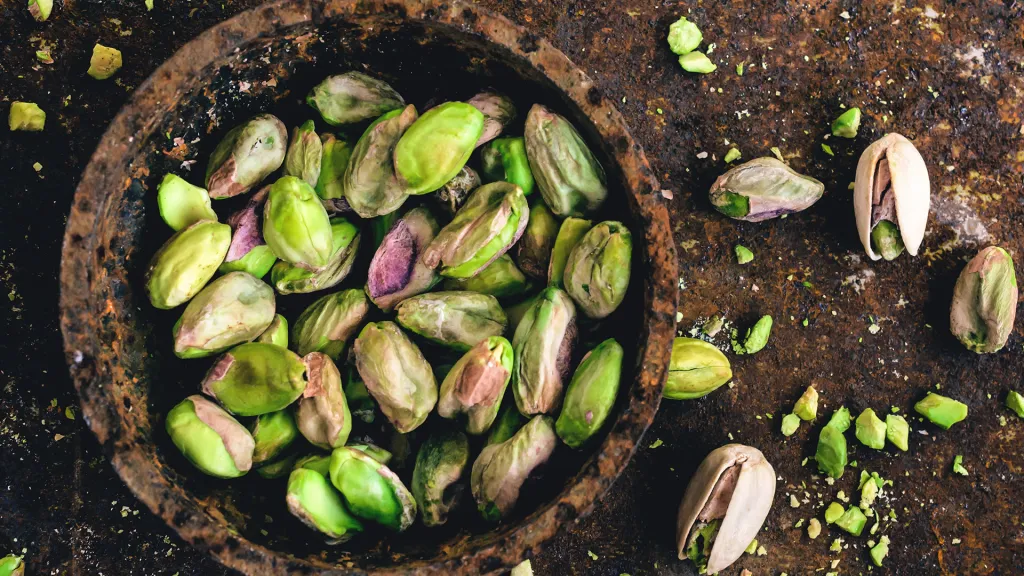
It’s no secret that nuts have some pretty great health benefits — they’re full of healthy fats, protein, vitamins, and even antioxidants — but did you know they’re also great for your brain? A 2017 study from Loma Linda University researchers found that regularly eating nuts can actually help with cognition, healing, learning, memory and other key brain activities. On top of that, “regular nut intake is linked to brain health benefits including slower cognitive decline, improved memory, and possibly reduced risk of dementia,” says Avery Zenker, a registered dietitian with MyHealthTeam. It all comes down to the healthy fats, fiber, protein, vitamins, and minerals that nuts are full of. Related story People Are ‘Snorting’ Peptides for Younger Skin & It’s Not a Scam Of course, not all nuts are created equal — at least when it comes to their value to our brains. in that 2017 study, researchers tested six varieties of nuts — almonds, cashews, peanuts, pecans, pistachios and walnuts — and found they all had high levels of antioxidants, with walnuts having the highest concentrations. Pistachios produced the greatest gamma wave response of all the nuts tested, which is necessary for enhancing cognitive processing, information retention, learning, perception and rapid eye movement during sleep. Technically, peanuts are legumes, but since they literally have “nut” in their name and most of us put them in that category anyway, they were included in the study. Turns out, they produced the highest delta response, which can help with immunity, natural healing and deep sleep. So what is it about nuts that makes them so brain-friendly? Many of the nutrients in nuts contain antioxidant properties, Zenker explains, which “help lower inflammation and combat oxidative stress.” The polyunsaturated fats in nuts — especially the omega-3s in walnuts — have been linked to reduced brain inflammation, studies have found. And, Zenker adds, “Vitamin E, magnesium, zinc, and selenium are essential micronutrients found in nuts that play important roles in nervous system function and antioxidant defense.” Zenker says that walnuts are especially a standout, thanks to those omega-3s. “Omega-3 is an essential fat that has potent anti-inflammatory benefits,” she explains. That’s important for your brain health, because “neuroinflammation is one of the primary contributors to cognitive decline,” Zenker says. Nuts also support brain health indirectly, Zenker adds, by promoting a healthy gut microbiome (which has a major effect on your brain health via the gut-brain axis) and benefiting cardiovascular health, which improves blood flow and nutrient delivery to the brain. Of course, nuts are also beneficial for the rest of your body; they are great for your heart, gut, brain, skin, immune, and metabolic health, Zenker says. And you can get those benefits with just a handful of mixed nuts a day — not too shabby for a quick health boost. A version of this article was originally published in 2017. Source link