
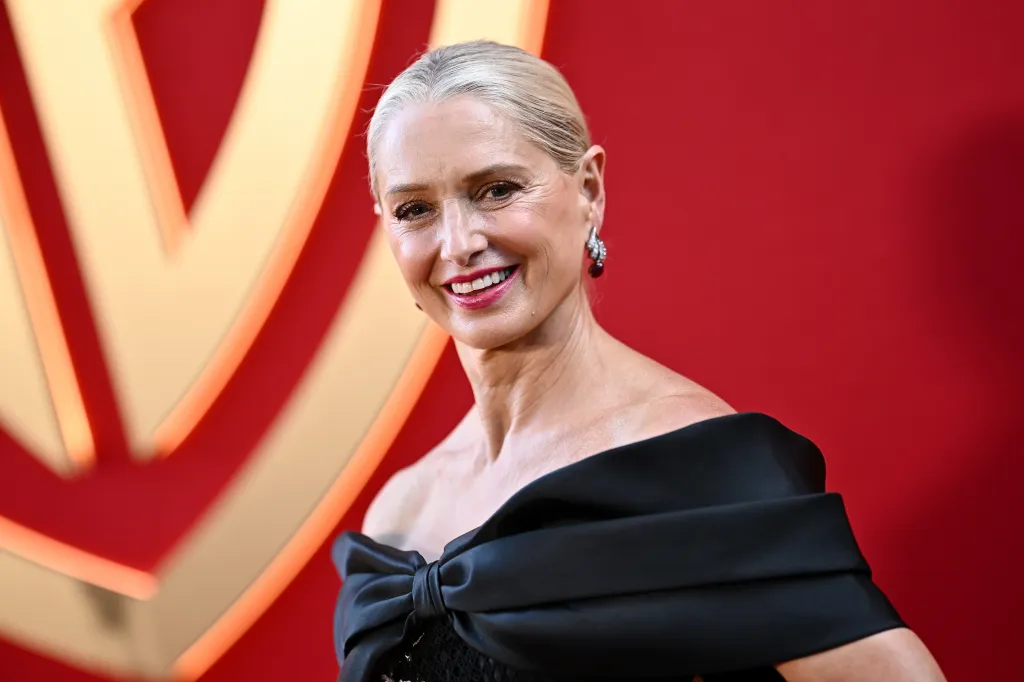
Katherine LaNasa is taking her real-life medical journey and channeling it directly into her work. The 59-year-old actress plays charge nurse Dana Evans on the HBO Max medical drama The Pitt, a role that recently earned her an Emmy in 2025 (and another nomination this year). Off screen, her deep connection to the character comes from her own personal experience with stage I breast cancer. From Patient to Nurse After receiving her diagnosis, LaNasa underwent surgery and three weeks of radiation. Roughly six months after wrapping up treatment, she booked her role on The Pitt, where she found herself in a realistic emergency department. Related story Jaclyn Smith of ‘Charlie’s Angels’ Shares Her ‘Unusual’ First Signs of OCD in Childhood “It was a little stunning to walk into this big emergency department, this incredibly immersive set, for the first time because I was only about a year since my diagnosis, maybe about six months out of treatment, when I started filming,” LaNasa told People. “It felt very real.” Instead of suppressing those emotions, she used them to build her character. “I really know what it’s like to feel like that scared patient and to have a really compassionate nurse,” she told the outlet. “The things that they did, the way that they spoke to me, all of those little kindnesses really mattered as a patient. So I was able to put that into Dana and play the nurse that a patient would want.” How Knowing Her Risk Factors Saved Her Life LaNasa’s journey with breast cancer began decades before her diagnosis. “To be honest, I wasn’t a person that liked going to the doctor,” LaNasa said. “But I found out that I had dense breasts in my 30s. So because I had found out about my own risk factors, that was the thing that made me keep getting my screening every year.” Having dense breasts means there is more fibrous and glandular tissue than fat, according to the National Cancer Institute. This makes it harder for doctors to distinguish “normal” tissues from cancerous ones. Staying on top of annual checkups paid off — doctors caught her tumor before it spread to her lymph nodes. Now, LaNasa partners with Novartis for their “Your Attention, Please” campaign to encourage other women to stay proactive. “I really understand how scary it can feel to go do that,” she continued. “It’s super scary. But when you realize that if it’s caught early, there’s a 99% survival rate, that’s really some of the messaging that we’re trying to get out there. Early detection really can save lives.” Source link
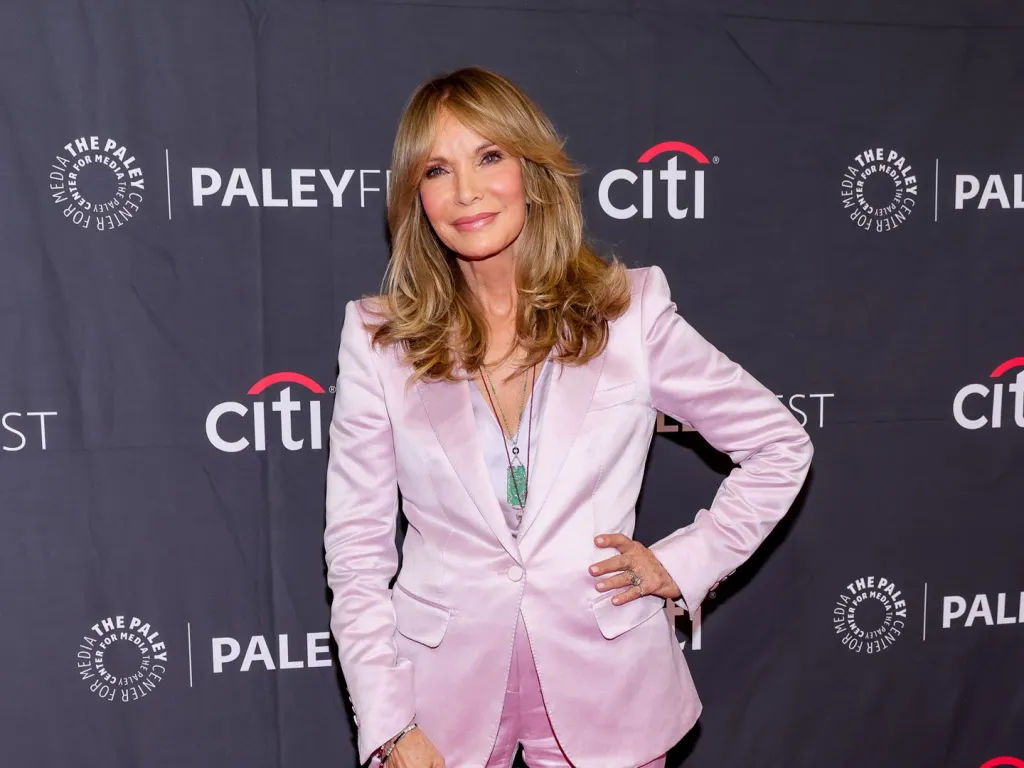
Jaclyn Smith Shares ‘Unusual’ First Signs of OCD in Childhood
Jaclyn Smith didn’t show the typical signs of obsessive-compulsive disorder (OCD) when she was growing up. Instead of checking locks or repeating physical tasks, the Charlie’s Angels star developed an internal coping mechanism to handle sudden grief. An Unexpected Coping Mechanism When Smith was 12 years old, her uncle died from the effects of alcohol addiction. Terrified of losing anyone else, she started obsessively praying for her family members to keep them safe. Related story Why Katherine LaNasa Was ‘Stunned’ Walking on Set at ‘The Pitt’ After Breast Cancer Treatment While it may not fit the public stereotype of the disorder, the International OCD Foundation recognizes this behavior as a mental compulsion. People may use repetitive prayers or thoughts as a way to counteract their extreme anxiety and, in their mind, prevent terrible things from happening. “It’s really an unusual form of OCD,” Smith shared with People while discussing her new memoir, I Once Knew a Guy Named Charlie. “It all revolved around loved ones and prayer and sacrifice and manifesting. It just eased my anxiety and my nerves on the people I love so much, and I didn’t want to lose them.” A Devastating Misdiagnosis When the stress caused her to miss a period, her mother took her to get bloodwork. The doctor looked at the results, blamed her hormones, and told her she “might have trouble having a child.” Back then, this was probably (and unfortunately) commonplace. But today, there’s evidence that normal hormonal fluctuations routinely cause obsessive-compulsive symptoms to flare up or worsen in the days leading up to a period. “On a purely human level, it felt cruel to tell an anxious, grieving adolescent girl that she could be infertile,” Smith wrote. “He was the doctor, so I believed him, and my anxiety doubled instantly.” Putting a Name to the Symptoms Smith didn’t get any real answers until she took a psychology class in college. She read a description of OCD and instantly recognized her own childhood habits. “It’s not fun being diagnosed (or self-diagnosing) with a psychiatric disorder, but at the same time I felt relieved,” Smith wrote. “There was a name for it, and I wasn’t alone!” The doctor’s early infertility warning ultimately proved false, and she went on to have two children, Gaston and Spencer-Margaret, whom she admits she has arranged her “whole life around” them. “Nothing was more important — today, too,” she says. “I mean, they’re everything. They can make or break your day. If they’re not happy, it affects me. You never stop worrying about your kids.” Source link

Alix and Ashtin Earle Share BRCA Mutation After Mom’s Cancer Battle
Alix Earle and her sister, Ashtin, are urging women to take proactive control of their health after learning they both carry a BRCA gene mutation. The news arrived shortly after their mom, Alisa, was diagnosed with breast cancer in late 2025 and subsequently tested positive for the BRCA2 mutation. The family documented the emotional moment the sisters received their test results during their Netflix docuseries, Earle Meets World. Related story Stella Parton Reveals the Real Reason Why Dolly Kept Her Cancer Battle Private What Is the BRCA2 gene? The BRCA2 (BReast CAncer gene 2) gene helps repair damaged DNA and stops abnormal cells from forming tumors. When this gene is mutated, or doesn’t work as it should, it increases the carrier’s lifetime risk of breast cancer and other cancers, including ovarian, prostate, and pancreatic, according to the Breast Cancer Research Foundation. The National Cancer Institute estimates that over 60% of women who inherit the BRCA mutation will develop breast cancer compared to about 13% of women in the general population. It’s also hereditary — if a parent has the mutation, a child has a 50% chance of inheriting it. “That moment in our life was really difficult and something I think we tried to brush off,” Alix told People. “And I think when we both got the results, my body just took over and broke down, and even seeing my mom get emotional was super hard for us. And that was a very unexpected twist that also happened during these crazy few months.” Taking Proactive Steps for Future Health Medical guidelines for individuals with a BRCA mutation generally include clinical breast exams every six to 12 months, annual breast MRIs starting at a younger age, and annual mammograms beginning at age 30. For many young women, a BRCA diagnosis also shapes how they approach family planning. Preventive options, like embryo genetic screening and egg freezing, give carriers choices and control when considering having children. “Going forward when it comes years down the line and getting pregnant, having kids, I think it just made us a lot more aware of our options and the possibilities of things,” Alix continued. “And it’s something that we are taking into account and working on making the right choices going forward.” Ashtin added, “Even just eating healthier and working out and living a healthy lifestyle does really contribute to whether you get cancer or not… just working on being healthier and being more conscious of what we do and what we put in our bodies has been really heavy on my mind since.” Source link
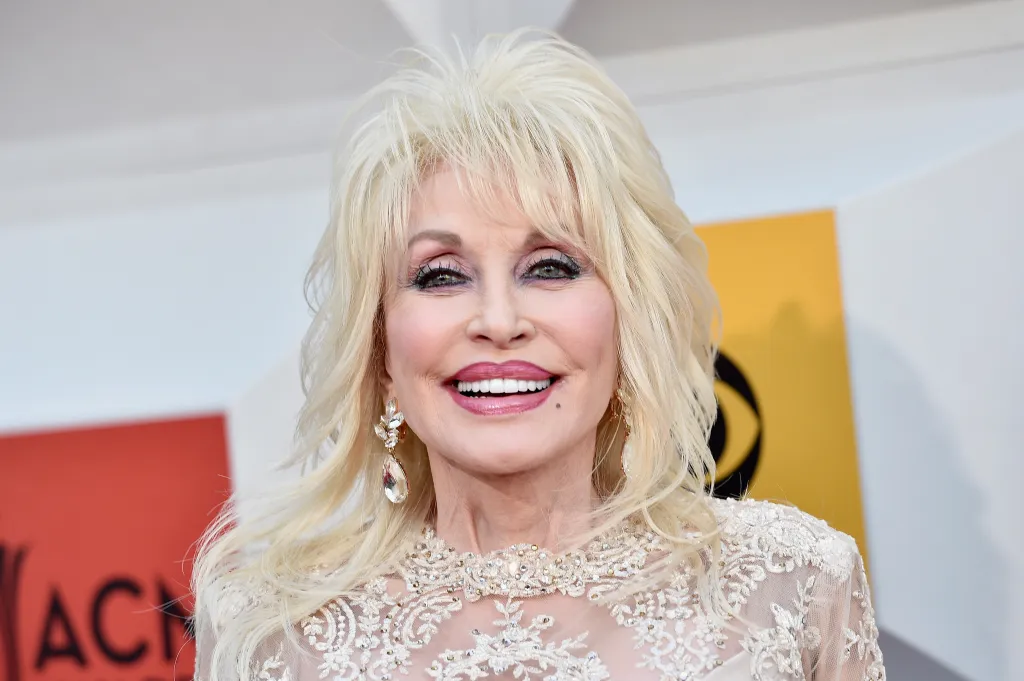
Why Dolly Parton Kept Her Cancer Battle Private
Stella Parton is sharing the truth about her sister Dolly Parton‘s private battle with cancer. The beloved country music icon died on August 25 at age 80. She was surrounded by loved ones at a Nashville medical center following what her team described as a “brief battle” with the disease. Her family privately laid her to rest just days later. During an interview on CBS Mornings, 77-year-old Stella spoke to host Gayle King about Dolly’s final days and her decision to keep her diagnosis hidden from the public. Related story Alanis Morissette Says This Postpartum Depression Symptom Was ‘Harrowing, Terrible, Ceaseless’ Shielding Her Family and Fans Stella told King that the singer made a deliberate choice to hide her condition because she despised negativity and hated seeing people worry. “Dolly did not want anybody to tell that because Dolly could not bear negative things,” Stella said. “She would not have wanted her fans worried about it. She didn’t want a lot of the family worried about it. Some of us knew, the ones that were closer, but not every relative.” Despite the shock of her sudden passing, Stella believes her sister would appreciate the outpouring of public support. “She’d be really happy and delighted that people have shown her so much love because she knew that would make us feel better as her family,” Stella continued. Finding Peace in Her Final Days Stella also addressed Dolly’s mindset in the weeks leading up to her death. “I know she was at peace,” Stella said. “I could always tell by looking at her face, even if I hadn’t seen her in months. She wasn’t going anywhere bad; she was going to be with Momma and Daddy. She was definitely prepared.” Dolly, who grew up in rural Tennessee with 11 brothers and sisters, had already lost five of her siblings before her own passing. A Legacy of Giving Back Throughout her illness, Dolly stayed dedicated to helping others. Stella previously revealed that her sister was willing to undergo experimental medical treatments, even if there was no hope for her own survival, just to help future patients. Over her lifetime, the country star donated an estimated $600 million to various charitable organizations, and that selflessness extended directly to her final wishes. Her cousin, Richie Owens, told the Today Show that Dolly specifically asked fans to send $50 donations to her Imagination Library — an initiative that gifts free books to children from birth to age five — instead of buying flowers. Even in her final days, her primary focus was giving back. Source link
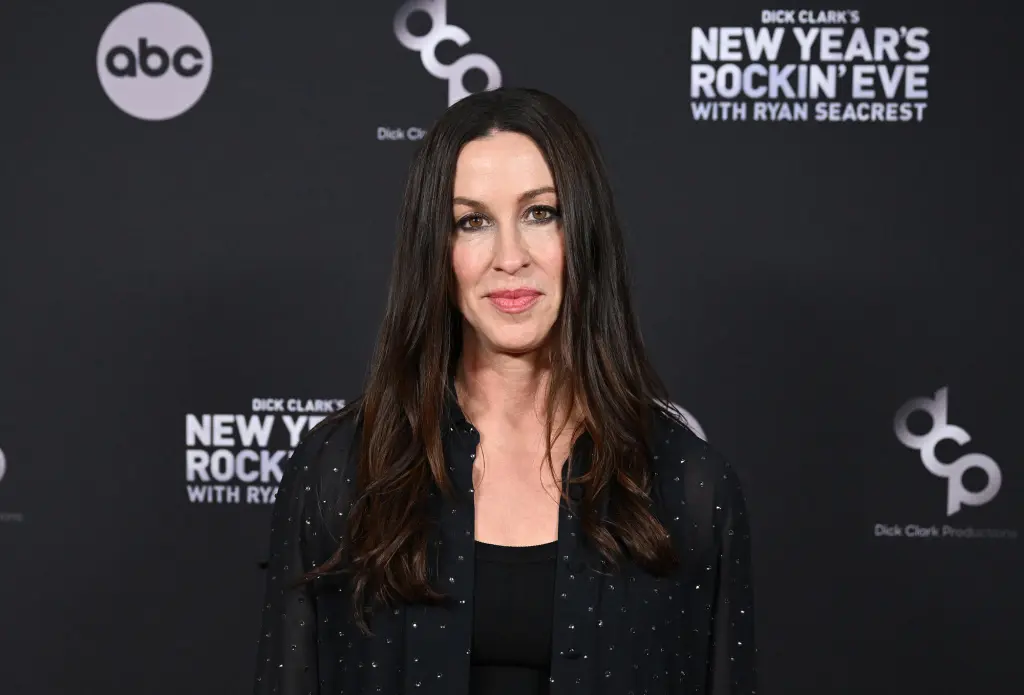
Alanis Morissette on the Reality of Postpartum Intrusive Thoughts
Alanis Morissette is sharing the reality of her battle with postpartum depression (PPD) following the births of her three children. During a recent appearance on the Call Her Daddy podcast, the 52-year-old musician addressed her lifelong history with depression and the sudden, terrifying symptoms that hit after giving birth. Morissette shares children Ever, Onyx, and Winter with her husband, Mario “Souleye” Treadway. Related story Michael J. Fox Shares the Reason He Still Feels ‘Privileged’ 35 Years After Parkinson’s Diagnosis PPD and Intrusive Thoughts “The depression piece inside PPD, unfortunately and fortunately, I was familiar with it,” Morissette said. “It was all the other stuff. It was the invasive thoughts and the terror — just all I could picture was death and terrible things.” The clinical term for these alarming mental images is “perinatal intrusive thoughts,” and according to the International OCD Foundation, 70-100% of new moms have them. Unlike postpartum psychosis, which is a psychiatric emergency where a person loses touch with reality, “intrusive thoughts” are unwanted flashes of disturbing mental images or scenes where a mother envisions harming her child — even though she is horrified by the thought and would never actually act on it. Morissette described her own visions as “harrowing, terrible, ceaseless.” She also pointed out the harsh expectations placed on women who just went through “the most transformative, traumatic experience that physiologically a human being could ever go through.” A Loss of Trust and Speaking Out “The minute the mother gives birth, it’s like we get invisible again,” Morissette continued. She described the jarring shift from being surrounded by care during pregnancy to suddenly facing demands to “get up” and lose the baby weight. The intense anxiety also made her worry about how her loved ones viewed her. “The bummer for me inside PPD was that I was losing people’s trust in my sanity,” Morissette said, adding that people looked at her like she might “fly off the handle.” She admitted that she even “dipped into psychosis” while pushing through stage shows on tour. “Invasive thoughts, anxiety, depression, rage, off the charts. I felt [so] out of control. Yet, I was touring and leading and being a boss and taking care of money and finances and everything,” she said. Now on the other side of her struggle, she expressed relief to feel like herself again. When asked why she chose to speak out while actively suffering, she replied, “It just was what was happening.” She shared that her phone immediately blew up with messages from families in the same situation. Source link
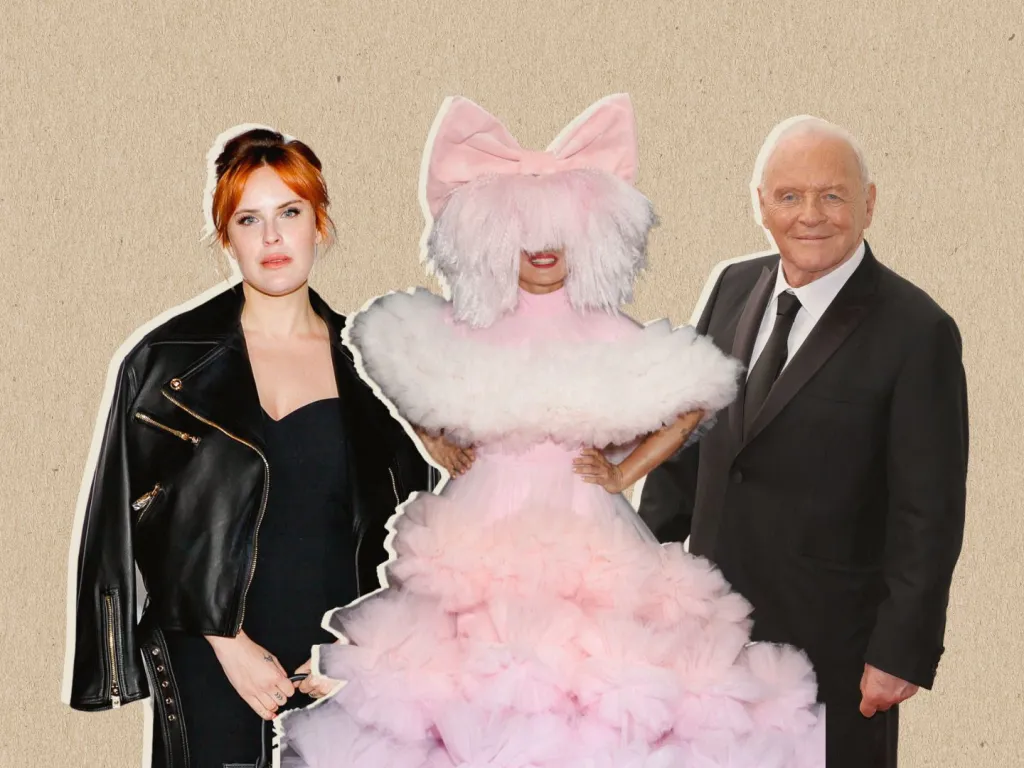
20 Celebrities With Autism Speaking About Life on the Spectrum
Autism is more common than you might know. About 1 in 36 children has autism spectrum disorder (ASD), according to the CDC, and that number has been steadily increasing since the org started collecting data in 2000. More adults are being diagnosed with autism too, studies have found, leading to increased awareness and interest in the disorder. TikToks sharing signs of autism in adults and little-known symptoms rack up millions of views, and more and more celebrities are starting to come forward with their own autism diagnoses (or sharing that their kids are on the autism spectrum). Autism spectrum disorder is “a developmental disability caused by differences in the brain,” according to the CDC. There are a wide variety of signs and symptoms, including communication or interaction challenges, restricted or repetitive behaviors, or delays in language, movement, or learning skills. While many people with ASD are diagnosed as children, adults can also be diagnosed (as you’ll see with the celebs ahead). Because autism exists on a spectrum, people with ASD present a wide variety of symptoms. And with more and more people being diagnosed, awareness and acceptance of ASD is more important than ever, which is why we love that these celebrities are speaking out about their experiences and bucking the lingering stigma that still exists around autism. From pop star Sia to environmental activist Greta Thunberg, keep reading for the stories of celebrities who are sharing their journey with autism. Tallulah Willis Image Credit: River Callaway for WWD Actress Tallulah Willis shared her autism diagnosis in March 2024, in a sweet, low-key Instagram caption accompanying a throwback video with her dad, Bruce Willis. “tell me your autistic without telling me your autistic,” she wrote next to the video, which featured a young Tallulah happily rubbing her dad’s bald head. Willis expanded on the diagnosis down in the comments. When one fan asked if she was diagnosed as a child, Willis replied, “Actually this is the this is the first time I’ve ever publicly shared my diagnosis. Found out this summer and it’s changed my life.” Robbie Williams Image Credit: Kristina Bumphrey/Variety Robbie Williams was diagnosed with “a little bit of autism,” he shared in 2026 — and wasn’t afraid to admit that he uses the diagnosis as a “get-out-of-jail-free card.” “All the weird s–t that I do I just say, ‘Sorry, I’m autistic,’” Williams quipped during a Q&A at the Autumn/Winter launch of his clothing brand Hopeium. He added that he “loves” knowing that he has autism (as well as ADHD) “because it explains so much.” As an example, Williams explained that he’s “creating images and making funny things.” There’s a big bright side to that obsession: “if I’m creating images and funny things, I’m not thinking about me, because my brain is incredibly creative, and it can be creative about everything in the world that you panic or scared about.” Sia Image Credit: Raymond Hall / Contributor/GC Images via Getty Images Pop singer Sia opened up about her autism diagnosis on a 2023 Rob Has a Podcast interview, saying, “I’m on the spectrum, and I’m in recovery and whatever — there’s a lot of things.” The “Unstoppable” singer continued, “For 45 years, I was like, ‘I’ve got to go put my human suit on.’ And only in the last two years have I become fully, fully myself.” Sia faced backlash in 2020 for her depiction of autism in her film Music, where neurotypical actor Maddie Ziegler was cast as a nonverbal autistic character. Sia later apologized and promised that scenes showing Ziegler’s character in restraints while experiencing sensory overstimulation would be removed, Rolling Stone reported. Discussing her own ASD diagnosis in the 2023 interview, Sia said, “Nobody can ever know and love you when you’re filled with secrets … And when we finally sit in a room full of strangers and tell them our deepest, darkest, most shameful secrets… and we feel seen for the first time in our lives for who we actually are, and then we can start going out into the world and just operating as humans … and not pretending to be anything.” Bella Ramsey Image Credit: Amy Sussman/GA It was while filming the first season of The Last of Us that Bella Ramsey, the series’ star, was diagnosed with autism. As the 21-year-old revealed in a 2025 British Vogue profile, a crew member on the show who had an autistic daughter assumed Ramsey had autism, too, which led them to eventually being diagnosed. The diagnosis, Ramsey added, helped them find clarity around things they’d “always wondered” about, like their self-described status as a “weirdo” and “loner” while growing up and other sensory issues. Ramsey also believes their autism makes them a better actor because they’ve “always been watching and learning from people,” including “having to learn more manually how to socialise and interact with the people.” The diagnosis was “freeing,” they continued. “It enables me to walk through the world with more grace towards myself about not being able to do the easy everyday tasks that everyone else seems to be able to do.” Greta Thunberg Image Credit: Michael Campanella/Getty Images Environmental activist Greta Thunberg shared her ASD diagnosis on social media back in 2019 as a response to the relentless rolls attacking her actions and appearance. “When haters go after your looks and differences, it means they have nowhere left to go. And then you know you’re winning!” Thunberg wrote on Instagram. “I have Asperger’s syndrome and that means I’m sometimes a bit different from the norm. And — given the right circumstances — being different is a superpower.” In a 2021 interview with The Guardian, Thunberg expanded on the experience of getting diagnosed and why she sees autism as a superpower. “A lot of people with autism have a special interest that they can sit and do for an eternity without getting bored. It’s a very useful thing sometimes,” she explained. “Autism can be something that holds you back, but
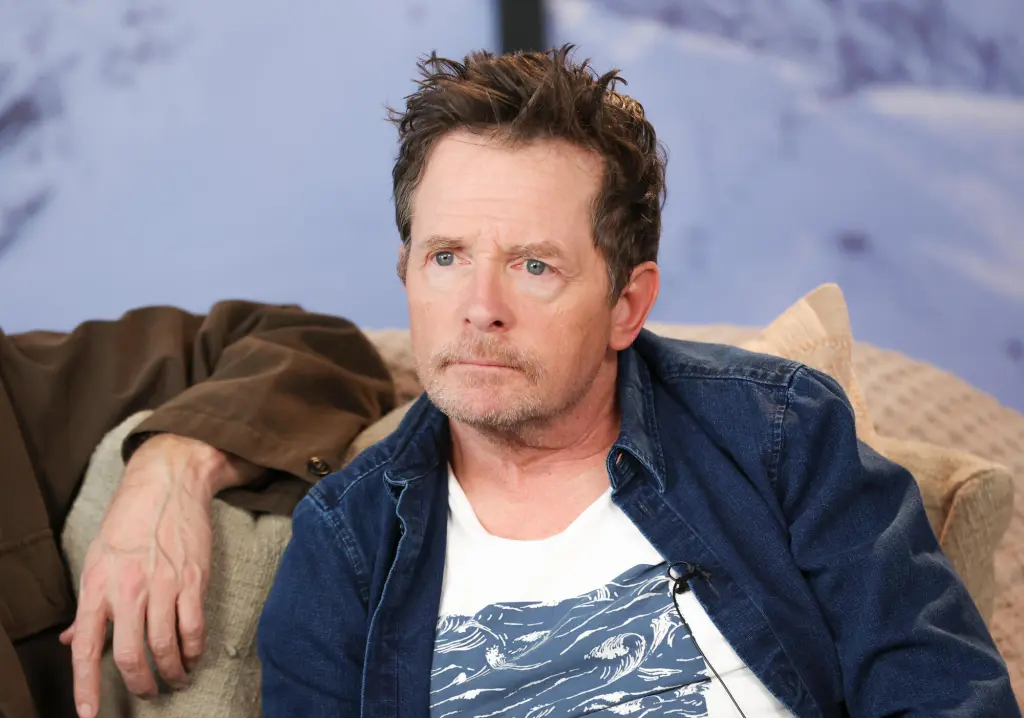
Michael J. Fox Reflects on Parkinson’s Journey 35 Years Later
Michael J. Fox is reflecting on his 35-year journey with Parkinson’s disease after receiving major recognition for his advocacy work. The 65-year-old actor was named a recipient of the prestigious Lasker-Bloomberg Public Service Award (often referred to as “America’s Nobels”) for his tireless efforts in funding medical research. Since launching the Michael J. Fox Foundation in 2000, his organization has raised over $3 billion to find a cure for the neurodegenerative condition. “When we launched the Foundation, our goal was simple, yet ambitious — cure Parkinson’s,” Fox said in a statement following the announcement. “I am humbled to be recognized by the Lasker Foundation and jury. I accept this honor on behalf of everyone living with Parkinson’s and everyone with us in our shared mission to end the disease.” Related story Sharon Stone Reveals Bizarre ‘Orb’ Visions Following Near-Fatal 2001 Stroke A Humbling Honor and Family-Backed Mission The Back to the Future star first began experiencing Parkinson’s symptoms in 1990 at age 29, eventually making his diagnosis public years later to help eliminate the stigma around the disease. He credited his ongoing advocacy to the support of his wife, Tracy Pollan, and their four children, who have stood by him through decades of health challenges. While he admitted that managing his symptoms has naturally become more difficult over time, he hasn’t let it affect his mission. “Of course, things have gotten harder over the years,” Fox shared in an exclusive interview with People. But “I’m privileged to commit my time and energy to bringing everything I’ve got to help cure this disease.” Balancing Acting and the Fight for a Cure Fox recently returned to acting with a guest-starring role on the Apple TV+ comedy Shrinking. He stepped back from full-time acting in 2020 when memorizing dialogue became difficult, but the relaxed schedule on Shrinking offered a welcome return to the screen. Playing a character who also lives with Parkinson’s gave him the chance to perform authentically while sharing scenes with Harrison Ford. His foundation is now launching a new campaign aiming to raise an additional $2.5 billion for research. “Science is hard… But as long as we stay focused, we stay hopeful, we’ll get there,” Fox told People. “And the science is showing we’re getting close.” Source link
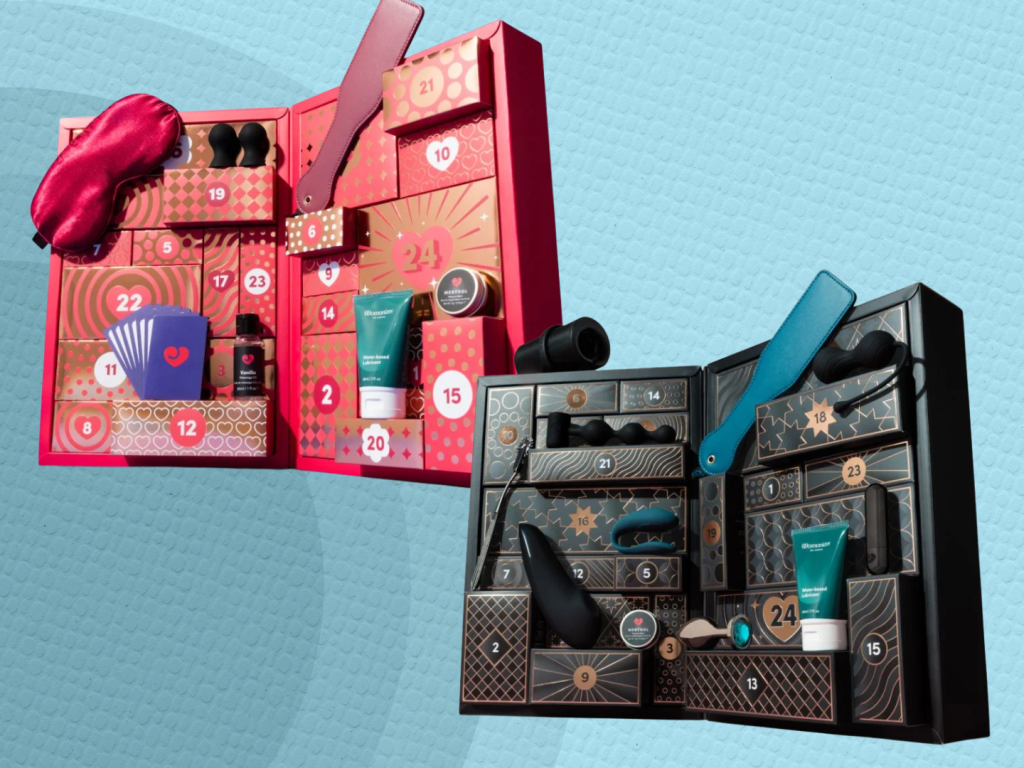
Womanizer’s Sex Toy Advent Calendars 2026 Has Arrived
If you purchase an independently reviewed product or service through a link on our website, SheKnows may receive an affiliate commission. Now that the “ber” months have arrived, the countdown to the holidays is officially on! And if your everyday routine could use a little spicing up, you don’t have to wait for the official holiday kickoff to start getting cozy in the bedroom. This year, Womanizer is making the holiday countdown more magical with its advent calendars filled with intimate toys, accessories, games, and plenty of surprises. Whether you’re shopping for yourself, couples play, or looking for a gift that’s unexpected, the brand offers several advent calendars at different price points and with different focuses. From the more affordable Romance Calendar to the splurge-worthy Luxury Calendar, there’s an option for every budget and level of adventure. Related story Coach Fans, a New ‘Pillow’ Version of the Brooklyn Tote Just Launched (& One Color Is Already Selling Out) And while opening a new door every day is fun on its own, what’s really eye-catching is what’s actually inside these boxes. We’re talking full-size vibrators, mini toys, massage products, games, accessories, and more not 24 tiny fillers designed to make the calendar look full. Keep reading to see what you’ll get with each Womanizer advent calendar this year. Our mission at SheKnows is to empower and inspire women, and we only feature products we think you’ll love as much as we do. Womanizer is a SheKnows sponsor, however, all products in this article were independently selected by our editors. Please note that if you purchase something by clicking on a link within this story, we may receive a small commission of the sale. Couples Advent Calendar Make the countdown to Christmas exciting this year with Womanizer’s Couples Advent Calendar, a 24-piece collection designed for partners who want to add some variety to their intimate routine. Each door of the Womanizer Couples Advent Calendar holds a different surprise, including the Womanizer Liberty 2, We-Vibe Sync Lite, a rechargeable bullet vibrator, accessories, massage oil, lubricant, games, and more, making it a festive way to explore together. Luxury Calendar If you’re looking for the ultimate adult advent calendar, the Womanizer Luxury Advent Calendar delivers. This advent calendar features 24 doors that are filled with a mix of full-size toys, smaller accessories, and extras, including the Womanizer Enhance, We-Vibe Sync Lite, Arcwave Zing, a rechargeable bullet vibrator, a mini wand, massage oil, lubricant, games, and more. There’s plenty to discover throughout the month and enough variety to make this one feel worth the splurge. Romance Calendar Want to try a Womanizer advent calendar without committing to the price of one of the 24-day versions? The Romance Advent Calendar is a more affordable, low-key way to add a festive touch to your intimate time, with seven surprises tucked inside. It includes the We-Vibe Moxie+, a rechargeable vibrator, several sleeves, lubricant, toy wipes, restraints, and a sex-position card game. Enjoy Advent Calendar The Womanizer Enjoy Advent Calendar offers 24 days of surprises, including toys, accessories, and playful extras. Inside the box is the bestselling Womanizer Starlet 3, a compact clitoral stimulator, plus a rechargeable mini wand, a battery-powered bullet vibrator, and interchangeable bullet sleeves. The box also includes everything from a blindfold, massage oil, lubricant, and toy wipes to cuffs, games, and other accessories. Whether you plan to enjoy solo play, surprise a partner, or turn the countdown into something you can enjoy together, there’s a Womanizer advent calendar to match your mood and budget. But don’t wait! These calendars sell out fast every season. About the Author Taylor Lane is a contributing commerce writer at SheKnows, covering beauty, style, and lifestyle. With over eight years of media experience, she previously served as a beauty writer at The Zoe Report and a fashion assistant at Glamour. Her work has appeared in StyleCaster, The FlowSpace, WWD, Forbes Vetted, Teen Vogue, InStyle, and more, where she’s tested hundreds of products — from top-performing mascaras to the most functional strollers. She’s also a mom of two girls, a ten-year-old and a 4-month-old. And when she’s not online, she’s usually at Pilates. Before you go, check out our slideshow below: Source link
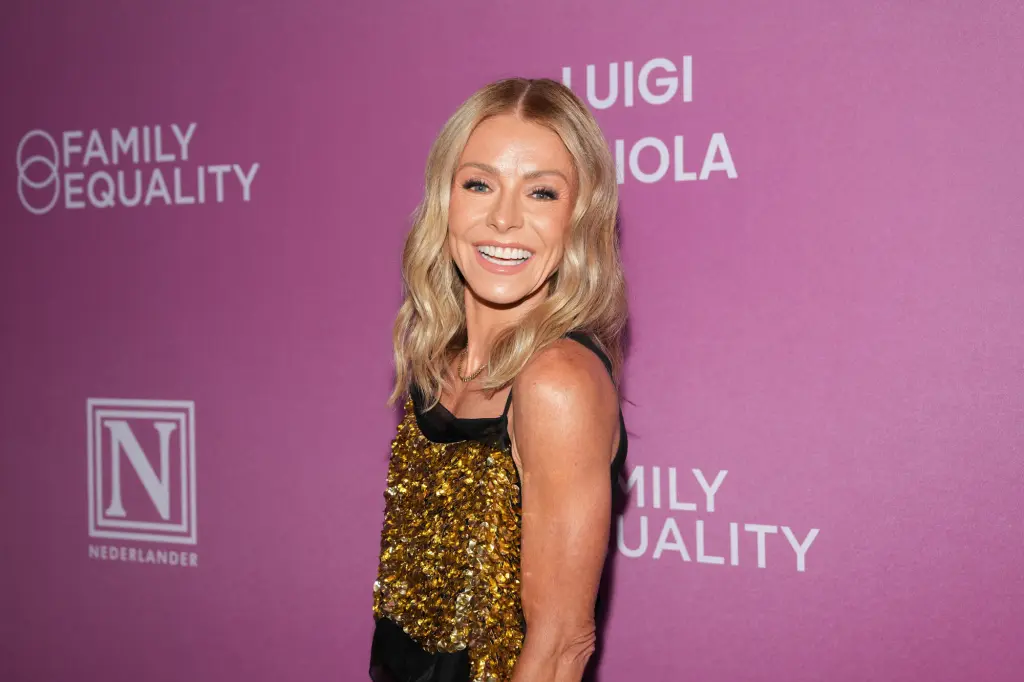
Kelly Ripa Returns to ‘Live With Kelly and Mark’ After Surgery
Kelly Ripa is back in her studio chair after taking six weeks off to recover from a major dental procedure. The 55-year-old television host returned to Live with Kelly and Mark alongside her husband and co-host, Mark Consuelos. She spent six weeks away from the daytime talk show while healing from a painful gum graft surgery. Doctors ordered the notoriously chatty morning host to rest her voice during her recovery, but keeping quiet proved virtually impossible. Related story Sharon Stone Reveals Bizarre ‘Orb’ Visions Following Near-Fatal 2001 Stroke Breaking Doctor’s Orders Periodontists instructed Ripa to stay on strict vocal rest for 10 days so the delicate tissue graft could heal properly. She admitted in an exclusive interview with People that she couldn’t help but ignore her doctor’s orders. “Oh, I was talking the whole time,” Ripa confessed. “He was like, ‘You’re not supposed to be talking.’ I’m like, ‘I’m fine!’ It did look weird, though, when I talked.” The resulting inflammation in her lower lip was so pronounced that show producers assumed she was holding cotton in her mouth. “What was funny, a few of my producers said, ‘You just need to take the cotton out, take the cotton out from under your lower lip,’” she explained. “And I was like, ‘There is no cotton. That is just swelling. That’s why I’m not at work today.’” An Overzealous Daily Routine Ripa previously revealed on her Let’s Talk Off Camera podcast that her aggressive dental hygiene routine — decades of over-brushing and over-flossing — wore away her gums, leaving her dentist no choice but to operate. Consuelos teased his wife about her five-minute brushing sessions and called her habits excessive. “She doesn’t follow instructions very well,” Consuelos said. Ripa responded, “I’m getting better. I’m retraining myself. I host a morning show. I know when there’s bad dental hygiene involved. It’s a good-bad habit, or a bad-good habit.” Despite the unusually painful recovery, Ripa reassured the outlet that she’s fully healed and feeling much better. “[I’m] so much better,” Ripa told People. “It was fine. It was definitely necessary. I delayed it for five years. I really did because I was like, ‘I’ll wait until I retire.’ And then, eventually my dentist was like, ‘Okay, now we have to finish it.’” Source link
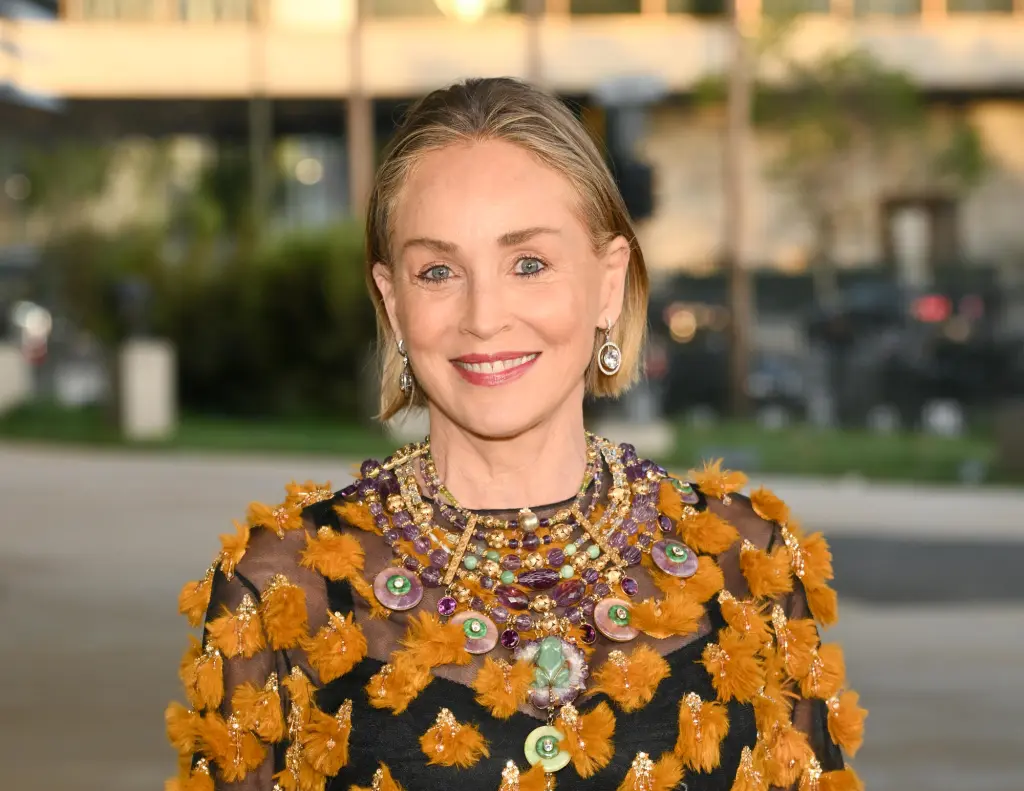
Sharon Stone Recalls Seeing Mysterious Orbs After 2001 Stroke
Sharon Stone is opening up about the strange visions she experienced after surviving a near-fatal stroke in 2001. The 68-year-old actress reflected on her recovery during an interview on Mayim Bialik’s podcast, Breakdown. She shared that five glowing “orbs” appeared in her home shortly after she returned from the hospital. Stone kept the story to herself for over 20 years, admitting she struggled to explain exactly what she saw. Related story Kelly Ripa Admits She Failed at This Part of Oral Surgery Recovery Digital Language and Mysterious Orbs The Basic Instinct star suffered a catastrophic brain hemorrhage at the height of her Hollywood career. The medical emergency left her bedridden for eight months and required a seven-year recovery. It erased her memory, left her deaf in one ear, and caused severe facial paralysis. “When I was laying on the couch, sleeping and awake, these orbs sort of presented themselves to me,” Stone told Bialik. “These five orbs presented themselves to me and they sort of talked to me, but in a digital language.” She confronted the spheres directly: “I just kept saying to them, ‘I don’t know if I’m supposed to stay here or if I’m supposed to die,’” she recalled. “And they said, ‘You’re supposed to stay.’” A Premonition About Custody Stone’s biggest concern at the time was the safety of her infant son, Roan, whom she adopted in 2000 with her then-husband Phil Bronstein. Afraid that she would eventually be separated from her child, she asked the figures to look out for him. “I said, ‘I can only stay if two of you will stay with my son. Because I don’t want him to be alone, and I think he’s gonna get taken from me,’” she continued. “And they agreed. And they said, ‘But your destiny requires that we stay with you.’” Her premonition came true in 2008 when a judge awarded Bronstein primary physical custody of Roan, now 26. Stone told AARP that her medical history and role in “sexy movies” were weaponized against her in court. Despite the ruling, she went on to adopt sons Laird, 21, and Quinn, 20, and has maintained a close relationship with all three boys. Source link
