

Meningitis is rare and preventable thanks to childhood vaccines, but it should still be on every parent’s radar. Primarily affecting very young children and teens, this dangerous infection can quickly become life-threatening. Even when kids recover, they can be left with serious long-term side effects — and we need to talk about it. What is meningitis, anyway? This condition occurs when a bacterial or viral infection reaches the meninges, or the membrane surrounding the brain and spinal cord. Bacterial meningitis, often caused by germs like pneumococcus or meningococcus, tends to be the most severe and deadly variety. Viral meningitis is usually less serious, but not always. Related story 13 Symptoms of Meningitis You Need to Know If You’re Parenting Teens “Regardless of the cause, these are all infections in and around your brain, and that’s something to avoid if you can,” Elizabeth Murray, DO, MBA, pediatric emergency medicine doctor, tells SheKnows. Babies and very young children are more vulnerable because their immune systems are still developing. Teens and young adults ages 16 to 23 are at a higher risk for meningococcal meningitis specifically because they’re more likely to be in close-quarters living situations where contagious germs spread like wildfire — think dorm rooms in college. Meningitis symptoms can run the gamut, but in severe cases, it’s often apparent that something is seriously wrong, Murray notes. Babies and young children may present with a high fever, irritability, vomiting or refusing to feed, or extreme lethargy. They might also have a red or purplish rash on their skin. “The fontanelle, or soft spot on the top of their head, may be bulging or feel higher than usual and full,” Catherine Mary Healy, MD, pediatrician and member of American Academy of Pediatrics’ (AAP) Committee on Infectious Diseases, tells SheKnows. Meanwhile, teens and young adults with meningitis may develop a fever, severe headache, stiff neck, or confusion. All diagnoses are made with a lumbar puncture, or spinal tap, which helps doctors identify what germ caused the infection and treat it accordingly. To be clear: Meningitis is fairly rare, and most people who get it make a full recovery. “Sadly, even when we can stop the infection, sometimes damage is still done,” Murray says. Per the Meningitis Foundation, one in five people who fall ill with bacterial meningitis are left with permanent side effects. They can vary widely depending on the germ that caused the illness and severity. In general, the longer treatment for meningitis is delayed, the higher a patient’s risk of sustaining serious damage to their organs, muscles, or nervous system. Bacterial meningitis is typically treated with weeks of antibiotics, Murray explains. Viral cases sometimes resolve on their own, but often, meningitis requires hospitalization. Viewers who tuned in for Season 2 of The Pitt, HBO Max’s hit medical drama, may recall that (spoiler alert!) Dr. Baran Al-Hashimi experiences seizures as an adult because she had viral meningitis in childhood. That’s just one example of a possible complication. “Long-term effects may include deafness, seizures, and neurodevelopmental delays,” Healy says. “For meningitis caused by meningococcal disease with a severe rash, there may also be skin scarring or the need for amputation of limbs.” Lingering vision or memory issues can arise, too. Murray’s advice for parents who are concerned about meningitis? “Vaccinate, vaccinate, vaccinate.” It’s the best tool available to prevent this condition, and the host of potentially disabling side effects it can cause. The AAP universally recommends a number of vaccine series — some for babies, and others for preteens, teens, and young adults — for protection against different bacteria and viruses that can cause meningitis. They include the pneumococcal, haemophilus influenzae type B (HIB), and meningococcal (MenACWY) vaccines. For additional protection, the meningococcal type B (MenB) vaccine is also available to teens and young adults through shared clinical decision-making (read: parents and physicians making choices together about whether or not to vaccinate). These shots are all safe, effective, and backed by the nation’s leading pediatric health experts. Pregnant mothers should also stay on top of their routine prenatal care, which can help them avoid passing on viruses that can cause meningitis to their baby during or after birth, Murray says. Got further questions? Your family’s pediatrician can help steer you in the right direction as you make decisions about vaccinations, particularly when it comes to optional shots like MenB, or additional boosters for children and teens in high-risk groups. “It’s always better to protect against any type of risk before you are exposed to the problem,” Murray advises. “Waiting to try to put on your seatbelt as a car accident is happening probably won’t help you. Wearing a seatbelt every time you get in a car is much more likely to keep you safe. The same is true for vaccines.” Source link

Burn with Pleasure with the Vintage Bubblegum Range
INTIMINA, in collaboration with Bijoux Secrets, presents the Bubblegum range. This collection features a perfume, an intimate massage gel, and a heat-effect massage oil. You can purchase each product separately. All three products feature an original strawberry bubblegum fragrance created in 1928. They are 100% vegan, cruelty-free, and contain no alcohol or parabens. They are designed to cover every inch of your body. Enjoy them with a partner or solo to indulge the eroticism of the senses. Taste, smell, and touch combine to ignite passion and surrender to limitless pleasure. Relive the Roaring 20s with the Bubblegum Range The Roaring 20s were an era of wild abandonment, sensuality, modernity, and freedom. Nights were endless to the rhythm of Charleston and jazz. In this setting, flappers emerged as a revolutionary icon of the New Woman. These women challenged established limits. They reclaimed their right to express themselves and be who they wanted to be. They were bold and rebellious. They defied norms that demanded submission. These women rejected stereotypes about what it meant to be a woman: a “lady” with manners who didn’t laugh loudly, didn’t dance, and didn’t speak openly about sex—let alone enjoy it. They possessed indomitable spirits. They were independent, joyful, and sensual. They personified modern female independence with short dresses, red lips, and intense floral perfumes. We have brought back that original strawberry bubblegum fragrance for you—fresh, sparkling, and sweet. Bubblegum Body Mist: A Sensual and Sparkling Fragrance Smell is one of the most important and erotic senses for enjoying pleasure and creating unique memories. According to scientific research from Rockefeller University, humans remember only 5% of what they see, 2% of what they hear, and 1% of what they touch. However, we remember 35% of what we smell! A specific aroma creates a memory associated with an emotion and a person. So, why not create new memories with Bubblegum Body Mist? It is an intense, sparkling, and sweet fragrance with an aroma that evokes strawberry bubblegum. Its alcohol-free and paraben-free formula makes it compatible with all external body parts, including the most intimate and delicate areas. Additionally, Bubblegum Body Mist comes in a rounded gold bottle with a retro-style atomizer. It is inspired by the perfume bottles used by flappers. The design matches their flamboyant and coquettish fashion, reflecting the feminine spirit of an entire era. It is a piece that captures the luxury and sophistication of the Roaring 20s. Bubblegum Heat-Effect Massage Oil The Bubblegum heat-effect massage oil enhances the body’s sensory response. It stimulates the senses and awakens desire. Enjoy a more sensual experience when your lover blows gently on your skin, alternating between heat and coolness. Although intended for external use, it is free of perfumes and parabens. Therefore, you can use it in your most intimate areas, either alone or with a partner. Create unforgettable memories thanks to its strawberry bubblegum scent. Strokes or be stroked with smooth, sensual movements. Stimulate every nerve ending and ignite desire. Believe me, this heat-effect oil is called “Light my Fire” because it truly sets you ablaze. Bubblegum 2-in-1 Gel The Bubblegum 2-in-1 Gel is perfect for erotic games involving massage, caresses, and endless masturbation. Its silicone texture extends pleasure to the point of madness. It even works underwater. Its composition is free of perfumes and parabens. This allows you to apply it to the most intimate and erogenous zones. Use it to give or receive massages, or as an intimate lubricant. It is compatible with latex condoms, such as LELO HEX. Furthermore, its classic strawberry bubblegum scent—sweet, intense, and sparkling—will liven up your erotic play. It will create a memory that lingers. Surrender to its smooth, velvety texture that leaves a silky sensation on the skin. Masturbate, be masturbated, or ask for it. Yield to desire, feel, break free, and reach orgasm. Be a 21st-century flapper. Ignite your fire. Source link
How Protect Teens From Meningitis Risk, According to Doctors
When people think about meningitis, they often think about infants. But while newborns and toddlers are at highest risk for the disease, what many may not realize is that teenagers are also especially vulnerable to bacterial meningitis in particular (also called meningococcal disease), making up 21% of the total cases, per the National Meningitis Association. And while the condition is rare, it can also be life-threatening. That’s a devastating fact that Patti Wukovits, BSN, RN, AMB-BC, the co-executive director of the American Society for Meningitis Prevention and Executive Director of the Kimberly Coffey Foundation, knows too well. Her daughter, Kimberly, died from bacterial meningitis at just 17 years old. “I am a registered nurse. I knew about meningitis. I knew the symptoms, the progression, the urgency. And it still happened to me and my daughter Kimberly,” she says. “This is a deadly, unpredictable disease and it’s so important that parents know about it and how they can help prevent it.” Related story 13 Symptoms of Meningitis You Need to Know If You’re Parenting Teens Here’s what to know about meningitis and teens, including why they’re so at risk and how to best protect them from developing the devastating disease. What Is Meningitis? “Meningitis refers to an inflammation infection of the membranes that cover the brain and the spinal cord,” says William Schaffner, M.D., a professor of infectious diseases at the Vanderbilt University Medical Center. It happens when a disease-causing microorganism somehow gets into the brain and spinal cord, which can happen through the bloodstream or via an ear or sinus infection. What Causes Meningitis? Many different things can cause meningitis, but most infections fall into two groups: viral or bacterial. Viral meningitis is the most common, and also tends to be milder and often resolves without hospital treatment, Dr. Schaffner says. Bacterial meningitis, on the other hand, is often severe and even life-threatening. And teens are one of the age groups that’s most at risk for the disease — though their vulnerability is often overlooked by parents and healthcare providers alike, according to research in Infectious Diseases and Therapy. Who Is Most At Risk For Meningitis? While anyone can get meningitis, age, certain medical conditions or medications, and exposure all increase risk. There are three age groups that are particularly vulnerable to bacterial meningitis: babies under 1 year old, teenagers, and young adults ages 16 to 23, and older adults, according to the Centers for Disease Control and Prevention. “If you look at the entire age spectrum, [the risk of bacterial meningitis is highest in [infants]. Then the risk goes very low, then increases in teen years and young adult years, then goes very low again, and then it picks up again when you’re in the 70s and 80s,” Dr. Schaffner says. Additionally, American Indian or Alaska Native and Black people are more likely to develop meningitis than other races, a 2025 study in the journal The Lancet Regional Health found. It’s possible that these groups might be more likely to have certain health conditions that could make them more vulnerable to meningitis, according to the Journal of Adolescent Health. All age groups can contract viral meningitis, which is much more common and less dangerous than bacterial meningitis. But Dr. Schaffner says that teens may be more likely to develop this type, although children under age 5 and people with weakened immune systems are most at risk, per the CDC. What Makes Teens So Vulnerable? Experts still don’t fully understand why teenagers and young adults may be at increased risk of bacterial meningitis, also called meningococcal meningitis, Dr. Schaffner says. But lifestyle factors are likely at least partially to blame. Put simply, teens tend to spend a lot of time together in close quarters. The long answer: The bacteria that causes meningococcal meningitis is transmitted through respiratory droplets and close contact. “Teenagers are at heightened risk for a few reasons that are just part of being a teenager. They congregate in close, crowded settings: classrooms, concerts, locker rooms, sports teams. They share drinks, water bottles, food, lip balm, and vapes,” says Wukovits. “The social nature of teen life is also what creates an opportunity for this bacteria to spread.” New evidence in Molecular Microbiology also indicates that teens’ bodies may be primed to produce more of a short-chain fatty acid that encourages meningococcal bacteria to grow. Teens’ microbiomes tend to contain higher levels of a certain type of bacteria that produce the fatty acid, called propionic acid. That said, not everyone who’s exposed to meningococcal bacteria develop meningitis. “What happens is that [the bacteria] lodge in what’s called the nasopharynx — in the upper throat, way back there behind the nose. They can live there quietly, not causing any illness. But sometimes they escape that location, invade the tissue, and get into the central nervous system space [where they can] cause meningitis,” Dr. Schaffner says. But experts don’t know why some people develop meningitis and so many others don’t, he says. How to Protect Teens from Meningitis Since meningitis can be fatal, experts urge parents and young adults to focus on prevention and awareness. Here’s what to know. Get Vaccinated. The best way to prevent meningitis is to stay up to date with vaccines. Between 1998 and 2007, cases of bacterial meningitis dropped by about 31%, largely due to the development of vaccines that protected against certain strains of meningitis-causing bacteria, The Lancet Regional Health reports. Cases have increased again since 2021, but people ages 30 to 60 are being disproportionately affected rather than teens. And many of the adults who contracted the disease weren’t up to date with the meningitis vaccinations, further underscoring the importance of immunizations. Infants are given the pneumococcal vaccine, which protects against a certain strain of meningitis-causing bacteria, says Sharon Nachman, M.D., chief of pediatric infectious diseases at Stony Brook Children’s Hospital. But there are also meningitis vaccines recommended for preteens and teens that protect against the types of bacteria most likely to affect them. Right
A Guide To a Comfortable Cervical Screening with Dr. Unsworth
Recognizing the significance of Cervical Cancer Prevention Month this January, INTIMINA understands that there is never enough encouragement and accessible education regarding preventative care. For many women, anxiety about cervical screening (smear tests or Pap smears) can be a significant barrier. Cervical cancer is one of the few cancers that is more common in younger women, with the highest incidence in the age group 30-34, followed by 35-39 age group, according to Cancer research UK data. Crucially, it is also one of the most preventable cancers, largely thanks to two major factors: the Human Papillomavirus (HPV) vaccine and regular screening. “Over 99% of cervical cancers are caused by a persistent infection with high-risk strains of HPV. That’s why HPV vaccination is such a critical tool in reducing infection across the population, and gives us a real opportunity to reduce cervical cancer dramatically in the future. However, regular cervical screening remains absolutely essential. It identifies high-risk HPV infections and picks up precancerous changes early, often long before they have any chance to develop into cancer,” explains Dr Unsworth. Despite its importance, statistics show that millions of women are not up-to-date with their routine cervical screening. For many, the barriers are fear, anxiety, or embarrassment about the procedure itself. Dr. Unsworth’s 5-Point Guide To a Comfortable Screening The cervical screening test takes only 2-3 minutes to perform, though the full appointment may last around 20 minutes. Dr Unsworth shares her top practical tips for a more relaxed experience: 1. Talk to Your Clinician “Don’t hesitate to share any concerns. Talk to the doctor or nurse beforehand. They are there to reassure you, answer questions, and make any adjustments you need. They can explain each step of the process, which often helps ease anxiety,” says Dr Unsworth and adds: “If you’re worried about how you’ll cope during the test, you can also agree on a word or signal to use if you need to pause or stop at any point.” 2. Focus on Your Breathing “If you’re feeling nervous or tense during the procedure, simple breathing techniques can really help,” says Dr Unsworth. “Focusing on slow, steady breaths can relax your body and make the test feel easier. You can also use any other techniques you know help you stay calm, whether that’s grounding exercises, visualisation, or simply chatting to the clinician. And remember, you can always ask the nurse or doctor to pause at any point so you can take a moment.” 3. Request a Smaller Speculum For some women, especially those experiencing menopausal symptoms like vaginal dryness, the speculum can be uncomfortable. “Using a smaller speculum can often make a big difference, says Dr Unsworth. “Don’t hesitate to ask about this. You may also feel more comfortable inserting the speculum yourself, and you can absolutely ask to do this if you prefer.” “If vaginal dryness is an issue, using vaginal oestrogen for a few weeks beforehand can also help, though you should avoid applying it in the 48 hours before your test”, adds Unsworth. 4. Consider Over-the-Counter Pain Relief (If Needed) If you think the procedure might be uncomfortable for you, Dr Unsworth suggests taking paracetamol or ibuprofen about an hour beforehand. This can help ease any mild discomfort in advance. 5. Adjust Your Body Position “Sometimes it can be tricky for the clinician to get a clear view of the cervix, and that’s an important part of the test. Everyone’s anatomy is a little different, and small adjustments can make a big difference. We may suggest tilting your pelvis slightly, which isn’t always easy on a flat examination couch. Simple techniques like placing your hands under your bottom can help adjust the angle, and for some women, lying on their side is both more comfortable and gives a better view. Whatever the approach, it should always be a conversation with you, making sure you feel comfortable throughout,” explains Dr Unsworth. Why Screening Is Non-Negotiable A cervical screening test involves taking a small sample of cells from the cervix to check for high-risk HPV. If high-risk HPV is detected, the sample is then checked for any abnormal precancerous cells. Routine Recommendations While guidelines vary regionally, in general, cervical screening is recommended every five years for everyone aged 25 to 64. What Happens Next A negative HPV result is excellent news, meaning you are at very low risk of developing cervical changes. If high-risk HPV is found, your sample is checked for cell changes. Minor changes can often return to normal, but more significant changes will lead to a referral to a colposcopy clinic for a more detailed examination. Most women referred to colposcopy do not have cancer. Dr Unsworth emphasises: “The key thing to remember is that cervical screening is designed to identify changes before cancer develops, or to detect cancer at a very early stage when treatment is usually highly effective. That is why regularly attending screening is important, as it gives us the best chance of detecting these changes early. HPV vaccination also plays an essential part in reducing risk, so if you’re offered it, it is well worth taking up. There are also recognised factors that can increase the risk of cervical cancer, such as smoking or having multiple sexual partners. These reflect what we know about how the virus spreads and how the body responds, and understanding them can help people make informed choices. With education, vaccination for those who are offered it, and regular cervical screening, we have powerful tools to reduce cervical cancer for future generations significantly.” Source link
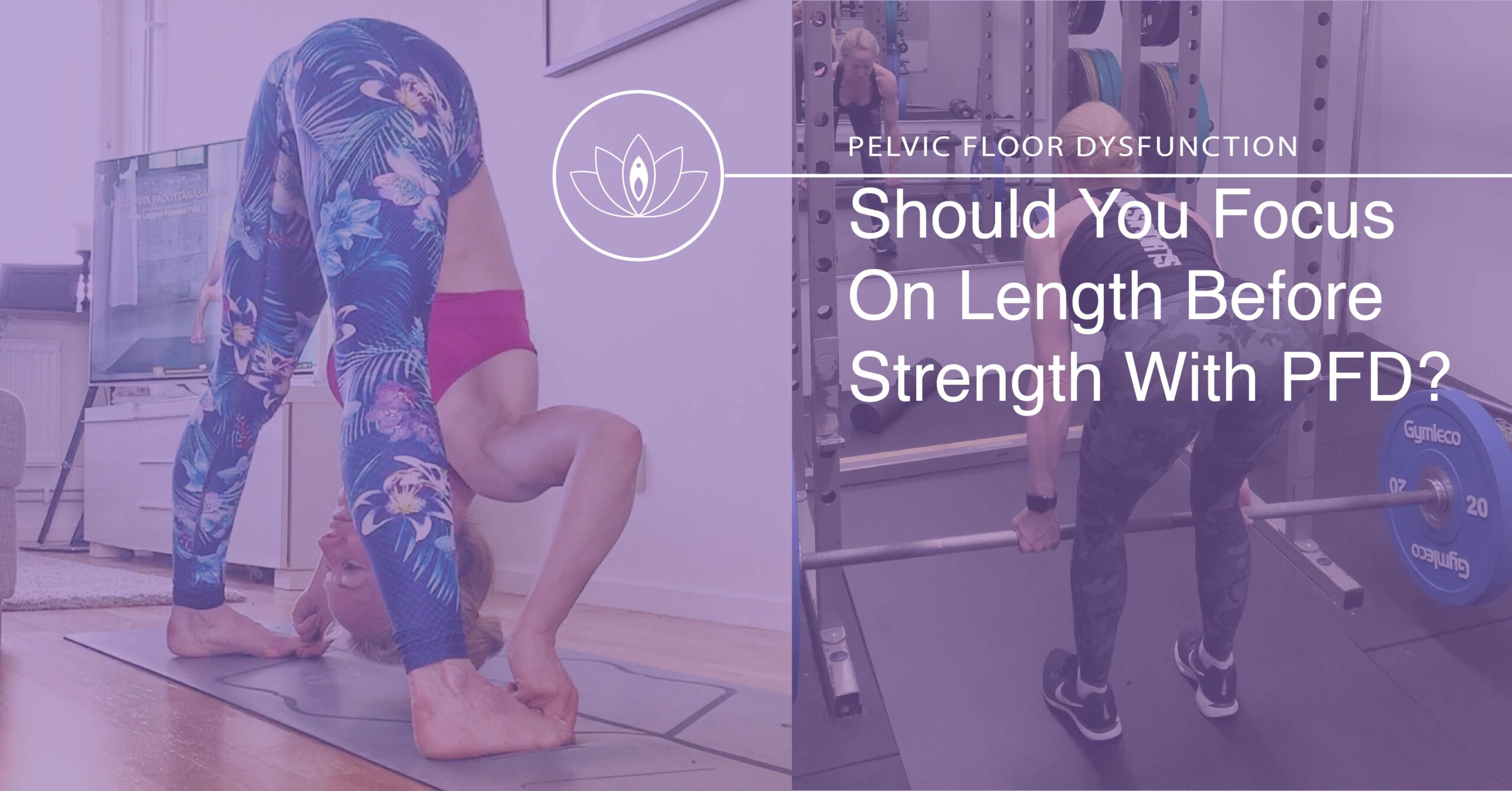
Should You Focus On Length Before Strength With PFD?
Estimated reading time: 9 minutes Should you focus on length before strength with pelvic floor dysfunction (PFD)? This is a question I am often asked. Maybe you are wondering what this even means? Length would imply stretching exercises such as yoga and strength would imply strengthening such as lifting weights. Some may quickly jump to the answer that you should lengthen if your muscles are “tight” and strengthen if your muscles are “weak”, however, it is not that simple. For one, tight muscles are not strong. Also, if you have weak muscles, other muscles will have to take the load so it is inevitable that you will have some muscles that need to lengthen and some that need to be strengthened. Back in 2015 when I was facing a life of incontinence following pelvic mesh removal, I felt that strength was very much needed in order to prevent leakage. The thought of lengthening was frightening as I also had a rectocele (a form of pelvic organ prolapse). Back then, my understanding of pelvic organ prolapse was based on what my gynaecologist had told me; my rectum was falling into my vaginal passage due to tissue laxity. The idea of organs falling made me tense up. I almost wished my vaginal opening had a zip so I could ensure none of my organs would drop out. Thankfully, through years of diligent investigation, education and training, I have changed my understanding of pelvic organ prolapse and pelvic floor dysfunction in general. With this change in understanding came a change in practice that saw an end to my PFD symptoms. Whether you are suffering from prolapse or pelvic pain, this article should provide some valuable information to propel your journey to empowerment. Nervous System Control The management of both strength and flexibility is governed by your nervous system. The nervous system utilizes both the musculoskeletal system and the connective tissue system to manage the balance of tension throughout your body. It is this balance of tension that dictates if you have hypertonicity (tightness) or hypotonicity (laxity). 10% off Empower Your Flower The nervous system can be viewed as an electrical system within the body that is responsible for protecting organs, muscles and joints so they can function optimally keeping you safe and ensuring your survival. This understanding – that the nervous systems primary goal is to protect – holds the key to relieving the symptoms of pelvic floor dysfunction (incontinence, pelvic organ prolapse, pelvic pain etc.). Regardless of whether you choose to stretch with yoga or to do strength exercises, you are simply communicating with your nervous system as all movement is a form of communication with this amazing system. Your thoughts also communicate with your nervous system. Maybe you have noticed this before. When remembering something horrible from your past, you might have felt a visceral response in your body. This is because your brain cannot tell the difference between a horrible memory from the past and something horrible that is presently happening. What you think about your pelvic organ prolapse, pelvic pain, incontinence or any other pelvic floor dysfunction, can dramatically impact how the condition manifests in your body. Let me explain… Survival Instinct Your autonomic nervous system is focused on protecting you and keeping you away from danger. At the core of your autonomic nervous system is a primitive survival instinct. The autonomic nervous system subconsciously controls major functions such as heart rate, breathing, digestion, urination and sexual function. There are two major subdivisions of this system: the sympathetic nervous system (“fight or flight”) and the parasympathetic nervous system (“rest and digest”). Negative thoughts have the power to influence your autonomic nervous system triggering the flight or fight response. This causes an increase in heart rate and respiration while pausing digestive function to prepare your body to escape imminent danger. Along with these autonomic changes, it is common to have an increase in muscular tension. This is where the term “a tense moment” originates. It indicates a state of nervous strain that creates tension in your tissues. Autonomic Nervous System – PNS & SNS The Business of Your Body’s Movement To gain a better understanding, we can explore the business of your body’s movement. The function of muscle is to shorten (contract). From the nervous systems perspective, the shortening of muscle is a protective response to prevent overstretching and muscle fiber damage. It is this shortening of muscles that moves your joints to create motion, therefore, you can view movement is an important function in your survival. Your muscles are connected to your bones through tendons; part of your connective tissue network. The connective tissue network which mechanically distributes tension throughout your body, stretching from the top of your head to the soles of your feet. Within your muscle tendons, there are sensory organs which monitor the stretch of your tendons. Again, this is a protection mechanism. As a muscle’s fibers shorten, the tendons at both end of that muscle are being stretched. Your nervous system will inhibit the contraction to save your tendons; another protective reflex that helps to ensure your survival as muscle tissues repair faster than connective tissues. This business of your body’s movement is complex and, in my opinion, extremely fascinating! We manage to achieve amazing feats with our movement every day – just standing up or walking around requires an amazing balance of tension through the entire network of tissues that make up your body. The body, being a self-healing organism, is always striving to rejuvenate and repair. It attempts to do this as efficiently as possible while expending minimal energy. Such a complex system is not without flaws, especially when we live such busy, stressful lives. It becomes easy to forget that what we think and do each day is sending subtle messages to the nervous system that can change the balance of tension in the body. Changing the Question So, when it comes to the question of length before strength, I think
13 Meningitis Symptoms You Should Know If You Have Teens
Bacterial meningitis acts fast: What may start as mild, cold-like symptoms can turn into a life-threatening situation in less than 24 hours. Ultimately, the disease — which is most common in teens, as well as infants and the elderly — kills about one in six people who develop it, and 20% survivors live with enduring side effects, such as hearing loss, according to the World Health Organization. That’s why it’s so important to be familiar with the symptoms of meningitis. Being able to recognize early signs of the condition and get help right away can make a huge difference in survival rates. Our experts break down meningitis, including what causes it, the red flags symptoms everyone should know, and the best prevention techniques. Related story What Makes Meningitis So Deadly For Teens & 4 Simple Ways to Address the Risk What Is Meningitis? “Meningitis, in general terms, is a severe infection involving the brain,” says Sharon Nachman, M.D., chief of pediatric infectious diseases at Stony Brook Children’s Hospital. The brain and spinal cord are covered by delicate membranes called meninges. Between the brain and spinal cord and the meninges, there’s fluid known as cerebrospinal fluid. Meningitis occurs when an infectious agent such as a virus or bacteria gets into the cerebrospinal fluid and causes inflammation in the meninges, explains William Schaffner, M.D., a professor of infectious diseases at the Vanderbilt University Medical Center. That swelling can create pressure inside the skull and affect blood flow, leading to headaches, fevers, confusion, loss of consciousness, and seizures, according to the National Library of Medicine. “[Meningitis] can be a milder or a much more severe infection, depending upon the nature of the infectious agents,” Dr. Schaffner says. What Are the Types of Meningitis? Meningitis can be caused by viruses or bacteria, and more rarely fungi or parasites, the World Health Organization reports. Over half of meningitis cases are viral, according to the National Library of Medicine. “The viruses usually produce a transient infection that heals itself. These infections are, relatively speaking, mild,” Dr. Schaffner says. Bacterial meningitis can be much more severe. It requires treatments, and even if cured can leave patients with “substantial disabilities,” Dr. Schaffner says. And this is the type that targets teens and young adults (as well as infants and the elderly), per the Meningitis Research Foundation. The good news is that bacterial meningitis is relatively rare. In 2006, about 22% of all meningitis cases were caused by bacterial infections, according to the National Library of Medicine research. But since then bacterial meningitis has become less common, thanks in part to the development of vaccines that protect people from the disease, a 2025 study in The Lancet Regional Health shows. Many different bacteria can cause bacterial meningitis. “Meningococcal meningitis is the most common form of bacterial meningitis in adolescents and young adults. [It] is caused by a bacterium called Neisseria meningitidis,” says Patti Wukovits, BSN, RN, AMB-BC, the co-executive director of the American Society for Meningitis Prevention and Executive Director of the Kimberly Coffey Foundation. “Neisseria meningitidis lives harmlessly in the back of the nose and throat of roughly 10 to 35% of the population at any given time. In most people, the immune system keeps it contained. But in some, and we still don’t fully understand why, the bacteria breach the blood-brain barrier, enter the bloodstream, and trigger a very serious, potentially deadly infection,” Wukovits says. What Are the Symptoms of Bacterial Meningitis? One reason bacterial meningitis is so dangerous is because it moves very quickly. “Many initial symptoms are mild and are similar to most illnesses: headache, fever, feeling unwell,” Dr. Nachman says. “However, these symptoms rapidly progress to severe illness.” In one The Lancet study of children and teens under age 16 with the condition, most had non-specific symptoms in the first four to six hours of infection, but were close to death by 24 hours. She says later symptoms of bacterial meningitis include: An inability to stand or walk A red or purplish pinprick rash High fevers Unresponsiveness A severely stiff neck that may impede movement A headache that progressively worsens Light sensitivity Trouble answering questions or confusion. Viral meningitis can cause similar symptoms. According to the National Library of Medicine, these include: A fever A headache Sensitivity to light Neck stiffness Nausea and vomiting. While people with bacterial meningitis will get worse over time, those with viral meningitis typically recover. But since bacterial meningitis is so severe and fast-acting, it’s not safe to wait and see how symptoms progress before seeking help. What Should You Do If You Think Your Teen Has Meningitis? Bacterial meningitis is rare, so unless there’s an outbreak going on in your area, early symptoms can go overlooked. But any delay in treatment can be devastating. “Call 911 or get to an emergency room immediately. Do not wait to see if they improve. Do not wait for a doctor’s appointment in the morning. This is one of the very few diseases where hours, sometimes minutes, can make a very big difference,” Wukovits says. Specifically, Dr. Schaffner says that if your teen ever complains of a severe headache and fever of about 101 or higher at the same time, it’s a good idea to visit the doctor and ask about meningitis. If there’s a known outbreak in your area, any sign of illness at all is enough of a reason to at least call your doctor, if not go to the emergency room. A purplish rash that doesn’t fade when you press a glass against it is also a red flag to visit the ER, Wukovits says. That said, not everyone develops one and it can be harder to see on darker skin tones, Dr. Schaffner says. So the absence of a rash can’t be taken as reassurance, especially when other symptoms of meningitis are present. The bottom line is that since bacterial meningitis is so dangerous, it’s never a bad idea to act quickly, even if you’re not entirely sure whether
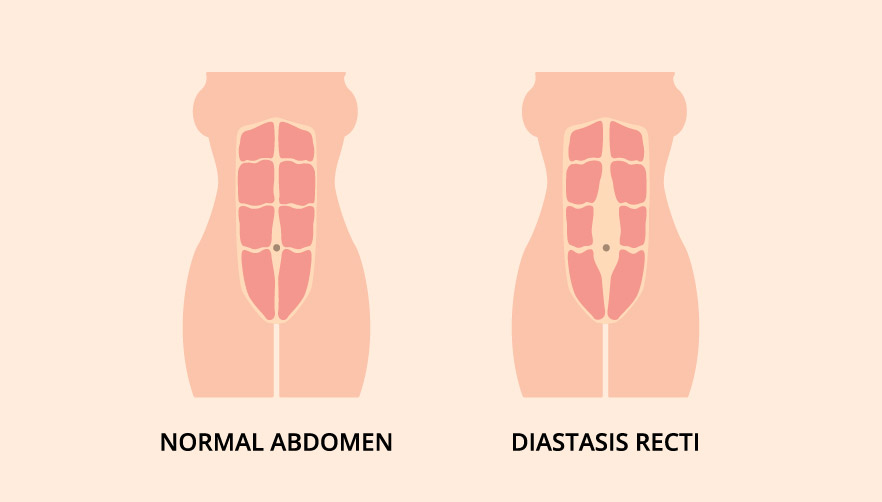
Diastasis Recti: Prevention, Symptoms & Recovery Exercises
Abdominal diastasis (diastasis recti) occurs when the front abdominal muscles separate to make room for the baby’s growth. This happens because the connective tissue stretches as the uterus expands during pregnancy. While it affects the majority of pregnant women and often improves after birth, it can persist and cause discomfort in many cases. Understanding the symptoms, prevention, and available treatments is essential for protecting your health before and after delivery. Symptoms of Abdominal Diastasis Diastasis recti causes a range of symptoms that often continue postpartum, including: Physical changes: A flaccid or sagging belly, or visible bulges (hernias). Pain: Constant discomfort in the lower back and pelvic area. Pelvic floor issues: Incontinence (leakage of urine or feces), pain during intercourse, and the sensation of internal organs dropping (prolapse). Mobility difficulties: Lack of balance, poor posture, and stiffness when twisting the torso. Digestive problems: Gas, constipation, and heavy digestion. Emotional impact: Low self-esteem, anxiety, or depression. Risk Factors Some common risk factors for developing diastasis recti during pregnancy include: Weight and Build: Obesity or excessive weight gain during gestation. Muscle Condition: Having an abdominal wall or pelvic floor that is either too weak or excessively tense (hypertonia). Activity Level: Sedentary lifestyles are detrimental, but so are high-impact exercises (like running or tennis) and lifting heavy objects. History and Age: Being over 35, having multiple pregnancies, or undergoing prolonged labors (including C-sections). Prevention and Treatment Experts suggest a multi-angled approach. The most effective methods for prevention and recovery include Kegel exercises, hypopressive abdominals, physical therapy, and yoga. It is vital to avoid traditional sit-ups/crunches and always seek professional guidance. Kegel Exercises Kegels are the best tool for strengthening the pelvic floor. They help prevent diastasis and issues like incontinence. Biofeedback-based trainers (like KegelSmart) are highly recommended as they recognize your specific muscle strength and guide you through a routine tailored to your level. Research shows that training the abdomen and pelvic floor during pregnancy can reduce diastasis risk by up to 35%. Core Exercises Combine Kegels with “core” routines. Hypopressive exercises and those that activate the transverse abdominal muscle are the most effective. Ensure you have a personalized plan supervised by a professional. Physical Therapy and Postural Education Physical therapy that strengthens the transverse and rectus abdominis reduces risk. Similarly, “postural hygiene”—maintaining proper posture during daily activities like lifting weights, working at a computer, or sleeping—is crucial. Diaphragmatic Breathing This deep, conscious breathing using the diaphragm is beneficial throughout pregnancy and postpartum. Pre-delivery: It activates the pelvic floor, relaxes the abdominal wall (reducing back pain), and improves core control. It also increases oxygen for the baby and reduces stress. Postpartum: It promotes gentle activation of the transverse muscle, helping to restore abdominal function and reduce separation. Proprioceptive Exercises This training focuses on body awareness, balance, and stability. By combining diaphragmatic breathing with balance exercises, it effectively rehabilitates the abdominal wall and pelvic floor. Prenatal Yoga Prenatal yoga increases strength and flexibility in essential muscles while preventing excessive pressure on the abdomen. It also aids postpartum recovery by stabilizing the core. Note: Always consult a doctor before starting, and ensure the class is specifically for pregnant women and taught by specialists. Kinesiotaping Neuromuscular taping, when combined with abdominal exercises, has proven more effective at reducing diastasis and activating muscles than exercise alone. Postpartum Abdominal Binders (Belly Wraps) Wraps can provide support, improve posture, and stabilize the core. However, they have downsides: They may cause circulatory or digestive issues if used incorrectly. Some experts argue they can weaken muscles further because the body “relies” on the external support rather than working itself. Consult your doctor to see if a binder is right for you. Final Tip: Avoid risk factors like excessive weight gain, heavy lifting during pregnancy, and a sedentary lifestyle. Happy pregnancy! Source link
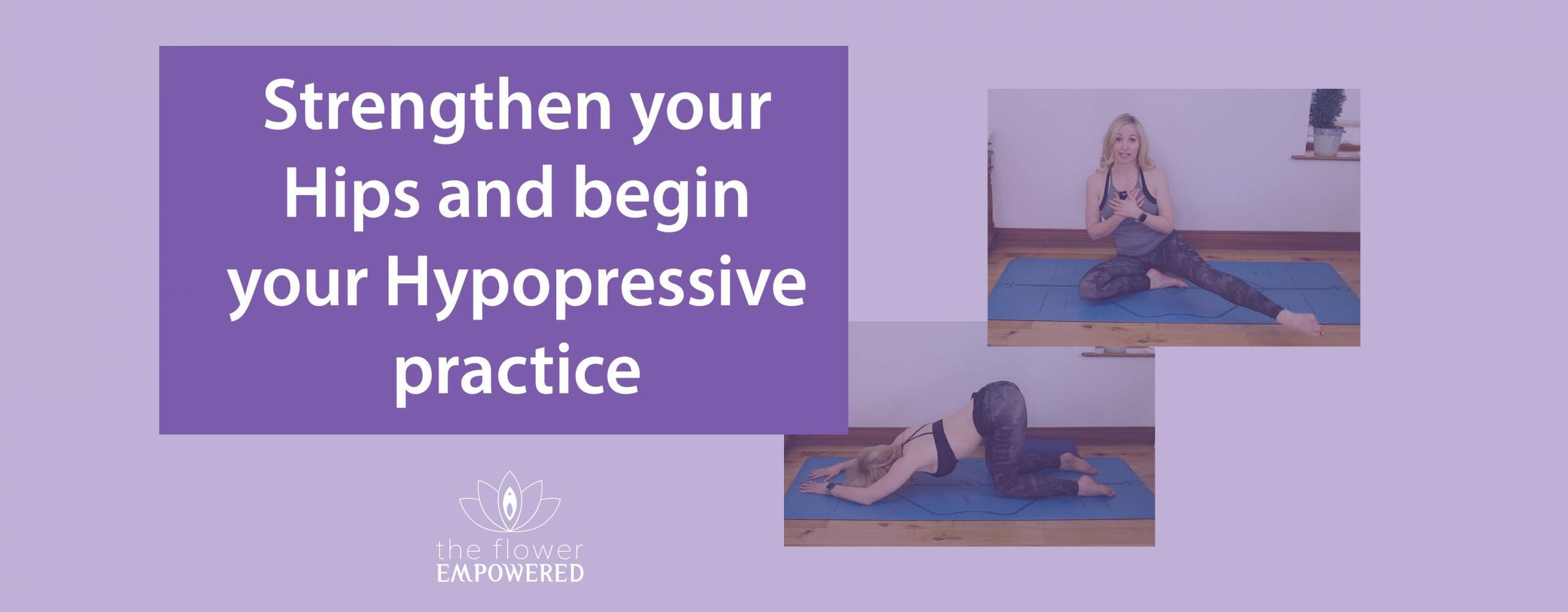
Hypopressives and Hip Strengthening
We’ve just launched two new series on our YouTube channel! One series focuses on hypopressive exercises beginning with some simple exercises on all fours. This hypopressive series will add new poses and increase in difficulty each week. If you decide to follow along, you do not need to move to the next step after one week. Instead, we would encourage you to move forward when you feel you have mastered your current level. This practice is a great compliment for those with pelvic organ prolapse or other pelvic floor dysfunctions. The other series focuses on hip strengthening exercises. The hips provide lot of support to the pelvic floor and so a good balance of length-tension across the hips can greatly assist when trying to optomize pelvic floor function. The exercises increase in intensity each week eventually working up the strength to perform pistol squats. Like the hypopressive series, we recommend you only progress to the next level once your body has mastered your current level. Listening to your body with any physical practice is imperative! As always, we recommend you get approval from your health practitioner or pelvic floor physiotherapist before adding any exercise to your regular practice. Please read our disclaimer you begin. Source link

Dating As a Single Mom Means Living a Double Life
Mid-March in Miami is a special kind of idyllic; the reason my fellow locals and I stick out the soggy and punishing summer months. On the evening in question, I enjoyed the backyard breeze on my bare shoulders and midriff. It was the perfect weather for a crop top and maxi skirt— no boob sweat and no jacket was required to show a suggestive little bit of skin. I was celebrating a friend’s husband’s birthday, and I’d brought a new flame to the party—a cute, younger guy from my gym whom I was simultaneously hiding from my kids but excited to show off to my friend group. The party presented a unique challenge, though. Like many parent friend groups, mine overlapped almost entirely with those of my little ones, and the birthday boy’s kids were best friends with mine. Related story Why This Viral NYC ‘Mommune’ Is Hitting Home With Other Single Moms I wasn’t ready for those worlds to collide, but in theory, I was safe from any awkward cameos. The party was for adults only, and all the kiddos had been shuffled off to a playdate with another friend. This left me free to sidle up to my date, carefree, with a spicy margarita in my hand and his arm around my shoulders. These days, I was either “single” or a “mom” but not both at the same time, and on this occasion, I was intent on being the former. It’s possible that I’d become overly confident in my abilities to juggle the dual roles. “Are you sure this is a good idea?” my date had asked as I dressed for the party. He didn’t have kids himself, but worried that I might be playing with fire with the zero degrees of separation. Our entanglement was new, casual, and definitely not appropriate for discussion with my children. “Of course!” I assured him. “Everyone there knows the drill. Separation of church and state. It will be fine.” I was wrong. An hour and a half and two cocktails into the night, with the background of a booming early aughts playlist and deep conversation, I spotted her. While my date loaded up a baked potato for me at the food station, the unmistakable bouncing ponytail of my ten-year-old daughter made its way into the crowd. The adults froze in unison, like kids getting caught misbehaving at a party, but in reverse. Apparently, whoever had been watching the group of kids hadn’t received the secret lover memo and thought it would be fun to show up with them as a surprise. “It will be so cute!” they probably thought. And it was, but for me, the surprise was also slightly terrifying. Within seconds, my body morphed from “single” to “mom” like some creature from a Transformers movie (Optimus Prime’s ex-wife, probably). The baked potato was abandoned, and my date was ignored for the rest of the night as I tried to justify my skimpy outfit to my daughter, offering her platitudes about the weather and how it’s nice to dress up for a friend’s birthday. Though the run-in sent me into a mild panic attack, I ultimately got away with the duplicity. My date maintained a respectful distance while my daughter was at the party, and she was none the wiser about whose arm I’d been on before she arrived. If she had figured it out, I’m sure we could have had an age-appropriate conversation about what mommy was up to, but I was grateful that it hadn’t been necessary. Asha Elias and her boyfriend. Courtesy of Asha Elias Motherhood, no matter what the relationship status, is a constant balancing act. Morning routines, pickups, drop-offs, career, housework, keeping the little ones alive, keeping yourself alive. The thing that no one talks about, though, is how divorce can actually relieve some of that pressure. Shared custody and healthy co-parenting came with an unexpected benefit for me—time. Do I miss my kids when they’re with their father? Tremendously. But I’m also at ease knowing that they are spending quality time with a loving and responsible parent. It allows me to be more present on “my” days and to figure out who I am when I’m not being a mother on the other days. I try to schedule girls’ nights, events, and dates exclusively when the kids are with their dad, so when they’re with me, I can focus on meals together, homework, and bedtime routines. This is definitely a luxury, and I feel for the full-time moms who need to rely on childcare for those activities. On the days I don’t have the kids, I have more time to work, practice self-care, and —yes—let my hair down (and put on my crop top) to live a double life. The “single” part of my identity is exciting and fulfilling, even though the mom guilt about not being devoted to my children 24/7 still eats at me. Is it ever possible to truly be two different people in one body? It’s a question that I’ve heard asked dozens of times from my fellow divorced moms and in online communities, so I asked Dr. Mindy DeSeta, PhD, a therapist and certified sexologist, for her clinical take on my personal duplicity. “Let’s drop the outdated message that becoming a mom means you have to give up who you are and pour every ounce of yourself into your kids,” DeSeta told me. “Motherhood is a huge part of you, but it shouldn’t be the only part.” She also says that guilt is not always a reliable compass, and that sometimes we feel guilty about things that can actually be good for us. “Kids do best when their moms are supported, cared for, and emotionally well. Taking care of yourself, staying connected to your identity, and rebuilding your confidence isn’t “extra”—it’s part of being a healthy parent,” DeSeta says. The confidence part can be tricky for recently divorced women. For me, reentering the dating scene was almost as
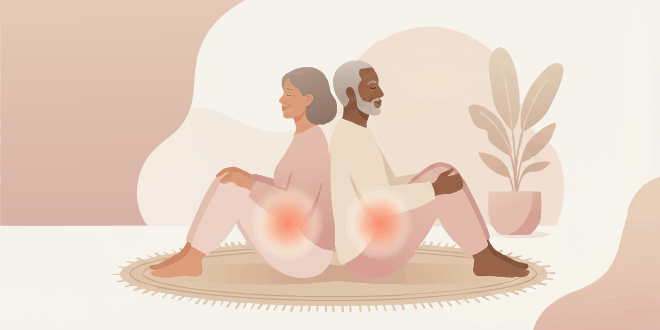
A New Way To Sync Up Your Relationship
Tired of the same predictable dinner date? If your relationship needs a jolt of excitement, it’s time to ditch the pricey gifts and focus on a different kind of “connection.” This year, intimate wellbeing brand INTIMINA is challenging couples to swap the sweets for a surprising workout: Kegel exercises. Pelvic Floor 101: The Underrated Muscle Before you start, you need to know what you’re training. The pelvic floor is a “hammock” of muscles that supports your vital organs. For Women: It supports the bladder, womb, and bowel. Life events like childbirth or aging can weaken these muscles, leading to leaks or discomfort. For Men: It’s just as vital! It supports the bladder and plays a starring role in achieving and maintaining strong erections. “Nearly 1 in 3 women experience issues like leaking,” says Dr. Susanna Unsworth. “But these issues aren’t limited to women. For men, pelvic floor exercises can enhance erectile function, confidence, and overall wellbeing.” The “Pleasure Principle” Why do Kegels together? Because strength = sensation. Tensing the pelvic floor increases blood flow to the genital area, which heightens sensitivity for both partners. By syncing your squeezes, breathing, and eye contact, you turn a simple exercise into a powerful bonding ritual. Your Couples’ Kegel Starter Pack The best part? No gym required. You can do these anywhere. 1. The Basic Squeeze (Isolate) The Move: Imagine you are trying to stop the flow of urine or hold back gas. The Count: Squeeze and hold for 3–4 seconds (aiming for 10). Repeat 10–15 times. The Rule: Don’t hold your breath! Keep your stomach and glutes relaxed. Couples’ Twist: Make eye contact and try to hold a conversation while squeezing. The first one to laugh loses. 2. The Power Play (Variety) Mix long, slow holds with short, “fast-twitch” squeezes. Vary your positions (sitting vs. lying down) to engage the muscles differently. 3. Smart Training (For Women) If you want measurable progress, a device like the KegelSmart 2 acts as a personal coach. It vibrates to tell you exactly when to squeeze and rest, personalizing the routine to your current strength level. When Will You See Results? Consistency is the secret sauce. A few weeks: You’ll begin to notice initial changes. A few months: Significant improvements in bladder control and sexual sensation. Dedicating just 5–10 minutes a day to this shared routine can have a profound impact on your health and your intimacy. Squeeze together, stay connected. Source link


