
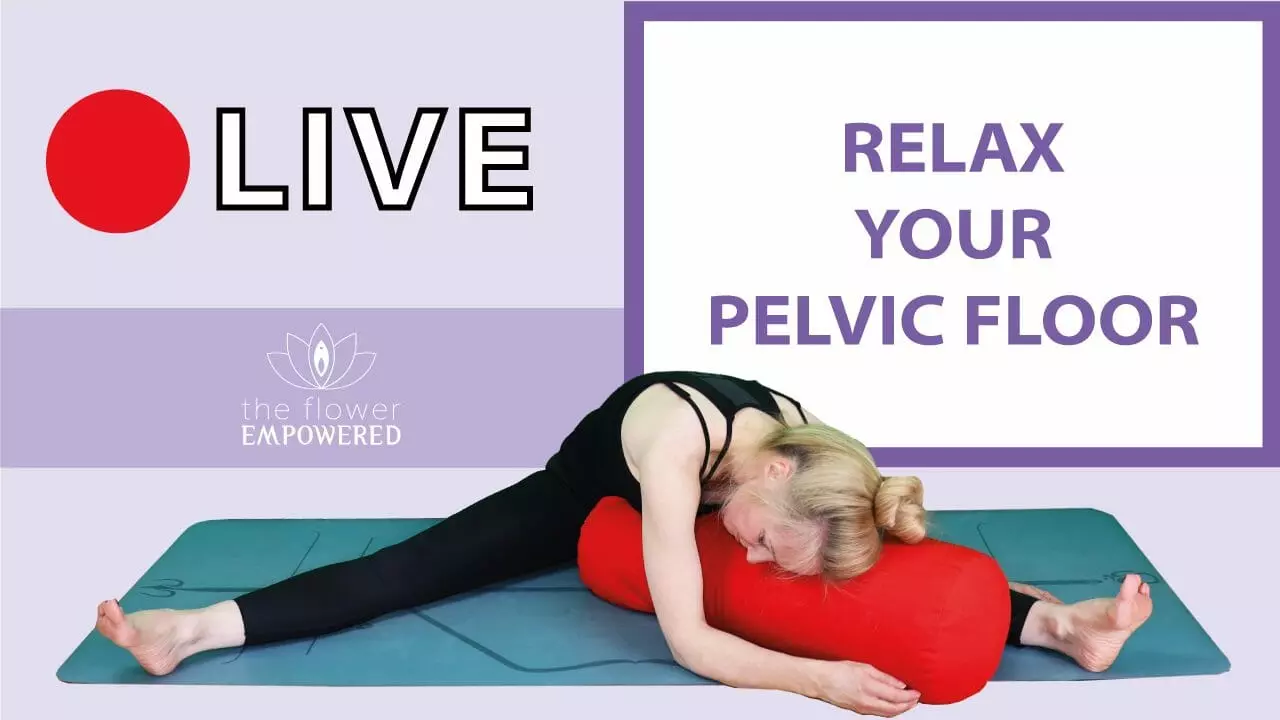
You have spoken and we have listened! After many requests, we will begin a weekly live YouTube streaming session for pelvic floor relaxation. Each session will take just 30 minutes. Pelvic floor relaxation is pivotal to healthy function. Relaxation can benefit not just your pelvic health but also your health in general. The sessions will utilize yin yoga poses which are held for 3 to 5 minutes depending on the pose. The practice is an opportunity to let go of excessive tension which can help immensely when dealing with pelvic pain conditions such as overactive bladder, vaginismus and dyspareunia. Pelvic floor is beneficial for women and also for men (yes, men have a pelvic floor too!). You can watch the live stream here: As always, we recommend you get approval from your health practitioner or pelvic floor physiotherapist before adding any exercise to your regular practice. Please read our disclaimer you begin. Source link

6 Best GLP-1 Programs for Postpartum Weight Loss, Expert-Approved
If you purchase an independently reviewed product or service through a link on our website, SheKnows may receive an affiliate commission. Postpartum weight loss isn’t always about giving in to “bounce back” culture. Instead, it’s helping mothers align their health and fitness goals after a monumental life event, and feel like themselves again, whether it’s about the number on the scale or lowering visceral fat, which helps reduce diseases like cardiovascular disease and type 2 diabetes. That’s where the best GLP-1 programs come in. The medications are revitalizing postpartum health, and an increasing number of women are seeking them out. But with so many options available, it can be overwhelming to decide on a program that’s best for you. Related story This Drugstore Baby Soap Brand Is #1 in the UK & It’s About Replace All Your American Products The best programs are those that take a personalized, medically supervised approach. “Postpartum weight loss isn’t just about the number on the scale: It’s about hormonal health, metabolic changes, and long-term wellbeing,” explains Dr. Melynda Barnes, Chief Medical Officer at Ro. “Programs that combine clinical oversight with nutrition, lifestyle support, and ongoing monitoring tend to be the most effective, as they meet women where they are rather than applying a one-size-fits-all solution.” Keep reading to learn more about the medications and the best programs to help you reach your postpartum goals. Best GLP-1 Programs for Postpartum Weight Loss, at a Glance Best Overall: Noom, $129Best Runner-Up: Ro, $199+Most Popular Program: Mochi, $79+Most Affordable Program: Ivim Health, $75+Best Specialized Women’s Program: Hers, $149+Best App-Based Program: Fridays, $150+ How do GLP-1 Medications Work? GLP-1 medications work by suppressing appetite and increasing weight loss. There are also many other functions the medications serve, like addressing some of the underlying biological drivers of weight gain, according to Dr. Melynda Barnes, Chief Medical Officer at Ro. “They help regulate appetite and metabolism by slowing gastric emptying, increasing feelings of fullness, and reducing cravings,” she adds. “They also improve insulin sensitivity, which plays a key role in how the body stores and uses energy. This makes them particularly effective during life stages like postpartum or aging, when hormonal shifts can disrupt normal metabolic function.” Here’s how it works on a more scientific level: GLP-1 is a hormone your body already makes. It helps regulate blood sugar, slows the rate at which food moves through your stomach, and signals fullness to your brain. “GLP-1 medications like semaglutide mimic that hormone, which is why people feel satisfied with less food and notice the constant chatter about food, what we call ‘food noise,’ quiet down,” explains Dr. Jessica Duncan, an obesity certified MD and Chief Medical Officer at Ivim Health. “They’re not appetite suppressants in the old sense. They’re working on the biological drivers of hunger and metabolism.” Can You Take GLP-1s Postpartum? GLP-1s are generally safe to take postpartum, but there are caveats according to experts. Dr. Duncan explains that GLP-1s are not approved or studied during pregnancy or breastfeeding, so the postpartum window is really about timing. “Once a patient is no longer breastfeeding and their body has had time to recover from delivery, GLP-1 therapy can be appropriate, and for many women dealing with significant postpartum weight concerns, hormonal shifts, and metabolic changes, it can be life-changing,” she says. And since every case is different, it’s best to be evaluated by your provider first. Dr. Amy B. Lewis, a Yale-trained board-certified dermatologist in private practice in New York City, also adds that the safety of using a GLP-1 should be determined based on nutritional status, including iron stores, protein stores, hormone recovery, and breastfeeding status. How Soon Can You Take a GLP-1 After Giving Birth? Much like returning to physical activity postpartum, it’s best to give your body time to rest and heal after giving birth. “There’s no single number that applies to everyone, and I’d be skeptical of any program that gives you one,” Dr. Duncan says. “What I think about with my patients: Are you finished breastfeeding? Has your body stabilized, meaning hormones, cycle, and sleep are settling into a new rhythm? Are you medically cleared by your OB?” Experts say that this time period is past the six-week postpartum visit, and sometimes longer when breastfeeding. Is Taking GLP-1s Safe While Breastfeeding? GLP-1s are not recommended for those who are breastfeeding. The side effects haven’t been studied enough to know if the medication is transferred into breastmilk and then to an infant. Doctors are concerned with the potential harmful effects on an infant’s growth and feeding if GLP-1s get into the bloodstream. “In addition, appetite suppression in the mother may reduce caloric intake needed for milk production,” Dr. Lewis says. Are GLP-1s, Constipation & Your Pelvic Floor Related? Every expert agrees that the most common side effects of GLP-1s are constipation. “In our published research on more than a thousand patients on tirzepatide, constipation was the single most reported side effect,” Dr. Duncan notes. “Now layer that on a postpartum body, where the pelvic floor is already healing from pregnancy and delivery, and yes, there can be a real connection.” Putting additional strain from constipation adds even more stress and pressure onto the pelvic floor that’s already trying to heal. “The fix isn’t to avoid GLP-1s. It’s to, first, allow the body to heal post-partum and, second, manage the constipation proactively with hydration, fiber, gentle movement, and consider certain over-the-counter aids or even working with a pelvic floor physical therapist — this is exactly the kind of nuance that gets missed when someone’s just handed a prescription with no support,” Dr. Duncan explains. Are the Side Effects of a GLP-1 Heightened During Postpartum? In addition to constipation, there are a handful of other side effects that a woman can experience when on a GLP-1, such as nausea, fatigue, and decreased appetite. “These are similar to what any patient might experience, but in the postpartum phase, when the body is already adjusting to hormonal shifts and sleep
Stop Guessing: Decoding Vaginal Symptoms and Finding Relief
When things feel “off” in your V Zone, the first instinct is often to assume a simple yeast infection or Bacterial Vaginosis (BV). However, for many women, persistent or recurring intimate discomfort is a sign of something completely different. It can be a hidden hormonal shift, a reaction to everyday products, or chronic stress. As a brand dedicated to women’s intimate health, INTIMINA brings an educational guide to help women move past the guessing game and understand the true source of their symptoms. Intimate issues can often be misidentified. The symptoms of infection, hormonal changes, and simple irritation can overlap, leading many to self-treat common conditions with remedies that don’t address the root cause. This cycle of treating the wrong issue can delay healing and cause frustration. And that is why understanding the distinct profile of discomfort is the quickest path to lasting comfort. Dr Susanna Unsworth, women’s health specialist and INTIMINA’s medical expert explains: “It is very common for women to assume any vulval or vaginal irritation must be thrush and to keep re-treating when symptoms persist. Unfortunately, this can delay the right diagnosis. True thrush usually settles quickly with one course of treatment. When it doesn’t, this really is a red flag that something else is going on, often hormonal changes or a dermatological condition such as lichen sclerosis.” How To Differentiate Symptoms To achieve true intimate wellness, it is vital to know whether you are dealing with a microbial issue, a hormonal change, or an external sensitivity. Infections (BV & Yeast) Defining characteristics: Typically involves a specific odor (fishy for BV) or unique discharge (thick, cottage-cheese for yeast). May include intense, localized pain. What might be causing it: An overgrowth of yeast or bacteria that requires targeted medical treatment. Hormonal Shifts Defining characteristics: Persistent dryness, thinning tissue, and pain during intercourse. Symptoms may noticeably link to your menstrual cycle. What might be causing it: Decreased Estrogen levels due to factors like perimenopause, menopause, breastfeeding, or certain types of contraceptives. Non-Infectious Irritation Defining characteristics: Generalised itching, redness, or burning on the outer skin (vulva), usually without noticeable changes in vaginal discharge. What might be causing it: External factors such as harsh laundry detergents, scented washes, or tight fabrics can trigger irritation. Dr Unsworth also warns: “However, persistent symptoms may also indicate a dermatological condition such as lichen sclerosis. This is a chronic inflammatory skin disorder that can cause scarring and, if left untreated, increase the risk of vulval cancer. Because these symptoms can easily be mistaken for thrush, it’s important to seek medical advice if irritation or soreness doesn’t resolve quickly with standard treatment”. The Power of Informed Advocacy The goal is to stop the cycle of quick fixes. By documenting whether your symptoms involve changes in odor, texture, or sensation, and noting if they align with life changes (like stress spikes or cycle changes), you empower yourself and your doctor. Women deserve treatment that addresses the underlying imbalance, not just the surface symptom. “Not all vaginal or vulval symptoms are caused by infection, and understanding that can make a huge difference. There are many possible causes, such as hormonal changes, dermatological conditions and skin sensitivity, and each needs a tailored approach. Women often take great care of the skin on their face, but we forget that the vulval skin also needs regular moisturising and gentle care. I often advise keeping a vulval moisturiser by the loo to use each time you go; it is a simple and effective way to support tissue health. And if symptoms persist despite one over-the-counter treatment, don’t keep guessing. Trust your instincts and consult your doctor to determine the root cause. Most issues can be effectively treated once the correct diagnosis is made,” concludes Unsworth. Source link
5 Steps to overcome Vaginismus
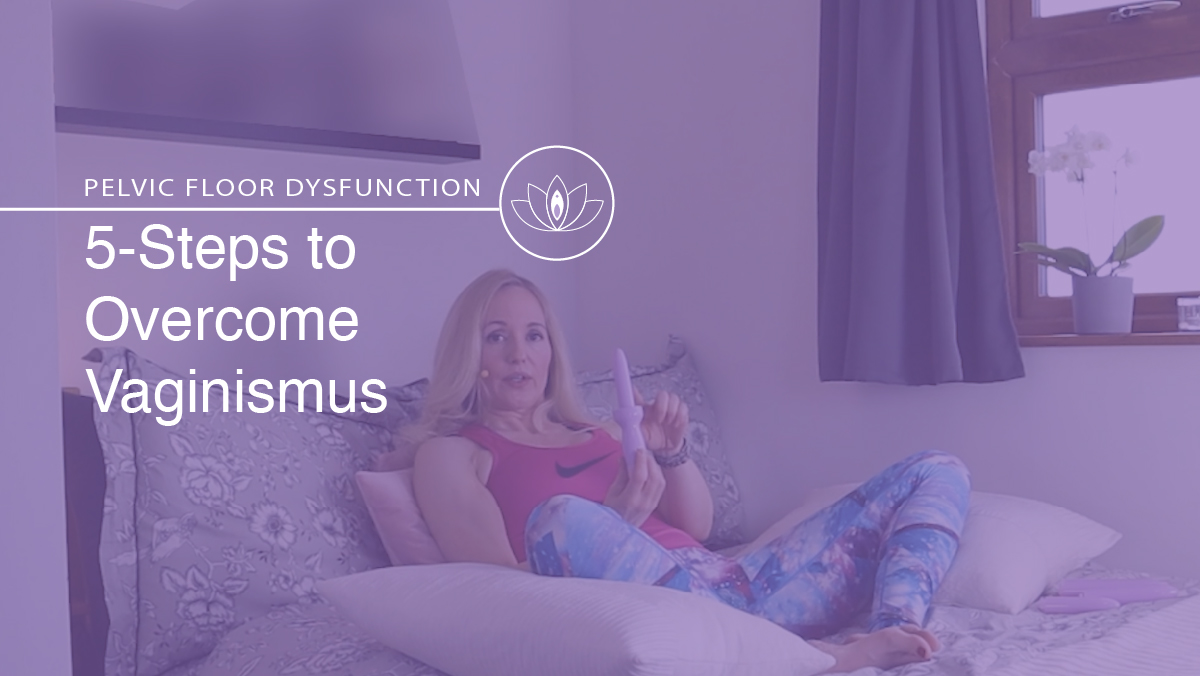
Estimated reading time: 7 minutes Vaginismus is a condition in which an involuntary contraction of the pelvic floor muscles makes sexual intercourse difficult or impossible. It is a type of dyspareunia (which is pelvic or vaginal pain associated with intercourse); however, dyspareunia specifically relates to sexual pain, whereas vaginismus can also impede the use of tampons or prevent your gynecologist from performing an internal vaginal examination. The impact on quality of life can be substantial, particularly if you are in active sexual relationships. The taboo surrounding pelvic floor dysfunction can make it difficult to seek treatment due to embarrassment and lack of knowledge about the legitimacy of your condition. Working up the courage to speak to your GP can take time, and fear around having an examination may also deter you, introducing unnecessary delay in getting treatment. Vaginismus can leave you feeling helpless and isolated. When you understand that the contraction of pelvic floor muscles is involuntary and know that it is outside your control, you may feel powerless. This site is all about helping you to empower yourself to overcome pelvic floor dysfunctions, including vaginismus, so in this article, we will explore some steps to help you overcome the condition. The Protective Nervous System If you have read our recent article asking the question if you should focus on length before strength with pelvic floor dysfunction, you will have learned that the management of both length and strength is governed by your nervous system. The nervous system utilizes both the musculoskeletal system and the connective tissue system to manage the balance of tension throughout your body. It is this balance of tension that dictates if you have hypertonicity (tightness) or hypotonicity (laxity). The nervous system’s primary function is to protect you to ensure your survival. The protective responses from the nervous system would prove very useful if you were being chased by a saber toothed tiger – your heart rate and blood pressure would be increased to quickly ship nutrients out to major muscle groups so you could run quickly away, you pupils would dilate to ensure you can take in as much light as possible allowing you to see more of the environment around you. Your digestion is slowed so all of your energy can be used to get you out of that dangerous situation. Autonomic Nervous System – PNS & SNS Indeed the survival of our species was insured by the ability of the human nervous system to elicit protective responses. Those protective responses are not just the “fight or flight” type responses to get you away from that saber toothed tiger. Your nervous system communicates with you continuously sending sensations to guide you towards survival. The feeling of hunger is your nervous system telling you to eat to survive. The feeling of being tired is your nervous system telling you to sleep. Pain is also a message from your nervous system, telling you to be careful. The nervous system really is amazing, but not without its flaws. Two Way Communication Unfortunately in it’s drive to protect us, the nervous system can also initiate unnecessary and unwelcome muscle contractions, such as those involved in vaginismus. Thankfully communication is not “one way”. We communicate with our nervous system through movement, actions and thoughts When you get a hunger signal from your nervous system and you eat – that is your message in response to that signal. When you work hard at the gym to grow your muscles, you are sending a message to your nervous system: you are saying “I need the strength to lift this heavy weight”. There is a constant back and forth of messages between you and the system that ensures your survival. Step 1 – Combat Negative Thinking Have you ever noticed a visceral response in your body when remembering a horrible event from your past? You nervous system cannot tell the difference between your thoughts and what is actually happening presently. This is important to know because of its implication – what you think can impact what physically manifests in your body. Changing negative thoughts you may hold towards yourself, your body, or sex and sexuality can send a positive “safety” messages to your nervous system encouraging it to let go. If you have been to your doctor to discuss vaginismus, they may have suggested Cognitive Behavioral Therapy (CBT) which is a treatment often used to help with vaginismus. I know when CBT was first recommended to me, I was offended as it felt as thought I was being blamed for my pelvic floor dysfunction. By understanding how my thoughts could impact what was happening physically, I was able to make my peace with this type of therapy and it helped me immensely. The most simple form of CBT I have used is Byron Katie’s “the work”, which is a very effective way to address negative thought patterns. Step 2 – Vaginal Dilation If you suffer from vaginismus, you may well have heard of vaginal dilation using dilators or “trainers”. So many people get in touch to ask about dilators for “stretching” the vagina. When you use dilators, it’s not so much about “stretching” the tissues. It’s more about communicating safety to your nervous system. I believe that it matters where, when, how and with whom you use dilators as all of these can have an impact on whether or not you feel safe: Where – You should be in a place where you feel safe and comfortable. When – It should be at a time when you feel you will not be disturbed or under pressure to “hurry up”. How – Your body should be comfortable and supported, ensuring that your inner thigh muscles can relax. With Whom – Going solo is great, but it can also help to work on dilation with a loving trusted partner. Dilators can range in size from baby-finger width to the size of a large erection. If you struggle with the smallest dilation, you can
22 Homemade Sex Toys You Can Make From Household Items in 2026
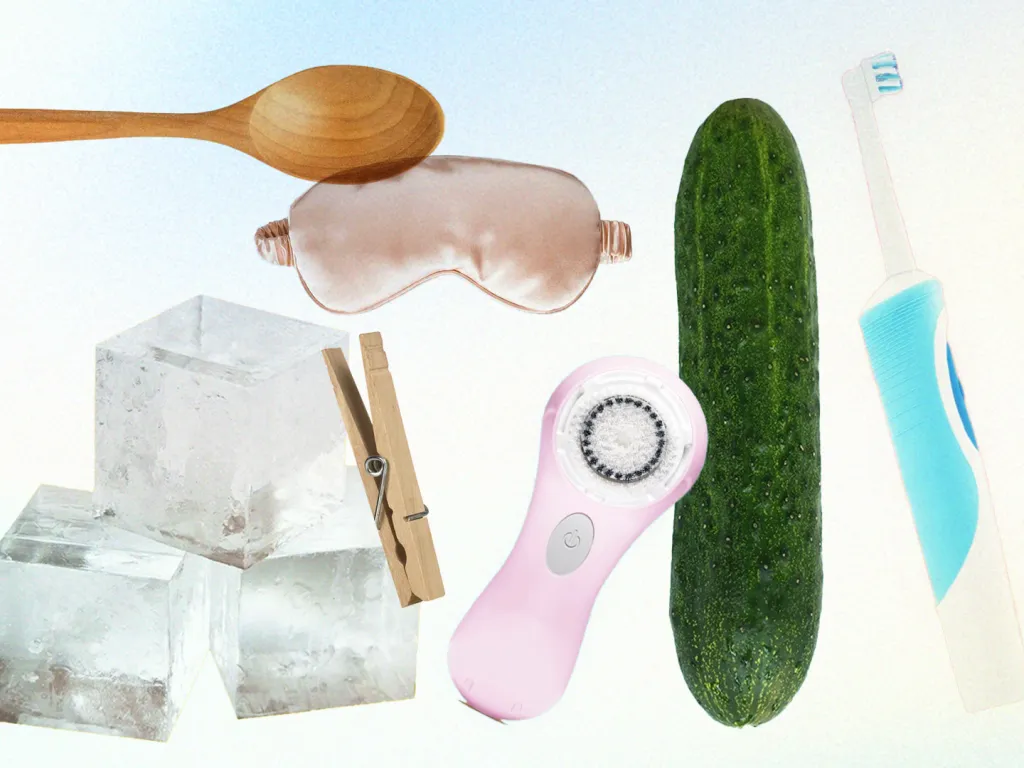
If you purchase an independently reviewed product or service through a link on our website, SheKnows may receive an affiliate commission. We love our fancy, high-tech sex toys (hello, Sona 2!), but sometimes — for example, when you’re getting a little frisky in the kitchen — there’s just not enough time to run into your bedroom and unearth your favorite paddle or vibrator. This is where grabbing a homemade sex toy like a spatula or cucumber might come in handy. Using a household item for sexy things might feel a bit weird at first, but can also be a fun way to spice things up inside and outside of the bedroom, while also being cost-effective. “A big draw of household items is the budget aspect. Basically, we’re all trying to save money and most of us don’t have hundreds of dollars to spend on sex toys so if we can get creative and save, that’s a big win,” Gigi Engle, a certified sex and relationship psychotherapist and sex expert at the LGBTQIA+ dating app, Taimi, tells SheKnows. “[Household items] can also be fun because often we use a household item rather spontaneously which can add some spice to your sex life. Plus, we’re getting really creative and essentially playing an erotic game with ourselves and our partners when we’re thinking about non-sexual items in a sexy way.” Related story 69 Sex Positions to Put on Your Bucket List Immediately Another benefit? When you use a regular, household item as a homemade sex toy, you’re injecting a little bit of passion into your everyday life. “Any time that object is seen or used outside of the bedroom, it will spark a memory of the shared sexual exploration,” sex coach Jenna Switzer tells SheKnows. “This is an epic way to keep the passion alive even during mundane daily chores.” How to Use Homemade Sex Toys Safely Before we go through the list, remember that safety and cleanliness are key! Prior to putting any foreign object in your body (including your vagina, mouth, anus, or anywhere else), it must be sanitized and ideally covered with a condom. Otherwise, it could cause irritation or abrasions (not at all sexy, folks). For good measure, get in the habit of cleansing anything you use sexually post-game too. And yes, you should also be cleaning sex toys (and keeping in mind that we have to say goodbye to every good vibe eventually.) “Our bodies’ natural bacterial balance can easily be thrown off by the foreign bacteria lodged in the crevices of toys or food,” Switzer says. “Be mindful that you clean items thoroughly with a non-scented soap and use condoms on any objects that you use for penetration.” Another bonus of using condoms, Switzer adds, is that they’ll reveal any hidden, sharp edges on the object. Some of the household sex toys we recommend here aren’t specifically designed for skin contact (think candles, vegetables, and ice). In those cases, “be very mindful about application and use,” Switzer says. “Gently test temperature items on a small area of skin to gauge sensitivity.” If you have any concerns about an object, run it by your ob/gyn (awkward conversation, we know, but better than an infection!) or skip it. Besides considering the safety and hygiene aspects of using homemade sex toys, ASTROGLIDE’S resident sexologist Dr. Jess O’Reilly notes that many of the suggestions below involve kinky play, so you’ll want to ensure you’re communicating before, during and after the interaction. “Discuss your desires and boundaries ahead of time. If you’re getting kinky, you may want to select a safe work or safe signal,” she tells SheKnows. “Safe words and safe signals are coded responses that allow you to clearly and immediately communicate your limits and needs.” For example, O’Reilly says, you can snap your fingers or raise your hands to indicate that you are feeling uncomfortable and want to stop. “Safe words and signals should be clearly defined and if you want to stop or have changed your mind about any activity, you shouldn’t hesitate to use yours with the expectation that your partner will respond immediately.” 22 Best Homemade Sex Toys Keeping that in mind, continue reading to check out some of our favorite homemade sex toys that, if used correctly (and safely), will give you a mind-blowing orgasm and leave you impressed with your own sexual ingenuity. Warning: you might not look at your spatula the same way again. A version of this story was originally published in August 2017. If You Want an Actual Vibrator … Image Credit: LELO Before we begin, LELO has a nice selection of premium products that are look chic, work amazing, and are editor-approved. One worth trying is the LELO Switch, which takes your average wand vibrator to the next level. It’s a double-sided wand vibrator that offers eternal stimulation for the clitoris on one end and internal vibrations for the G-spot on the other end. The vibrator comes in three colors: soft pink, aqua, and lilac. It’s easy to store and grab whenever you need. Best part, it’s on sale right now for $40 off. You can even use the code YESYOU for an etra 10% off. LELO Switch $167, was $209 T-Shirt Image Credit: Hanes To find out if being blindfolded is something that sexually excites you, Engle recommends starting with things you have lying around the house, like, for example, a cotton t-shirt. “Place it over your head and pull up the neck to just above your nose,” Engle explains. “The rest of the tee-shirt should be covering your eyes and forehead. See? A homemade blindfold just like that.” As for what to do after you’re blindfolded, Engle suggests having your partner kiss you all over your body or massage you with essential oils, too. “Your partner can use their hands to restrain you, if you’re comfortable with that. Pinning your hands above your head while they feel all over your body with their free-hand can be very
The 5 Tanner Stages: What Are the Different Stages of Puberty?
Puberty is a natural part of development, and it is when a child goes through physical, hormonal, emotional and mental changes to reach sexual maturity. These changes begin and end at different ages for each child, depending on their sex, race, and ethnicity, as well as environmental factors. Today, we’re going to discuss the five different Tanner stages of puberty for both boys and girls. For clarity, a boy refers to a child with testicles and a girl refers to a child with ovaries. What is Puberty? Puberty is your body’s natural way of physically becoming an adult. During this time, your major organs and body systems mature, and your body becomes capable of sexual reproduction. It’s a biological process driven by hormonal changes that affect physical growth, emotional development, and sexual maturity. But even though the fact that puberty makes you physically an adult, your brain continues to develop and mature into your mid-to-late 20s. In Short, What Happens During Puberty? During puberty, a child’s body changes into an adult body. Their brain activates the Hypothalamic-Pituitary-Gonadal (HPG) axis, which then tells the body to produce sex hormones, like testosterone in boys and estrogen in girls. After this, a child will go through a growth spurt, both in length and body size, their reproductive system will mature (girls will get their period, and sperm production starts in boys), secondary sexual characteristics develop (such as breasts, a deeper voice, and body hair), and there may be noticeable emotional and mood changes. In more detail, when it comes to puberty, there is something called the five Tanner stages. These are different for both girls and boys. What Are the Five Tanner Stages in Boys? Firstly, when does puberty usually begin in boys? Around ages 9-14, with full development typically completed by 16-18. This can vary though. Stage 1: Prepubertal At stage one, there are no visible signs of puberty yet, and the testicles, penis, and body hair are still childlike. Stage 2: Early Puberty At stage two, the testicles and scrotum begin to enlarge, the skin of the scrotum will start to thin and redden, and sparse, fine pubic hair will begin to grow at the base of the penis. Stage 3: Mid Puberty At stage three, the penis starts to lengthen, the testicles continue to grow, pubic hair becomes darker, coarser, and curlier, there may be early voice changes, and a growth spurt often starts. Stage 4: Late Puberty At stage four, the penis grows in both length and thickness, the scrotum and testicles are larger and darker, adult-type pubic hair is present, there is a noticeable deepening of the voice, and acne and body odour may start to appear. Stage 5: Full Maturity At stage five, the genitals reach adult size and shape, pubic hair spreads to the inner thighs, facial and chest hair may develop, the voice is fully deepened, and growth slows and eventually stops. What Are the Five Tanner Stages in Girls? When does puberty usually begin in girls? Around ages 8-13, with full development typically completed by 15-17. This can vary though. Stage 1: Prepubertal At stage one, there is no breast development or pubic hair yet, and the ovaries and reproductive system are still immature. Stage 2: Early Puberty At stage two, breast buds appear (small, tender lumps under the nipples), the areola (the area around the nipple) begins to widen, and fine, soft pubic hair begins to grow. Stage 3: Mid Puberty At stage three, the breasts grow larger and begin to take shape, pubic hair becomes darker, coarser, and curlier, growth spurts often begin, and vaginal discharge may start. Stage 4: Late Puberty At stage four, the breasts are more developed, with the nipple and areola forming a raised mound, pubic hair is adult-like in texture, and menstruation usually begins. Stage 5: Full Maturity At stage five, the breasts reach their adult size and shape, pubic hair spreads to the inner thighs, and the menstrual cycle becomes more regular over time. How Long Does Puberty Take? Puberty usually takes about 3 to 5 years from the first physical signs to full adult development, but this can vary from person to person. In fact, starting earlier or later can still be completely normal. Important to remember though: growth and emotional development can continue after physical changes end. What Affects the Timing of Puberty? There are a lot of things that can influence the timing of puberty. Things such as one’s biology, environment, and lifestyle play a big part, and for that reason, there’s not one single factor that controls it. Here are the main things that affect when puberty starts and how quickly it progresses: Genetics Your genes actually play the biggest role. If one’s parents (especially the mother) started puberty early or late, the chances that their child will follow the same pattern are high. Specific genes influence when the brain signals the body to begin puberty. Nutrition & Weight With the right and adequate nutrition, the body can reach the energy level needed to begin puberty. Undernutrition or an eating disorder however can delay puberty, as a severely low calorie intake may slow down development. If there are higher fat levels in girls, it may result in an early start of puberty. Hormones Puberty will start when the brain, more specifically the hypothalamus and the pituitary gland, activates the reproductive system. If a child has any conditions that affect hormone production, such as a thyroid disorder or pituitary issues, this can speed up or delay puberty. Stress & Emotional Environment For some, early puberty is linked to those who face early life stress, early-life adversity. Physical Environment Those who have been exposed to endocrine-disrupting chemicals that are found in some plastics or pesticides may start puberty earlier. Physical Activity Some forms of high intensity training can delay puberty, especially in girls. Some activities include sports that emphasise low body weight, like gymnastics, ballet, or long distance running. What is Considered Early
Free 30 Day Pelvic Floor Challenge
Are you ready for the 30 Day Pelvic Floor Challenge? I’m so excited to share this. I get questions all the time about where to start and how to progress with Pelvic Floor Dysfunction (PFD). If you’ve been following the weekly Live Q&A sessions on YouTube, you may have noticed that a lot of the same questions get asked each week. When it comes to building strength in the pelvic floor, I like to use an eight phase approach. This challenge works on some of those phases to help you along on your empowerment journey. You can register to join the challenge on our new community where get access to bonus videos as well as a PDF with details on how to properly do a Kegel and how to check if your pelvic floor is ready for the challenge. Just click this link to jump to the sign-up page. Good Luck! If you are interested in more extensive training, you can now buy the book Empower Your Flower on Amazon which has a complete Eight-Phase training program. The Eight-Phase training is also available online which also gives you access to a premium area in our community and LIVE Q&A sessions on Zoom with Denise. Source link

When To Walk Away From a Sexless Marriage
In a relationship, what happens inside the bedroom influences what happens outside of it — and vice versa. While some lucky partners enjoy a thriving sex life no matter what’s going on in the outside world, many of us feel our libidos waxing and waning depending on work, finances, stress, kids, family life, the amount of sleep we’re getting… the list is endless. Over the course of a marriage or long relationship, it’s normal to go through periods of less-frequent sex, but what happens when those periods get longer… and longer… and finally seem like they might never end? When should you finally walk away from a sexless marriage? Related story If You’re Emotionally Exhausted From Your Relationship, It Might Be Marriage Burnout Let’s pause here and point out that there’s nothing necessarily “wrong” with not having sex in a partnership or marriage. “It is only a problem if it is a problem for your relationship,” therapist Lea Trageser, LMFT, of Helix Marriage and Family Therapy tells SheKnows. “Many couples might be in relationships that don’t have sex frequently or at all. That is OK as long as it is OK for them.” A sexless marriage can become a problem, though, when there’s a discrepancy in desire or one partner’s needs are going unmet. “The partner who wants sex in the relationship may start to feel lonely and insecure about themselves,” licensed marriage and family therapist Laurie Singer, MS, BCBA, tells SheKnows. Resentment and disconnection can follow. Research has also noted a connection between sex and mental health, with one 2019 study finding that “both being sexually active and more frequent sex were associated with better mental health.” All of which is to say: if you’re in a sexless marriage and don’t want to be, you might be wondering whether you should give up and walk away or stick it out and try to fix things. But how? What Is a Sexless Marriage? While exact definitions vary, a sexless marriage is typically defined as a marriage in which you and your partner are having sex no more than 10 times a year, Singer says. And as it turns out, sexless marriages are more common than you might think: a 2018 study found that over 15 percent of couples surveyed hadn’t had sex for the past year, and 13.5 percent hadn’t had sex for the past five years. This is more than just a dry spell — it’s a prolonged period without sex, also sometimes called a dead bedroom. “Over time relationships change, that is just a fact,” Singer says. “The secret is accepting the change and moving forward with each other, not away from each other.” A sexless marriage often (but not always!) points to the latter. 6 Causes of Sexless Marriage As any long-term couple can tell you, your libido can change a lot over the course of a marriage. “Life gets busy,” Singer points out. “Kids, jobs, and illnesses can lead partners to lose their sexual desire.” If you’re in a sexless relationship where the lack of sex is a problem, your dead bedroom is likely a symptom of a deeper issue. According to sex therapist Aliyah Moore, the root causes of a sexless marriage can include: Stress and a busy lifestyle: It’s not easy to balance work, family, chores, and other obligations. Now add to the mix the demands and energy required to keep up an active sex life. The weight of those burdens might be the cause of a couple’s lack of sex, Moore says. Communication issues: If you and your partner aren’t communicating well, and especially if you’re having arguments that you’re not fully resolving, you might start to feel emotionally distant and less up for intimacy. The “accumulation of feelings of resentment, anger or disappointment may be a barrier for couples to be physically close,” Moore says. Changes in relationship dynamics: “Couples may have some changes in attraction, intimacy, and desire for sexual connections,” Moore explains. Some lifestyle transitions, like aging or becoming parents, may naturally “reduce sexual desire and frequency,” she adds. Health concerns: Physical or mental health issues like chronic pain, fatigue, hormonal disorders, or mental disorders can have a big impact on your sex life, Moore says. In addition, some medications you may use to treat these conditions, such as anti-depressants, can also decrease your libido. Lack of spontaneity: It’s normal to fall into patterns and habits as a couple. When things get a little too repetitive in the bedroom, though, you might notice you’re having less sex due to simple boredom and monotony. Mismatched libidos: Many partners have different levels of desire. It’s certainly possible to keep up a thriving sex life when this is the case — many partners do — but it can be a challenge for some. Sex drive mismatch can cause “tension and frustration in the relationship,” Moore explains, as the partner who wants it more might feel inadequate or rejected. 4 Side Effects of a Sexless Marriage While some people might not mind (or might actually prefer) a sex-free marriage, for other couples, it can lead to a host of difficulties. “Intimacy and physical touch are part of who we are as humans and a necessity for so many of us,” Dr. Elisabeth Crain, a psychotherapist who specializes in couples counseling, tells SheKnows. Lacking that kind of physical connection can certainly impact a marriage negatively. “This isn’t to say that you can’t experience intimacy in other ways, but a lot of people connect through sex, especially women,” Dr. Crain says. Often, sex provides “closeness and emotional connectivity” for women; it tends to be more physical for men, who might “not be getting their physical needs met” in a sexless marriage (though of course, any gender can experience either of those effects). Other negative effects of a sexless marriage include: Emotional distance: Because sexual intimacy tends to strengthen emotional bonds, the lack of it may lead to couples feeling disconnected, Dr. Molly Burrets, a psychotherapist and
The Hidden Health Risks of High Heels: From Posture to Pelvic Floor
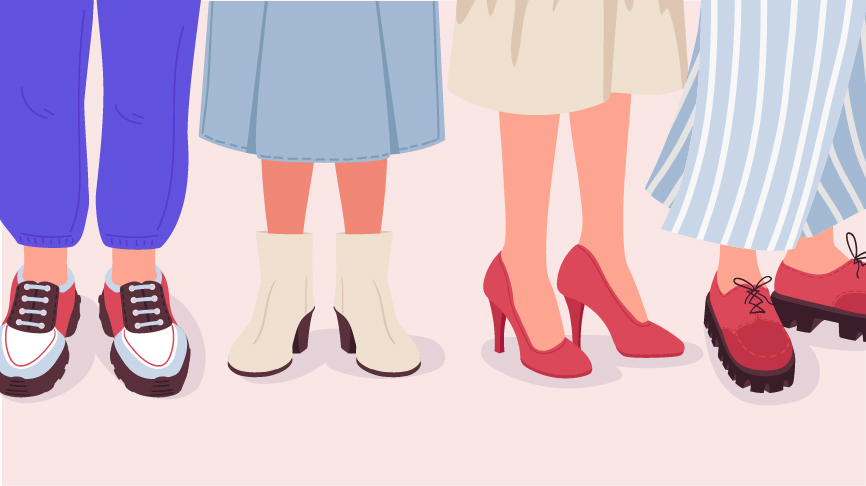
With 26 bones, 33 joints, over 100 muscles, tendons, and ligaments, and thousands of nerve endings, the human foot is undeniably one of the most complex structures in our body. It is also one of the most vital: our feet support our entire weight, keep us upright, and act as shock absorbers for every step we take. Yet, instead of protecting them, many women subject their feet to “impossible” shoes. Driven by societal pressures to meet an aesthetic ideal, we often sacrifice our health for fashion. The price? Potentially irreversible damage to our feet, musculoskeletal structure, and circulatory system. The statistics are telling: 80% of patients with foot problems are women, and 90% of these issues stem from the habitual use of stilettos, narrow-toed shoes, or non-breathable synthetic materials. Common Foot Injuries Caused by Improper Footwear 1. Calluses These are thickenings of the skin formed by dead cell accumulation due to constant pressure and friction. While often dismissed as a cosmetic issue, they can cause pain, fissures, and infections, eventually altering your gait and posture. 2. Bunions (Hallux Valgus) A bony deformity at the base of the big toe. Symptoms include inflammation and chronic pain. If left untreated, bunions can lead to secondary issues like bursitis, hammertoes, or metatarsalgia. 3. Bursitis This is the inflammation of the bursa—small fluid-filled sacs that cushion the joints. It results in swelling, stiffness, and sharp pain in the toes and feet. 4. Hammertoes and Claw Toes This deformity causes the toe joints to bend abnormally. Over time, this curvature becomes permanent, making walking difficult and painful. 5. Metatarsalgia Intense pain in the ball of the foot (the metatarsus). This area is crucial for impact absorption and weight distribution; when it fails, postural stability is compromised. 6. Morton’s Neuroma A thickening of the tissue around the digital nerve (usually between the third and fourth toes), causing a sensation of “walking on a marble,” sharp pain, or numbness. The Domino Effect: Postural and Muscular Alterations When standing barefoot, the ball of the foot supports about 43% of your weight, while the heel takes 57%. High heels flip this ratio dangerously. The physical consequences include: Shortened Calves: The Achilles tendon loses flexibility and the calf muscles contract. Joint Overload: Excess pressure shifts to the ankles and knees. Pelvic Tilt: To compensate for the forward lean, the quadriceps and hips are forced into an unnatural position. The Impact on the Core and Pelvic Floor Perhaps the most surprising consequence is the link between high heels and pelvic floor dysfunction. Constant heel use weakens the “core” and can lead to: Urinary incontinence Organ prolapse (bladder or uterus) Sexual dysfunction (such as anorgasmia) Circulatory Problems: Beyond the Surface Improper footwear disrupts the “muscle pump” of the legs, making it harder for blood to return to the heart. This leads to Venous Insufficiency, which affects women five times more often than men. Chronic Venous Disease: Symptoms include varicose veins, edema (swelling), and a heavy sensation in the legs. Phlebitis: Inflammation of a vein that can escalate into Thrombosis, a blood clot that increases the risk of heart attack or stroke. How to Choose the Right Shoes: The 4 Golden Rules Heel Height: The ideal height is between 3 and 5 cm (1.2 to 2 inches). Contrary to popular belief, completely flat shoes on hard surfaces can cause plantar fasciitis. However, walking barefoot on soft surfaces (sand or grass) is highly beneficial. Cushioning: Look for soles and midsoles that provide adequate shock absorption to protect your knees and back. Width and Length: Your toes should be able to move freely. Avoid narrow “pointy” shoes that crush the toes together. Material: Prioritize natural, breathable materials like leather, linen, or organic cotton. Avoid rigid synthetics. Expert Tips to Reduce Damage Pelvic Floor Training: Use Kegel exercises or biofeedback devices to regain muscle tone. Strengthen Your Core: Practice Yoga, Pilates, or swimming. Avoid high-impact sports if you already suffer from pelvic hypertonia. Foot Hygiene: Use specific podiatric creams to nourish the skin rather than harsh exfoliants that can leave the foot vulnerable to infection. Self-Massage: Massage your legs from the feet upward to the hips twice a day using a “cold effect” gel to stimulate circulation. Active Stretching: Regularly stretch your calves and Achilles tendons to counteract the shortening caused by heels. Conclusion: Reclaiming Your Movement The phrase “Give a girl the right shoes and she can conquer the world” is often attributed to Marilyn Monroe. But “right” shouldn’t mean “painful.” From Sarah Jessica Parker, who admitted to permanent foot damage from years of wearing stilettos, to stars like Julia Roberts who have walked red carpets barefoot in protest, the tide is turning. Feminist icons like Germaine Greer have long labeled high heels as symbols of physical restriction. It’s time to rebel against footwear that destroys our health. Choose shoes that empower your movement, not shoes that hold you back. Choose the right shoes, and truly conquer the world. Source link
Empower Your Flower Book Launch Announcement
Are you ready to Empower Your Flower? I can hardly believe that the time has arrived to launch the book and video course! I am sure you are sitting thinking to yourself… “it feels like I have been waiting forever!” LOL!! Hopefully you will find that it was worth the long wait. The launch will be Live on YouTube on 26th October, and of course we will have a giveaway at the live event. If you have already registered your interest in the book, you will have received an email from me with your unique code for the raffle. If you have not yet registered, just sign up and I will send out your unique code before the event. Entry for the giveaway closes midnight on 25th so make sure to register before then. The Book Is Written in Three Parts: Part One covers the knowledge needed to identify patterns in the body, mind and life that contribute to pelvic floor dysfunction. This is the foundational knowledge needed to be able to change those patterns. Part Two begins with instructions on how to do a complete self assessment which is used to help with setting goals and to choose where to start with training. The training is an eight-phase program with each phase having modules for pelvic floor (strengthening and relaxation), breathing, movement, relaxation and mind/meditation. The video course is based on this part of the book. Part Three covers symptom management and life strategies to help you to manage your pelvic floor dysfunction while you work on your empowerment. It also details the non-surgical and surgical treatments available for conditions that fall under the PFD umbrella (including incontinence, overactive bladder, POP, Pelvic Pain, Dyspareunia and vaginismus). The book will be available on Amazon with versions in color, black & white and digital. There are lots of free materials that you can access on empoweryourflower.com if you buy the book. These include full color figures (useful if you buy the black and white copy), self assessment forms, sequence sheets for the exercises, phase checkpoint forms and audio meditations. I hope you can join me for the live event! Source link