

If you purchase an independently reviewed product or service through a link on our website, SheKnows may receive an affiliate commission. No shade at your tried-and-true sex positions—after all, hopefully, they’ve become faves for good reasons, like consistent climax and connection. The thing is, with so many pleasurable sexual configurations to try, there’s really no good reason not to branch out while you bone. Not to mention, trying new sex positions can help stoke the so-called sexual flames, keeping things hot-hot-hot even as the months and years go on. Of course, things like new sex toys (our personal favorite is LELO’s award-winning Enigma Double Sonic) can help heat things up too. There are plenty of ways to make sure that no two nights in are exactly the same, whether you’re playing solo or with a partner or two. Sometimes all it takes is a brand-spanking-new position to get the party started and to reignite some important conversations about what feels best in the act. (And remember, it’s okay if those things change or if you just want to test something out!) We also know you’re busy and probs don’t want to waste precious time researching impossible pretzel-like contortions. That’s why we asked queer sex educator and sex journalist Gabrielle Kassel to share the best sex positions for reigniting the spark, whether you’re playing solo or with a partner or two. Read on for a compilation of 69 (nice) sexpert-based sex positions we think you should try ASAP. A version of this story was originally published in July 2016. Pin it! Image Credit: Adobe Stock/New Africa Pin now, try them out later! Classic Sex Positions Modified Coital-Alignment Technique Image Credit: Ashley Britton/SheKnows Essentially an upgraded version of missionary, the Coital Alignment Technique position (aka CAT) is a face-to-face position that involves the penetrating partner moving up and down rather than in and out. For this elevated variation, the receiving partner lays on their back. Then, the penetrating partner enters from above. The key word here? Above. The penetrating partner needs to shift their weight forward so that their penis or dildo presses all along the external vulva rather than going right for the glory holes. Why It’s Great: Once in position, the penetrator should avoid thrusting and instead focus on moving their hips in circles. This simultaneously massages the internal erogenous zones in the vagina (like the G-spot) as well the clitoral glans. Meanwhile, the receiving partner should experiment with tilting their hips at various angles, as well as wrapping their legs around their lover’s back. Doggy Style Image Credit: Ashley Britton/SheKnows As far as rear-entry sex positions go, doggy style is top dog. For this classic, the receiving partner gets on all fours while the penetrating partner stands or kneels behind them and goes to town. From here, the receiving partner can ‘cat-cow’ their pelvis to facilitate pressure against their most sensitive hot-spots, while the penetrating partner can use their hands to grip, grab, or grope to their heart’s content. Why It’s Great: On the physical front, the doggy style allows for easy to the G-spot (shallow penetration) or A-spot (deeper penetration), depending on the exact angle. Plus, the receiving partner is perfectly positioned to stimulate their clit with their hand or vibe. Meanwhile, emotionally and mentally, the bestial position can be arousing because it often feels more intense and less restrained. Not to mention, there are a lot of modifications to give the giver and receiver something they’ll enjoy, such as anal doggy, flat doggy, and wheelbarrow. Pushing Tush Image Credit: Ashley Britton/SheKnows Butt-lovers rejoice! The Pushing Tush, sometimes known as rear-entry missionary, is a sex position that makes the back door the star of the show. You’ll assume the missionary position, but rather than the vagina being the point of entry, the anus will be. To facilitate the angle of entry, the bottom partner should put a sex pillow under their hips. Alternatively, the bottom can plant their feet into the mattress and then actively tilt their hips up and press their spine into the ground, which will open the anal canal. In case it needs to be said, lube is an absolute must here. The anal canal is never self-lubricating in the way the vagina often is. So, to reduce uncomfortable friction and facilitate that feel-good slide-and-glide, you’ll want to lather the insertive body part or toy with lubricant and use a lube shooter to coat the inner canal. Why It’s Great: This is a solid choice if either partner has expressed interest in playing around with anal penetration in an intimate way. A suitable position for both anal with a penis and dildo (aka pegging), this face-to-face position allows the penetrating partner to read their partner’s facial cues for additional insight on comfort. If both partners want to enjoy anal penetration at the same time, consider having the top partner plop in a vibrating butt plug or prostate massager ahead of entry. Rocking Horse Image Credit: Ashley Britton/SheKnows The Rocking Horse will become your new fave for G-spot stimulation and intimate eye-contact. In this position, the receiving partner sits between the penetrating partner’s legs, with the receiving partner’s legs just short of wrapped around them (but you can modify for that if you want to go full Koala!). Why It’s Great: With Rocking Horse, both partners rock into each other, which gives you a lot of room to control the depth of penetration while also holding each other super close. It can be as gentle or as sexy (or a combo of both!) as you like. Seated Scissors Image Credit: Ashley Britton/SheKnows Think of seated scissors as a play on reverse cowgirl — and we mean play, because this position is a fun one. The penetrating partner lies on their back with one leg bent while the receiving partner gets on top, straddling their bent leg and arranging their legs however feels comfortable. There’s plenty of support up top and lots of room for both partners to

Postpartum Sexuality Survey Reveals Common “Desire Gap”
Intimina study of 3,000 mothers reveals the complex reality of postpartum sexuality Giving birth is, for most women, the most significant and happiest event of their lives, marking the beginning of an extraordinary new chapter. However, to understand how women truly feel during the sensitive period, Intimina conducted an extensive survey of 3,000 women across the UK, France, and Spain who have given birth within the last 12 months. The findings show there is a significant “Desire Gap” and prove that while the body may heal, the journey back to one’s sexual self often follows a much longer, more personal timeline. The Reality of Postpartum Intimacy: 10 Key Insights The Identity Struggle The shift into motherhood often overshadows a woman’s sense of self. 24.5% of respondents feel like a “mother” first and a “sexual being” second. This feeling was most pronounced in Spain, where 27.9% of women struggled to switch between these roles. The Pressure of the Medical Milestone The “six-week green light” is often more stressful than helpful. While some found it reasonable, 17.4% of women felt pressured by this deadline, and 15.1% felt “broken” because they weren’t ready when the doctor said they could be. Intimina’s medical expert, Dr. Susanna Unsworth comments: “Postpartum recovery is often reduced to timelines, but in reality it is far more complex. The six week check is an important opportunity to assess how both mother and baby are recovering, not a signal that women should feel physically or emotionally ready to resume intimacy. Many are still navigating significant changes at this stage, including exhaustion, hormonal shifts, and a shift in identity as they adjust to motherhood.” Physical Barriers to Intimacy Returning to intimacy is often physically daunting. 34.3% of women cited extreme exhaustion as their primary barrier, while 31.4% dealt with physical discomfort like vaginal dryness, and 30.9% admitted to a literal fear of pain. The Hidden Burden of Guilt Guilt is a dominant force in the postpartum experience. 44.2% of women felt guilty for not wanting sex, while 40.7% felt guilty for prioritizing their own pleasure over the baby’s needs. France saw the highest levels of partner-related guilt at 47.5%. Honesty and “Performance” Couples often struggle to communicate about their changing sex lives. While 35.3% are completely honest, 20.9% of women admit they “perform” or fake interest to keep their partner happy. Moments of Empowerment Despite the challenges, many women find new strength in their bodies. A significant 42.2% feel a new level of respect and awe for what their body has achieved, and 31.3% report that their orgasms have actually become more intense since giving birth. A New Approach to Connection Intimacy often evolves into something deeper and more exploratory. 34.7% of women see sex now as a way of “re-learning” their body, while 32.8% say it has become less about the “act” and more about feeling seen and appreciated. The Clinical Shift Hormonal changes can make intimacy feel less natural. 49.2% of women noted that physical changes made sex feel “clinical” rather than spontaneous. This was felt most strongly in the UK, where 54.3% of women reported this shift. There is also a surprising “pleasure peak” for many. 31.3% of women reported that their orgasms have actually become more intense since giving birth. In the UK, this positive shift was reported by 32.4% of respondents. The Source of Pressure The drive to “bounce back” comes from multiple angles. 26.5% point to their partner’s expectations, while 23.2% blame the unrealistic standards set by social media influencers. The Path to Better Support Mothers know exactly what they need to thrive. 33.3% believe that more honest conversations with friends and other mothers would have changed their experience, and 37.3% noted that better access to pelvic floor therapy or intimacy products would have empowered their return to sexual health. “We hope to encourage a more open conversation around the ‘Silent Year’ of postpartum healing,” says Dunja Kokotović, Global Brand Manager for Intimina. “Our study of 3,000 women reflects a shared journey through the complexities of new motherhood. It is time to evolve past the standard six-week benchmark and prioritize a woman’s personal readiness instead. We want to empower mothers to listen to their bodies, knowing that the only ‘right’ timeline is the one that feels right for them.” “What is clear from this data is the need for a more compassionate and individualised approach to postpartum care. This includes better access to pelvic floor physiotherapy for all women, more open conversations about recovery and intimacy, and reassurance that there is no single ‘normal’ timeline when it comes to reconnecting with your body,” concludes Dr. Unsworth. *The research was conducted by Censuswide, among a sample of 3,046 Postpartum women or women who have given birth in the last year in the UK, France, and Spain. The data was collected in March and April 2026. Censuswide is a member of the Market Research Society (MRS) and the British Polling Council (BPC), and a signatory of the Global Data Quality Pledge. We adhere to the MRS Code of Conduct and ESOMAR principles. Source link
Let’s Talk About Vaginismus
Estimated reading time: 5 minutes In the first of our Let’s Talk About series on YouTube, we explore vaginismus. Vaginismus is a form of pelvic floor dysfunction that causes the pelvic floor to involuntarily contract when vaginal penetration is attempted. It can feel as though there is a wall blocking the entrance, which can strike fear into your heart as this is completely outside of your control. With between 5 and 17%1 of women being impacted by the condition, it is critical that we talk about it. In its primary form, vaginismus can prevent penetration when first using tampons or trying to insert a menstrual cup. It can also prevent penetrative sex. For this reason, primary vaginismus is generally discovered during puberty or in early adulthood. The secondary form of vaginismus can occur following childbirth, during menopause or following pelvic surgery or trauma. That trauma can be physical or chemical in nature (such as a bad fall, radiotherapy for cancer treatment or an infection). Lastly, there is a spontaneous form of the condition which can happen at any point in life. This spontaneous is the body’s natural defence mechanism if penetration is forced, but it can also occur when a tampon or vaginal weight is being used. In that instance, the pelvic floor involuntarily contracts preventing removal of the weight or tampon. This is not considered true vaginismus as it’s not a chronic condition and can generally be resolved without extended treatment. How Can You Tell if You Have Vaginismus? Many women mistakenly believe that the initial difficulties, discomfort and pain when first using tampons or trying penetrate sex is vaginismus. It is normal to have some discomfort and pain when you first attempt penetration but it typically resolves over time with practice. In the case of vaginismus, there is no progress even with repeated practice. This is highlighted in the following two graphs. The first shows how discomfort and pain are reduced under normal circumstances as penetration is practiced. Normal Response to Penetration The first shows how discomfort and pain are reduced under normal circumstances as penetration is practiced. Normal pain and discomfort with penetration (when starting out). Vaginismus Response to Penetration The second shows how, with vaginismus, there is no reduction in discomfort or pain, even with persistent practice. Vaginismus pain and discomfort with penetration (when starting out). Studies Into Vaginismus As with other forms of pelvic floor dysfunction, vaginismus isn’t widely studied, however, the studies that have been completed provide some interesting insights into the condition. We have highlighted some studies in this episode. The first revealed heightened sensitivity at rest2 in the pelvic floors of women with vaginismus. If you have read our page on pelvic floor dysfunction, you will have learned that the goal of any pelvic floor training is to return the pelvic floor to an optimal resting length. It is believed3 that the heightened sensitivity experienced by women with vaginismus results in increased pelvic floor hypertonicity. This could be an indication of more fight-or-flight activity in the nervous system. This idea is somewhat bolstered by the second study4 which scanned the brains of women with vaginismus against controls without the condition. That study founds structural changes in the part of the brain responsible for anxiety and fear in the patients with vaginismus, providing the notion that vaginismus may be a fear-related condition. In my book, I explain how the brain cannot tell the difference between what you are thinking and something that is currently happening. Worrying and fearful thoughts have a tendency to place tension into the body, and in the case of vaginismus, this could be a major contributing factor to the condition. Diagnosis and Treatments Getting properly diagnosed and having your vaginismus graded is a first step in your journey towards recovery. In the lower grades, some pelvic floor relaxation, meditation and cognitive behavioural therapy can go a long way towards overcoming the condition. It can be really beneficial to undertake therapy along with your partner as this can help with trust and bonding, which in turn can help communicate a message of safety to your nervous system. In the later grades of vaginismus, dilator therapy may be suggested as an addition to the other exercises and therapies. We’ve shared an earlier article on 5 steps to overcome vaginismus, and have created pages in our knowledge portal sharing information on the condition and it’s conservative and invasive treatments. You will find a lot of information in my book and I have just opened the discounted presale of my course on overcoming vaginismus which will be released on March 18th 2022. If you have questions, jump over to our newly launched community where you will find a space specifically for vaginismus. References Pacik PT, Geletta S. Vaginismus Treatment: Clinical Trials Follow Up 241 Patients. Sex Med. 2017 Jun;5(2):e114-e123. doi: 10.1016/j.esxm.2017.02.002. Epub 2017 Mar 28. PMID: 28363809; PMCID: PMC5440634. Frasson E, Graziottin A, Priori A, Dall’ora E, Didonè G, Garbin EL, Vicentini S, Bertolasi L. Central nervous system abnormalities in vaginismus. Clin Neurophysiol. 2009 Jan;120(1):117-22. doi: 10.1016/j.clinph.2008.10.156. Epub 2008 Dec 13. PMID: 19071060. Unal, Suheyla & Soylu, Ahmet & Yılmaz, Uğur & Karlıdağ, Rifat & Özcan, Abdulcemal & BAydinc, Can. (2002). Vaginismus:Possible role of symphatetic nervous system. 10.13140/RG.2.2.16797.41443. Atmaca M, Baykara S, Ozer O, Korkmaz S, Akaslan U, Yildirim H. Hippocampus and amygdala volumes in patients with vaginismus. World J Psychiatry. 2016 Jun 22;6(2):221-5. doi: 10.5498/wjp.v6.i2.221. PMID: 27354964; PMCID: PMC4919261. Source link

The 11 Best Porn Sites for Women in 2026
If you purchase an independently reviewed product or service through a link on our website, SheKnows may receive an affiliate commission. OK friends, when you think of porn, are you immediately turned off? Yeah, we hear that. It’s 2026, and yet it’s still not an easy task to find porn that you actually want to watch, meaning a website featuring hot, actually good porn that doesn’t overwhelmingly prioritize the male gaze or the male orgasm. Sure, you can wade through the videos to find one where female pleasure and (over-the-top-slash-faked) female orgasms are the focus — but even then, there’s the distinct feeling that because of the way she’s being filmed, there is still a man calling the shots. Let’s be honest, even if you’re watching it with a male partner, you may get the sense that the porn you’re trying to enjoy isn’t for you. And that can make it harder to lose yourself in the story or the sensations the way you’d want to. Related story A Scary Amount of Young People Are Going to Porn & Google for Sex Ed In other words: where are the porn sites that cater to the female gaze, that honor female sexuality in all its beautiful forms and that don’t objectify women in a way that will have you itching to take a shower immediately after viewing (in a bad way)? Where are the porn sites that feel current and up to date with what we want from sexual media today? There are good reasons these kinds of porn are necessary, too. Porn that honors female sexuality “allows us to actually see content that was designed for us with our pleasure in mind,” Gigi Engle, a certified sex and relationship psychotherapist and resident intimacy expert at dating app, 3Fun, tells SheKnows. “This can be pretty revolutionary as most of mainstream porn is made by men for men — which can really take us out of it because it doesn’t center things we actually want to see. Seeing lots of different female-centered sex acts, a range of bodies, and lots of pleasure can help us feel better about our bodies, our pleasure, and ourselves in general.” If that’s the kind of porn you’re itching for, fear no more, because we’ve found some legitimately great porn sites for you, the modern, self-loving woman. If you’re tired of porn that feels overwhelmingly straight and cis-male-centric, you’ll be pleasantly surprised by the following selection of sites. And while we’re at it, it’s probably the right time to treat yourself to some new sex toys to really turn up the heat (our current fave is the LELO’s new Sona 3 Cruise, FYI). Quick PSA, though: please take care and don’t browse this one at your desk, because you’ll be able to access some NSFW websites from here on out. Click with caution and when it’s time for You-time, have fun! And as Engle reminds us, support these ethical porn sites by “always, always, always pay[ing] for your porn!” A version of this story was published on April 2018. Quinn Image Credit: SheKnows Audio erotica stays a fave for erotic content, and while it’s not the same as visual porn, it is something you can get off to knowing it’s made ethically and with your tastes in mind. Quinn, for example, is particularly cool with its super user-friendly interface, cast of sensual and totally dreamy voices, and curated, inclusive playlists to hit all of your tastes. And if audio erotica is hitting all the right buttons for you, try out our favorite erotic podcasts to keep the good times going. Erika Lust Image Credit: SheKnows One site Engle recommends is Erika Lust, which she says makes “queer, female-lens centered movies that are actually really high quality.” This site is all about “cinematic, artsy porn” that has actual narratives (love!) while prioritizing representation and ethical standards. If gorgeously-shot films about sapphic sex parties and swingers’ game nights sounds up your alley, click away. Dipsea Image Credit: SheKnows OK, one more audio erotica, just for fun. Dipsea is yet another excellent example of how sexy and fun it can be to tune in and listen to some sexy voices talking about sexy things. With its clean and beautiful interface, inclusive and diverse casting, and thoughtful, consent-minded stories, you’ll love to plug in and enjoy pretty much everything in their library. PinkLabel.TV Image Credit: SheKnows Another one of Engles’ favorites, PinkLabel.TV offers a true banquet of choices for your viewing pleasure. You can browse through categories like The Feminist Porn Gaze, Art Porn, Queer Porn, and Group Sex — and that’s just a taste. “Get experimental and just browse for a while until you find something that gets you going,” Engle advises. “It can be a really fun learning experience.” Bellesa Image Credit: SheKnows Imagine if Pornhub or RedTube became way, way more unapologetically female-friendly — that, dear friends, is Bellesa. You’re welcome, and enjoy. Sssh.com Image Credit: SheKnows Billed as a “smart and sexy erotic destination for women, by women,” Sssh.com allows you to access a variety of content, from videos to reading materials, all geared toward women. You’re sure to find a medium that gets the job done. XConfessions Image Credit: SheKnows Created by feminist adult filmmaker Erika Lust, XConfessions brings very real, very sexy stories submitted by various folks to life. Yes, it’s as hot as it sounds. Literotica Image Credit: SheKnows If you’re more stimulated by words than images or you’re looking for a quieter, more stealth porn session, head over to Literotica and let your imagination run wild thanks to the enticing stories submitted there. Vivid-Ed Image Credit: SheKnows Part of Vivid Entertainment and run by sex educator and podcaster Tristan Taormino, Vivid-Ed lives up to its name with articles, movies, photos, and more to help you become your best, most empowered sexual being. Kink Image Credit: SheKnows Whether you’re already an experienced lover of kinky sex acts or are just looking to test the
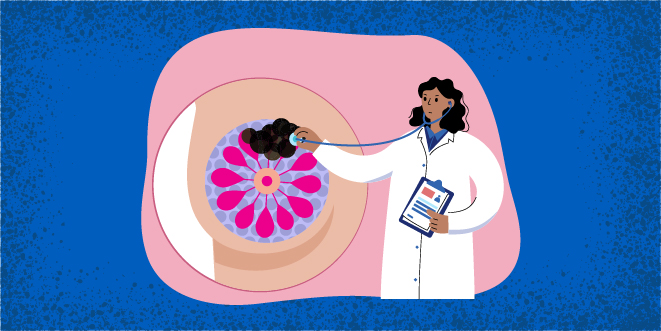
How To Do a Breast Self-Exam & Distinguish Lumps
A breast self-exam is when you check your breasts, by sight and by touch, for any changes, like a new lump. And many professionals will agree that becoming familiar with what your breasts normally look and feel like is a great way in which to become aware of any changes for early concerns or cancer detection. Today, we’re going to be looking at breast lumps, what it feels like, the different types, and how to check for breast lumps aka do a breast self-exam. What Is a Breast Lump? A breast lump is a localised swelling, bump, or mass in the breast that feels different from the surrounding breast tissue, and it can vary in size, texture, and tenderness. And while it can be completely daunting, it’s important to remember that the majority of breast lumps are not breast cancer. In fact, there are many conditions that may cause benign (non-cancerous) breast lumps. On the other hand, the absence of a noticeable breast lump doesn’t mean that breast cancer cannot or hasn’t developed. This is why it’s important for women to do self-exams monthly from the age of 18, and for women over the age of 40 to go for an annual mammogram. What Does a Breast Lump Feel Like? A breast lump can feel different depending on its cause. It can be found in or around the breast tissue, or in the underarm area, and its size can vary from a pea to larger than a golf ball. Some common sensations and textures include: Firm or Hard This may feel like a solid mass within the breast Cancerous lumps are often hard and irregular Benign lumps can also feel firm Smooth and Moveable Often round or oval Can move slightly under your fingers Is often common with fibroadenomas (non-cancerous growths) Soft or Fluid-Filled May feel squishy or like a small water balloon Often tender before a menstrual period Common with breast cysts Tender or Painful Fixed in Place A lump that doesn’t move easily The Different Types of Breast Lumps For clarity, we’ll divide this up into two sections; benign and malignant. Benign means non-cancerous, and malignant means cancerous. Benign Breast Lumps Fibroadenoma: occurs primarily in women in their 20s and 30s, the lump may feel rubbery and move around freely, it’s often painless, varying in size, and can form anywhere in the breast tissue. Fibrocystic breasts: may come about in women with dense breasts, occurs naturally due to hormonal fluctuations during menstruation, may feel lumpy, swollen, and sore before a period. Breast cyst: a fluid-filled sac inside the breast that’s round or oval and may feel soft or firm. They’re smooth, moveable, can be tender, and may change in size during menstruation. Fat necrosis: scar tissue from injured breast fat that may occur after trauma, surgery, or radiation. They’re a firm, round lump, sometimes causing skim dimpling, and may mimic cancer on imaging. Lipoma: a slow-growing, fatty lump mass made of fat cells that are soft, painless, and move easily under the skin. Breast abscess: an infection (pocket of pus due to a bacterial infection) that causes a painful lump, and is often associated with breastfeeding. Symptoms include redness, swelling, and a fever. Intraductal papilloma: a small wart-like growth inside a breast, near the nipple, that can lead to nipple discharge. Malignant Breast Lumps Cancerous breast lumps are caused by abnormal, uncontrolled cell growth in breast tissue. Unlike benign lumps, they can invade surrounding tissue and spread (metastasise) to other parts of the body. Invasive ductal carcinoma (IDC): the most common type of breast cancer that begins in the milk ducts and spreads into surrounding breast tissue. Symptoms may include a hard, irregular lump, skin dimpling, and nipple inversion. Invasive lobular carcinoma (ILC): the second most common type of breast cancer that starts in the milk-producing lobules and spreads into nearby tissue. Symptoms may include thickening instead of a distinct lump, fullness or swelling, and subtle breast shape changes. Ductal Carcinoma in situ (DCIS): stage 0 breast cancer that’s abnormal cells confined to the milk ducts that haven’t invaded the surrounding tissue. Symptoms may include nipple discharge, but there is often no lump. Inflammatory breast cancer: a rare but aggressive form of breast cancer of which the cancer cells block the lymph vessels in the skin of the breast. Symptoms may include a red, swollen breast, warmth, skin that looks like an orange peel, and often without the presence of a distinct lump. Triple-negative breast cancer: hormone receptor-negative cancer, which is when there is a lack of estrogen receptors, progesterone receptors, and HER2 protein. HER2-positive breast cancer: when there are high HER2 protein levels, promoting rapid growth. Paget disease of the breast: a rare form of breast cancer affecting the nipple and often the areola. Symptoms may include red, flaky nipple skin, burning or itching, and a possible underlying lump. How To Check for Breast Lumps At-Home A simple, step-by-step guide on how to do a breast self-exam (BSE)… 1. Get in Front of a Mirror Stand undressed from the waist up in front of a mirror with your arms relaxed. Take a look at your breasts for changes in size or shape, swelling, skin dimpling (like an orange peel), redness or a rash, nipple inversion, or unusual discharge. Then, raise your arms overhead and repeat. After, place your hands on your hips pressing firmly and repeat again. 2. Lie Down Lie down and place a pillow under your right shoulder. Put your right arm behind your head. Use the pads of your three middle fingers on your left hand and choose one pattern: Circular: small circles from outer breast towards the nipple Vertical lines: up and down strips Wedge pattern: from outer breast toward the nipple and back out Use three types of pressure: light for just beneath the skin, medium for the middle tissue, and firm for the deep tissue near the ribs. Cover the entire breast, armpit area, area to the collarbone, and down
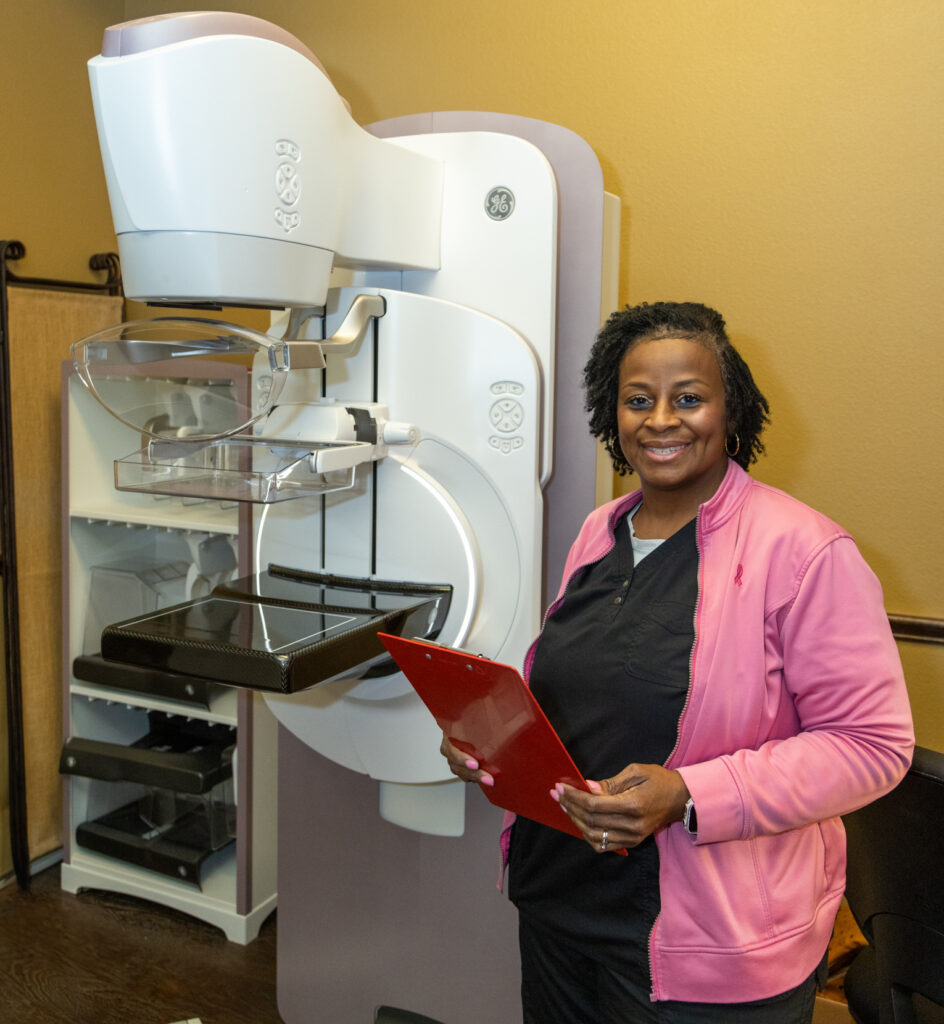
Understanding Breast Cancer: What You Need to Know
Breast cancer is one of the most common cancers among women, and knowing the facts can make a huge difference. In this post, we’ll explore the early signs, the importance of mammograms, advances in treatment, lifestyle changes that can reduce your risk, emotional support options, and how you can get involved during Breast Cancer Awareness Month. What Are the Early Signs and Symptoms of Breast Cancer? Catching breast cancer early is key to successful treatment. Some of the most common early signs include finding a lump in the breast or underarm. While not all lumps are cancerous, it’s crucial to have any unusual lump checked by a healthcare professional. Another sign is noticeable changes in breast size or shape. If one breast suddenly feels or looks different from the other, it’s important to take note. Nipple changes, such as inversion (where the nipple turns inward), unexpected discharge, or discomfort in the nipple area, may also signal an issue. Additionally, keep an eye out for changes in the skin on your breasts, such as dimpling, redness, or peeling. While breast cancer typically isn’t painful in the early stages, any persistent pain should also be brought to your doctor’s attention. Getting familiar with how your breasts usually look and feel and performing regular self-exams can help you notice any unusual changes early on. How Often Should Women Get Mammograms, and Why Are They Important? Mammograms are a critical tool for detecting breast cancer in its early stages, often before any symptoms arise. Most women should start getting annual mammograms at age 40. After age 55, women may choose to switch to mammograms every two years, depending on personal risk factors and discussions with their doctor. The reason mammograms are so important is that they can detect cancer when it’s most treatable, giving women more options and a better chance at recovery. Scheduling a mammogram is simple at our practice, and you can learn more about the process here: https://adriaticawomenshealth.com/services/mammography/. What’s New in Breast Cancer Treatment? Breast cancer treatments have come a long way, with new advancements making treatments more effective and personalized. One of the most exciting developments is targeted therapy, which focuses on attacking cancer cells while leaving healthy cells alone. Immunotherapy is another promising area, as it helps boost the immune system’s ability to recognize and fight cancer cells, especially in more aggressive forms of breast cancer like triple-negative breast cancer. Personalized medicine is also making a huge impact, as doctors can now tailor treatments to the specific makeup of an individual’s cancer, improving outcomes. Proton therapy, a newer form of radiation therapy, allows for more precise targeting of cancerous tissue, minimizing damage to surrounding healthy areas. These advancements are helping patients receive more effective treatments while reducing side effects. What Lifestyle Changes Can Lower the Risk of Developing Breast Cancer? While genetic factors are important, lifestyle choices also play a significant role in reducing breast cancer risk. Staying active is one of the best ways to lower your risk. Experts recommend aiming for at least 150 minutes of exercise each week. Maintaining a healthy weight is also crucial, particularly after menopause, as excess body fat can increase the risk of breast cancer. Limiting alcohol intake is another smart move, as even moderate drinking has been linked to a higher risk of breast cancer. Quitting smoking can reduce the risk of various cancers, including breast cancer, and is always a good health choice. For those who can, breastfeeding has been shown to lower the risk of breast cancer as well. Finally, if you’re considering hormone replacement therapy (HRT), discuss the risks and benefits with your doctor, as long-term use has been associated with an increased risk of breast cancer. By adopting these healthy lifestyle changes, women can take proactive steps toward lowering their breast cancer risk. What Emotional and Psychological Support Is Available for Breast Cancer Patients? Receiving a breast cancer diagnosis can be emotionally overwhelming, but there are many resources available to help. Counseling with a mental health professional can be incredibly beneficial, offering patients a safe space to talk about their feelings and learn coping strategies. Support groups, whether in person or online, allow patients to connect with others going through similar experiences, providing a sense of community and understanding. Additionally, mind-body practices like yoga, meditation, and mindfulness can help manage the stress and anxiety that often accompany a cancer diagnosis. Many cancer centers also offer patient navigators who can guide patients through treatment, helping to connect them with emotional and psychological support services. Emotional care is a vital part of the overall treatment process, and seeking help can improve both mental and physical well-being. How Can We Support Breast Cancer Awareness Month and the Women Impacted by This Disease? October is Breast Cancer Awareness Month, and there are plenty of ways to get involved and support those affected by breast cancer. One of the simplest ways to participate is by spreading awareness. Share information about the importance of early detection, mammograms, and healthy lifestyle choices with your friends, family, and social media networks. Participating in or donating to fundraising events, like charity walks or runs, is another great way to help raise money for breast cancer research and patient support services. Wearing pink during October is a small but meaningful gesture to show solidarity with those affected by breast cancer and to raise awareness in your community. On a more personal level, if you know someone going through breast cancer treatment, offering practical help, like running errands, cooking meals, or just being there to listen, can make a big difference in their day-to-day life. Finally, encourage the women in your life to schedule regular mammograms and stay informed about breast cancer prevention. By staying informed and taking action, we can all make a difference in the fight against breast cancer. Let’s work together to raise awareness, support those going through treatment, and push toward a future where breast cancer is a thing of the past.
Yoga for Pelvic Floor Relaxation
Estimated reading time: 4 minutes Did you practice yoga for pelvic floor relaxation? If you’re struggling with a hypertonic pelvic floor, relaxing yoga can help a lot. On our Pelvic Floor Dysfunction page, we the difference between a hypertonic (tight) and a hypotonic (lax) pelvic floor. Regardless of whether you have hypertonicity, hypotonicity or just a normally functioning pelvic floor, you can benefit from doing yoga for pelvic floor relaxation. Today, we have released a simple 10-minute yoga sequence for relaxing your pelvic floor. This video has music only, no talking, and it uses timers to let you know when you need to change position. There are no props needed to do this sequence, although as always, you can adapt your practice to suit your body and use props if you require them. Yoga for Pelvic Floor Relaxation Practicing yoga has many benefits, especially when it comes to your pelvic floor. One study1 concluded that “The practice of yoga causes a reduction in the pain intensity and improves the quality of life in patients with chronic pelvic pain”. The benefits are not just with pelvic pain. Studies into Bladder Pain Syndrome have shown improvements in bothersome symptoms form practicing yoga2. It’s not just pain conditions that benefit from yoga. Another study3 found improvements in Urinary Incontinence in women who practiced yoga. How Yoga Creates Balance In the Body Your connective tissue and muscles work together to help manage your movement. Every muscle has a job in the business of your body’s movement, and if you have muscles that are hypotonic or hypotonic, that can interrupt this business. Yoga allows you to gently stretch and strengthen muscles throughout your body without overloading your tissues. It allows muscles to come back to a balanced resting length, which has a very positive effect on the pelvic floor. Yoga also helps you to find some stillness and release the stresses of the day. If you do practice yoga, it is important to practice with compassion while listening to your body. Aggressively pushing yourself into a yoga pose can cause injury, so take it easy, move slowly and met your body where you find it. Props are always welcome in your practice, even if the teacher isn’t using them. Practice with some blankets, pillows or a bolster and yoga blocks, using them for support when you feel your body needs it. Speak with your doctor or pelvic floor physiotherapist before adding any exercise into your schedule and they can add some additional guidance based on your specific body and symptoms. Would You Like to Follow a Structured Program? If you are struggling with pelvic floor dysfunction, we have lots of options to help you as you work to come back into balance. From our YouTube videos to our 30-Day Challenge, there are lots of free options. If you would prefer a more comprehensive structured program to help you to overcome pelvic floor dysfunction, you can follow our Eight-Phase training which is detailed in full in the book Empower Your Flower. We also have the Eight Phase training available as an online course, which gives you access to premium areas in our community including weekly Zoom calls with Denise. The online training also gives you access to our new training courses (Overcoming Vaginismus launches March 18th 2022). If you could prefer 1:1 coaching, you can book a call with Denise from our teachable school. Above all, make sure that you take steps to deal with your pelvic floor dysfunction. Seek help rather than suffering in silence, and remember that if we all talk about pelvic floor dysfunction, we can break the taboo. References Saxena R, Gupta M, Shankar N, Jain S, Saxena A. Effects of yogic intervention on pain scores and quality of life in females with chronic pelvic pain. Int J Yoga. 2017 Jan-Apr;10(1):9-15. doi: 10.4103/0973-6131.186155. PMID: 28149062; PMCID: PMC5225749. Khandwala S, Cruff J. The Role of Yoga in the Management of Bladder Pain Syndrome: A Single-Arm Pilot Study. Adv Mind Body Med. 2020 Fall;34(4):4-9. PMID: 33186125. Huang AJ, Jenny HE, Chesney MA, Schembri M, Subak LL. A group-based yoga therapy intervention for urinary incontinence in women: a pilot randomized trial. Female Pelvic Med Reconstr Surg. 2014 May-Jun;20(3):147-54. doi: 10.1097/SPV.0000000000000072. PMID: 24763156; PMCID: PMC4310548. Source link
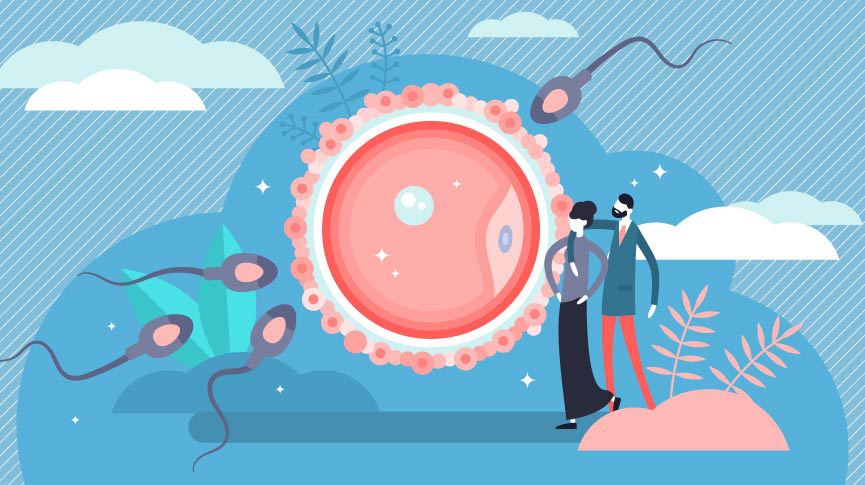
How To Keep Your Reproductive System Health & Why
For women, having a healthy reproductive system is not merely important for childbearing. It’s also imperative for overall health, including emotional wellbeing, bone strength, cardiovascular health, immune system, pelvic health, and aging. Your reproductive system is strongly connected to your hormones, which essentially control a lot of your bodily functions. Bottom line? Having a healthy reproductive system is crucial for many different parts of the body. Today, we’re going to look at the various ways that a healthy reproductive system contributes to an overall healthier you, as well as ways in which to keep your reproductive system healthy. Here are 8 different ways your reproductive system works to keep your body healthy. 1. Hormonal Health Firstly, as mentioned, your reproductive system is a major hormone producer… and hormonal balance affects your whole body. For example, estrogen, progesterone, and testosterone, all produced in the female reproductive system, influence your energy levels and fatigue, mood, anxiety and depression risk, sleep quality, metabolism and weight regulation, sex life, skin, hair, and bone health. When your reproductive system is unhealthy, these hormones can be imbalanced, having a negative effect on all of these things, all the while rippling through every organ system. 2. Fertility & Childbearing Reproductive health is essential before conception as it promotes healthy eggs, regular ovulation, balanced hormones for conception, and a lower risk of miscarriage. During pregnancy, it’s important for proper implantation, placenta development, and reduced risk of pre-eclampsia, preterm birth, gestational diabetes, and low birth weight. 3. Bone Strength & Mobility A woman’s reproductive system, and the hormones it makes, plays an important part in maintaining bone density. For example, if estrogen and testosterone are low, it can increase the risk of osteoporosis, fractures, and chronic joint and back pain. And these ailments can persist for longer than reproductive years. 4. Heart Health When your reproductive hormones are healthy, you should be able to benefit from a more regulated cholesterol, protected blood vessels, and reduced inflammation. When there is a disruption in hormone production, the opposite may occur, such as heart disease, high blood pressure, and stroke. 5. Emotional Wellbeing Our hormones are strongly linked to our emotional and mental health. When your reproductive hormones aren’t functioning at their best, it may disrupt your brain chemistry. For example, when serotonin, dopamine, and oxytocin aren’t in balance, you may experience mood swings, brain fog, anxiety and low levels of motivation, and reduced resilience because of stress. 6. Sexual Health Your reproductive system, when in balance, supports a healthy libido and arousal, allows for comfortable and pain-free penetration, enhances orgasm quality, promotes natural lubrication, and the strengthening of emotional bonding between partners. If you have an unhealthy reproductive system, these factors may suffer, creating issues in your sex life, solo or with a partner. 7. Immune System & Inflammation Your reproductive system regulates your immune system by deciding when it should react strongly or calm down to infections, injuries, and more, and how much inflammation is appropriate. If this is out of balance, and there is chronic inflammation in reproductive organs, it could cause increased fatigue, affect gut health, and raise the risk for an autoimmune issue. 8. Pelvic Health A healthy reproductive system supports pelvic floor strength, bladder and bowel control, and posture and spinal stability. With an unhealthy reproductive system, you could face pain, incontinence, or discomfort in everyday life. Different Ways to Keep Your Reproductive System Healthy We’ve established that having a healthy reproductive system is important for almost all bodily functions. So, here are some ways you can help keep it healthy and functioning optimally. Lifestyle Choices To support your reproductive system, and keep hormones balanced, you could: get 7-9 hours of sleep every night manage stress eat enough calories avoid excess alcohol and caffeine maintain a healthy body fat range enjoy balanced exercise In terms of nutrition, you can focus on nutrient-dense foods that support hormones, eggs, and tissue. For example: Healthy fats: olive oil, avocado, nuts, seeds, fatty fish Protein: eggs, fish, legumes, lean meat, tofu Micronutrients: zinc, iron, folate, selenium, omega-3s. In terms of exercise, moderate, regular activity is best. Chronic overtraining isn’t a good idea, as it can actually hinder your health. You could engage in: Strength training to support testosterone and bone health Cardio for improved blood flow to reproductive organs At the same time, you could experience negative effects when it comes to arousal, orgasm, tissue health, and fertility if you aren’t active, sit for prolonged periods of time, or don’t manage your blood pressure and cholesterol. As per weight management, maintaining a healthy weight, without extremes, is the best way to keep your reproductive system healthy. With severe dieting or obesity, ovulation, menstrual regulation, and libido may be affected. Some other lifestyle choices can disrupt your endocrine hormones. For example, smoking can damage your levels of fertility and cause hormonal damage, and using plastic, pesticides and harsh chemicals are toxins that can be harmful. Additionally, avoid taking unnecessary hormone supplements. Manage Health Conditions If you have any current health conditions, make sure to manage them correctly in hopes of keeping them in control. For example, if you have any infections, make sure to treat them immediately. And for chronic conditions, like diabetes or thyroid issues, regular check ups and medication (if prescribed by your healthcare professional) are essential. Health Screenings For preventative care, routine health screenings are a great idea… even if you don’t have any symptoms. Visiting a gynecologist/healthcare professional for a pap smear, pelvic exam, and hormone testing regularly can help you maintain good reproductive health, and any early detection means that treatment could be more effective with possibly better outcomes. Mental Health Because your hormones play a big part in how you feel mentally, you may be experiencing an unhealthy reproductive system that gives off mental side effects. After all, your mental health directly affects your reproductive health. For example: Listen To Your Body Your body is very intuitive, and it’ll give you signals. It’s important

Important Announcement: Josie Roberts, CNM, Relocating
Farewell and Best Wishes for Our Midwife, Josie Roberts, CNM It is with both excitement and sadness that we share that our beloved midwife, Josie Roberts, CNM, will be relocating to the Pacific Northwest this September to follow her family’s dreams. Over the years, she has cherished walking alongside our patients through pregnancies, celebrating births, and catching up on life’s milestones. Her words capture it best: “Your strength and endurance are awe inspiring!” While she will be deeply missed, rest assured your care at Adriatica Women’s Health will continue without interruption. Our midwife team, or any Adriatica Women’s Health provider of your choice, will be happy to continue caring for you. If you wish to transfer your care outside our practice, you may request a medical records release form at www.adriaticawomenshealth.com or through our office. For any questions, please contact us at 972-542-8884. From all of us at Adriatica, we thank her for her years of dedication and wish her and her family the very best in this exciting new chapter. Click here to read Josie’s letter to her patients. Source link
Are Hypopressives Beneficial for Pelvic Floor Dysfunction?
Estimated reading time: 8 minutes In this article, we will as the question Are hypopressives beneficial for pelvic floor dysfunction? If you are suffering from pelvic floor dysfunction, you may well have heard of Hypopressives; a breathing technique that uses a stomach vacuum to tap into the relationship between the pelvic floor, core and breathing diaphragm. These stomach vacuums are the same as those practiced by yogis for millennia and utilized by bodybuilders since the seventies to enhance breathing, reduce waist size and improve aesthetics. The idea that these stomach vacuums could be beneficial for treating pelvic floor dysfunctions was first suggested in the eighties when Belgian physiotherapist Marcel Caufriez began using hypopressive exercises to improve pelvic floor control in patients. With 1 in 3 women1 suffering pelvic floor dysfunction during her lifetime, finding conservative and easy to follow exercises to improve symptoms and quality of life is critical. So, let’s first explore the exercise before delving into its perceived benefits for those with pelvic floor dysfunction. How to Perform a Hypopressive Exercise (Stomach Vacuum) The hypopressive manoeuvre (also known as an apnea) involves emptying the lungs completely and immediately closing the airways to prevent air reentering the lungs. Following this, the abdominals are relaxed and the ribcage is expanded which creates a stomach vacuum causing the abdominals the be drawn upwards and inwards. The vacuum can also be seen on the back of the body and around the shoulder blades. Follow the steps below to perform the hypopressive manoeuvre which is shown in the animation. Steps to Perform a Hypopressive Apnea Perform three breath cycles where you inhale and exhale. On the third exhalation, empty the lungs fully, this will include contraction of the abs to empty the reserve volume from the lungs. Close your airways to prevent air from reentering the lungs. Take your apnea. To do so, relax the abdominals and expand the ribcage out to the sides in the same motion used when breathing but without taking air in. Hold for a count of 4. Relax the ribcage and abdominals before taking your next inhalation. Animation of a Hyperpressives stomach vacuum Should You Replace Kegels With Hypopressives? For those suffering from a Pelvic Organ Prolapse, the uplifting motion produced when performing an apnea can feel quite relieving on the prolapse, as is my experience with my own rectocele. Of course, feeling some immediate relief doesn’t necessarily mean that there are proven benefits. Marketing of hypopressive training is strong, and some campaigns even suggest using hypopressives as an alternative to Kegel exercises (Traditional Pelvic floor muscle training). In keeping with the usual approach on this website, we will explore the research to see if this makes sense, and to discover the proven benefits of practicing hypopressives. Traditional pelvic floor muscle training (Kegels) as a treatment for incontinence and prolapse is backed by decades of research confirming the benefits. Hypopressives, on the other hand, have only been studied during the last decade. The first study2 into hypopressives compared a group performing Kegels with another performing hypopressives. The conclusion was that hypopressives were less effective than Kegels alone. A subsequent study3 in 2012 had three groups; one performing hypopressives plus Kegels, a second performing Kegels alone and a control group. That study found that both groups performing exercises did better than controls, however; adding hypopressives to Kegels didn’t improve pelvic floor function and those who practiced only Kegels had superior pelvic floor endurance. Another 2012 study4 directly compared a group performing Kegels with another performing hypopressives and found that both groups showed similar improvements. Since those early studies, there have been numerous other studies, none of which have confirmed that you should ditch your pelvic floor exercises in favour of a hypopressive practice, however; through the course of these studies, the true benefit of hypopressives has been revealed. Seated Hypopressive Pose showing the apnea. A Program of Hypopressive Exercises Showed Positive Results in Post-partum Abdominal Diastasis5 The Real Benefits of Hypopressive Exercise If you are suffering from pelvic floor dysfunction, it is very likely that you also have some core weakness. This is where hypopressives can provide benefits. Whereas the early studies into hypopressives did not substantiate the suggestion that they should be used as an alternative to Kegels, they did reveal improvements in the strength of the transverse abdominis (TrA), one of the key core muscles. A 2021 study6 exploring how the abdominal muscles change during hypopressives found that hypopresives significantly increase the thickness of the TrA and internal oblique during the exercise in comparison with the muscles at rest. With that said, you should’t rush to swap your core exercises with hypopressives. A 2020 study7 that looked at the pelvic floor and abdominal muscle response during hypopressives did note that the muscles showed increased activation during the exercises, but not sufficiently to create strength gains. They did, however, suggest it could have an endurance effect. Further studies would be needed to substantiate that hypothesis. Why Practice Hypopressives? So why bother practicing hypopressives if they aren’t going to heal your prolapse or cure your incontinence? I have three reasons why I personally practice hypopressives, and why I included them in some of the breathing modules of my Eight-phase training course. Reason 1 One of the main reasons I like to practice hypopressives is because it relieves the symptoms of my rectocele. I generally only feel symptomatic if I allow myself to get constipated and have to strain to poop. When I get the heavy dragging feeling of the prolapse, I practice my hypopressives and it helps to reduce the symptoms. I also find inversions to be helpful with symptom relief. Reason 2 One of the triggers for the symptoms of prolapse, which is also a cause of leakage during stress incontinence, is increased intraabdominal pressure. When you practice hypopressives, you tap into the relationship between the breathing diaphragm, the core and the pelvic floor. I find that my hypopressive practice helps me to feel and manage this