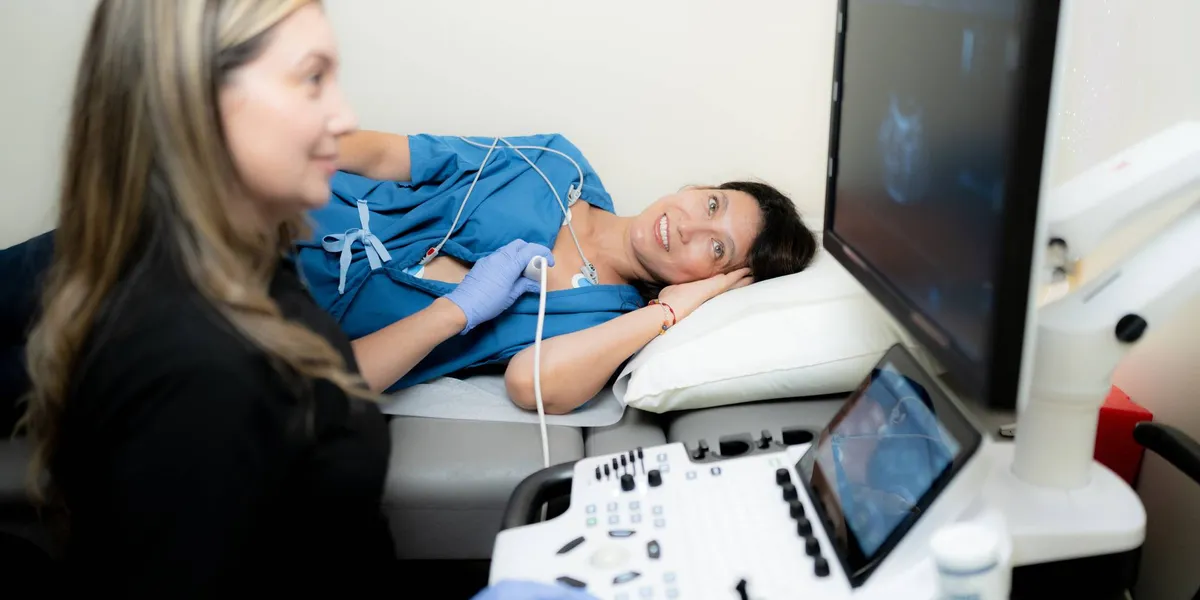
Chronic pain affects millions of Americans, impacting every aspect of daily life—from sleep and work to relationships and mental health. When medications, physical therapy, and injections don’t provide adequate relief, many patients feel they’ve run out of options. Neuromodulation is a groundbreaking approach to pain management that offers hope when traditional treatments fall short. At Pain Specialists of America, we understand the devastating impact of persistent pain on our Central Texas patients. As pioneers in interventional pain management, we offer advanced neuromodulation therapies that can transform your relationship with pain and help you reclaim your life. Here’s what we’ll address in this blog post: Neuromodulation uses electrical stimulation to interrupt pain signals before they reach your brain Common types include spinal cord stimulation (SCS) and dorsal root ganglion (DRG) stimulation These treatments can reduce pain by 50-70% for conditions like failed back surgery syndrome and complex regional pain syndrome Pain Specialists of America was first in Texas to integrate Abbott’s advanced Proclaim™ Plus SCS system Patients often experience improved function, reduced medication use, and better quality of life Minimally invasive outpatient procedure with a trial period to test effectiveness before permanent implantation Not everyone is a candidate—consultation with a pain specialist determines eligibility What Is Neuromodulation? Neuromodulation is a minimally invasive medical therapy that uses specialized devices to deliver gentle electrical pulses to specific nerves or areas of the spinal cord. These pulses modify or “modulate” pain signals, preventing them from reaching your brain or changing how your brain interprets them. Think of neuromodulation like a traffic controller for your pain signals. When you experience pain, nerve fibers send messages through your spinal cord to your brain. Neuromodulation devices intercept and modify these signals, reducing your perception of pain without the side effects of medications. Modern neuromodulation systems offer: Personalized programming to target your specific pain Wireless control through discreet remote controls or smartphone apps Rechargeable or long-lasting battery options MRI-compatible options for future diagnostic needs How Does Neuromodulation Work for Pain Relief? Neuromodulation works through precisely targeted electrical stimulation that interrupts the pain signaling pathway. Here’s how the process typically works: Evaluation: Our pain specialists thoroughly assess your condition, medical history, and previous treatments to determine if you’re a candidate. Trial period: Before permanent implantation, you’ll undergo a temporary trial (usually 5-7 days) with external leads placed near your spinal cord or specific nerves. Assessment: If you experience significant pain relief during the trial (typically 50% or greater reduction), you may proceed to permanent implantation. Implantation: In an outpatient procedure, a small device (similar in size to a pacemaker) is placed under your skin, usually in the lower back or buttock area. Thin wires (leads) connect to specific nerve targets. Programming: Your device is programmed to deliver customized stimulation patterns based on your unique pain patterns and response. The stimulation itself may feel like a gentle tingling, buzzing sensation, or—with newer systems—may not be felt at all while still providing pain relief. Most importantly, you remain in control, with the ability to adjust settings or turn the system on and off as needed. Benefits of Neuromodulation for Chronic Pain: Patients who respond well to neuromodulation often experience transformative results: Significant pain reduction – Studies show 50-70% pain relief for many patients Reduced dependence on pain medications – Many patients decrease or eliminate opioid use Improved physical function – Return to activities that pain previously limited Better sleep quality – Less pain disruption during nighttime hours Enhanced mood – Decreased depression and anxiety associated with chronic pain Increased independence – Less reliance on caregivers for daily activities Long-term solution – Provides sustainable relief without building tolerance Reversible and adjustable – Can be modified or removed if needed Most importantly, neuromodulation offers hope for those who believed they would never find relief. As a minimally invasive option, it bridges the gap between medications and major surgery. Neuromodulation vs Other Treatment Options: Treatment Approach How It Works Duration of Relief Invasiveness Side Effects Neuromodulation Interrupts pain signals Long-term, sustainable Minimally invasive Minimal; typically mild discomfort at implant site Opioid Medications Block pain receptors Short-term; tolerance develops Non-invasive Constipation, sedation, dependence, addiction risk Steroid Injections Reduce inflammation Temporary (weeks to months) Minimally invasive Minimal; blood sugar elevation, limited number of treatments Surgical Intervention Corrects structural issues Potentially permanent if successful Highly invasive Significant recovery time, risk of failed back surgery syndrome Physical Therapy Improves function, strength Variable; requires ongoing work Non-invasive Limited effect on severe nerve pain Types of Neuromodulation Devices and Techniques Several neuromodulation approaches are available, each designed to address specific pain conditions: Spinal Cord Stimulation (SCS): The most common form of neuromodulation, SCS delivers mild electrical pulses to the spinal cord. This is particularly effective for: Dorsal Root Ganglion (DRG) Stimulation: This targets the dorsal root ganglion, a cluster of nerve cells near where nerves enter the spinal cord. DRG stimulation excels at treating: Complex regional pain syndrome Groin or pelvic pain Post-surgical pain Foot and ankle pain Peripheral Nerve Stimulation: This targets specific peripheral nerves outside the spinal cord, beneficial for: At Pain Specialists of America, we offer comprehensive evaluation to determine which neuromodulation approach is most appropriate for your specific pain condition and anatomy. Who Is a Good Candidate for Neuromodulation? Not everyone with chronic pain will benefit from neuromodulation. Ideal candidates typically: Have tried and failed conservative treatments (medications, physical therapy, injections) Have a clearly defined pain source that can be targeted Have no untreated drug dependency issues Have realistic expectations about pain reduction Have no psychological conditions that would interfere with treatment Have passed a successful trial stimulation period During your consultation at Pain Specialists of America, our experts will conduct a thorough evaluation to determine if neuromodulation is right for you. This includes reviewing your medical history, previous treatments, diagnostic tests, and performing a physical examination. Taking the Next Step Toward Pain Relief Living with chronic pain isn’t something you should have to accept as your “new normal.” Neuromodulation represents a significant

Facts About a New Osteoporosis Treatment
May is Osteoporosis Awareness and Prevention Month. Ben Swanson is a dentist by trade, but bone health has his heart. As the CEO and co-founder of the drug development company Skeletalis, Swanson and his team are developing a bone-targeted technology that will protect and rebuild bone in people with musculoskeletal diseases like osteoporosis. “The core logic behind what we’re doing is taking musculoskeletal skeletal health broadly into the era of precision medicine that we’ve seen across a number of other diseases,” Swanson said. “With a biology-focused approach to understanding how the disease happens, we’re designing a platform that enables us to get drugs there in a very targeted way, and the end result is we create drugs and therapies that enable freedom from fractures.” And this is really important because most people don’t even know they have the bone disease until a fracture or break happens. And about 1 in 3 women over 50 will fracture a bone because of osteoporosis. “Bone disease hides in plain sight. It doesn’t often hurt, but it is a disease — and fractures are something that affects everyone. Everybody has a family member or someone they’re close to who has suffered from a fracture, and the consequences are tremendous,” Swanson said. “It could be a life-ending event, and we don’t really have therapies that have kept up with the rest of science.” We talked with Swanson about the need for advancements in treatment options for osteoporosis, the pros of precision therapy and how biotechnology is changing the way we treat bone disease. This interview has been edited for clarity and length. HealthyWomen: As co-founder of Skeletalis, what was your inspiration to start a company that focuses on treating musculoskeletal diseases? Ben Swanson: I think my inspiration was really the fascination with the idea that bone is an organ that is constantly remodeling — it’s constantly changing and adapting. And as someone who was studying bone treatments, it became clear there was a tremendous opportunity to make a drug that’s more specific and precise to musculoskeletal diseases like osteoporosis, given that it impacts so many people. The idea is that, if you can get a drug to the place where the disease happens on the skeleton, on the physical surface of the skeleton, you may be able to improve both the efficacy and the ability to treat disease and reduce unwanted side effects. HW: Advancements in treatment options for osteoporosis haven’t seen the same level of innovation as other areas of medicine. Why has progress been slower regarding treatments for osteoporosis and bone health? Swanson: Osteoporosis is not a disease where we can see a change in a simple blood test, like lowering cholesterol. We can’t measure a tumor changing shape or survival necessarily. We’re trying to prove strength and reduce fractures, but fractures are not happening every day, and in fact, fractures are the failure of treatment, and we don’t study a lot of other drugs in terms of their failure. Research has been historically slow in this field because of the requirement to have long clinical trials, and one of the things that we are very excited about in osteoporosis is a recent change in the regulatory framework called the SABRE initiative, which has made trials much faster and cheaper and really opens the doors to modern development. The other thing that’s really important here is that, historically, osteoporosis therapies work by shutting down the bone. With recent advances in our understanding of why bone degenerative diseases happen and how we go from normal maintenance mode into some degenerative or imbalance mode, we can design much more precise therapies. For the first time, we have that combination of exciting new science and new understanding of why these diseases happen and the regulatory environment that enables us as a small company to make a meaningful difference. HW: Tell us how the company’s Osteoclast-Activated Skeletal Intervention System (OASIS) approach is different from traditional osteoporosis treatments. Swanson: If we think about traditional drugs — and that could be any drug — they often affect the whole body, so it requires more of the drug and there’s exposure to other sites. The way we think about treatment with our OASIS technology is to localize therapy in a precise and thoughtful way in the skeleton and to the places where osteoclasts — the cells that are responsible for osteoporosis — are actually forming. We think about this not just as an osteoporosis medication but really as a platform technology for precision skeletal medicines across diseases. We see a tremendous opportunity across a woman’s lifespan as different skeletal diseases manifest and all of those require safety in a precise or targeted approach. HW: What role does screening play in the prevention of bone loss before fractures occur? Swanson: Fractures are the failure of the skeleton, and for many people fractures are the beginning of the end. Some people will die within the first year of their fracture, and an overwhelming number of patients will never return home. It’s a tremendous cost burden — we’re taking people out of their communities, out of their families, out of their jobs. The biggest opportunity that we see is to prevent that first fracture from ever happening. We have the opportunity as a clinical community to shift osteoporosis care from reactive treatment to prevention and thinking about how we stop or reverse the disease before entering that fracture cascade because after the first fracture the likelihood of the second is even higher. We also have to make screening available to women earlier and more often. If we’re only looking at late stages to someone who’s 10 to 15 years beyond menopause, we can only intervene at that time, so we have to be thinking about earlier screening and earlier detection awareness to empower patients to be asking for these things. That really is what will enable prevention, but it also becomes a normal part of perimenopause or even premenopause. HW: Some women

CRC screening rates negatively impacted by racial disparities
Add topic to email alerts Receive an email when new articles are posted on Please provide your email address to receive an email when new articles are posted on . “ data-action=”subscribe”> Subscribe We were unable to process your request. Please try again later. If you continue to have this issue please contact customerservice@slackinc.com. Back to Healio Key takeaways: Non-white individuals are less likely to undergo CRC screening and colonoscopy than white individuals. However, non-white individuals are more likely to use noninvasive testing modalities. CHICAGO — Even as colorectal cancer screening rates have risen among older adults across race and ethnicity, racial disparities in cancer screenings have not improved comparatively, according to data presented at Digestive Disease Week. An analysis of 2015-2023 National Health Interview Surveys showed that despite an annual 1.6% increase in CRC screening overall, individuals who identify as Black, Hispanic or Asian are still less likely to undergo screening than white individuals. Even as colorectal cancer screening rates have risen among older adults across race and ethnicity, racial disparities in cancer screenings have not improved comparatively. Image: Robert Stott. “We found colorectal cancer screening rate growth in all racial groups with an increased use of colonoscopy and noninvasive screening modalities,” Sophie Montgomery, MD, internal medicine resident at Beth Israel Deaconess Medical Center, said during a presentation. “We did not detect narrowing of racial disparities in colorectal cancer screening overall or for any specific modality. I think what this analysis highlights is that noninvasive modality alone has not addressed barriers in colorectal cancer screening. “The existence of these tests isn’t going to solve our problems,” she added. “What we need is robust implementation programs.” Montgomery and colleagues analyzed CRC screening trends by self-reported race among adults aged 50 to 75 years. The analysis included 45,398 participants who completed surveys in 2015, 2018, 2021 and 2023. The overall rate of CRC screening improved during the survey period — rising from 60.8% in 2015 to 72.2% in 2023 — reflecting a 1.6% (95% CI, 1.3%-1.8%) annual increase. Increases were observed across all racial groups, including non-Hispanic white (64% to 75%), non-Hispanic Black (59.7% to 71.7%), Hispanic/Latino (45.4% to 61.2%) and non-Hispanic Asian (53% to 66.1%), with no significant differences detected by race. However, compared with white individuals, CRC screening prevalence was 4.1% lower among Black individuals, 11.5% lower among Asian individuals and 15% lower among Hispanic individuals. Researchers also did not detect significant differences in noninvasive screening trends by race, which rose across all groups. However, rates of noninvasive screening were higher among all racial groups compared with white individuals (Hispanic, 4.6% higher; Asian, 3% higher; Black, 1.8% higher), although colonoscopy rates remained lower (Hispanic, 20% lower; Asian, 14.9% lower; Black, 6.9% lower). Overall, results show that systemic changes are necessary for CRC screening to be equally accessed by all. “If we want to address racial disparities, we need to address the social determinants of health more broadly,” Montgomery said. Published by: Sources/Disclosures Source: Montgomery S, et al. Rising use of stool-based testing is not bridging racial disparities in colorectal cancer screening: The National Health Interview Survey 2015-2023. Presented at: Digestive Disease Week; May 2-5, 2026; Chicago. Disclosures: Healio could not confirm relevant financial disclosures at time of publication. Ask a clinical question and tap into Healio AI’s knowledge base. PubMed, enrolling/recruiting trials, guidelines Clinical Guidance, Healio CME, FDA news Healio’s exclusive daily news coverage of clinical data Learn more Add topic to email alerts Receive an email when new articles are posted on Please provide your email address to receive an email when new articles are posted on . “ data-action=”subscribe”> Subscribe We were unable to process your request. Please try again later. If you continue to have this issue please contact customerservice@slackinc.com. Back to Healio Source link

Muscle Pain vs Nerve Pain: How to Tell the Difference
Are you struggling to understand whether your discomfort is muscle pain or nerve pain? Knowing the difference is crucial for finding effective relief and preventing long-term complications. Before we get into specifics, here’s a quick look at these two types of pain: Muscle pain typically feels dull and achy, while nerve pain feels sharp, burning, or electric Muscle pain is usually localized, but nerve pain often radiates along nerve pathways Muscle pain generally improves with rest within days; nerve pain tends to persist or worsen Numbness, tingling, and weakness typically accompany nerve pain but not muscle pain What is Muscle Pain? Muscle pain (myalgia) is discomfort that originates in your muscles or related soft tissues. It typically results from physical strain, overuse, tension, or injury to the muscle fibers. Common causes of muscle pain include: Overexertion during physical activity Sports injuries or accidents Poor posture or repetitive movements Stress and tension Inflammatory conditions like fibromyalgia or myositis Infections like the flu The hallmark of muscle pain is its typically dull, aching nature. When you press on the affected area, you’ll often feel tenderness or soreness. Muscle pain usually responds to rest and basic home care in a matter of days, unless there’s a more serious underlying issue such as a significant tear or chronic condition. What is Nerve Pain? Nerve pain (neuropathic pain) occurs when there’s damage or compression to your nerves. Unlike muscle pain, nerve pain stems from problems with the nervous system itself rather than surrounding tissues. Common causes of nerve pain include: Pinched nerves from herniated discs or bone spurs Diabetic neuropathy Shingles (post-herpetic neuralgia) Carpal tunnel syndrome Multiple sclerosis Chemotherapy side effects Infections affecting nerves Traumatic injuries that damage nerves Nerve pain has a distinctive quality that patients often describe as sharp, shooting, burning, or electric shock-like sensations. It may include other unusual sensations like tingling, numbness, or “pins and needles.” Unlike muscle pain, nerve pain often radiates along the pathway of the affected nerve—such as down an arm or leg—and tends to be persistent or recurrent rather than temporary. How to Tell the Difference Between Muscle and Nerve Pain? Distinguishing between muscle pain and nerve pain can help you communicate more effectively with healthcare providers and get on the right treatment path sooner. Here are the key differences to watch for: Sensation and Quality: Muscle pain: Typically feels dull, achy, crampy, or sore Nerve pain: Usually sharp, shooting, burning, stabbing, or electric-like Location and Radiation: Muscle pain: Generally localized to the affected muscle group (e.g., sore neck muscles) Nerve pain: Often radiates along nerve pathways (e.g., pain shooting from neck down the arm) Associated Symptoms: Muscle pain: May include stiffness, spasms, tenderness, and reduced range of motion Nerve pain: Often accompanied by tingling, numbness, prickling sensations, or weakness Response to Rest and Movement: Muscle pain: Typically improves with rest and gentle stretching Nerve pain: May not improve with rest and sometimes worsens with certain movements Duration and Pattern: Muscle pain: Usually improves within days with appropriate self-care Nerve pain: Tends to persist, may become chronic, and often doesn’t resolve without treatment A simple self-test: If your pain responds positively to rest and feels better after a few days, it’s more likely muscle-related. If it persists regardless of rest and includes unusual sensations like tingling or numbness, nerve involvement is more likely. Benefits of Proper Pain Diagnosis and Treatment: Understanding whether you’re dealing with muscle pain or nerve pain offers several important advantages: Targeted Relief: The right diagnosis leads to the right treatment approach, providing faster and more effective relief Prevention of Chronic Issues: Early and appropriate intervention reduces the risk of acute pain becoming chronic Minimized Medication Dependence: Precise treatments mean less reliance on pain medications, especially opioids Improved Function: Proper treatment addresses the root cause, helping restore normal daily activities and mobility Better Quality of Life: Effective pain management allows you to sleep better, move more freely, and enjoy life again At Pain Specialists of America, our physician team specializes in accurate diagnosis using advanced techniques, including specialized imaging and diagnostic nerve blocks when necessary. This precision allows us to create personalized treatment plans that target the specific source of your pain. Muscle Pain vs Nerve Pain Treatment Options: Treatment approaches differ significantly between muscle and nerve pain. Here’s how we approach each type: For Muscle Pain: Conservative Approaches: Rest, ice/heat therapy, gentle stretching, and over-the-counter anti-inflammatory medications Physical Therapy: Targeted exercises to strengthen and rehabilitate affected muscles Trigger Point Injections: Direct injection of medication into painful muscle knots Joint Injections: Relief for muscle pain related to joint dysfunction Regenerative Treatments: Platelet-Rich Plasma (PRP) injections to promote natural healing of damaged muscles Soft Tissue Injections: Targeted relief for chronic muscle pain in the limbs and trunk For Nerve Pain: Nerve Blocks: Targeted injections to interrupt pain signals from specific nerves Epidural Steroid Injections: Reduce inflammation around compressed spinal nerves Radiofrequency Ablation: Precision technique that uses heat to interrupt pain signals Spinal Cord Stimulation: Implantable device that masks pain signals before they reach the brain Peripheral Nerve Stimulation: Similar to spinal stimulation but targets specific peripheral nerves Dorsal Root Ganglion Blocks: Specialized treatment for nerve root pain Lidocaine Infusion: For management of severe nerve pain Our interventional approach means we identify and treat the root cause of your pain rather than just masking symptoms. For patients in Central Texas, this means access to advanced treatments without the need for surgery or heavy reliance on medications. Who is a Good Candidate for Interventional Pain Management? You may benefit from interventional pain management at Pain Specialists of America if: Your pain has lasted more than three days and is not improving with rest and over-the-counter medication You’re experiencing numbness, tingling, or weakness along with your pain Your pain radiates from one area to another (like from your back down your leg) You’ve tried conservative treatments without adequate relief You want to avoid surgery if possible You’re looking to reduce reliance on pain medications Your quality of

The Type 2 Inflammation Connection
May 18–22, 2026, is Type 2 Inflammation Awareness Week. When your body is facing illness, injury or invasion from anything that doesn’t belong, like viruses, bacteria or parasites, inflammation is the body’s way of fighting back to start the healing process. The immune system responds to illness and injury by sending inflammatory cells to stop the threat. The result is called acute inflammation, which you might experience as: Pain or tenderness Fever Swelling Reddened skin at the injury site While uncomfortable, this type of inflammation is a healthy response. It disappears once the body heals. But with chronic inflammation, your body keeps sending inflammatory cells for months or years even in the absence of a threat. In this case, the process that is designed to heal your body can damage it. Healthcare providers (HCPs) call this type 2 inflammation. “I describe type 2 inflammation as a specific kind of swelling in the body, often associated with allergic conditions, that can occur in multiple organs at once, such as the skin, nose, airways, and lungs,” said Payel Gupta, M.D., triple-board-certified allergist and assistant clinical professor at SUNY Downstate Medical Center and Mt. Sinai Medical Center in New York. “If you have this type of inflammation in one part of your body, you may also have it in another part of your body.” Connected conditions With your skin, nose, airways and lungs as possible sites for type 2 inflammation, the list of type 2 inflammation-related conditions — including those that often occur together — is substantial. Common coexisting conditions include: Allergies – An allergy is a reaction of the immune system to a normally harmless substance, like certain foods or plants. People who don’t have that allergy generally won’t react to the substance. Asthma – Asthma is a lung condition that causes inflammation and narrowing of the lung’s airways, leading to breathing challenges that can be mild or severe. Chronic rhinosinusitis with nasal polyps (CRSwNP) – In this chronic inflammatory condition, benign growths called nasal polyps form in your sinuses or nose and can cause disruptive symptoms, like sinus pressure and difficulty breathing. Even after surgery to remove them, nasal polyps often grow back. Chronic obstructive pulmonary disease (COPD) – In this disease, airways and other parts of your lungs become damaged so that breathing becomes difficult. Smoking is the most common cause of COPD but there are also other causes, like environmental pollutants. Eczema – Eczema is a chronic inflammatory disease that causes dry, itchy inflamed skin. Atopic dermatitis is the most common form of eczema. Eosinophilic esophagitis (EoE) – This chronic condition happens as a response to triggers such as certain foods or environmental allergens. A person’s esophagus is flooded with white blood cells, causing painful swelling of the esophagus. It can become difficult to eat or swallow comfortably. Prurigo nodularis – This condition, which causes raised, itchy skin bumps, can occur anywhere on your body but is most common on the abdomen, arms and legs. Urticaria – Urticaria is the medical term for hives, which are red, itchy welts that can appear anywhere on your body, often occurring then disappearing. Over a period of weeks or even months, hives can reappear again and again, often without an obvious cause. When this happens, it’s called chronic spontaneous urticaria. According to Gupta, when people have two or more of these conditions, HCPs should consider whether underlying type 2 inflammation could be making these conditions worse. “Environmental triggers such as allergens like pollen, pet dander, dust mites or mold, as well as pollution or infections, can trigger or worsen type 2 inflammation,” she said. “In these cases, it’s important to calm the underlying type 2 inflammation as much as possible to lessen the severity of the coexisting conditions.” Lack of awareness of type 2 inflammation among both patients and HCPs can contribute to delayed diagnosis, especially if you have more than one condition. This lack of awareness also means the conditions can take a big toll on your quality of life and you may not understand that getting specialized care could potentially make your chronic inflammatory conditions much more manageable. Diagnosing type 2 inflammation Treating underlying inflammation requires an HCP to identify inflammation that extends beyond just one condition, like asthma or EoE. One way that HCPs figure out if you have widespread inflammation is to measure the number of eosinophils in your blood. Eosinophils are a type of white blood cell that defend your body from allergens. They can also be a marker for type 2 inflammation. When your blood contains too many eosinophils, that will help your HCP make the diagnosis of type 2 inflammation. Another way your HCP might be able to identify type 2 inflammation in your body is by using a breathing test called a fractional exhaled nitric oxide test. This test measures the amount of nitric oxide you exhale with each breath. The more nitric oxide, the more swollen your airways are, Gupta said. Which type of HCP can diagnose or manage type 2 inflammation-related conditions? According to Gupta, you don’t always need to see a specialist right away if your conditions are well-controlled.“But if you ever feel your conditions are not controlled or responding to your current treatments, you should ask for a referral to a specialist.” You may already be seeing a specialist, of course. For example, people with eczema might see a dermatologist, someone with EoE probably sees a gastroenterologist and someone with COPD probably sees a pulmonologist. Having a multidisciplinary medical team behind you is important when dealing with complicated conditions like type 2 inflammation, so you might want to see an allergist, too. Allergists can help manage all type 2 inflammation-related conditions and should have updated knowledge of medications that can help. Gupta said, “Many of the medications used in type 2 inflammation can help with more than one condition, but they’re often biologics that require specialized knowledge and access.” Disease control, not cure Unfortunately, there is no cure for

FDA OKs Immgolis as first golimumab biosimilar for UC, RA
Add topic to email alerts Receive an email when new articles are posted on Please provide your email address to receive an email when new articles are posted on . “ data-action=”subscribe”> Subscribe We were unable to process your request. Please try again later. If you continue to have this issue please contact customerservice@slackinc.com. Back to Healio Key takeaways: Immgolis is the first interchangeable biosimilar to Simponi. It is approved for treatment of adults with moderately to severely active ulcerative colitis. The FDA has approved golimumab-sldi as the first interchangeable biosimilar to Simponi for ulcerative colitis. Golimumab-sldi (Immgolis, Accord BioPharma) has been approved as a biosimilar to golimumab (Simponi, Johnson & Johnson) for adults with moderately to severely active ulcerative colitis. It is administered via subcutaneous injection in a single-dose prefilled syringe. The FDA has approved golimumab-sldi as the first interchangeable biosimilar to Simponi for ulcerative colitis. The agent also received approval for adults with moderately to severely active rheumatoid arthritis in combination with methotrexate. Immgolis Intri, a biosimilar to golimumab (Simponi Aria) that is administered via IV infusion, is approved for the same indication. “As the first golimumab biosimilars approved in the U.S., Immgolis and Immgolis Intri represent a meaningful new option for people in the U.S. who are living with the chronic, debilitating autoimmune conditions associated with moderately to severely active rheumatoid arthritis or ulcerative colitis and need more affordable medication,” Chrys Kokino, president of Accord North America, said in an Accord press release. The FDA based its approval on “a comprehensive review of scientific evidence demonstrating the products are highly similar to Simponi and Simponi Aria … and that there are no clinically meaningful differences between the two product pairs,” according to an FDA release. Golimumab-sldi may be substituted for the reference products without consulting the prescriber. The medication should be available in the fourth quarter of 2026. Common side effects of golimumab-sldi are upper respiratory tract infection, nasopharyngitis and injection site reactions, similar to those for Simponi and Simponi Aria. Published by: Ask a clinical question and tap into Healio AI’s knowledge base. PubMed, enrolling/recruiting trials, guidelines Clinical Guidance, Healio CME, FDA news Healio’s exclusive daily news coverage of clinical data Learn more Add topic to email alerts Receive an email when new articles are posted on Please provide your email address to receive an email when new articles are posted on . “ data-action=”subscribe”> Subscribe We were unable to process your request. Please try again later. If you continue to have this issue please contact customerservice@slackinc.com. Back to Healio Source link

Effective Alternatives to Knee Surgery: Non-Surgical Relief Options
Living with knee pain doesn’t mean surgery is your only option. Non-surgical knee treatments can provide significant relief while avoiding the risks and lengthy recovery of invasive procedures. Here’s what you need to know about pain relief without surgery: Non-surgical knee treatments offer effective pain relief with fewer risks and faster recovery than surgery Options include specialized injections, physical therapy, regenerative treatments, and nerve blocks Many patients experience significant pain reduction and improved mobility without surgical intervention Proper diagnosis is crucial—treatment plans should be customized to your specific condition and needs Pain Specialists of America offers comprehensive non-surgical knee pain solutions across Central Texas Introduction to Non-Surgical Knee Pain Management Knee pain can significantly impact your quality of life, limiting mobility and preventing participation in activities you love. While knee surgery is sometimes necessary, many patients are unaware of the effective alternatives to knee surgery that can provide substantial relief without the risks, costs, and downtime associated with surgical procedures. At Pain Specialists of America, we believe in exploring all non-surgical knee treatment options before recommending invasive procedures. Our multidisciplinary approach to knee pain management focuses on addressing the root cause of your discomfort with minimally invasive techniques that promote healing and restore function. This comprehensive guide examines the most effective non-surgical alternatives to knee surgery available in Central Texas, helping you understand your options for finding relief without going under the knife. What is Non-Surgical Knee Treatment? Non-surgical knee treatment encompasses a range of minimally invasive and conservative approaches designed to relieve knee pain, reduce inflammation, improve function, and potentially delay or eliminate the need for surgery. Unlike surgical interventions that involve incisions, anesthesia, and lengthy recovery periods, non-surgical knee treatments are typically performed on an outpatient basis with minimal downtime. These interventional pain management techniques target the specific source of knee pain, whether it stems from osteoarthritis, meniscus tears, ligament injuries, or other knee conditions. Non-surgical treatments aim to: Reduce inflammation and pain in the knee joint Improve mobility and range of motion Strengthen supporting muscles around the knee Promote natural healing processes within the joint Prevent further degeneration of knee structures The right non-invasive knee pain relief approach depends on your specific diagnosis, the severity of your condition, your overall health, and your lifestyle goals. A comprehensive evaluation by a pain management specialist is essential for developing an effective treatment plan. How Do Non-Surgical Knee Treatments Work? Non-surgical knee treatments work through various mechanisms to address pain and improve function. Understanding how these alternatives to knee surgery work can help you make informed decisions about your care. Pain Signal Interruption: Treatments like genicular nerve blocks and radiofrequency ablation target the nerves that transmit pain signals from the knee to the brain. By preventing these pain signals from reaching your brain, you experience significant relief even though the underlying condition remains unchanged. Inflammation Reduction: Many non-surgical options, including corticosteroid injections and specialized medications, work by reducing inflammation within the knee joint. Less inflammation means less pain and improved mobility. Joint Lubrication: Treatments such as hyaluronic acid injections (viscosupplementation) add cushioning fluid to the knee joint, improving lubrication and shock absorption. This creates a smoother gliding surface within the joint, reducing friction and pain during movement. Tissue Regeneration: Regenerative treatments like platelet-rich plasma (PRP) injections and stem cell therapy harness your body’s natural healing abilities. These treatments introduce growth factors and healing cells directly into damaged knee tissues, promoting repair and regeneration. Muscle Strengthening: Physical therapy and targeted exercise programs strengthen the muscles supporting the knee joint, taking pressure off damaged areas and improving overall joint stability and function. At Pain Specialists of America, our physicians carefully evaluate which mechanisms will be most effective for your specific knee condition, often combining multiple approaches for optimal results. Benefits of Non-Surgical Alternatives to Knee Surgery Choosing non-surgical knee treatments offers numerous advantages over immediately pursuing surgical options: Reduced Risk: Non-surgical treatments avoid the risks associated with surgery and anesthesia, including infection, blood clots, and adverse reactions. Minimal Recovery Time: Most non-surgical procedures allow you to return to normal activities within days, compared to weeks or months of recovery after surgery. Preserved Natural Anatomy: Your natural knee joint remains intact, maintaining its original structure and function rather than being replaced with artificial components. Cost-Effectiveness: Non-surgical treatments typically cost significantly less than surgery, with fewer associated expenses for hospital stays, post-operative care, and rehabilitation. Customizable Approach: Treatment plans can be adjusted as your condition changes, allowing for a dynamic approach to pain management. Potential Surgery Prevention: Effective non-surgical management may eliminate the need for surgery altogether or significantly delay it for years. Complementary Use: Many non-surgical treatments can be used in combination to enhance their effectiveness or as preparation for surgery if it becomes necessary later. Our Central Texas patients often report substantial improvements in pain levels and quality of life following non-surgical interventions, with many avoiding knee replacement surgery despite having been told it was their only option. Common Non-Surgical Knee Treatment Options vs. Surgery Understanding how non-surgical options compare to surgical interventions can help you make informed decisions about your knee pain management. Here’s how the most effective alternatives to knee surgery compare: Injection Therapies vs. Surgery: Non-Surgical Option How It Works Benefits Over Surgery Corticosteroid Injections Anti-inflammatory medication injected directly into the knee joint Fast relief from pain and inflammation; no recovery time; can be repeated Hyaluronic Acid (Viscosupplementation) Gel-like fluid injected to improve joint lubrication Restores cushioning without altering joint structure; improves mobility without surgical risks Platelet-Rich Plasma (PRP) Concentrated platelets from your own blood injected to promote healing Harnesses natural healing; no foreign materials; potential to repair tissue rather than just relieving symptoms Stem Cell Therapy Stem cells injected to regenerate damaged tissues Potential to actually heal damaged cartilage; preserves natural joint; minimal downtime Interventional Procedures vs. Surgery: Non-Surgical Option How It Works Benefits Over Surgery Genicular Nerve Block Temporarily blocks pain signals from knee nerves Immediate diagnostic benefit; identifies if permanent treatment would help; no

Symptoms of Eosinophilic Esophagitis (EoE)
What is eosinophilic esophagitis (EoE)? EoE is a chronic, lifelong immune condition that affects the esophagus. Eosinophils are a type of white blood cell that defend your body as a response to triggers like food and environmental allergens. EoE happens when eosinophils build up in your esophagus due to allergens and cause inflammation. Symptoms of EoE include: These symptoms may come and go, flaring up only once in a while, or they may be constant. Babies and little kids with EoE may have feeding difficulties and vomiting. They may not get enough of the nutrients they need to grow properly. This is called failure to thrive. Diagnosing EoE EoE is diagnosed by a gastroenterologist using a procedure called an upper endoscopy with a biopsy. This allows your healthcare provider (HCP) to look for inflammation and eosinophils (white blood cells) in the esophagus. Treating and Managing EoE There’s no cure for EoE, but treating and managing the disease can help keep EoE under control. Diet Identify and avoid specific foods that trigger inflammation with guidance from a healthcare provider. Medication Medicines include: Medicine can help: Lower the amount of acid your stomach makes Reduce swelling and inflammation Improve swallowing Remove the need for dietary changes Treatment isn’t one size fits all. Find an approach that helps you feel better and keeps your EoE under control over time. Treating EoE is important EoE is a lifelong chronic condition that requires ongoing monitoring and management, including endoscopy to monitor disease progression and treatment response. If left untreated: Inflammation can cause scar tissue The esophagus can narrow Eating can be painful Food can get stuck in your esophagus The disease can progress If you have symptoms of EoE, talk to a gastroenterologist.. Resources American Gastroenterological Association – Quiz: Do I have EOE? American Partnership for Eosinophilic Disorders This educational resource was created with support from Regeneron, Sanofi and Takeda. Source link
Many retracted clinical trials tied to small group of scientists
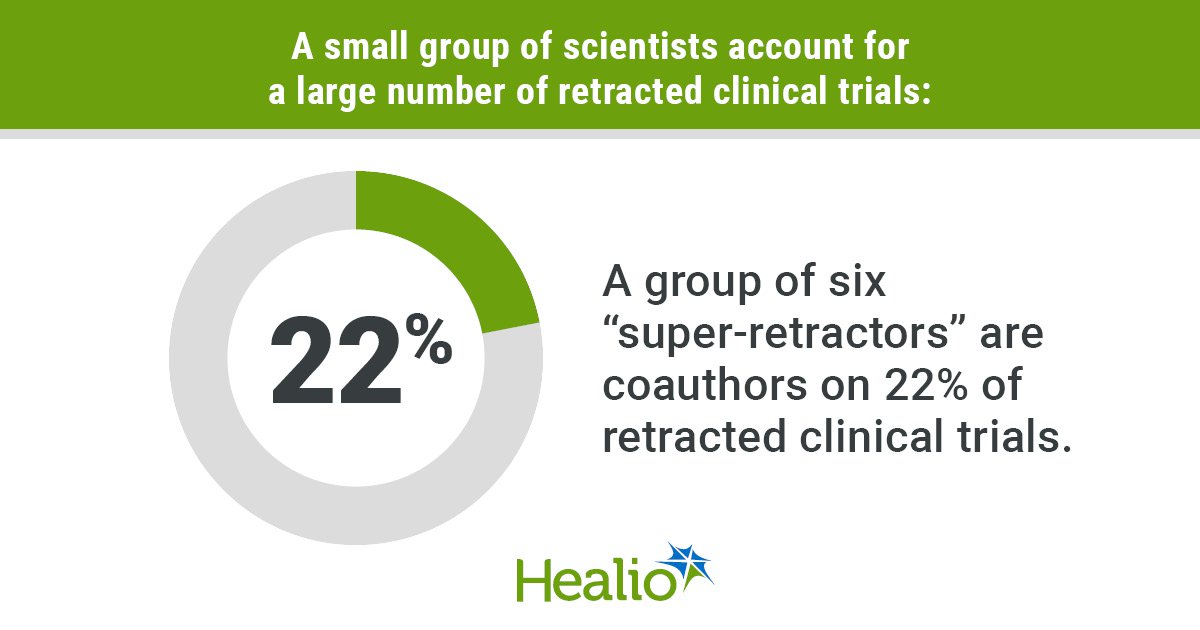
Add topic to email alerts Receive an email when new articles are posted on Please provide your email address to receive an email when new articles are posted on . “ data-action=”subscribe”> Subscribe We were unable to process your request. Please try again later. If you continue to have this issue please contact customerservice@slackinc.com. Back to Healio Key takeaways: More than 20% of retracted clinical trials can be linked to a group of six “super-retractors.” Fraudulent data can have a widespread impact on guidelines and practice. A substantial number of retracted randomized clinical trials can be linked to a small group of scientists, results of a retrospective cohort study showed. Six “super-retractors” have coauthored more than 20% of retracted randomized clinical trials. Additionally, a group of top-cited scientists in their respective fields who have at least 10 retractions have coauthored 25% of retracted randomized clinical trials. Data derived from Lyu C, et al. JAMA Netw Open. 2026;doi:10.1001/jamanetworkopen.2026.7424. Altered or fabricated data from these sources have lasted significantly longer in the literature than retracted trials that did not come from these sources. Ioana Alina Cristea “The literature is much more unreliable than we realize,” Ioana Alina Cristea, PhD, clinical psychologist and meta-researcher at University of Padova in Italy, told Healio. Investigating fraud In 2025, Chang Xu, PhD, executive director at Shanghai Eastern Hepatobiliary Surgery Hospital, and colleagues published findings from VITALITY Study I in The BMJ, which detailed the widespread impact retracted randomized trials could have on future research. They found retracted trails contaminated 157 guideline documents. “Retracted trials had a substantial impact on the evidence ecosystem,” Xu and colleagues wrote. The Committee on Publication Ethics (COPE) has provided guidelines for editors on when retractions should be made, including if there is “clear evidence of major errors, irregularities in the data or images, or any form of misrepresentation [fraud, identity theft, or fictitious authorship] that compromise the reliability of the findings.” However, trials meeting those guidelines frequently are not retracted, according to study background. One investigation of 95 randomized controlled trials showed 25% had some concerns and 6% had serious concerns, but only two of those trials had been retracted. “It’s really difficult to say precisely that this is grounds for retraction or this is grounds for correction,” Cristea said. “Journals themselves are not consistent with each other.” Retraction Watch keeps an updated “leaderboard” of authors who have the most retractions. Cristea and colleagues investigated how impactful the most retracted authors are to research using the VITALITY cohort of 1,330 randomized controlled trials. They used the data to produce three categories of scientists: super-retractors, who have the most retractions on the Retraction Watch leaderboard; scientists in the top 2% or 100,000 of their field based on citations throughout their careers who have at least 10 retractions; and top-cited scientists in their field in 2024 who had at least 10 retractions. Retractions could not be due to editor or publisher errors. “We are trying to get at fraudulent and fabricated data,” Cristea said. Authorship and characteristics of retracted clinical trials served as the primary endpoint. ‘Contamination chain’ Researchers identified 30 super-retractors, 163 top-cited career-long scientists and 174 top-cited authors in 2024. Super-retractors made up 9% of the career-long cohort and 5% of the recent-year cohort. Overall, six super-retractors coauthored 22% of retracted randomized trials. Of those trials, 18% included multiple super-retractors. Those six super-retractors were either in anesthesiology (n = 3) or endocrinology (n = 3). In the career-long cohort, 18 scientists coauthored 25% of retracted trials. That group of authors also included five super-retractors. A super-retractor was a coauthor on 84% of this group of retracted trials. The most common fields for those 18 scientists included anesthesiology (n = 4) and cardiovascular system and hematology (n = 4). In the recent-year cohort, seven scientists coauthored 4% of retracted randomized trials. Retracted randomized trials that included a super-retractor had a significantly higher likelihood of being published earlier (median, 2000 vs. 2020, P < .001), retracted earlier (median, 2013 vs. 2023; P < .001), having longer time between publication and retraction (median, 5,111 days vs. 482 days; P < .001), and having more citations (median, 21 vs. 5; P < .001). Likewise, retracted randomized trials that included top-cited career scientists with at least 10 retractions were significantly more likely to be published earlier (median, 2001 vs. 2021, P < .001), retracted earlier (median, 2014 vs. 2023; P < .001), have longer time between publication and retraction (median, 4,748 days vs. 469 days; P < .001), and have more citations (median, 24 vs. 4; P < .001). “These six super-retractors in our study are very well known, and each of them was researched independently,” Cristea said. “The top-cited scientists with over 10 retractions are perhaps even more worrying, particularly because this is a dynamic list. Maybe next year there will be more of these top-cited scientists who still receive the benefit of being influential researchers, but keep accumulating retractions for reasons that are not errors or mistakes of the journal.” Researchers acknowledged study limitations, including only analyzing trials that had been retracted. “We are just looking at what we know,” Cristea said. “Some fields, like anesthesiology and endocrinology, were more scrutinized. Others were not scrutinized at all. Maybe there are a lot of super-retractors or a lot of people whose papers should be retracted because the data are unreliable, and we have no idea.” Investigations into these fields are critical, she said. “There may be fields that have not had this alarm call for a number of reasons,” Cristea explained. “Maybe people expect findings to be divergent. Maybe nobody has taken the time to watch.” Cristea also noted the importance of analyzing the impact top-rated scientists with a lot of retractions have had on the literature. She encouraged clinicians and researchers to take extra time evaluating studies before implementing them into practice. “Even findings that look very good and reliable from

Top 10 Low-Impact Exercises for Effective Pain Management
Dealing with pain can be quite a challenge, but it’s important to remember that exercise can help ease that discomfort. However, it’s not a one-size-fits-all kind of deal because we’re all unique, right? So, low-impact exercises are the way to go if you’re looking to find some relief from that pain without overdoing it on your body. Whether you’re contending with chronic pain or an injury or aiming to maintain an active lifestyle, here is a comprehensive list of the top 10 low-impact exercises. Swimming Swimming is a fantastic exercise that takes the weight off your joints. The buoyancy of the water reduces impact while providing resistance to strengthen muscles. It also promotes flexibility and range of motion, making it ideal for those with arthritis or joint pain. The rhythmic movement of swimming can be soothing, helping to alleviate discomfort and reduce stress. Cycling In addition to being enjoyable, cycling is also a kinder sport for the joints. It’s an excellent method to work your leg muscles and enhance cardiovascular health, whether you like to ride a stationary bike or take a leisurely spin outside. People with knee or back problems may adjust the resistance to change the intensity of their workout. Yoga Yoga combines gentle stretches, controlled breathing, and relaxation techniques, making it an ideal low-impact exercise for pain relief. It enhances flexibility, balance, and mindfulness, helping you manage physical and emotional pain. The poses can be modified to accommodate various abilities and limitations, ensuring safe and effective practice. Yoga places a strong emphasis on mindful breathing. Pranayama techniques teach you to control your breath, which calms the mind and enhances oxygen flow to muscles and tissues. Deep, rhythmic breathing can be especially beneficial for reducing tension and pain. Walking One of the easiest and most efficient activities for pain management is walking. It works out the entire body while being easy on the joints. A brisk walk helps enhance joint flexibility, circulation, and the release of endorphins, which act as natural painkillers. Anyone can participate since the pace can be changed to suit individuals of different ages and fitness levels. Tai Chi Tai Chi is a graceful martial art focusing on slow, flowing movements and deep breathing. This ancient practice improves balance, reduces stress, and enhances body awareness. Its low-impact nature makes it particularly beneficial for individuals with chronic pain conditions such as fibromyalgia and back pain. It gently strengthens muscles and joints while promoting relaxation. Tai Chi is not just an exercise; it’s a journey of self-discovery and holistic well-being. It provides a sanctuary from the fast-paced world, allowing you to slow down, reconnect with your body, and find inner peace. It is renowned for enhancing balance and stability, making it particularly beneficial for older adults. Regular practice can reduce the risk of falls and improve confidence in daily activities. Pilates Pilates is a core-strengthening exercise method that emphasizes precise movements and controlled breathing. It targets the muscles that support your spine, which can be especially helpful for individuals with back pain. Pilates can improve posture, stability, and overall body awareness, reducing the risk of future injuries. It is a mind-body discipline that requires intense concentration. Each movement is performed with full awareness, and the mind is encouraged to be present in the moment. This mental aspect helps improve focus and reduce stress. Elliptical Training Elliptical machines provide a moderate alternative to traditional running or jogging. They provide a complete-body workout that is gentle on the joints because of their gliding motion. This exercise frequently gives people the impression that they are working less hard than they actually are, in contrast to high-impact workouts, which can feel torturous. This can be tremendously motivating for people who wish to exercise effectively without feeling as though they are pushing their bodies to the limit. By modifying the resistance and incline, you may customize your elliptical workout to meet your fitness level and pain threshold. Resistance Band Exercises Resistance bands are versatile tools for strength training. They allow you to work on muscle strength without heavy weights or high-impact movements. These bands have various resistance levels, making them suitable for individuals at different fitness stages. You can perform various exercises, targeting specific muscle groups while minimizing joint stress. Water Aerobics Participating in water aerobics classes offers an enjoyable approach to working out, lessening the strain on your joints. This form of exercise seamlessly merges the advantages of conventional aerobic routines with the distinctive characteristics of water, rendering it a superb option for individuals spanning various age groups and fitness proficiencies. It provides an avenue for staying physically engaged while maintaining a gentle approach to preserving one’s bodily well-being. Water resistance ensures simple movements like walking or leg lifts become efficient exercises, toning muscles from head to toe. It is also excellent for strengthening the core, making it a great choice for improving posture and stability. Gentle Stretching Simple, gentle stretching exercises can be highly practical for pain relief. Regular stretching routines improve flexibility, reduce muscle tension, and increase blood flow to affected areas. Focus on stretching the muscles around your problem areas and hold each stretch for 20-30 seconds without bouncing. Incorporating stretching into your daily routine can help prevent pain from recurring. Effective Pain Management When managing pain, including low-impact activities in your regular regimen can make all the difference. Numerous advantages of these workouts include better general health, lower stress, and increased flexibility. Before beginning any new workout program, especially if you have underlying medical concerns, you should speak with a healthcare provider. You may make considerable progress toward a more pain-free and active life with the correct counsel and dedication to keeping active. Are you ready to take control of your pain and regain your quality of life? Pain Treatment Centers of America specializes in pain management, and we’re committed to providing you with the relief you deserve. But we’re more than just a healthcare provider—we’re your partners in pain relief. Contact us at (844) 215-0731