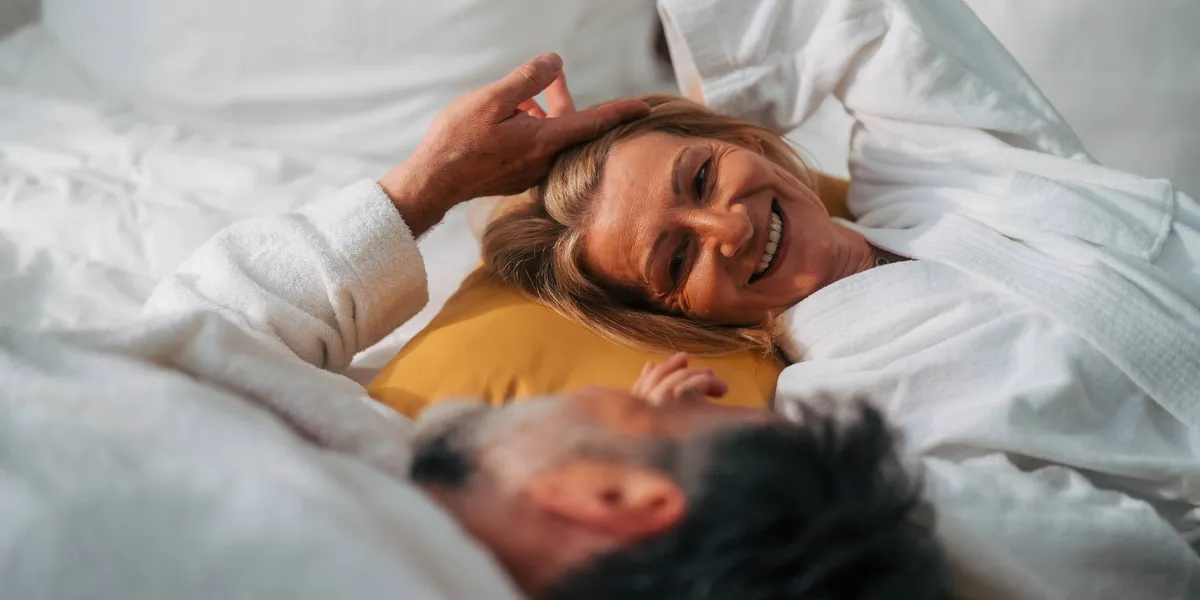

In recent years, the G-spot has been the subject of more headlines than Taylor Frank Paul or Taylor Swift combined. For good reason: This long-misunderstood, once-controversial erogenous zone can facilitate some freaking pleasurable play. If you’ve still got questions, fear not. We’re breaking down everything you need to know about G-spot stimulation, including expert tips and the best G-spot sex positions to try tonight. What (and where) is the G-spot? Short for the Grafenberg spot, the G-spot is that magical area located about two inches inside the vaginal opening on the anterior (front) upper wall, closest to your tummy, explains Gigi Engle, a COSRT-certified sex and relationship psychotherapist, author of Kink Curious. When you’re aroused, this ball of tissue swells and can become highly sensitive when stimulated. Whether via body part or toy, when stimulated through penetrative play, it can create a tingling effect and/or a feeling of fullness that some pleasure-seekers enjoy, she says. Related story From Friction Burns to Falls, Sex Injuries Are More Common Than You Think It’s important to note that the G-spot is less of a button and more like “the whole zone of the top of the vaginal wall,” says Tara Suwinyattichaiporn (aka Dr. Tara), PhD, a sex and relationship coach, sex expert on TikTok, and professor of relational and sexual communication at California State University Fullerton. It’s best understood as part of a larger internal pleasure network that includes the internal structures of the surrounding erectile tissue, the urethral sponge, and the Skene’s Glands, Engle tells SheKnows. How to stimulate your G-spot during sex The G-spot is relatively shallow (aka not deep in the vagina), and generally responds best to consistent pressure, per Engle. So, the secret sauce for stimulating the G-spot—and maybe even facilitating a full-blown G-spot orgasm—is to marry shallow penetration with pressure. Sex toys with a curved shape and bulbous tip do well to stimulate this erogenous zone, as their unique shape makes it easy to maintain contact with the front vaginal wall, says licensed clinical social worker and AASECT-certified sex therapist Shamyra Howard, PhD, CST, LCSW. Vibrating G-spot toys will transmit vibrations deep into this erogenous zone and deeper clitoral network, she says. Meanwhile, options made from heavier materials like stainless steel or glass can also increase that pressure, since they naturally exert more weight than lighter silicone toys. While the G-spot often responds well to firmer stimulation, “for the best experience, this area should be approached slowly, gently, and gradually increasing in intensity,” sex coach Jenna Switzer tells SheKnows. It isn’t until you’re already aroused that the G-spot fills with blood, which makes it both easier to find and more sensitive, she explains. Going from zero to pressure can feel uncomfortable at best and painful at worst. That said, even with proper warm-up you may not go goo-goo ga-ga over having your G-spot stimulated. “This area has a ‘hit or miss’ vibe to it,” says Switzer. While some people “may experience an increase in lubrication, intense orgasms, and/or ejaculation (aka squirting),” others find stimulating this area uncomfortable or unpleasant. Others still don’t feel much different at all. “Some people experience it as erogenous and some do not — just like some of us enjoy having our feet rubbed and others find foot rubs annoying,” Jess O’Reilly (aka Dr. Jess), PhD, Astroglide’s resident sexologist, tells SheKnows. The Best G-Spot Sex Positions Ready to explore your G-spot? These expert-approved sex positions are designed to give you the best angle, depth, and control for maximum pleasure—whether you’re hoping to squirt, intensify your orgasms, or just mix things up. Not every position will work for everyone, but they’re a great place to start for beginners looking to explore this sensitive area or seasoned veterans ready to shake things up. And of course, as with all sex and sexual positions, be sure to give your partner plenty of feedback and modify the positions as needed. A version of this story was published in October 2018. Lifted Missionary Image Credit: Sasha Purdy/SheKnows That’s right, this classic can moonlight as a G-spot sex position with one simple tweak. Just like traditional missionary, the receiving partner lies on their back while the penetrating one lies over them. The difference? The bottom partner places a pillow or wedge under their butt, which lifts the hips and changes the angle of the vaginal canal. Why it’s great: Placing a pillow under the receiving partner’s hips “tilts the pelvis so that the penetrating part is naturally angled toward the front vaginal wall,” explains Engle. The result: Anything that enters the body is much more likely to rub directly against the G-zone, she explains. Coital Alignment Technique (CAT) Image Credit: Sasha Purdy/SheKnows Its name might be a mouthful, but if shallow, sustained stimulation is your thing, you will love this G-spot sex position. Coital Alignment Technique (CAT) requires the same set up as missionary: The receiving partner lies on their back, while the penetrating partner gets on top. The difference lies in how the top partner moves once inside. “Rather than thrusting in and out, the penetrating partner shifts their body slightly higher so their pelvis rests against the bottom partner’s vulva,” explains Engle. From there, the top partner rocks side to side while keeping their bodies closely connected. Why it’s great: “This technique keeps pressure directed toward the G-spot area and the internal clitoral structures more broadly,” explains Engle. Unlike fast, jack-rabbit-esque thrusting, this steady contact can feel more pleasurable for people who prefer pressure over intensity or depth. Rider on Top Image Credit: Ashley Britton/SheKnows. Save a horse, ride a cowboy with G-spot position, which puts the person with the G-spot on top. Start with the penetrating partner leaning at a 45-degree angle against a wall, couch back or headboard. Next, the other partner saddles up, straddles them, and lowers down. Why it’s great: “Sitting on top of a partner may be the best way to stimulate your G-Spot, as you can control the angle of penetration,”
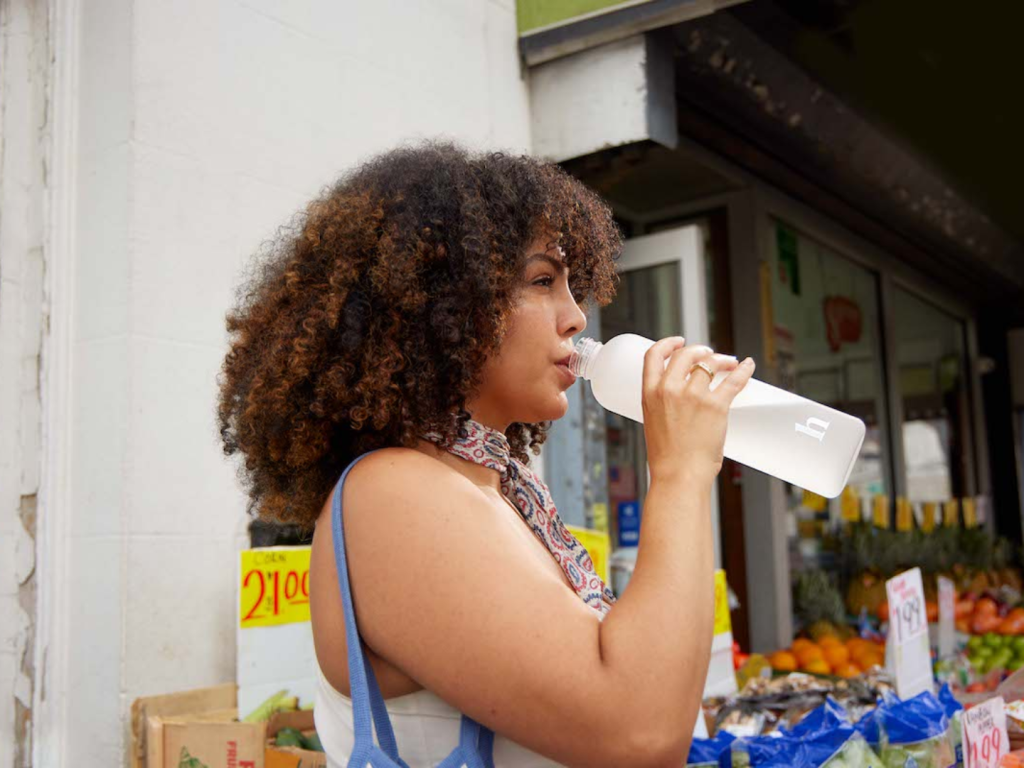
Hers Is Making Popular GLP-1 Injections Affordable — Starting at $39
If you purchase an independently reviewed product or service through a link on our website, SheKnows may receive an affiliate commission. Turning to medications to help you reach your weight loss goals was once taboo, but with new advancements and telehealth platforms offering options such as Wegovy, Ozempic, and other treatments available online, it’s now a welcome tool for achieving weight loss. The only downside? These medications can cost a small fortune each month, and often require insurance. That’s why platforms like Hers offers a new model that makes GLP-1 injections and oral medication accessible, affordable, and straightforward. Not familiar with Hers? Hers is a telehealth program that provides personalized weight management plans and a comprehensive approach to weight loss, offering accessible medication options — including GLP-1 injections, oral weight loss medications, and compounded medications—at affordable prices. The platform combines prescription medications with in-app support from clinicians to help you achieve your health goals. Whether you’re looking for GLP-1 Injections, oral weight loss medications, or compounded medications, Hers makes it a breeze to obtain the medication best tailored to your needs. Ahead, learn more about Hers’ plans and medication pricing. Related story The Brand Famous for Designer Fashion Dupes Makes the Best Greens Powder—So You Can Stop Overpaying for Yours Learn more about Hers here. How the Program Works Hers’ weight loss programs operate on a subscription-based model, making medication costs affordable and accessible. Recently, the platform introduced a new membership model, which now features “a new, personalized approach to weight loss, combining FDA-approved medications with expert-led care and ongoing support, all delivered online,” per the brand. Now, customers can access Wegovy in two formulations: the FDA-approved oral Wegovy Pill or the injectable Wegovy Pen. These flexible options are available without insurance requirements. Before starting a prescription, you will complete an intake appointment — an initial online assessment that helps Hers understand your medical history and lifestyle. Available Medications Hers offers a variety of weight loss medications tailored to every budget and lifestyle. Below, see a quick list of its available options. GLP-1 Injections: Wegovy (semaglutide) and Zepbound (tirzepatide).Oral Medications: Bupropion, Metformin, Topiramate, Naltrexone, and Vitamin B12.Compounded Medications: More affordable, no-brand-name alternatives that offer lower costs. Cost Breakdown Hers’ new model includes a membership that helps keep costs transparent and affordable, with no surprises like those others experience on other weight loss platforms. Here’s how it works: – Hers users pay $39 for the first month, then $149/month thereafter– The Wegovy Pill starts as low as $149/month– The Wegovy Pen costs as low as $199/month The membership includes: – 24/7 access to messaging with licensed providers– A dedicated Care Team– Unlimited dosage adjustments– Personalized Weight Loss Care– Continuous provider access– Ongoing plan adjustments– Guidance across nutrition, movement, and sleep habits What the Reviewers Say Hundreds of Hers users report success with the platform. “Through my weight loss experience, I’m hoping to gain long-lasting results that I can maintain even after I get off the GLP-1,” one shared. “I chose Hers because it’s a brand that I’ve used in the past and it’s a trusted brand that I feel confident with.” “My family has a history of Type 2 diabetes,” another wrote. “While my doctor was in favor of prescribing Ozempic to me, it wasn’t covered by insurance. Thanks to Hers, I could access treatment. I am so happy with my results!” If you’ve been searching for an approach to achieving your weight loss goals without any success, head to Hers today. Its impressive reviews and affordable treatment plans make achieving your health goals even more accessible. About the Author Taylor Lane is a contributing commerce writer at SheKnows, covering beauty, style, and lifestyle. With over eight years of media experience, she previously served as a beauty writer at The Zoe Report and a fashion assistant at Glamour. Her work has appeared in StyleCaster, The FlowSpace, WWD, Forbes Vetted, Teen Vogue, InStyle, and more, where she’s tested hundreds of products — from top-performing mascaras to the most functional strollers. She’s also a mom of two girls, a ten-year-old and a 4-month-old. And when she’s not online, she’s usually at Pilates. Before you go, check out our slideshow below: Source link
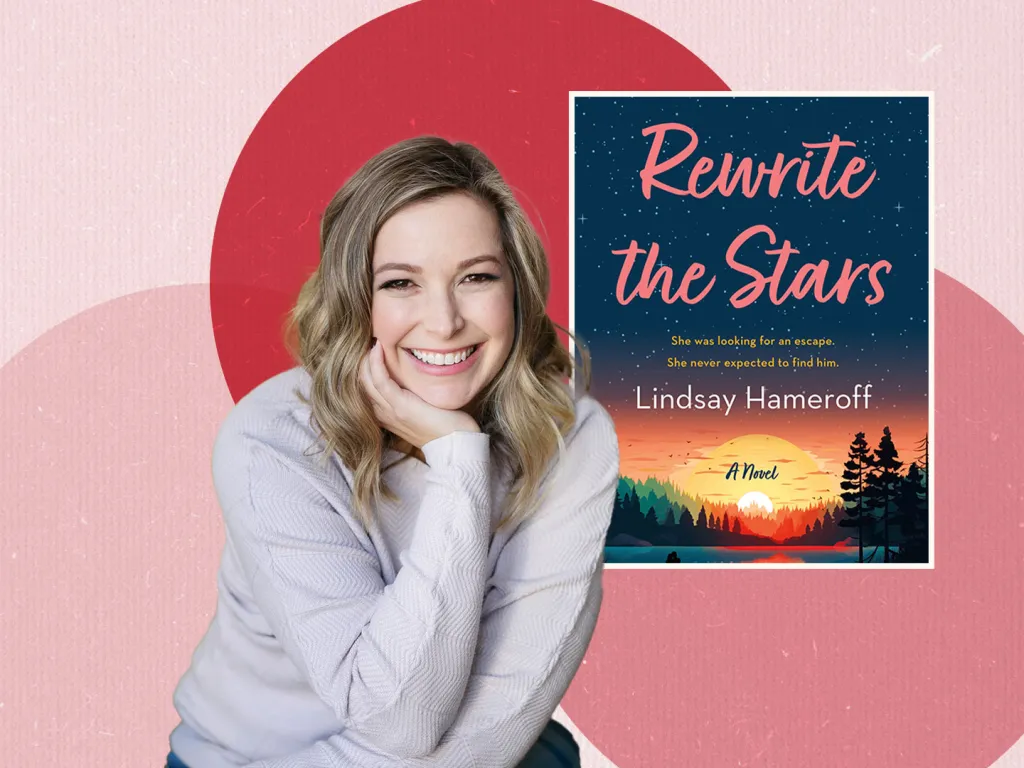
Author Lindsay Hameroff on ‘Rewrite the Stars’ & Autism Representation
If you purchase an independently reviewed product or service through a link on our website, SheKnows may receive an affiliate commission. This isn’t the first time Lindsay Hameroff considered writing a character with autism. Hameroff has two children on the spectrum, and she was midway through her first book when her youngest was diagnosed. She thought about how she might include a side character with autism, mapping out where he might slot into the story, before realizing it wasn’t the right fit. “[My review group] told me, ‘You don’t want to take that opportunity and make it feel tokenized,’” she tells SheKnows. So, Hameroff waited until the time was right — and now, she says she’s glad she did. In Rewrite the Stars, out July 7, Marissa Morgan is a divorced Hollywood starlet and mom to two kids, one of whom has autism. When Marissa’s famous ex-husband gets back together with his famous first wife (yes, the Ben-Jen-Jen love triangle was the inspiration), she decamps to the Pocono Mountains with her kids, craving an escape from the media circus. Related story The Brand Famous for Designer Fashion Dupes Makes the Best Greens Powder—So You Can Stop Overpaying for Yours The novel centers on the sweet romance between Marissa and Jesse, the childhood friend-turned-carpenter working on her house, but Marissa’s role as a mom is what sets everything in motion. As her ex reunites with his old flame and the paparazzi swarm Marissa’s house, “she is very stressed out about the impact it’s going to have on her children,” Hameroff explains. That anxiety is what prompts her to leave Hollywood for Pennsylvania. “What sets the novel into motion,” Hameroff says, “is a decision she makes for the welfare of her kids.” It was Hameroff’s first time writing from the perspective of a mother, but she says it felt natural. Writing Levi, Marissa’s autistic child, though, came with some nerves. “The representation needs to feel right,” she remembers thinking. “It needs to feel authentic.” Rewrite the Stars: A Novel Hameroff drew heavily from her own parenting experience. She also got inspiration from bestselling author Kennedy Ryan, whose novel This Could Be Us includes a character whose son has autism. Hameroff picked Ryan’s brain about writing a neurodivergent caregiver and “she sort of gave me the confidence to go for it,” Hameroff says. But Ryan also advised her that “people are very sensitive about certain aspects of autism,” Hameroff recalls. “So, I was very nervous about it.” There are many aspects that feel true to life about Levi’s character — because they are. Hameroff’s son, for example, once went through a phase of only eating miniature Eggo waffles, a detail Hameroff borrowed for Levi. “Autism is a spectrum,” Hameroff notes. “It’s going to be different for everybody, but this is one snapshot of one lived experience.” Other details are pulled from real life, too. When Marissa talks about Levi’s diagnosis with other parents, their responses echoed real conversations Hameroff had. “People meant well, but they said things that felt like a gut punch,” Hameroff recalled, like, “‘This is every parent’s nightmare. We’re so sorry this is happening to you.’” The true-to-life details and emotions made Rewrite the Stars the most difficult book Hameroff has written. Some days, she says, working on the book felt like pulling teeth because it was so close to to her heart. The pressure of representation was also heavy. “Writing this book was very therapeutic,” Hameroff says, “but at the same time, knowing that I was writing about something that people were going to relate to — being a single mom, a divorced mom, and a caregiver for children and children on the spectrum — I felt a responsibility to really get it right.” The early reviews are trending in that direction. “The feedback I’ve gotten about the representation and parenting has been, ‘I feel seen, and I relate to this,’” Hameroff says, “and that is exactly what my goal was for this book. I wanted to write a love letter to other moms.” Source link
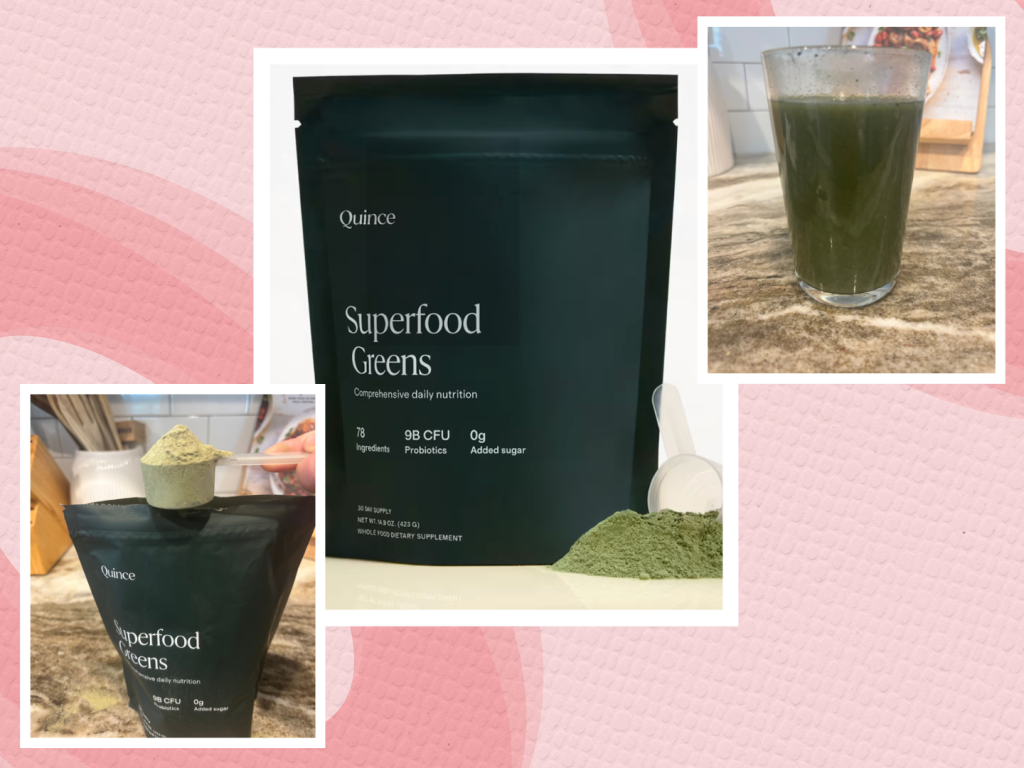
Quince Superfood Greens Review: Why I Ditched My Pricey Greens for This Mix
If you purchase an independently reviewed product or service through a link on our website, SheKnows may receive an affiliate commission. As a busy mom of two, I often miss my nutrition goals, especially when it comes to greens. That’s why I’ve been taking a daily greens powder for the past two years. Before having my second daughter in December, I relied on a popular (and pricey) greens powder as part of my supplement routine. After transitioning into the postpartum period, I decided to explore new formulas to find those that best fit my current needs. For the past few weeks, I’ve been putting Quince’s Superfood Greens to the test. It’s packed with over 78 nutrients and vitamins that help improve digestive and immune health. Ahead, learn more about the green powder and my honest thoughts on its formula. Related story Here’s the Special Code You Can Use Today for Early Access to Tory Burch’s Extra 25% Off Semi-Annual Sale What Are the Benefits of Quince’s Superfood Greens? Greens powders “act as an insurance policy for your diet,” according to UCLA Health. Quince’s Superfood Greens is designed to help fill nutritional gaps, minimize bloating, support a healthy immune response, and sustain energy and focus. The powder is science-backed and expertly sourced for optimal absorption, potency, and nutrient density per Quince. Additionally, this greens mix also helps to promote healthy aging and supports bones and joints. What Ingredients Are the Superfood Greens Made With? Quince’s Superfood Greens powder is packed with 78 nutrient-rich vitamins, minerals, antioxidants, adaptogens, probiotics, and superfoods. Its main ingredients include: Adaptogens and antioxidants: This blend features a pea protein isolate, tart cherry, vitamin K2, artichoke leaf, dandelion leaf, ginseng, hawthorne berry, milk thistle, organic ashwagandha root, organic rosemary, policosanol, and rhodiola rosea. Superfoods: There is also organic wheatgrass, organic apple, organic barleygrass, spirulina, organic chlorella, parsley, coconut oil, acacia fiber, organic beetroot, organic broccoli, organic spinach, lycium berry, organic kale, acerola cherry, bilberry fruit, and more. Vitamins and minerals: The powder also includes a handful of vitamins such as vitamin C, potassium, calcium, vitamin E, magnesium, niacin, zinc, pantothenic acid, thiamin, vitamin B6, riboflavin, vitamin A, folate, manganese, biotin, copper, vitamin D3, chromium, vitamin B12, and selenium. Digestive complex: This proprietary complex includes Astragalus root, bromelain, burdock root, reishi mushroom, and shiitake mushroom. 9B CFU probiotics: This probiotic supplement is important for gut health and contains 9 billion colony-forming Units per serving, supporting digestive health. Quince notes on its website that Superfood Greens is also crafted with natural flavors, monk fruit, and Reb M, and is made in a facility that processes soy, fish, shellfish, milk, peanuts, tree nuts, wheat, eggs, and sesame, for those with allergies to be aware. Plus, it’s free from preservatives, GMOs, fillers, and 12 major allergens. Photo: Taylor Lane My Honest Thoughts on the Superfood Greens After trying five green powders in two years, this one surprised me. Not only do I appreciate its nutrient-dense formula, but also its refreshing, lightly sweet taste with a hint of pineapple, which washes away the earthy aftertaste left by other powders. Although this blend has a subtle flavor, it’s made without any added sugar, artificial flavors, stevia, or sugar alcohols to preserve its integrity. Beyond its enjoyable flavor, it mixes like a dream — I initially used a hand mixer the first week, but quickly realized a spoon works just as well, leaving no noticeable chunks and making it easy to enjoy daily. Photo: Taylor Lane In week two of testing Superfood Greens, I’ve already noticed results. I’m six months post partum, and I’ve been dealing with uncomfortable bloat that won’t budge. I attribute it to hormonal shifts and my body getting back on track, but after a week of the greens, I haven’t had any extra bloating or uncomfortable cramps. My 3 pm crash has disappeared since I started the greens mix. Every day at that hour, I typically need a cup of coffee or a quick power walk to get some energy back, but since drinking the greens, I’ve had an energy boost. I haven’t made any other changes that could explain the change, and my baby isn’t sleeping any more hours at night, so this is a huge win! The Bottom Line Quince’s Superfood Greens will remain in my daily routine. The benefits after two weeks, paired with its affordable cost, make it worth stocking up on. Each bag offers a 30-day supply for $40, while others are priced around $100. You can easily add it to your routine. Just scoop once daily, combine with 8 to 12 ounces of water, and stir until dissolved. Its formula is gentle on the stomach, so you won’t need to take it with food. I’m looking forward to seeing what benefits Quince’s Superfood Greens provides after a full month of taking the daily greens, and I will be sure to update this article. In the meantime, you head to Quince to try the greens now and see for yourself. About the Author Taylor Lane is a contributing commerce writer at SheKnows, covering beauty, style, and lifestyle. With over eight years of media experience, she previously served as a beauty writer at The Zoe Report and a fashion assistant at Glamour. Her work has appeared in StyleCaster, The FlowSpace, WWD, Forbes Vetted, Teen Vogue, InStyle, and more, where she’s tested hundreds of products — from top-performing mascaras to the most functional strollers. She’s also a mom of two girls, a ten-year-old and a 4-month-old. And when she’s not online, she’s usually at Pilates. Before you go, check out our slideshow below: Source link

Flesh-Eating Bacteria Is Increasing. Here’s How to Keep Kids Safe
As the weather gets warmer and coastal waters heat up, it feels like the perfect time to bring your family to the beach. Unfortunately, with those rising water temperatures come a proliferation of bacteria that can cause illness and, in some cases, life-threatening symptoms. We’re talking about Vibrio vulnificus, often called a flesh-eating bacteria, which experts say is showing up earlier than usual this year. There have already been eight confirmed cases in Florida so far, up from five this time last year, according to radio station WUSF. Related story 13 Symptoms of Meningitis You Need to Know If You’re Parenting Teens Depending on how you contract Vibrio vulnificus (more on that later), it can lead to necrotizing fasciitis, where the skin around an infected wound starts to die — hence why it’s often called a “flesh-eating bacteria.” However, you can also swallow it with undercooked shellfish, which can lead to serious gastrointestinal symptoms as well. It sounds like enough to keep you away from the beach (and oyster bars) for good, but it’s not always that simple. With the summer heat officially here and the bacteria lurking in the water where we go to find relief, how can keep yourself—and your little ones—safe? What is flesh-eating bacteria (Vibrio vulnificus)? Vibrio vulnificus is a bacterium found naturally in coastal waters, says Sukrut Dwivedi, DO, the infectious disease section chief at Hackensack Meridian Ocean University Medical Center. We see cases spike during warmer weather—specifically in May through October—because the bacteria multiplies rapidly in warmer water, Dr. Dwivedi explains, which increases the odds of exposure. “The highest number of infections typically occur from late spring through early fall,” he explains, “particularly along Gulf Coast and Atlantic coastal regions.” What to do if you suspect an infection There are two primary ways you can get infected with Vibrio vulnificus: Eating raw or undercooked shellfish, especially oysters from warm waters Exposing open wounds or skin breaks to contaminated coastal or brackish seawater, or raw shellfish juice or drippings (Note that this bacteria is not transmitted from person-to-person.) Symptoms of this bacterial infection can vary. Gastrointestinal symptoms include: Watery diarrhea Stomach cramps Nausea Vomiting Fever Chills Symptoms associated with wound infections include: Redness Swelling Pain Warmth Discoloration Blisters Ulcers at the site Rapid progression to necrotizing fasciitis Infection can also impact the bloodstream, which can present as: Fever Chills Low blood pressure or shock Blistering skin lesions in extremities Confusion Healthy people that contract Vibrio vulnificus may only deal with a mild illness, Dr. Dwivedi says, but the infection can still progress to severe levels — and those with an underlying condition like chronic liver disease or diabetes are at much higher risk. About 1 in 5 people with severe Vibrio vulnificus infections die, he adds, sometimes within just one or two days. Others may need extensive surgery or amputation. That’s why it’s important to know the signs and to seek medical attention immediately if you or a loved one start showing symptoms after possible exposure. Make sure to tell the provider immediately that you have been in contact with seawater or have eaten raw seafood. People with Vibrio vulnificus will typically be treated with antibiotics, surgical removal of infected tissue, or amputation when necessary. Early treatment, Dr. Dwivedi says, can significantly improve survival outcomes. “You should not wait for a Vibrio vulnificus infection to go away on its own,” he emphasizes. “It can be fatal quickly.” Why is Vibrio vulnificus on the rise? Vibrio vulnificus can lead to serious illness, so it’s no wonder health experts are sounding the alarm that it’s on the rise. Cases in the eastern U.S. have increased eightfold between 1988 and 2018, according to the American Society of Microbiology, a trend we can likely attribute to global warming. As waters along the coasts get warmer, “both the geographic range and seasonal window during which these bacteria can thrive” is expanding, says Dr. Dwivedi, who noted that Vibrio vulnificus is now being detected farther north than we would historically see, including in the Northeast. “Warmer-than-average coastal water temperatures likely play a role.” He points out the cases in Florida as an example. They’re spread across both the Gulf and Atlantic coasts rather than in one spot, so health officials believe the spike is due to “broad, climate-driven environmental changes,” Dr. Dwivedi says, “rather than a localized contamination event.” How can I keep my kids safe? Keeping your family safe from Vibrio vulnificus should be top-of-mind if you live or are vacationing near warm coastal waters — or if you’re planning on eating shellfish any time soon. Here is Dr. Dwivedi’s advice: Avoid contact with seawater and brackish water if wounds are present. This includes open or scabbed wounds, skin breaks, or recent piercings, tattoos, or surgery. “If contact cannot be avoided,” he says, “protect any wounds with a waterproof covering.” Wash wounds and cuts thoroughly after possible contamination. This includes any contact with saltwater, brackish water, raw seafood, or shellfish. Make sure to use soap and water! Avoid feeding children raw or undercooked shellfish, especially oysters. If you or a loved one has underlying conditions like liver disease or diabetes, avoid raw oysters entirely. Check local beach advisories and water quality postings. Do this before you get in the water and especially after heavy rain or storms, which can make bacteria levels spike. Keep up with current guidance. Check the CDC’s information page on Vibrio vulnificus and your state health department website for the most up-to-date information. Source link
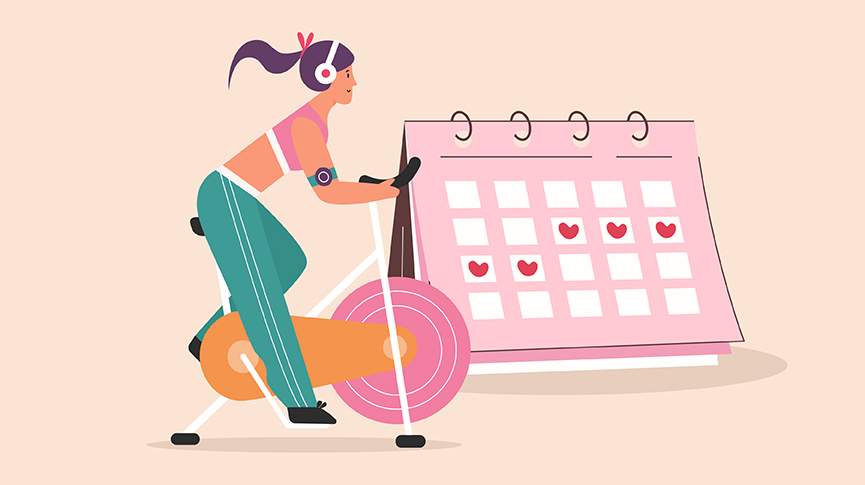
Why You Should Consider Cycle Syncing Workouts
Gym girlies have to deal with something daunting to the burliest bodybuilders: Our periods. If you feel weaker or more tired at certain times of the month, you’re not alone. Your menstrual cycle affects sleep, mood, bone health, energy, and metabolism, so depending on which stage you’re at in the menstrual cycle, your body may feel up to different tasks. Being in tune with your body and where you’re at in the menstrual cycle can aid in rest and recovery, helping you reach your fitness goals. Here’s how your body changes throughout the menstrual cycle, and why you may want to consider cycle syncing workouts. The Four Phases of Your Menstrual Cycle Your menstrual cycle is driven by two main hormones, progesterone and estrogen, and as levels of these hormones rise and fall in the body, they impact many other processes in your body that can affect exercise. Let’s break down the four phases of your menstrual cycle: The Menses Phase The menses phase begins on the first day of your “period,” aka when you start bleeding. If pregnancy hasn’t occurred, the unfertilized egg is shed, along with the lining of your uterus, through your vagina with waste blood. The Follicular Phase This phase overlaps with the menses phase and ends when you ovulate. Estrogen rises in the body, thickening the uterine lining. Another hormone – literally called follicle-stimulating hormone (FSH) – causes follicles in your ovaries to grow, and one of these follicles will develop into a fully mature egg. Ovulation After an egg is formed, a surge of luteinizing hormone (LH) pushes your ovary to release the egg into the uterus in a process known as ovulation. The Luteal Phase The egg leaves the ovary and starts traveling through your fallopian tubes to your uterus. Progesterone rises in the body to prepare your uterine lining for pregnancy; if pregnancy doesn’t occur, progesterone and estrogen levels drop and your body enters the menses phase again, shedding the thickened uterine lining. Best Exercises for Each Phase One often under-discussed aspect of female training is the importance of pelvic floor strength. A strong pelvic floor functions as the base of the core, manages intra-abdominal pressure, prevents leakage, and supports pelvic organs when performing high-impact activities such as running or lifting. Pelvic floor strength fluctuates as you go through your menstrual cycle, which is why you may struggle to hit new PRs during certain phases after crushing it the week before. Though testosterone is the gym buzz word associated with strength, in people with menstrual cycles, estrogen actually promotes muscle strength, while progesterone relaxes the muscles in preparation for pregnancy and causes your pelvic floor muscles to feel weak. Generally, most people feel weakest during the menstruation phase (days 1-7) when hormones are at their lowest, and strongest during the luteal phase (days 21-28). By cycle syncing workouts, you can take advantage of days where your pelvic floor muscles are strongest and energy levels are highest. Understanding why you don’t feel as up to intense training during the luteal phase can (weaker pelvic floor muscles mean less stability!) can be helpful for mitigating overtraining or injury. Menstrual Phase (Days 1-5) Energy levels are typically low during the menstrual phase. A dip in estrogen and progesterone can cause your pelvic floor muscles to weaken, and you may feel fatigued. If you feel tired during this phase, don’t push it; take a rest day, or stick with light activities like stretching or walking that get the blood flowing without compounding fatigue. If you have a heavy menstrual flow, make sure you’re eating enough iron to compensate for blood loss. Follicular Phase (Days 6-13) You’ll typically feel better during this phase as energy levels increase with estrogen levels, making it a good time to hit that Crossfit class or tack on some hill springs. Your pelvic floor should be feeling good, as rising estrogen levels enhance strength, muscle tone, and coordination. Ovulation Phase (Days 14-17) This is the time to try for a new deadlift PR or record swim time – estrogen and testosterone levels peak in the body during ovulation, heightening muscle tone and coordination. Luteal Phase (Days 18-28) Rising progesterone levels during the luteal phase can start slowing you down, especially later on in the cycle approaching your period. This is why you may feel extra fatigued or crampy the days right before your period starts. If you tend to feel especially tired towards the end of your cycle, try to focus on activities involving more pelvic floor strength like high-intensity strength training or cardio in the earlier days of the luteal phase, before progesterone levels peak. You can plan your lower-intensity Pilates or yoga classes for the end of the luteal phase. Every Body Is Different While hormonal fluctuations during your menstrual cycle can influence training and exercise, it’s important to remember there’s no way to pinpoint your exact hormone levels. Tracking your period and knowing what stage you’re probably at is a general guide, and the most important thing is to listen to your body and how it feels. There’s no rule saying everyone with a cycle absolutely SHOULD lift hard during the luteal phase, or that you have to take days off during the menstrual phase. Many of us already find it difficult to fit exercise into our busy schedules without having to organize around our menstrual cycles. Unfortunately, people with cycles are underrepresented in sports and exercise studies, where the majority of the research focuses on male participants or doesn’t account for menstrual cycles. Cycle syncing isn’t an exact science, but understanding how your menstrual cycle can impact exercise performance should help you give yourself a little grace on the days you mysteriously can’t lift as well as previously, or to explain why certain times of the month you feel like superwoman. Source link

Natalie Morales on Alzheimer’s and Caregiving
CBS correspondent Natalie Morales is 54, the same age her mother-in-law was when she received a devastating Alzheimer’s diagnosis. So when Morales experienced a memory lapse while on a recent work trip, she couldn’t help but fear the worst. “I’m very well aware of when I have a memory lapse, whenever there’s a word I can’t think of,” Morales told USA Today in an interview this week. “Or if, you know, I know this person but… I can’t think of their name.” On her trip, Morales forgot her hotel room number, spending minutes on the wrong floor tapping her key card against doors. “Oh my gosh,” she remembered thinking. “Either I’m overworking, or I don’t know what’s going on. Maybe I’m having perimenopause brain.” Of course, the thought of dementia also ran through her mind. Her mother-in-law, Kay Rhodes, died in 2014 after living with Alzheimer’s for years. Related story Olivia Munn Describes ‘Surreal’ Breast Cancer Diagnosis: ‘I’d Seen This in Movies’ Morales doesn’t have dementia, but fearing it is understandable — once we get to a certain age, it’s hard not to. That’s especially true when it’s impacted your loved ones. “I think she was always a little bit afraid of getting that diagnosis,” Morales said of her mother-in-law. “And there was a little bit of that denial, although I think she knew better than anyone what she was feeling.” The first signs, Morales remembers, were her mother-in-law having trouble completing tasks and repeating herself while speaking, along with anxiety and paranoia. Rhodes’s struggle with Alzheimer’s also impacted the rest of the family. Rhodes’s husband was her primary caregiver and Morales says he felt the impact physically, emotionally, and financially. “With a lot of caregivers, you know, the more they invest in someone else and in that care, they lose themselves in that,” Morales reflects. Now that Morales herself has some of those same Alzheimer’s fears, she’s both accepting and optimistic about the future. “We are at that age where these are things that we have to talk about and think about a lot more,” she said. But thanks to medical advancements, there are now more treatments than ever for people with dementia, including new medicines, better testing, and drugs that stop Alzheimer’s triggers. “The outlook,” Morales agrees, “is so much more positive now.” Source link
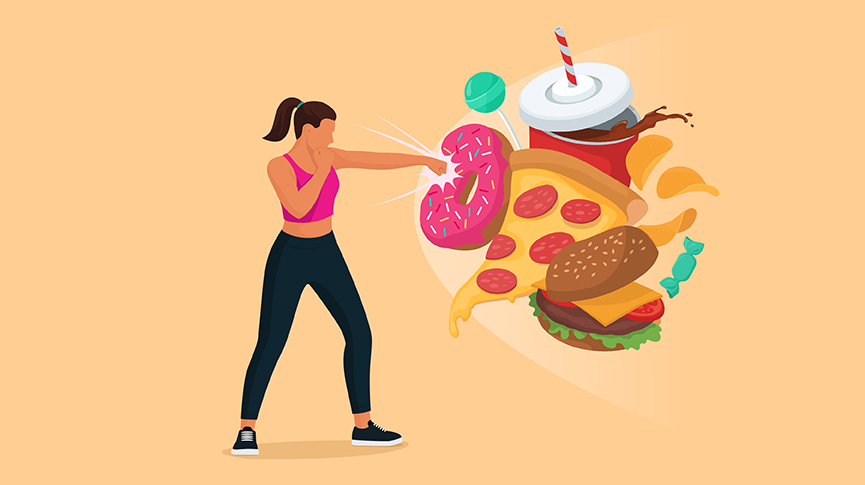
Nutrition for the Luteal Phase: Fighting Cravings and Bloat
Feeling crampy, bloated, and ravenous right before your period? During the luteal phase of the menstrual cycle, hormonal surges and dips can cause unpleasant symptoms such as spikes in appetite and water retention. If period cravings are driving you to devour every empty calorie in sight, here are some luteal phase diet tips to ensure your body gets the nutrition it needs to fuel your activities and minimize discomfort. Why Do I Get So Hungry During The Luteal Phase? The luteal phase of the menstrual cycle happens around day 15 to 28 of the cycle. This is the run-up phase after ovulation, beginning after an egg is released into the uterus and lasting until either the egg is fertilized (pregnancy) or shed through menstrual bleeding. Since your body is essentially preparing for a pregnancy, several hormonal shifts occur which can have you reaching for that second bag of chips or wanting to demolish a whole chocolate cake. Estrogen Goes Down Estrogen is a hormone that suppresses appetite and boosts mood. In the days leading up to your period, estrogen levels fall, which can lead to mood swings and increased hunger. Progesterone Dominates Progesterone stimulates appetite – perhaps so your body is properly fueled in case pregnancy occurs – and while progesterone levels go down right before menstruation, lower levels of estrogen means progesterone becomes the dominant hormone. Depleted Serotonin Serotonin, aka our “happy hormone,” also goes down around this time. The “comfort” in comfort foods comes from how consuming high-carb, sugary foods triggers a rush of serotonin, making them extra tempting – especially when annoying PMS symptoms like fatigue, bloating, cramps, and irritability are compounding the period blues. Scrambled Satiety Hormones Ghrelin and leptin are hormones that tell our body when it’s hungry or full. Fluctuations in progesterone and estrogen also interact with ghrelin and leptin, messing with our satiety cues and spiking appetite. Your Metabolism Rises, Slightly Resting metabolic rate (RMR) is the amount of energy your body uses at rest. Studies have found a small increase in RMR during the luteal phase, potentially due to a progesterone-driven increase in body temperature. This means that you may be burning slightly more calories than normal at certain times of the month. However, the increased calorie expenditure is minute – closer to an extra protein bar or avocado than the family-sized bag of chips you may be craving. Best Foods To Eat PMS cravings are a natural part of menstruation. There’s nothing wrong with curling up in bed with a box of chocolate once in a while, but it’s also important to give your body plenty of nutrients to balance PMS symptoms like bloating and fatigue. Here’s what a nutrient-rich luteal phase diet can do for your PMS symptoms: Stabilize your blood sugar, helping you keep mood and energy levels up Ease bloating by reducing water retention and inflammation Help your body produce and regulate progesterone production Boost serotonin levels Help you cramp less Magnesium-Rich Foods Magnesium is the MVP of PMS nutrients, helping reduce water retention, muscle cramps, and sleep issues. Studies have found that supplementing magnesium can actually reduce PMS symptoms like anxiety and irritability. Some good sources of magnesium include: Pumpkin seeds Dark chocolate (stick to chocolate with 70% cacao or more for your chocolate cravings!) Leafy greens like kale and spinach Nuts like cashews, almonds, and brazil nuts Bananas Avocados Legumes like black beans and edamame Support Your Hormones with Vitamin B6 Vitamin B6 supports progesterone production and acts as a coenzyme in the synthesis of neurotransmitters like serotonin. Eating plenty of Vitamin B6 can help regulate the period blues that come with decreased serotonin. Good sources of B6 include: Lean chicken and turkey Fish and seafood like salmon, halibut, and tuna Organ meats like liver are particularly high in vitamin B6 Starchy vegetables such as sweet potatoes, yams, and different types of squash Spinach Tropical fruits like pineapple and mango Nuts and seeds like pistachios, sunflower seeds, and chia seeds Pairing Calcium and Vitamin D To Reduce PMS Symptoms Low levels of vitamin D and calcium can exacerbate PMS symptoms. Research shows how a high combined intake of vitamin D and calcium can ease bloating, mood swings, and pain. Calcium-rich foods: Dairy products like greek yogurt, kefir, and cottage cheese Almonds Dark leafy greens Fortified plant milks Edamame and tofu Almond While vitamin D is difficult to get from food alone, going for a walk in the sun or taking a supplement can help. Foods containing vitamin D include red meat, oily fish like salmon and sardines, and egg yolks. Low-Inflammatory Recipes for Period Prep As anyone who has had to work, run errands, or take care of children knows, life doesn’t pause for your period. Having a game plan when tackling the luteal phase can help you pack in the necessary nutrients for a smoother period. Eating a combination of complex carbs, plenty of protein, and fiber to support digestion (period constipation is real!) will keep energy levels up and ease mood swings. Here are some meal ideas to combat inflammation and keep energy levels up when you most need it. Steel-Cut Oats with Yogurt, Chia Seeds, Greek Yogurt, and Honey The complex carbs in oats keep your blood sugar levels steady and boost serotonin production. Greek yogurt is full of protein, keeping you fuller longer and away from processed snacks! Fiber and probiotics will boost digestion – Progesterone can slow digestion during the luteal phase, which is why some people feel constipated right before their period. For an extra anti-inflammatory boost, add a spoonful of omega-3 rich chia seeds, which helps with cramps, and soothe that sweet tooth with honey (natural antioxidant). You can even add some dark chocolate to replenish serotonin. Tofu, Edamame, and Chopped Kale Salad Edamame beans are a great source of protein, calcium, and omega-3 fatty acids. For an easy, no-cook salad, buy frozen packets of edamame and shell into some hot water to thaw. If you have trouble
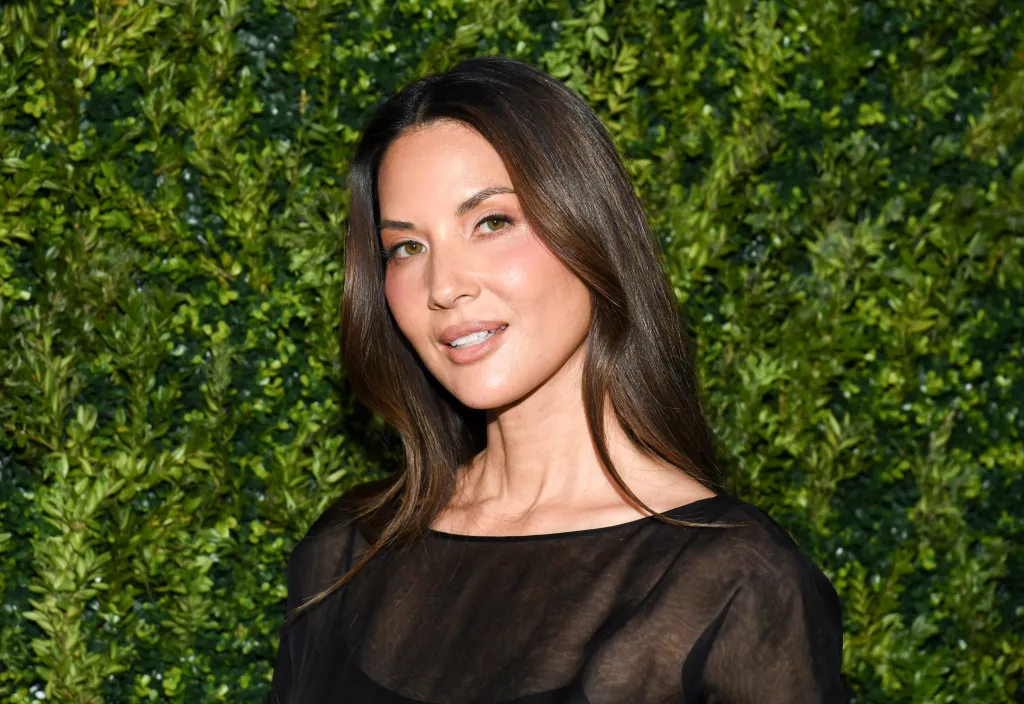
Olivia Munn Tells Hoda Kotb Breast Cancer Diagnosis Felt Surreal
At first, Olivia Munn‘s breast cancer diagnosis didn’t feel real. In fact, in a weird way, it felt familiar. “I’d seen this in movies,” Munn told Hoda Kotb on the Joy 101 podcast on June 10. “I was like, oh, I’ve seen this when someone sits down and they go, ‘It’s cancer.’ You watch it from a third-person perspective.” Then, all of a sudden, Munn said she realized this was happening to her, not a character on screen. “It was very surreal,” she said. “As it’s happening, it feels like I’m in a movie. But the same time, my brain is like, ‘Be here, right now.” Related story Natalie Morales Concerned About Alzheimer’s After a Family Member Died from the Disease: ‘We Are at That Age’ Munn was diagnosed with breast cancer in March 2023, at age 42, after her OB-GYN calculated her Breast Cancer Risk Assessment Score and recommended she have additional screening. The actress had just welcomed her first child, Malcolm, in 2021, and had been planning her second with now-husband John Mulaney when she got the diagnosis. “It’s a huge marker,” Munn said, reflecting on that moment. “When somebody goes back and tells the story of your life, you think it’s going to be one way, and all of a sudden, there’s a fork in the road.” After she got through the initial out-of-body moment, Munn remembers getting “really focused,” a mindset she would stay in throughout treatment. She learned she had Luminal B cancer, and aggressive and fast-moving breast cancer, which they later found to be in both breasts. From there, Munn says, “it was off to the races.” She had a double mastectomy just 30 days later. Through the whole ordeal, she says, she only cried twice: right before the double mastectomy, and a week after, when she saw herself with tissue expanders — empty breast implants not yet filled with liquid or air. (“I didn’t recognize myself,” she explained previously on the SheMD podcast.) Munn also admits she was afraid of freezing her eggs amidst her diagnosis, as the hormones taken during the process can further stimulate some types of cancer. (Per Breastcancer.org, fertility doctors who specialize in working with cancer patients can customize the medication regimen to protect the body from high estrogen levels, while still stimulating the ovaries to produce eggs.) For Munn, though, it was about an acceptance of fear and a decision to not let it run her life. “I realized then that I think I’ll be afraid for the rest of my life,” she explained. With cancer, “we always have to look over our shoulder” in case of a recurrence. “I had decided that I can’t choose where the fear wants to be and wants to sit… You might be sitting in the passenger side, you might be sitting in the back, but it’s going to be in the car of my life.” Munn was set on having a girl, no matter how many rounds it took — and, as her doctor told her, “the numbers aren’t on our side.” But then “the dream” happened: two healthy embryos developed after her first egg retrieval, and both were baby girls. “My daughter Méi Méi’ is one of those two,” Munn said. She and Mulaney welcomed Mèi June in September 2024 via surrogate. It was quite a journey, from that surreal moment of diagnosis to a double mastectomy to today, with Munn telling Kotb about an idyllic home life with her husband and two kids. And, Munn says, she found a new calling along the way: advocating for women to calculate their Breast Cancer Risk Assessment Score, the test that resulted in her early diagnosis and successful treatment. “I had no idea when I talked about it, that it would be so far- reaching and help so many people, and but that was my goal,” Munn said. “That’s what I wanted… [I thought] if I do it right, maybe I could really make a difference.” Source link
How To Track Basal Body Temperature (Step by Step)
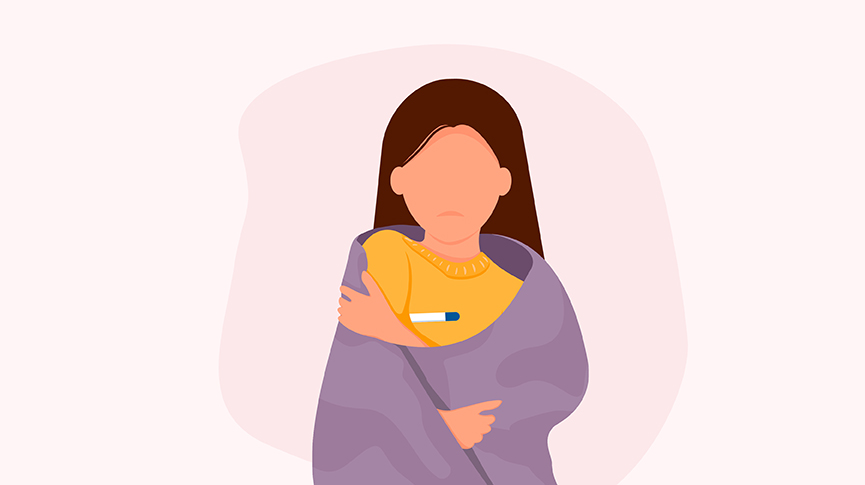
Basal body temperature, or BTT, is your lowest body temperature at rest on any given day. For people who have periods, fluctuations in hormone levels – particularly the hormone progesterone – causes BTT to increase slightly. BTT tracking is a way of gauging your fertility window, letting you know what days of the month you’re most likely to get pregnant if you have sex. Other than family planning, tracking your BTT can help you more accurately link each stage of your cycle to how you’re feeling, confirm the timing of ovulation, and provide a more comprehensive view of your body’s natural rhythms. How Does Your Cycle Affect Basal Body Temperature? Your BTT changes through each stage of your cycle, increasing after ovulation and decreasing right before ovulation. Follicular phase: During the pre-ovulation (follicular) phase of the menstrual cycle, the average adult female basal body temperature typically falls around 97.0 – 97.5°F (36.1°C to 36.4°C). This is the beginning of your cycle, when estrogen dominates. Ovulation: In the 1-2 days leading up to ovulation, there’s a small “dip” of about 0.5°F (0.2°C). This is the lowest BTT in your cycle. Luteal phase: Progesterone levels rise as your body prepares itself for potential pregnancy, increasing resting body temperature by 0.4°F to 1.0°F (0.2°C–0.5°C) to a higher range of roughly 97.6°F to 98.6°F (36.4°C–37°C). End of cycle: If pregnancy doesn’t occur, progesterone levels drop and BTT goes down. Your body sheds the unfertilized egg and uterine lining through what we call the “period.” If pregnancy does occur, BTT remains elevated. Ovulation Fever vs. Illness Do you ever feel like you’re coming down with the flu in the days leading up to your period? If you consistently feel achy, tired, and a little feverish during that time of the month, it may not just be an (in)conveniently timed cold – you may be experiencing “ovulation fever.” During the luteal phase, your body releases chemical messengers called prostaglandins. Prostaglandins are the same chemical messengers your body produces when you’re sick to combat bacteria and viruses. When you start your period, prostaglandin released in the uterus lining raises your body temperature, causing a low-grade fever. Prostaglandin combined with low estrogen levels and the rise in BBT due to ovulation may mimic flu-like symptoms such as fatigue and pain. PMS symptoms vary widely from person to person, and researchers are still finding out new things about “ovulation fever.” Keeping track of your hormonal cycle can help you figure out what times of month you’re most likely to feel tired, and whether or not you’re really sick. Remember: Cyclical body temperature changes are generally subtle, and if your body temperature spikes significantly or remains high past your period, it’s time to see a doctor. Why Should I Track My BTT? You may be thinking: I’m super careful about using condoms, and I’m not trying to get pregnant. Why should I track my BTT? Cycle tracking is a way of gauging your hormonal health, providing real-time data on hormonal fluctuations, which may be responsible for a range of symptoms, from irregular menstrual cycles and fatigue to weight changes and irritability. The average person experiences their period in a 21 to 35-day cycle, but this range (which is already quite broad) can vary. BTT offers a more specific way to measure your bleeding patterns; If your periods have never been very regular, tracking your BTT helps you figure out when your next period will be and plan accordingly (you may want to reschedule a swimming outing on days after the “dip,” for example). BTT patterns may also be a predictor of hormonal health. For example, research shows that consistently low BTT readings correlate to an underactive thyroid. If your BTT patterns are all over the place, it could indicate hormonal conditions such as polycystic ovary syndrome (PCOS), stress-induced fluctuations, or perimenopause. Understanding your hormonal patterns can key you into potential problems and when to seek medical intervention. How To Track BTT: A Step-by-Step Morning Routine Tracking your BTT requires consistency and a solid sleep schedule. Keep in mind that your basal body temperature can be affected by various factors, such as: Stress Illness or fever Not sleeping well, or sleeping more than usual Substances like alcohol Certain medications Travel, especially across time zones Gynecologic disorders You’ll need a thermometer specifically designed to measure basal body temperature and measures to two decimal places for accuracy. Most BTT thermometers can be inserted under the tongue, though there are also vaginal or rectal options. Here’s how to track BTT: 1. Take your temperature at the same time each day, when you first wake up. Our body temperature is the lowest right when we wake up in the morning, and increases with activity. Make sure to take your BTT immediately upon waking, before you sit up, drink water, or go to the bathroom. Always take your temperature using the same methods as close to the same time every day as possible. 2. Track the numbers. Use a chart or tracking app to record your daily basal body temperature. There are several apps designed for this purpose which can provide useful visual aids. 3. Look for a pattern. You should see a clear pattern emerge over a few months; ovulation should be occurring on the days your BTT rises slightly. Be patient – self-measuring is prone to human error, and it may take some time before you get a regular pattern. Hormones Should Be Cyclical, Not Exact We’re not robots, and sometimes a night out or stress can confuse your readings. However, if you’re fairly consistent in your habits, and spot clear changes in your BTT over months of tracking, it may be a sign of hormonal disturbance. Knowing how your hormones impact the way you feel can help you understand your body and provide valuable insight to your doctor in case of concern. Source link