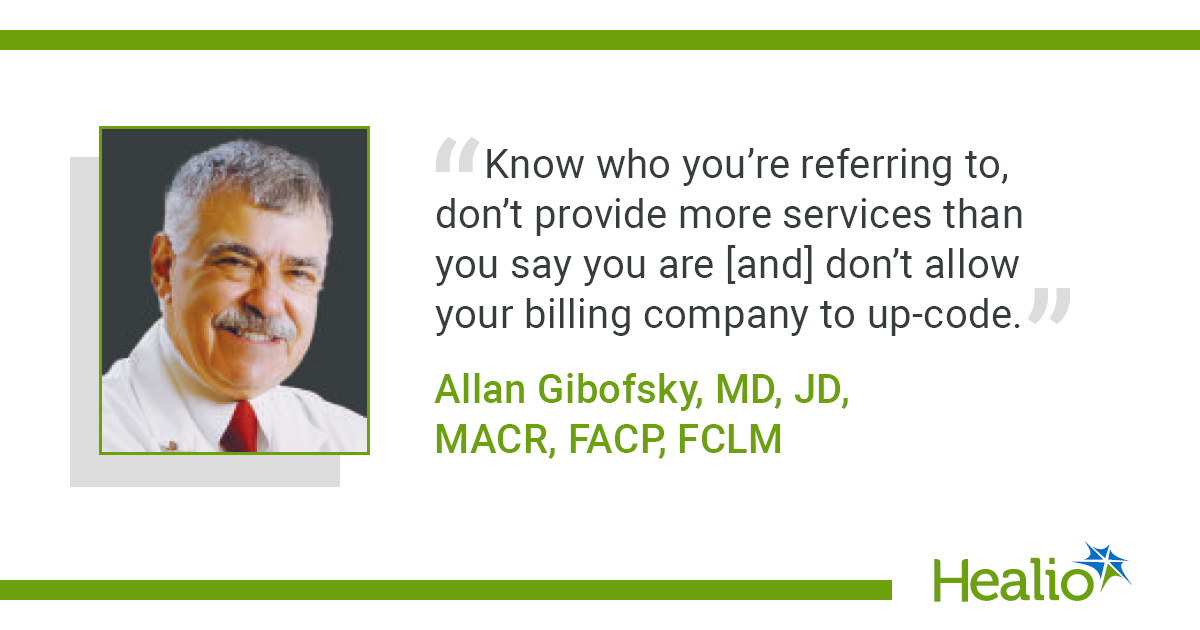
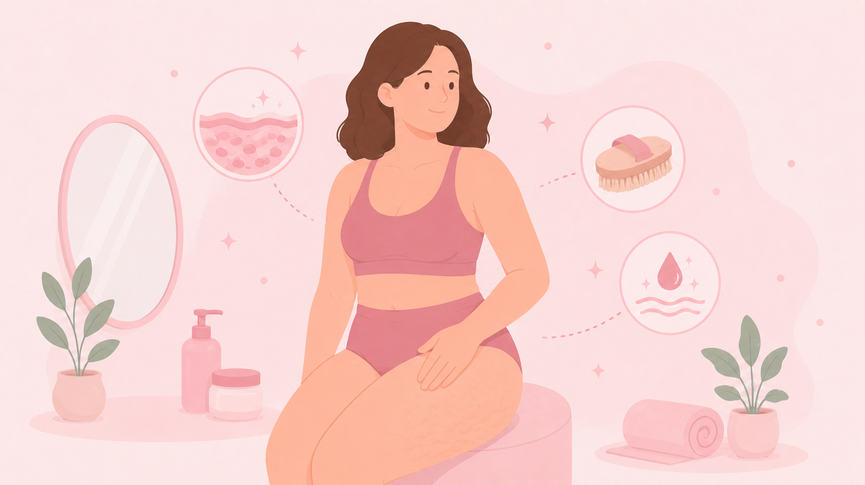
With the arrival of good weather, something almost ritualistic happens: we put away our coats, and dresses, shorts, and skirts reappear… along with the shame of having cellulite. That “orange-peel skin” is present in 80% to 98% of women starting from puberty (regardless of size, age, or lifestyle) while it appears in only about 10% of men. Understanding how cellulite works will allow you to decide what to do with your body without guilt or pressure, based on information rather than judgment. This article explains why it appears, what factors worsen it, and which habits actually help improve its appearance and prevent it. Why Women Have More Cellulite Than Men Cellulite is an aesthetic alteration of the subcutaneous tissue in the buttocks, thighs, hips, or abdomen, which is due to the following factors: Hormones: Estrogens (the main female hormone) stimulate lipogenesis (fat storage), hinder lipolysis (fat burning), slow down microcirculation, and promote fluid retention, which in turn increases swelling and deteriorates microcirculation. This is why cellulite affects men less and appears or worsens during times of marked hormonal changes (such as puberty, pregnancy, premenstruation, or menopause). Connective Tissue: Women have a different connective tissue structure than men. While in men, the fibrous septa are arranged diagonally or in a cross shape—creating a sort of more resilient “mesh”—in women, the subcutaneous fat lobules are organized in larger vertical chambers, causing fat cells (adipocytes) to protrude toward the dermis. Genetics: Genes determine skin structure, texture, connective tissue distribution, and the tendency to retain fluids. Because of this, if your mother or sisters have cellulite, it is highly likely that you will develop it too. Microcirculation: Microcirculation is the system of the smallest blood and lymphatic vessels responsible for carrying oxygen and nutrients to the skin and removing fluids and waste. When it is slow or inefficient, fluid accumulates (edema), fatty substances deposit (a type of thick, viscous gelatin), the tissue hardens (making the dimples more noticeable), fat cells bulge, and the skin loses elasticity. Other Cellulite Factors Stress When we’re stressed, our body secretes cortisol, a hormone that promotes fluid retention, stimulates fat accumulation (especially in the buttocks, thighs, and abdomen), and increases inflammation, damaging collagen (the structural protein that gives skin firmness and resilience). Additionally, stress activates the sympathetic nervous system, causing vasoconstriction (small vessels narrow, and less blood and oxygen reach the tissues). All of this translates to more lymphatic stasis (the lymphatic system drains poorly and fluids accumulate), as well as tissue swelling and rigidity. On the other hand, this emotional overload often disrupts sleep and drives us toward more sedentary behavior and poorer diet, feeding into a vicious cycle. Smoking Tobacco seriously affects microcirculation (it narrows blood vessels and reduces available oxygen) and damages collagen and elastin (proteins that keep the skin firm and the fibrous septa intact). This causes the walls holding the fat to weaken and the fat cells to bulge out, resulting in the classic “orange-peel skin.” Added to this is the fact that smoking reduces vitamin A levels, an essential nutrient for cellular renewal and skin tissue quality, which makes the skin more fragile and less elastic, allowing cellulite dimples to become more pronounced. Sedentary Lifestyle A sedentary lifestyle is one of the main factors of cellulite. When we spend many hours sitting or inactive, blood and lymph circulate with greater difficulty, promoting tissue rigidity and poorer collagen quality. Additionally, like tobacco, a sedentary lifestyle is often accompanied by other habits that influence microcirculation, such as sleeping worse, snacking on very salty or sugary foods, or spending more time in postures that compress small blood vessels. Diet A sustained diet of very salty, very sugary foods or those rich in poor-quality fats (especially ultra-processed foods, fried foods, trans fats, and products made with refined flours) can worsen cellulite because it aggravates fluid retention, increases inflammation, stimulates lipogenesis, and alters microcirculation. Overweight Cellulite is not an overweight problem (in fact, many thin women have it), but it can aggravate it or make it more visible. On one hand, excess weight increases pressure on small vessels, hindering venous and lymphatic return. On the other hand, it usually increases fluid retention and local lipogenesis (adipocytes grow and push toward the dermis). All of this accelerates lymphatic stasis (drainage slows down and fluids accumulate), increases edema, makes the tissue more rigid, and damages collagen. Cellulite vs. Lipedema Lipedema is a chronic condition that affects women almost exclusively. It is estimated to impact 10–20%, although it is probably more frequent because it is usually underdiagnosed as overweight, obesity, or edema from fluid retention. Its initial appearance can be confused with cellulite, especially in Stage 1, when the skin shows a pattern similar to “orange-peel skin” when pinched. Unlike cellulite, in lipedema, fat accumulates abnormally and progressively in the hips, buttocks, and legs (and in up to 30% of cases, also in the arms), and it is painful to the touch, soft, symmetrical, and resistant to diet and exercise. Like vulvodynia and endometriosis, lipedema is frequently misdiagnosed (in fact, the average time to a correct diagnosis is about 20 years). Twenty years of enduring medical appointments where it is confused with other disorders and ineffective treatments are prescribed. If you notice disproportionate accumulations of fat in your legs, thighs, or hips, along with pain, inflammation, or heaviness, consult a doctor, and if you do not agree with their diagnosis, insist on more medical opinions. Realistic Tips to Improve the Appearance of Cellulite Physical Activity: Fight sedentary habits and engage in moderate exercise that activates circulation (walking, swimming, climbing stairs) to prevent venous insufficiency and promote lymphatic return. Clothing: Avoid very tight clothes and artificial fabrics, as they hinder microcirculation. Also, avoid high-heeled shoes; as we saw in this article, they cause circulatory problems, foot damage, and postural and muscular alterations that can become chronic. Diet: Reduce the consumption of alcohol and discouraged foods, and increase the intake of fruits (watermelon, pineapple), vegetables, foods rich in potassium (banana, avocado, spinach),
Is Pelvic Floor Dysfunction Inevitable for Older Women?
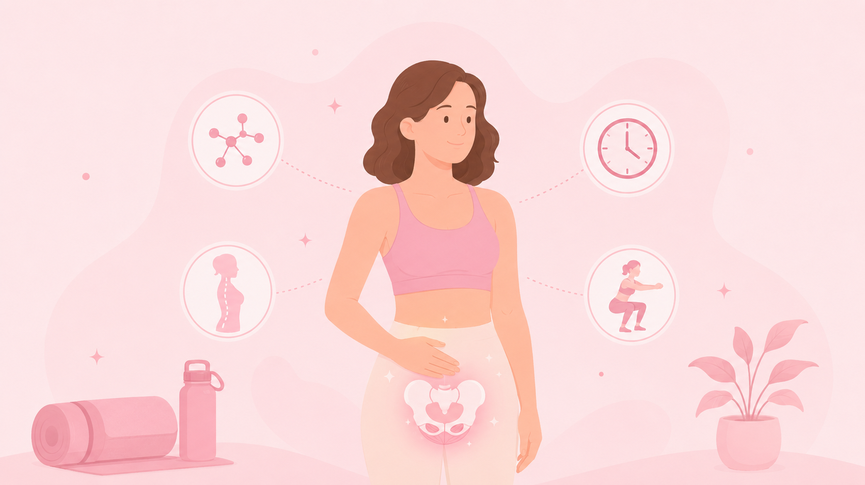
Your pelvic floor muscles are a net-like group of muscles at the base of your pelvis which support your bladder, bowel, and uterus. The pelvic floor muscles contract and relax to allow for these vital functions, and like the rest of our bodies, change with age. Even if you’ve never been pregnant, perimenopause pelvic floor changes can impact pelvic floor strength and function as you go through your 40s. Understanding these changes can help you be proactive about your pelvic health and reduce the likelihood of developing problems later on. How Estrogen Affects Muscle Collagen Perimenopause is a transitional stage before menopause that typically starts in a woman’s late 30s to early 40s, when estrogen production gradually declines. Since estrogen is a key hormone supporting muscle tone and repair, as estrogen goes down, all the muscles in the body weaken and lose elasticity, including your pelvic floor muscles. Some symptoms of lower estrogen during perimenopause include: Pelvic organ prolapse Urinary incontinence Vaginal dryness or discomfort Heavier or irregular periods Disrupted sleep or fatigue Common Pelvic Health Issues After 40 In your 40s, a range of pelvic health issues become more common due to weakened pelvic floor muscles and a range of lifestyle factors. While pelvic health problems are more common in women who have experienced pregnancy and childbirth, it is not the only contributing factor. Weight gain, for example, can put additional stress on your pelvic floor muscles – and as our metabolisms slow with age, it can be difficult to keep the weight off. Fortunately, modern medical intervention can reduce or resolve many severe pelvic floor problems. If any of the health issues described below are causing you distress, or interfere with your daily activities, you should consult with your gynecologist about medical or potentially surgical intervention. Pelvic Floor Dysfunction Pelvic floor dysfunction refers to weak, tight, or uncoordinated pelvic muscles. Common symptoms of pelvic floor dysfunction include: Pelvic pressure, or a feeling of heaviness in pelvic area Occasional urinary leakage or difficulty regulating urination Difficulty with bowel or bladder functions Pain during intercourse Pelvic Organ Prolapse Since the pelvic floor functions as a net separating your lower organs from the vaginal canal, if your pelvic floor muscles weaken enough, the pelvic organs may bulge through. Pelvic organ prolapse is more common in those who have given birth or consistently push on their pelvic floor due to chronic constipation. Symptoms of pelvic organ prolapse include: Lower back pain Vaginal bulging or pressure Difficulty with urination or bowel movements Urinary Incontinence after 40: Why “Sneez-leeing” Happens After a certain age, jokes about peeing when you sneeze are traded among us women like baseball cards. Bladder control issues are one of the biggest issues for women after 40, with the most common being stress incontinence, which is when sudden pressure (such as sneezing) involuntarily forces urine out. Studies show that 30–50% of women over 40 have experienced some form of stress incontinence from activity like exercising, coughing, or laughing. Even though “sneez-leeing” sounds cute, having to worry about peeing when you sneeze or laugh too hard is not. Stress incontinence doesn’t have to be an inevitability and can be addressed through lifestyle, physiotherapeutical, or medical approaches. Some ways to mitigate or reduce mild stress incontinence as you age include: Mindful movement that strengthens your core muscles and improves overall muscle tone such as pilates or yoga Eating enough fiber to reduce constipation, as constant straining can weaken your pelvic floor Staying hydrated and peeing regularly to avoid excess strain Hormone replacement therapy (HRT) to stabilize estrogen levels is also an option for women going through perimenopause and menopause. Discussing HRT with your gynecologist will help you weigh the pros and cons, and whether or not it is the right option for you. Advanced Kegel Routines For Women Over 40 It’s not all bad news for your pelvic floor after 40. The pelvic floor is a muscle, and like all muscles, it can be strengthened through consistent exercise. Kegel exercises, which involve the intentional rhythmic tightening and relaxing of pelvic floor muscles, have been consistently shown in studies to be highly effective at strengthening the pelvic floor and reducing or preventing pelvic floor problems. In one 2014 study, between 27% to 75% of women who practiced regular kegel exercises reported a reduction in SUI. Supervised training is the most effective, which is why success rates span such a wide range. 20-50% of women are unable to properly perform the technique, reducing its effectiveness. If you struggle with Kegels, you should consult your gynecologist, who can offer guidance or recommend a training program using biofeedback technology to ensure appropriate technique. You can also work with a pelvic health physical therapist towards specific goals. Studies show that most women should notice the effectiveness of regular kegels after eight weeks. Kegels To Reduce Reactive Leaks To get rid of pesky “sneez-leeing,” the goal is to control how your pelvic contractions react to sudden pressure. Since you’re aiming to stop leaks, practice in a standing position, as this is when most leaks occur. Perform the following once daily: Contract your pelvic floor muscles for 1 second, and release. Repeat 10 times, working up to 30 quick contractions in a row. Kegels To Improve Endurance Holding the pelvic floor muscle contraction for a longer amount of time will improve the endurance of your pelvic floor for better bladder support. Try the following three times a week to build endurance: Contract your pelvic floor and hold for 3 to 5 seconds, working up to a 10-second hold. Perform 7-10 reps at first, eventually working up to 15-20 reps without pausing. Advanced Exercises For Kegel yogis among us who have achieved “long hold” endurance, you can move onto a more advanced form, preferably with the assistance of a physical therapist who can help you maximize your kegels. Using biofeedback tools such as electronic kegel kits provides data on the exact amount of pressure you are exerting to optimize

I Saw the Future of Women’s Wellness at the SHE Media SXSW Co-Lab
It felt sort of like stepping into a different country, though I couldn’t have been closer to home. What was this place, just 20 minutes from my University of Austin apartment, where experts talked about the future of women’s health and wellness, all while rocking the best business-casual outfits I’d ever seen? This, dear reader, was the SHE Media Co-Lab @ SXSW. As a student studying biology, anthropology, and digital arts and media, when I found out about the opportunity to cover this special event, I knew I had to apply. The description promised a diverse array of panelists covering all aspects of women’s health — from media representation to the biological and social nitty-gritty of wellness — and it delivered. Related story When Everyone in the House Is Hormonal: Navigating Menopause While Raising Teens When I arrived, I joined the other undergraduates and met SheKnows Editor-in-Chief Kat Steinberg. This was my first time attending any sort of panel, and when the speakers and moderators walked in, it felt like being on the set of a late-night show. Once they got going, I was surprised that the moderators were often just as knowledgeable as the speakers — there not just to lead the discussion, but to add to it, with multiple perspectives. Steinberg told us that the SHE Media team had tried their best to make the event as “sticky” as possible — moving things along in a way that helps each speaker “stick” in your mind, while also avoiding burning out the audience. As someone who often has a hard time paying attention to lectures, I can tell you that they succeeded. At the Co-Lab (a witty play on words with “collab” and “lab,” perfect for the trendy, sciency, modern feel of the event), there were guest speakers from all walks of life, each with a unique story to share. We heard the brave, somehow light-hearted yet heavy account of one woman’s battle with cancer. A doctor explained to the audience what endometriosis actually is. And a panel of women in leadership roles at health businesses told us how companies can do a better job making their brand more relatable. I remained immersed in the topic of women’s health even while walking around during breaks, thanks to the many tables displaying new products. As someone from a family in which many women struggle with menopause symptoms, I was glad to learn of all the new technology that was already out there to help. And one of the most impactful moments for me was trying on a VR headset showing a short interactive film about a woman dealing with menopause. I realized that when I get to that age, it will not be nearly as hard for me to go through that experience as it is for women right now thanks to the experts putting in the work right now. As a biology major, I was inspired by the possibility of maybe someday working with some of these amazing people who want to make life easier for women. The progress being made towards the future of women’s health isn’t going nearly as slowly as I thought. And with more support and awareness for the work being done, future generations of women will one day be able to expect much more for their personal wellness. Adah Skaff was born in Austin, Texas and raised between there and Edinburgh, Scotland. A rising senior biology major at UT Austin who is also pursuing a certificate in Digital Art and Media, she loves learning about everything the world has to offer. Source link

Schedule Sex and Other Lessons I Learned at SXSW
As a 20-year-old gay Latino man who’s still in college, the closest thing I’ve experienced to parenting is making sure I don’t lose my gummy-bear flavored vape. But at the SHE Media Co-Lab at SXSW recently, where I joined a crowd of moms and other women firmly in middle age, I was surprised to learn plenty of relevant lessons from the advice doled out by panelists. First was Gabby Reece, former pro beach volleyball player, who had the audience close their eyes and breathe in a calming pattern. I wondered what I’d walked into but must admit that after a few minutes of trying the exercise, I felt peaceful. In fact, I’ve been doing it ever since and can attest to the fact it works and is a much healthier solution than inhaling fruit flavored aerosol or Friday night vodka cranberries. Related story How SHE Media’s SXSW Co-Lab Reframed my Gen-Z Anxieties It seems Reece and I were on the same page in more ways than one that day. “I’m not willing to make my whole life be something that I’m just trying to get through,” she said. “I don’t understand the point of that.” I don’t either — even though I find myself often going through the days just wanting them to be over, wanting to stop being a busy bee at school and instead be at home rotting in bed or drinking out at a bar. But there’s so much more. Reece explained how we often take things for granted, especially the small moments, and I’ve been inspired to touch grass, listen to some birds, and urge others to try it, too. Another amazing woman to hit the purple stage was Emily Morse, American sex therapist and author of “Smart Sex.” Something that stuck with me was her suggestion to start scheduling sex. And yes, I know it sounds unappealing to jot down “blowjobs” under your five o’ clock meeting, but whether you’re a mom of two or a college student with a part time job, most of us have certain needs, and we can’t let the kids’ soccer game or internship applications get in the way of fulfilling them. And by scheduling sex at a time that works for everyone, it both gives us something to look forward to and makes the communication with our partner easier. (Plus, I’m sure Morse wasn’t saying to completely forget about spontaneous sex, which has its time and place — it’s just that setting a time and place can make life just a tad bit easier.) While there was a plethora of panels at the event, those from Reece and Morse were the ones that resonated with me the most. I hope to be a sex and health columnist — basically a new Carrie Bradshaw — and SHE Media’s editor-in-chief Kat Steinberg taught me there is a space waiting for me within the media industry, and that we need more people wanting to cover topics that aren’t always talked about at American family dinner tables. What can I say? I love my veggies with a side of sexual health knowledge. Jorge Espinoza is a senior journalism major at the University of Texas at Austin who has a passion for exploring sexuality and pop culture through reportage — inspired by the amazing (if fictional) columnist Carrie Bradshaw. Source link
How Stress Affects Your Menstrual Cycle & Hormone Levels
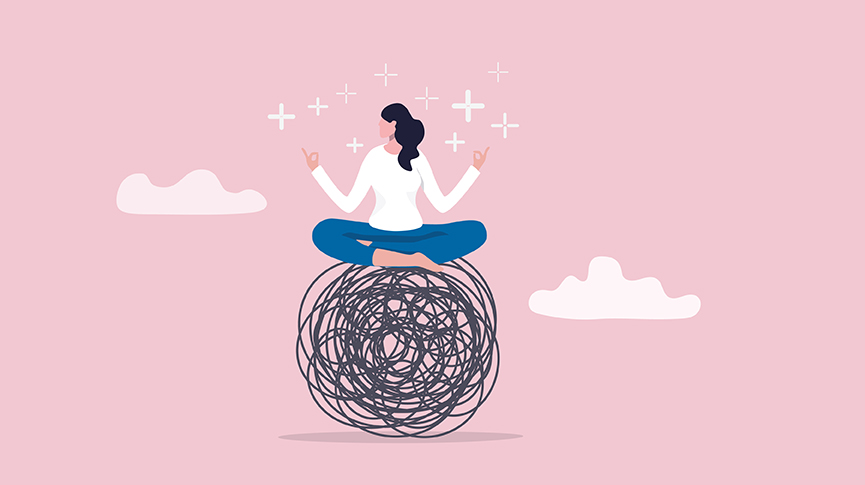
Stress takes a toll on our bodies, and for women, being in a prolonged state of stress can disrupt hormonal cycles and cause irregular periods. If you’ve been experiencing changes to your cycle with no discernible medical cause, the culprit may be stress. Here’s how stress could be messing with your hormones and some tips to take better care of yourself throughout your monthly cycle. How Stress Affects Your Period Emotional, nutritional, or physical stress can alter your hormone levels and reduce the energy you have available for menstruation. The hypothalamic-pituitary-gonadal (HPA) axis, otherwise known as the reproductive axis, regulates hormonal responses to stress. When you’re stressed, the hypothalamus releases corticotropin-releasing hormone (CRH), triggering production of the stress hormone cortisol and impacting the hypothalamic-pituitary-gonadal (HPG) axis, which regulates the release of hormones essential to ovary stimulation. Elevated cortisol levels also cause your body to use more energy. When your body thinks it’s facing a challenge, it prioritizes blood glucose to vital functions like your brain over long-term processes like menstruation. Not everyone experiences menstrual changes when they’re under stress, but some ways stress may affect your period include: Spotting in between periods Longer cycles between bleeding Less or more blood than usual Missing period Unpredictable menstrual cycles Prolonged periods It’s important to consult with your gynecologist if your period has been irregular, or if you have spotting between periods. While stress from a heavy workload or frequent travel can change your cycle, irregular periods and spotting are also common symptoms of a range of conditions from STIs to PCOS (polycystic ovarian syndrome), or even serious problems like cervical cancer. Signs of High Cortisol Cortisol is a hormone produced by the adrenal glands that plays a key role in regulating immune function, metabolism, and the body’s response to stress. Our bodies are designed to handle stress for short amounts of time, but not months of emotional duress and low-grade physical strain, which modern life often entails. Persistently high cortisol levels can lead to a range of health issues such as: Weight gain (particularly around the abdomen) despite unchanged diet – Cortisol promotes accumulation of visceral (belly) fat Sleep problems – Cortisol messes with melatonin, a hormone regulating sleep Mood changes such as anxiety, irritability, or feeling overwhelmed easily – cortisol directly impacts mood regulation Hormone disruption or irregular periods – Cortisol competes with reproductive hormones, leading to reproductive issues Cravings for sugar and high fat foods – Cortisol raises blood glucose as the body goes into “fight or flight,” which over time can increase the risk of developing insulin resistance What Is the “Pregnenolone Steal”? The “pregnenolone steal” is a popular theory in naturopathic medicine that attributes hormonal symptoms to stress. Pregnenolone is the “mother hormone” your body uses to produce progesterone, cortisol, estrogen, DHEA, and testosterone. Since cortisol and sex hormones like progesterone all come out of pregnenolone, the “pregnenolone steal” theory proposes that when you’re stressed, the body uses more pregnenolone to make cortisol than sex hormones, causing symptoms of pregnenolone deficiency such as fatigue, low libido, and irregular cycles. While there is plenty of scientific evidence behind cortisol itself interfering with hormonal function, there is little evidence backing up the theory that cortisol steals raw hormonal material. If you’re concerned about hormonal symptoms, it’s important to consult with your gynecologist. Five-Minute Stress Reduction Techniques To Keep Your Cycle Regular Stress is unavoidable and the only thing we can help control is how we react to it. Understanding how to regulate your body’s reaction to stress can help lower cortisol levels and reduce hormone disruption. Here are some easy ways to get your body out of fight-or-flight mode and keep your cycle regular. 1. Breathing Exercises When we’re stressed, we tend to subconsciously hold our breath, elevating cortisol levels and anxiety. Try these breathing techniques to get oxygen and blood flowing through your body: Deep belly breathing – Slowly inhale through your nose, counting to five, allowing your belly to fully expand. Hold the breath for one second, and slowly exhale through your mouth. 5-finger breathing – Using one hand as a focal point, concentrate on tracing the outline of a hand with your other hand, inhaling as you trace up a finger and exhaling as you trace down. Sighing – There’s a reason why we sigh when things get hectic. Taking a deep, sighing exhale helps your body immediately release tension. 2. Mindfulness Stress causes the brain to fixate on things out of our immediate control as it tenses in anticipation of the next challenge. Mindfully grounding yourself in your body and environment releases this tension and lowers anxiety. Grounding observation – Take in your surroundings in their exact metric. This is a large table, this is a large wooden table, this is a large wooden table that has been here for three years. Identifying things you see, smell, and touch in your immediate environment helps ground you in the moment rather than anticipate unknown problems. Positive visualization – Close your eyes, breathe, and spend five minutes picturing a tranquil space you feel safe in, such as your bedroom, or a beautiful beach. 3. Physical Shifts Fresh air, movement, and environmental changes can do wonders. When you’re feeling particularly stressed at work, try these techniques to release tension. Gentle stretching – Our bodies hold a lot of tension when they’re sitting all the time. Gently stretching or going for a quick walk breaks up sedentary stress and gives you a little endorphin boost as your body thanks you for moving. Unplug – Sensory overstimulation raises cortisol in the body. Close your laptop and turn your phone off for five minutes to center yourself. Conclusion Chronic stress can impact your hormones, resulting in a range of physical symptoms. Managing day-to-day stress effectively can help keep your cortisol levels down so your body isn’t always in fight-or-flight mode. Keep in mind that hormonal issues and irregular cycles are also symptomatic of many other conditions, and it’s important to consult
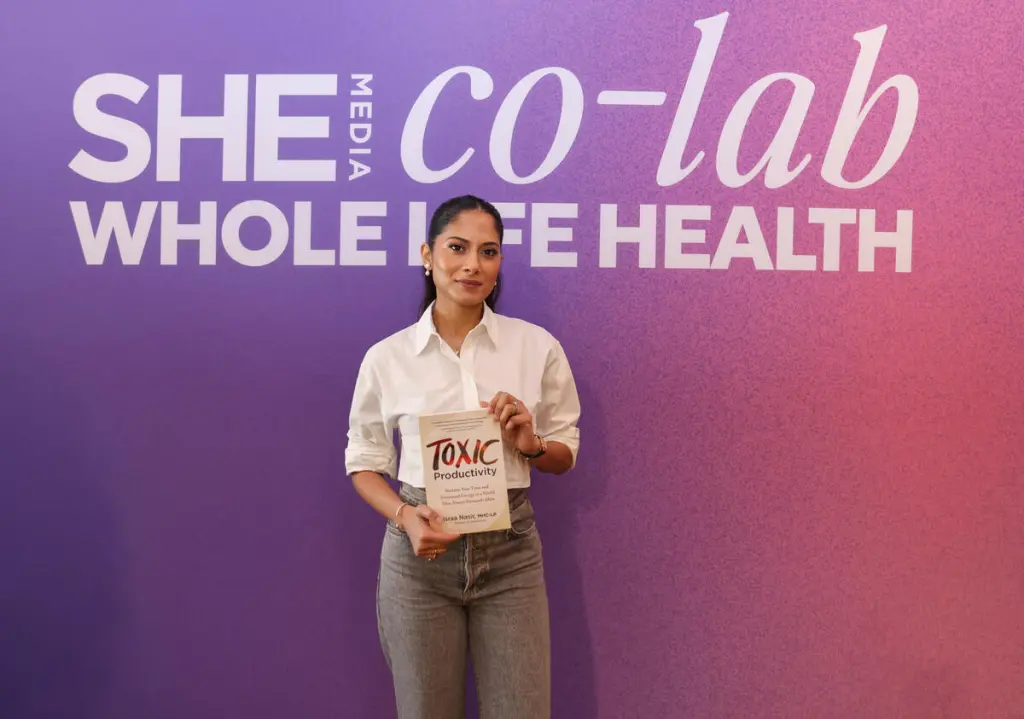
How I Learned to Rewire My Brain
The vibe at SXSW’s SHE Media Co-Lab was electric in the best way: packed rooms, smart conversations, and a crowd of women who are clearly there to absorb every word. It was also warm and intentional. I felt it the second I walked in. NYU professor Scott Galloway kicked things off with a panel that set the tone for the weekend. His core argument: moderation matters, and moderate people need moderate leaders. One of the more actionable takeaways was the idea that your spending power and your data are forms of influence. Where you subscribe, who you give your attention to, which companies you support, it all adds up. A smaller piece of a much larger puzzle, but it stuck with me as a grounding principle for the conversations that followed. Related story How SHE Media’s SXSW Co-Lab Reframed my Gen-Z Anxieties Next came a conversation that centered on conditions like endometriosis and uterine fibroids, things that affect women and are routinely dismissed or normalized by the medical system. It addressed what too many women already know: the healthcare system was not built with women in mind, especially when it comes to what happens below the belt. The advice that landed hardest? Ask a specialist to be your advocate. You don’t have to walk into an appointment alone, and you don’t have to accept a non-answer as the final word. Bring a friend. Do your research. Push back. And then be that support for the people in your life, too. The community aspect of healthcare was woven through the whole conversation, and it felt genuinely empowering. Designing Daily Rituals Israa Nasir‘s panel on daily wellness rituals is the one I keep coming back to in my mind. The concept at the center of it all is neuroplasticity: the brain’s ability to rewire itself based on new experiences. And the beautiful thing is that you don’t need a dramatic life overhaul to access it: Take a different route home. Strike up a conversation with a stranger. Try something you’ve never tried before. Nasir put it all in a way that made it feel genuinely accessible: “The most novel thing you can do is talk to other people,” she said. The whole panel was a reminder that sustainable change is built in small, consistent increments. Start with one thing. Build from there. The conversation also brought in the science behind community-centered wellness rituals and how things as simple as shared meals and regular social connection can regulate stress and restore energy. It’s the kind of conversation that makes you rethink what wellness even means — and realize you might already be closer to it than you think. What I Took Home With Me The SHE Media Co-Lab is a two-day deep dive into the real conversations women are having, and deserve to have, about their health, their autonomy, and their power. The atmosphere is community-first in a way that feels rare and intentional. Everyone in that room was there to learn, to share, and to show up for each other. My first SXSW was a full experience, and I already know I’ll be back. If you get the chance to attend the Co-Lab, you won’t regret it! Take a friend. Take notes. And try a new route home after. Your brain will thank you. Saanvi Chiliveru is a South Asian environmental advocate and incoming freshman at the University of Texas at Austin, where she will study a Bachelor of Science in Economics. As Co-Founder of Shade Seekers, a national youth climate organization, she has reached 1,750+ people through urban heat island awareness campaigns and spoken at the International Project Management Day 2025 conference. Her water sustainability work as a Texas 4-H Water Ambassador and her ocean conservation content through the Youth Oceanic Initiative have collectively reached 15,000+ advocates worldwide. Source link

Women’s Health Advocate Wisdom from SXSW
The moment you walked into the SHE Media Co-Lab at SXSW, it was clear it would not be a typical conference. Tables were lined with products, from wellness tools to educational materials, all designed with women’s bodies in mind. The panels reflected that same theme. Gynecologists, surgeons, Olympic medalists, actors, and podcasters filled the stage, while a majority-women audience sat eager and engaged, ready to learn more about their bodies and well-being. One of the most interactive sessions, From the Ground Up: Rituals for a Stronger, More Aligned Life with Gabby Reece, immediately shifted the energy in the room. Instead of beginning with conversation, former pro beach volleyballer Reece guided the audience through a breathing exercise. As we settled into our seats, she instructed us to place a hand on our stomach, close our eyes, and imagine a place where we felt completely at peace. Breathing slowly at first, then gradually increasing pace, the room moved in unison. Related story How SHE Media’s SXSW Co-Lab Reframed my Gen-Z Anxieties Within moments, the atmosphere changed from buzzing to calm and focused. The exercise wasn’t just about relaxation, but awareness, and by the end, everyone was more present, our attention sharpened, our bodies grounded. When asked how to better align life with personal health, Reece emphasized simplicity over dependence on technology. “I build plans that ultimately reflect me,” she said, noting that relying on wearable tech devices is not necessary, in her opinion. In a generation increasingly reliant on such wearable technology to track sleep, stress, and overall health, Reece’s message stood out. Because while these tools can provide helpful data, she stressed, no device understands the body better than the individual living in it. The conversations shifted later in the day with Scott Galloway — professor, podcaster, and author — who introduced the concept of “wallet activism.” His session drew a more diverse audience, including more men, and focused on how everyday financial decisions reflect personal values. Galloway highlighted how many people subscribe to multiple platforms — streaming services, online retailers, and apps—without considering the broader impact of where their money goes. From political affiliations to corporate practices, he argued that consumer spending is one of the most powerful tools individuals have. By choosing where to spend (or not spend) money, consumers are effectively “voting” for the kind of world they want to support. His message encouraged us to be more intentional, urging us to research companies and align spending habits with beliefs. On Sunday, the focus turned inward again — this time, to recognizing and responding to what the body is trying to communicate. This talk offered practical advice on how to take that control, emphasizing the importance of documenting physical experiences — tracking symptoms, noting patterns, and writing down concerns as they arise. The advice resonated across the audience, including myself. Walking into an annual exam without knowing what to say or ask is a common experience—but one that can be changed with small, consistent habits. Overall, the SHE Media Co-Lab at SXSW created a space not just for learning, but for reflection. Whether through breathing exercises, conversations about consumer responsibility, or reminders to listen to your body, the event empowered us to take a more active role in our own lives. Lucero Corona is a digital journalist specializing in fast-paced storytelling and cultural reporting. From the assignment desk to festival floors, her focus is on bringing dynamic, front-row perspectives to audiences. Source link
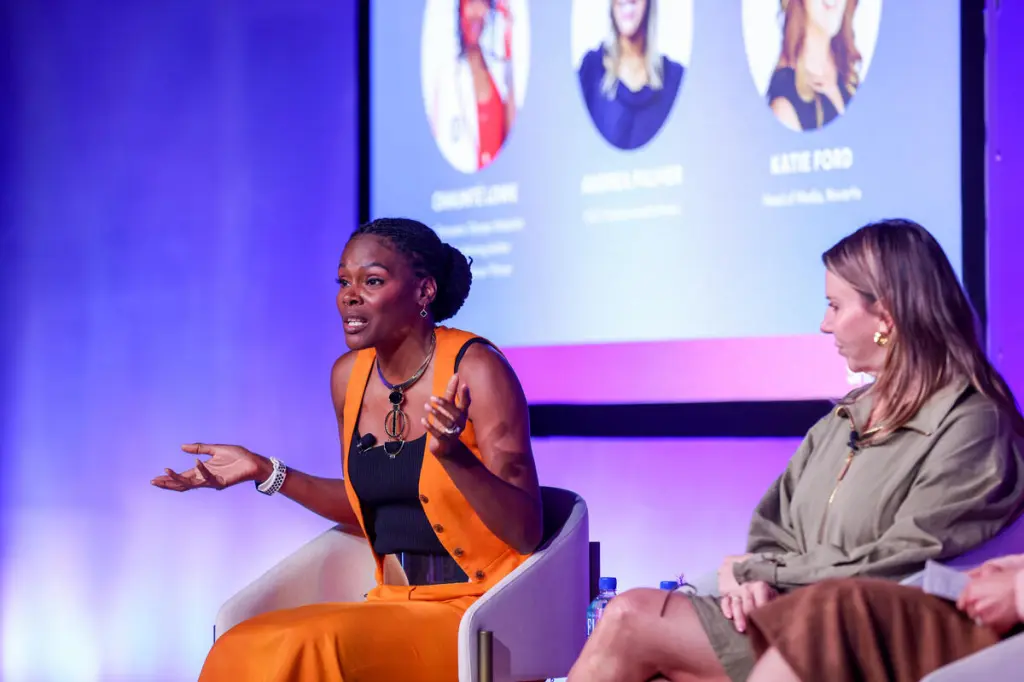
Strong Women and Unexpected Joys: Welcome to SXSW with SHE Media
Entering the She Media Co-Lab space at SXSW on recent Saturday morning, I was immediately struck by the wellness-themed displays — Peloton bikes, mushroom coffee, protein sparkling water. Just as sparkling, though, were the panels that went on throughout the day. Chaunté Lowe was by far my favorite speaker of the weekend. The story she shared in “Winning Women: Playing for Impact” really described just how strong and resilient women are. The genuineness and rawness of it all moved me, especially hearing it in these times, when anything less than perfect is considered a weakness. Lowe turned this negative connotation around and made it a power, stressing not only is there strength in going through hard times, but in overcoming them and being able to smile through it all. Related story How You Can Support Moms Across the Globe on International Women’s Day — & Beyond During “What if Nothing Gets Better?: Finding Happiness,” Kate Bowler, author of Joyful Anyway, talked about experiencing joy and allowing ourselves little happy moments despite what may be going on around us. She recounted finding a small resemblance to something from her childhood — a magic show — during a visit to the doctor. The doctor acquiesced to her request to act like a magician during her scheduled treatment, and it reframed her entire experience. This was truly a moment of finding joy in unexpected ways, and it inspired me to actively pursue it. During the panel “The Architecture of Wellness: Designing Daily Rituals,” Robert Hammond, who’s working to bring Roman baths to the U.S., introduced me to a new usage of a word not found in the Gen Z dictionary of constant hustle culture: “bathing.” Searching up the term on Google, you find the word means literally immersing yourself in an experience. Leaving the crowd with the question, “What is the American bathing culture?” he highlighted the importance of going outside and allowing yourself some time to really be in the moment and unplug. All of the samples and unique products found throughout highlighted both health and innovation, shining a light on the time we found ourselves in. The panels, meanwhile, were a reflection of the light found in the room, highlighting important topics — made effervescent with the words found within them. As someone who’s in her last semester of university, the advice given throughout the panels were words I needed to hear — especially as I’m about to enter the workforce. It all helped me to slow down and actually enjoy what I was doing. In the words of Gabby Reece during her “Rituals for a Stronger, More Aligned Life” panel, I learned to “take in the little moments,” and find a way to have a “win in your jar every day.” Melani Alanis is a writer, stylist, and creative focused on fashion, media, and culture. A recent graduate from UT Austin, with dual degrees in Advertising, and Communication and Leadership, she is passionate about storytelling across editorial, luxury fashion, social media, and live events. Source link

How SHE Media’s SXSW Co-Lab Reframed my Gen-Z Anxieties
As a college student, academia has lately felt like a pressure cooker. Time and resources feel limited when they should feel abundant. Thinking about the future fills me with a sense of anxiety when it should feel invigorating. What so many describe as the “best years of your life” has instead become a period of intense uncertainty — and being around so many high achieving peers has only heightened this sense of doubt. But recently, I got to step outside the sphere of campus and into an environment where I was one of the youngest people in the room, by attending the SHE Media Co-Lab event at SXSW. And it was a culture shock, to say the least. Still, my feelings of inadequacy quickly dissipated as I listened to folks of a different generation discussing their unique struggles. It felt foolish to let my anxieties get the best of me when I was surrounded by a group who’d already suffered through the rollercoaster ride of being a 20-something and came out alive. Not only had they survived, but they’d lived to tell the audience their tale. Related story Why Only 36% of College Students Are Thriving — and How You Can Help Your Teen Beat the Odds One speaker, best-selling author Kate Bowler, mentioned how even though it’s becoming increasingly difficult to let ourselves be vulnerable, happiness is more likely to come our way if we’re willing to have a “greater honesty about the things that hold us down.” In a culture obsessed with productivity and presenting our best self, suggesting that we put away our bravest faces is a revolutionary call to action. It’s difficult to keep in mind that our struggles don’t define us, but leaving the door open for connection in our most vulnerable times is the key to stumbling upon joy again. Flecks of inspiration kept coming at me. During the “Winning Women” panel, four-time Olympian Chaunte Lowe, who was diagnosed with breast cancer in the midst of her athletic career, discussed the importance of success stories from those facing any battle — whether physical, internal, or external. You don’t have to be an Olympic contender for Lowe’s message to resonate; I witnessed firsthand a wave of women across the room whose faces lit up as Lowe pulled an Olympic medal from her pocket. If she refused to surrender in a time when continuing felt impossible, shouldn’t we do the same? Most importantly, there were moments at the conference that forced me to acknowledge perspectives outside of my own, especially when it came to the generation above me. During the “Holding on, Letting Go” panel, Kim Holderness and Gretchen Rubin discussed the “rebranding of the empty nest.” I’d never truly contemplated how my parents must have felt when I went off to college, as I’ve become so consumed by my studies and social responsibilities that I often forget to check in on them and ensure everything’s fine on their end. Being in a room of women who had already gone through the empty nest phase or are going through it right now enlightened me on how anxiety isn’t exclusive to my generation. Our parents, after all, are simultaneously wondering if we’re alright, even if their concern takes the form of late-night lurking on Life360. As the conference came to a close, I felt grateful for the opportunity to be surrounded by a plethora of high-minded individuals who had forged their own paths personally and professionally. Instead of clinging to the version of myself that’s eager to have everything figured out, the panelists helped me see that there can be comfort in the uncertainty. Caleb Morrow is an Economics and English major at UT Austin. His writing focuses on topics like popular culture, finance, and social phenomena. Outside of writing, he spends his free time reading, discovering new music, and playing volleyball. Source link
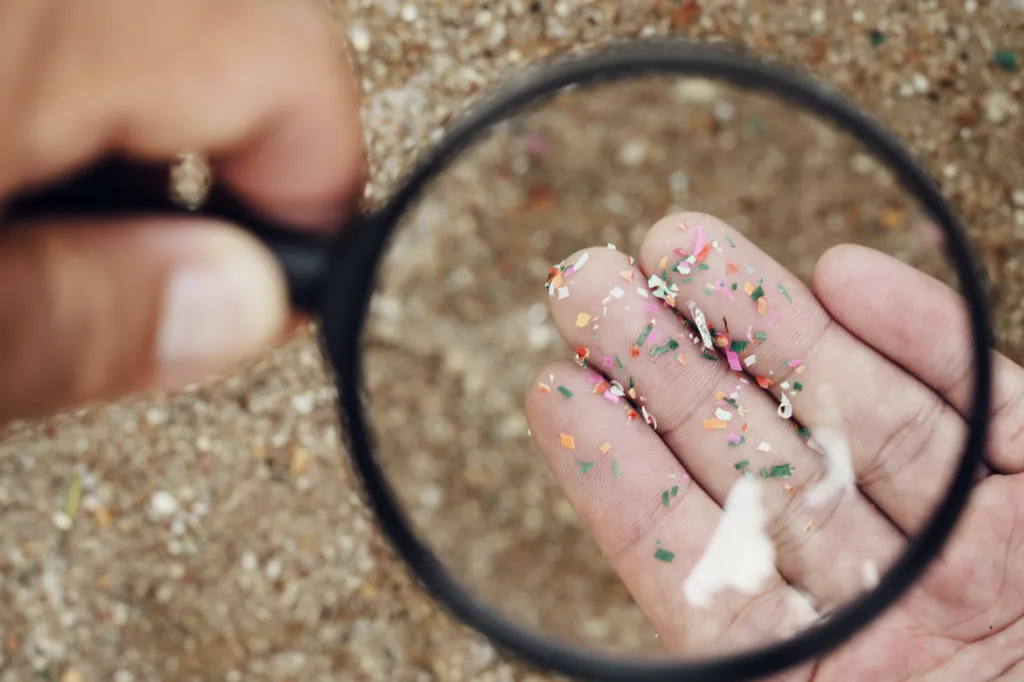
Kimchi May Flush Microplastics from the Body, Thanks to This Probiotic
Microplastics and their potentially harmful effects on human health (and the world) have been top-of-mind for the last few years. Now, a new study may have found a mechanism to remove them from our bodies, hiding in a popular fermented food: kimchi. The study, ran by the World Institute of Kimchi in South Korea, found that a probiotic bacterium found in kimchi may help the body get rid of microplastics naturally. The bacteria binds to the particles inside the intestine and moves them out of the body via stool. Could it be that simple? Related story Flesh-Eating Bacteria Is on the Rise. Here’s How to Keep Your Kids Safe This Summer Well, maybe not quite. There is a lot we still don’t know, says Avery Zenker, a registered dietitian with MyHealthTeam who was not involved in the study. “It’s important to keep in mind that this study was conducted in a lab on a bacteria derived from kimchi,” she explained, “which does not necessarily translate to direct effects in the human gut.” However, she says, the results show real promise. The scientists looked at one strain of lactic acid bacteria which was isolated from kimchi. They found that, under laboratory conditions, this strain of bacteria removed 87 percent of microplastics. Under conditions that mimicked a human gut, that number dropped to 57 percent—still significantly better than a different strain of bacteria tested for reference, which dropped from 85 percent to 3 percent. A few more words of caution: this study wasn’t performed directly on humans (rather, using bacteria in a lab and under conditions similar to a human gut), and it didn’t find that kimchi itself reduces microplastic absorption, as Zenker points out. Instead, it focused on “a bacterial strain commonly found in kimchi that showed potential,” she explains. “More research is needed to uncover the impact of kimchi consumption specifically.” Still, she says there’s potential here—and it’s welcome news for many of us who are concerned about the effects of microplastic on our health. These tiny particles of plastic—less than one micrometer long—have been found in our brains, hearts, stomachs, placentas, and genitals. They’ve been detected in urine, breast milk, semen, and even meconium, a newborn’s first stool, per Stanford Medicine. Research is ongoing into how exactly microplastics play into health issues, but studies have linked them to inflammation, abnormal organ development, cell damage, and cancer. So, hearing that a bacteria found in a common food could help the body get rid of these tiny bits of plastic? Very exciting. “The degree to which this probiotic strain was able to bind to microplastics is quite profound,” Zenker agrees. And the fact that it’s found in kimchi is also a positive, because we know that kimchi, along with other fermented foods like sauerkraut and kefir, are great for your health to begin with. “Research suggests fermented foods may support microbial diversity, digestion, immune function, and overall gut health,” says Zenker. Fermented foods contribute “good” bacteria (aka probiotics) to our gut microbiome, which “impacts every body system, including brain, heart, bone, immune, and metabolism.” Eating fiber (found in fruits, veggies, nuts, and beans) and especially prebiotic fiber (found in foods like asparagus, leeks, onion, and garlic) is also good for your microbiome, as it feeds those healthy bacteria. While we still have a lot to learn about how probiotics, kimchi, and other fermented foods interact with microplastics, it may be worth adding more of them to your — and your family’s — diets. “Many health experts encourage adults and children to eat fermented foods regularly, even daily,” Zenker says. She recommends starting with small amounts at time, like mixing a bit of sauerkraut into stew, making a smoothie popsicle with kefir, or adding minced kimchi to scrambled eggs. And keep including probiotic-rich foods that your kids already enjoy, Zenker adds, like yogurt, kefir, or fermented pickles. While we wait for more research on probiotics and microplastics, you’ll at least be doing your family’s microbiomes a world of good. Source link