

Jamie Lynn Sigler knows it takes a village to raise a family. And when you have relapsing multiple sclerosis (RMS), like Sigler does, “it takes a really strong village.” That perspective comes from experience. Sigler, who’s been in the spotlight since starring in a top-rated TV show in the early 2000s, knows firsthand what managing a chronic condition is like – especially when balancing it with parenthood. When she was diagnosed with RMS at age 20, she kept her diagnosis a secret for many years, navigating her condition privately. It wasn’t until 15 years later, when she became a mom, that Sigler decided to share her diagnosis publicly. (Learn more about Sigler’s story and her journey with MS here.) When asked how she’s navigated parenting alongside a chronic health condition, Sigler recalls how important it’s been to realize a condition such as RMS “does not take away any of your value as a mother.” She explains, “Once I fully accepted and understood that, I was able to make the adjustments I needed, show up for my kids, figure out ways to stay present, play with them, whatever it may be, making me feel good about who I am as a mother.” Sigler also speaks candidly about the importance of accepting her own limitations. “I’ve had some moments of harsh judgment on myself as a mother because of things I physically couldn’t do with my two active young boys,” she shares. “But through those moments I have learned some valuable lessons.” One of those lessons has been to practice self-reflection – a key pillar to the three-step guide, Reframing MS, that Sigler partnered with Novartis to develop for anyone living with chronic conditions. “The three-step guide is this process that I use when I come up against any challenge in my life,” Sigler explains. “Step one, reflection, is about feeling the emotions and your reactions to a moment or challenge. Reframing is about accepting whatever your situation may be, whatever this challenge may be. Reframing what this means for your life, how to pivot, how to adjust to move forward.” The last step is about reaching out for help. “Especially as mothers, this is really hard for us to do,” Sigler acknowledges. “We want to be everything, do everything, but we can’t. We have to take care of ourselves, and sometimes to be able to do that, we need to reach out for help.” One positive side effect of reaching out? It’s “really deepened a lot of my relationships and my friendships,” she says. “People like to be of service. My friends have taught me how to make pivots and adjustments so that I can fully show up as the wife, mother, and friend that I want to be.” Sigler hopes to carry these lessons over to her children, making sure they grow up knowing there’s “no shame in asking for help, in being vulnerable.” Speaking up for herself has also been essential for Sigler when navigating treatment options. “Finding my voice and advocating for myself has set me up for success in more ways than I can say. One of them, in a very important way, is finding the treatment that was right for me,” she shares. Choosing a treatment option is a personal choice, and it can be hard and overwhelming. She co-created a decision guide with Novartis to provide people with detailed questions to ask an MS specialist to reach an informed treatment decision. This resource offers a checklist of questions, ranging from asking about study results to the different types of treatment options. By speaking openly and honestly with her MS specialist, Sigler was able to find the right treatment plan for her, ultimately choosing KESIMPTA® (ofatumumab), indicated for the treatment of RMS in adults. Following the three weekly starter doses, KESIMPTA can be taken at home, or on the go, just once a month. At the end of the day, Sigler acknowledges that while her RMS presents its own challenges, every parent is navigating something. She shares, “We’re all doing the best we can, we’re all fighting the same good fight. We all want to be good parents. We all want to raise good kids.” Curious to see more? Watch the video above to see how Sigler navigates parenthood with RMS. Indication What is KESIMPTA (ofatumumab) injection? KESIMPTA is a prescription medicine used to treat adults with relapsing forms of multiple sclerosis (MS) including clinically isolated syndrome (CIS), relapsing-remitting disease, and active secondary progressive disease. It is not known if KESIMPTA is safe or effective in children. Important Safety Information Who should not take KESIMPTA? Do NOT take KESIMPTA if you: Have an active hepatitis B virus (HBV) infection. Have had an allergic reaction to ofatumumab or life-threatening injection-related reaction to KESIMPTA. What is the most important information I should know about KESIMPTA? KESIMPTA can cause serious side effects such as: Infections. Serious infections, which can be life-threatening or cause death, can happen during treatment with KESIMPTA. If you have an active infection, your health care provider (HCP) should delay your treatment with KESIMPTA until your infection is gone. KESIMPTA taken before or after other medicines that weaken the immune system may increase your risk of getting infections. Tell your HCP right away if you have any infections or get any symptoms including painful and frequent urination, nasal congestion, runny nose, sore throat, fever, chills, cough, or body aches. HBV reactivation. If you have ever had HBV infection, it may become active again during or after treatment with KESIMPTA (reactivation). If this happens, it may cause serious liver problems including liver failure or death. Before starting KESIMPTA, your HCP will do a blood test to check for HBV. They will also continue to monitor you during and after treatment with KESIMPTA for HBV. Tell your HCP right away if you get worsening tiredness or yellowing of your skin or the white part of your eyes. Progressive Multifocal Leukoencephalopathy (PML). PML may happen with KESIMPTA. PML
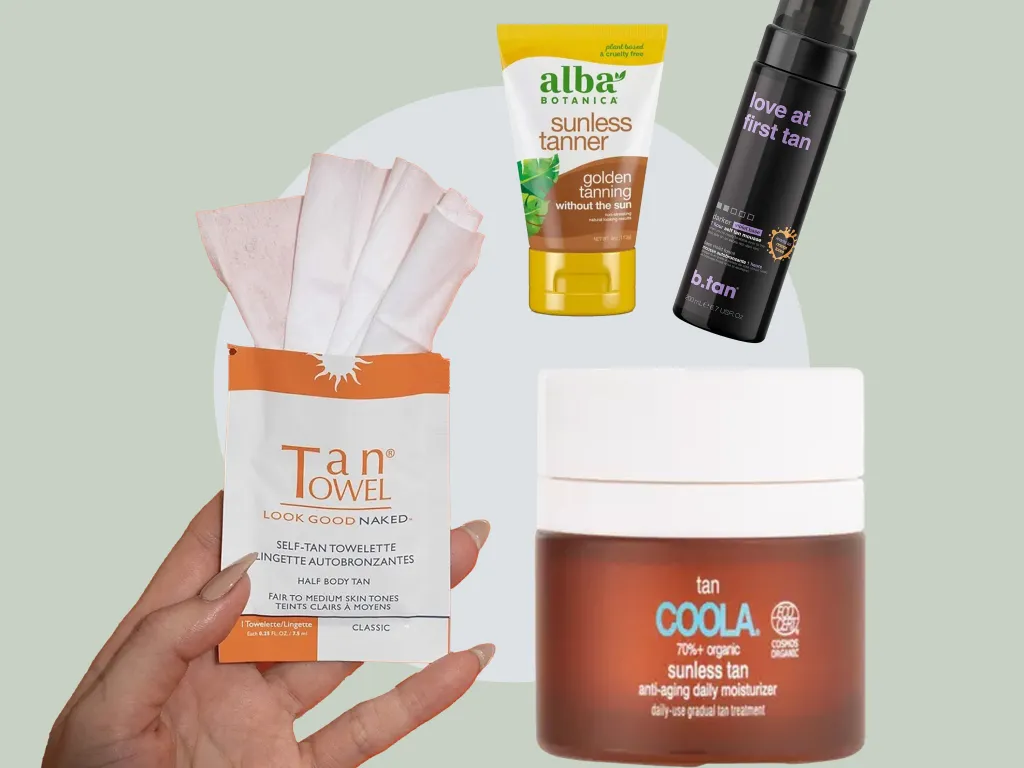
15 Best Pregnancy-Safe Self Tanners, Derm + OB-Approved 2026
If you purchase an independently reviewed product or service through a link on our website, SheKnows may receive an affiliate commission. For many of us, summer presents an opportunity to soak in as much sunshine as possible. But if you’re pregnant, doctors say you should try to stay out of the direct sun as much as possible, particularly in the first trimester, as too much sun can decrease the amount of the crucial pregnancy nutrient folic acid, according to Northwestern Medicine. But the good news is you don’t have to give up your sunkissed glow just because you’re expecting. In addition to applying a great pregnancy-safe SPF from head to toe every day, make a pregnancy-safe self-tanner or tinted moisturizer your go-to product for getting bronzy, no sun required. Spoiler alert: not all self-tanners are safe to use during pregnancy, though. We asked a dermatologist and an OB/GYN to give us some pointers. Related story Cool Moms Are Finding Their Go-To Beach Bags at This Unexpected Place This Summer—& They’re All Under $40 Best (and Safest) Self Tanners for Pregnancy, at a Glance Best Overall: Tanologist Daily Glow Hydrating Lotion, $15Best Runner Up: Isle of Paradise Self-Tanning Drops, $22 (originally $30)Most Popular: Lux Unfiltered N°32 Hydrating Gradual Self Tanning Lotion, $38Best Foam: b.tan Love at First Tan, $12Best Mousse: Jergens Natural Glow Instant Sun Sunless Tanning Moisturizer + Bronzer, $12 (originally $13)Best Body Lotion: Alba Botanica Sunless Tanner, $17Best for a Dark Tan: Beauty By Earth Self Tanner Tanning Lotion, $36Best Serum: Whind Marrakech Sun Instant Glow Tanning Water, $35Best Face Moisturizer: Coola Organic Sunless Tan Anti-Aging Daily Moisturizer, $48Best Towelette: Tan Towel Self Tan Towelette, $30 (originally $35) Is Self-Tanner Safe During Pregnancy? Many self-tanners are safe to use during pregnancy, but not all. Two factors will determine whether a self-tanner passes the pregnancy test: its packaging and the ingredients on the label. “I do not recommend using any aerosol versions of self-tanners,” says board-certified dermatologist Dr. Rachel Nazarian to SheKnows. “Stick to the lotions, creams and drops. Aerosolized versions can leave droplets of these ingredients in the air that are irritating and potentially toxic to lung tissue.” It’s important to read the ingredients on the label. The active ingredient in most sunless tanning products that enhances the pigment by dying the surface layer of the skin is dihydroxyacetone, or DHA, which, thankfully, is minimally toxic. “The concentration of this active ingredient ranges depending on the product,” says Nazarian. “Typically, this ingredient can range from between 1 to 15 percent in self tanners, and thankfully studies have been done that have shown that systemic absorption of this ingredient is minimal. It stains the top layers of skin cells, and doesn’t have significant penetration into deeper layers of skin or [the bloodstream].” “While there are no studies to prove the safety of DHA in pregnancy, DHA has been used in cosmetics since the 1960s with no reported problems,” confirms Dr. Kelly Culwell, MD, Board Certified OB/GYN, also known as ‘Dr. Lady Doctor.’ “When used topically (on the skin), minimal DHA is absorbed and likely even less (if any) could make it through the placenta.” Of course, it’s totally up to you how safe you want to play it: If you’re still uncomfy with the idea of using products with DHA, skip it. What Ingredients to Avoid in Self-Tanner When Pregnant, According to Experts So what should you avoid in a pregnancy-safe self-tanner? It’s okay if the product contains DHA, but it is smart to look for plant-based or organic products, because those should have fewer chemical additives — you should always try to avoid chemicals including parabens, phthalates, and formaldehyde during pregnancy to cut back on your risk of birth defects or preterm birth. Just make sure the label says “paraben-free” or “pregnancy-safe” before you buy a self-tanner. And the shorter the list of ingredients, the better! “Other ingredients to avoid in pregnancy include formaldehyde and oxybenzone, which either don’t have enough information to prove that they’re safe, or have some evidence to suggest they are harmful during pregnancy (hormone disrupters),” says Dr. Nazarian. Taking all of that into consideration, you’re left with plenty of options for sunless tanners that are pregnancy-safe: Some lather on like a lotion, while others can be applied in a thicker foam or drops on the skin. Remember to exfoliate and moisturize before using any self-tanner to ensure even coverage. Check out our top picks below. Happy bronzing! Our mission at SheKnows is to empower and inspire women, and we only feature products we think you’ll love as much as we do. CVS is a SheKnows sponsor, however, all products in this article were independently selected by our editors. Please note that if you purchase something by clicking on a link within this story, we may receive a small commission of the sale. Best oVERALL Tanologist Daily Glow Hydrating Lotion If you’re pregnant and looking for a sun-kissed glow without spending hours in the sun, the Tanologist Daily Glow Hydrating Lotion is a popular option worth considering. The gradual self-tanning moisturizer is designed to build a natural-looking tan over time while simultaneously hydrating the skin, making it an easy addition to an everyday body-care routine. Unlike some self-tanners that can feel drying or leave behind streaks, this formula is infused with moisturizing ingredients to help keep skin feeling soft and smooth. It contains hydrating ingredients such as glycerin and skin-conditioning squalane, while remaining free from mineral oil, parabens, and other ingredients experts recommend avoiding during pregnancy. Product type: LotionKey ingredients:Hyaluronic acidSqualaneBeta glucanFragrance: Soft summer scent Pros:Includes hydrating ingredientsBeginner-friendlyDoubles as a body lotionCons:Results aren’t instantMay not show up as quickly on deeper skin tones Best Runner Up Isle of Paradise Self-Tanning Drops If the thought of applying a traditional self-tanner feels intimidating, the Isle of Paradise Self-Tanning Drops offer a more customizable approach. Designed to be mixed directly into your favorite moisturizer, serum, or body lotion, the drops let you control the depth of your glow by simply adjusting

Poor Sleep in Childhood May Lead to Depression as a Teen, Study Finds
We know sleep is intimately connected with mental health. It turns out, they start intertwining earlier than we might’ve imagined. A new study from the University of Birmingham analyzed data from over 15,500 children and found that children who experienced “persistent shorter sleep” from 6 months to 7 years old were about twice as likely to develop symptoms of depression between ages 13 and 22. While the study was large, researchers emphasized that the subset of children experiencing these sleep issues represented just 2 percent of the overall study. “A doubling of odds might sound like a lot,” lead study author Dr. Isabel Morales-Muñoz said in a press release, “but we saw that persistent sleep issues only affected a small number of children who took part in the study and that there was still only a small percentage of children who went onto experience persistent depressive symptoms.” Related story These Are All the Countries With or Considering Social Media Bans for Teens. One Is Glaringly Absent. Still, the connection was noteworthy, especially because sleep is considered a modifiable risk factor for depression—meaning that you can address it early, often without medical intervention, and improve your kids’ odds. The study found that the average sleep time for children ages 6 months to 7 years was about 11 hours, with more variation among younger kids. They defined “persistently shorter sleep” during this period as 9 to 9.5 hours. It’s also worth noting that inflammation may play a role in the link between childhood sleep and depression, the researchers say. “The findings suggest that chronic poor sleep may contribute to long-term mental health difficulties through biological pathways including inflammation,” study co-author Dr. Rebekah Amos said in the press release. The good news? Improving sleep can disrupt this effect and improve a child’s chance of better mental health. So how can you help your child get better sleep? It starts with earlier and consistent bedtimes, researchers say — and better sleep hygiene habits, too. That includes reducing screen time before bed and promoting a sleep environment that’s calm, quiet, and peaceful. It also helps if your child gets plenty of physical activity during the day to tire them out. Researchers noted, though, that access to good sleep conditions aren’t always equal or possible. Housing, income, and neighborhood environments are big factors in children’s sleep quality that aren’t so easy to control. Still, knowing the factors that go into a good night’s rest — and about how much sleep kids should be getting — is a good start. “Sleep is also an element of childhood that is possible to improve without needing medical interventions,” Dr. Morales-Muñoz said, “and efforts to address persistent poor sleep during childhood will have a host of benefits including addressing any potential mental health risks.” Source link
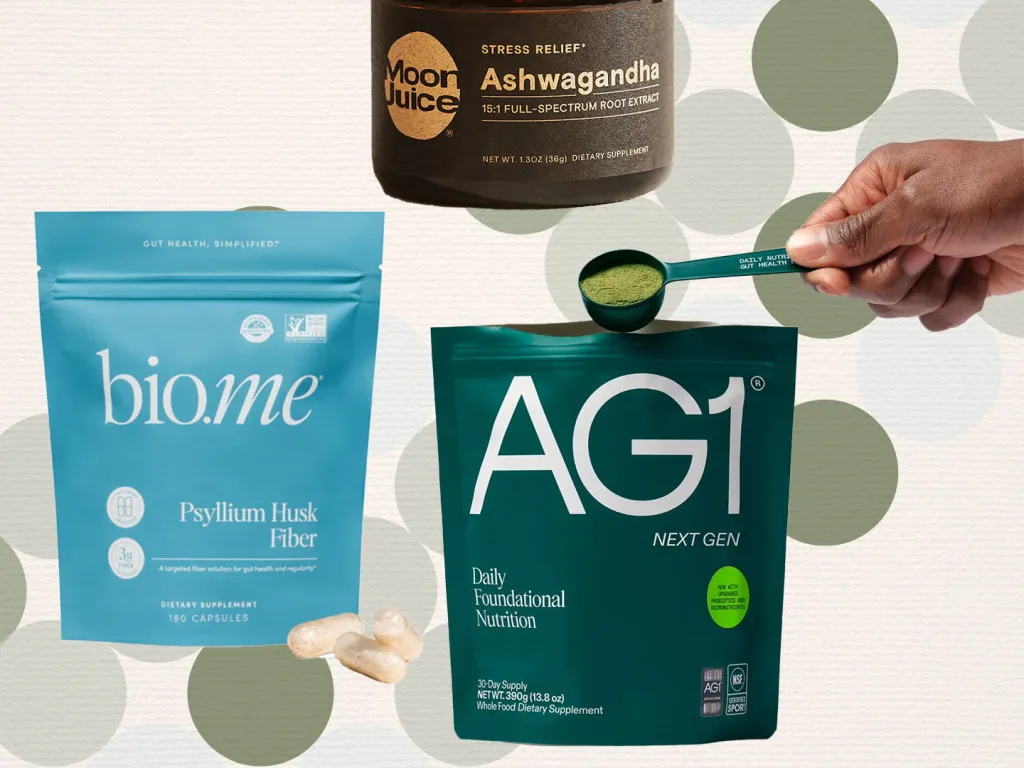
Best Supplements for Bloating for Women According to Experts 2026
If you purchase an independently reviewed product or service through a link on our website, SheKnows may receive an affiliate commission. Bloating is a common issue for women of all ages. Whether you’ve indulged in foods that don’t agree with you, are dealing with hormonal changes, or have had too much fiber, it’s an uncomfortable (and sometimes painful) experience. And if you regularly deal with bloating, adding a supplement to your diet can be an easy way to find relief. The best supplements for bloating for women are specially designed to ease water retention and regulate your body’s systems. Best Supplements for Bloating for Women at a Glance Best Overall: AG1 Next Gen Pouch, $79 monthly (originally $99)Most Affordable: Bio.me Psyllium Husk Fiber, $14 (originally $20)Best Ashwagandha supplement for Bloating: Moon Juice Ashwagandha, $28 (originally $38)Best Prebiotic Supplement for Bloating: Promix Debloat: Prebiotic + Probiotic, $58Best Magnesium Supplement for Bloating: Thorne Magnesium Glycinate, $26Best Fast-Acting Supplement for Bloating: Arrae Bloat, $55Best Enzyme Supplement: Pure Synergy Enzyme Power, $50 Related story Parke’s Coastal Collection Officially Launches Today — What to Know About Their Biggest Sweatshirt Drop of the Summer “For bloating, I recommend trying these three categories of supplements: digestive bitters and herbs like fennel, ginger, and cumin; adaptogenic herbs like ashwagandha and holy basil that calm stress-related gut issues; and magnesium supplements to reduce water retention,” explains Shruti Mishra, a certified nutritionist and the founder of Osh Wellness. To help you understand how supplements can help with bloating, we spoke with experts who shared what to look for when shopping for supplements, which ingredients to consider, and the best options. bEST OVERALL AG1 Next Gen Pouch $79 (monthly) $99 20% off The AG1 Next Gen Pouch gets the title of our best overall supplement for bloating, as it takes a comprehensive approach to “fostering a healthy, balanced gut microbiome and supporting efficient digestion,” AG1 says. The powder is crafted with high-quality nutrients such as vitamins, minerals, antioxidants, and mushrooms, for a total of over 75 vitamins, minerals, and whole-food-sourced ingredients. In addition to reducing bloating, AG1 also helps to bolster digestion and nutrient absorption, so you feel energized and have fewer cravings. Ingredients: vitamins and minerals, pre- and probiotics, stress adaptogens, antioxidants (vitamin E and B-complex), superfoods (like ginger and pea protein) and mushroomsSize: 13.8 oz.Type: Powder Most Affordable Bio.me Psyllium Husk Fiber “Psyllium husk is cheap and well tested,” says Anna Mapson, registered nutritional therapist, author, and host of the podcast Inside Knowledge For People with IBS. “Start with a small amount, such as one capsule, and increase slowly. In research, people are given doses of around 10g to 15g, so you can take quite a lot, but start with lower doses to begin.” Ingredients: Organic psyllium husk fiber, magnesium, chloride, sodium, and potassiumSize: 180 capsulesType: Capsules Best Ashwagandha Supplement Moon Juice Ashwagandha Mishra says, “I would point readers to ashwagandha (KSM-66 or Sensoril, 300–600 mg/day) to lower cortisol-driven bloating.” If you’re not sure what to consider, add Moon Juice’s Ashwagandha mix to your list. The adaptogenic herb helps to reduce stress and regulate cortisol levels when taken consistently. It’s a breeze to add to either your morning or evening routine. Just add the recommended serving size to your coffee, smoothies, or favorite drink before bed. Ingredients: Organic Ashwagandha root extractSize: 1.3 oz.Type: Powder Best Prebiotic Supplement Promix Debloat: Prebiotic + Probiotic The Promix Debloat: Prebiotic + Probiotic is also recommended by experts, since it reduces bloating and cramping without causing additional discomfort. The supplement is crafted to improve digestive comfort, combat bloating, and support overall gut health, the brand says. Its results are evident in its formula, which features wild-harvested organic baobab and 5 billion CFU (3 probiotic strains) to support a healthy gut. Ingredients: Probiotics, baobab, turmeric, monkfruit, vitamin CSize: 0.07 oz. per stick (30 count)Type: Powder Best Magnesium Supplement Thorne Magnesium Glycinate Mishra also suggests magnesium glycinate (200–400 mg at night) to support gastrointestinal (GI) motility and sleep. Thorne’s Magnesium Glycinate is one of the best you can snag. It comes in capsule form, making it simple to add to your daily diet. Each capsule contains highly absorbable magnesium bound to glycine, which promotes restful sleep and supports healthy digestive and organ function. Ingredients: Magnesium glycinate and silicon dioxideSize: 90 capsulesType: Capsule Best Fast-Acting Supplement Arrae Bloat When bloating calls, make sure to have the Arrae Bloat on hand. This supplement is designed to soothe digestive discomfort within 1 hour and support the body’s digestion of hard-to-digest foods. Its formula offers fast relief and is packed with a blend of five organic herbs (lemon balm, peppermint, dandelion, ginger, and slippery elm), alongside bromelain (a pineapple-derived digestive enzyme). Ingredients: Peppermint, dandelion, ginger, and slippery elm, dandelion, ginger, and othersSize: 60 capsulesType: Capsules Best Enzyme Supplement Pure Synergy Enzyme Power Dr. Chanté Wiegand, a licensed naturopathic physician and VP of Science & Education at The Synergy Company, says that the Pure Synergy Enzyme Power delivers a full spectrum of meticulously measured digestive enzymes to break down protein, fat, dairy, and plant fiber. “It is optimized with a digestive herbal blend including ginger, fennel seed, and turmeric, specifically designed to soothe temporary gas and bloating while fostering bowel regularity,” she adds. Ingredients: Bromelain, papain, protease, peptidase, acid protease, and lactaseSize: 90 capsulesType: Capsules Frequently Asked Questions What Causes Bloating? Mapson explains that there is rarely a single cause of bloating, but it can be triggered by constipation, food intolerance, stress, and bacterial overgrowth. “Another big factor I see with my clients is undereating. If you skip meals, eat a very small volume of food, then your digestive system can slow down, which can lead to bacterial overgrowth in the small intestine,” Mapson adds. Dr. Kristy Appelhans, global HCP scientific education manager at Metagenics, also says that other bloating culprits include general day-to-day inflammation; hormonal fluctuations associated with menstrual cycles or otherwise (men/women), pregnancy, or peri/menopause; dehydration; and stress. How to Choose the Right Supplement for Bloating? Dr. Appelhans
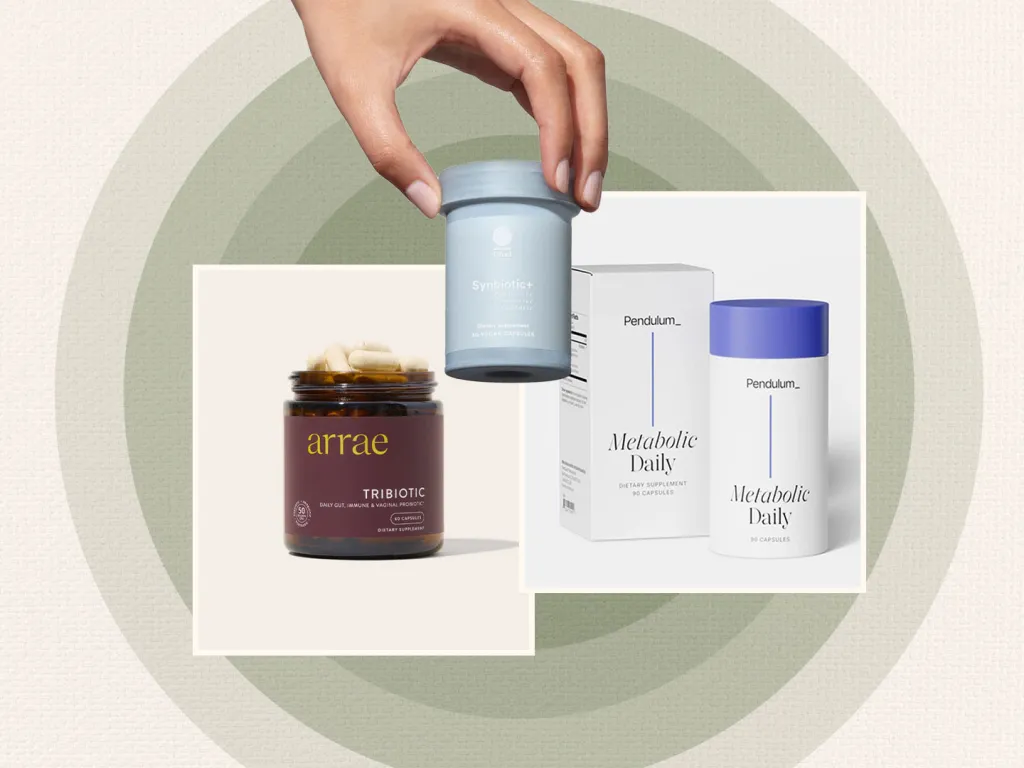
Best Types of Probiotics for Women Over 40, According to Experts 2026
If you purchase an independently reviewed product or service through a link on our website, SheKnows may receive an affiliate commission. Probiotics are living microorganisms that support multiple body functions. These supplements improve gut health, address digestive issues, and strengthen the immune system. For women over 40, they become even more crucial by helping maintain vaginal health as hormones fluctuate. To better understand these “good bacteria,” we spoke with experts to learn more about probiotics, their benefits, different strains, and the best options to shop for. Best Probiotics for Women 40+, at a Glance Best Overall: California Gold Nutrition LactoBif 30 Probiotics, $16 (originally $22)Best Probiotic for Vaginal Health: pH-D Women’s Probiotic and Prebiotics, $26Best for Digestive & Vaginal Health: Align Women’s Dual Action, $30Best All-In-One Probiotic: Arrae Tribiotic, $44 (originally $49)Best Probiotic for Gut Health: Ritual Synbiotic+, $43 (originally $44)Best Probiotic for Metabolic Health: Pendulum Metabolic Daily, $49 (originally $69) Related story The Brand Famous for Designer Fashion Dupes Makes the Best Greens Powder—So You Can Stop Overpaying for Yours What Are Probiotics? Probiotics are live microorganisms, primarily beneficial bacteria and some yeasts, that help support a healthy balance of microbes in the gut. “I often describe them to patients as the ‘good bacteria’ that work alongside your body to help maintain digestive function, immune health, and overall wellness,” says Dr. Susan Kais, a board-certified gastroenterologist and the assistant professor of clinical at UC Health. Dr. Kais says that you want your “good bacteria” to be balanced with “bad bacteria.” “We all naturally have trillions of bacteria living in our intestines, and many factors can disrupt our microbiome balance, like stress, illness, antibiotics, diet, aging, and hormonal changes.” Should Women Over 40 Take a Daily Probiotic? Women over 40 often experience hormonal changes that can affect gut health. Dr. Rob Boyd, a naturopathic physician, nutritionist, and medical advisor for the Institute for Digestive Wellbeing, explains that taking a targeted daily probiotic can be beneficial during this time. “For many women, perimenopause begins around age 40 and menopause around age 50; the hormonal shifts around this time, particularly declining estrogen, cause significant changes in gut bacteria,” he says. “High levels of the wrong types of bacteria can make hormonal symptoms worse, which is where probiotics can come to the rescue.” Dr. Erica Montes, a board-certified OB/GYN and pH-D feminine health advisor, says, “Women over 40 can decrease GI disturbance risks by speaking to their physician about menopause hormone therapy. They should also increase their fiber intake or include fermented foods like yogurt, kefir, kimchi, sauerkraut, or pickles. Probiotics may be helpful, but should not be used alone. All three options can benefit you during this period, since hormone changes affect every organ system.” Benefits of a Daily Probiotic Since probiotics are live microorganisms, often called “good” bacteria, they offer health benefits when consumed. But “supplemental over-the-counter probiotics, unfortunately, are packed with marketing claims rather than solid scientific evidence,” Dr. Kais warns. So, while supplemental probiotics can be beneficial for some, they should not be viewed as a miracle cure for gut health. “Potential benefits of daily probiotics can include improved digestive regularity, reduced bloating, support after antibiotic use, and better overall gut microbial balance,” Dr. Kais adds. “Some strains may also support immune function and vaginal health.” Dr. Kais also explains that, specifically for women over 40, probiotics may help address common concerns such as constipation, digestive changes during hormonal transitions, and recurrent yeast or urinary tract issues. “The key is understanding that benefits are strain-specific — not all probiotics work the same way, and results can vary from person to person.” Best Probiotic Strains for Women Dr. Boyd says some of the best probiotic strains for women 40 and over are Lactobacillus rhamnosus, Lactobacillus reuteri, Bifidobacterium longum, and Lactobacillus acidophilus. “These strains of probiotics have shown benefits to digestion, vaginal microbiome support, mood (via the gut-brain axis), and even some reduction in menopausal symptom severity.” The probiotics women over 40 are considering should also contain 1 to 10 billion CFUs (Colony-Forming Units). These “units” are used to measure the number of live and active bacteria and their potency. Below is a guide to probiotic strains for women. Probiotics for Gut Health and Digestion: Bifidobacterium lactisBifidobacterium longumLactobacillus plantarumLactobacillus acidophilus Probiotics for Immune Support: LactobacillusBifidobacterium Probiotics for Vaginal Health: Lactobacillus crispatusLactobacillus rhamnosusLactobacillus reuteri Ahead, discover the best probiotics for women over 40 that are nutritionist-and OB/GYN-approved. Best Probiotics for Women 40+ Best Overall California Gold Nutrition LactoBif 30 Probiotics The California Gold Nutrition LactoBif 30 Probiotics are the best overall probiotic option because their formula targets multiple symptoms simultaneously. The capsules help to support a healthy gut microbiome and ease bloating, gas, and irregular bowel movements. In addition to digestive health, this probiotic also strengthens the immune system. The potent, yet gentle formula harnesses the power of eight probiotic strains, including five lactobacilli and three bifidobacteria, and doesn’t contain dairy, gluten, GMOs, or soy. Strains: 5 Lactobacillus and 3 Bifidobacterium strainsCFU count: 30 billionForm: CapsulePrice per serving: $3.75 Best Probiotic for Vaginal Health pH-D Women’s Probiotic and Prebiotics “The pH-D Feminine Health Women’s Oral Probiotic supports specific communities of microorganisms in areas such as your gut, urinary tract, and vagina, which aid in promoting a healthy balance for digestive, immune, and urinary health,” Dr. Montes explains. Strains: Saccharomyces boulardii, Lactobacillus gasseri, Lactobacillus rhamnosus,CFU count: 4 billionForm: CapsulePrice per serving: $1.15 Best for Digestive & Vaginal Health Align Women’s Dual Action According to Dr. Kais, the Align Women’s Dual Action contains added strains to support both digestive and vaginal health. The supplement contains Florastor, “which uses the unique yeast strain Saccharomyces boulardii CNCM I-745 to promote digestive balance and support a healthy immune system,” Dr. Kais adds. “It is widely used to maintain normal bowel function and replenish good gut bacteria, especially during antibiotic use.” Strains: Bifidobacterium and Lactobacillus acidophilusCFU count: 6 billionForm: CapsulePrice per serving: $0.93 Best All-In-One Probiotic Arrae Tribiotic The Arrae Tribiotic offers a targeted 4-in-1 formula combining
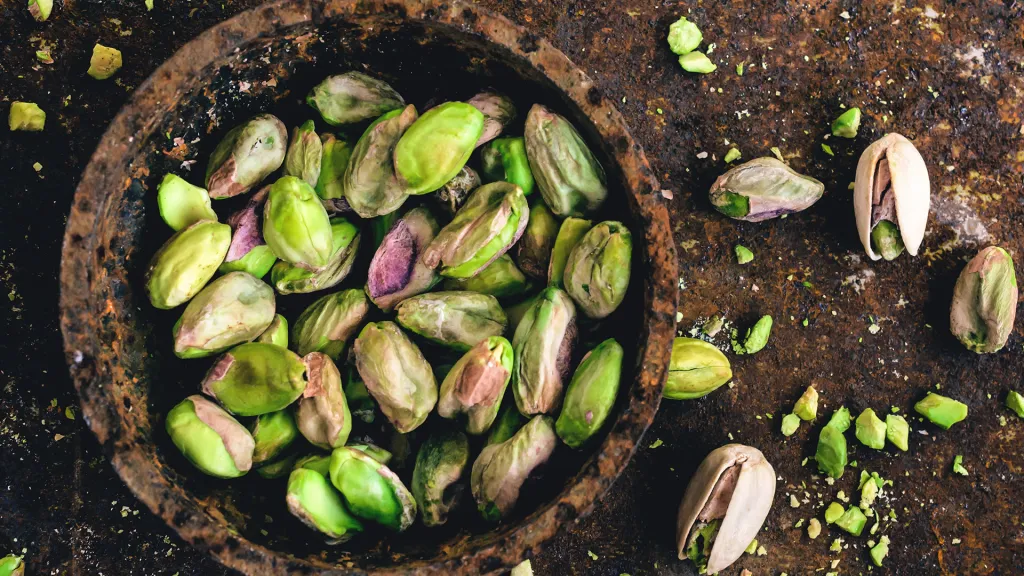
How Nuts Improve Brain Function
It’s no secret that nuts have some pretty great health benefits — they’re full of healthy fats, protein, vitamins, and even antioxidants — but did you know they’re also great for your brain? A 2017 study from Loma Linda University researchers found that regularly eating nuts can actually help with cognition, healing, learning, memory and other key brain activities. On top of that, “regular nut intake is linked to brain health benefits including slower cognitive decline, improved memory, and possibly reduced risk of dementia,” says Avery Zenker, a registered dietitian with MyHealthTeam. It all comes down to the healthy fats, fiber, protein, vitamins, and minerals that nuts are full of. Related story People Are ‘Snorting’ Peptides for Younger Skin & It’s Not a Scam Of course, not all nuts are created equal — at least when it comes to their value to our brains. in that 2017 study, researchers tested six varieties of nuts — almonds, cashews, peanuts, pecans, pistachios and walnuts — and found they all had high levels of antioxidants, with walnuts having the highest concentrations. Pistachios produced the greatest gamma wave response of all the nuts tested, which is necessary for enhancing cognitive processing, information retention, learning, perception and rapid eye movement during sleep. Technically, peanuts are legumes, but since they literally have “nut” in their name and most of us put them in that category anyway, they were included in the study. Turns out, they produced the highest delta response, which can help with immunity, natural healing and deep sleep. So what is it about nuts that makes them so brain-friendly? Many of the nutrients in nuts contain antioxidant properties, Zenker explains, which “help lower inflammation and combat oxidative stress.” The polyunsaturated fats in nuts — especially the omega-3s in walnuts — have been linked to reduced brain inflammation, studies have found. And, Zenker adds, “Vitamin E, magnesium, zinc, and selenium are essential micronutrients found in nuts that play important roles in nervous system function and antioxidant defense.” Zenker says that walnuts are especially a standout, thanks to those omega-3s. “Omega-3 is an essential fat that has potent anti-inflammatory benefits,” she explains. That’s important for your brain health, because “neuroinflammation is one of the primary contributors to cognitive decline,” Zenker says. Nuts also support brain health indirectly, Zenker adds, by promoting a healthy gut microbiome (which has a major effect on your brain health via the gut-brain axis) and benefiting cardiovascular health, which improves blood flow and nutrient delivery to the brain. Of course, nuts are also beneficial for the rest of your body; they are great for your heart, gut, brain, skin, immune, and metabolic health, Zenker says. And you can get those benefits with just a handful of mixed nuts a day — not too shabby for a quick health boost. A version of this article was originally published in 2017. Source link

9 G-Spot Sex Positions That Might Just Blow Your Mind
In recent years, the G-spot has been the subject of more headlines than Taylor Frank Paul or Taylor Swift combined. For good reason: This long-misunderstood, once-controversial erogenous zone can facilitate some freaking pleasurable play. If you’ve still got questions, fear not. We’re breaking down everything you need to know about G-spot stimulation, including expert tips and the best G-spot sex positions to try tonight. What (and where) is the G-spot? Short for the Grafenberg spot, the G-spot is that magical area located about two inches inside the vaginal opening on the anterior (front) upper wall, closest to your tummy, explains Gigi Engle, a COSRT-certified sex and relationship psychotherapist, author of Kink Curious. When you’re aroused, this ball of tissue swells and can become highly sensitive when stimulated. Whether via body part or toy, when stimulated through penetrative play, it can create a tingling effect and/or a feeling of fullness that some pleasure-seekers enjoy, she says. Related story From Friction Burns to Falls, Sex Injuries Are More Common Than You Think It’s important to note that the G-spot is less of a button and more like “the whole zone of the top of the vaginal wall,” says Tara Suwinyattichaiporn (aka Dr. Tara), PhD, a sex and relationship coach, sex expert on TikTok, and professor of relational and sexual communication at California State University Fullerton. It’s best understood as part of a larger internal pleasure network that includes the internal structures of the surrounding erectile tissue, the urethral sponge, and the Skene’s Glands, Engle tells SheKnows. How to stimulate your G-spot during sex The G-spot is relatively shallow (aka not deep in the vagina), and generally responds best to consistent pressure, per Engle. So, the secret sauce for stimulating the G-spot—and maybe even facilitating a full-blown G-spot orgasm—is to marry shallow penetration with pressure. Sex toys with a curved shape and bulbous tip do well to stimulate this erogenous zone, as their unique shape makes it easy to maintain contact with the front vaginal wall, says licensed clinical social worker and AASECT-certified sex therapist Shamyra Howard, PhD, CST, LCSW. Vibrating G-spot toys will transmit vibrations deep into this erogenous zone and deeper clitoral network, she says. Meanwhile, options made from heavier materials like stainless steel or glass can also increase that pressure, since they naturally exert more weight than lighter silicone toys. While the G-spot often responds well to firmer stimulation, “for the best experience, this area should be approached slowly, gently, and gradually increasing in intensity,” sex coach Jenna Switzer tells SheKnows. It isn’t until you’re already aroused that the G-spot fills with blood, which makes it both easier to find and more sensitive, she explains. Going from zero to pressure can feel uncomfortable at best and painful at worst. That said, even with proper warm-up you may not go goo-goo ga-ga over having your G-spot stimulated. “This area has a ‘hit or miss’ vibe to it,” says Switzer. While some people “may experience an increase in lubrication, intense orgasms, and/or ejaculation (aka squirting),” others find stimulating this area uncomfortable or unpleasant. Others still don’t feel much different at all. “Some people experience it as erogenous and some do not — just like some of us enjoy having our feet rubbed and others find foot rubs annoying,” Jess O’Reilly (aka Dr. Jess), PhD, Astroglide’s resident sexologist, tells SheKnows. The Best G-Spot Sex Positions Ready to explore your G-spot? These expert-approved sex positions are designed to give you the best angle, depth, and control for maximum pleasure—whether you’re hoping to squirt, intensify your orgasms, or just mix things up. Not every position will work for everyone, but they’re a great place to start for beginners looking to explore this sensitive area or seasoned veterans ready to shake things up. And of course, as with all sex and sexual positions, be sure to give your partner plenty of feedback and modify the positions as needed. A version of this story was published in October 2018. Lifted Missionary Image Credit: Sasha Purdy/SheKnows That’s right, this classic can moonlight as a G-spot sex position with one simple tweak. Just like traditional missionary, the receiving partner lies on their back while the penetrating one lies over them. The difference? The bottom partner places a pillow or wedge under their butt, which lifts the hips and changes the angle of the vaginal canal. Why it’s great: Placing a pillow under the receiving partner’s hips “tilts the pelvis so that the penetrating part is naturally angled toward the front vaginal wall,” explains Engle. The result: Anything that enters the body is much more likely to rub directly against the G-zone, she explains. Coital Alignment Technique (CAT) Image Credit: Sasha Purdy/SheKnows Its name might be a mouthful, but if shallow, sustained stimulation is your thing, you will love this G-spot sex position. Coital Alignment Technique (CAT) requires the same set up as missionary: The receiving partner lies on their back, while the penetrating partner gets on top. The difference lies in how the top partner moves once inside. “Rather than thrusting in and out, the penetrating partner shifts their body slightly higher so their pelvis rests against the bottom partner’s vulva,” explains Engle. From there, the top partner rocks side to side while keeping their bodies closely connected. Why it’s great: “This technique keeps pressure directed toward the G-spot area and the internal clitoral structures more broadly,” explains Engle. Unlike fast, jack-rabbit-esque thrusting, this steady contact can feel more pleasurable for people who prefer pressure over intensity or depth. Rider on Top Image Credit: Ashley Britton/SheKnows. Save a horse, ride a cowboy with G-spot position, which puts the person with the G-spot on top. Start with the penetrating partner leaning at a 45-degree angle against a wall, couch back or headboard. Next, the other partner saddles up, straddles them, and lowers down. Why it’s great: “Sitting on top of a partner may be the best way to stimulate your G-Spot, as you can control the angle of penetration,”

Hers Is Making Popular GLP-1 Injections Affordable — Starting at $39
If you purchase an independently reviewed product or service through a link on our website, SheKnows may receive an affiliate commission. Turning to medications to help you reach your weight loss goals was once taboo, but with new advancements and telehealth platforms offering options such as Wegovy, Ozempic, and other treatments available online, it’s now a welcome tool for achieving weight loss. The only downside? These medications can cost a small fortune each month, and often require insurance. That’s why platforms like Hers offers a new model that makes GLP-1 injections and oral medication accessible, affordable, and straightforward. Not familiar with Hers? Hers is a telehealth program that provides personalized weight management plans and a comprehensive approach to weight loss, offering accessible medication options — including GLP-1 injections, oral weight loss medications, and compounded medications—at affordable prices. The platform combines prescription medications with in-app support from clinicians to help you achieve your health goals. Whether you’re looking for GLP-1 Injections, oral weight loss medications, or compounded medications, Hers makes it a breeze to obtain the medication best tailored to your needs. Ahead, learn more about Hers’ plans and medication pricing. Related story The Brand Famous for Designer Fashion Dupes Makes the Best Greens Powder—So You Can Stop Overpaying for Yours Learn more about Hers here. How the Program Works Hers’ weight loss programs operate on a subscription-based model, making medication costs affordable and accessible. Recently, the platform introduced a new membership model, which now features “a new, personalized approach to weight loss, combining FDA-approved medications with expert-led care and ongoing support, all delivered online,” per the brand. Now, customers can access Wegovy in two formulations: the FDA-approved oral Wegovy Pill or the injectable Wegovy Pen. These flexible options are available without insurance requirements. Before starting a prescription, you will complete an intake appointment — an initial online assessment that helps Hers understand your medical history and lifestyle. Available Medications Hers offers a variety of weight loss medications tailored to every budget and lifestyle. Below, see a quick list of its available options. GLP-1 Injections: Wegovy (semaglutide) and Zepbound (tirzepatide).Oral Medications: Bupropion, Metformin, Topiramate, Naltrexone, and Vitamin B12.Compounded Medications: More affordable, no-brand-name alternatives that offer lower costs. Cost Breakdown Hers’ new model includes a membership that helps keep costs transparent and affordable, with no surprises like those others experience on other weight loss platforms. Here’s how it works: – Hers users pay $39 for the first month, then $149/month thereafter– The Wegovy Pill starts as low as $149/month– The Wegovy Pen costs as low as $199/month The membership includes: – 24/7 access to messaging with licensed providers– A dedicated Care Team– Unlimited dosage adjustments– Personalized Weight Loss Care– Continuous provider access– Ongoing plan adjustments– Guidance across nutrition, movement, and sleep habits What the Reviewers Say Hundreds of Hers users report success with the platform. “Through my weight loss experience, I’m hoping to gain long-lasting results that I can maintain even after I get off the GLP-1,” one shared. “I chose Hers because it’s a brand that I’ve used in the past and it’s a trusted brand that I feel confident with.” “My family has a history of Type 2 diabetes,” another wrote. “While my doctor was in favor of prescribing Ozempic to me, it wasn’t covered by insurance. Thanks to Hers, I could access treatment. I am so happy with my results!” If you’ve been searching for an approach to achieving your weight loss goals without any success, head to Hers today. Its impressive reviews and affordable treatment plans make achieving your health goals even more accessible. About the Author Taylor Lane is a contributing commerce writer at SheKnows, covering beauty, style, and lifestyle. With over eight years of media experience, she previously served as a beauty writer at The Zoe Report and a fashion assistant at Glamour. Her work has appeared in StyleCaster, The FlowSpace, WWD, Forbes Vetted, Teen Vogue, InStyle, and more, where she’s tested hundreds of products — from top-performing mascaras to the most functional strollers. She’s also a mom of two girls, a ten-year-old and a 4-month-old. And when she’s not online, she’s usually at Pilates. Before you go, check out our slideshow below: Source link

Author Lindsay Hameroff on ‘Rewrite the Stars’ & Autism Representation
If you purchase an independently reviewed product or service through a link on our website, SheKnows may receive an affiliate commission. This isn’t the first time Lindsay Hameroff considered writing a character with autism. Hameroff has two children on the spectrum, and she was midway through her first book when her youngest was diagnosed. She thought about how she might include a side character with autism, mapping out where he might slot into the story, before realizing it wasn’t the right fit. “[My review group] told me, ‘You don’t want to take that opportunity and make it feel tokenized,’” she tells SheKnows. So, Hameroff waited until the time was right — and now, she says she’s glad she did. In Rewrite the Stars, out July 7, Marissa Morgan is a divorced Hollywood starlet and mom to two kids, one of whom has autism. When Marissa’s famous ex-husband gets back together with his famous first wife (yes, the Ben-Jen-Jen love triangle was the inspiration), she decamps to the Pocono Mountains with her kids, craving an escape from the media circus. Related story The Brand Famous for Designer Fashion Dupes Makes the Best Greens Powder—So You Can Stop Overpaying for Yours The novel centers on the sweet romance between Marissa and Jesse, the childhood friend-turned-carpenter working on her house, but Marissa’s role as a mom is what sets everything in motion. As her ex reunites with his old flame and the paparazzi swarm Marissa’s house, “she is very stressed out about the impact it’s going to have on her children,” Hameroff explains. That anxiety is what prompts her to leave Hollywood for Pennsylvania. “What sets the novel into motion,” Hameroff says, “is a decision she makes for the welfare of her kids.” It was Hameroff’s first time writing from the perspective of a mother, but she says it felt natural. Writing Levi, Marissa’s autistic child, though, came with some nerves. “The representation needs to feel right,” she remembers thinking. “It needs to feel authentic.” Rewrite the Stars: A Novel Hameroff drew heavily from her own parenting experience. She also got inspiration from bestselling author Kennedy Ryan, whose novel This Could Be Us includes a character whose son has autism. Hameroff picked Ryan’s brain about writing a neurodivergent caregiver and “she sort of gave me the confidence to go for it,” Hameroff says. But Ryan also advised her that “people are very sensitive about certain aspects of autism,” Hameroff recalls. “So, I was very nervous about it.” There are many aspects that feel true to life about Levi’s character — because they are. Hameroff’s son, for example, once went through a phase of only eating miniature Eggo waffles, a detail Hameroff borrowed for Levi. “Autism is a spectrum,” Hameroff notes. “It’s going to be different for everybody, but this is one snapshot of one lived experience.” Other details are pulled from real life, too. When Marissa talks about Levi’s diagnosis with other parents, their responses echoed real conversations Hameroff had. “People meant well, but they said things that felt like a gut punch,” Hameroff recalled, like, “‘This is every parent’s nightmare. We’re so sorry this is happening to you.’” The true-to-life details and emotions made Rewrite the Stars the most difficult book Hameroff has written. Some days, she says, working on the book felt like pulling teeth because it was so close to to her heart. The pressure of representation was also heavy. “Writing this book was very therapeutic,” Hameroff says, “but at the same time, knowing that I was writing about something that people were going to relate to — being a single mom, a divorced mom, and a caregiver for children and children on the spectrum — I felt a responsibility to really get it right.” The early reviews are trending in that direction. “The feedback I’ve gotten about the representation and parenting has been, ‘I feel seen, and I relate to this,’” Hameroff says, “and that is exactly what my goal was for this book. I wanted to write a love letter to other moms.” Source link
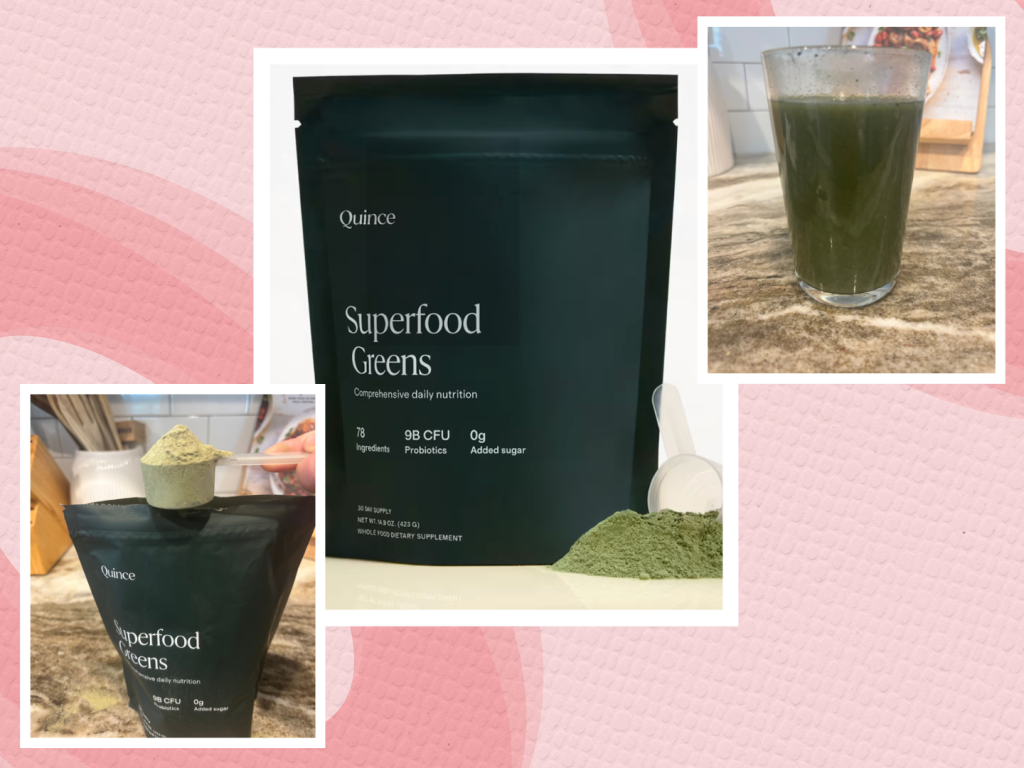
Quince Superfood Greens Review: Why I Ditched My Pricey Greens for This Mix
If you purchase an independently reviewed product or service through a link on our website, SheKnows may receive an affiliate commission. As a busy mom of two, I often miss my nutrition goals, especially when it comes to greens. That’s why I’ve been taking a daily greens powder for the past two years. Before having my second daughter in December, I relied on a popular (and pricey) greens powder as part of my supplement routine. After transitioning into the postpartum period, I decided to explore new formulas to find those that best fit my current needs. For the past few weeks, I’ve been putting Quince’s Superfood Greens to the test. It’s packed with over 78 nutrients and vitamins that help improve digestive and immune health. Ahead, learn more about the green powder and my honest thoughts on its formula. Related story Here’s the Special Code You Can Use Today for Early Access to Tory Burch’s Extra 25% Off Semi-Annual Sale What Are the Benefits of Quince’s Superfood Greens? Greens powders “act as an insurance policy for your diet,” according to UCLA Health. Quince’s Superfood Greens is designed to help fill nutritional gaps, minimize bloating, support a healthy immune response, and sustain energy and focus. The powder is science-backed and expertly sourced for optimal absorption, potency, and nutrient density per Quince. Additionally, this greens mix also helps to promote healthy aging and supports bones and joints. What Ingredients Are the Superfood Greens Made With? Quince’s Superfood Greens powder is packed with 78 nutrient-rich vitamins, minerals, antioxidants, adaptogens, probiotics, and superfoods. Its main ingredients include: Adaptogens and antioxidants: This blend features a pea protein isolate, tart cherry, vitamin K2, artichoke leaf, dandelion leaf, ginseng, hawthorne berry, milk thistle, organic ashwagandha root, organic rosemary, policosanol, and rhodiola rosea. Superfoods: There is also organic wheatgrass, organic apple, organic barleygrass, spirulina, organic chlorella, parsley, coconut oil, acacia fiber, organic beetroot, organic broccoli, organic spinach, lycium berry, organic kale, acerola cherry, bilberry fruit, and more. Vitamins and minerals: The powder also includes a handful of vitamins such as vitamin C, potassium, calcium, vitamin E, magnesium, niacin, zinc, pantothenic acid, thiamin, vitamin B6, riboflavin, vitamin A, folate, manganese, biotin, copper, vitamin D3, chromium, vitamin B12, and selenium. Digestive complex: This proprietary complex includes Astragalus root, bromelain, burdock root, reishi mushroom, and shiitake mushroom. 9B CFU probiotics: This probiotic supplement is important for gut health and contains 9 billion colony-forming Units per serving, supporting digestive health. Quince notes on its website that Superfood Greens is also crafted with natural flavors, monk fruit, and Reb M, and is made in a facility that processes soy, fish, shellfish, milk, peanuts, tree nuts, wheat, eggs, and sesame, for those with allergies to be aware. Plus, it’s free from preservatives, GMOs, fillers, and 12 major allergens. Photo: Taylor Lane My Honest Thoughts on the Superfood Greens After trying five green powders in two years, this one surprised me. Not only do I appreciate its nutrient-dense formula, but also its refreshing, lightly sweet taste with a hint of pineapple, which washes away the earthy aftertaste left by other powders. Although this blend has a subtle flavor, it’s made without any added sugar, artificial flavors, stevia, or sugar alcohols to preserve its integrity. Beyond its enjoyable flavor, it mixes like a dream — I initially used a hand mixer the first week, but quickly realized a spoon works just as well, leaving no noticeable chunks and making it easy to enjoy daily. Photo: Taylor Lane In week two of testing Superfood Greens, I’ve already noticed results. I’m six months post partum, and I’ve been dealing with uncomfortable bloat that won’t budge. I attribute it to hormonal shifts and my body getting back on track, but after a week of the greens, I haven’t had any extra bloating or uncomfortable cramps. My 3 pm crash has disappeared since I started the greens mix. Every day at that hour, I typically need a cup of coffee or a quick power walk to get some energy back, but since drinking the greens, I’ve had an energy boost. I haven’t made any other changes that could explain the change, and my baby isn’t sleeping any more hours at night, so this is a huge win! The Bottom Line Quince’s Superfood Greens will remain in my daily routine. The benefits after two weeks, paired with its affordable cost, make it worth stocking up on. Each bag offers a 30-day supply for $40, while others are priced around $100. You can easily add it to your routine. Just scoop once daily, combine with 8 to 12 ounces of water, and stir until dissolved. Its formula is gentle on the stomach, so you won’t need to take it with food. I’m looking forward to seeing what benefits Quince’s Superfood Greens provides after a full month of taking the daily greens, and I will be sure to update this article. In the meantime, you head to Quince to try the greens now and see for yourself. About the Author Taylor Lane is a contributing commerce writer at SheKnows, covering beauty, style, and lifestyle. With over eight years of media experience, she previously served as a beauty writer at The Zoe Report and a fashion assistant at Glamour. Her work has appeared in StyleCaster, The FlowSpace, WWD, Forbes Vetted, Teen Vogue, InStyle, and more, where she’s tested hundreds of products — from top-performing mascaras to the most functional strollers. She’s also a mom of two girls, a ten-year-old and a 4-month-old. And when she’s not online, she’s usually at Pilates. Before you go, check out our slideshow below: Source link