
As the weather gets warmer and coastal waters heat up, it feels like the perfect time to bring your family to the beach. Unfortunately, with those rising water temperatures come a proliferation of bacteria that can cause illness and, in some cases, life-threatening symptoms. We’re talking about Vibrio vulnificus, often called a flesh-eating bacteria, which experts say is showing up earlier than usual this year. There have already been eight confirmed cases in Florida so far, up from five this time last year, according to radio station WUSF. Related story 13 Symptoms of Meningitis You Need to Know If You’re Parenting Teens Depending on how you contract Vibrio vulnificus (more on that later), it can lead to necrotizing fasciitis, where the skin around an infected wound starts to die — hence why it’s often called a “flesh-eating bacteria.” However, you can also swallow it with undercooked shellfish, which can lead to serious gastrointestinal symptoms as well. It sounds like enough to keep you away from the beach (and oyster bars) for good, but it’s not always that simple. With the summer heat officially here and the bacteria lurking in the water where we go to find relief, how can keep yourself—and your little ones—safe? What is flesh-eating bacteria (Vibrio vulnificus)? Vibrio vulnificus is a bacterium found naturally in coastal waters, says Sukrut Dwivedi, DO, the infectious disease section chief at Hackensack Meridian Ocean University Medical Center. We see cases spike during warmer weather—specifically in May through October—because the bacteria multiplies rapidly in warmer water, Dr. Dwivedi explains, which increases the odds of exposure. “The highest number of infections typically occur from late spring through early fall,” he explains, “particularly along Gulf Coast and Atlantic coastal regions.” What to do if you suspect an infection There are two primary ways you can get infected with Vibrio vulnificus: Eating raw or undercooked shellfish, especially oysters from warm waters Exposing open wounds or skin breaks to contaminated coastal or brackish seawater, or raw shellfish juice or drippings (Note that this bacteria is not transmitted from person-to-person.) Symptoms of this bacterial infection can vary. Gastrointestinal symptoms include: Watery diarrhea Stomach cramps Nausea Vomiting Fever Chills Symptoms associated with wound infections include: Redness Swelling Pain Warmth Discoloration Blisters Ulcers at the site Rapid progression to necrotizing fasciitis Infection can also impact the bloodstream, which can present as: Fever Chills Low blood pressure or shock Blistering skin lesions in extremities Confusion Healthy people that contract Vibrio vulnificus may only deal with a mild illness, Dr. Dwivedi says, but the infection can still progress to severe levels — and those with an underlying condition like chronic liver disease or diabetes are at much higher risk. About 1 in 5 people with severe Vibrio vulnificus infections die, he adds, sometimes within just one or two days. Others may need extensive surgery or amputation. That’s why it’s important to know the signs and to seek medical attention immediately if you or a loved one start showing symptoms after possible exposure. Make sure to tell the provider immediately that you have been in contact with seawater or have eaten raw seafood. People with Vibrio vulnificus will typically be treated with antibiotics, surgical removal of infected tissue, or amputation when necessary. Early treatment, Dr. Dwivedi says, can significantly improve survival outcomes. “You should not wait for a Vibrio vulnificus infection to go away on its own,” he emphasizes. “It can be fatal quickly.” Why is Vibrio vulnificus on the rise? Vibrio vulnificus can lead to serious illness, so it’s no wonder health experts are sounding the alarm that it’s on the rise. Cases in the eastern U.S. have increased eightfold between 1988 and 2018, according to the American Society of Microbiology, a trend we can likely attribute to global warming. As waters along the coasts get warmer, “both the geographic range and seasonal window during which these bacteria can thrive” is expanding, says Dr. Dwivedi, who noted that Vibrio vulnificus is now being detected farther north than we would historically see, including in the Northeast. “Warmer-than-average coastal water temperatures likely play a role.” He points out the cases in Florida as an example. They’re spread across both the Gulf and Atlantic coasts rather than in one spot, so health officials believe the spike is due to “broad, climate-driven environmental changes,” Dr. Dwivedi says, “rather than a localized contamination event.” How can I keep my kids safe? Keeping your family safe from Vibrio vulnificus should be top-of-mind if you live or are vacationing near warm coastal waters — or if you’re planning on eating shellfish any time soon. Here is Dr. Dwivedi’s advice: Avoid contact with seawater and brackish water if wounds are present. This includes open or scabbed wounds, skin breaks, or recent piercings, tattoos, or surgery. “If contact cannot be avoided,” he says, “protect any wounds with a waterproof covering.” Wash wounds and cuts thoroughly after possible contamination. This includes any contact with saltwater, brackish water, raw seafood, or shellfish. Make sure to use soap and water! Avoid feeding children raw or undercooked shellfish, especially oysters. If you or a loved one has underlying conditions like liver disease or diabetes, avoid raw oysters entirely. Check local beach advisories and water quality postings. Do this before you get in the water and especially after heavy rain or storms, which can make bacteria levels spike. Keep up with current guidance. Check the CDC’s information page on Vibrio vulnificus and your state health department website for the most up-to-date information. Source link
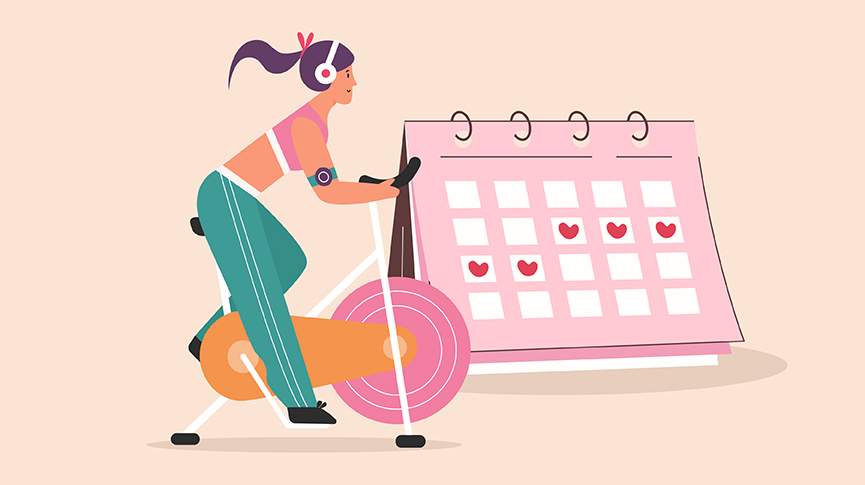
Why You Should Consider Cycle Syncing Workouts
Gym girlies have to deal with something daunting to the burliest bodybuilders: Our periods. If you feel weaker or more tired at certain times of the month, you’re not alone. Your menstrual cycle affects sleep, mood, bone health, energy, and metabolism, so depending on which stage you’re at in the menstrual cycle, your body may feel up to different tasks. Being in tune with your body and where you’re at in the menstrual cycle can aid in rest and recovery, helping you reach your fitness goals. Here’s how your body changes throughout the menstrual cycle, and why you may want to consider cycle syncing workouts. The Four Phases of Your Menstrual Cycle Your menstrual cycle is driven by two main hormones, progesterone and estrogen, and as levels of these hormones rise and fall in the body, they impact many other processes in your body that can affect exercise. Let’s break down the four phases of your menstrual cycle: The Menses Phase The menses phase begins on the first day of your “period,” aka when you start bleeding. If pregnancy hasn’t occurred, the unfertilized egg is shed, along with the lining of your uterus, through your vagina with waste blood. The Follicular Phase This phase overlaps with the menses phase and ends when you ovulate. Estrogen rises in the body, thickening the uterine lining. Another hormone – literally called follicle-stimulating hormone (FSH) – causes follicles in your ovaries to grow, and one of these follicles will develop into a fully mature egg. Ovulation After an egg is formed, a surge of luteinizing hormone (LH) pushes your ovary to release the egg into the uterus in a process known as ovulation. The Luteal Phase The egg leaves the ovary and starts traveling through your fallopian tubes to your uterus. Progesterone rises in the body to prepare your uterine lining for pregnancy; if pregnancy doesn’t occur, progesterone and estrogen levels drop and your body enters the menses phase again, shedding the thickened uterine lining. Best Exercises for Each Phase One often under-discussed aspect of female training is the importance of pelvic floor strength. A strong pelvic floor functions as the base of the core, manages intra-abdominal pressure, prevents leakage, and supports pelvic organs when performing high-impact activities such as running or lifting. Pelvic floor strength fluctuates as you go through your menstrual cycle, which is why you may struggle to hit new PRs during certain phases after crushing it the week before. Though testosterone is the gym buzz word associated with strength, in people with menstrual cycles, estrogen actually promotes muscle strength, while progesterone relaxes the muscles in preparation for pregnancy and causes your pelvic floor muscles to feel weak. Generally, most people feel weakest during the menstruation phase (days 1-7) when hormones are at their lowest, and strongest during the luteal phase (days 21-28). By cycle syncing workouts, you can take advantage of days where your pelvic floor muscles are strongest and energy levels are highest. Understanding why you don’t feel as up to intense training during the luteal phase can (weaker pelvic floor muscles mean less stability!) can be helpful for mitigating overtraining or injury. Menstrual Phase (Days 1-5) Energy levels are typically low during the menstrual phase. A dip in estrogen and progesterone can cause your pelvic floor muscles to weaken, and you may feel fatigued. If you feel tired during this phase, don’t push it; take a rest day, or stick with light activities like stretching or walking that get the blood flowing without compounding fatigue. If you have a heavy menstrual flow, make sure you’re eating enough iron to compensate for blood loss. Follicular Phase (Days 6-13) You’ll typically feel better during this phase as energy levels increase with estrogen levels, making it a good time to hit that Crossfit class or tack on some hill springs. Your pelvic floor should be feeling good, as rising estrogen levels enhance strength, muscle tone, and coordination. Ovulation Phase (Days 14-17) This is the time to try for a new deadlift PR or record swim time – estrogen and testosterone levels peak in the body during ovulation, heightening muscle tone and coordination. Luteal Phase (Days 18-28) Rising progesterone levels during the luteal phase can start slowing you down, especially later on in the cycle approaching your period. This is why you may feel extra fatigued or crampy the days right before your period starts. If you tend to feel especially tired towards the end of your cycle, try to focus on activities involving more pelvic floor strength like high-intensity strength training or cardio in the earlier days of the luteal phase, before progesterone levels peak. You can plan your lower-intensity Pilates or yoga classes for the end of the luteal phase. Every Body Is Different While hormonal fluctuations during your menstrual cycle can influence training and exercise, it’s important to remember there’s no way to pinpoint your exact hormone levels. Tracking your period and knowing what stage you’re probably at is a general guide, and the most important thing is to listen to your body and how it feels. There’s no rule saying everyone with a cycle absolutely SHOULD lift hard during the luteal phase, or that you have to take days off during the menstrual phase. Many of us already find it difficult to fit exercise into our busy schedules without having to organize around our menstrual cycles. Unfortunately, people with cycles are underrepresented in sports and exercise studies, where the majority of the research focuses on male participants or doesn’t account for menstrual cycles. Cycle syncing isn’t an exact science, but understanding how your menstrual cycle can impact exercise performance should help you give yourself a little grace on the days you mysteriously can’t lift as well as previously, or to explain why certain times of the month you feel like superwoman. Source link

Natalie Morales on Alzheimer’s and Caregiving
CBS correspondent Natalie Morales is 54, the same age her mother-in-law was when she received a devastating Alzheimer’s diagnosis. So when Morales experienced a memory lapse while on a recent work trip, she couldn’t help but fear the worst. “I’m very well aware of when I have a memory lapse, whenever there’s a word I can’t think of,” Morales told USA Today in an interview this week. “Or if, you know, I know this person but… I can’t think of their name.” On her trip, Morales forgot her hotel room number, spending minutes on the wrong floor tapping her key card against doors. “Oh my gosh,” she remembered thinking. “Either I’m overworking, or I don’t know what’s going on. Maybe I’m having perimenopause brain.” Of course, the thought of dementia also ran through her mind. Her mother-in-law, Kay Rhodes, died in 2014 after living with Alzheimer’s for years. Related story Olivia Munn Describes ‘Surreal’ Breast Cancer Diagnosis: ‘I’d Seen This in Movies’ Morales doesn’t have dementia, but fearing it is understandable — once we get to a certain age, it’s hard not to. That’s especially true when it’s impacted your loved ones. “I think she was always a little bit afraid of getting that diagnosis,” Morales said of her mother-in-law. “And there was a little bit of that denial, although I think she knew better than anyone what she was feeling.” The first signs, Morales remembers, were her mother-in-law having trouble completing tasks and repeating herself while speaking, along with anxiety and paranoia. Rhodes’s struggle with Alzheimer’s also impacted the rest of the family. Rhodes’s husband was her primary caregiver and Morales says he felt the impact physically, emotionally, and financially. “With a lot of caregivers, you know, the more they invest in someone else and in that care, they lose themselves in that,” Morales reflects. Now that Morales herself has some of those same Alzheimer’s fears, she’s both accepting and optimistic about the future. “We are at that age where these are things that we have to talk about and think about a lot more,” she said. But thanks to medical advancements, there are now more treatments than ever for people with dementia, including new medicines, better testing, and drugs that stop Alzheimer’s triggers. “The outlook,” Morales agrees, “is so much more positive now.” Source link
Nutrition for the Luteal Phase: Fighting Cravings and Bloat
Feeling crampy, bloated, and ravenous right before your period? During the luteal phase of the menstrual cycle, hormonal surges and dips can cause unpleasant symptoms such as spikes in appetite and water retention. If period cravings are driving you to devour every empty calorie in sight, here are some luteal phase diet tips to ensure your body gets the nutrition it needs to fuel your activities and minimize discomfort. Why Do I Get So Hungry During The Luteal Phase? The luteal phase of the menstrual cycle happens around day 15 to 28 of the cycle. This is the run-up phase after ovulation, beginning after an egg is released into the uterus and lasting until either the egg is fertilized (pregnancy) or shed through menstrual bleeding. Since your body is essentially preparing for a pregnancy, several hormonal shifts occur which can have you reaching for that second bag of chips or wanting to demolish a whole chocolate cake. Estrogen Goes Down Estrogen is a hormone that suppresses appetite and boosts mood. In the days leading up to your period, estrogen levels fall, which can lead to mood swings and increased hunger. Progesterone Dominates Progesterone stimulates appetite – perhaps so your body is properly fueled in case pregnancy occurs – and while progesterone levels go down right before menstruation, lower levels of estrogen means progesterone becomes the dominant hormone. Depleted Serotonin Serotonin, aka our “happy hormone,” also goes down around this time. The “comfort” in comfort foods comes from how consuming high-carb, sugary foods triggers a rush of serotonin, making them extra tempting – especially when annoying PMS symptoms like fatigue, bloating, cramps, and irritability are compounding the period blues. Scrambled Satiety Hormones Ghrelin and leptin are hormones that tell our body when it’s hungry or full. Fluctuations in progesterone and estrogen also interact with ghrelin and leptin, messing with our satiety cues and spiking appetite. Your Metabolism Rises, Slightly Resting metabolic rate (RMR) is the amount of energy your body uses at rest. Studies have found a small increase in RMR during the luteal phase, potentially due to a progesterone-driven increase in body temperature. This means that you may be burning slightly more calories than normal at certain times of the month. However, the increased calorie expenditure is minute – closer to an extra protein bar or avocado than the family-sized bag of chips you may be craving. Best Foods To Eat PMS cravings are a natural part of menstruation. There’s nothing wrong with curling up in bed with a box of chocolate once in a while, but it’s also important to give your body plenty of nutrients to balance PMS symptoms like bloating and fatigue. Here’s what a nutrient-rich luteal phase diet can do for your PMS symptoms: Stabilize your blood sugar, helping you keep mood and energy levels up Ease bloating by reducing water retention and inflammation Help your body produce and regulate progesterone production Boost serotonin levels Help you cramp less Magnesium-Rich Foods Magnesium is the MVP of PMS nutrients, helping reduce water retention, muscle cramps, and sleep issues. Studies have found that supplementing magnesium can actually reduce PMS symptoms like anxiety and irritability. Some good sources of magnesium include: Pumpkin seeds Dark chocolate (stick to chocolate with 70% cacao or more for your chocolate cravings!) Leafy greens like kale and spinach Nuts like cashews, almonds, and brazil nuts Bananas Avocados Legumes like black beans and edamame Support Your Hormones with Vitamin B6 Vitamin B6 supports progesterone production and acts as a coenzyme in the synthesis of neurotransmitters like serotonin. Eating plenty of Vitamin B6 can help regulate the period blues that come with decreased serotonin. Good sources of B6 include: Lean chicken and turkey Fish and seafood like salmon, halibut, and tuna Organ meats like liver are particularly high in vitamin B6 Starchy vegetables such as sweet potatoes, yams, and different types of squash Spinach Tropical fruits like pineapple and mango Nuts and seeds like pistachios, sunflower seeds, and chia seeds Pairing Calcium and Vitamin D To Reduce PMS Symptoms Low levels of vitamin D and calcium can exacerbate PMS symptoms. Research shows how a high combined intake of vitamin D and calcium can ease bloating, mood swings, and pain. Calcium-rich foods: Dairy products like greek yogurt, kefir, and cottage cheese Almonds Dark leafy greens Fortified plant milks Edamame and tofu Almond While vitamin D is difficult to get from food alone, going for a walk in the sun or taking a supplement can help. Foods containing vitamin D include red meat, oily fish like salmon and sardines, and egg yolks. Low-Inflammatory Recipes for Period Prep As anyone who has had to work, run errands, or take care of children knows, life doesn’t pause for your period. Having a game plan when tackling the luteal phase can help you pack in the necessary nutrients for a smoother period. Eating a combination of complex carbs, plenty of protein, and fiber to support digestion (period constipation is real!) will keep energy levels up and ease mood swings. Here are some meal ideas to combat inflammation and keep energy levels up when you most need it. Steel-Cut Oats with Yogurt, Chia Seeds, Greek Yogurt, and Honey The complex carbs in oats keep your blood sugar levels steady and boost serotonin production. Greek yogurt is full of protein, keeping you fuller longer and away from processed snacks! Fiber and probiotics will boost digestion – Progesterone can slow digestion during the luteal phase, which is why some people feel constipated right before their period. For an extra anti-inflammatory boost, add a spoonful of omega-3 rich chia seeds, which helps with cramps, and soothe that sweet tooth with honey (natural antioxidant). You can even add some dark chocolate to replenish serotonin. Tofu, Edamame, and Chopped Kale Salad Edamame beans are a great source of protein, calcium, and omega-3 fatty acids. For an easy, no-cook salad, buy frozen packets of edamame and shell into some hot water to thaw. If you have trouble

Olivia Munn Tells Hoda Kotb Breast Cancer Diagnosis Felt Surreal
At first, Olivia Munn‘s breast cancer diagnosis didn’t feel real. In fact, in a weird way, it felt familiar. “I’d seen this in movies,” Munn told Hoda Kotb on the Joy 101 podcast on June 10. “I was like, oh, I’ve seen this when someone sits down and they go, ‘It’s cancer.’ You watch it from a third-person perspective.” Then, all of a sudden, Munn said she realized this was happening to her, not a character on screen. “It was very surreal,” she said. “As it’s happening, it feels like I’m in a movie. But the same time, my brain is like, ‘Be here, right now.” Related story Natalie Morales Concerned About Alzheimer’s After a Family Member Died from the Disease: ‘We Are at That Age’ Munn was diagnosed with breast cancer in March 2023, at age 42, after her OB-GYN calculated her Breast Cancer Risk Assessment Score and recommended she have additional screening. The actress had just welcomed her first child, Malcolm, in 2021, and had been planning her second with now-husband John Mulaney when she got the diagnosis. “It’s a huge marker,” Munn said, reflecting on that moment. “When somebody goes back and tells the story of your life, you think it’s going to be one way, and all of a sudden, there’s a fork in the road.” After she got through the initial out-of-body moment, Munn remembers getting “really focused,” a mindset she would stay in throughout treatment. She learned she had Luminal B cancer, and aggressive and fast-moving breast cancer, which they later found to be in both breasts. From there, Munn says, “it was off to the races.” She had a double mastectomy just 30 days later. Through the whole ordeal, she says, she only cried twice: right before the double mastectomy, and a week after, when she saw herself with tissue expanders — empty breast implants not yet filled with liquid or air. (“I didn’t recognize myself,” she explained previously on the SheMD podcast.) Munn also admits she was afraid of freezing her eggs amidst her diagnosis, as the hormones taken during the process can further stimulate some types of cancer. (Per Breastcancer.org, fertility doctors who specialize in working with cancer patients can customize the medication regimen to protect the body from high estrogen levels, while still stimulating the ovaries to produce eggs.) For Munn, though, it was about an acceptance of fear and a decision to not let it run her life. “I realized then that I think I’ll be afraid for the rest of my life,” she explained. With cancer, “we always have to look over our shoulder” in case of a recurrence. “I had decided that I can’t choose where the fear wants to be and wants to sit… You might be sitting in the passenger side, you might be sitting in the back, but it’s going to be in the car of my life.” Munn was set on having a girl, no matter how many rounds it took — and, as her doctor told her, “the numbers aren’t on our side.” But then “the dream” happened: two healthy embryos developed after her first egg retrieval, and both were baby girls. “My daughter Méi Méi’ is one of those two,” Munn said. She and Mulaney welcomed Mèi June in September 2024 via surrogate. It was quite a journey, from that surreal moment of diagnosis to a double mastectomy to today, with Munn telling Kotb about an idyllic home life with her husband and two kids. And, Munn says, she found a new calling along the way: advocating for women to calculate their Breast Cancer Risk Assessment Score, the test that resulted in her early diagnosis and successful treatment. “I had no idea when I talked about it, that it would be so far- reaching and help so many people, and but that was my goal,” Munn said. “That’s what I wanted… [I thought] if I do it right, maybe I could really make a difference.” Source link

How To Track Basal Body Temperature (Step by Step)
Basal body temperature, or BTT, is your lowest body temperature at rest on any given day. For people who have periods, fluctuations in hormone levels – particularly the hormone progesterone – causes BTT to increase slightly. BTT tracking is a way of gauging your fertility window, letting you know what days of the month you’re most likely to get pregnant if you have sex. Other than family planning, tracking your BTT can help you more accurately link each stage of your cycle to how you’re feeling, confirm the timing of ovulation, and provide a more comprehensive view of your body’s natural rhythms. How Does Your Cycle Affect Basal Body Temperature? Your BTT changes through each stage of your cycle, increasing after ovulation and decreasing right before ovulation. Follicular phase: During the pre-ovulation (follicular) phase of the menstrual cycle, the average adult female basal body temperature typically falls around 97.0 – 97.5°F (36.1°C to 36.4°C). This is the beginning of your cycle, when estrogen dominates. Ovulation: In the 1-2 days leading up to ovulation, there’s a small “dip” of about 0.5°F (0.2°C). This is the lowest BTT in your cycle. Luteal phase: Progesterone levels rise as your body prepares itself for potential pregnancy, increasing resting body temperature by 0.4°F to 1.0°F (0.2°C–0.5°C) to a higher range of roughly 97.6°F to 98.6°F (36.4°C–37°C). End of cycle: If pregnancy doesn’t occur, progesterone levels drop and BTT goes down. Your body sheds the unfertilized egg and uterine lining through what we call the “period.” If pregnancy does occur, BTT remains elevated. Ovulation Fever vs. Illness Do you ever feel like you’re coming down with the flu in the days leading up to your period? If you consistently feel achy, tired, and a little feverish during that time of the month, it may not just be an (in)conveniently timed cold – you may be experiencing “ovulation fever.” During the luteal phase, your body releases chemical messengers called prostaglandins. Prostaglandins are the same chemical messengers your body produces when you’re sick to combat bacteria and viruses. When you start your period, prostaglandin released in the uterus lining raises your body temperature, causing a low-grade fever. Prostaglandin combined with low estrogen levels and the rise in BBT due to ovulation may mimic flu-like symptoms such as fatigue and pain. PMS symptoms vary widely from person to person, and researchers are still finding out new things about “ovulation fever.” Keeping track of your hormonal cycle can help you figure out what times of month you’re most likely to feel tired, and whether or not you’re really sick. Remember: Cyclical body temperature changes are generally subtle, and if your body temperature spikes significantly or remains high past your period, it’s time to see a doctor. Why Should I Track My BTT? You may be thinking: I’m super careful about using condoms, and I’m not trying to get pregnant. Why should I track my BTT? Cycle tracking is a way of gauging your hormonal health, providing real-time data on hormonal fluctuations, which may be responsible for a range of symptoms, from irregular menstrual cycles and fatigue to weight changes and irritability. The average person experiences their period in a 21 to 35-day cycle, but this range (which is already quite broad) can vary. BTT offers a more specific way to measure your bleeding patterns; If your periods have never been very regular, tracking your BTT helps you figure out when your next period will be and plan accordingly (you may want to reschedule a swimming outing on days after the “dip,” for example). BTT patterns may also be a predictor of hormonal health. For example, research shows that consistently low BTT readings correlate to an underactive thyroid. If your BTT patterns are all over the place, it could indicate hormonal conditions such as polycystic ovary syndrome (PCOS), stress-induced fluctuations, or perimenopause. Understanding your hormonal patterns can key you into potential problems and when to seek medical intervention. How To Track BTT: A Step-by-Step Morning Routine Tracking your BTT requires consistency and a solid sleep schedule. Keep in mind that your basal body temperature can be affected by various factors, such as: Stress Illness or fever Not sleeping well, or sleeping more than usual Substances like alcohol Certain medications Travel, especially across time zones Gynecologic disorders You’ll need a thermometer specifically designed to measure basal body temperature and measures to two decimal places for accuracy. Most BTT thermometers can be inserted under the tongue, though there are also vaginal or rectal options. Here’s how to track BTT: 1. Take your temperature at the same time each day, when you first wake up. Our body temperature is the lowest right when we wake up in the morning, and increases with activity. Make sure to take your BTT immediately upon waking, before you sit up, drink water, or go to the bathroom. Always take your temperature using the same methods as close to the same time every day as possible. 2. Track the numbers. Use a chart or tracking app to record your daily basal body temperature. There are several apps designed for this purpose which can provide useful visual aids. 3. Look for a pattern. You should see a clear pattern emerge over a few months; ovulation should be occurring on the days your BTT rises slightly. Be patient – self-measuring is prone to human error, and it may take some time before you get a regular pattern. Hormones Should Be Cyclical, Not Exact We’re not robots, and sometimes a night out or stress can confuse your readings. However, if you’re fairly consistent in your habits, and spot clear changes in your BTT over months of tracking, it may be a sign of hormonal disturbance. Knowing how your hormones impact the way you feel can help you understand your body and provide valuable insight to your doctor in case of concern. Source link
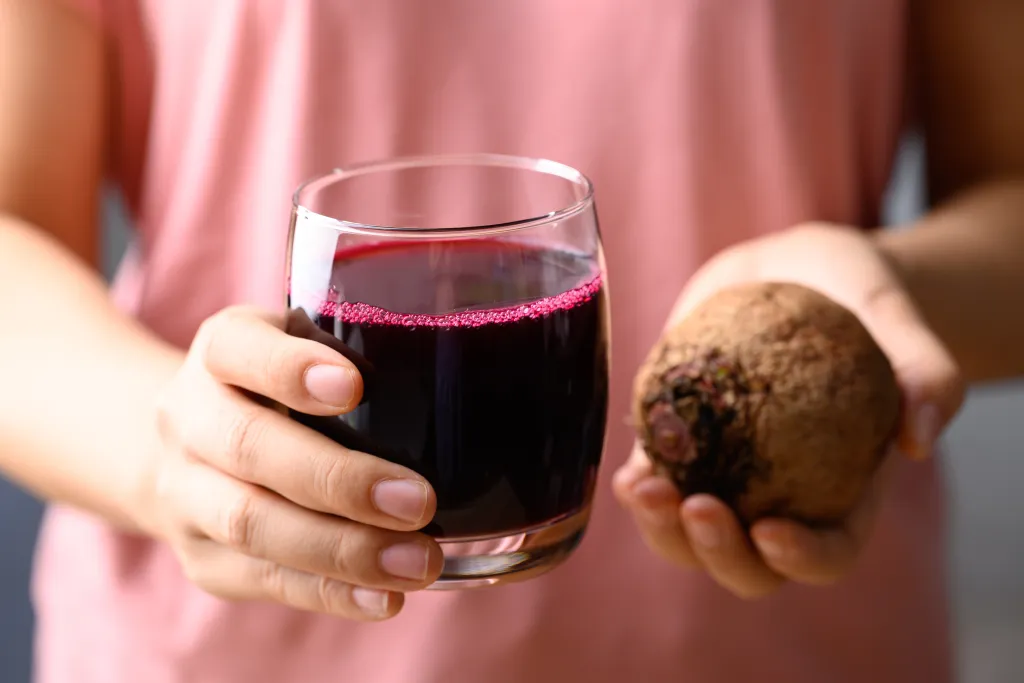
6 Major Health Benefits of Beetroot Juice
Let’s just get this out there: A tall glass of beetroot juice doesn’t inspire the same intense craving that a caramel macchiato does. Understood. Nonetheless, beetroot juice is loaded with antioxidants and is one of the healthiest superfoods you can get your hands on. If the earthy taste leaves you cold, bear in mind that the flavor of beetroot is easily assimilated with other fruit juice flavors, apple being its most popular companion fruit. Beyond supplying the body with a startling array of nutrients, beetroot juice also has tangible positive effects on your cardiovascular health, blood pressure, and brain health. Related story Want to Score On Cloud Running Shoes for Way Less? Newly Dropped Memorial Day Deals Start at Under $85 We asked registered dietitians to give us the scoop on everything to know about beetroot juice. 1. Beetroot juice reduces inflammation. If you’re looking to add more anti-inflammatory foods to your diet, beetroot juice is a good one to start with. Beets contain a type of polyphenol called betalains, which “have potent antioxidant properties,” says Avery Zenker, a registered dietitian with MyHealthTeam. (Betalains also give beets their bright color.) Research suggests that betalains can help reduce inflammation, Zenker explains, as well as “lower cholesterol and triglycerides, decrease blood pressure, reduce arterial stenosis, and help combat atherosclerosis.” 2. It’s a natural multivitamin The vitamin and mineral content of beetroot juice is impressive in general. In terms of vitamin content, it contains high levels of vitamin C, folic acid, beta carotene (vitamin A) and vitamins B1, B2 and B3. Mineral wise, beetroot juice boasts a long list of valuable nutrients: potassium, phosphorus, manganese, zinc, copper, selenium and iron. Additionally, beetroot juice contains protein in the form of a complete set of amino acids. 3. Beetroot juice helps lower blood pressure. Thanks to their nitrate and potassium content, beetroot juice is also great for regulating your blood pressure. Nitrates, Zenker explains “help increase nitric oxide bioavailability. Nitric oxide is a potent vasodilator and helps support blood vessel health, which contributes to healthier blood pressure.” Potassium, meanwhile, helps to combat the blood pressure-increasing effects of dietary sodium. 4. Beetroot juice supports healthy levels of cholesterol. If you’re conscious of keeping your cholesterol down, add a bottle of beetroot juice into your day. The polyphenols in beetroot juice (including betalain, as mentioned above, and flavonoids) “act as antioxidants to potentially protect against oxidation of LDL cholesterol, helping reduce risk of plaque buildup in the arteries,” Zenker says. 5. Beetroot juice enhances athletic performance. Want to run or bike longer? Beetroot juice is known to help improve sports performance thanks to the nitrate content, which open up your blood vessels and allow improved oxygen delivery to the brain and muscles, Zenker says. “Beet juice is particularly helpful in endurance activities, and may help improve stamina and delay fatigue,” she explains. 6. Beetroot juice may help support brain health. “Beet juice may promote cognitive function, focus, and mental clarity,” Zenker says, thanks to those vasodilating nitrates and antioxidants like betalains. This works “by increasing blood flow to the frontal lobe, the area responsible for higher-level thinking and working memory,” explains Nicolle Cucco, a registered dietitian at Muscle Booster. “It can help you stay sharp and focused throughout the day.” “Beet juice also contains brain-supporting vitamins and minerals like potassium, folate, iron, magnesium, manganese, and vitamin C,” Zenker adds. Best ways to get beetroot juice Aside from growing your own beets, the cheapest way to get fresh, organic beetroot juice is to juice them yourself. Organic beets can be picked up at your local farmers market (when in season), or in the organic produce section of a supermarket. If you don’t have a juicer, pre-packaged beetroot juice is also available from brands like Pressed Juicery. Source link
Ebola Outbreak 2026: What U.S. Families Need to Know & Watch Out For
The World Health Organization has declared the latest Ebola outbreak in the Democratic Republic of Congo and Uganda a public health emergency of international concern, and understandably, that headline alone sounds alarming. But for families in the United States, risk remains low. Let’s break down everything families need to know about the latest Ebola outbreak and how to stay safe as confirmed cases continue to rise. Right now, the outbreak is centered in a remote region of Central Africa, primarily in the DRC’s Ituri province, with a small number of cases reported in Uganda. As of May 19, 2026, there have been more than 500 suspected cases and over 130 suspected deaths linked to the outbreak. While the situation is indeed quite serious for the affected regions, families in the U.S. don’t necessarily need to panic. Learning a bit more about how Ebola works and is spread will hopefully put your mind at ease. Related story Adolescent Diabetes and Hypertension Are on the Rise. Here’s Why, and What Parents Can Do What Is Ebola? Ebola is a rare but severe disease caused by several viruses in the orthoebolaviruses family. The disease triggers a hemorrhagic fever, meaning it attacks the body’s blood vessels and impacts the body’s clotting abilities, often leading to extensive internal and external bleeding. How Does Ebola Spread Among Humans? Unlike airborne viruses, Ebola does not spread through casual everyday contact like walking past someone in the grocery store or sitting next to an infected person on the subway. According to the Centers for Disease Control and Prevention (CDC), Ebola can only spread through direct contact with bodily fluids from someone infected and showing symptoms. That includes direct contact with infected blood, vomit, saliva, sweat, urine, breast milk, and other fluids. A person can also become infected by touching contaminated objects like bedding, clothing, or medical equipment that has infected bodily fluids on it. Ebola transmission is mostly seen among healthcare workers or close friends and family treating infected patients or handling contaminated materials. The bodies of people who recently passed from Ebola are often the most contagious. The virus can remain at very high levels in the body after death, which is why traditional caregiving and burial practices can sometimes accelerate outbreaks. In some affected regions, family members often wash, prepare, or physically touch the body before burial, often without protective equipment. The close contact with infected people, combined with a lack of knowledge about how the disease acts and spreads, often accelerates outbreaks in these regions. Many outbreak regions face limited access to healthcare, shortages of protective medical supplies, underfunded hospitals, and gaps in public health education and training. In remote areas, it can take longer to identify cases, isolate sick patients, trace contacts, acquire medical supplies, and share accurate health information with communities. In the U.S., hospitals have strict infection-control protocols, trained medical staff, isolation units, and highly effective disease surveillance systems that help slow, and oftentimes prevent, the rapid spread often seen in more isolated regions of the world. What’s Different About This Outbreak? The current outbreak is tied to the rare Bundibugyo strain, first identified in 2007. This is only the third known outbreak involving this strain. One challenge is that there are currently no approved vaccines or treatments specifically designed for the Bundibugyo virus strain. Health officials are relying on rapid isolation, contact tracing, testing, and supportive hospital care to contain the spread. The World Health Organization says the outbreak does not currently meet the criteria for a pandemic emergency. Where Is the Current Ebola Outbreak Happening? Most cases have been identified in northeastern DRC, particularly in the Ituri province. Uganda also has confirmed cases, including one death in Kampala. Health officials are especially concerned because some infected people traveled between countries before being diagnosed, which raises the possibility of additional regional spread. The CDC also confirmed that an American doctor working in the DRC tested positive for Ebola, while several other Americans were exposed and are being transported to Germany for monitoring and treatment. Should Families In the U.S. Be Worried? At this point, experts say most Americans do not need to worry or change their daily routines. The CDC has also repeatedly stated that the risk to the United States remains low. Ebola is much harder to spread than respiratory illnesses like COVID or the flu because it requires direct exposure to infected bodily fluids. The U.S. has also already implemented additional travel precautions, including temporary restrictions for certain non-U.S. travelers coming from affected regions. For the average American family, this is definitely more of a “stay informed” situation than a “stock up and stay home” situation. What Are the Symptoms of Ebola? Symptoms of Ebola can appear anywhere from 2 to 21 days after exposure and often begin like many common illnesses. Early symptoms can include: Fever Fatigue Muscle Pain Headache Sore throat As the illness progresses, symptoms may include: Vomiting Diarrhea Stomach pain Unexplained bleeding or bruising That said, unless someone has recently traveled to an affected area or had direct exposure to an infected person, these symptoms are far more likely to be linked to something much more common, like allergies or a simple cold. How Deadly Is Ebola? Ebola can be extremely serious. Fatality rates in past outbreaks have ranged widely, from about 25% to 90%, depending on the strain and access to medical care and information. Historically, the Zaire strain has been the most deadly, with fatality rates reaching 90% when symptoms are left untreated. For the current Bundibugyo strain, experts estimate the fatality rate to be between 25% and 40%. Is There a Cure? Currently, there is no universal cure for Ebola. The FDA has approved specific monoclonal antibody treatments (Inmazeb and Ebanga) for the Zaire strain of the virus. For other strains and most general cases, treatment and management of infected patients rely entirely on supportive care, such as fluid replacement. What Is the U.S. Doing to Prevent Spread? The CDC says

7 Long-Term Side Effects of Meningitis Parents Should Know
Meningitis is rare and preventable thanks to childhood vaccines, but it should still be on every parent’s radar. Primarily affecting very young children and teens, this dangerous infection can quickly become life-threatening. Even when kids recover, they can be left with serious long-term side effects — and we need to talk about it. What is meningitis, anyway? This condition occurs when a bacterial or viral infection reaches the meninges, or the membrane surrounding the brain and spinal cord. Bacterial meningitis, often caused by germs like pneumococcus or meningococcus, tends to be the most severe and deadly variety. Viral meningitis is usually less serious, but not always. Related story 13 Symptoms of Meningitis You Need to Know If You’re Parenting Teens “Regardless of the cause, these are all infections in and around your brain, and that’s something to avoid if you can,” Elizabeth Murray, DO, MBA, pediatric emergency medicine doctor, tells SheKnows. Babies and very young children are more vulnerable because their immune systems are still developing. Teens and young adults ages 16 to 23 are at a higher risk for meningococcal meningitis specifically because they’re more likely to be in close-quarters living situations where contagious germs spread like wildfire — think dorm rooms in college. Meningitis symptoms can run the gamut, but in severe cases, it’s often apparent that something is seriously wrong, Murray notes. Babies and young children may present with a high fever, irritability, vomiting or refusing to feed, or extreme lethargy. They might also have a red or purplish rash on their skin. “The fontanelle, or soft spot on the top of their head, may be bulging or feel higher than usual and full,” Catherine Mary Healy, MD, pediatrician and member of American Academy of Pediatrics’ (AAP) Committee on Infectious Diseases, tells SheKnows. Meanwhile, teens and young adults with meningitis may develop a fever, severe headache, stiff neck, or confusion. All diagnoses are made with a lumbar puncture, or spinal tap, which helps doctors identify what germ caused the infection and treat it accordingly. To be clear: Meningitis is fairly rare, and most people who get it make a full recovery. “Sadly, even when we can stop the infection, sometimes damage is still done,” Murray says. Per the Meningitis Foundation, one in five people who fall ill with bacterial meningitis are left with permanent side effects. They can vary widely depending on the germ that caused the illness and severity. In general, the longer treatment for meningitis is delayed, the higher a patient’s risk of sustaining serious damage to their organs, muscles, or nervous system. Bacterial meningitis is typically treated with weeks of antibiotics, Murray explains. Viral cases sometimes resolve on their own, but often, meningitis requires hospitalization. Viewers who tuned in for Season 2 of The Pitt, HBO Max’s hit medical drama, may recall that (spoiler alert!) Dr. Baran Al-Hashimi experiences seizures as an adult because she had viral meningitis in childhood. That’s just one example of a possible complication. “Long-term effects may include deafness, seizures, and neurodevelopmental delays,” Healy says. “For meningitis caused by meningococcal disease with a severe rash, there may also be skin scarring or the need for amputation of limbs.” Lingering vision or memory issues can arise, too. Murray’s advice for parents who are concerned about meningitis? “Vaccinate, vaccinate, vaccinate.” It’s the best tool available to prevent this condition, and the host of potentially disabling side effects it can cause. The AAP universally recommends a number of vaccine series — some for babies, and others for preteens, teens, and young adults — for protection against different bacteria and viruses that can cause meningitis. They include the pneumococcal, haemophilus influenzae type B (HIB), and meningococcal (MenACWY) vaccines. For additional protection, the meningococcal type B (MenB) vaccine is also available to teens and young adults through shared clinical decision-making (read: parents and physicians making choices together about whether or not to vaccinate). These shots are all safe, effective, and backed by the nation’s leading pediatric health experts. Pregnant mothers should also stay on top of their routine prenatal care, which can help them avoid passing on viruses that can cause meningitis to their baby during or after birth, Murray says. Got further questions? Your family’s pediatrician can help steer you in the right direction as you make decisions about vaccinations, particularly when it comes to optional shots like MenB, or additional boosters for children and teens in high-risk groups. “It’s always better to protect against any type of risk before you are exposed to the problem,” Murray advises. “Waiting to try to put on your seatbelt as a car accident is happening probably won’t help you. Wearing a seatbelt every time you get in a car is much more likely to keep you safe. The same is true for vaccines.” Source link

Burn with Pleasure with the Vintage Bubblegum Range
INTIMINA, in collaboration with Bijoux Secrets, presents the Bubblegum range. This collection features a perfume, an intimate massage gel, and a heat-effect massage oil. You can purchase each product separately. All three products feature an original strawberry bubblegum fragrance created in 1928. They are 100% vegan, cruelty-free, and contain no alcohol or parabens. They are designed to cover every inch of your body. Enjoy them with a partner or solo to indulge the eroticism of the senses. Taste, smell, and touch combine to ignite passion and surrender to limitless pleasure. Relive the Roaring 20s with the Bubblegum Range The Roaring 20s were an era of wild abandonment, sensuality, modernity, and freedom. Nights were endless to the rhythm of Charleston and jazz. In this setting, flappers emerged as a revolutionary icon of the New Woman. These women challenged established limits. They reclaimed their right to express themselves and be who they wanted to be. They were bold and rebellious. They defied norms that demanded submission. These women rejected stereotypes about what it meant to be a woman: a “lady” with manners who didn’t laugh loudly, didn’t dance, and didn’t speak openly about sex—let alone enjoy it. They possessed indomitable spirits. They were independent, joyful, and sensual. They personified modern female independence with short dresses, red lips, and intense floral perfumes. We have brought back that original strawberry bubblegum fragrance for you—fresh, sparkling, and sweet. Bubblegum Body Mist: A Sensual and Sparkling Fragrance Smell is one of the most important and erotic senses for enjoying pleasure and creating unique memories. According to scientific research from Rockefeller University, humans remember only 5% of what they see, 2% of what they hear, and 1% of what they touch. However, we remember 35% of what we smell! A specific aroma creates a memory associated with an emotion and a person. So, why not create new memories with Bubblegum Body Mist? It is an intense, sparkling, and sweet fragrance with an aroma that evokes strawberry bubblegum. Its alcohol-free and paraben-free formula makes it compatible with all external body parts, including the most intimate and delicate areas. Additionally, Bubblegum Body Mist comes in a rounded gold bottle with a retro-style atomizer. It is inspired by the perfume bottles used by flappers. The design matches their flamboyant and coquettish fashion, reflecting the feminine spirit of an entire era. It is a piece that captures the luxury and sophistication of the Roaring 20s. Bubblegum Heat-Effect Massage Oil The Bubblegum heat-effect massage oil enhances the body’s sensory response. It stimulates the senses and awakens desire. Enjoy a more sensual experience when your lover blows gently on your skin, alternating between heat and coolness. Although intended for external use, it is free of perfumes and parabens. Therefore, you can use it in your most intimate areas, either alone or with a partner. Create unforgettable memories thanks to its strawberry bubblegum scent. Strokes or be stroked with smooth, sensual movements. Stimulate every nerve ending and ignite desire. Believe me, this heat-effect oil is called “Light my Fire” because it truly sets you ablaze. Bubblegum 2-in-1 Gel The Bubblegum 2-in-1 Gel is perfect for erotic games involving massage, caresses, and endless masturbation. Its silicone texture extends pleasure to the point of madness. It even works underwater. Its composition is free of perfumes and parabens. This allows you to apply it to the most intimate and erogenous zones. Use it to give or receive massages, or as an intimate lubricant. It is compatible with latex condoms, such as LELO HEX. Furthermore, its classic strawberry bubblegum scent—sweet, intense, and sparkling—will liven up your erotic play. It will create a memory that lingers. Surrender to its smooth, velvety texture that leaves a silky sensation on the skin. Masturbate, be masturbated, or ask for it. Yield to desire, feel, break free, and reach orgasm. Be a 21st-century flapper. Ignite your fire. Source link