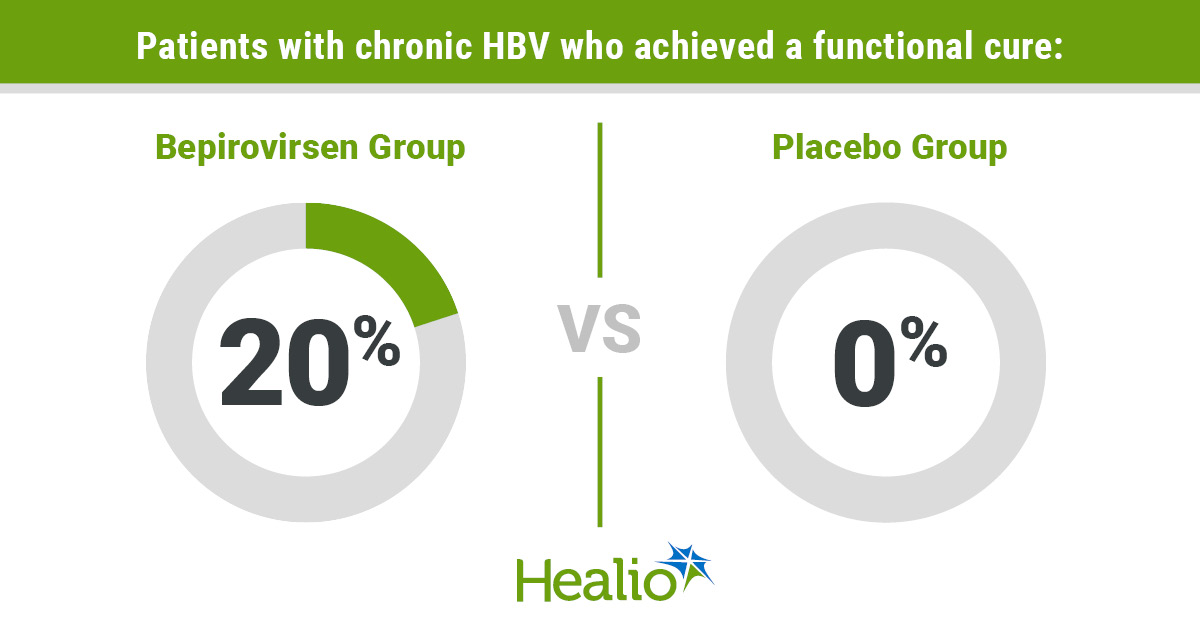
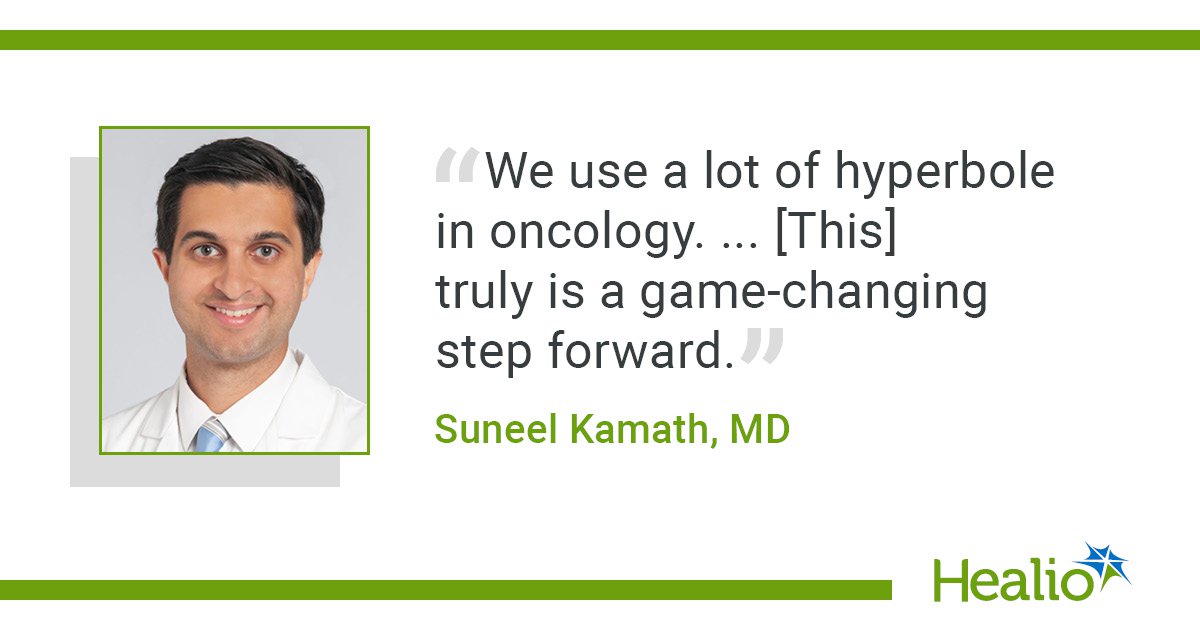
Add topic to email alerts Receive an email when new articles are posted on Please provide your email address to receive an email when new articles are posted on . “ data-action=”subscribe”> Subscribe We were unable to process your request. Please try again later. If you continue to have this issue please contact customerservice@slackinc.com. Back to Healio Key takeaways: The FDA authorized expanded access to daraxonrasib for patients with pretreated metastatic pancreatic cancer. Its manufacturer can provide the drug to eligible patients for free while regulatory review continues. Suneel Kamath, MD, knows too well the sense of helplessness that comes with living through what he calls “the doughnut hole.” After compelling data from a late-stage trial are presented at a major medical meeting or published in a peer-reviewed journal, excitement about a potentially practice-changing treatment spreads like wildfire through the clinical community and the findings support a new drug application to the FDA. Then, a monthslong wait begins. “During this time, the trials are all closed, the drug is not on the market and nobody can get it,” Kamath, a gastrointestinal oncologist at Cleveland Clinic, told Healio. “You tell your patients, ‘The therapy should be available by this time next year. As soon as it is, I’m going to give it to you, but I can’t give it to you today.’ It’s a terrible feeling.” The delay is most agonizing when the treatment under regulatory review is intended for people with a particularly lethal disease. That explains the emotions Kamath felt — surprise, excitement and relief among them — when he learned the FDA would allow patients with pretreated metastatic pancreatic cancer to receive daraxonrasib (RMC-6236, Revolution Medicines) under an expanded access protocol (EAP). Topline data from a randomized phase 3 trial showed the investigational oral medication doubled survival in this setting compared with standard second-line chemotherapy. “With some diseases, lifespans are measured in years,” Kamath said. “Time certainly still matters, but most likely we have other viable treatment options. We can’t say that for pancreatic cancer. Many of the people we are treating today may not be alive when the next therapy is approved. If time is of the essence for any disease, it’s this one. When we know a drug really works, it is very difficult to educate our patients about why we can’t use it. To have the ability to offer the right treatment at the right time for our patients is amazing.” ‘This is not hyperbole’ Most pancreatic ductal adenocarcinoma (PDAC) cases are diagnosed at advanced stages due to absence of symptoms with early disease and lack of early detection strategies. Only 13% of patients with PDAC — and 3% of those with distant disease — survive 5 years, according to American Cancer Society statistics. Multiagent chemotherapy is standard, conferring median survival of less than a year in the first-line setting and about 6 months in the second line. Daraxonrasib is an oral pan-RAS inhibitor in development for treatment of advanced solid tumors. RAS mutations — particularly those in the KRAS gene — are found in more than 90% of pancreatic cancers. Although long known to be the key driver in disease development and progression, no therapy has successfully been able to target them. The randomized phase 3 RASolute 302 trial included about 500 adults with previously treated PDAC. Some harbored RAS variants and others had no identified RAS mutations. Investigators assigned trial participants to 300 mg daraxonrasib daily or investigator’s choice of standard IV cytotoxic chemotherapy (gemcitabine/nab-paclitaxel, FOLFOX or liposomal irinotecan plus 5-FU). Results from a first interim analysis of the entire study population showed a near-doubling of OS in the daraxonrasib group (median, 13.2 months vs. 6.7 months; HR = 0.4; P < .0001). The trial met all other prespecified primary and secondary endpoints, including PFS, objective response and patient-reported quality of life. The most common toxicities observed in the trial included skin rashes, GI toxicities and mucositis. “We use a lot of hyperbole in oncology,” Kamath said in an interview. “Terms like ‘breakthrough’ and ‘game changer’ are overused big time. This is not hyperbole. To have an incredibly effective drug that takes down a terrible target that is present in more than 90% of pancreatic cancers truly is a game-changing step forward.” Last fall, the FDA included daraxonrasib in its Commissioner’s National Priority Voucher pilot program. The pathway accelerates review of products that align with one of five specified national health priorities, such as meeting a large unmet medical need. A decision on approval is expected at some point this year. On May 1 — about 2 weeks after Revolution Medicines issued topline data from its interim analysis — the FDA issued a “safe to proceed” letter allowing the company to initiate an EAP for daraxonrasib. Under the protocol, Revolution Medicines can supply the drug at no cost to eligible patients with previously treated metastatic PDAC. “Revolution Medicines commends the FDA’s expedited review and continued commitment to providing a pathway for patients with life-threatening diseases to access investigational therapies outside of a clinical trial when no comparable or satisfactory alternative treatment options are available,” a company press release stated. “This authorization represents a critical step in the process of opening an EAP. Revolution Medicines is moving as quickly as possible to ensure safe and equitable access to daraxonrasib for eligible patients in the United States.” Licensed physicians must initiate all requests for expanded access to daraxonrasib on behalf of their patients. ‘A paradigm shift’ The enthusiasm surrounding daraxonrasib had been building long before Revolution Medicines issued its topline data announcement last month. Kamath, who submitted his first request for expanded access 3 days after the FDA cleared the way, began hearing inquiries from patients about the drug last fall. Andrew L. Coveler “It has been on a lot of people’s radar for a long time,” Andrew L. Coveler, MD, director of the pancreatic cancer specialty clinic at Fred Hutch

Braces for Lower Back Pain
Lower back pain is one of the most common physical issues worldwide, affecting people across all lifestyles and professions. Whether it comes from long hours at a desk, physically demanding labor, or just an active routine, the discomfort of lower back pain can affect how you perform even simple tasks. Fortunately, a modern back brace for lower back pain offers meaningful relief by providing support, improving your posture, and allowing you to stay active throughout the day. Modern brace designs focus on both function and comfort, making them a reliable option for anyone seeking relief without resorting to invasive treatments or resorting to medication. How a Back Brace Supports the Lower Spine A back brace works by stabilizing the mid and lower spine while applying controlled compression to the surrounding muscles. This support helps to reduce strain on the lumbar region while promoting proper spinal alignment. When the spine is aligned correctly, pressure on your nerves is reduced, and muscles can relax more easily. This is what can lead to noticeable pain relief, especially during activities that typically trigger discomfort. By providing reinforcement to ensure proper posture and movement, a brace also helps reduce pain while preventing further irritation or injury. Some advanced designs use targeted compression systems to focus support directly where it is needed most. This allows users to adjust the level of compression based on their activity level and pain severity, creating a more personalized experience. A Non-Invasive Option for Pain Relief One of the biggest advantages of using a lumbar support brace is that it offers a non-invasive and non-narcotic approach to managing back pain. Unlike medications that only serve to temporarily mask symptoms, a brace addresses the physical causes of the discomfort by improving stability and reducing muscle strain. Research has shown that lumbar bracing can improve functional outcomes and reduce pain levels for anyone dealing with lower back issues. In some cases, patients who use a brace alongside physical therapy are significantly more likely to experience improvement than those who receive therapy alone, making a back brace a valuable addition to a comprehensive treatment plan focused on long term recovery. Designed for Comfort and Daily Use Today’s back braces are built with comfort in mind. Lightweight, breathable materials allow for extended wear without overheating, while low-profile designs make it easy to wear the brace under your typical everyday clothing. Body type and back issues are different for everyone, so adjustability is another essential feature. Many braces include pull tabs or compression systems that allow users to fine-tune the fit throughout the day. Whether you’re sitting, standing, or moving, modern braces can adapt to your needs without feeling restrictive or overly tight. When properly fitted, a brace should feel snug and supportive without limiting your ability to breathe or move naturally. Staying Active While Managing Pain Lower back pain often leads people to limit their activity, which can actually be counterintuitive to recovery. A back brace helps bridge that gap by providing the support needed to stay mobile and engaged in everyday life. With less discomfort throughout the day, patients who use a back brace for lower back pain can continue working, exercising, and going about their lives as usual. This balance between support and mobility is vital for maintaining overall health and preventing further complications. Supporting Posture and Long-Term Health Poor posture is a major contributor to lower back pain. Over time, slouching or improper alignment can place excessive stress on the spine and surrounding muscles. A lumbar support brace encourages proper posture by guiding the spine into a more natural position. This not only helps relieve current pain but also helps to reduce the likelihood of future issues by addressing them early. Consistent use, combined with strengthening exercises, can lead to lasting improvements in how your body moves and feels. Frequently Asked Questions Who should use a lumbar support brace? Anyone with chronic lower back pain, muscle strain, or those recovering from minor injuries can benefit from a brace. It is also helpful for those looking to add support during regular daily activities. Can a back brace replace pain medication? A back brace provides a non-narcotic option for managing pain, and while it can reduce the need for pain medication by addressing the physical causes of discomfort, it does not replace it. Will a back brace improve posture? Yes! One of the fundamental functions of a back brace for lower back pain is to encourage proper spinal alignment, which helps improve posture over time and reduces stress on the lower back. How tight should a back brace be? It should feel snug and supportive without being restrictive. You should be able to breathe and move comfortably while wearing it. Can you wear a back brace all day? It is best worn during activities that put strain on the lower back. Overusing a back brace for lower back pain should be avoided to prevent muscle dependency, which will prevent meaningful improvement. Source link

Push-Ups Feel Impossible? Start with These 4 Beginner Progressions
Have you ever walked into a group fitness class or personal training session and thought, “Please please please don’t let there be push-ups today”? If the idea of a set of push-ups fills you with dread, you’re not alone. Push-ups are tough! They’re a skill exercise, meaning they require upper body strength, trunk stability, range of motion, and even mobility… all at once. Just being strong or fit isn’t enough — it takes time and practice to master the technique. As such, many women avoid push-ups. Maybe they’ve always struggled to do them, or they just don’t think they’re strong enough (or they’ve internalized the incredibly frustrating misconception that women can’t do standard push-ups, and should stick with push-ups off their knees instead!). But the truth is, with proper form and some practice, almost anyone can master the push-up. In this article, I’m going to show you how to build the strength and skill you need to do push-ups, step by step. In addition to discovering all of the benefits of push-ups, you’ll learn: How to align your body properly during your push-up practice. Four exercises that will help you progress to full push-ups. Exactly how to perform a full push-up. Plus, I’ve included a 12-week training program that shows you exactly how to program these four exercises so you can achieve your push-up goal! What Are the Benefits of Push-Ups? The push-up is an effective bodyweight exercise whether your goal is getting stronger, building muscle, or improving overall fitness. A horizontal pressing exercise, push-ups primarily work the chest (pectorals), triceps, deltoids, and core, but require some assistance from the glutes and leg muscles, too. Learning to perform push-ups creates a unique opportunity for you to: Build your upper body strength. This will carry over to other exercises, such as bench presses and burpees. Plus, daily tasks — like moving furniture, pushing heavy doors, and getting up from the ground — will become easier and safer. Improve your cardiovascular health. Push-ups engage several large muscle groups at once, forcing your heart to work harder to pump blood to those tissues. Increase shoulder strength and stability, which can help reduce shoulder pain and risk of injury. (Note: If you have shoulder pain or an existing shoulder injury, push-ups could be painful and even make things worse. Speak with your doctor or physiotherapist before you practice these push-up progressions.) Exercise anywhere. Whether you’re short on time or don’t have access to a gym, add push-ups to a bodyweight circuit and you’ve got a full-body workout. Boost confidence. Mastering push-ups can help you feel empowered and strong, especially if it’s been on your list of fitness goals for a while. Now that you’ve seen why push-ups are a great exercise to incorporate in your training, let’s look at an important alignment tip to help you perform the standard push-up — as well as all the push-up progressions I’m going to cover shortly — safely, effectively, and with proper technique. Alignment and the Proper Push-Up Position Whether you’re performing a regular push-up or a modified variation, being mindful of your form and alignment is important. Here’s the trick: Think of placing a broomstick down your back. As you get into your starting position and then perform your push-up, that imaginary broomstick should maintain contact with your body in three places: The back of your head Your upper back Your tailbone Maintaining a straight line with your body — and engaging your entire core throughout the rep — will allow you to move smoothly as one solid unit, which can help your push-up (or push-up variation) feel less challenging and protect your lower back. Quick tip: Some folks find it helpful to video themselves from the side so they can check their alignment and make any necessary adjustments. Keep your imaginary broomstick in mind as you work on each of the following push-up progressions. (Interested in training one-on-one with a GGS coach? Consider enrolling in our GGS Coaching program and becoming the strongest, fittest, most confident YOU from the inside out.) 4 Progressions to Help You Achieve Your First Full Push-Up The key to learning push-ups is to break the movement down into small, doable exercises. As you practice these progressions, you’re developing the strength and skill required to be able to perform the full push-up. Depending on your fitness level, you can work these progressions into your training one of two ways: Work on one progression at a time. Once you’ve mastered one, move to the next, and so on. Work on two progressions at a time and increase the difficulty as you get stronger. (Don’t worry, we’ll give you a more detailed week-by-week training guide at the end of the article.) If you’re tacking these progressions onto a workout (rather than practicing them as standalone movements outside of your training sessions), you may find it helpful to do push-up work right after your warm-up so you’re not fatigued. Either way, always be sure to thoroughly warm up first. A final quick note before we get started: You’ll notice that push-ups from the knees, otherwise known as short-lever push-ups, are not one of the progression exercises. Short-lever push-ups are an amazing exercise to target your pecs, deltoids, and triceps. However, they’re often not the most effective way to progress to a full “long-lever” push-up (on the toes with legs extended). This is because bringing your knees to the ground significantly shortens the lever, requiring far less upper body and core strength, which are two things that need to be developed in order to perform long-lever push-ups. Additionally, an important part of push-up practice is patterning the movement properly, which is precisely what you’ll be doing by working on variations that are also performed on your toes. Progression #1: High Plank Hold The high plank hold is incredibly important to practice when working toward a push-up, yet it’s almost always overlooked. It might help to think of the high plank hold as the foundation
Low Dose Topical Finasteride | Hair Loss Cure 2020
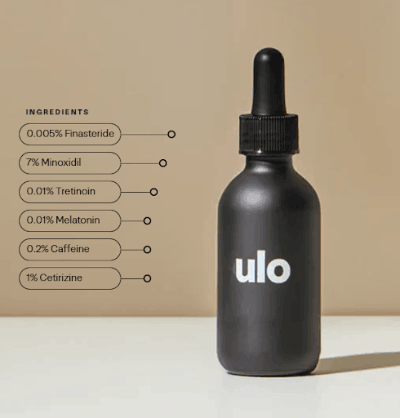
Low Dose Topical Finasteride: My Review of 5 Brands Finasteride is the most widely prescribed hair loss treatment in the world. While many clinical studies have demonstrated its effectiveness, there have also been rare reports of side effects. As a result, topical finasteride has become a hot topic. It provides similar benefits to oral finasteride, but with a lower risk of side effects. While this sounds ideal, topical formulations still run the risk of being absorbed into the bloodstream, leading to an increased risk of adverse reactions. As a result, the most recent innovations focus on low-dose finasteride and precision formulations that minimize the risk of side effects while retaining hair growth benefits. As with many hair care solutions, the market is saturated with topical finasteride options, each claiming to provide the optimal solution. So how do you decide which product to try? This article will guide you through some of the top-rated low-dose topical finasteride recommendations. The information provided will help you make an informed decision about what is best for your hair. Top 5 Low Dose Topical Finasteride Brands Ulo Finasteride + Minoxidil PlusRx Strut Hairfect Rx™ Topical with Finasteride Keeps Topical Finasteride and Minoxidil Gel Hims Topical Finasteride & Minoxidil Spray Ro Mane Spray How Finasteride Works Finasteride’s Core Mechanism The key hair loss mechanism in androgenic alopecia (male pattern baldness) is the miniaturization of hair follicles caused by dihydrotestosterone (DHT). The 5-alpha-reductase (5-AR) enzyme converts testosterone into DHT, and therefore plays a significant role in this process. Finasteride works by blocking the 5-AR enzyme, causing a reduction in DHT levels. This in turn protects against hair loss and encourages some hair regrowth. What is Topical Finasteride? Oral finasteride (in the form of a pill) was approved for treating hair loss by the US FDA in 1997 and has been consistently used as a prescription treatment since then. More recently, topical finasteride (in the form of a cream, gel, or spray) has been gaining popularity. Topical finasteride works via exactly the same mechanism as oral finasteride, by blocking a majority of serum DHT production, and thereby lowering scalp DHT levels. While oral finasteride lowers DHT systemically (i.e., throughout the body), topical finasteride mostly lowers it locally in the scalp. Multiple clinical trials have demonstrated the effectiveness of topical finasteride in reducing hair loss. In one study, topical finasteride showed a similar improvement in hair count compared to oral finasteride, while only reducing serum DHT by 34.5% (compared to a 55.6% DHT reduction with oral finasteride treatment). The reduction in systemic DHT suppression is thought to reduce the risk of finasteride-associated side effects, making topical finasteride the preferred option for many. Why Does Systemic DHT Suppression Matter? DHT is used by the body for a number of reasons, with scalp hair loss and body hair growth being just two side effects. As a result of DHT suppression throughout the body, some of the mechanisms of the body may be affected, leading to side effects. Oral finasteride associated side effects are relatively rare, but could include decreased libido, erectile dysfunction, ejaculatory dysfunction, and gynecomastia (male breast tissue growth). These side effects can be distressing and may result in people stopping finasteride treatment, thereby having their hair loss restart. What are the Advantages of Topical Over Oral? Fewer side effects Topical finasteride is thought to cause less systemic DHT suppression, although it does not stop it completely. As a result, topical finasteride has a better safety profile than oral finasteride, resulting in fewer side effects. Dose control Oral finasteride is generally prescribed as a standard 1 mg dose, whereas topical finasteride can be used at a range of doses, including low doses for those particularly concerned about side effects. This allows finasteride users greater control over dosing and enables tailored treatments. Drug combination potential Topical formulations can easily be combined with other hair loss drugs to form a single application with multiple beneficial treatments. For example, some hair loss brands offer the option to combine topical finasteride with minoxidil, caffeine, and/or tretinoin. These combinations have been shown to have additional beneficial effects to finasteride treatment alone and, when used in a combined therapy, can improve user satisfaction and improve the likelihood of consistent, long-term use. To summarize, topical finasteride shows several advantages over oral finasteride, all of which may contribute towards many choosing it for long-term treatment. Why Choose Low-Dose Topical Finasteride? As discussed above, topical finasteride reduces systemic DHT suppression and associated side effects. However, it does not completely prevent these issues. Some hair care brands offer low-dose topical finasteride. These treatments are thought to reduce systemic DHT suppression even further and minimize side effects while still having a beneficial effect on hair loss. Studies have shown that topical finasteride at dilutions as low as 0.005% can still result in increased hair density. Evaluation Criteria: What Separates a Good Topical Finasteride Brand from a Bad One? In writing this article, I have evaluated multiple hair care brands to produce my list the five best low-dose topical finasteride solutions. To achieve this, I adhered to the following criteria: Dosing Philosophy Brands should offer a low-dose topical formulation, and not solely push high concentrations. Vehicle Quality Brands should offer optimized base solutions that do not contain harmful or irritating ingredients, such as propylene glycol. Customization Brands should offer a level of customization where the finasteride dilution can be changed, additional beneficial ingredients added, and the delivery method altered. This will provide users with treatments personalized to their specific needs. Transparency and Awareness of Systemic Risk Brands should be transparent about what ingredients are included in products, about dosing strategies and techniques used to promote product absorption, and should make users aware of any potential risks associated with the products. Cost Brands should be transparent about pricing, providing users with clear information about single-use prices, repeat prescription discounts, and whether doctor consultations and follow-up care are included in the price. Medical Oversight Finasteride is a prescription product with rare but serious
Colonoscopy rates likely to drop as noninvasive tests gain ground
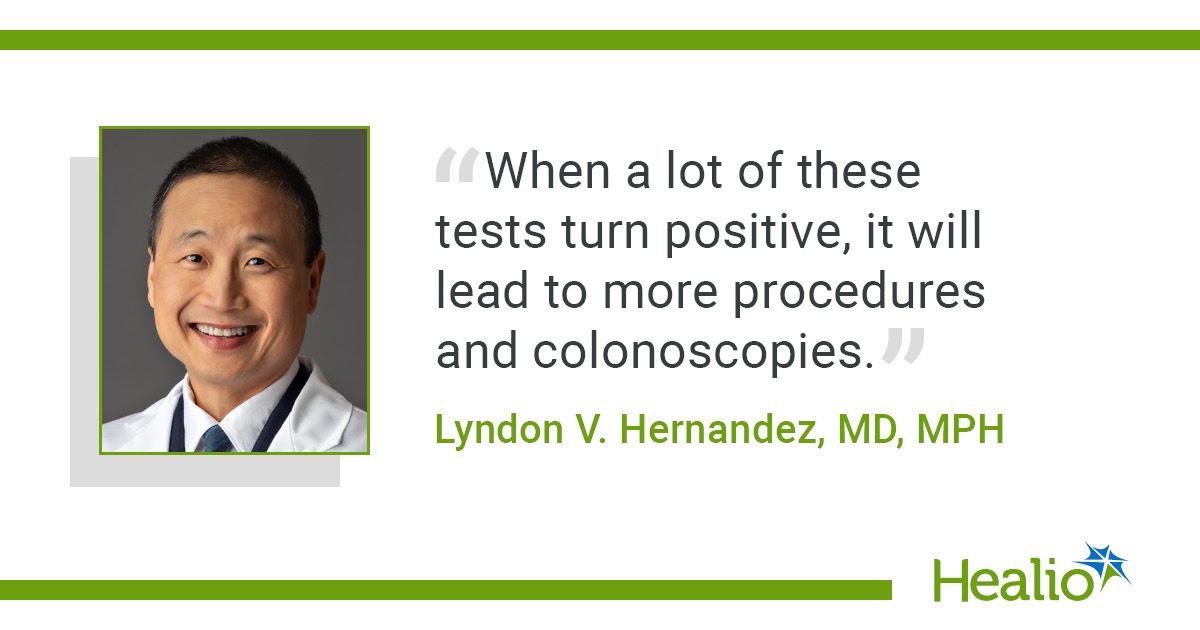
Add topic to email alerts Receive an email when new articles are posted on Please provide your email address to receive an email when new articles are posted on . “ data-action=”subscribe”> Subscribe We were unable to process your request. Please try again later. If you continue to have this issue please contact customerservice@slackinc.com. Back to Healio Key takeaways: Total colonoscopy volume is projected to decline from 27 million to 22.3 million over the next decade. Colonoscopy remains the most cost-effective CRC screening tool, followed by stool tests and blood tests. CHICAGO — The number of annual colonoscopies performed in the U.S. is projected to decline over the next decade as use of noninvasive colorectal cancer screening options continues to rise, data presented at Digestive Disease Week showed. While colonoscopy remains the gold standard in CRC screening and prevention, the rise in use of noninvasive tests is giving average-risk patients new ways to screen for cancer, Lyndon V. Hernandez, MD, MPH, a gastroenterologist at GI Associates, told Healio. Colonoscopies are also still the most cost-effective screening method for colorectal cancer, results of a cohort study conducted by Hernandez and colleagues showed. However, when compared with colonoscopy, stool tests are nearly twice as cost-effective as the newer blood tests, according to the study. “The recent approval of blood tests really made a lot of gastroenterologists concerned because it’s such an easy test to do,” Hernandez said. “We really expect that to change the landscape of cancer screening. Fortunately, in our model, we saw a drop but not a significant drop [in total colonoscopies performed], because when a lot of these tests turn positive, it will lead to more procedures and colonoscopies.” Hernandez and colleagues used a cohort Markov model to follow 1 million adults aged 45 to 75 years in yearly cycles to project U.S. annual test volumes for CRC screening strategies while comparing cost-effectiveness. The study used registry and epidemiologic data to evaluate test performance, compliance with colonoscopy after positive tests with noninvasive strategies and costs of each testing method. From 2026 to 2035, total annual colonoscopy volume is projected to decline from 27 million to 22.3 million, while screening colonoscopy volume is expected to drop from 13 million to 8.3 million. Both diagnostic colonoscopies (8 million per year) and surveillance colonoscopies (6 million per year) are projected to hold steady. Meanwhile, time-series trends project stool test volume to increase from 4.7 million to 7.8 million per year and blood test volume to increase from 2.9 million to 6.1 million during that time. Using colonoscopy — which demonstrated the lowest cost per quality-adjusted life year (QALY) — as the cost-effectiveness reference, researchers found that stool test strategies yielded an incremental cost-effectiveness ratio (ICER) of $11,500 per QALY, while blood test strategies had an ICER of $21,400 per QALY. Researchers noted that the model used in the study did not fully capture the totality of a variety of factors impacting CRC screening, including uptake, payer-level incentives, policy changes and patterns of referring. Although these projections show a probable decline in total colonoscopy volume, follow-up on positive results from blood or stool tests should sustain procedural volume and will be crucial in improving outcomes over the next decade. “There’s still a subset of patients who refuse to get a colonoscopy despite being positive,” Hernandez said. “We’re missing that subset of patients. If we improve the compliance rate of these patients, that would make a huge difference. “We need to collaborate with hospital systems and primary care doctors to improve that compliance rate,” he added. “Using large language models to alert primary care doctors about who has not done their colonoscopy after a positive blood or stool test would be good. There’s a lot of room for improvement.” For more information: Lyndon V. Hernandez, MD, can be reached at lhernan@mcw.edu . Published by: Sources/Disclosures Source: Hernandez LV, et al. Colorectal cancer screening with colonoscopy, stool, and blood testing: Long-term cost-effectiveness and projected procedure volumes. Presented at: Digestive Disease Week; May 2-5, 2026; Chicago. Disclosures: Hernandez reports stock ownership in Iterative Health and SanaHeal. Please see the study for all other authors’ relevant financial disclosures. Ask a clinical question and tap into Healio AI’s knowledge base. PubMed, enrolling/recruiting trials, guidelines Clinical Guidance, Healio CME, FDA news Healio’s exclusive daily news coverage of clinical data Learn more Add topic to email alerts Receive an email when new articles are posted on Please provide your email address to receive an email when new articles are posted on . “ data-action=”subscribe”> Subscribe We were unable to process your request. Please try again later. If you continue to have this issue please contact customerservice@slackinc.com. Back to Healio Source link

Understanding Osteoarthritis Pain: A Guide to Managing and Finding Relief
Understanding Osteoarthritis Pain: A Guide to Managing and Finding Relief Osteoarthritis (OA) is a prevalent chronic condition affecting millions of people worldwide, characterized by the degeneration of joint cartilage and underlying bone. One of the most challenging aspects of living with OA is managing the persistent pain it causes. In this blog post, we’ll delve into the intricacies of osteoarthritis pain, its impact on daily life, and strategies for effectively managing and finding relief. Understanding Osteoarthritis Pain Osteoarthritis pain is complex and multifaceted, varying from person to person and often fluctuating in intensity. It typically manifests as: Joint Pain: The hallmark symptom of OA is pain in the affected joints, which worsens with movement and improves with rest. This pain is often described as a deep ache or stiffness. Stiffness: OA can cause joints to feel stiff, especially in the morning or after periods of inactivity. This stiffness tends to improve with gentle movement but may persist throughout the day. Swelling: Inflammation of the joint lining (synovitis) can lead to swelling, tenderness, and warmth around the affected joint. Reduced Range of Motion: As OA progresses, joint flexibility and range of motion may diminish, making it difficult to perform daily tasks and participate in physical activities. Impact on Daily Life The chronic pain and physical limitations associated with osteoarthritis can significantly impact daily life. Simple activities like walking, climbing stairs, or even grasping objects can become challenging and painful. Moreover, the emotional toll of living with constant pain and reduced mobility can lead to feelings of frustration, anxiety, and depression. Osteoarthritis pain can also disrupt sleep patterns, further exacerbating fatigue and diminishing overall quality of life. Additionally, individuals with OA may experience social withdrawal as they struggle to participate in social events or hobbies they once enjoyed. Strategies for Managing Osteoarthritis Pain While osteoarthritis pain may be chronic, there are various strategies for managing symptoms and improving overall quality of life: Medications: Over-the-counter pain relievers such as acetaminophen or nonsteroidal anti-inflammatory drugs (NSAIDs) can help alleviate mild to moderate OA pain. In some cases, prescription medications or corticosteroid injections may be recommended for more severe pain. Physical Therapy: A tailored exercise program designed by a physical therapist can help strengthen muscles surrounding the affected joint, improve flexibility, and reduce pain. Low-impact activities such as swimming, cycling, or tai chi are often recommended for individuals with OA. Weight Management: Excess weight can exacerbate osteoarthritis pain, particularly in weight-bearing joints such as the knees and hips. Maintaining a healthy weight through a balanced diet and regular exercise can help reduce stress on the joints and alleviate pain. Joint Protection: Simple modifications in daily activities, such as using assistive devices (e.g., canes, braces) or ergonomic tools, can help reduce strain on affected joints and minimize pain flare-ups. Pain Management: Sometimes when pain persists after you have explored other treatment options, it can be beneficial to seek expert care. If you find that the above strategies have not worked for you, it may be time to seek expert pain management from a team of skilled pain care specialists. Finding Relief and Support Living with osteoarthritis pain can be challenging, but it’s essential to remember that you’re not alone. Seeking support from healthcare professionals, such as rheumatologists, orthopedic surgeons, or pain management specialists, can provide valuable guidance and treatment options tailored to your specific needs. Additionally, connecting with others who are experiencing similar challenges can offer emotional support and practical advice for managing osteoarthritis pain. Support groups, online forums, and community organizations dedicated to arthritis awareness can be valuable resources for information and encouragement. In conclusion, while osteoarthritis pain may be a persistent companion, it doesn’t have to dictate your life. By understanding the nature of OA pain, implementing effective management strategies, and seeking support when needed, individuals can find relief and regain control over their lives despite the challenges posed by this chronic condition. If you are experiencing pain that is associated with osteoarthritis, it is important to see an experienced pain management provider to diagnose your pain. As a comprehensive care provider, Pain Treatment Centers of America in Arkansas, Mississippi, and Texas has a team of experienced physicians who can help you get the relief you need from osteoarthritis. Please call (844) 215-0731 or visit us to schedule an appointment. Source link

Diastasis Recti Exercises: 5 Moves for New Moms
If you’re a new mom, you’ve probably noticed your midsection looks different than it did before pregnancy. Maybe you have new stretch marks or lax skin, or perhaps people are still asking when your baby is due. Some women also notice a feeling of weakness in their abdominal wall or ab muscles, or see bulging along the midline of their abdomen with certain movements (like when getting out of bed). While it’s not painful, it can be disconcerting. Rest assured: This is all pretty common. Remember, you just grew and birthed a baby, and your body went through huge changes to accommodate the development of new life. It’s really quite remarkable! In this article, we talk about the postpartum abdominal wall and diastasis recti. You’ll learn: Let’s get to it! *If you have a significant diastasis or other concerns, we recommend consulting with a pelvic health physical therapist or your healthcare provider for an assessment and individualized physical therapy program. What Is Diastasis Recti? Diastasis recti is the natural separation of the abdominal muscles that occurs during pregnancy. A diastasis is not a tear, a hole, a hernia, or a sign of inflammation. Rather, it’s a stretching and thinning of the linea alba (the connective tissue joining the two sides of the rectus abdominis muscles). Diastasis recti is commonly diagnosed based on the width of the gap between the muscles (a width of two fingerbreadths or more on a curl up is typically classified as a diastasis). As far as we know, prenatal diastasis recti can’t be avoided — the linea alba will stretch to accommodate the growing fetus safely. In other words, it’s a natural response to growing a baby. In fact, research has shown that up to 100 percent of pregnant women have a diastasis recti of more than 16 millimeters in their final trimester.1 But what happens in the postpartum period? Truthfully, it varies enormously from woman to woman. A 2016 study found that at six weeks postpartum, 60 percent of women still had a diastasis recti of at least two fingerbreadths. By one year postpartum, that number dropped to 32.6 percent. The severity of their postnatal diastases ranged from widths of two fingerbreadths (mild) to more than four fingerbreadths (severe).2 To put it simply: For many women, these changes resolve on their own over time. For others, the physical changes may be longer-lasting. While some degree of abdominal separation is very common postnatally, it can be problematic for women with a wide or deep diastasis. These women may have aesthetic concerns (e.g., you may hear women mention their “pooch”) or may find it more challenging to do higher-level strength activities. For some women with severe diastasis recti, the tissue may become thin enough that it feels like there’s insufficient protection of the internal organs. When you check your diastasis, if the distance between the two sides of the rectus abdominis feels wider than two fingerbreadths, or it feels like you can sink your fingers into the abdomen along the midline with very little resistance (above or below your belly button), it’s a good idea to reach out to a physical therapist for guidance. How do you know if you have diastasis recti? Learn how to assess your abdominal wall for diastasis recti. Can I Heal My Diastasis Recti Postpartum? New moms often ask physical therapists if they can heal diastasis recti postpartum. Depending on the woman asking, though, she may use language like… “Can I close the gap?” “Can I regain function in my abdominal wall?” “Can I change how my stomach looks?” “Can I make my ‘mummy tummy’ go away?” … all of which are completely valid questions. So let’s talk about what healing means in the context of this article. What Does “Healing” Diastasis Recti Mean? Because diastasis recti is often diagnosed based on the distance between the two sides of the rectus abdominis muscles, clinicians used to define “healing” as closing the gap. However, our understanding of diastasis recti has evolved in recent years. These days, our focus is more on the loss of connective tissue density and the inability to produce tension in the linea alba, which can compromise the function of the abdominal wall. In other words, there’s less concern with reducing the width of the gap and more emphasis on producing optimal ab muscle activation and restoring strength throughout the abdominal wall.3 So, clinically speaking, when we talk about healing diastasis recti, we’re referring to regaining optimal abdominal wall function. But beyond this clinical definition, healing often means different things to different people. One postpartum woman may envision “healing diastasis recti” as meaning she can return to lifting heavy weights as part of her exercise routine, which might require that both sides of her abdominal wall function optimally. Another may see it as once again feeling comfortable and confident wearing certain clothes or looking in the mirror postpartum. So with all that in mind, can diastasis recti be healed postpartum? How much rehab and healing time your diastasis recti requires depends on a whole host of factors that vary from one person to another (e.g., genetics, age, number of pregnancies, width and depth of the diastasis), as well as on your goals. The good news? We do know that exercise can help improve the strength and function of your abdominal wall — so I’m going to teach you five exercises that are a good option to start with in the early postpartum period. But before we dive in, let’s run through four quick tips that may help optimize your recovery. Are you a health or fitness pro? Learn more about training clients with diastasis recti. 4 Tips to Optimize Your Diastasis Recti Exercise Program There are four important things you can do that may improve your outcomes while exercising with diastasis recti post-pregnancy. Tip #1. Think About Stacking Your Body in a More Neutral Alignment Your posture and the strength of your abdominal wall may affect each other in

How Peptides Support Hair, Skin & Energy
We’re sure by now you’ve heard of the word “peptide” being thrown around on social media, online, and even in person. Here’s the thing about peptides and why they are relevant now more than ever: modern hair and aesthetic medicine is evolving. The focus is no longer only on treating visible symptoms. It is about supporting the biology that drives healthy hair, resilient skin, and sustained energy at the cellular level. At NHLMA, we believe lasting results begin with intelligent cellular support. Peptide therapy represents an important advancement in this space by helping the body communicate, repair, and function more efficiently from within. What Are Peptides and Why Do They Matter? Peptides are short chains of amino acids that act as signaling molecules in the body. They deliver instructions to cells, guiding processes like tissue repair, collagen production, inflammation balance, and energy metabolism. Many peptides occur naturally, but their levels decline with age. This decline is often associated with slower healing, reduced collagen and elastin production, increased inflammation, fatigue, and visible changes in hair and skin quality. By supporting specific peptide pathways, we can help reactivate the body’s natural repair systems. The goal is not to override biology, but to optimize it and create a healthier internal environment for long term results. Source link

Understanding Neuropathic Pain: Causes, Symptoms, and Treatment Options
Neuropathic pain is a complex condition that affects millions of individuals across the United States and worldwide. Whether you or your loved ones are grappling with neuropathic pain, reading this article will, hopefully, help you see ways to navigate the journey with resilience and hope. What Is Neuropathic Pain? Unlike typical pain sensations, which result from tissue damage or inflammation, neuropathic pain stems from dysfunction or damage to the nervous system. The nervous system is a network responsible for transmitting signals throughout the body. It consists of two main parts: the central nervous system (CNS), which includes the brain and spinal cord, and the peripheral nervous system (PNS), which includes the nerves outside the CNS. Neuropathic pain can originate from abnormalities in either the peripheral nerves, spinal cord, or brain. When nerve fibers become damaged or dysfunctional, they may send incorrect signals to pain centers in the body, resulting in neuropathic pain. This aberrant signaling can lead to a variety of symptoms that can significantly impact daily activities and diminish the quality of life for those affected. What Are the Causes of Neuropathic Pain? There are numerous conditions and factors that can contribute to neuropathic pain, including the following: Disease Several diseases and medical conditions can lead to neuropathic pain. One of the most prevalent is diabetes, which is responsible for approximately 30 percent of neuropathic cases. Other diseases associated with neuropathic pain include multiple sclerosis (MS), multiple myeloma, and certain types of cancer, such as salivary gland cancer and meningioma (skull base tumor). Ear infections or ear tumors, such as acoustic neuromas and schwannomas, may also lead to neuropathic pain. Guillain-Barré syndrome, an autoimmune disease, and Lyme disease are two more examples of diseases that may contribute to the development of neuropathic pain. Injury Injuries to tissues, muscles, or nerves can also lead to neuropathic pain. Traumatic events, such as accidents or surgeries, can cause lasting damage to the nervous system, resulting in persistent pain even after the initial injury has healed. Spinal cord injuries, herniated discs, and nerve compression syndromes are examples of injuries that may precipitate neuropathic pain. Infection While infections rarely cause neuropathic pain, certain viral and bacterial infections can lead to this condition. Shingles, caused by the reactivation of the varicella-zoster virus, can result in postherpetic neuralgia—a type of neuropathic pain that persists after the rash resolves. Syphilis and HIV infections may cause neuropathic pain as a result of nerve damage or inflammation. Limb Loss Phantom limb syndrome is a unique form of neuropathic pain that occurs following amputation. Individuals may experience sensations of pain, tingling, or itching in the missing limb. This phenomenon occurs due to misfiring nerve signals from the residual limb to the brain. Alcohol Use Disorder Long-term excessive alcohol consumption can result in various complications, including chronic neuropathic pain. Alcoholism can lead to neuropathic pain through its detrimental effects on essential nutrients required for proper nerve function. Thiamine, folate, niacin, vitamins B6 and B12, and vitamin E are necessary for the health and integrity of our nervous systems. Excessive alcohol consumption can disrupt the levels of these nutrients in the body. Chronic alcohol abuse can deplete levels of these vitamins, impairing nerve function and contributing to the development of alcoholic neuropathy. Managing alcohol use disorder is essential not only for overall health but also for reducing the risk of neuropathic pain. Other Causes Additional factors contributing to neuropathic pain include vitamin B deficiency, carpal tunnel syndrome, thyroid disorders, facial nerve conditions, and spinal arthritis. What Are the Symptoms of Neuropathic Pain? Understanding the symptoms of neuropathic pain is important for timely diagnosis and effective treatment or management: Burning Sensation: One of the hallmark symptoms of neuropathic pain is a burning sensation that can range from mild to severe. This burning feeling may occur spontaneously or in response to stimuli that would not normally cause pain, such as light touch or temperature changes. Patients often describe it as a constant, throbbing discomfort that can be difficult to alleviate. Electric Shock-Like Sensations: Some individuals with neuropathic pain experience sudden, sharp electric shock-like sensations, known as lancinating pain. These jolts of pain can be intense and unpredictable, shooting through affected areas of the body without warning. These sensations can significantly disrupt daily activities and quality of life. Tingling or Pins and Needles: Tingling sensations, often described as pins and needles, are another common symptom of neuropathic pain. This sensation can feel like a prickling or crawling feeling under the skin and may be accompanied by numbness or weakness in the affected area. Tingling sensations can be constant or intermittent and may worsen with movement or pressure. Numbness or Loss of Sensation: Neuropathic pain can also cause numbness or loss of sensation in the affected area. This loss of feeling may make it difficult for individuals to detect touch, pressure, or temperature changes. Numbness can be particularly problematic, as it increases the risk of injury or trauma to the affected area without the person being aware of it. Increased Sensitivity to Touch: While some individuals with neuropathic pain experience numbness, others may develop a heightened sensitivity to touch, a condition known as allodynia. Even light pressure or gentle touch can trigger intense pain or discomfort in affected areas. Allodynia can significantly impact daily activities and make simple tasks, such as getting dressed or taking a shower, challenging. Muscle Weakness or Loss of Coordination: In some cases, neuropathic pain may be accompanied by muscle weakness or loss of coordination in the affected area. This can lead to difficulty performing fine motor tasks or maintaining balance and stability. Muscle weakness may worsen over time if the underlying cause of neuropathic pain is not addressed. What Are the Treatment Options for Neuropathic Pain? Managing neuropathic pain can be challenging, but there are several treatment options available to help alleviate symptoms and improve quality of life. Physical therapy can be beneficial for neuropathic pain, especially when it is associated with conditions such as diabetic neuropathy or nerve compression

Nike Chooses Girls Gone Strong to Certify Global Trainers in Pre- & Postnatal Fitness
During the in-person sessions at Nike headquarters, trainers engaged directly with GGS curriculum and Molly Galbraith’s presentations. The Opportunity & Why It Mattered Nike trainers from around the world flew in for live‑translated sessions, absorbing evidence‑based coaching in women’s health, body image, and fitness during and after pregnancy. Drawing from the GGS’s Pre‑ & Postnatal Coaching Certification curriculum, trainers gained practical, evidence-based skills in women’s health, fitness, and nutrition, and body image education during and after pregnancy. Molly Talks: Body Image, Pregnancy & Fitness Molly delivered the same presentation multiple times—breaking groups into language-specific sessions, each with live translators. Trainers then received physical in-person copies of the Girls Gone Strong Pre- & Postnatal Coaching Certification materials. Her talk focused on how body image affects women’s engagement in prenatal and postnatal fitness—and what Nike trainers can do to support pregnant and postpartum women, encouraging a sustainable return to sport and exercise. Trainers Get Certified—Now Sporting the GGS Badge Post-event, Nike’s trainers officially enrolled in the Girls Gone Strong Pre- & Postnatal Coaching Certification. Many graduated and proudly hold Girls Gone Strong credentials today—adding GGS’s stamp of quality and trust to Nike’s global trainer network. Why This Matters for GGS and Nike This initiative reinforced Girls Gone Strong’s role as a trusted resource for women-centered fitness coaching education within Nike’s global training ecosystem. By certifying Nike professionals in prenatal and postpartum coaching, we strengthen the industry for pregnant and postpartum women. What This Means for Athletes & Moms Pregnant and postpartum women can feel more confident working with Nike trainers who are GGS certified, knowing they’ve received education in evidence-based, women-specific coaching practices. Next Steps & How You Can Engage If you’re a health or fitness professional, aspiring to safely and confidently help pregnant and postpartum women have healthier experiences—sign up for our Pre‑ & Postnatal Coaching Certification, joining the group of NIKE Trainers across the globe who’ve already taken this step. Source link