
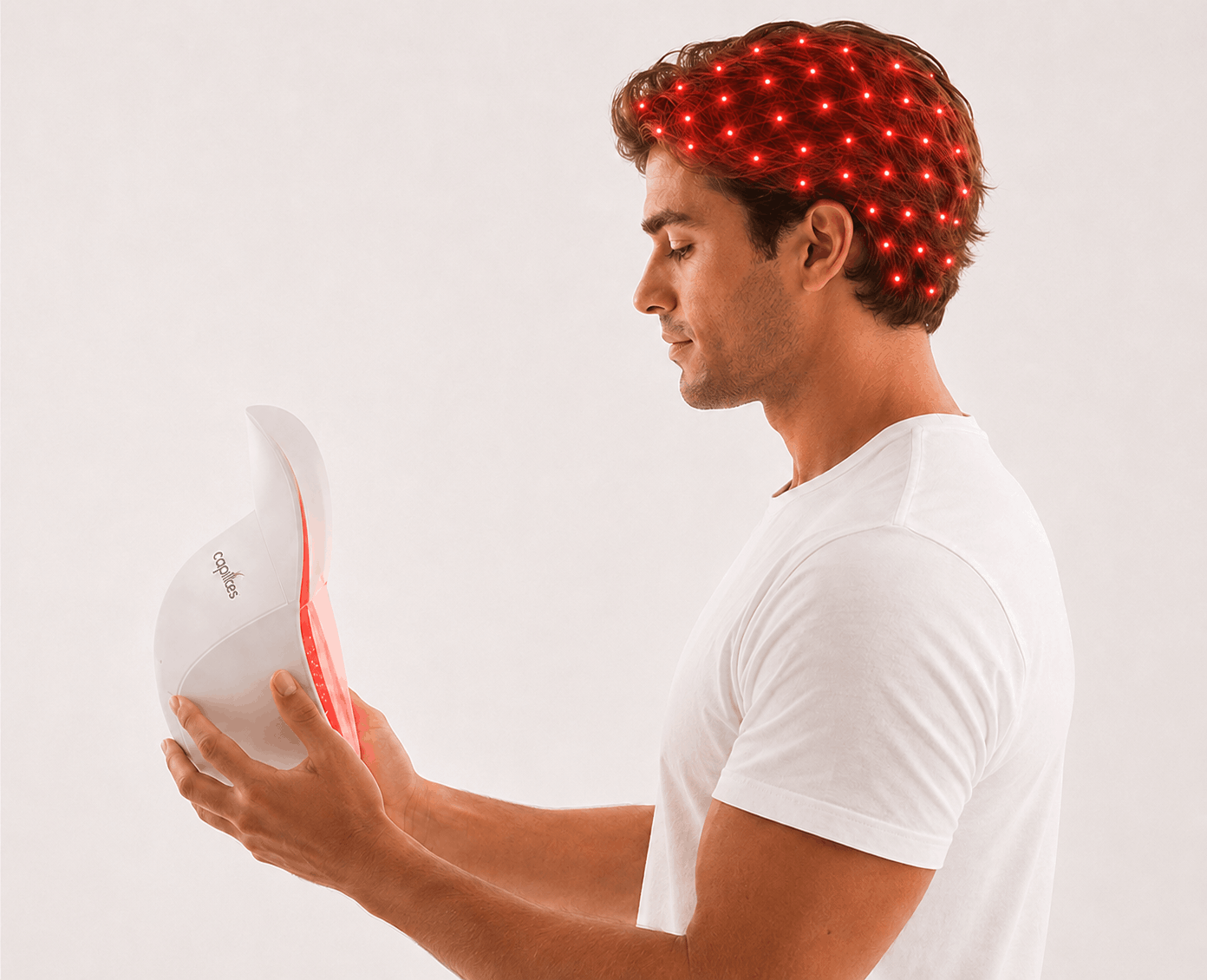
You have probably seen the device, or read the frequency guide. Here is the part most people actually want to know: what will you see, and when. Red light therapy for hair loss, sometimes called low level laser therapy or LLLT, has become one of the most searched at home treatments for thinning hair, and one of the most misunderstood. Most of what is written about it covers how often to use a device or which one to buy. Fewer resources answer the question people actually care about: if I stick with this, what will I actually see, and on what timeline. How It Works, Briefly Red and near infrared light at specific wavelengths, typically in the 630 to 660 nanometer range for red light devices, is absorbed by mitochondria inside hair follicle cells. That energy transfer is believed to stimulate cellular activity in follicles that have miniaturized but not yet died, encouraging them back into an active growth phase. It will not create new follicles where none exist, but it can meaningfully support follicles that are still alive but underperforming. What the Research Shows A systematic review and meta analysis of randomized controlled trials evaluating low level laser therapy for androgenetic alopecia found consistent improvements in hair density across pooled studies compared to sham treatment, supporting it as a legitimate, evidence backed option rather than a wellness trend without substance. Device quality matters significantly, which is why a separate systematic review focused specifically on FDA cleared, home use devices is useful reading before buying anything. Wavelength, power output, and treatment area coverage vary widely between products, and those differences affect real world results. Source link

Does Creatine Cause Hair Loss? The Research, Explained
Worried About Creatine and Hair Loss? Test Before You Guess. Most hair loss advice online is a guessing game: stop this supplement, try that shampoo, and wait to see what happens. At NHLMA, the starting point is different. Before recommending that you eliminate creatine (or begin any hair loss treatment) we investigate what may actually be driving the changes in your hair. Our non-invasive genetic saliva test for hair loss analyzes genetic markers associated with hormone sensitivity and treatment responsiveness. This can help us understand whether your follicles may be genetically more susceptible to the effects of DHT and whether your profile suggests you may be a stronger or weaker responder to medications such as finasteride or dutasteride. We pair those insights with a detailed scalp and follicle evaluation to document the pattern and degree of miniaturization currently present. Comprehensive lab work rounds out the picture by evaluating ferritin, thyroid function, vitamin D, hormone levels, nutrient status, and other markers that may be missed on a basic panel. This is what separates a thoughtful diagnosis from trial and error. Research has found associations between variations in the androgen receptor gene, androgenetic alopecia, and response to finasteride. Genetic testing cannot guarantee how one person will respond, but it can give our providers another meaningful piece of information when evaluating DHT sensitivity and selecting treatment. That context matters when discussing creatine. The concern originated largely from one small study that measured an increase in DHT but did not measure hair loss. More recent research, including a 2025 randomized controlled trial, found no significant differences in DHT levels or hair-growth measurements between participants taking creatine and those receiving a placebo. Instead of eliminating a well-studied supplement based on one hormone study, or assuming creatine is responsible for shedding that may have another cause, NHLMA uses testing to investigate whether your hair loss appears genetic, hormonal, nutritional, inflammatory, or multifactorial. From there, we can build a treatment plan around your biology and determine whether a DHT blocker, nutritional support, regenerative therapy, or another approach makes the most sense. Source link
Mitochondrial Pyruvate Carrier Inhibitors | Hair Loss Cure 2020
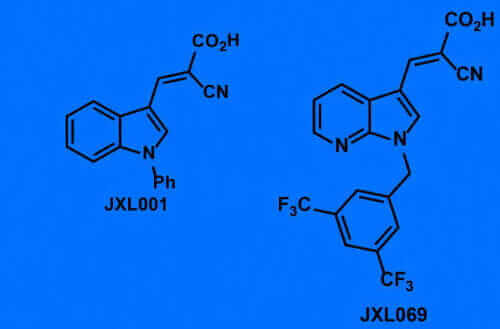
Mitochondrial pyruvate carrier (MPC) inhibitors such as JXL001 and JXL069 to treat hair loss. For several decades, hair loss treatment in men largely focused on reducing dihydrotestosterone (DHT) levels via the use of finasteride (Propecia) or dutasteride (Avodart). This started to change in recent years with the rise of new topical treatments targeting scalp androgen receptors. I posted a list of seven in 2024. with most of them currently in clinical trials. It seems like there is now a third popular category of new hair loss products taking off in 2026: mitochondrial pyruvate carrier (MPC) inhibitors. Mitochondrial Pyruvate Carrier Inhibitors to Treat Hair Loss A mitochondrial pyruvate carrier inhibitor is a small molecule that blocks the transport of pyruvate into the mitochondria. This alters cellular energy metabolism and production. The subject of MPC inhibition to treat hair loss first came to my attention in 2017, when I wrote a post covering UCLA researcher Dr. William Lowry and his discovery of MPC inhibitor UK5099 to treat hair loss. His team found that the inhibition of mitochondrial pyruvate carrier may reverse hair loss via an increase in lactate. He later co-founded a now renowned company named Pelage Pharmaceuticals (US) in order to develop this hair loss treatment. See further below for more on Pelage. More recently, a 2025 study from the University of Cambridge (UK) analyzed the inhibition of the human mitochondrial pyruvate carrier and its implications in the the development of new drugs to treat: “Diabetes, fatty liver disease, Parkinson’s disease, specific cancers, and even hair loss“. Also significant is a 2025 study from the US in relation to advances in the development of MPC inhibitors for therapeutic applications. They list the names of a bunch of JXL and other MPC inhibitors in a table. Dr. Lowry’s team also has a paper from 2021 in which they break out the entire range of JXL001 through JXL096. As of September 2026, three companies are working on developing MPC inhibitors for hair growth. I will update the below section as more companies inevitably jump on to the MPC inhibitor bandwagon due to the success of Pelage Pharmaceuticals (in garnering unprecedented publicity and financing). I am sure companies will use AI to develop new types of MPC inhibitors in the coming years. Pelage Pharmaceuticals PP405 The far and away leader of the MPC inhibitor trend is the pioneer Pelage Pharmaceuticals (US) via its PP405 topical MPC inhibitor drug candidate. It has raised sizable funds from Google Ventures and others in order to begin Phase 3 clinical trials for PP405 by the end of this year. In July 2026, it was speculated that PP405 is the same as JXL069 (which is a superior version of JXL001, aka UK5099). The President and co-founder of Pelage Dr. Lowry replied to to me in an e-mail earlier today and encouraged this blog’s readers to participate in the company’s Phase 3 clinical trials. Kintor Pharmaceutical KT-215 In August 2026, Kintor Pharmaceutical (China) updated its pipeline page and gave us a surprise. It has added a third drug to fight androgenetic alopecia (AGA) to its pipeline. This one is a topical MPC inhibitor called KT-215. It is currently only in the pre-clinical stage of development. However, Kintor has a knack for conducting numerous clinical trials in China and the US with ease due to ready availability of funds. Trials in China also seem to go a little faster than in the US. Even if KT-215 is successful in all phase of clinical trials, it would likely not come to market for over five years. Moreover, it would have to be deemed at least as effective than Pelage Pharmaceuticals’ PP405 in the event that the latter gets released in the US. Nevertheless, still a great sign to see scientists around the world agreeing that MPC inhibition could lead to hair regrowth. Triple Hair TH65 I covered Triple Hair (Canada) in a 2024 post that was later updated in 2026. The company began Phase 3 clinical trials for its Therapy-07 (THO7) topical in April 2026 in Vancouver, Canada, It contains minoxidil, finasteride and latanoprost (a prostaglandin F2α analog). This product is already available for sale via prescription. However, in August 2026, Triple Hair surprised everyone when it released an updated pipeline on its Instagram. In there, it says that the company was working on an MPC inhibitor called TH65 to treat AGA. It is hard for me to believe that this small Canadian company has the funds to ever go through 3 phases of trials for TH65. Perhaps they are aiming to release a hair loss cosmeceutical that might be a weak MPC inhibitor? I am not knowledgeable enough to know if this is legal and possible, so this is just speculation on my part. Source link

Dutasteride vs. Finasteride: Which DHT Blocker Wins?
Side Effects, and the One Difference That Actually Matters Both medications carry a similar, low risk of sexual side effects, generally reported in the 2 to 4 percent range, including reduced libido or erectile difficulty. Most men tolerate either medication without issue, and side effects typically resolve once the medication is stopped. The meaningful difference is timing. Finasteride has a short half life and clears the body within a day or two. Dutasteride has a half life of roughly five weeks, so if a side effect does appear, it can take significantly longer to fully resolve after stopping. That is worth knowing before you start, not after. Is Dutasteride Right for You? Finasteride is FDA approved specifically for male pattern hair loss. Dutasteride is FDA approved for prostate conditions and is prescribed for hair loss off label, which is common and well supported in the dermatology literature, but it does mean the conversation about whether it is appropriate for you belongs in a real consultation, not a quick online order. Good candidates are often men who have been on finasteride for six to twelve months without the results they expected, men with more advanced hair loss at the start of treatment, or men who want to explore lower frequency options like mesotherapy. It is not the automatic right answer for everyone, and a clinician who can review your history and current pattern of loss is the best person to make that call with you. Source link

How to Track Your Hair Growth at Home the Right Way
When to Move to Clinical Trichoscopy At home methods are genuinely useful, but they have a real limit. The human eye, and even most phone cameras, cannot reliably detect hair miniaturization, the gradual thinning of individual hair shafts that is often the earliest sign of pattern hair loss, long before it becomes visible as reduced density. Trichoscopy uses a specialized magnifying camera called a trichoscope to capture highly detailed images of the scalp and individual follicles. Software then counts and measures the hairs in the image, providing objective density numbers and detecting early miniaturization that would otherwise go unnoticed. A related method called a phototrichogram involves shaving a small, defined patch of scalp and photographing it over time to precisely measure growth rate and the ratio of growing to resting follicles in that area. These clinical methods are the most accurate way to confirm whether a treatment plan is actually working at the follicle level, not just at the level of what you can see in the mirror. Building a Simple Tracking Routine A realistic, sustainable approach for most people combines a standardized photo set every 90 days, a rough weekly shed count kept in a notes app, and a periodic clinical check in, ideally every three to six months, using trichoscopy to confirm what your at home tracking is showing. The NHLMA Approach Patience is genuinely the hardest part of any hair restoration services and plan, and objective tracking is what makes that patience easier. During your visits, our team uses clinical trichoscopy to give you real density and miniaturization data rather than a subjective impression, so you always know whether your PRP, exosome, or scalp treatment plan is working long before it becomes obvious in the mirror. Pairing that clinical data with your own consistent at home photo and shed tracking gives you the most complete picture available. Source link

HairClone Begins Carrying out Dermal Papilla Cell Hair Multiplication in Humans
HairClone’s new dermal papilla cell culturing and expansion lab. New updates are at the bottom of this post. February 24, 2026 I have covered HairClone (UK) in four different posts over the past decade. The company began the world’s first ever officially licensed hair follicle banking program in 2019. Thereafter, they planned to begin actual autologous dermal papilla (DP) cell multiplication (1,000 fold) and implantation work in a clinical setting in humans in the UK. However, initial delays due to Covid were followed by further delays due to financial reasons. But in February 2026, they finally made this jump. Read till the end of this post. Note that Shiseido (Japan) started offering its dermal papilla sheath cup (DSC) cell hair multiplication procedure in Japan in 2024. This was after more than a decade of work in completing all three Phases of clinical trials, which were delayed by legal issues. Unfortunately, Shiseido’s hair multiplication procedure is still very difficult to get if you are not a Japanese citizen. Per a study I covered last year on effective cell therapy for hair regeneration, both DP cells and DSC cells can induce new follicle growth. I also vaguely remember reading about a South Korean company that might offer both procedures together in the future. HairClone’s current CEO Dr. Paul Kemp is also its founder. Moreover, Mr. Kemp also founded and led Intercytex (UK) several decades ago. Just like HairClone, Intercytex was working on dermal papilla cell culturing, but had to abandon this work in 2010 due to financial difficulties. This was a big surprise, since they even completed successful small-scale Phase 1 and Phase 2 clinical trials in the UK. HairClone’s clinical target is an improvement over Intercytex’s past work due to advances in technology per Dr. Kemp. See his latest e-mail to me at the bottom of this post. Note that on HairClone’s site, they primarily only claim that more dermal papilla cells means thicker hair. And they say that when DP cells are injected into thinning regions of one’s scalp, they can reprogram miniaturizing follicles into non-miniaturising ones. By getting this treatment every few years, you can maintain hair density throughout your life. HairClone Begins to Carry out its Dermal Papilla Cell Multiplication Procedure in Humans in Guatemala In a major new development, HairClone is now offering its dermal papilla cell multiplication and implantation (via injection) procedure in Guatemala. As of February 2026, it is mainly being carried out on Guatemalan residents so that HairClone can better follow up on these initial patients. HairClone’s new equipment at its dermal papilla multiplication lab in Guatemala. HairClone is developing this groundbreaking hair loss treatment in partnership with Dr. Marie Schambach of the Schambach Hair Clinic in Guatemala City, Guatemala. On the latter’s “Cloning Services” page, it states the following: “The future is here! Technology allows us to store hormone-insensitive (DHT) follicular units in an international biobank and reproduce specific hair bulb cells for re-implantation in the affected area. This will allow the cells to migrate to the deficient bulb and not only regenerate it but also inactivate the hormonal function of each hair, enabling it to continue its normal growth. This technique is ideal for those experiencing early hair loss who want to maximize their chances of maintaining adequate hair density. The procedure should be performed approximately three times, with two to three years between each treatment.” Schambach Hair Clinic lab in Guatemala. Lot of western companies in the stem cell and regenerative medicine world have undertaken this kind of move to countries in Central and South America. Largely due to more favorable government regulations where autologous cell therapy is seen more like a transplant than a medicinal product. Dr. Paul Kemp’s Email I only got this news last week after I decided to contact Dr. Paul Kemp after several years. I wanted to know if HairClone would ever start offering this procedure in the UK. Instead, I received a most unusual surprise. Below is Dr. Kemp’s email to me: “Great to hear from you. Yes lots is happening here and we have a lot of exciting news. As you know, Dr. Marie Schambach is one of our clinical partners based in Guatemala City. I visited her last year and was really impressed with both her clinic and the private hospital where she is based, which is a facility shared by a number of other clinical specialties. When given a tour of the state of the art molecular sequencing lab there, they mentioned that there was space next door. To cut a long story short, we obtained equity financing and built out, equipped and staffed a small GMP follicle banking and manufacturing facility there. It has been operational now for a few months and we have now tech transferred and validated our processes developed in the UK to the facility there. Their regulatory system treats autologous follicle cells the same as a hair transplant, which gives us the ability to culture cells in our facility and have them implanted in Dr Schambach’s clinic. Through scientific collaborations that we have, we also have the ability to identify and analyse individual hair follicles even down to single cells in order to examine their response to treatment. This will be important and allow us to rapidly monitor and optimize the efficacy of the cell treatment. Through the pioneering work of Intercytex, Aderans Research Institute, Replicel and others, it has been shown that autologous follicle cell therapy is safe and all have seen indications of efficacy. However, because of US and EU regulatory and scientific constraints, none were able to optimize this. This is not the case with us because of our links to the Schambach Hair Clinic, our clinical partner network, new manufacturing facility, UK research labs and scientific advisors. I have been involved in trying to use cell therapy to treat androgenic alopecia since the founding of Intercytex in 1999. Back then all we could do was multiply cells and look at total hair
Scalp Psoriasis: Causes, Treatments, and Hair Loss Explained
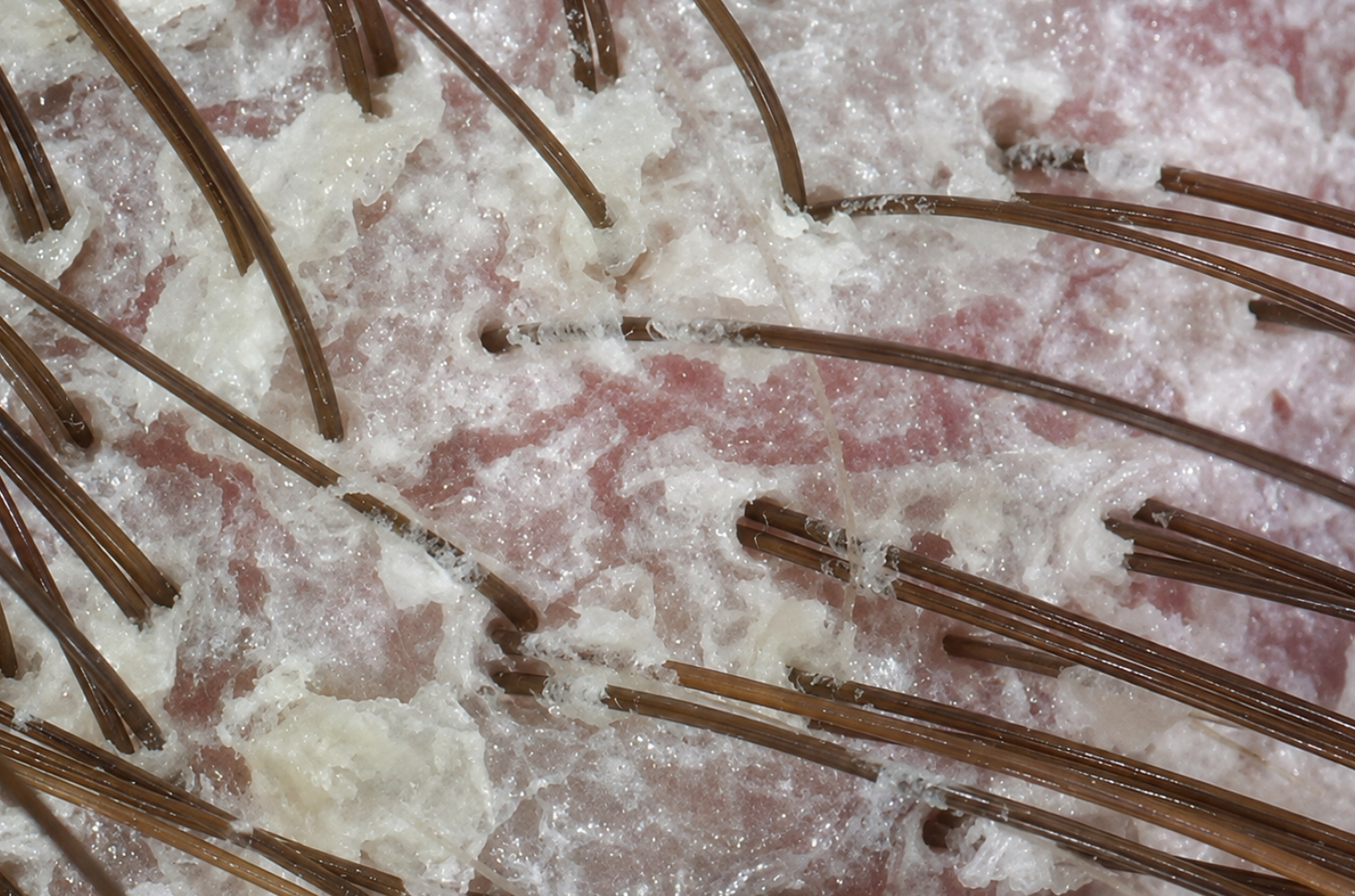
What Scalp Psoriasis Actually Is Psoriasis is a chronic condition driven by an overactive immune system, not by poor hygiene or a fungal infection. In healthy skin, cells grow and shed over about a month. With psoriasis, that cycle speeds up dramatically, completing in as little as three to four days. Instead of shedding normally, the extra cells pile up on the skin’s surface, forming the thick, scaly plaques associated with the condition. On the scalp, this can appear as fine flaking that looks similar to dandruff, or as thick, crusted plaques covering large areas. Plaques may appear red, purple, or brown depending on skin tone, and often extend beyond the hairline onto the forehead, the back of the neck, or the skin around the ears. Scalp Psoriasis Versus Dandruff and Seborrheic Dermatitis These three conditions are frequently confused, but they look and behave differently. Scalp psoriasis tends to appear powdery with a silvery sheen. Seborrheic dermatitis, a common cause of standard dandruff, tends to look yellowish and greasy instead. A dermatologist can usually tell the difference through a visual exam, though a skin biopsy is occasionally used when the diagnosis is unclear. What Triggers a Flare Scalp psoriasis flares are driven by the same triggers as psoriasis elsewhere on the body, including stress, certain medications, smoking, alcohol, skin injury or trauma, illness and infections, weather changes, and diet. Identifying and managing personal triggers is often a meaningful part of long term management, even though it will not replace medical treatment. The Real Connection Between Scalp Psoriasis and Hair Loss This is the part patients are usually most surprised by. Scalp psoriasis does not directly attack hair follicles the way autoimmune conditions like alopecia areata do. However, in more severe or long standing cases, the intense itching and inflammation can lead to real hair thinning. Much of this comes down to a phenomenon called Koebnerization, where scratching or otherwise traumatizing psoriasis plaques actually makes the underlying condition worse. Repeated scratching damages the follicle environment over time, and in rare severe cases can cause temporary hair loss. The encouraging part is that hair loss tied to scalp psoriasis is generally reversible once the underlying inflammation is brought under control and the scalp is given the chance to recover. Why Scalp Psoriasis Can Signal More Than a Skin Issue Scalp involvement is not just cosmetically significant. Roughly one in three people with psoriasis will go on to develop psoriatic arthritis, and having scalp psoriasis specifically appears to raise that risk further. If you have scalp psoriasis and also notice joint pain, particularly in the fingers, toes, or lower back, it is worth mentioning to your dermatologist so they can screen for related joint involvement. Current and Emerging Treatments Treatment approaches typically move through several tiers depending on severity. Over the counter options rely on ingredients such as salicylic acid, which softens and lifts scale, and coal or pine tar, which slows skin cell growth and reduces inflammation and itching. Zinc pyrithione and ketoconazole shampoos can help with related flaking as well. Prescription topicals include stronger steroid formulations and non steroidal options, often combined with vitamin D analogues that help normalize skin cell turnover. Phototherapy uses targeted ultraviolet light to slow skin cell growth. Handheld devices with built in combs allow light to reach through hair to the scalp, and in office excimer laser treatment delivers a concentrated, narrow band UV dose directly to affected areas, typically two to three times weekly. For more severe or treatment resistant cases, systemic options including oral medications, biologics, and biosimilars are often necessary, particularly since the scalp is considered a high impact, harder to treat site. The treatment landscape is also evolving quickly. New oral therapies in late stage trials are showing strong results: in Phase 3 trials, zasocitinib achieved PASI 90 (90 percent skin clearance) in roughly half to sixty percent of patients by week 16, with about a third reaching PASI 100, or completely clear skin, outperforming placebo and existing oral comparators. Icotrokinra has shown similar strength in its own Phase 3 program, with 65 percent of patients reaching PASI 90 by week 24. Neither is approved yet, but both point to a meaningfully expanded set of oral options on the horizon. Source link

David Sinclair, Lifespan and Longevity
David Sinclair and Elon Musk conversation on lifespan. I have discussed the work of Australian-American Harvard Medical School geneticist, professor and longevity researcher Dr. David Sinclair a few times on this blog. In fact in 2018, I wrote an entire post devoted to his work on NAD, NMN, Resveratrol and Sirtuins. But too many new updates in that post have made it confusing. So I am now writing a second post on this esteemed scientist who has a knack for being mentioned in the global media on a daily basis. I have covered the subject of anti-aging in numerous posts due to the fact that any technologies that reverse human aging will also regrow lost hair and re-pigment grey hair. In fact Dr. Sinclair’s Lab is also working on the latter two conditions. The most ambitious of Dr. Sinclair’s projects is a currently secretive drug candidate code-named SL-100 that aims for whole-body rejuvenation. Life Biosciences: Phase 1 Trial of ER‑100 for Optic Neuropathies Dr. Sinclair’s company Life Biosciences has been in the news a lot in recent months. They work on cellular rejuvenation therapies to reverse multiple diseases of aging, Their current focus is on reversing various diseases of the eye that cause vision loss. In particular, optic neuropathies such as open-angle glaucoma (OAG) and non-arteritic anterior ischemic optic neuropathy (NAION). In January 2026, Life Biosciences received FDA clearance for its Investigational New Drug (IND) application for its ER-100 gene therapy. More on this “ER-100 originated from Life Bio’s Partial Epigenetic Reprogramming (PER) platform, which aims to restore aged or injured cells to a younger state by modifying the epigenome of cells, biochemical markers that regulate gene expression without altering the underlying DNA sequence. Life Bio’s approach allows for the controlled expression of three of the four Yamanaka factors, the transcription factors OCT-4, SOX-2, and KLF-4 (OSK), and has demonstrated safety and efficacy in multiple preclinical animal models by local injection into the eye (intravitreally). ER-100 is the first ever cellular rejuvenation therapy using epigenetic reprogramming to receive FDA clearance to enter human clinical trials.” In April 2026, Life Biosciences received $80 million in Series D Financing. This will allow for the completion of the company’s Phase 1 clinical trial of ER-100 and the continued advancement of its Partial Epigenetic Reprogramming (PER) platform across multiple therapeutic indications. The first patient in the clinical trial for ER-100 was dosed in June 2026. David Sinclair on The Joe Rogan Experience Earlier this month, David Sinclair was interviewed in detail on “The Joe Rogan Experience” for a 4th time. In reverse chronological order, here are all of his past appearances : He talks about hair regrowth and grey hair reversal starting around 47:30 minutes into his latest interview with Joe Rogan. Apparently, he takes Viagra (or Cialis, per a recent Tweet of his that I discuss further below) for his overall health as well as for better hair growth. Lifespan It seems like “Lifespan” is becoming Dr. David Sinclair’s main brand. In September 2019, Dr. Sinclair co-published a book with Matthew LaPlante called “Lifespan” that has become extremely popular in logevity circles. It currently has an average rating of 4.6 out 5 stars based on 12,100 reviews. It seems like this is the second most popular book in the anti-aging segment after Dr. Peter Attia and Bill Gifford’s 2023 book “Outlive” that currently has an average rating of 4.6 out 5 stars based on 21,200 reviews. In 2022, Dr. Sinclair launched a new YouTube show called “Lifespan with Dr. David Sinclair“. After not posting any videos on there from 2022-2025, he has been posting new content almost every week for the past three months. In August 2026, Dr. Sinclair launched a new website called lifespan.com as well as his new magazine called LifespanTM. You can read the August 26 edition in full here. What Supplements does Dr. David Sinclair take? In a Tweet from August 3, 2026, Dr. Sinclair said the following: “I take low-dose daily tadalafil (brand name Cialis) for long-term organ health, especially the brain. Vascular dementia is the second most common and most preventable cause of dementia” In a 2022 edition of his Lifespan with Dr. David Sinclair podcast that covered “NMN, NAD, NR, Resveratrol, Metformin & Other Longevity Molecules, Dr. Sinclair said that: he recently added Spermidine to his protocol; became vegetarian (while still fasting and eating just once per day); lost 15 pounds; and entirely quit alcohol. Dr. David Sinclair’s supplement list in 2022 included the following: NMN (1g per day in the morning with yogurt). Resveratrol (0.5 mg per day in the morning with yogurt). Metformin (1g per day at night). Statin (for cholesterol control). Spermidine. Vitamin D3. Vitamin K2. Quercetin. Fisetin. Interestingly, in a December 2023 Tweet, Dr. Sinclair mentioned that Resveratrol and Fisetin (both SIRT1 activators) induce the proliferation of hair follicle bulge stem cells. This in turn promotes hair growth. He certainly looks younger than his current biological age of 57, and he has no balding or grey hair. Critiques In my original post about Dr. David Sinclair, I linked to several articles that heavily criticized his past anti-aging claims. And some scientists have accused him of being a salesman with great marketing skills (who overpromises the results of unproven products). In general, while I find his enthusiasm refreshing, I am not as yet a full fledged fan of Dr. Sinclair. I tend to trust scientists more if they are less active on social media and not too focused on promotional and marketing activities. But we live in a different era. And there must be a good reason that Harvard University (US) has kept the Sinclair Lab running for all these years and given Dr. Sinclair tenure. Source link
Peptides vs Retinol: Which Ingredient Wins for Aging Skin
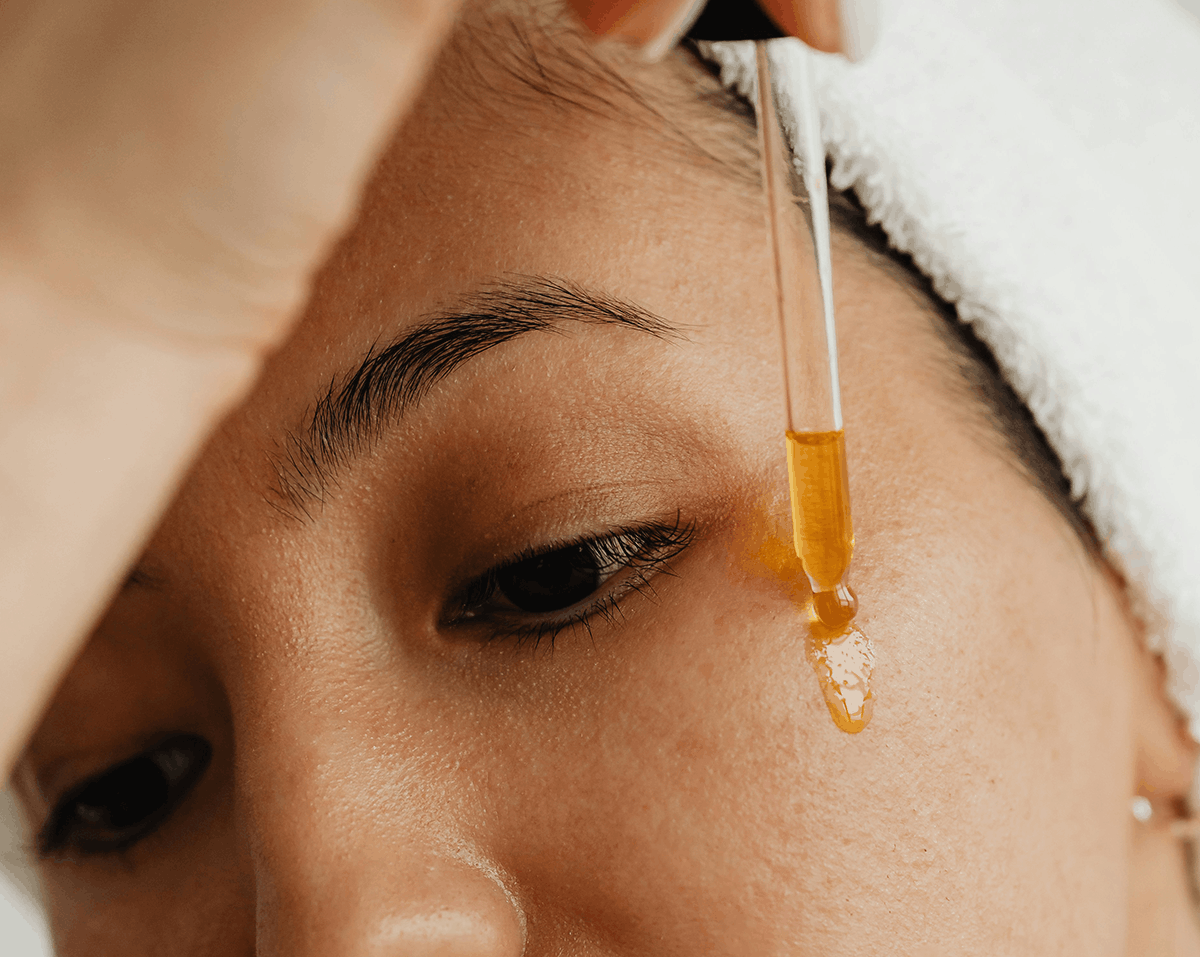
If you have spent any time researching anti aging skincare, you have run into this debate. Peptides and retinol are the two most clinically supported ingredients for reducing fine lines, restoring firmness, and rebuilding collagen. Patients frequently ask us at NHLMA which one they actually need. The honest answer is that they work through different mechanisms, and for most people the best routine includes both, used strategically. Here is what the research actually shows. How Retinol Works Retinol is a form of vitamin A. Once applied, skin enzymes convert it into retinoic acid, the active form that binds to nuclear receptors inside your skin cells. This directly changes gene expression, speeding up cell turnover and stimulating production of type I and type III collagen in the dermis. Clinical studies consistently show retinol meaningfully reduces the appearance of fine lines and wrinkles over time. A landmark trial published in the New England Journal of Medicine found that tretinoin restored collagen formation in photodamaged human skin, and it remains one of the most researched anti aging ingredients available, backed by decades of dermatological data. The tradeoff is tolerance. Retinol can cause redness, peeling, dryness, and increased sun sensitivity, particularly when you are new to it or using a higher concentration than your skin can handle. How Peptides Work Peptides are short chains of amino acids that act as signaling molecules. Rather than altering gene expression directly, they send messages to fibroblasts, the cells in your dermis responsible for producing collagen and elastin. This strengthens your skin’s extracellular matrix and improves elasticity over time. Clinical research on specific peptides backs this up. A foundational study on palmitoyl pentapeptide-4 (commonly known as Matrixyl) documented visible reductions in wrinkles and improved skin elasticity in photoaged skin. More recent research on copper peptides (GHK-Cu) recorded an average 28 percent increase in collagen density after twelve weeks, with top responders seeing up to 51 percent, a result that holds up well against what many people expect from retinol alone. The major advantage of peptides is tolerability. They are generally associated with minimal to no irritation, making them a strong option for sensitive skin, patients recovering from procedures, or anyone who cannot tolerate a consistent retinol routine. Source link
Amplifica, Hairy Moles, Osteopontin and SCUBE3
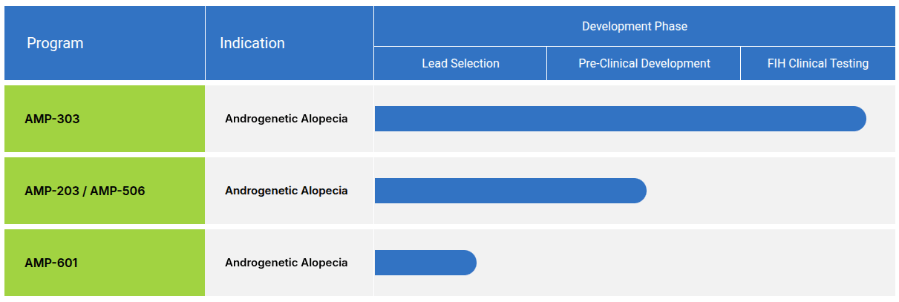
Amplifica Pipeline of Injectables for Hair Growth. Among newer companies involved in trying to cure hair loss, Amplifica (US) is particularly interesting. It was co-founded in 2020 by Dr. Maksim Plikus and Dr. William Rassman, both of whom I have covered many times before. The company’s two main areas of product development involve hairy mole related protein osteopontin and the SCUBE3 signaling molecule. The top half of this post has the most recent updates. Update: August 12, 2026 Amplifica Raises $26 million in Series B Preferred Stock financing Amplifica is still alive. It just raised $26 million in a Series B Preferred Stock financing round. Of particular note, one of the investors is Eli Lilly (US), which also invested in Absci (US) earlier this year. Note that when I originally wrote this post in 2022, Amplifica completed a $11.8 million Series A Financing round. Scroll till the bottom of this post to read about that development. Update: August 26, 2025 Amplifica just published 5-month results of a 61-person trial of AMP-301, described as a novel polysaccharide. I think this is the same trial whose results were covered last year (see my September 2024 update below)? The male subjects (all aged 18-45) with mild to moderate androgenetic alopecia (Norwood III-IV) were divided into two groups: Group 1 (n=32): balding duration of 3-5 years. Group 2 (n=29): balding duration of ≥ 10 years). They all received AMP-303 injections on one side of the scalp in 20 frontotemporal locations, and saline injections on the other side. For the Group 1 responders, the mean increase in nonvellus hair count was 14.5% and it peaked at 60 days. The results remained significantly greater than saline through 5 months. AMP-303 showed durability of effect with 1 injection cycle and led to hair terminalization. Unfortunately, nothing is said about the Group 2 responders who had been balding for 10 years or longer. Update: September 30, 2024 Encouraging Results from Amplifica’s First-In-Human Trial of AMP-303 Amplifica’s AMP-303 Phase 1 trial results have come out, and it is very good news. “A statistically significant percentage of study subjects showed a greater than 15% increase in non-vellus hair count from baseline compared to placebo at 60 days post-treatment, and a greater than 10% increase compared to placebo at 150 days post-treatment.” Moreover, there were no major safety issues from the intradermal injections, and just a single AMP-303 treatment cycle increased non-vellus hair count. In addition, the increase in hair density and thickness was sustained over time (150 days post treatment). Best of all, the results demonstrated AMP-303’s ability to transition vellus hairs into non-vellus hairs. This implies not just hair thickening, but also the far more difficult hair loss reversal. Update: July 12, 2023 An interesting take in Wired magazine on this same hairy mole (aka nevi) and hair growth research. They connect it to the well known phenomenon of dormant senescent cells and aging. Update: June 28, 2023 Amplifica Begins Clinical Trials for AMP-303 Amplifica just announced that it started clinical trials for its lead candidate AMP-303. The first human subject was given a dose on June 27, 2023 and the study will finish in the first quarter of 2024. According to CEO Frank Fazio: “Aside from assessing AMP-303 in subjects with androgenetic alopecia, this study will serve as a strong foundation for subsequent clinical studies with Amplifica’s pipeline compounds.” We already know at least three compounds or molecules that they will likely test in clinical trials (with more to come): Osteopontin = AMP-203 per the DermWire interview I linked to previously. SCUBE3 = AMP-601 per my January 2023 update. CD44 = AMP-303? Not clarified in this latest press release. Update: June 21, 2023 Amplifica Osteopontin (Hairy Mole Molecule) Clinical Trials Beginning Soon Hairy moles, osteopontin and hair growth. I previously (see bottom of this post) covered Amplifica and its hairy mole research. The company’s founder Dr. Plikus and his research team discovered that a molecule called osteopontin is primarily what makes hairy moles grow hair. Morover, this molecule can induce hair follicle growth when administered anywhere on the skin. The initial work was on mice, but the company plans to begin human clinical trials later this Summer per the latest update from today in Insider magazine. Dr. Plikus believes that this compound: “Could be needled into the scalp of balding men and women to reawaken hair follicles that have gone dormant, in a near-painless Botox-like procedure.” The treatment and trials will likely involve a combination of osteopontin and some other, newly-discovered hair-growing proteins that Plikus and his team have found. The Insider article implies that the other molecule will be SCUBE3 (already tested via microinjections in mice). The team’s latest findings in relation to hairy moles and osteopontin were published in Nature magazine: Signalling by senescent melanocytes hyperactivates hair growth. The study describes the essential role that the osteopontin and CD44 molecules play in activating hair growth inside hairy skin nevi. In addition to these two molecules, the team thinks it is likely that their continued research will identify additional potent hair growth activators. Make sure to read the UC Irvine report of these findings. Interestingly, Dr. Plikus says that this Nature publication is the result of nearly 10 years of research by an international team of scientists. The most encouraging quote of all from Dr. Plikus: “It will grow like you remember it when you were 18. It would not grow like thickened, wiry armpit hair. This burst of molecules is shown to hair follicles on a scalp, and they’re like, ‘Oh, OK. Time to grow!’” Update: In an interview with DermWire, Dr. Plikus says that the osteopontin-based compound highlighted in the Nature publication is designated as AMP-203 at Amplifica. A Note on Osteopontin and Hair Growth Note that I previously covered osteopontin in a number of my posts on Follicum, a company which disbanded in 2021 but came back in 2023 under new ownership. Their use of an osteopontin based peptide was slightly different from