English El 22 de mayo de 2026 es el Día Mundial de la Esofagitis Eosinofílica (EEo). Más de 470,000 personas en Estados Unidos viven con esofagitis eosinofílica (EEo), un trastorno que alguna vez se consideraba infrecuente pero que se ha vuelto cada vez más común en las últimas dos décadas. Saber lo que es la EEo puede ser útil para determinar si te está afectando. ¿Qué es la esofagitis eosinofílica (EEo)? La EEo es un trastorno inmunitario crónico (a largo plazo) que afecta el esófago, es decir, el conducto que conecta tu boca con tu estómago. La EEo ocurre cuando un tipo de glóbulo blanco denominado eosinófilos se acumula en la mucosa de este conducto. Esta acumulación causa inflamación (hinchazón) crónica en el esófago que puede causar los síntomas de la EEo. ¿Cuál es la causa de la EEo? Si una persona tiene EEo, su sistema inmunitario inunda el esófago con glóbulos blancos como una reacción a desencadenantes tales como ciertos alimentos y alérgenos ambientales que tocan la mucosa del esófago. Esta reacción anormal del sistema inmunitario se conoce como inflamación tipo 2. Alérgenos tales como polen, moho, polvo y pelos de animales pueden desencadenar la EEo. Pero reacciones inmunitarias a alimentos son la causa principal de la EEo. Los alimentos que pueden desencadenar la EEo incluyen: Productos lácteos Manies y frutos secos Trigo Pescados y mariscos Huevos Soya Nota: No todas las personas que tienen EEo tienen reacciones a los mismos alimentos y las pruebas no pueden predecir en una forma confiable qué alimentos la desencadenan. ¿Cuáles son los síntomas de la EEo? La EEo es diferente a edades distintas. Los bebés y los niños pequeños podrían no querer comer y podrían escupir o vomitar más frecuentemente, tener dolor de estómago, tener alteraciones de sueño y no desarrollarse apropiadamente. Para niños más grandes y adultos, los síntomas principales de la EEo son: Dificultad para tragar Alimentos que se atoran en la garganta después de tragarlos (impactación) Acidez Dolor de pecho Dolor estomacal Alimentos que suben después de tragarlos (regurgitación) Estos síntomas podrían ser intermitentes, aparecer cada cierto tiempo o ser constantes. Incluso si no tienes síntomas, podrías tener EEo porque es un trastorno crónico y de por vida. Lee: Cuando le diagnosticaron EEo a mi hijo, el mundo de nuestra familia se puso de cabeza >> ¿A quién le afecta la EEo? La EEo puede afectar a personas de cualquier edad, pero ciertos factores de riesgo podrían hacer que una persona sea más propensa a tener ese trastorno. Tus probabilidades de tener EEo son mayores si tienes: Alergias alimentarias Alergias ambientales (polen, polvo, pelos de animales, etcétera) Asma Rinoconjuntivitis (rinitis alérgica estacional) Eccema u otros trastornos cutáneos que causan manchas con picazón e inflamación Antecedentes familiares de EEo u otros trastornos alérgicos ¿Cómo se diagnostica la EEo? Puesto que los síntomas de la EEo son similares a los de otros problemas médicos que afectan el esófago, tales como enfermedad por reflujo gastroesofágico (ERGE) o alergias alimentarias, puede ser difícil diagnosticarla. Si tu proveedor de atención médica (HCP, por sus siglas en inglés) piensa que podrías tener EEo, te referirá a un gastroenterólogo (doctor GI), que es un doctor que diagnostica, trata y controla trastornos del sistema digestivo. Evaluará tus síntomas y hará algunas pruebas, las cuales podrían incluir: Endoscopía superior y biopsia: Una sonda larga y delgada (endoscopio) con una luz y una cámara se usan para visualizar la mucosa de tu esófago y tomar muestras para verlas bajo un microscopio. Se requiere una endoscopía y una biopsia para el diagnóstico de EEo. Análisis de sangre: Se realizan pruebas de sangre para detectar alérgenos, cantidades anormalmente altas de eosinófilos y otras señales de reacciones alérgicas. Toma en cuenta que análisis de sangre en forma individual no pueden diagnosticar con certeza la EEo o identificar desencadenantes alimentarios. Esponja esofágica: Se usa una esponja pequeña adherida a un hilo para tomar muestras en tu esófago sin realizar una endoscopía. ¿Cómo se trata la EEo? Si bien la EEo es un trastorno crónico de por vida que no tiene cura, puede tratarse. Gastroenterólogos tratan y controlan la EEo. Alergólogos también podrían ser parte de tu equipo médico. Si bien no pueden diagnosticar ni tratar la EEo en sí, pueden ayudar a controlar trastornos que coexisten con la EEo, tales como alergias alimentarias. El mejor tratamiento para ti depende de tu situación médica específica. Algunas opciones terapéuticas para la EEo son: Cambios dietéticos tales como reducir el consumo de ciertos alimentos que podrían desencadenar la EEo. Inhibidores de la bomba de protones (IBP), los cuales son medicamentos que reducen el monto de ácido que tu estómago genera. Corticoides, los cuales son medicamentos que son útiles para reducir la inflamación. La EEo se trata usando corticoides líquidos que se tragan para que entren en contacto directo con la mucosa de tu esófago para reducir la inflamación. Biofármacos (anticuerpos monoclonales), un tipo de tratamiento que se dirige específicamente a ciertas células o proteínas relacionadas con la inflamación, reduciéndola y haciendo que tragar sea más fácil. Dilatación esofágica, un procedimiento en el cual se usa un endoscopio para ensanchar el esófago para hacer que tragar sea más fácil, pero que no trata la inflamación subyacente. La dilatación normalmente se usa con medicamentos o cambios de dieta. Los tratamientos podrían cambiar con el tiempo a medida que tu reacción o estilo de vida cambie, por lo que deberías reevaluar tus opciones terapéuticas con tu proveedor de atención médica frecuentemente. Puesto que no se puede determinar si el tratamiento está funcionando en función exclusiva de los síntomas, se necesitarán endoscopías y biopsias en forma repetitiva para evaluar el tratamiento y la actividad o progreso de este trastorno. Tú y tu proveedor de atención médica, juntos, podrán determinar un plan para tratar tu EEo en forma continua. Disfrutar tu vida al máximo con EEo Si piensas que podrías tener síntomas de EEo, particularmente si también tienes alergias, asma u otros trastornos que incrementan tu riesgo, habla con tu
Changing course: Recognize signals, understand science
Column Orthopedics Today Commentary Add topic to email alerts Receive an email when new articles are posted on Please provide your email address to receive an email when new articles are posted on . “ data-action=”subscribe”> Subscribe We were unable to process your request. Please try again later. If you continue to have this issue please contact customerservice@slackinc.com. Back to Healio More from Column Orthopedics Today Commentary View all The challenges of health care have led many physicians to consider changing their professional environment. The first impulse is to modify the current situation, but systemic and institutional inertia may prevent any meaningful change. Questions arise and these concerns may be briefly silenced by strong clinical outcomes, patient gratitude or the rewards of mentoring fellows and residents who value your guidance. However, for an increasing number of physicians at every stage of a career, the introspective voices may be growing louder, leading one to question if status quo is still acceptable or if it is time to change course. These questions are not signs of weakness, loss of resilience or ingratitude. They reflect professional clarity and alignment with priorities and, increasingly, survival. Burnout rates among physicians have risen sharply during the past decade. The corporatization of medicine, loss of clinical autonomy, escalating administrative burdens and a sustained erosion of the patient-physician relationship have contributed. For younger physicians, disillusionment can arrive before a strong foundation is established. For mid-career physicians, recognizing that a current environment cannot fulfill their long-term vision can feel paralyzing. For senior physicians, early retirement becomes an increasingly appealing alternative. Not a failure Changing course is not failure. When approached with clarity, evidence and intention, it is often the most courageous and consequential professional decision a physician can make. The most effective way to consider a career change begins long before a moment of crisis. Every physician should develop a personal vision and mission statement that integrates professional and family priorities. This can be a dynamic document that articulates your professional vision, how you want to prioritize your time, and what matters most to your family. Ideally grounded in enduring principles, it can be refined as life stages, relationships and family circumstances change. When this foundation exists, decisions become measurable. You can honestly ask if your current environment is moving you toward or away from stated values. When the answer is consistently away, the stages of change have already begun whether recognized or not. Stages of change The Transtheoretical Model of behavior change provides a validated framework for understanding how physicians navigate professional transitions. It identifies six stages: precontemplation, contemplation, preparation, action, maintenance and termination. Every major career pivot aligns with this model. In the precontemplation stage, a physician has not yet recognized a problem. Performance remains high, external recognition is strong and dissatisfaction is rationalized as temporary. Sentinel events that move a physician into contemplation include leadership transitions, gradual erosion of input in institutional decisions, diminished autonomy and a growing dissonance between personal values and organizational expectations. Moral distress deserves particular attention. It is not frustration or a lack of resilience. It is a documented psychological red flag arising from a persistent mismatch between a physician’s clinical values and system demands. If unaddressed, it predicts emotional exhaustion, depersonalization and departure from the organization on the organization’s terms rather than the physician’s own terms. In contemplation, the physician gathers information, strengthens networks and relationships, and consults legal and financial experts. If change is pursued, then action leads to the transition, followed by maintenance, the critical post-transition stabilization period, and finally termination, which marks full integration into a new environment. The central lesson is not to wait for a crisis. When multiple red flags converge, preparation should begin on the physician’s terms. Structured introspection is the most powerful instrument in any career decision. The strongest predictor of a successful transition is clarity about one’s vision. Ask whether you are building the skills, relationships and reputation that reflect who you want to be in a decade. Without a vision, decisions default to reactivity. Equally important is a structured evaluation of the trade-offs of staying vs. changing. Life stage Career mobility is profoundly shaped by life stages. In the early years, mobility is the highest and the cost of redirecting is lowest. A physician who discovers that a clinical environment does not align with their vision should act early and decisively, before a mature practice and referral base are established and contractual obligations mount. Clarity about what you do not want is as valuable as clarity about what you do. In mid-career, mobility carries real cost. A mature referral network, established relationships with hospitals and ASCs, and ties to your community and school-aged children are powerful anchors. Transitions must be carefully planned, as referral bases are rarely transplanted and financial costs are measurable. However, cost does not mean wrong. In late career, the risk calculus shifts. Children are leaving home, financial security is more established and one’s professional reputation has matured. However, it is important to recognize that relocating to a different region offers limited portability of a mature referral network. Among professional peers, reputation is more transferable, and leadership roles and industry partnerships become more attainable. A deliberate move now may be viable and lead to long-term satisfaction. Case for change Structural forces reshaping medicine, including declining reimbursements, health care system consolidation and administrative responsibilities, are not transient. They are intensifying. The steady increase in burnout and the recognition of misaligned values are stronger predictors of dissatisfaction than income, confirming that physicians who protect their careers effectively take these signals seriously and honestly evaluate how the signals align with their personal vision. When physicians leave, it is rarely because of failure. It is because staying would have required them to become a different doctor than the one they aspired to be. Change, when it is right, is not the end of a

Moving Forward Without Going Back
By Kari McBride “So, when are you going back to work?” I have danced around this question so many times that I think my dance moves now wear a permanent path. It wasn’t that I didn’t want to answer the question; it was that I didn’t know how. I felt embarrassed, guilty, and a little ashamed that I wasn’t working yet. After all, isn’t our value as a person supposed to come from what we do for a living? At least that’s how it often feels in society today. Even after four-and-a-half years of brain injury recovery, new autoimmune diagnoses, one close brush with death, daily chronic pain, and a fight for “normalcy,” I still can’t answer this question. But what I can answer is this: “When am I going to live my life?” And that answer is: Now. I am living my life now. It may be true that I was living this life yesterday, and the day before, and the year before, and so on. But I would argue that it was not the same life. I am not the same person today that I was yesterday. And I am certainly not the same person I was before my injury. My life seems to have been divided into different series: “Before the accident,” and “After the accident.” I can’t say that one is better than the other. The “before” series ends with me as a single mother, newly graduated with a Master of Social Work, employed as a school social worker, and full of energy for all that life had in store. The irony is that the “after” series starts the very next day, but features this girl I don’t recognize. She is living in my body, in my house, with my child. She is no longer working, but instead is on extended medical leave. Her new graduate degree lies off to the side, just another piece of paper. Her days are filled with therapy, appointments, medication, and pain. She is living a life I no longer recognize as my own. “So…when are you going back to work?” Am I going back? What does it even mean to go back? Life didn’t stop just because I was injured. In fact, it’s quite the opposite. In many ways, life seems to have sped up and rushed past, leaving behind only a blur. The job I had at the time is long gone, posted and filled within a few months. My child is four years older and no longer in elementary school. And that fresh degree is covered in as much dust as its accompanying textbooks. Yet somehow, I moved forward without going back. I recently found myself sitting downtown at the state capitol, waiting to meet with my state representative. My stomach was full of knots, and my palms were sweaty. I could feel the early warning signs of a migraine attack and the little daggers piercing my forehead. I had chosen my highland cow tote bag for good luck, and I kept checking to make sure my notes were safely tucked inside. This meeting was important, and nothing could shake my confidence. It had taken years of lived experience, pain, and hard work to find my own value. The moment was now, and I was ready. It was on the car ride home that I realized I may not have gone back to work, but I was working. Just in a different way. I am working to be a bold voice when so many are already talking. I am working in a way that brings meaning to my life. I am working in a way that my body and my brain allow. As it turns out, my social work degree has proved far more valuable in my journey as a patient. I experienced first-hand the value of advocacy, the impact of disability, and the stigma of chronic illness. I fought for my own self-worth and refused to let employment determine my value to society. I am living my life the way I want … the way I can. So perhaps the question isn’t “When are you going back to work?” but rather: “How are you living your life now?” —by Kari McBride Source link
Gut Microbiome and Colorectal Cancer
Nicole Pajer Nicole Pajer is a freelance writer published in The New York Times, Parade, AARP, Woman’s Day, Men’s Journal and beyond. When she’s not writing, she’s checking exotic travel destinations off her bucket list, attempting to wear out her 71-pound Doberman’s boundless energy and teaching people how to properly pronounce her last name (“It’s Pager, just like the beeper!”). Keep up with her adventures on Twitter @NicolePajer. Medically reviewed by Cynthia Sears, M.D. Source link

Aging with Dignity and Finding New Purpose While Living with Chronic Pain
At the age of 54, I began a journey in life that I never imagined would be mine to take on. After years of living with unexplained pain, experiencing strange reactions to food or medications, and frequently finding myself getting hurt with simple movements, I was finally diagnosed with a condition I had been born with called Ehlers-Danlos syndrome. I was relieved when a doctor figured out what was wrong, but then, after going home and reading about this condition being progressive and incurable, I went from excitement that I would finally fix myself to wondering how I was supposed to endure this for the rest of my life. When any of us is faced with chronic pain, we have to find a way to first mourn our losses and then, in time, figure out how to pick up the pieces and try to move on. I thrive, as I am guessing you do, when I feel that I have purpose and meaning in life. I had loved what I felt was my purpose: Being a mother to four sons, in a happy marriage, working as a middle school teacher, living on a small family farm with many animals. I was a high school swim coach and master swimmer, a gardener, a lover of reading, taking trips to the ocean, walking on the beach—and so much more. But as my condition progressed, many of those joys began leaving my life. I had too many procedures and too much pain to continue to be able to be effective in the classroom. I had to learn to cope with being reactive to certain foods and medications, and facing surgery after surgery to try to correct the damage my defective collagen created. I had to adjust to four years living in a wheelchair. The tendency of my joints to sublux, or partially dislocate, and the pain in my neck made walking on the sand, reading a book, and even chewing painful. But I still had a life to live. And I had a decision to make: Do I wallow in all this and let Ehlers-Danlos define me, or do I find a way to regain a new purpose and meaning in my life? It is daily work to try to feel purpose when you are confronted with conditions that cause chronic pain. The disruptions in your life can be heartbreaking, but at some point, you have to accept that this is the new version of your life. What can you do to help you find fresh purpose and meaning in your life? I have replaced so much of what I found pleasure in doing with new adventures. I joined the U.S. Pain Foundation initially as an advocate, and eventually became co-director of Cannabis Advocacy along with my husband. I learned to use my voice in my state and even in Washington, D.C., to speak out about issues I have a passion for. I work alongside others in our community with an Ehlers-Danlos syndrome support group to help pass along information we have learned that might help others cope with this under-recognized condition. I have adjusted my swimming strokes and technique due to my fused neck and limited mobility in my arms, but I am still in the pool, feeling the joy of the water and exercise. I know my sons are watching how I am taking on these challenges. I want them to respect me and understand that no matter what comes of their lives, if we work hard enough, we can still find joy and happiness. Your plans may not be the same as they used to be, but it’s still worth it to make new ones. May you find the strength to live your life with dignity as you, too, age with your chronic pain. It’s not easy, but there are many out there rooting for you! May life be kind to you… —by Ellen Lenox Smith Source link
Facts About Eosinophilic Esophagitis (EoE)
Español May 22, 2026, is World Eosinophilic Esophagitis (EoE) Day. More than 470,000 people in the United States are living with eosinophilic esophagitis (EoE), a condition that was once considered rare but has gotten more and more common over the last two decades. Knowing what EoE is can help you figure out whether it may be affecting you. What is eosinophilic esophagitis (EoE)? EoE is a chronic (long-term) immune condition that affects the esophagus, the tube that connects your mouth to your stomach. EoE happens when a type of white blood cell called an eosinophil builds up in the lining of this tube. The buildup causes chronic inflammation (swelling) in the esophagus that can lead to symptoms of EoE. What causes EoE? When a person has EoE, their immune system floods the esophagus with white blood cells as a response to triggers such as certain food and environmental allergens, touching the lining of the esophagus. This abnormal response by the immune system is known as Type 2 inflammation. Allergens like pollen, mold, dust and animal hair can trigger EoE. But the main cause of EoE are immune reactions to food. Foods that can trigger EoE include: Dairy products Peanuts and tree nuts Wheat Seafood/shellfish Eggs Soy Note: Not everyone with EoE reacts to the same foods, and testing cannot reliably predict which foods are triggers. What are the symptoms of EoE? EoE looks different at different ages. Babies and young children may not want to eat and may spit up or vomit more frequently, have stomach pain, have disrupted sleep, and not grow properly. For older kids and adults, the main symptoms of EoE are: Trouble swallowing Food getting stuck in the throat after swallowing (impaction) Heartburn Chest pain Stomach pain Food coming back up after swallowing (regurgitation) These symptoms may come and go, flaring up only once in a while, or they may be constant. Even when you don’t have symptoms, you still have EoE because it is a lifelong, chronic condition. Read: When My Son Was Diagnosed With EoE, Our Family’s World Was Turned Upside Down >> Who is affected by EoE? EoE can affect anyone at any age, but certain risk factors may make a person more likely to have the disease. Your chances of having EoE are higher if you have: Food allergies Environmental allergies (pollen, dust, animal hair, etc.) Asthma Hay fever (allergic rhinitis) Eczema or other skin conditions that cause itchy, inflamed patches A family history of EoE or other allergic conditions How do you diagnose EoE? Because the symptoms of EoE are similar to those caused by other health problems that affect the esophagus, like gastroesophageal reflux disease (GERD) or a food allergy, it can be tricky to diagnose. If your healthcare provider (HCP) thinks you may have EoE, they will send you to a gastroenterologist (GI doctor), which is a doctor who diagnoses, treats and manages diseases of the digestive system. They will look at your symptoms and do some tests, which may include: Upper endoscopy and biopsy: A long, skinny tube (endoscope) with a light and camera are used to view the lining of your esophagus and take samples to view under a microscope. An endoscopy and biopsy are required for an EoE diagnosis. Blood tests: Blood work is done to check for allergens, higher than usual eosinophil counts or other signs of allergic reactions. Note that blood tests alone cannot reliably diagnose EoE or food triggers. Esophageal sponge: A tiny sponge attached to a string is used to sample tissue in your esophagus without doing an endoscopy. How do you treat EoE? While there is no cure for EoE and it is a lifelong, chronic disease, it can be treated. Gastroenterologists treat and manage EoE. Allergists may also be part of your care team. While they cannot diagnose or treat EoE itself, they can help manage conditions that co-exist with EoE, such as food allergies. The best treatment for you depends on your unique health situation. Some of the treatment options for EoE are: Diet changes like cutting out certain foods that could trigger EoE. Proton pump inhibitors (PPIs), which are medicines that lower the amount of acid your stomach makes. Steroids, which are medicines that help reduce inflammation. EoE is treated using liquid steroids that are swallowed so they come in direct contact with the lining of your esophagus to take down swelling. Biologics (monoclonal antibodies), a type of treatment that targets certain cells or proteins linked to inflammation, which reduces inflammation and improves swallowing. Esophageal dilation, a procedure that involves using an endoscopy to widen the esophagus to make swallowing easier, but does not treat the underlying inflammation. Dilation is usually used along with medications or dietary changes. Treatments may change over time as your response and/or lifestyle change, so you should re-evaluate your treatment options with your HCP frequently. Since symptoms alone cannot determine whether you’re responding to treatment, repeated endoscopies and biopsies will be needed to measure your response to treatment and disease activity or progression. Together, you and your HCP can come up with a plan to treat your EoE on an ongoing basis. Living your best life with EoE If you think you may be having EoE symptoms — particularly if you also have allergies, asthma or other conditions that may put you at risk — talk to your HCP. Catching EoE early helps prevent damage to your esophagus that can happen over time. And the sooner you get a diagnosis, the sooner you can start managing your EoE so you feel better. This educational resource was created with support from Regeneron, Sanofi and Takeda. From Your Site Articles Related Articles Around the Web Source link

Technology and Artificial Intelligence in Nutrition in the Philippines
by Dr Frances Gail Turalba (Frontline Gastroenterology Global Taskforce 2025-6) The Covid 19 Pandemic has taught us that telehealth through technological advance is possible and the landscape of medical consultations has transitioned increasingly further from face-to face consults to telehealth. Even “telenutrition” has emerged as an avenue to reach more patients or clients in need of consultations and nutrition counselling. Kumar and colleagues addressed this somewhat in their systemic review on the limitations in real-world telemonitoring applicability in gastroenterology and hepatology (1). In the area of nutrition support specifically, an interesting publication on the successful implementation of remote video consultations for patients receiving home parenteral nutrition in a UK national centre demonstrated that telemedicine was able to largely replace the need for face to face clinic consultations for Home Parenteral Nutrition-dependent patients, and naturally leading to less travel to maintain follow-up (https://fg.bmj.com/content/11/4/280). The use of Artificial Intelligence (AI) has gained popularity through its increasing contribution to a number of fields from education to marketing, finance to research, and finally healthcare. In the healthcare setting, AI has proven itself particularly useful in helping to optimize patient assessment as well as in disease diagnosis, advantaged by its ability to rapidly scrutinize vast quantities of data. The improvement in performance of clinical tasks, through automation and streamlined workflows provided by AI, has already started to come to the attention of clinicians, and the promise potentially offered through these new technologies to patients is enticing to explore. Among the Southeast Asian countries, Singapore is probably the leader in AI due to its National AI Strategy 2.0, which is a comprehensive plan on digital transformation with the remit of contributing to AI breakthroughs and products that are projected to be valuable globally. In developing countries such as the Philippines, at present AI has yet to be integrated broadly into health services per se, and has found its place more as a tool in medical (and general scientific) research (although, to a degree in public health). In the field of nutrition, my own area of subspeciality interest, there is even sparser use still of AI. However, one of the AI-driven projects related to nutrition in the Philippines is the Artificial Intelligence Nutrition Assistant (AINA) spearheaded by the Department of Science and Technology-Food and Nutrition Research Institute (DOST-FNRI). This AI driven project aimed to develop an automated food recognition and dietary assessment mobile application which will enable researchers, nutrition and public health professionals, food production professionals, and other stakeholders to monitor dietary intake and quality.(3). A study published by Javier and colleagues in 2024 illustrated the usefulness of the digitalization of food component forms of the National Nutrition Survey (NNS) and a fully digital dietary survey collection system. This involved the compilation of a mobile household dietary survey data collection system with an AI-based food recognition tool (4). Another recent example leveraging AI in the area of diet and nutrition is an ongoing joint research project between the Philippines and Taiwan that is due to be completed in 2027. This fascinating project aims to develop an AI model that will cross-reference personal health record data of individuals with chronic diseases with another database containing information on local diet (availability and preferences), with a view to generating a precise analysis and tailored meal plan for the client/patient. Results of this study will help create a mobile application which can be accessed by patients and healthcare practitioners alike, facilitating the ongoing monitoring of nutritional intake by patients over time, and allowing for the provision of further recommendations (5). Somewhat tangentially, but still addressing the issue of nutrition in the developing Southeast Asian region, this time on a population-level, is an initiative of a non-profit organization operating in the Philippines. In terms of food security, since rice is considered a staple food in the country, the International Rice Research Institute (IRRI) – an international agricultural research and training organization located in the Philippines – has been attempting to harness AI to improve the production of rice in the country since 2023. Through the integration of AI-based analyses, they have been able to advise on a number of areas of optimization for farmers, such as directing the efficient application of fertilizer through Site-Specific Nutrient Management (SSNM) principles, for instance. Additionally, technology more broadly is being increasingly applied in the agriculture sector in the Philippines, such as through the equipping of drones capable of precision agriculture in crop establishment. Such initiatives have undoubtedly led to an improvement in food (and nutrition) security locally, as well as globally (6). Although AI has arrived in the Philippines, it is somewhat in its infancy. Its (responsible) use in the field of nutrition, gastroenterology, and medicine overall, and specifically in the clinical/hospital setting, wherein doctors, allied healthcare professionals and patients, stand to gain the most significant benefit, warrants careful expansion going forward. References Kumar A, Gananandan K, Robinson G, et al Limitations in real-world telemonitoring applicability in gastroenterology and hepatology: a systematic review Frontline Gastroenterology 2026;17:19-29. Cloutier A, Bond A, Taylor MI, et al Successful implementation of remote video consultations for patients receiving home parenteral nutrition in a national UK Centre Frontline Gastroenterology 2020;11:280-284. Accessed from: https://www.pchrd.dost.gov.ph/heartnovation/aina-artificial-intelligence-nutritionassistant Javier et al.: Development of Mobile Dietary Data Collection System. Philippine Journal of Science Vol. 153 No. 5, October 2024 Accessed from: https://registry.healthresearch.ph/index.php/registry?view=research&layout=details&cid=8651 Accessed from: https://www.irri.org/news-and-events/news/irri-leveraging-ai-secure-food-and-nutrition-security-current-and-future (Visited 259 times, 1 visits today) Source link
Learning to Savor the Small Moments
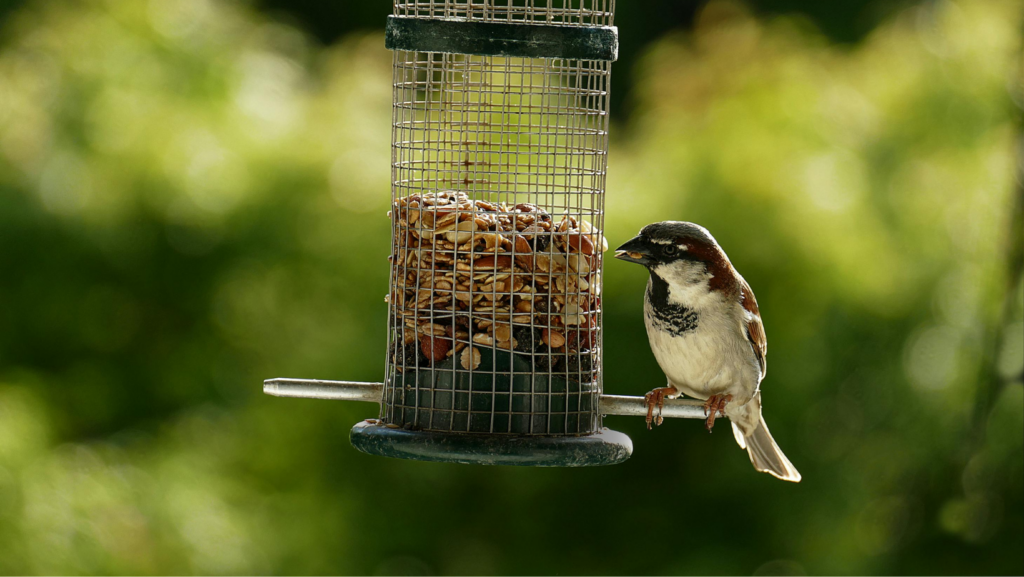
By Kari McBride I remember my daughter’s first steps like they were yesterday. After 18 months of appointments, hospital stays, and therapy sessions, those little feet finally took off. Watching her swagger and sway down the hall, I was filled with overwhelming joy and excitement. It was a moment I knew I wanted to hold onto forever. People often say, “Savor this moment; it won’t happen again.” At the time, I was pretty sure I understood what this meant. My daughter is a teenager now. Recently, she insisted that we needed a bird feeder to feed all the birds in the neighborhood. After some back-and-forth negotiating, I gave in. We now have bird feeders in both the front yard and the backyard. I was convinced this would become just another chore on my already long to-do list. But instead, it has become something else entirely. There is something almost soothing about watching the birds come and go. A dove lands on the grass. A mockingbird hops along the edge. Each bird has its own little personality. And for a few quiet moments, I find myself standing still. Watching. Breathing. Noticing. In those instants, the pain and uncertainty that usually fill my days start to loosen their grip. These moments don’t last long. The birds fly away. Reality draws me back inward. And while the pain may not go away, this brief reprieve gives me something to hold onto. In a life that is now shaped by chronic pain, both my daughter’s and mine, these are the small experiences I’m learning to savor. They won’t all be as big as my daughter’s first steps. After all, there is only one “first.” But I am starting to notice the smaller moments now. The ones that pass quickly—unless I choose to stop and see them. Maybe this is what it means to savor a moment. —by Kari McBride Source link