

Postpartum recovery is a crucial phase. As a new mum, finding time for self-care can be challenging. I’ve researched that gentle exercise is beneficial for new mothers looking to heal and regain strength. Walking pads are a fantastic tool for incorporating gentle exercise into everyday life. They make it easier to stay active even when time is limited. Walking is one of the simplest forms of exercise you can start soon after childbirth. It helps to increase cardiovascular endurance, improve mood, and assist in regaining pre-pregnancy weight. Walking pads offer an easy and practical solution to get those steps in without leaving your home. They allow you to focus on recovery and taking care of your little one. Incorporating walking into your postpartum routine can support the healing of your pelvic floor and improve overall well-being. With walking pads, you can adjust the pace to suit your needs, ensuring a safe and effective postpartum exercise regimen. Let’s explore how you can embrace this approach as part of your self-care routine. Key Takeaways Gentle exercise aids in postpartum recovery. Walking pads make it easy to stay active at home. Walking supports pelvic floor healing and well-being. Understanding Postpartum Recovery After childbirth, a new mother’s body and mind undergo significant changes. This period involves both physical healing and various emotional changes. Focusing on these areas is essential for a healthy recovery. Physical Healing After Childbirth Recovering physically from childbirth can take time. The body needs to heal from the stresses of pregnancy and delivery. One of the significant areas of healing is the pelvic floor muscles, which may be weakened. Performing gentle strengthening exercises can help. It’s also common to experience lochia, a type of discharge, as the body sheds remnants from pregnancy. For some, the recovery might include dealing with an episiotomy, which requires special care to prevent infection and promote healing. Afterpains, which are contractions that help shrink the uterus back to its pre-pregnancy size, can also occur. They tend to be more intense during breastfeeding. Understanding these aspects helps manage expectations about recovery and encourages new mothers to approach their healing journey with patience. Emotional Changes and Mental Health The emotional aspect of recovery is just as vital as the physical. Many new mothers experience emotional changes, which can include mood swings, known as the “baby blues,” or more severe conditions such as postpartum depression. Postpartum depression is characterised by persistent sadness, anxiety, and difficulty bonding with the baby. It’s important to seek support if needed. Postpartum anxiety is another condition that affects emotional health. Managing these changes involves being aware of my feelings and seeking help from professionals if necessary. Emotional support from family and friends can make a significant difference. Maintaining good mental health is crucial for a new mother’s well-being and her ability to care for her newborn effectively. Role of Gentle Exercise in Postpartum Healing Incorporating gentle exercise after childbirth is key to supporting recovery. Activities like walking can boost energy levels, strengthen muscles, and improve mood, contributing to overall well-being. Walking pads offer a convenient way to stay active while ensuring safety and comfort during this sensitive period. Benefits of Walking for New Mothers Walking is a low-impact exercise that can significantly aid postpartum recovery. It helps improve blood circulation, which is essential for healing and reducing swelling. This activity eases stress, boosts mood, and may reduce symptoms of postpartum depression by releasing endorphins. Physical activity like walking can gently strengthen the pelvic floor and abdominal muscles, which are often weakened after childbirth. Regular walks enhance stamina, which is beneficial for coping with the demands of a new baby. It’s important to start slowly and gradually increase the duration and intensity as strength and energy levels improve. Walking is not only physical recovery but also provides a valuable opportunity for fresh air and mental clarity, essential for new mothers adjusting to life with a newborn. Introduction to Walking Pads Walking pads are an innovative tool for postpartum exercise, providing a space-efficient way to engage in physical activity at home. They are ideal for those living in areas with unpredictable weather, such as Ireland, ensuring that regular exercise can take place comfortably indoors. Walking pads are designed to be compact and user-friendly, making them perfect for small spaces. They offer adjustable speed settings, allowing users to customise their pace based on comfort and fitness levels. Using a walking pad allows me to maintain a steady exercise routine, essential for recovery and fitness without leaving the house. Incorporating a walking pad into my daily routine gives me consistent opportunities to walk, even while my baby naps. This flexibility is invaluable for maintaining regular physical activity during this crucial healing stage. Safety and Precautions Safety is paramount when resuming exercise after childbirth. It’s vital to consult with a healthcare provider before starting any new exercise routine. This ensures that my body is ready, especially if complications arose during childbirth or if I’ve had a C-section. When using a walking pad, it’s important to begin at a slow pace, gradually increasing speed and duration. Proper posture is crucial to prevent injuries and to effectively strengthen the pelvic floor and core muscles. Wear supportive footwear while using the walking pad to ensure stability and comfort. Staying hydrated and paying attention to my body’s signals helps prevent overexertion. Knowing when to rest ensures a safe and beneficial postpartum exercise experience. Effective Postpartum Exercises Recovering after childbirth involves focusing on exercises that promote healing and strengthen key muscle groups. It’s essential to start with gentle activities that support the body and gradually build intensity. These exercises focus on the pelvic floor, core, and low-impact cardio. Pelvic Floor Strengthening Strengthening the pelvic floor muscles is crucial for new mothers. These muscles support the bladder, uterus, and rectum. Performing Kegel exercises is simple yet effective. By contracting and relaxing these muscles, you can improve bladder control and overall pelvic health. Aim to hold each contraction for a few seconds, then release. Repeat

Pinched Nerve vs. Herniated Disc: What’s the Difference?
When patients come to our Central Texas clinics – from Waco to Austin to Seguin – many arrive after weeks or months of discomfort, unsure whether their symptoms indicate a pinched nerve, herniated disc, or something else entirely. This confusion is understandable, as these conditions share many symptoms and can occur together. Before we dive in, here’s a quick glance at what you need to know: A pinched nerve occurs when any tissue (bone, muscle, tendon) compresses a nerve A herniated disc is a specific condition where spinal disc material bulges out of place Herniated discs often cause pinched nerves, but not all pinched nerves are from herniated discs Both conditions can cause radiating pain, numbness, tingling, and weakness Most cases improve with non-surgical treatments like physical therapy and targeted injections Seeing a pain specialist is recommended if symptoms persist beyond 4-6 weeks Accurate diagnosis is crucial for effective treatment What is a Pinched Nerve? A pinched nerve (or nerve compression) occurs when surrounding tissues put excessive pressure on a nerve. This compression disrupts the nerve’s function, causing pain and other symptoms. Think of a garden hose with someone stepping on it—the flow gets restricted, causing problems downstream. Pinched nerves can happen almost anywhere in your body, but they’re most common in areas where nerves travel through narrow spaces and have little soft tissue protection. The spine, wrists, elbows, and neck are particularly vulnerable. Common causes of pinched nerves include: Herniated or bulging discs (a common cause in the spine) Bone spurs from arthritis Thickened ligaments Injuries or trauma Poor posture over time Weight gain or swelling Repetitive movements The location of the pinched nerve determines where you feel symptoms. For example, a pinched nerve in your lower back typically causes symptoms down your buttocks and leg (sciatica), while a pinched nerve in your neck might cause pain radiating down your shoulder and arm. What is a Herniated Disc? Your spine consists of vertebrae (bones) stacked on top of each other with cushioning discs between them. Each disc has a tough outer ring (annulus fibrosus) and a soft gel-like center (nucleus pulposus). A herniated disc (also called a slipped or ruptured disc) occurs when the soft center pushes through a tear in the tougher exterior. It’s similar to what happens when you squeeze a jelly donut too hard and the filling squirts out. This condition most commonly affects the lumbar spine (lower back) and cervical spine (neck), though it can occur in the thoracic spine (mid-back) as well. Herniated discs typically develop due to: Age-related disc degeneration (discs lose water content and become less flexible) Lifting heavy objects improperly Twisting or turning while lifting Traumatic injury Excess body weight Genetics (some people are predisposed) When a disc herniates, it can press directly on nearby nerves or release inflammatory proteins that irritate nerves—both scenarios lead to nerve compression (a pinched nerve). How Does the Relationship Between These Conditions Work? The relationship between pinched nerves and herniated discs is similar to the relationship between a symptom and one of its potential causes. Here’s how they connect: A herniated disc is a specific condition affecting spinal discs A pinched nerve is a situation where any nerve experiences compression A herniated disc often causes a pinched nerve However, not all pinched nerves result from herniated discs This distinction matters because treating the underlying cause of nerve compression is key to long-term relief. At Pain Specialists of America, our physicians conduct thorough evaluations to determine whether your pinched nerve stems from a herniated disc or another cause, guiding our treatment recommendations. Symptoms of Pinched Nerves vs. Herniated Discs: What to Watch For While both conditions can cause similar symptoms, there are some differences that help us distinguish between them. Pinched Nerve Symptoms: Sharp, burning pain that may radiate along the nerve pathway Numbness or decreased sensation in the area supplied by the nerve Tingling or “pins and needles” sensations Muscle weakness in affected areas Pain that worsens with certain movements or positions Feeling that a hand or foot has “fallen asleep” Herniated Disc Symptoms: Back or neck pain near the herniation site Radiating pain along the affected nerve pathway (arm/leg) Pain that worsens with certain movements (especially bending, lifting) Pain that improves with certain positions (like lying down) Muscle weakness affecting specific muscle groups Numbness or tingling in specific areas Key Difference: The primary difference in symptoms is that herniated discs often cause both localized pain at the herniation site AND radiating symptoms along the nerve pathway, while a pinched nerve from other causes might only produce radiating symptoms without the focal spine pain. For example, a herniated disc in the lower back typically causes both lower back pain AND sciatic pain down the leg. A pinched nerve from another cause might cause the leg pain without significant back pain. Benefits of Proper Diagnosis and Treatment Seeking proper diagnosis and treatment for pinched nerves and herniated discs offers numerous benefits: Pain Relief: Interventional treatments can provide immediate and long-lasting relief by targeting the specific source of nerve compression. Improved Function: As pain decreases, your ability to perform daily activities, work duties, and enjoy recreational activities improves significantly. Reduced Need for Medications: Targeted treatments often reduce or eliminate the need for oral pain medications, including opioids, minimizing potential side effects and dependency concerns. Prevention of Chronic Pain: Early, appropriate intervention helps prevent acute pain from transitioning into chronic pain conditions that are more difficult to treat. Avoiding Surgery: Many patients with pinched nerves and herniated discs can achieve substantial improvement without surgical intervention when receiving proper conservative and interventional care. Accelerated Recovery: Professional treatment speeds healing by addressing inflammation and promoting proper spine mechanics during the recovery process. Education and Prevention: Working with specialists helps you understand how to prevent recurrence through proper body mechanics, exercises, and lifestyle modifications. At Pain Specialists of America, our comprehensive approach addresses both immediate pain relief and long-term functional improvement. Pinched Nerve vs. Herniated Disc Treatment Options Treatment approaches

Active Playdates: Encouraging Children To Stay Active Using Walking Pads
Active playdates are a fantastic way to ensure children stay active while having fun with their peers. By incorporating tools like walking pads into these playdates, it becomes easier to motivate kids to stay on their feet and move around. Walking pads can transform the typical playdate into an exciting, health-focused event that encourages both fun and exercise. Children need movement every day to support their physical and mental growth. Whether through running games, dancing, or using equipment, these activities are vital. Walking pads offer a unique and controlled environment for kids to enjoy walking exercises. This is especially helpful when the weather isn’t cooperating or space is limited. The idea of combining walking pads with active playdates is all about blending exercise with creativity. This method not only ensures that children are getting the activity they need but also keeps them engaged and entertained. With a little imagination, you can turn any ordinary playdate into a memorable and active session for kids. Key Takeaways Active playdates boost children’s physical activity levels. Walking pads add a fun twist to traditional playtime. Organising engaging activities keeps kids moving and entertained. The Importance of Active Play Active play is a crucial part of a child’s development. It helps build physical strength, sharpens cognitive abilities, nurtures social skills, and boosts emotional health. In Ireland, active play is an integral part of parenting, providing opportunities for free play and outdoor experiences that contribute to a child’s holistic growth. Physical and Cognitive Benefits Active play encourages children to move, helping them build strong muscles and bones. Activities like running, jumping, and climbing not only improve physical health but also enhance coordination and balance. Moreover, play stimulates brain activity, promoting better attention spans and problem-solving skills. Engaging in varied active play can significantly enhance learning capacities. According to studies, children who are consistently active show improvements in memory and concentration. The varied movements necessary in play foster a strong mind-body connection, essential for cognitive development. Active play in natural settings, such as parks and playgrounds, introduces them to diverse environments, further enriching their sensory experiences. Social Skills and Emotional Development Active playdates offer more than just physical exercise. They are golden opportunities for children to develop social skills. Playing with others requires communication, cooperation, and conflict resolution, all vital abilities for emotional and social growth. Through play, children learn about sharing, empathy, and teamwork. Outdoor play often brings challenges and successes that build resilience and self-confidence. It allows children to express emotions and practice self-regulation. Witnessing their capabilities—whether they are climbing a tree or completing a group game—reinforces a positive self-image. This combination of social interaction and emotional learning is a fundamental aspect of their overall development, helping them grow into well-rounded individuals. Equipment for Active Playdates During active playdates, it’s important to use the right equipment to keep kids engaged and energetic. Walking pads, diverse playground equipment, and portable obstacle courses can all offer exciting ways to promote physical activity among children. Walking Pads: Engaging Toddlers Walking pads are a fantastic way to introduce toddlers to gentle exercise. They are compact and easy to store, making them ideal for homes with limited space. With simple controls and an engaging LED display, walking pads can motivate children to walk a little each day. Many walking pads come with fun features to keep toddlers interested. Using a walking pad during playdates can set a routine of active play. I’ve found that having a walking pad at home encourages kids to walk while listening to their favourite tunes. This combination can turn a simple walk into an engaging activity, fostering a habit of exercise from an early age. Playground Equipment: Beyond the Basics Playground equipment offers a wealth of opportunities for physical activity. Beyond traditional swings and slides, newer options include climbing walls, rope bridges, and spinning toys. These not only provide fun but also help develop balance and coordination. Investing in a range of playground equipment at home invites endless adventures. During playdates, I notice children gravitating towards more challenging pieces, which encourages teamwork and boosts confidence as they explore and conquer new challenges. These experiences are crucial for building social and physical skills from a young age. Portable Obstacle Courses Portable obstacle courses are perfect for transforming any space into an active adventure playground. These courses can include tunnels, cones, and hurdles, allowing for endless configurations. They are lightweight and easy to set up, which means they can be brought out for any playdate without much hassle. Creating an obstacle course is a great way to stimulate imagination and physical activity. I enjoy setting up courses that challenge speed and agility, allowing children to have fun while improving their fitness levels. These courses can be tailored to fit both indoor and outdoor settings, making them versatile additions to active playdates. Creative Ways to Encourage Movement Encouraging movement in children can be both fun and educational. By incorporating creative activities, kids can stay active while exploring their interests in art, science, and nature. Incorporating Art and Crafts Involving art in physical activities can be a fantastic way to get children moving. I like to set up painting or colouring stations outdoors where kids can freely express themselves without worrying about making a mess indoors. This not only gets them walking around but also sparks their creativity. A large canvas or chalk on the pavement can encourage movement as children paint or draw with their whole bodies. Using large paintbrushes or water balloons filled with paint adds an element of physical activity and excitement. This approach provides a sensory-rich experience, integrating both art and physical movement seamlessly. Explorative Science Experiments Science experiments can also be a catalyst for movement. By creating experiments that involve physical action, children can learn scientific concepts while staying active. For instance, a simple experiment involving vinegar and baking soda can lead to creating a mini volcano. The excitement of seeing the volcanic reaction encourages kids to move around and adjust their experiment

Cutting parenteral nutrition time eases short bowel syndrome care
Add topic to email alerts Receive an email when new articles are posted on Please provide your email address to receive an email when new articles are posted on . “ data-action=”subscribe”> Subscribe We were unable to process your request. Please try again later. If you continue to have this issue please contact customerservice@slackinc.com. Back to Healio Key takeaways: Parenteral nutrition complications, especially infections and pain, remain a major burden in short bowel syndrome. Surveyed clinicians favored reduced time on reduced time on support over reduced volume. CHICAGO — For patients with short bowel syndrome, reduced time on parenteral support may mitigate burdens such as central line complications, fatigue and decreased quality of life, according to a survey of health care professionals. Results, presented at Digestive Disease Week, indicated that limiting the days per week and hours per day that patients spend receiving total parenteral nutrition (TPN) may benefit those with short bowel syndrome (SBS) reliant on this support. “Reducing the risks associated with parenteral support — especially central venous access complications — should be a primary focus in SBS management,” lead author Syed-Mohammed R. Jafri, MD, a gastroenterologist and transplant hepatologist at Henry Ford Health, told Healio. “While maintaining adequate nutrition remains essential, clinicians clearly prioritize interventions that decrease hospitalizations, improve safety and reduce treatment burden. “Even modest reductions in TPN use are considered meaningful and achievable clinical goals,” he continued. Jafri and colleagues conducted a noninterventional, cross-sectional online survey of health care professionals to evaluate perceptions of TPN-related complications, clinical burden and outcome priorities for new therapies. Researchers identified 336 health care professionals — 213 in Europe and 123 in the U.S. — who were actively managing at least one patient with SBS with a minimum 2 years of experience treating the condition. More than half of respondents were men (60.1%) and most were aged 40 to 59 years (69%). Among those surveyed, 42% were physicians, 23% were pharmacists and 18% were dietitians. Nearly half (45.2%) primarily practiced gastroenterology, 23.5% focused on clinical nutrition or nutritional support, and 17.3% specialized in internal medicine. According to results, common complications experienced by patients on TPN include central line infections (59.8%), fatigue (47.9%), central line pain (43.2%), stomach pain (40.5%), edema (37.5%) and thrombosis (29.5%) Central line infections (49.7%) and central line pain (44%) were identified as the most distressing complications for patients. Respondents cited concerns with central venous catheters (48.2%), reduction in quality of life (34.8%) and hepatotoxicity (32.4%) as key limitations of TPN. Top therapeutic priorities were reducing TPN days per week (46.4%) and hours per day (30.1%). Fewer respondents advocated for reducing TPN volume (11.3%). “Reducing the number of days on TPN directly decreases exposure to central venous catheters, thereby lowering the risk of infections, thrombosis and other complications,” Jafri said. “Shorter infusion times may also reduce metabolic strain and improve patient adherence and overall management feasibility.” Limiting TPN time could also ease the burden on caregivers, he added. The health care professionals also felt that reduced TPN dependence may improve quality of life (60.1%), result in fewer line infections (56%) and lower thrombosis risk (53.6%). “Less dependence on infusions could translate to decreased hospitalization rates and reduced health care utilization, which were key priorities for clinicians in the survey,” Jafri said. “Over time, this shift could move the management of SBS from a high-risk, resource-intensive model toward a more stable and sustainable approach.” For more information: Syed-Mohammed R. Jafri, MD, can be reached at gastroenterology@healio.com. Published by: Sources/Disclosures Source: Jafri SR, et al. Burden of total parenteral nutrition for patients with short bowel syndrome dependent on parenteral support: Healthcare professional perspectives on risks, limitations and treatment priorities. Presented at: Digestive Disease Week; May 2-5, 2026; Chicago. Disclosures: Jafri reports no relevant financial disclosures. Please see the study for all other authors’ relevant financial disclosures. Ask a clinical question and tap into Healio AI’s knowledge base. PubMed, enrolling/recruiting trials, guidelines Clinical Guidance, Healio CME, FDA news Healio’s exclusive daily news coverage of clinical data Learn more Add topic to email alerts Receive an email when new articles are posted on Please provide your email address to receive an email when new articles are posted on . “ data-action=”subscribe”> Subscribe We were unable to process your request. Please try again later. If you continue to have this issue please contact customerservice@slackinc.com. Back to Healio Source link

Migraine vs. Headache: Key Differences You Need to Know
If you’ve ever wondered “Is this just a headache or is it a migraine?” you’re not alone. Understanding the difference can be the first step toward finding effective relief. Before we dive in deep, here’s a look at what we’ll cover: Migraines are neurological conditions causing throbbing pain (usually on one side), nausea, and light sensitivity, while tension headaches typically cause dull pressure on both sides. Cluster headaches cause intense pain behind one eye with recurring “clusters” of attacks over weeks or months. Migraine pain is typically moderate to severe and can last 4-72 hours, while tension headaches are usually milder and shorter. Proper diagnosis is crucial as treatment approaches differ significantly between headache types. Interventional pain management offers specialized treatments beyond basic over-the-counter medications. Seeing a pain specialist is recommended if headaches frequently disrupt daily life or don’t respond to standard treatments What is the Difference Between Migraines and Headaches? Headache is a general term for pain in any region of the head, while migraine is a specific neurological condition with distinct characteristics beyond head pain. Let’s break down these differences: Tension Headaches: Most common headache type affecting up to 78% of the population Presents as a dull, aching sensation or pressure band around the head Usually affects both sides of the head Pain intensity is typically mild to moderate Duration ranges from 30 minutes to several days Rarely includes nausea or vomiting Triggers often include stress, poor posture, or eye strain Migraines: Neurological condition affecting approximately 12% of Americans Characterized by throbbing or pulsating pain, typically on one side of the head Pain intensity is moderate to severe, often debilitating Duration typically ranges from 4-72 hours if untreated Frequently includes nausea, vomiting, sensitivity to light and sound May feature visual disturbances or aura before the headache begins Can be hereditary with specific genetic components Cluster Headaches: Affects less than 1% of the population but considered one of the most painful conditions Causes excruciating pain behind one eye or on one side of the head Features short attacks (15-180 minutes) that occur in clusters for weeks or months Often includes eye tearing, nasal congestion, or swelling around the affected eye May cause restlessness during attacks (unlike migraines, which typically cause the desire to lie still) More common in men than women Understanding these differences is crucial for proper diagnosis and treatment, as approaches that work for tension headaches may be ineffective for migraines or cluster headaches. How Does Migraine Differ from Regular Headaches in Symptoms? The symptom profile is one of the clearest ways to distinguish between different headache types. Here’s a comparison of the most noticeable differences: Pain Location and Quality: Tension headaches: Bilateral (both sides), band-like pressure or tightness Migraines: Often unilateral (one side), throbbing or pulsating Cluster headaches: Strictly unilateral, centered behind one eye, described as burning or piercing Associated Symptoms: Tension headaches: Few if any additional symptoms beyond the head pain itself Migraines: Multiple associated symptoms including: Nausea or vomiting Sensitivity to light (photophobia) Sensitivity to sound (phonophobia) Dizziness or vertigo Visual disturbances (aura) in 25-30% of cases Difficulty concentrating Fatigue before, during, and after attacks Cluster headaches: Distinctive symptoms on the same side as the pain: Redness and tearing of the eye Drooping eyelid Nasal congestion or runny nose Facial sweating Restlessness and inability to sit still Phases and Progression: Tension headaches typically develop gradually without distinct phases Migraines often progress through four phases: 1. Prodrome: Subtle warning signs 1-2 days before (mood changes, food cravings, yawning) 2. Aura: Visual disturbances or sensory changes before or during headache (occurs in ~25% of patients) 3. Attack: The headache phase with intense pain and associated symptoms 4. Postdrome: Recovery phase with fatigue and difficulty concentrating These symptom differences help both patients and physicians determine what type of headache is occurring, which is essential for selecting the most appropriate treatment approach. Migraine vs Other Treatment Options Treatment approaches vary significantly between headache types: Tension Headache Treatment: Over-the-counter pain relievers (acetaminophen, ibuprofen, aspirin) Stress management techniques Improving sleep quality Physical therapy for neck tension Muscle relaxants in some cases Migraine Treatment: Acute treatments (taken during an attack): Migraine-specific medications (triptans, gepants) Anti-nausea medications NSAIDs or combination analgesics Preventive treatments (taken regularly to reduce frequency): Cluster Headache Treatment: High-flow oxygen therapy Triptans (injectable or nasal) Occipital nerve blocks Preventive medications (including calcium channel blockers, lithium, or corticosteroids) Sphenopalatine ganglion stimulation Who is a Good Candidate for Specialized Headache Treatment? You should consider consulting a pain specialist about your headaches if: Your headaches regularly interfere with work, family, or social activities Basic over-the-counter medications don’t provide adequate relief You’re taking pain relievers more than twice a week Your headache pattern has changed or worsened You experience neurological symptoms like weakness, numbness, or speech difficulties with your headaches Your headaches began after a head injury You’re over 50 and experiencing new headache symptoms You have other medical conditions that complicate headache management If headaches are impacting your quality of life, don’t suffer in silence. Contact Pain Specialists of America today to schedule a comprehensive evaluation. Our team will work with you to identify your specific headache type and develop a personalized treatment plan that addresses both immediate pain relief and long-term management. Life without limits is possible – we can help you find your path back to a life less restricted by headache pain. FAQ Section Q: Can a migraine be mistaken for a sinus headache? A: Yes, frequently. Studies show that up to 90% of people who think they have sinus headaches are actually experiencing migraines. True sinus headaches are rare and almost always occur with other sinus infection symptoms like fever and colored nasal discharge. Q: Are migraines genetic? A: There is a strong genetic component to migraines. If one parent has migraines, their child has about a 50% chance of developing them. If both parents have migraines, the risk increases to 75%. Q: How can I tell if my headache is dangerous? A: Seek immediate medical attention
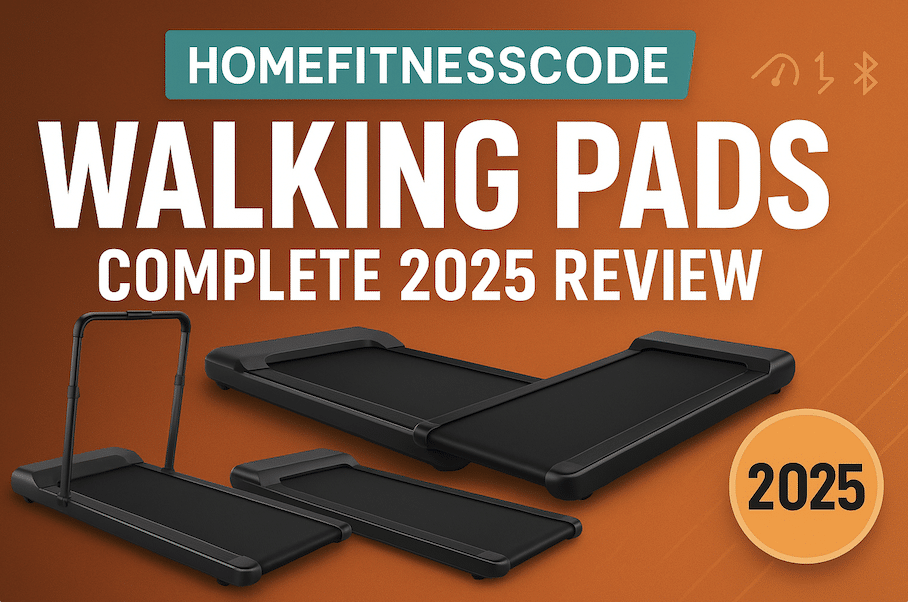
HomeFitnessCode Walking Pads | GymBunny IE
HomeFitnessCode Ltd is a UK-registered fitness equipment company (Company #13114548) specializing in affordable HomeFitnessCode walking pads and under-desk treadmills. Founded in January 2021, the company operates from London but has Chinese ownership through Hongkong XZY Science And Technology Limited. The brand positions itself in the budget to mid-range segment, offering walking pads and treadmills between €149-€249. They’ve built a substantial customer base with over 7,000 reviews, with 85% of customers expressing satisfaction and saying they would purchase again. For detailed user experiences, check out our comprehensive HomeFitnessCode reviews. UK & Ireland Primary Markets ✓ Why Choose HomeFitnessCode HomeFitnessCode has established itself as Ireland’s go-to brand for affordable home fitness solutions. With over 7,000 satisfied customers and competitive pricing, they’ve made walking pads accessible to everyone. Their commitment to free shipping, 12-month warranty, and no-assembly convenience makes starting your fitness journey easier than ever. Source link
Peptides promise a shortcut — medicine doesn’t work that way
Add topic to email alerts Receive an email when new articles are posted on Please provide your email address to receive an email when new articles are posted on . “ data-action=”subscribe”> Subscribe We were unable to process your request. Please try again later. If you continue to have this issue please contact customerservice@slackinc.com. Back to Healio Key takeaways: Peptides are often marketed for tissue repair, inflammation, gut health and injury recovery. Although it is a promising area of medical research, there are real risks to using peptides without safeguards. There is a version of this story that ends well. A class of molecules with genuine biological potential, freed from bureaucratic delay, reaches patients who need them, backed by solid science and honest clinical data. That version requires patience, rigor and transparency. What we have instead is something messier: a multi-billion-dollar market, a gray zone of unregulated suppliers, a regulatory system under political pressure, and real people spending real money on compounds that, for most of them, will produce nothing at all. For some, the cost will be far greater than their credit card statement. Let me be clear about what peptides actually are before we talk about what the wellness industry has turned them into. Peptides are short chains of amino acids, the same building blocks that make up the proteins running virtually every function in your body. Your body already makes millions of them. They regulate hormones, signal immune responses and help coordinate tissue repair. Some of the most transformative drugs in modern medicine are peptides. Insulin is a peptide. So is semaglutide, the active ingredient in Ozempic (Novo Nordisk) and Wegovy (Novo Nordisk), which has genuinely reshaped how we treat obesity and diabetes. The science of peptides is real, serious and worth pursuing. That legitimate foundation is precisely what the hype machine is exploiting. How we got here The acceleration runs parallel to the GLP-1 moment. Ozempic’s rise as a cultural phenomenon did something unintentional: it handed the broader peptide space a coat of credibility it has not earned. If one peptide can produce such dramatic results, the thinking goes, what else might be possible? Influencers, biohackers and longevity entrepreneurs are rushing to fill the gap between that question and a real scientific answer. Compounds with names that sound like NASA spacecraft, BPC-157, TB-500, ipamorelin and MOTS-c, appear in TikTok testimonials, Reddit threads and targeted Instagram ads daily. The social media environment rewards the most enthusiastic claims, not the most careful ones. According to independent market analysis, consumer searches for “cost of peptide therapy” have surged by 300% between April 2025 and April 2026 alone, which is not a sign of casual curiosity so much as a purchasing funnel moving at speed. The global peptide supplements market, currently valued at over $4 billion, is projected to nearly triple by 2035. Behind those numbers are patients, not clinical trial participants. People paying out of pocket, often without a physician’s guidance, for compounds whose effects in humans remain largely unknown. The culture around peptide use is particularly visible in Silicon Valley, where a certain brand of techno-optimism is colliding with a deep distrust of regulatory institutions in real time. The argument goes roughly like this: the FDA moves too slowly, drug companies won’t fund trials for compounds they can’t patent, and a community of smart, data-minded individuals can run their own experiments. It is a seductive argument, and also a dangerously incomplete one. What the evidence actually says Take BPC-157, arguably the most hyped compound in the current peptide boom. It is marketed everywhere for tissue repair, inflammation, gut health and injury recovery. The preclinical literature is genuinely interesting, with animal studies showing regenerative properties that make theoretical sense. As of early 2026, however, only three published human studies exist, all of them small pilot studies with no placebo controls. The largest human trial ever attempted, a phase 1 study with 42 volunteers, was canceled in 2016 and never published results, leaving fewer than 30 people studied in any formal published human research on this compound. The FDA places BPC-157 on its list of bulk drug substances that may present significant safety risks, citing insufficient evidence alongside concerns about cancer promotion, liver toxicity and immune reactions. The compound is also banned by international sports authorities as a doping substance, none of which has stopped it from becoming one of the most widely-injected, gray-market compounds in the country. The absence of human data is not a technicality; it is the whole point. When you take a compound that has only been tested in rodents and inject it into yourself, you are not being a citizen scientist, you are serving as a trial participant with no institutional review board, no dosing protocol, no adverse event monitoring and limited to no follow-up. The dose that helps in a rat study may be ineffective or harmful in a human, and a compound that reduces inflammation in one tissue can, in theory, accelerate growth in another, including precancerous tissue. We do not know the long-term organ effects, the interaction profiles or what people are actually buying. That last point matters more than most people realize. Much of what is sold online arrives labeled “for research use only,” a legal fiction that does nothing to protect the person injecting it. A 2024 study published in Journal of Medical Internet Research that tested peptides purchased from illegal online pharmacies found endotoxins present in every sample tested, with purity rates measured as low as 7.7% to 14.37% against a labeled claim of 99%, and active ingredient content exceeding labeled amounts by nearly 40% in some cases. The regulatory moment we are in The federal government is considering changes to how these compounds are regulated right now. Health Secretary Robert F. Kennedy Jr., a vocal advocate for peptide access, previewed action on the Joe Rogan podcast earlier this year. In April, the FDA announced
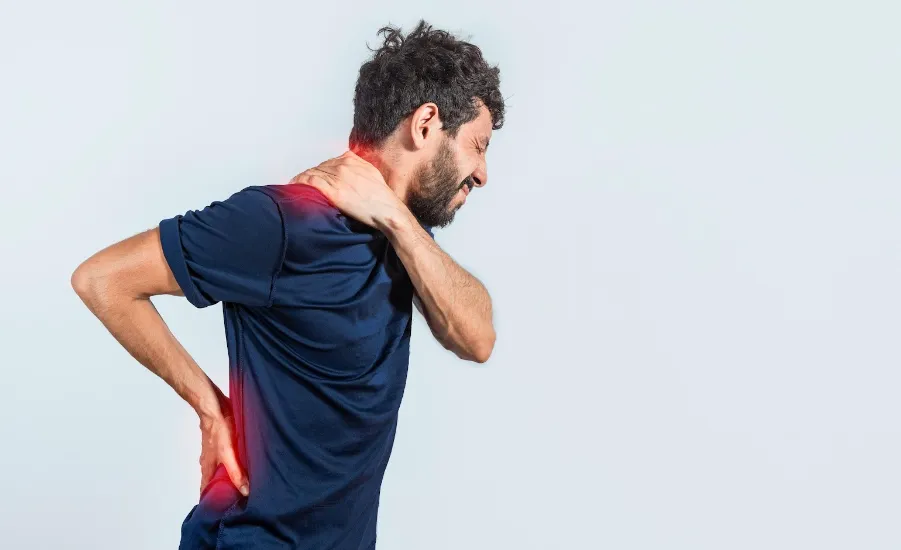
Everything You Need to Know About Peripheral Nerve Stimulation
Living with chronic pain can be a challenging and debilitating experience. It can affect our daily activities, diminish our quality of life, and limit our ability to fully engage with others. Fortunately, advancements in the medical field have paved the way for innovative solutions to alleviate chronic pain and improve overall well-being. For example, neuropathic pain is typically relieved by using antidepressant or anti-epileptic medication. However, alternative techniques like peripheral nerve stimulation (PNS) are proving to be more effective in alleviating chronic pain. PNS is emerging as a promising and innovative approach to combat chronic pain. Read on to learn more about this remarkable technique that provides relief to people suffering from chronic pain. How Does PNS Work? Peripheral nerve stimulators are medical devices that interrupt pain signals before they reach the brain. PNS involves a minimally invasive surgical procedure to strategically place a small electrical device near one of the affected peripheral nerves or under the skin in the region of pain. The electrode generates controlled electrical impulses directed toward the nerve transmitting the pain signals. By effectively overriding the pain signals, PNS helps to minimize their impact on the brain, providing significant relief from chronic pain. Pre-PNS Procedure Trial Process Patients who seek PNS treatment go through different evaluations and trials to assess if they are suitable candidates for this procedure. Here are some of the most common steps during a pre-trial process: Evaluation A pain management specialist thoroughly assesses patients to determine their eligibility and identify if they are suitable candidates for the procedure. Pre-Trial Assessment The patient undergoes imaging tests such as ultrasound to assess the peripheral nerves and surrounding tissues. In this stage, the specialist discusses the PNS surgical procedure, including risks and benefits. What to Expect During a PNS Surgery Prior to the surgery, you will meet with your surgeon to discuss the procedure in detail. This is an opportunity to address any questions or concerns you may have. You may also undergo certain medical tests and evaluations to ensure you are a suitable candidate for the surgery. During PNS surgery, patients are given a local anesthetic so they can remain awake to allow for precise assessment of the electrodes and ensure their accurate placement. Peripheral nerve and field stimulation is different from spinal cord stimulation as it places the electrode over the nerve in the specific pain area rather than on the spinal cord where the nerve originates. The procedure is conducted in two stages: Placing the Electrode Under the guidance of X-ray imaging, a neurosurgeon precisely positions an electrode over the targeted pain area. Throughout this stage, specialists conduct tests to determine if the patient feels the stimulation is in the correct location. After placing the electrode, patients undergo a testing period that typically lasts around a week. During this trial, patients assess the effectiveness of PNS and make an informed decision about their long-term treatment plan. Moving Towards a Permanent Solution If patients experience positive results and find significant pain relief during the trial period, they return to the operating room for the placement of a permanent implant. This implant ensures that the benefits of PSN can last on a long-term basis. Upon completion of the surgery, patients can expect a period of recovery and adjustment as they adjust to the stimulation and evaluate its impact on managing the pain. It’s essential to maintain open communication with your healthcare team throughout this journey to address any concerns and ensure that the treatment is tailored to your specific needs. Benefits of Peripheral Nerve Stimulation When it comes to managing chronic pain, PNS offers a range of benefits that can significantly improve the quality of life for individuals seeking relief. PNS also has a high success rate with immediate results in most cases. It’s important to have realistic expectations as this surgical procedure relieves the symptoms of chronic pain but does not represent a cure. Understanding the potential advantages of this treatment can empower patients to make informed decisions about their pain management journey. Here are some of the benefits of PNS: Significant Relief During the trial period, approximately two out of three patients can expect to experience substantial relief from their symptoms. This positive outcome often leads to the next step of receiving a permanent implant. In general, four of every 10 patients reported successful pain management with PNS. These numbers highlight the potential effectiveness of PNS in alleviating chronic pain. Non-Invasive Alternative PNS offers a non-invasive alternative to traditional pain management approaches. Unlike invasive surgeries that involve direct manipulation of the spinal cord, this technique focuses on placing the stimulating device directly over the affected nerve at the targeted pain area. This minimizes the need for extensive surgical procedures and reduces associated risks. Improved Function and Quality of Life By effectively blocking the pain signals from reaching the brain, peripheral nerve stimulation can significantly reduce pain intensity and frequency. This reduction in pain allows individuals to regain control over their lives, leading to improved physical function, enhanced mobility, and increased overall well-being. Engaging in daily activities that were once challenging or impossible becomes more achievable, enabling individuals to lead more fulfilling lives. Personalized Response PNS can be adjusted and personalized to meet the individual needs of each patient. The electrical impulses can be customized in terms of frequency, intensity, and duration, allowing for personalized pain management strategies tailored to specific conditions and pain thresholds. This adaptability ensures that patients can optimize their treatment and achieve the best possible outcomes. Adjunct to Other Treatments PNS can complement other pain management strategies, such as medication and physical therapy. It can be used in addition to these approaches to optimize pain relief and enhance overall outcomes. The flexibility and versatility of peripheral nerve stimulation make it a valuable tool in comprehensive pain management plans. With proper evaluation, realistic expectations, and expert guidance, patients can explore the potential benefits of this or other innovative treatment options and find a path toward a more pain-free

Paula Poundstone on the Healing Power of Humor
May is Mental Health Awareness Month. When comedian Paula Poundstone steps on stage, sporting one of her well-known zoot suits, she takes the microphone and does what she does best — make people laugh. What her audience may not realize, though, is that throughout her life, Poundstone has dealt with obsessive-compulsive disorder (OCD), a mental health condition that causes obsessive thoughts that lead to compulsions, and depression. Doing stand-up comedy is just one way she’s managed her conditions. Diagnosed with OCD Although Poundstone believes she may have had OCD as early as fourth grade, she was officially diagnosed about 25 years ago. “I would find someone I was obsessed with, and I would call that person a lot,” Poundstone said. “I also had repetitive thoughts. For example, my friend Martha was a staff member at a school I attended. All day long I would think, ‘Martha doesn’t like me.’ Eventually, I would ask Martha, and she would say, ‘That’s not how I feel.’ Then I’d feel this huge relief,” explained Poundstone. “But the second I’d hang up, I’d think, ‘Martha doesn’t like me.’ I would think it over and over and over again,” Poundstone said. After she was diagnosed by a mental health professional, Poundstone said that just knowing why she was having these types of obsessive thoughts helped her somewhat. She was prescribed a medication to help with her OCD, and she took it, but it introduced a whole new set of problems. “It was my fault because it said to be careful if you drink with this medication. I was being so careful, but I think that the two things interacted poorly,” she said. For Poundstone, mixing the medication with alcohol made her OCD worse. She ended up having a lot more symptoms than she’d had before. “I spent about a day or two where I felt like I had to walk like a knight in chess. I could go two steps forward, but then one step sideways. Packing to go on tour took forever. It was hellacious,” recalled Poundstone. When she stopped taking the medicine, her symptoms went away. Even though she no longer has OCD symptoms, she thinks they’re like a sleeping tiger that may come back one day. For people who don’t understand how OCD feels, she likes to reference the movie Close Encounters of the Third Kind. In one scene, the character Roy Neary, played by Richard Dreyfuss, begins to shape his mashed potatoes at dinner into the form of Devils Tower National Monument. His wife and kids are upset and crying. He says, “This is important. This means something.” “And no one else gets it. They had no idea what he was doing or talking about. Even if it did mean something, why did he need to make it out of mashed potatoes?” said Poundstone. His compulsion to make that shape is what OCD can feel like to some people. Dealing with depression Over the years, different therapists have diagnosed Poundstone with depression. “I think I’ve probably had it my whole life. I mean, it’s biochemical,” she said. She discovered what most helped her when she was working on a book called The Totally Unscientific Study of the Search for Human Happiness, which she published in 2017. “The purpose was to make jokes, but the premise was quite sincere. The whole premise was that I was doing experiments — things that I or other people thought would make me happy. Each chapter was a different experience.” The first one she did was the “Get Fit” experiment, where she introduced exercise into her life. Turns out, it’s exactly what worked for her. “Exercise is one of the things that causes that happy chemical release,” Poundstone said. When exercising, the body can release feel-good endorphins that may help with depression and anxiety. “I was so hoping it was going to turn out to be just sitting in a chair eating Doritos, but it isn’t,” said Poundstone. Because she knows it helps with depression, Poundstone walks any time she can. Whether it’s taking out her dog, to do chores or go to appointments, she walks. She also jumps on a pogo stick, and each day, she adds one jump. As of our interview, she was up to 55 jumps. Poundstone is talking about mental health — and people are listening On her podcast, “Nobody Listens to Paula Poundstone,” which just recorded its 400th episode, Poundstone often talks about mental health. “It’s important because ‘Nobody Listens to Paula Poundstone’ is your comedy field guide to life, and nearly everybody has some sort of mental health something,” she said. “I would say the challenge of a mental health problem is this feeling that, somehow, you’re the only one who has it, and that is just not true.” In addition to being comedy, Poundstone said that the podcast also has the backbone of real information, and she likes sharing things that she thinks are important for listeners to know. Poundstone also jokes about her mental health in her comedy routines, not only to help herself, but her audience as well. “Comedy is a coping mechanism that nature’s given us,” she said. “One of the things about comedy is there’s this kind of laugh that I call the ‘recognition laugh.’ That’s where people are laughing not because what you said is so terribly clever, but because they think, I have that. I do that. A lot of times, [the topics are] things that we don’t generally talk about — and mental health definitely falls into that category.” From Your Site Articles Related Articles Around the Web Source link
Hyperglycemia during acute pancreatitis raises diabetes risk
Add topic to email alerts Receive an email when new articles are posted on Please provide your email address to receive an email when new articles are posted on . “ data-action=”subscribe”> Subscribe We were unable to process your request. Please try again later. If you continue to have this issue please contact customerservice@slackinc.com. Back to Healio Key takeaways: Of adults with acute pancreatitis and glucose of more than 200 mg/dL during hospitalization, 42.9% developed diabetes. Adults with hyperglycemia during pancreatitis should be prioritized for diabetes screening. Adults who experience hyperglycemia while hospitalized with acute pancreatitis may be at risk for developing diabetes within a few months, according to findings published in Diabetes Care. As Healio previously reported, the National Institute of Diabetes and Digestive and Kidney Diseases formed the DREAM study, a prospective study aimed at assessing how acute pancreatitis may impact diabetes risk. The study enrolled 395 adults aged 18 to 75 years without preexisting diabetes hospitalized with acute pancreatitis. Glucose measurements during hospitalization were obtained from medical records. Diabetes diagnoses after acute pancreatitis were determined during an outpatient appointment approximately 3 months after hospitalization. Of the study group, 37.5% had hyperglycemia with glucose 140 mg/dL or higher during hospitalization, and 7.1% had hyperglycemia with glucose of 200 mg/dL or higher. During follow-up, 14.8% of those with hyperglycemia of at least 140 mg/dL were diagnosed with diabetes compared with 1.2% of adults who did not have glucose reach 140 mg/dL (P = .0001). Additionally, 42.9% of adults with hyperglycemia of at least 200 mg/dL were diagnosed with diabetes within a few months compared with 3.5% of those who did not have glucose levels reach 200 mg/dL (P = .0001). “The main [takeaway] is that health care providers should monitor their glucose during acute pancreatitis,” Frederico G. S. Toledo, MD, professor of medicine at University of Pittsburgh, told Healio. “If they see that blood sugar exceeds 200 mg/dL, they should be on alert.” Healio spoke with study investigators Toledo and Kathleen M. Dungan, MD, MPH, professor at The Ohio State University Wexner Medical Center, about the DREAM study, how health care professionals can use the findings to risk stratify adults with acute pancreatitis, and next steps for future research. Healio: Why was it so important to conduct the DREAM study? Dungan: Acute pancreatitis is probably the most common cause of pancreatic diabetes. Optimizing detection at an early stage could help us prioritize resources and implement preventive measures. We wanted to look at the hospital period or the acute illness period to assess whether hyperglycemia might constitute an important predictor. While stress hyperglycemia is a known risk factor for future development of diabetes and acute pancreatitis, it could have important prognostic implications because we’re talking about a potentially direct insult to the organ that’s producing insulin. Frederico G. S. Toledo Toledo: Everyone is familiar with type 1 and type 2 diabetes, but there are other types of diabetes out there with their own unique characteristics. One of them is diabetes that results from pancreatitis. This is a distinct form of diabetes, and it happens because pancreatitis is an inflammatory condition that can damage both the exocrine and the endocrine components of the pancreas, resulting in islet injury and islet loss. Consequently, if patients get acute pancreatitis, they may develop diabetes. It could be shortly after if the pancreatitis episode is severe enough, or it can happen later on, even years later. Healio: What is the take-home message of these preliminary findings? Toledo: The message is that hyperglycemia during an episode of acute pancreatitis has prognostic significance in identifying individuals at short-term risk for developing diabetes. The risk is particularly elevated when glucose exceeds 200 mg/dL, 42% of these patients will have diabetes within a few weeks or months. They either have diabetes onset concurrent with the pancreatitis episode, or will develop diabetes within a few weeks or months. These patients should be steered toward short-term outpatient follow-up care to test for diabetes and initiate treatment as needed. The other important message is that if the blood glucose exceeds 200 mg/dL during the episode of acute pancreatitis, this should not automatically lead to a diagnosis of diabetes at that time. We observed that 57% of these patients subsequently improved and did not have diabetes when comprehensively tested within a few months. Although hyperglycemia in this context indicates a high risk for diabetes, but it does not confirm the diagnosis. Instead of diagnosing at this time, arrange for outpatient clinic follow-up in 3 to 4 months to evaluate for diabetes at that time. Dungan: I agree that was the most important take-home message. At the same time, everyone needs follow-up because their long-term diabetes risk is high as far as we know from other studies. That’s what’s going to be studied with longer-term follow-up of this cohort as well. In terms of hyperglycemia during acute pancreatitis, it was relatively common, but it was more tied to the acuity of illness as opposed to strict traditional type 2 diabetes risk factors. Age is the only one of the classic risk factors that was a predictor. Healio: How can these findings be used to assist health care professionals in determining diabetes risk after acute pancreatitis? And what should health care professionals do to follow these patients more closely? Dungan: There are no standard expectations on what kinds of monitoring protocols should be done during the acute pancreatitis episode. These findings would argue that we should be monitoring at least at the frequency that was conducted at the clinical centers in the study. We should use the outcomes of this particular analysis to risk-stratify patients. Those people having glucose over 200 mg/dL during acute pancreatitis must be prioritized for early follow-up. Those who did not, you could safely delay. But again, people who don’t have hyperglycemia during acute pancreatitis still need follow-up and diabetes screening. This allows health care providers and