
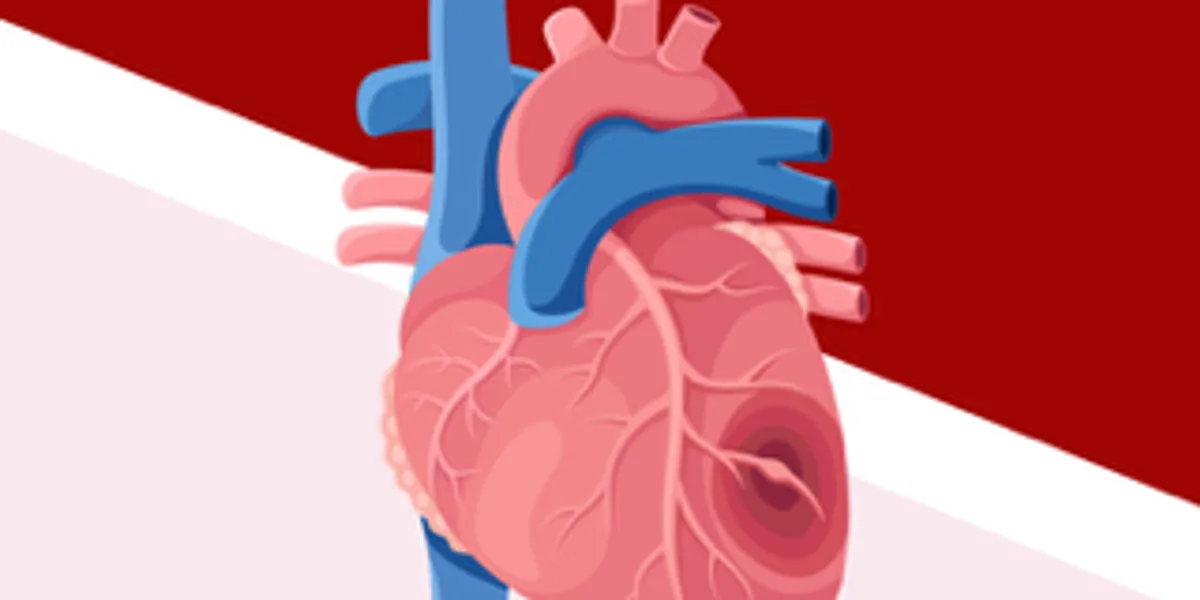
¿Qué es la ATTR-CM? La amiloidosis cardíaca por transtiretina es una enfermedad del músculo cardiaco. Ocurre por una acumulación de proteínas anormales (amiloides) en las paredes del corazón. La ATTR-CM reduce la capacidad del corazón de bombear sangre apropiadamente. Esto puede causar insuficiencia cardiaca. Hay dos tipos de ATTR-CM ATTR-CM senil Causada por el proceso natural de envejecimiento Puede afectar el corazón y el sistema nervioso Más común en los hombres Si bien la mayoría de personas que reciben este diagnóstico son hombres, la ATTR-CM es infradiagnosticada para las mujeres. ATTR-CM hereditaria Es de carácter familiar Es causada por un cambio de tus genes Puede afectar el corazón, el sistema nervioso, los riñones y otros órganos Los factores de riesgo incluyen Antecedentes familiares de enfermedades cardiacas o ATTR-CM Edad avanzada Ser de raza negra o de origen afrocaribeño Aproximadamente 1 de cada 25 estadounidenses de raza negra portan el gen V122I que incrementa el riesgo de la ATTR-CM hereditaria. Los síntomas de la ATTR-CM Inicialmente podrías no tener síntomas o tener síntomas leves, especialmente con la ATTR-CM senil. Los síntomas se parecen a los de otros trastornos, tales como de la menopausia, o podría parecer que no tienen ninguna relación con una enfermedad cardiaca. Las personas con ATTR-CM podrían experimentar: Dificultad para respirar Inflamación de las piernas Problemas gastrointestinales, tales como gases en el estómago Latido irregular o rápido Fatiga Si no se trata, la ATTR-CM podría requerir consultas en hospitales, causar problemas cardíacos complejos y acortar la vida. Tus nervios también pueden verse afectados. La acumulación proteínica en el sistema nervioso puede causar complicaciones, tales como: Síndrome del túnel carpiano Adormecimiento o cosquilleo en las manos y los pies Dolor neuropático Estenosis del conducto vertebral (dolor de espalda debido a un estrechamiento de la columna vertebral) ¿Cómo se diagnóstica la ATTR-CM? Además de los síntomas, tu proveedor de atención médica usará imagenología diagnóstica para ver si se requieren más pruebas. Pruebas genéticas pueden determinar entonces si el trastorno es hereditario. La ATTR-CM posiblemente afecta a más de 400,000 pacientes a nivel mundial Pero muchas personas viven con ese trastorno sin recibir un diagnóstico, especialmente las mujeres. ¿Cuál es la causa de la ATTR-CM? Una proteína denominada transtiretina (TTR) se produce en el hígado y sirve para muchas funciones importantes, incluyendo el transporte de: La hormona tiroidea (necesaria para regular tu metabolismo para funciones de la salud y el bienestar) Vitamina A (para la salud de la vista) La ATTR-CM ocurre cuando la TTR se vuelve inestable, se descompone y se pliega incorrectamente. ¿Cómo se trata la ATTR-CM? La ATTR-CM no puede curarse, pero tratamientos pueden evitar que la enfermedad empeore y son útiles para aliviar los síntomas. Los tipos de tratamientos incluyen: Silenciadores de TTR Podrían reducir el monto de TTR que tienes en tu cuerpo Estabilizadores de TTR Podrían incrementar el monto de TTR que tienes en tu cuerpo Medir tu nivel de TTR le puede dar una idea a tu proveedor de atención médica sobre la eficacia de tu tratamiento. Cambios de estilo de vida son importantes cuando se vive con ATTR-CM Come una dieta saludable para el corazón Monitorea tu consumo de sodio Camina y haz ejercicio diariamente, si es posible Restringe el alcohol ¿Te preguntas si podrías tener ATTR-CM o si tienes riesgo de tenerla? Habla con tu proveedor de atención médica sobre opciones terapéuticas para que puedan decidir juntos qué es lo mejor para ti. Un diagnóstico y tratamiento tempranos podrían ser útiles para reducir la velocidad del progreso de la ATTR-CM y pueden dar paso a mejores desenlaces clínicos. Este recurso educativo se preparó en asociación con BlackDoctor y con el apoyo de BridgeBio. Source link
How Long Do Pinched Nerves Last?
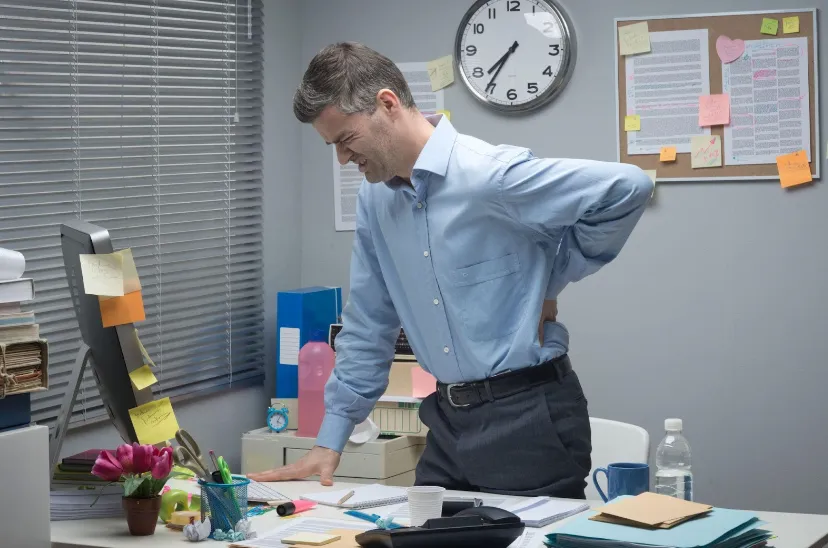
Dealing with a pinched nerve can be a pain, no doubt about it! Whether it’s in your neck, back, or anywhere else, those familiar sensations of tingling, numbness, and the occasional sharp pain can be a real bother. But hey, fear not! In this blog, we’re going to dive into the world of pinched nerves. So read on if you’re ready to learn more about pinched nerves, and how long you can expect them to stick around. What’s a Pinched Nerve, Anyway? A pinched nerve happens when too much pressure is applied to a nerve by nearby tissues like muscles, tendons, or bones. This pressure causes trouble for the nerve’s regular processes, leading to all those annoying sensations. A pinched nerve is the nerve basically telling you that it’s taking on too much pressure, and it needs some relief—fast! The Usual Suspects: Common Causes of Pinched Nerves Pinched nerves can strike anywhere in your body, but there are a few usual suspects that tend to stir up trouble more often: Herniated Discs: When the gooey center of a spinal disc decides to peek through a tear in the disc’s outer layer, it can give nearby nerves a good squeeze. Bone Spurs: These little bony growths can pop up on your spine or other bones, cramping the space around nerves and causing them to feel the pinch. Injuries and Trauma: Accidents or mishaps like falls or fender-benders can add stress to nerves, leaving you with a pinched nerve as an unwanted souvenir. Repetitive Motion: Those daily routines, like typing away at the keyboard, can lead to overuse injuries, and before you know it, you’ve got yourself a pinched nerve. Arthritis: Conditions like osteoarthritis or rheumatoid arthritis can stir up trouble by inflaming the tissues around nerves, leading to some unexpected pinching action. Recognizing the Signs: Symptoms of a Pinched Nerve Now that we’re on the same page about pinched nerves, let’s talk about symptoms. The signs of a pinched nerve can vary depending on which nerve is feeling the pressure, but there are a few familiar ones to keep in mind: Pain: This is usually the standout symptom, ranging from a persistent ache to sharp, zinging pains. Tingling or “Pins and Needles”: Ever had that sensation like your foot’s asleep? That’s the pins and needles feeling that can come along for the ride. Numbness: You might find certain body parts going mysteriously numb, which can be pretty tricky to handle. Weakness: Muscle weakness can tag along, making even simple tasks a bit of a struggle. How Long Do Pinched Nerves Stick Around? Now, the big question: how long does a pinched nerve like to hang out? Well, it’s a bit like asking how long a piece of string is. The duration of a pinched nerve is as individual as you are and depends on a few key factors: Location of the Pinch Where the nerve is pinched plays a big role in how long it overstays its welcome. Some parts of your body bounce back faster than others. Severity of Compression The pressure on the nerve makes a difference. A mild pinch may wave goodbye quickly, while a heavy-duty squeeze might take a little longer to heal. Underlying Cause The reason behind the pinched nerve is vital. If it’s something temporary, like muscle tightness, it may skedaddle fairly fast. But if it’s a chronic issue like a herniated disc, it may take some time to make an exit. Individual Factors Your body’s healing powers are as unique as you are. Your age, overall health, and genetics can all play a part in how long a pinched nerve decides to crash the party. What’s the Recovery Timeline Like? While we can’t give you a one-size-fits-all answer, we can dish out some general timelines based on common scenarios: Acute Pinched Nerve If you’ve just acquired a pinched nerve due to a minor injury or muscle strain, you can typically expect a speedy recovery. Often, symptoms start to improve within a few days to a couple of weeks with some good old rest and self-care. Subacute Pinched Nerve For those middle-of-the-road pinched nerves, you might have some symptoms for a few weeks to a few months. Treatment, like physical therapy, anti-inflammatory medications, or lifestyle tweaks, can speed up the process. Chronic Pinched Nerve Now, if your pinched nerve is due to a chronic condition, like a herniated disc or arthritis, it might be months or more before you’re back to your normal self. In this case, it’s all about symptom management and preventing future flare-ups. Tips for a Speedy Recovery While pinched nerves have their own schedules, you can certainly nudge them towards the exit with a few tricks: Rest and Modify Activities: Give the area a little R&R and ease up on activities that make the pinch worse. Physical Therapy: A chat with a physical therapist can lead to exercises and stretches that improve your range of motion and strengthen the area. Ergonomic Adjustments: If your work or daily routine is causing the issue, ergonomic changes can be a game-changer. Bracing: Sometimes, a brace or splint can help stabilize the area and ease the pressure on the nerve. Injections: In severe cases, your doctor might suggest corticosteroid injections to tamp down inflammation and give you some relief. Surgery: When all else fails, and conservative treatments aren’t cutting it, surgery might be the last resort to free that pinched nerve from its confines. When to Call in the Professionals While many pinched nerves are manageable with self-care and less invasive treatments, there are some red flags that should send you running to the doctor: Severe or Worsening Symptoms If things are getting worse or are already pretty bad, don’t hesitate to see a healthcare professional. Loss of Bladder or Bowel Control This is a serious sign of trouble, and you need to get to the doctor right away. Persistent Symptoms If your symptoms aren’t letting up or getting any better after a few

Homefitnesscode F521 Vs Y1 Review
Homefitnesscode F521 vs Y1 Walking Pad: Best Treadmill for Irish Homes 2025 Choose Your Perfect Walking Pad Watch Expert Reviews SAVE €100 🏃 Speed Range 1-6 km/h – Perfect for walking 📐 Incline 5% Fixed incline for better workout 🔇 Noise Level Ultra-quiet <40dB operation ⚖️ Max Weight 120kg capacity 📏 Walking Area 86cm x 42cm surface 💪 Motor Power 2.5HP brushed motor Buy F521 with Discount SAVE €30 🚀 Speed Range 1-10 km/h – Walk & run ⛰️ Auto Incline 0-12% automatic adjustment 🔊 Noise Level Quiet <55dB operation ⚖️ Max Weight 145kg capacity 📏 Walking Area 98cm x 40cm surface 💪 Motor Power 3.0HP brushless motor 📱 App Connectivity Fitness app with tracking Get Best Price on Y1 Visual Comparison Gallery F521 Walking Pad Ultra-Slim 18cm Height Perfect for tight spaces Y1 Walking Pad 0-12% Auto Incline Advanced workout features Size & Features Comparison F521: 96cm × 56cm × 18cm Running Area: 86cm × 42cm Y1: 119cm × 54cm × 15cm Running Area: 98cm × 40cm Detailed Comparison Feature Homefitnesscode F521 Homefitnesscode Y1 Price €179.99 (-€100) €249.99 (-€30) Speed Range 1-6 km/h 1-10 km/h Incline 5% Fixed 0-12% Automatic (9 levels) Motor Power 2.5HP Brushed 3.0HP Brushless Max User Weight 120kg (265 lbs) 145kg (320 lbs) Running Area 86cm x 42cm 98cm x 40cm Noise Level <40dB (Ultra-quiet) <55dB (Quiet) App Connectivity ✗ ✓ Workout Programs ✗ ✓ Multiple Heart Rate Monitor ✗ ✗ Folding Design ✓ ✓ Product Height 18cm (Ultra-slim) 15cm (Low profile) Best For Home office, quiet operation Versatile workouts, advanced users What Irish Customers Say “Perfect for my home office! It’s quiet enough to use during meetings and the 5% incline gives me a good workout while working.” JM John M. Cork, Ireland – F521 User “Love the incline feature – it’s like having a mini gym at home! The app connectivity is excellent for tracking progress.” SD Sarah D. Dublin, Ireland – Y1 User “I walk every day, but in the winter it’s not always easy for me to get out, so hallelujah I’ll still be able to get my walking in!!!” MO Margaret O. 79-year-old User “Easy to assemble, arrived on time and I was well informed about my delivery. I love the treadmill, it’s just what I needed to start exercising.” PK Patrick K. Galway, Ireland Complete Setup & Usage Guide Key Benefits of Homefitnesscode Walking Pads F521 Model Features Y1 Model Features Why Choose Homefitnesscode? ✓ Industry-leading ultra-slim design perfect for Irish homes ✓ Whisper-quiet operation for apartment living ✓ Advanced shock absorption for joint protection ✓ Smart incline technology for enhanced calorie burn ✓ Trusted by 7,000+ customers with 4.5-star average rating Frequently Asked Questions Which model is better for working from home? + The F521 is ideal for home office use due to its ultra-quiet operation (<40dB), which won’t disturb video calls or concentration. However, if you want more workout variety during breaks, the Y1’s automatic incline and higher speeds offer better exercise options. Learn more about walking pads for remote work in Ireland. Can these walking pads fit under a desk? + Yes, both models are designed for under-desk use. The F521 at 18cm height and the Y1 at 15cm height can fit under most standing desks. Both fold for easy storage when not in use. What’s the main difference between F521 and Y1? + The main differences are: Y1 offers automatic incline (0-12% vs fixed 5%), higher speed (10 km/h vs 6 km/h), app connectivity, and higher weight capacity (145kg vs 120kg). The F521 is quieter and more budget-friendly. Read our detailed F521 walking pad review for more insights. Is delivery free to Ireland? + Yes, HomeFitnessCode provides free delivery across Ireland. Most orders arrive within 3-5 business days, and you’ll receive tracking information for your order. Which model is better for apartment living? + The F521 is better for apartments due to its ultra-quiet <40dB operation, which won’t disturb neighbors. Its compact design also makes it easier to store in smaller spaces. Can I run on these walking pads? + The Y1 supports light jogging up to 10 km/h and is better suited for running with its 3.0HP motor. The F521 is limited to 6 km/h, making it suitable for walking and very light jogging only. For more running options, check our guide to the best treadmills in Ireland. What warranty is included? + Both models come with a 1-year manufacturer warranty covering defects in materials and workmanship. Customer service is available for technical support throughout the warranty period. No, both models are designed for easy assembly. Most users complete setup within 30 minutes using the included tools and clear instructions. No special skills or additional tools are required. Perfect for Irish Homes 🌧️ Weather-Proof Fitness Stay active during Ireland’s unpredictable weather. Exercise comfortably indoors year-round with home fitness equipment. 💼 Remote Work Compatible Ideal for Ireland’s growing remote workforce. Walk while you work without disturbing calls. Perfect under-desk treadmill solution. 🚚 Fast Irish Delivery Free delivery across Ireland within 3-5 days. Full tracking and customer support included for all fitness equipment orders. ; margin-bottom: 15px;”>🏠 Space-Efficient Design Perfect for smaller Irish homes and apartments. Both models fold for easy storage. 💼 Remote Work Compatible Ideal for Ireland’s growing remote workforce. Walk while you work without disturbing calls. 🚚 Fast Irish Delivery Free delivery across Ireland within 3-5 days. Full tracking and customer support included. Source link
Turnaround times for imaging studies have more than doubled
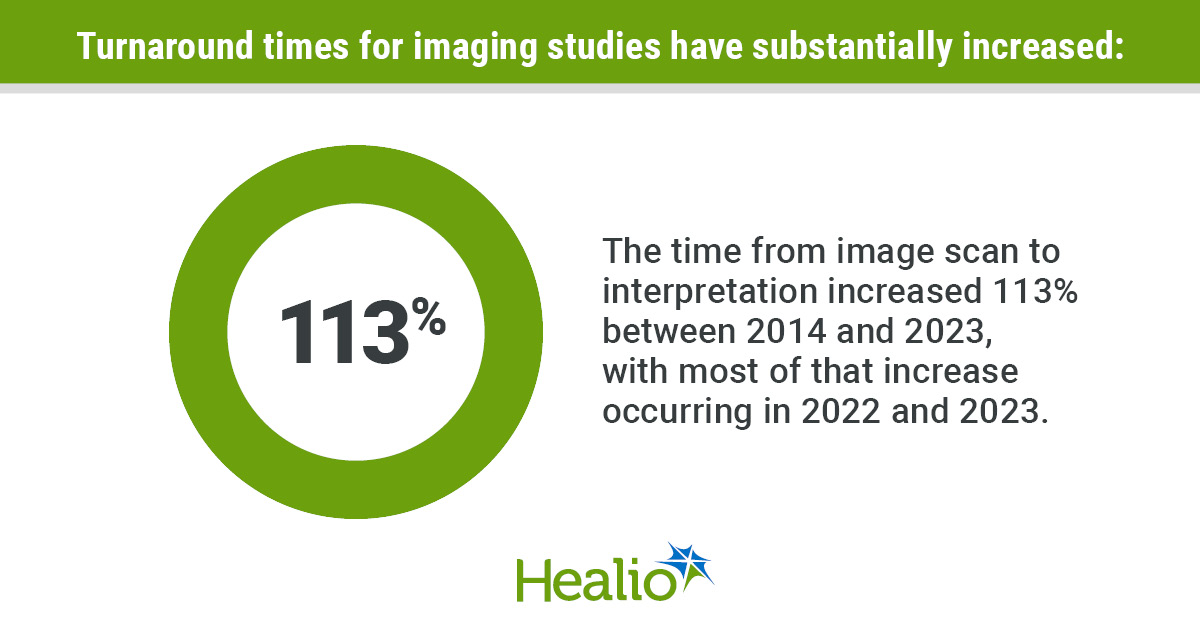
Add topic to email alerts Receive an email when new articles are posted on Please provide your email address to receive an email when new articles are posted on . “ data-action=”subscribe”> Subscribe We were unable to process your request. Please try again later. If you continue to have this issue please contact customerservice@slackinc.com. Back to Healio Key takeaways: Turnaround times for imaging interpretation increased 113% between 2014 and 2023. The turnaround time-gap between low- and high-income communities more than doubled during that time. The time from outpatient imaging to interpretation by a radiologist more than doubled over the past decade, and most of that increase occurred in 2022 and 2023, which are the most recent data. An evaluation of more than 2 million Medicare claims between 2014 and 2023 showed that time from CT to interpretation increased over 300%, MRI more than 250% and ultrasound nearly 150%, with disenfranchised communities experiencing longer delays. Data derived from Christensen EW, et al. J Am Coll Radiol. 2026;doi:10.1016/j.jacr.2026.02.038. Eric W. Christensen “We’ve reached a critical juncture with the workforce,” Eric W. Christensen, PhD, research director at Harvey L. Neiman Health Policy Institute, told Healio. “You’ve reached a point where there’s no more slack in the system. The radiology workforce is increasing in numbers, but how does that increase compare with increases in volume?” ‘Pressure of increasing workloads’ Christensen and colleagues previously published data in American Journal of Roentgenology that showed radiologist attrition rates more than doubled from 2014 to 2022 (1.1% to 2.5%) with much of that increase occurring by 2019 and remaining at higher levels since then. In a separate paper in Journal of the American College of Radiology, they projected image utilization to increase between 16.9% and 26.9% from 2023 to 2055 in a different study in Journal of the American College of Radiology. “For several years now, radiologists have felt the pressure of increasing workloads and volumes,” Christensen said. “They’ve likely handle it by working more hours.” This led researchers to conduct a retrospective analysis of a 5% sample of Medicare fee-for-service beneficiaries to see how the workforce shortage impacted turnaround times for imaging. They included 2,578,953 office and hospital outpatient imaging studies (59.6% radiography or fluoroscopy; 15.9% CT, 12.9% MRI, 11.5% ultrasound) from 2014 to 2023. Annual turnaround times served as the primary endpoint. ‘Really shocking’ Overall, 97.1% of imaging studies were interpreted the same day, but the number interpreted on a different day increased from 2% in 2014 to 5.5% in 2023. Turnaround times increased 113% during the study period (0.091 mean days to 0.193 mean days). However, most of the change occurred in 2022 (19% of the increase) and 2023 (68% of the increase). “I fully expected we would start to see some uptick, but the fact that it was flat and then just rapidly increased was really shocking,” Christensen said. Turnaround times increased the most for CT (318%), followed by MRI (256%), ultrasound (140%) and radiography or fluoroscopy (63%). Between 68% and 77% of the increase for CT, MRI and radiography or fluoroscopy occurred in 2023. From 2014 to 2020, the lowest-income communities (less than $25,000) had mean turnaround times 56% longer than the highest-income communities (more than $100,000). That disparity increased to 121% between 2021 and 2023. The gap improved based on area deprivation index, though. The most deprived communities had 44% longer turnaround times from 2014 to 2020, but that decreased to 26% between 2021 and 2023. “When we see a disparity, the implicit assumption is that there’s discrimination happening, that people are behaving badly and that’s why we’re getting these results,” Christensen said. “That may be part of it, but economic forces and other factors have side effects. One of those side effects is that certain communities are disproportionately impacted when economic forces drive a result, and we see that in this case.” Researchers acknowledged study limitations, including lack of time stamps on claims data. “From a patient perspective, the question is, when does this begin to impact patient care?” Christensen asked. “While our study did not measure the impact of increasing turnaround times on patient care, delays are expected to eventually impact patients. Imaging is conducted to make or rule out a diagnosis, or initiate or change treatment. Imaging is to inform the medical decision-making process. To the degree that process is delayed, then, at some point, you’re going to have an impact on patients.” ‘Solve the workforce problem’ Christensen and colleagues plan to continue their research with an evaluation of 2024 data. “We want to know if this spike is continuing,” he said. “We would like to evaluate whether this particular trend is associated with growing imaging volumes in the ED, particularly CT volumes. If locations that have more rapid increases in ED CT volumes have relatively worse turnaround time trends, that could potentially point to an area specifically tied to turnaround times. That gives you a target to address.” Those data are only part of the equation though. Addressing the workforce shortage remains paramount. “You can solve the workforce problem by having a greater supply, or you can decrease the workforce problem by reducing the demand or the utilization of imaging,” Christensen said. Christensen noted both problems are “very hard to solve,” but reducing volume likely would achieve quicker results. “A study in Applied Health Economics and Health Policy journal puts the range of low-value imaging between 20% and 50%. It provides no or low benefit to patient, or it doesn’t impact or improve treatment commensurate with the costs,” he said. “Clinical decision support is an important way for ordering providers to be more thoughtful about the imaging studies they do put in the system, because the volume is not a radiologist-driven problem.” Healio previously reported CT use in 2023 would cause more than 100,000 future cancer diagnoses. “There’s a lot of imaging happening that’s truly not necessary,” Christensen said. “There have been great efforts to

Effective Exercises for Arthritis Relief
Preventing Winter Falls: Balance and Strength Training Tailored for Cold Weather Challenges By Bob Berendsen • January 15, 2026 Winter, widely considered the season of comfort, is the time for indoor relaxation and quiet contemplation. However, winter also brings with it some very real dangers, including cold, dark, and slippery surfaces. For older adults or those dealing with chronic pain, a small slip on these surfaces can lead to serious injuries that take months to heal. The good news? You can train your body to handle these challenges. Let’s explore some simple, safe exercises you or your loved ones can do from the comfort of your home to build your winter-proof stability. Why Winter Increases the Risk of Falls Cold weather brings more than just chilly air. It changes the way we move, how our muscles respond, and even how we think about walking. When it’s icy, people tend to tense up, take shorter steps, and look down more often. Muscles also get tighter in the cold, which reduces flexibility. Plus, all those bulky layers of clothes mess with your center of gravity and limit how quickly you can react if you start to lose your balance. Your boots might be waterproof and warm, but they’re probably not giving you the ankle support or ground feel you’d get from your regular shoes. Then there’s the simple fact that many of us move less in winter. Maybe you skip your daily walks when it’s freezing, or you stop going to that exercise class because driving feels too risky. But here’s the catch: the less you move, the weaker you get, and the weaker you get, the more likely you are to fall. Building a Foundation To prevent this, you simply need to work on two main things: balance and strength. Physical therapy and balance-focused exercises train your muscles, joints, and nervous system to respond faster and more effectively when something throws you off. Balance Training Balance isn’t just about standing still without wobbling. It’s about how your body reacts when something throws it off center. When you step on ice, for example, your brain and muscles have to communicate in an instant to keep you upright. If that connection is slow or weak, you’re more likely to fall. Some simple ways to train your balance include: ● Single Leg Stands : Stand near a sturdy surface like a countertop or wall for support. Lift one foot slightly off the ground and hold that position for 10–15 seconds. Then switch sides. At first, you might wobble, but that’s perfectly normal. Over time, your legs, ankles, and core muscles will get stronger, and your balance will improve. Try doing 3 rounds on each leg daily. ● Heel-to-Toe Walk: Imagine you’re walking on a tightrope. Place one foot directly in front of the other, heel touching toe, as you move slowly across the room. This simple drill strengthens your stabilizing muscles and sharpens coordination. Keep your eyes forward, not down, and use a wall for light support if needed. ● Side Leg Raises: Hold onto a sturdy chair or counter. Lift one leg out to the side while keeping your back straight and your toes facing forward. Lower it slowly and repeat. This exercise builds hip strength, which plays a big role in staying upright on slippery ground. ● Weight Shifts: Stand with your feet hip-width apart and shift your weight from one leg to the other slowly. Feel your balance change from left to right. This gentle exercise teaches your body to adjust quickly. Strength Training Balance and strength go hand in hand. When your muscles are strong, they act like shock absorbers, keeping you stable even when your footing isn’t perfect. Focus on the muscles that support your posture and help you move safely. Here are a few simple exercises to include in your daily routine: ● Chair Squats: Sit down and stand up from a sturdy chair without using your hands for support. Keep your feet flat on the floor and your knees aligned with your toes. This move strengthens your thighs, hips, and glutes—key muscles for stability and control. ● Heel Raises: Stand behind a chair or counter and slowly lift your heels so you’re standing on your toes. Lower back down after holding for a few seconds. This helps strengthen your calves and ankles, improving the small muscle reactions that keep you upright when you slip. ● March in Place: Lift your knees high as if you’re marching. Do this for one to two minutes, rest, and repeat. Marching builds leg endurance and helps train your coordination. ● Core Squeezes: While sitting or standing, tighten your stomach muscles as if you’re zipping up a snug jacket. Hold for 10 seconds, then release. A strong core helps your upper and lower body work together to keep you balanced. These movements may look simple, but they’re powerful. Doing them for just 10–15 minutes a day can make winter walks safer and less stressful. Warming Up Before You Head Outdoors Cold weather tightens muscles and slows blood flow, making your body less responsive. That’s why warming up before heading outside is so important. Think of it as insurance against sudden slips. Try a short warm-up routine before stepping out: ● Arm circles to loosen shoulders. ● Gentle knee bends to wake up leg muscles. ● Shoulder rolls and neck stretches to improve mobility. ● A quick indoor walk or stair climb to raise your heart rate slightly. It’s also wise to check your footwear. Look for rubber soles with deep treads for better traction. Avoid smooth or worn-out shoes, and consider ice grips that attach to your boots if you live in a particularly snowy area. Winter doesn’t have to be a season of fear. By investing just 10-15 minutes a day in these simple, safe exercises, you can build the strength and confidence you need to navigate the season safely. You are giving your body the tools it needs to
The UREVO CyberPad Office Review
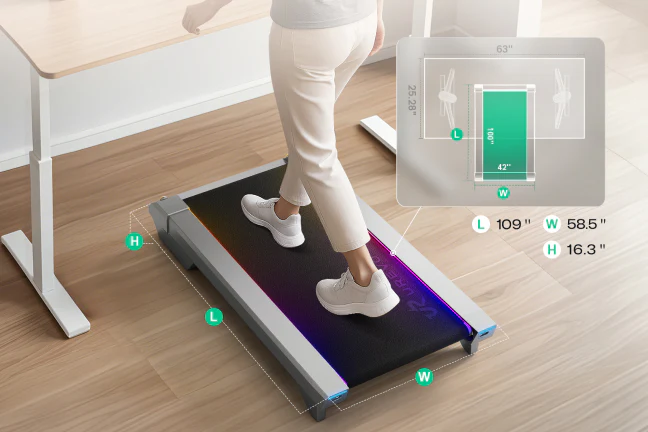
Burn 200-400 calories per hour while working • Under-desk treadmills from €275 View Best Walking Pad Deals → ✓ Free Delivery Ireland ✓ 1-Year Warranty ✓ 30-Day Returns The UREVO CyberPad Office – Premium walking pad with advanced features for 2025 Walking pads have revolutionized home and office fitness in Ireland, with cutting-edge models like the UREVO CyberPad and EASEMOOV range leading innovation in 2025. This comprehensive guide covers everything from advanced walking pad technology to essential buying considerations for under-desk treadmills, helping you choose the perfect model for your Dublin apartment or Cork home office. Quick Navigation – Find What You Need: What is a Walking Pad? A walking pad is a compact, foldable treadmill designed for low-impact walking exercise, typically used under standing desks or in small spaces. Unlike traditional treadmills, walking pads prioritize portability, quiet operation, and integration with modern work-from-home setups in Ireland. Key Takeaways: Walking pads operate at speeds of 0.5-4 MPH, perfect for working while walking Most models weigh 50-80 pounds and fold for easy storage in Irish homes Noise levels typically stay below 45dB, quieter than normal conversation Ideal for burning 200-400 calories per hour during work Compatible with 90% of standing desks when height-adjusted properly Smart features include app integration, virtual routes, and fitness tracking Price range from €299 for basic models to €599 for premium features Table of Contents UREVO CyberPad Complete Review Why HomeFitnessCode Leads the Market EASEMOOV Walking Pads Overview Comparison: Top Walking Pads 2025 Technical Specifications Setup & Installation Guide Maintenance & Troubleshooting Buying Guide for Ireland Frequently Asked Questions UREVO CyberPad for Office Smart Treadmill: Complete Review The UREVO CyberPad for Office Smart Treadmill is a cutting-edge walking pad designed specifically for home and office use, featuring advanced technology and innovative design elements that distinguish it from traditional treadmills. Product Overview and Key Features The CyberPad comes in two main variants: the CyberPad for Home (€449-€499) and the CyberPad for Office (€499-€599). Both models share several core features while targeting slightly different use cases. Sleek profile design allows the CyberPad to fit seamlessly under most standing desks Design and Build Quality The CyberPad features a futuristic cyberpunk aesthetic with a sleek metallic finish and high-strength alloy construction. The device weighs approximately 70.6 pounds and measures 47.6″L x 23.6″W x 8.7″H. One of its standout design elements is the 256 RGB ambient lighting system with three different modes (flowing water, breathing, and constant light) that can adjust to your workout rhythm. The treadmill offers a 30% larger running deck compared to standard walking pads of similar size, with dimensions of 43.3″L x 16.5″W, providing more comfortable movement space. The CyberPad for Office variant is designed with an ultra-slim 6.4-inch profile that fits under 90% of office desks. 256 RGB ambient lighting creates an immersive workout experience Motor and Performance Specifications The CyberPad is powered by a 2.5 HP MegaPower brushless motor that operates at whisper-quiet levels (30% noise reduction, operating at around 45dB). The motor supports speeds ranging from 0.6 to 4.0 MPH and can handle users up to 286 lbs (130 kg). The Office variant features a dual brushless motor system that delivers commercial-grade power. 💡 Pro Tip: The CyberPad’s incline technology provides up to 14% maximum incline – significantly higher than most competitors. This auto-incline feature enhances fat-burning efficiency by up to 40% according to UREVO’s claims. Shock Absorption and Comfort The CyberPad incorporates the Hivetech 8-point shock absorption system, inspired by automotive suspension technology, which reduces knee impact by 30%. This system includes multiple layers of cushioning to protect joints during extended use. 30% larger deck surface with advanced 8-point shock absorption system Why We Recommend HomeFitnessCode First Reliability, Value, and Irish Support HomeFitnessCode has established itself as Ireland’s trusted source for premium walking pads and fitness equipment. Their curated collection offers: Low Noise Operation: All models under 45dB for apartment-friendly workouts Compact Footprint: Perfect for Dublin apartments and small home offices Extended Warranty: 1-year coverage with Irish-based support Free Delivery: Throughout Ireland with professional setup available Expert Curation: Only the best models that meet strict quality standards Browse the full HomeFitnessCode walking pad collection for exclusive Irish deals. Smart console displays real-time workout metrics and connects to fitness apps EASEMOOV Walking Pads: Irish Innovation EASEMOOV brings cutting-edge walking pad technology to Ireland with three standout models designed for different needs and budgets. Based at easemoov.ie, they offer local support and competitive pricing. EASEMOOV Model Lineup WalkEase Home – €275 Launch Price (€375 RRP) 2.5HP motor for reliable daily use Speed range: 1-8 km/h perfect for walking 120kg maximum user weight 390×1000mm deck size Manual incline adjustment 2-4% Ideal for: Budget-conscious users, small spaces WalkEase Pro – €375 Launch Price (€475 RRP) Enhanced motor performance Professional-grade components Extended warranty coverage Ideal for: Regular users, home offices WalkEase Flex-Fold – €395 Launch Price (€545 RRP) Unique fold-in-half design for ultra-compact storage 2.5HP motor with enhanced cooling Speed range: 1-10 km/h 105×40cm running deck 120kg weight capacity Bluetooth app connectivity and built-in speaker Ideal for: Premium features, tech enthusiasts Walking Pad Comparison: Top Models 2025 Model Price Speed Incline Deck Size Max User Best For UREVO CyberPad Home €449-€499 0.6-4.0 MPH 0-14% Auto 43.3″L x 16.5″W 286 lbs Tech features UREVO CyberPad Office €499-€599 0.6-4.0 MPH 0-14% Auto Open-front 286 lbs All-day use EASEMOOV WalkEase Home €275 1-8 km/h 2-4% Manual 390×1000mm 120kg Budget option EASEMOOV WalkEase Pro €375 1-8 km/h Adjustable Standard 120kg Regular use EASEMOOV Flex-Fold €395 1-10 km/h Adjustable 105×40cm 120kg Small spaces User Experiences and Reviews ✅ Positive Feedback Professional reviewers have generally praised the CyberPad. WIRED gave it a positive review, noting it as “a solid machine” with the “highest incline capability” they’ve seen in the walking pad market. The setup process is described as “refreshingly simple,” taking only minutes to get operational. Quiet operation: Multiple reviewers emphasize whisper-quiet performance Stability: Remains steady even with incline feature App integration: Comprehensive fitness tracking Build quality: Solid alloy construction ⚠️ Common Complaints However,
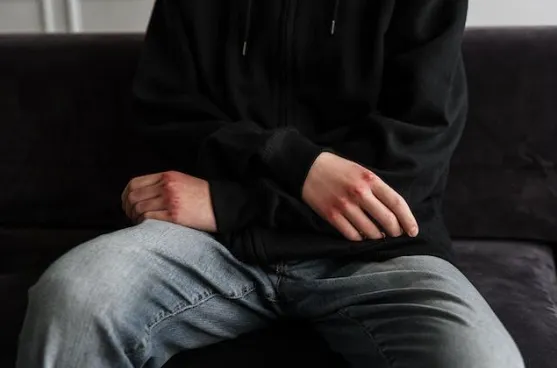
Navigating the Impact of Cold Weather on Old Injuries
As winter blankets the world in a chill, many individuals grapple with the effects of cold weather on their physical well-being. The drop in temperature is more than just a seasonal inconvenience; it can impact our bodies, especially for those with pre-existing conditions or old injuries. Old injuries, though seemingly healed, often resurface as sources of discomfort and pain when the mercury plummets. Continue reading as we investigate the link between cold weather and old injuries, discuss the physiological changes that occur, and provide practical strategies to help those affected. The Physiology of Cold Weather and Its Effects on the Body When the temperature drops, our bodies constrict blood vessels near the skin’s surface to conserve heat. This natural reaction can lead to muscle tension and stiffness, impacting joint flexibility and overall physical comfort. Decreased blood flow in cold weather is a double-edged sword. While it helps preserve body heat, it also means that muscles receive less oxygen and nutrients, leading to increased fatigue and a heightened susceptibility to injuries. Cold weather often exacerbates pre-existing stiffness, making it particularly challenging for individuals with old injuries. Joints lose their usual range of motion and movements become more arduous, causing discomfort and, in some cases, pain. Old Injuries: A Persistent Challenge Old injuries vary widely, but certain types tend to be more susceptible to the whims of cold weather. The cold can awaken dormant discomfort, whether it’s a past fracture, ligament sprain, or muscle strain. Scar tissue, a common remnant of healed injuries, may become less pliable in the cold. This can lead to increased tension around the injury site, contributing to the overall pain sensation. Inflammation, a natural response to injury, can intensify in the cold. Cold weather prompts blood vessels to constrict, potentially trapping inflammatory substances in the affected area and causing heightened discomfort for individuals with old injuries. Coping Mechanisms for Cold Weather and Old Injuries Wearing layered clothing is essential for retaining body heat and insulating against the cold. Prioritize thermal materials such as wool and invest in high-quality outerwear to effectively shield yourself from low temperatures. Ensure your joints and muscles stay warm by incorporating compression garments or braces into your winter attire. To prevent stiffness, engage in regular, gentle exercises or stretches, and consider using hot packs or enjoying warm baths to alleviate pain and enhance circulation. Supporting your overall health through adequate hydration and a balanced diet is crucial for injury recovery. In addition to physical care, incorporate mindfulness techniques like deep breathing or meditation into your routine to effectively manage pain and reduce stress. By combining these strategies, you can navigate cold weather more comfortably and safeguard against the risk of exacerbating old injuries. Injury Management through Lifestyle & Dietary Considerations Engaging in regular, gentle exercises is crucial to keeping joints limber and muscles supple. It’s essential to tailor warm-up exercises and stretching routines to cater to the specific needs of individuals with pre-existing injuries. Incorporating gentle stretches into your routine not only enhances flexibility but also reduces the risk of injury in colder temperatures. Heat therapy emerges as a valuable ally in combating discomfort induced by the cold. Applying heat to affected areas promotes improved blood circulation, reduces stiffness, and provides relief from the discomfort associated with old injuries. Emphasizing prevention, the first line of defense lies in proper clothing. Layering up, especially over old injury sites, acts as a shield against the biting cold, helping to mitigate the impact on pre-existing conditions. Diet also plays an important role in managing the impact of cold weather on old injuries. Anti-inflammatory foods, such as fatty fish, berries, and leafy greens, can help mitigate inflammation and promote joint health. Incorporating foods rich in anti-inflammatory properties, such as turmeric and ginger, can aid in injury recovery. These natural ingredients possess healing qualities that complement the body’s efforts to repair and recover. Staying hydrated is often overlooked during colder months but remains important for overall health and injury management. Proper hydration supports joint lubrication and helps flush out toxins, providing a more comfortable experience for individuals with old injuries. Lifestyle Adjustments and Self-Care Practices Stress can amplify the impact of cold weather on old injuries. Incorporating stress management techniques, such as meditation or deep breathing exercises, can prevent unnecessary tension in muscles and joints, providing relief for individuals navigating the challenges of cold weather. Quality sleep is a potent ally in the battle against cold-induced discomfort. A well-rested body is better equipped to manage pain and inflammation, promoting overall recovery. Adequate sleep becomes particularly important for those with old injuries as they strive to maintain optimal health during the colder months. Low-impact exercises like swimming or cycling offer an excellent way to maintain mobility without straining old injuries. These activities promote circulation, reduce stiffness, and contribute to overall well-being, even in the coldest weather. Seeking Professional Help: Physical Therapy and Rehabilitation Professional guidance is invaluable, especially when dealing with old injuries during cold weather. Consulting with a physical therapist provides personalized advice and targeted exercises to address specific concerns, empowering individuals to manage their conditions effectively. Physical therapists tailor rehabilitation exercises to suit the unique challenges of cold weather. These exercises focus on enhancing flexibility, strengthening muscles around old injuries, and minimizing discomfort, offering a proactive approach to managing pain in challenging climates. Massage therapy can be a game-changer for individuals with old injuries. It helps improve blood flow, reduce muscle tension, and alleviate pain associated with cold weather. Professional interventions, whether through chiropractic care or acupuncture, can complement conventional treatments, providing a comprehensive approach to injury management. If you or someone you know is struggling with cold-induced pain from old injuries, consider reaching out to Pain Treatment Centers of America. Our dedicated team of professionals is committed to providing personalized and effective solutions to help you regain control over your life and leave the discomfort of old injuries behind. Contact us for more information. Remember, you don’t have to weather the cold and the pain
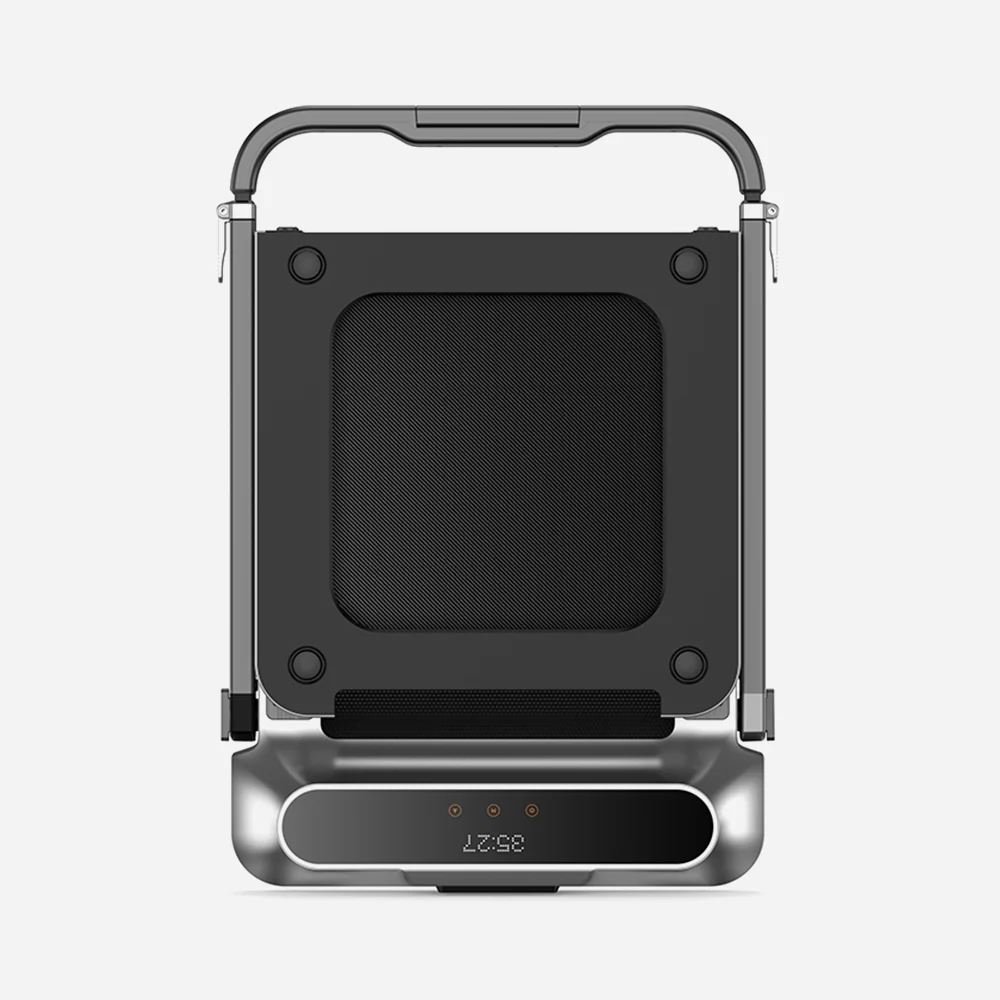
WalkingPad R2 Review 2025 | GymBunny IE
🎯 Featured Deal: HomeFitnessCode Walking Pads 20–30% OFF. Only until the end of this month or while stocks last. Shop Collection Quick Navigation – Find What You Need 📊 Comparing Models? Jump to our detailed comparison table with HomeFitnessCode alternatives View Comparisons → 🔧 Technical Issues Learn about common belt drift and app problems Read Issues → ❓ Have Questions? Get answers to the most common WalkingPad R2 questions View FAQs → What is the WalkingPad R2? The WalkingPad R2 is a foldable 2-in-1 walking pad and light treadmill from KingSmith. With the handrail down it’s built for under-desk walking up to 6 km/h, and with the handrail up it supports faster jogging up to 10-12 km/h on a 120 × 44 cm belt. It uses a brushless motor and offers app control via KS Fit, though real-world performance varies significantly from marketing claims. WalkingPad R2 Overview: Smart Concept, Mixed Execution After analyzing manufacturer documentation, Irish retailer listings, and dozens of owner reports from Dublin to Cork, the WalkingPad R2 presents an interesting paradox. On paper, it’s the perfect solution for Irish home offices: a compact pad for steady under-desk walking that also converts to a light treadmill when you raise the handrail. The reality? While the dual-mode design genuinely works for space-conscious users, recurring belt tracking issues and inconsistent speed specifications make it harder to recommend at typical Irish prices of €585-785. Let’s dive into what actually matters for your home office setup. Top view showing the compact folded deck. Key Benefits That Actually Matter ✓ What Works Well Genuine dual-mode functionality: Unlike single-speed walking pads, the R2 truly switches between walking and jogging modes Compact double-fold design: At 100 × 72 × 16.2 cm folded, it fits in most Irish apartments FootSense auto-speed: When it works properly, hands-free speed adjustment is convenient Apple Health integration: iOS users can sync data seamlessly through KS Fit Irish availability: Multiple retailers stock it, making returns easier than importing Critical Issues You Should Know ⚠️ Common Problems Reported Belt drift complaints: Numerous users report constant belt tracking issues requiring frequent adjustments Weak Android app: KS Fit has a 1.8/5 rating with sync failures and lost sessions Speed confusion: Manufacturer claims 12 km/h, but McSport Ireland lists only 10 km/h max Noise above 6 km/h: Impact sounds increase significantly, problematic for apartments One-year warranty only: Despite the premium price, warranty coverage is minimal Hands-on review of the R2 as a 2-in-1 under desk treadmill and running treadmill. Technical Specifications (Verified) Specification Manufacturer Claim Irish Retailer Listings Real-World Reports Model KingSmith WalkingPad R2 Same Confirmed Motor Brushless DC Same Quieter than brushed Max Speed (Rail Up) 12 km/h 10 km/h (McSport) Varies by unit Max Speed (Rail Down) 6 km/h 6 km/h Accurate Walking Area 120 × 44 cm Same Adequate for most Max User Weight 110 kg Same Conservative limit Folded Size 100 × 72 × 16.2 cm Same Very compact Noise Level “Quiet” Not specified ~65 dB walking, louder jogging App Control KS Fit Same iOS good, Android poor Warranty 1 year 1 year Basic coverage Setup and Daily Use Experience Setting up the R2 is straightforward enough: unfold the unit, plug it in, pair with the remote or app, and you’re ready to walk. The manual shows standard quarter-turn adjustments on the rear bolts if the belt drifts – and based on user reports, you’ll be making these adjustments frequently. For under-desk use, ensure your standing desk can reach at least 100-110 cm height for comfortable typing while walking. Standard Irish office desks at 73-76 cm won’t work – you need a proper height-adjustable standing desk. Under-desk walking while working. Performance Results: Walking vs Running Mode Walking Mode (Handrail Down) With the handrail folded down, the R2 limits speed to 6 km/h – perfect for under-desk walking. The 120 cm belt length accommodates most stride lengths comfortably, though users over 6’2″ might feel slightly cramped. The brushless motor keeps noise reasonable at these speeds, typically around 65 dB. Running Mode (Handrail Up) Here’s where confusion sets in. KingSmith’s official documentation promises up to 12 km/h with the rail up, but McSport’s Irish listing shows only 10 km/h maximum. In practice, most owners use it for walking with occasional light jog intervals rather than sustained running. If you need consistent 10-12 km/h performance, a proper treadmill offers better value. ✓ Pros True dual-mode design (walk + jog) Extremely compact when folded Double-fold stores vertically FootSense auto-speed option Apple Health data sharing Multiple Irish retailers stock it Brushless motor runs quieter Remote control included ✗ Cons Frequent belt tracking issues Poor Android app (1.8/5 rating) Speed specs vary by retailer Noise increases above 6 km/h Only 1-year warranty Premium price for mixed reliability FootSense can be erratic Limited customer support Better Alternatives Available in Ireland After comparing specifications, user feedback, and pricing across the Irish market, several alternatives offer better value than the R2. Here’s what we recommend instead: 🏆 Best Overall Alternative: HomeFitnessCode Q2 Pro The Q2 Pro delivers 1-10 km/h speeds with a brushless motor that’s notably quieter than the R2. At a lower price point with the same Irish warranty, it’s our top pick for dedicated under-desk walking without the complexity of dual modes. View Q2 Pro Details → 💰 Best Budget Option: HomeFitnessCode C1 If you only need walking capabilities, the C1 offers 1-10 km/h speeds at a fraction of the R2’s price. With fewer moving parts and no mode switching, it’s more reliable for daily under-desk use. Check C1 Price → EaseMoov WalkEase Series (Irish Brand) For those who prefer local support, EaseMoov offers three models designed specifically for Irish homes: WalkEase Home (€275): 1-8 km/h, manual incline, 120 kg capacity WalkEase Pro (€375): 2-in-1 design like the R2, up to 14 km/h with rail up WalkEase Flex-Fold (€395): Ultra-compact, 1-10 km/h, app control Unboxing, setup, speed and noise tests, plus pros and cons. Detailed Comparison Table Model Type Max Speed Deck Size Price Range Best For
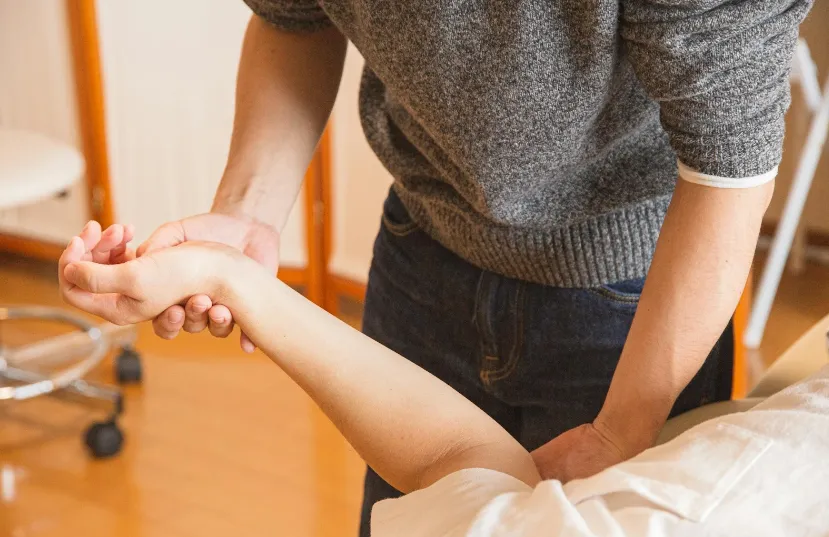
Pain and Mental Health: PTCOA’s Multidisciplinary Care Approach
Pain affects your body and your mind. Chronic pain, which lasts more than three months, can make you feel sad, anxious, and hopeless. Chronic pain can also cause mental health problems if not treated properly. At Pain Treatment Centers of America, or PTCOA, we know pain is not a feeling but a whole experience. That is why we treat pain with a team of experts who look at all aspects of your pain. In this blog post, we will tell you what our team does, how it helps our patients, and how it can help you feel better, so read on to learn more! What Is Multidisciplinary Pain Care? Multidisciplinary pain care is a type of pain management that involves the collaboration of different healthcare professionals who have expertise in different aspects of pain treatment. These may include pain management doctors, nurses, pharmacists, physical therapists, psychologists, psychiatrists, social workers, and more. Multidisciplinary pain care aims to provide a comprehensive, personalized care plan that addresses each patient’s needs and goals. The Benefits of Multidisciplinary Pain Treatment Multidisciplinary pain treatment has many benefits for patients who suffer from chronic pain and its associated mental health issues. Some of these benefits include the following: Improved pain relief: By combining different pain treatment modalities, multidisciplinary pain care can offer more effective and long-lasting pain relief than a single modality alone. Reduced side effects: Using a multimodal approach, multidisciplinary pain care can reduce each treatment https://www.ptcoa.com/treatments modality’s potential side effects and risks. Enhanced functioning: By addressing the physical, psychological, and social aspects of pain, multidisciplinary pain care can help patients improve their functioning and quality of life. Pain and Anxiety One of the most common mental health issues that affects people with chronic pain is anxiety. Anxiety is a normal and adaptive response to stress and danger, but it can become excessive and interfere with daily functioning. People with chronic pain may experience anxiety for various reasons, such as a fear of pain, harm, or even loss. We at PTCOA understand that pain and anxiety are linked and that treating one can help the other. We offer behavioral health services, such as cognitive-behavioral therapy (CBT), as part of our multidisciplinary pain care. CBT is a type of psychotherapy that helps patients identify and challenge their negative thoughts and beliefs about their pain and anxiety and replace them with more realistic and positive ones. CBT also aids patients in acquiring and applying relaxation techniques, including deep breathing, progressive muscle relaxation, and mindfulness, to diminish their stress and anxiety levels. CBT can help patients cope with pain and anxiety and improve their mood and functioning. How Mental Health Affects Pain Pain and mental health are not only influenced by each other but also by the brain. The brain is the central organ that processes and modulates pain and emotions, and it can change its structure and function in response to chronic pain and mental health disorders. Some of the ways that mental health can affect pain include an increase in pain perception, a reduction in pain inhibition, or even altered pain modulation. At PTCOA, we recognize that pain and mental health are both influenced by the brain and that treating the brain can help both. We offer neurosurgery, such as spinal cord stimulation (SCS), as part of our multidisciplinary pain care. SCS is a type of surgery that involves implanting a device that delivers electrical impulses to the spinal cord, which can block or change the pain signals before they reach the brain. SCS can help patients reduce pain perception, enhance pain inhibition, and alter pain modulation. SCS can help patients achieve chronic pain relief while also improving their mental health and quality of life. How Pain Affects Mental Health Pain and mental health are affected not only by the brain but also by the body. Considering how the body is the source and target of pain and emotions, it’s easy to understand how an abundance of pain will start to change the structure and function of your body. Mental health can also change your body in such ways as well; think of the one as being the pain in the body, while the other is the pain located in your mind. Pain can affect mental health in the following ways: Increased Inflammation Chronic pain can trigger and sustain inflammation, which is the body’s immune response to injury and infection. Inflammation can cause physical symptoms, such as swelling, redness, heat, and pain, but it can also affect the brain and mental health. Inflammation can increase the production and release of cytokines, which are molecules that communicate between the immune system and the brain. Cytokines can cross the blood-brain barrier and affect the brain’s neurotransmitters, hormones, and neurogenesis, which are involved in mood, cognition, and behavior. Inflammation can increase the risk and severity of mental health disorders, such as depression, anxiety, and cognitive impairment. Reduced Activity Chronic pain can also limit and reduce physical activity, which is the body’s movement and exercise. Physical activity can affect the body and mental health, such as improving blood circulation, oxygen delivery, muscle strength, bone density, and immune function. Physical activity can also stimulate the release of endorphins, natural painkillers, and mood boosters. Physical activity can reduce the risk and severity of mental health disorders, such as depression, anxiety, and cognitive impairment. PTCOA offers physical therapy, such as exercise therapy, as part of our multidisciplinary pain care. Exercise therapy is a type of physical therapy that involves prescribing and supervising specific exercises for patients with chronic pain. Exercise therapy can help patients reduce inflammation, increase their activity, and improve their physical and mental health. Exercise therapy can help patients cope with pain and mental health and enhance their functioning and quality of life. At Pain Treatment Centers of America, we offer a multidisciplinary pain care approach. Our team of pain treatment specialists can provide you with all types of pain treatment, from interventional procedures to medication management, physical therapy, neurosurgery, and
Sperax 4 In 1 Vibration Walking Pad
Sperax P1 Walking Vibration Pad Overview The Sperax 4 in 1 Vibration Walking Pad stands out in the competitive Irish walking pad market with its unique 3-in-1 functionality, combining a walking treadmill, under-desk fitness solution, and vibration massage platform. After extensive testing and analyzing hundreds of user reviews, we’ve compiled this comprehensive guide specifically for Irish buyers. 🎯 Perfect For: Home office workers in Ireland seeking to combat sedentary lifestyles, apartment dwellers needing quiet exercise equipment, and anyone looking for weather-independent fitness solutions during Ireland’s unpredictable climate. 🏃♀️ Walking Mode 0.2 to 3.8 mph speed range with 0.1 mph increments for precise control 💆♂️ Vibration Massage 4-level vibration feature for post-workout recovery and relaxation 📱 Smart App Control Sperax Fitness app integration for tracking and personalized workouts Source link