A Strategic Education Partnership Built for Impact Through its EFTI (Equinox Fitness Training Institute) platform, Equinox empowers coaches to access high-quality continuing education. After a thorough review of the Women’s Coaching Specialist Certification (GGS-1) and the Menopause Coaching Specialist Certification (CSMC), Equinox formally approved both programs for inclusion within its continuing education ecosystem. Equinox’s internal educators and leadership team described the GGS platform as:✔️ Intuitive✔️ Professionally designed✔️ Seamlessly aligned with their current coaching ecosystem As a result, Equinox officially approved Girls Gone Strong as an external education provider within its continuing education ecosystem—bringing critical coaching skills to trainers working with women at every life stage. Educating the Educators: Equinox’s Internal Team Gets Certified To kick off the collaboration, Equinox enrolled four members of its education leadership team: This early immersion ensures the leaders shaping Equinox’s continuing education strategy deeply understand GGS’s curriculum and are positioned to confidently support its adoption across the organization. Why This Matters for Women—and the Fitness Industry Women deserve to work with coaches who understand their unique physiology, life transitions, and lived experiences. With Girls Gone Strong’s Certifications now integrated into Equinox’s continuing education lineup, more trainers will gain critical coaching skills— supporting better outcomes for the women they serve. From pregnancy to postpartum to perimenopause and beyond, this initiative ensures Equinox trainers have the knowledge and skills to effectively coach women at every stage of life. What’s Next The partnership will expand to include a broader rollout through Equinox’s quarterly EFTI newsletter and spotlight opportunities—helping more coaches discover and engage with GGS’s trusted Certification programs. Girls Gone Strong is proud to support Equinox’s commitment to elevating women-centered coaching education and advancing industry standards for training women across the lifespan. Source link
AI tools could restore ‘joy of practice,’ lower physician burnout
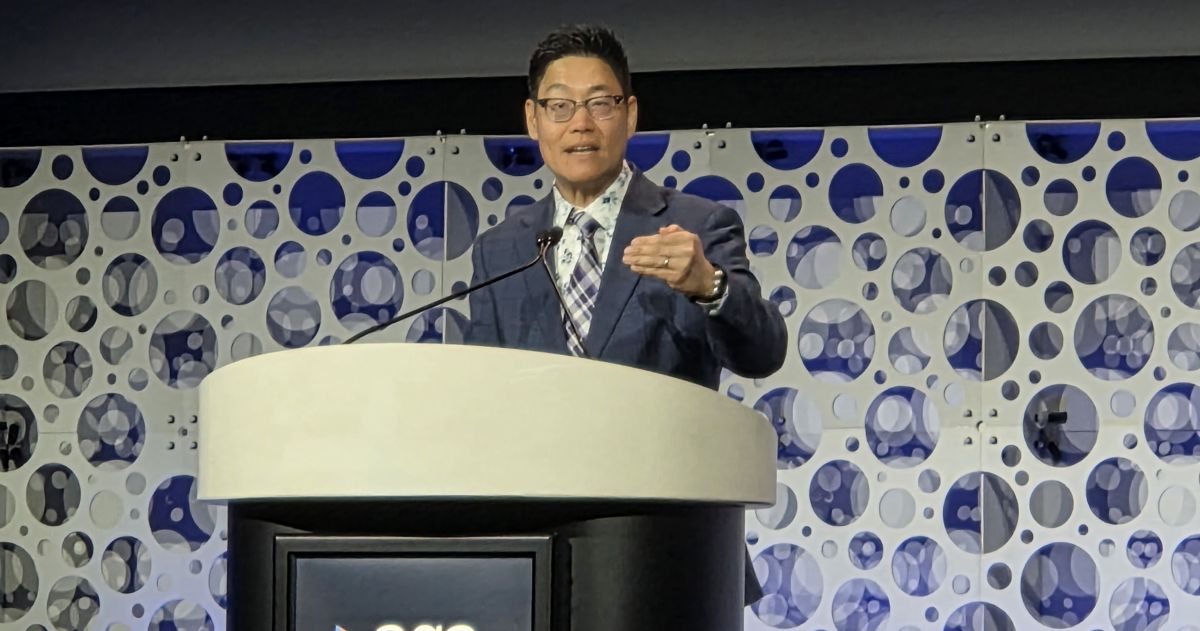
Add topic to email alerts Receive an email when new articles are posted on Please provide your email address to receive an email when new articles are posted on . “ data-action=”subscribe”> Subscribe We were unable to process your request. Please try again later. If you continue to have this issue please contact customerservice@slackinc.com. Back to Healio Key takeaways: More than 50% of U.S. physicians have signs of burnout, leading to 20% more medical errors. AI innovations could help improve workflow, alleviating stressors that lead to burnout. CHICAGO — The AI tools that benefit clinicians most are not always the glamourous ones contributing to drugs, robotics and therapeutics innovations, but could also be the mundane ones that help ease physician burnout. That is according to David Ting, MD, keynote speaker at Digestive Disease Week. David Ting, MD, chief clinical product lead at Microsoft and primary care internist and pediatrician at Massachusetts General Hospital, was the keynote speaker at Digestive Disease Week. Image: Octavia Feliciano. Ting, chief clinical product lead at Microsoft and primary care internist and pediatrician at Massachusetts General Hospital, told attendees he envisions a 2036 where AI products assist with the ordinary: workflow redesign, administrative burden and workplace collaboration. AI also might one day take center stage in reshaping the clinical environment and restoring the “joy of practice,” he said. “More than 50% of clinicians in the United States show signs of burnout,” Ting said. “When you look at how clinicians interact with technology over the course of a 10-hour shift, one study showed they were making 4,000 keyboard clicks.” Clinicians report 20% more medical errors when burned out, he added. Ting spotlighted “AI agents” in the models of Google Gemini, Microsoft Copilot and Anthropic’s Claude, positing them as a potential solution to the physician burnout crisis. In his vision for the near future, “these agents were not only augmenting our clinical knowledge, but [also] helping with referral management, ordering, managing messages, collaboration across different platforms, coding support, prior authorizations and work-life balance.” Those changes would allow clinicians to move “from 4,000 clicks per shift to conversation with our patients, colleagues and staff,” he said. The existing and possible upcoming features of clinical AI tools like Microsoft Dragon Copilot include summarizing charts instantly, updating notes directly in the electronic health record and identifying clinical trial eligibility in real time, according to Ting. AI could also aid physicians in ways that they might not yet have imagined. For instance, technology might help with adherence or patient follow-through. Describing a hypothetical scenario, Ting shared how AI tools could use voice biomarker analysis to identify signs of anxiety in a patient. “The AI agent has produced a crisp summary of what I want to know from recent labs or CT scans,” Ting told the audience. “While I’m seeing the patient, a notification [alerts me] that she is exhibiting anxiety that may impact her ability to follow through on or understand my instructions.” For this projected future to take shape, Ting believes fostering clinician and public trust in AI health care tools is essential. Additionally, gastroenterologists do not need to worry about being replaced by AI, he emphasized. “Medicine is fundamentally about human relationships, and as much as AI could augment decision-making, robotics and some behaviors, it cannot replace the personal hand of the gastroenterologist in an exam, at a bedside or in a colonoscopy endoscopy suite,” Ting said. Likewise, clinicians do not have to be concerned about deskilling. “Human skills will flourish and improve because we’ve taken away some of the drudgery, some of the brain rot that caused our fellows to lose focus, that caused even us as clinicians to lose touch with the most important part of what we do, which is taking care of our patients,” he added. Addressing other concerns, he touched on how diversity is being added to datasets to avoid training bias, and how AI hallucination and drift are already largely prompted out of systems. Issues like AI’s environmental impact will be ongoing conversations that may require innovative solutions, Ting said, bringing up SpaceX’s proposal to launch data centers into space to capture more solar power. Ting believes the future of gastroenterology is bright. “In 2036, we will see the joy dividend, where GI becomes fun again, and AI gives [clinicians] time back,” he said. Published by: Sources/Disclosures Source: Ting D. Gastroenterology in 2036. Presented at: Digestive Disease Week; May 2-5, 2026; Chicago. Disclosures: Ting reports serving as chief clinical product lead at Microsoft. Ask a clinical question and tap into Healio AI’s knowledge base. PubMed, enrolling/recruiting trials, guidelines Clinical Guidance, Healio CME, FDA news Healio’s exclusive daily news coverage of clinical data Learn more Add topic to email alerts Receive an email when new articles are posted on Please provide your email address to receive an email when new articles are posted on . “ data-action=”subscribe”> Subscribe We were unable to process your request. Please try again later. If you continue to have this issue please contact customerservice@slackinc.com. Back to Healio Source link
Exercises and Stretches for Herniated Disc Relief
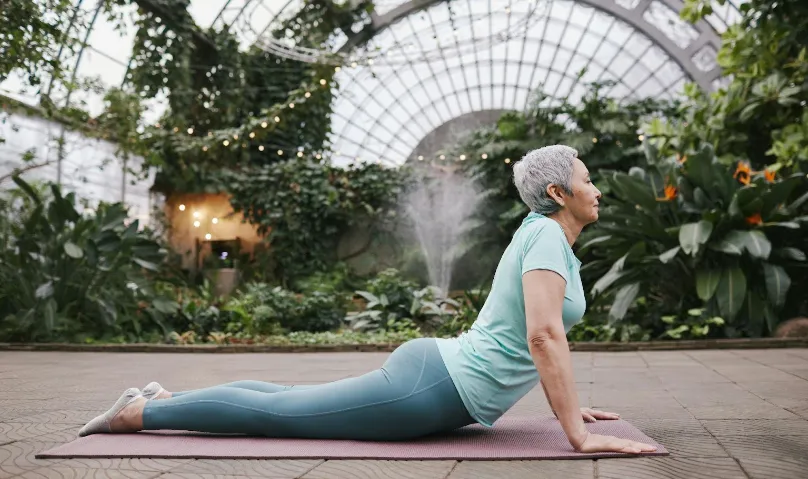
Do you feel pain in the lower back or neck? Do you experience pain that radiates down the arms or legs? Do you feel numbness or tingling in the foot or toes? If you answer yes to any of these questions, you may be dealing with a herniated disc. Exercises and stretches can help you relieve these unpleasant sensations. Why Do Exercises and Stretches Help Relieve Pain from a Herniated Disc? A herniated disc causes structural and functional changes. As it dehydrates and loses height, the vertebrae move closer together, slackening the ligaments that connect them and reducing spinal stability. While ligaments themselves cannot be strengthened through exercise, targeted exercises can strengthen the surrounding muscles, thereby compensating for this loss of stability. By enhancing the strength and endurance of the spinal muscles, the exercises and stretches provide better support and alignment for the spine, which helps to alleviate pressure on the affected nerves. A Few Important Disclaimers Before we delve into the list, we have several important disclaimers for you: Avoid exercises and stretches during the acute stage of a herniated disc. Always consult your treating clinician before beginning any new stretching or exercise program for a herniated disc. Sometimes, intervention with a steroid injection or oral steroids is required before exercise. If you experience any pain, stop immediately. With that being said, depending on where the herniated disk has occurred in your spine, it’s best to try exercises and stretches for either the cervical spine or the lumbar spine. Exercises and Stretches for the Cervical Spine The cervical spine is the upper portion of the vertebral column that consists of the first seven vertebrae located in the neck. Isometric Hold Exercise Sit or stand with your spine straight, then place your hand on your forehead. Gently push your head against your hand, ensuring there is no movement. Hold this position for 5-10 seconds, then relax. Repeat this exercise 15 times to strengthen the neck muscles and provide stability to the cervical spine. Neck Extension with Head Lift Exercise In order to perform this exercise, lie on your stomach with your arms at your sides. Slowly lift your head and upper chest off the ground, hold for a few seconds, then lower back down. Repeating the exercise 5-10 times helps to stretch and strengthen the muscles at the back of your neck. Chin Tuck / Neck Retraction Exercise Sit or stand with your spine straight, then gently pull your chin back as if attempting to create a double chin. Hold this position for 5 seconds, and then feel free to relax. This exercise, when repeated 10-15 times, helps in reducing neck pain by aligning the cervical spine. Shoulder Retraction Exercise (Scapular Retractions) Sit or stand with your spine straight, then squeeze your shoulder blades together, holding the contraction for 5 seconds. Relax, and then repeat this movement 10-15 times. This exercise strengthens the upper back muscles, supporting better posture and reducing strain on the cervical spine. Exercises and Stretches for the Lumbar Spine The lumbar spine, also known as the lower back or lumbar region, refers to the lower portion of the vertebral column, consisting of the five largest and strongest vertebrae. Gentle Knee-to-Chest Stretch Begin performing this exercise by lying on your back with your knees bent and your feet flat on the floor. Embrace one knee with both hands and gently pull it towards your chest. Maintain this position for 15-30 seconds, and then switch legs. Repeat this stretch 2-3 times for each leg. This exercise aids in relieving tension in the lower back. Cat-Cow Stretch To perform this exercise, start in a tabletop position on your hands and knees. Arch your back up towards the ceiling (Cat), then lower your belly towards the floor (Cow). Repeat this movement slowly, 10-15 times. The Cat-Cow stretch is a dynamic exercise that enhances flexibility and reduces stiffness in the spine. Back Flexion Stretch While lying on your back with your knees bent and feet flat on the floor, gently pull both knees towards your chest. For maximum effect, hold this position for 15-30 seconds before relaxing into the starting position. Repeat this stretch 2-3 times. It helps decompress the lower spine, offering relief from discomfort. Spinal Decompression Stretch Stand with your feet shoulder-width apart and reach your arms overhead, interlacing your fingers. Gently stretch upwards, elongating your spine. Hold this stretch for 15-30 seconds. The spinal decompression stretch is effective in alleviating pressure on the spinal discs. Piriformis Muscle Stretch Lie on your back with both knees bent, and place your right ankle over your left knee. Gently pull your left thigh towards your chest, holding for 15-30 seconds, then switch sides. Repeat this stretch 2-3 times for each side. Targeting the piriformis muscle, the exercise helps relieve sciatic pain. Seated Hamstring Stretch To perform this exercise, sit on the floor with one leg extended and the other bent. Reach towards the toes of your extended leg, holding for 15-30 seconds before switching legs. Repeat this stretch 2-3 times for each leg. It aids in relieving tension in the hamstrings and lower back. Prone Extension Stretch Lie on your stomach, keeping your elbows under your shoulders. Gently push your upper body up while keeping your hips on the floor. Hold this position for 15-30 seconds before lowering back down. Repeat this stretch 2-3 times. It reduces pressure on the lumbar discs by arching the lower back. Pelvic Tilt or Abdominal Bracing While lying on your back with your knees bent and feet flat on the floor, tighten your abdominal muscles and press your lower back into the floor. Hold this position for 5-10 seconds before you return to the starting position. Repeat this exercise 10-15 times. It strengthens the core muscles, providing support for the lower back. Activities that Patients with Herniated Disks Should Avoid Some activities can exacerbate the condition and increase pain or the risk of further injury. High-impact activities such as running, jumping, or any vigorous
EOS Fitness Collaborates with Girls Gone Strong on Women-Centered Coaching
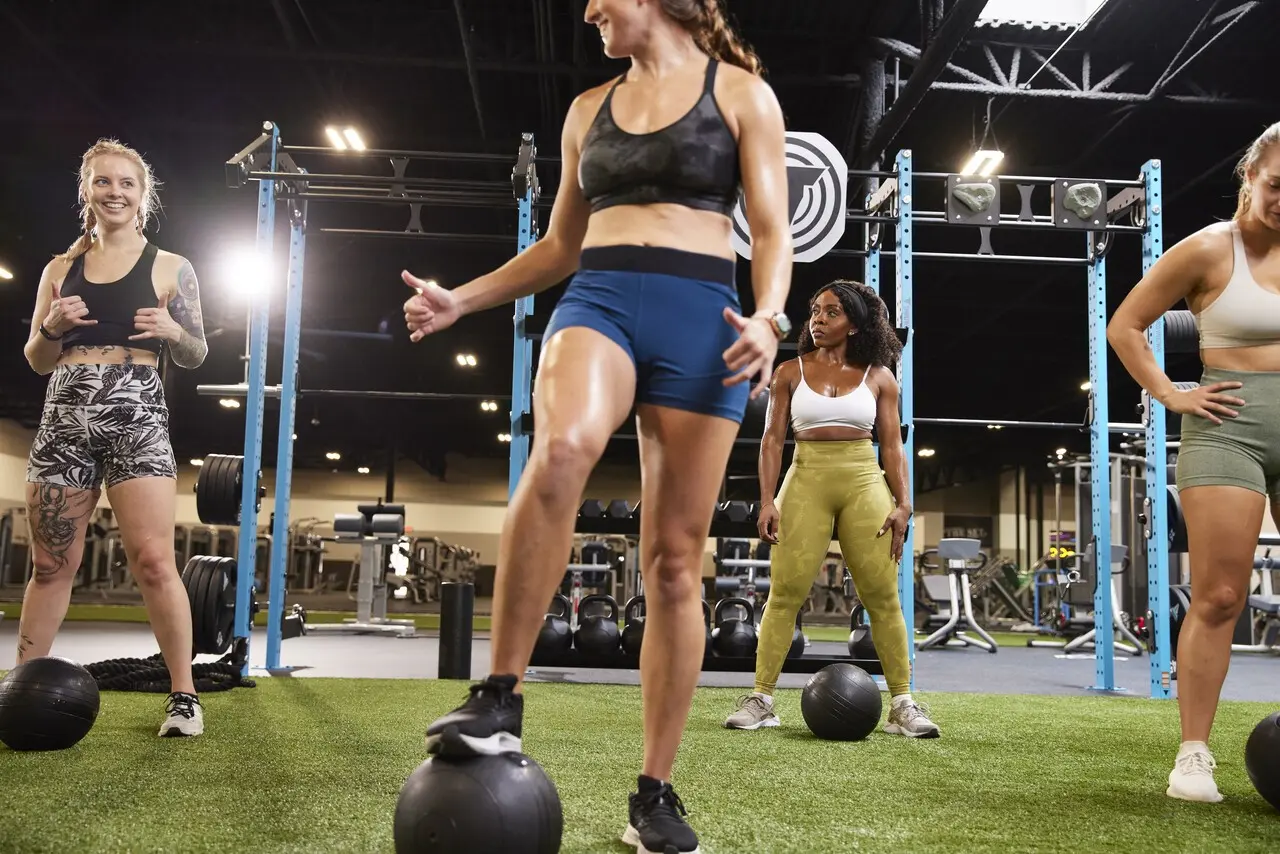
In-Person Connection, Real Impact As part of this collaboration, Girls Gone Strong co-founder Molly Galbraith visited an EOS Fitness location in Scottsdale, Arizona to meet with the EOS team, tour the facility, and learn more about their evolving vision for women’s wellness. During the visit, EOS leaders shared the steps they had already taken to better support female members and outlined their commitment to expanding women-centered education for coaches across their organization. Leadership First: Setting the Standard from the Top To establish a strong foundation, several members of the EOS Fitness leadership team enrolled in GGS Certifications—ensuring the individuals shaping EOS’s strategy deeply understood the unique needs of women in fitness. Following this initial phase, a private VIP enrollment window was opened exclusively for EOS coaches and trainers. As a result, EOS now has a growing number of GGS-certified professionals equipped to coach women through pregnancy, postpartum, perimenopause, and beyond. Changing the Culture of Coaching—One Gym at a Time EOS’s investment in women-centered education is already making an impact. GGS-certified EOS professionals bring an inclusive, science-backed approach to their work—allowing them to support their clients through key life transitions. This collaboration is helping EOS gyms become more informed, welcoming spaces for women of all ages and abilities. What’s Ahead for EOS x Girls Gone Strong With a strong foundation in place, EOS Fitness and Girls Gone Strong are exploring additional opportunities to expand access to GGS Certifications, deliver live education experiences, and continue raising the standard for coaching women. This collaboration reflects EOS’s commitment to meaningful action—and positions the brand as a leader in advancing women-centered fitness education. Source link

FDA authorizes fruit-flavored vapes for first time
Add topic to email alerts Receive an email when new articles are posted on Please provide your email address to receive an email when new articles are posted on . “ data-action=”subscribe”> Subscribe We were unable to process your request. Please try again later. If you continue to have this issue please contact customerservice@slackinc.com. Back to Healio Key takeaways: The FDA authorized the marketing of four non-tobacco vapes. The vapes require age verification that is “expected to effectively mitigate” usage among youth. The FDA for the first time authorized the marketing of non-tobacco and non-menthol electronic nicotine delivery system products for adults, the agency announced. The two non-tobacco and non-menthol vape products are gold and sapphire. According to a press release from Campaign for Tobacco-Free Kids, gold is mango flavor and sapphire is blueberry. The FDA authorized the marketing of four non-tobacco vapes. Image: Adobe Stock The FDA also authorized two menthol vape products — classic menthol and fresh menthol. The vapes were authorized via the FDA’s premarket tobacco product application pathway. They contain 50 mg/mL, or 5%, of tobacco-derived nicotine, according to an FDA press release. “By helping to prevent youth use, device access restrictions are a potential game changer,” Bret Koplow, PhD, JD, acting director of the FDA’s Center for Tobacco Products, said in the release. “This technology is also an indication of the role innovation may serve in the effort to protect young people from threats posed by nicotine use and addiction while helping to enable availability of an expanded array of flavored options for adults who smoke who may use these products to completely switch away from regular cigarettes.” The FDA said that its “rigorous, scientific review” of the products manufactured by Glas, Inc. “found that the applicant sufficiently demonstrated that Glas’s device access restriction technology, combined with FDA-required marketing restrictions, is expected to effectively mitigate the ability of youth to use the product.” The manufacturer’s technology “requires the user to verify their age and identity with a government-issued ID and pair the device with a smartphone via Bluetooth,” the release said. “Following verification, the device will not operate if separated from the phone. The app also conducts random biometric check-ins to periodically confirm the registered user is the one using the device.” The FDA also said that Glas was able to demonstrate that most adults aged 21 years or older successfully verified their age and found the vapes’ instructions and age verification software easily understandable “while youth and young adults could not.” “With these orders, the FDA confirms the availability of an additional way for demonstrating that a non-tobacco flavored product meets the public health standard by using effective age-gating,” the release said. “It remains the case that a non-tobacco flavored product may be authorized where the application demonstrates its benefit in helping adults quit cigarette smoking outweighs its potential risks.” E-cigarettes are usually less harmful vs. cigarettes, the FDA previously told Healio. However, e-cigarettes have been tied to several conditions, including elevated BP and hypertension, peptic ulcer disease, lung cancer and asthma. The FDA said the authorization requires Glas to ensure the vapes’ advertising, promotion and marketing is “carefully targeted” at adults aged 21 years or older while also tracking, measuring and reporting to the FDA the effectiveness of its prevention measures aimed at youth. The agency said it could suspend or withdraw its authorization if the vapes’ marketing is “is no longer appropriate for the protection of the public health,” which could include a rise in usage among youth or if the products’ benefits no longer outweigh their risks. Steven Kelder, PhD, MPH, a professor of epidemiology at the University of Texas Health Houston School of Public Health, told Healio that “one of things that’s very clear is that teens like flavors. That’s one of the primary causes about why they’re curious about them, and when they’re curious, they try them, and when they try them enough times, they get addicted. That’s my concern.” “I’ve been hearing for decades now that adults need fruit flavors or they’re just not going to use vapes. The evidence doesn’t support that. If someone’s addicted to nicotine, they’re going to use nicotine,” Kelder said. “Physicians should know that there are risks in using vapes in terms of CVD and cancer. Vaping is less harmful, there’s no doubt about it, but they’re not harmless and the biggest harms fall on the kids. Why take a risk on these new flavors when its unnecessary.” Editor’s note: The story was updated on May 7 to clarify that the recently authorized vape products include two menthol products and two fruit-flavored products. Perspective Back to Top All tobacco products are harmful and can addict consumers, and it is important to emphasize that market authorization does not mean that these products are “safe” or even “FDA approved.” The FDA should consider stronger actions to reduce the accessibility, addictiveness and appeal of all tobacco and nicotine products — actions like a ban on non-tobacco flavors, including menthol, which would still enable access to tobacco-flavored vapes for adults who smoke and want to quit, while eliminating the wide variety of flavors, including fruit flavors, that we know appeal to young people. The FDA is clear that all tobacco products are harmful and have the potential to addict consumers, which is why kids and people who never used tobacco or nicotine should never start. Health care professionals have a unique role in educating individuals on the addictiveness of all tobacco products and the risks of tobacco use, regardless of whether a product has received authorization. It is critical that regulators, scientists and health care professionals remain vigilant and ensure that e-cigarettes are only used by adults who smoke and are trying to quit. Lauren Czaplicki, PhD, MPH Johns Hopkins Bloomberg School of Public Health Disclosures: Czaplicki reports receiving research funding through the NIH and Bloomberg Philanthropies’ Bloomberg Initiative to Reduce Tobacco Use.
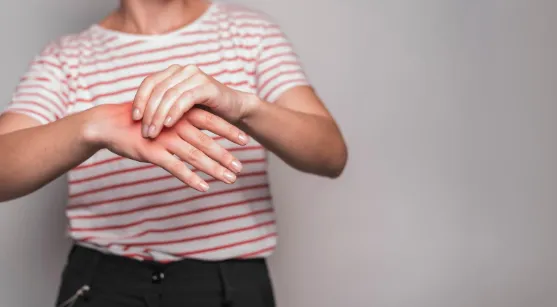
Understanding the Symptoms of Neuropathy
Neuropathy, a condition resulting from nerve damage, presents a complex array of symptoms that can significantly impact an individual’s quality of life. Recognizing and understanding these symptoms can lead to early diagnosis and effective treatment. Come with us as we explore the various symptoms of neuropathy, the associated pain types, and the importance of early diagnosis. Those experiencing symptoms of numbness, tingling, or pain in their extremities, individuals with a family history of neuropathy or diabetes, and caregivers of those who might be affected should find this information particularly useful. What Is Neuropathy? Neuropathy, or peripheral neuropathy, refers to a condition where the peripheral nerves are damaged. This damage disrupts normal nerve function, leading to symptoms ranging from mild discomfort to debilitating pain. Neuropathy can result from several causes, including diabetes, traumatic injuries, infections, metabolic problems, inherited causes, and exposure to toxins. Peripheral neuropathy involves damage to the peripheral nervous system, which consists of the nerves that transmit signals between the central nervous system (the brain and spinal cord) and the rest of the body. When these nerves are damaged, they can send faulty signals, leading to various symptoms depending on the nerves affected: sensory, motor, or autonomic nerves. A Breakdown of Neuropathy Symptoms Understanding the symptoms of neuropathy involves recognizing the diverse ways in which nerve damage can manifest. Symptoms vary depending on the type and extent of nerve damage and can affect sensory, motor, and autonomic nerves. Here, are the most common symptoms associated with neuropathy: Numbness and Tingling One of the earliest and most common symptoms of neuropathy is numbness and tingling, often described as a “pins and needles” sensation. This typically begins in the hands and feet and can gradually spread up the arms and legs. The sensation results from disrupting normal nerve signals, leading to abnormal sensations. Numbness and tingling can significantly impact daily activities. For example, individuals may find it difficult to perform tasks that require fine motor skills, such as typing or buttoning a shirt. This symptom can also lead to a lack of awareness of injuries, as numb areas may not feel pain, increasing the risk of unnoticed wounds and infections. Burning Pain Neuropathy can cause persistent and severe burning pain. This pain is often worse at night and can interfere with sleep. The burning sensation is due to damaged nerves misfiring and sending pain signals to the brain even without injury. Burning pain, also known as neuropathic pain, can be particularly challenging to manage. Traditional painkillers are often less effective, and the pain can be exacerbated by temperature changes or even light touches. This type of pain can lead to significant discomfort and distress, affecting the individual’s well-being. Muscle Weakness and Loss of Coordination Muscle weakness is another common symptom of motor nerve damage. This can lead to decreased coordination and difficulties with tasks that require fine motor skills, such as buttoning a shirt or writing. Muscle atrophy can occur in severe cases due to the lack of nerve stimulation. The loss of muscle strength can also impact mobility, making walking or performing everyday activities difficult. Muscle weakness can cause instability and increase the risk of falls, leading to further injuries. Rehabilitation and physical therapy can help improve muscle strength and coordination, but the process can be slow and requires consistent effort. Sensitivity to Touch Increased sensitivity to touch, known as allodynia, can make even light touches feel painful. This can make everyday activities uncomfortable, like wearing clothes or feeling bed sheets. This heightened sensitivity is due to damaged sensory nerves overreacting to stimuli. Allodynia can be particularly distressing, as it turns non-painful stimuli into painful experiences. This condition can severely limit physical contact, making it difficult for individuals to engage in normal social interactions or enjoy simple pleasures like a hug or a handshake. Balance Problems and Dizziness Neuropathy can also affect balance and cause dizziness. Damage to the nerves in the legs can make maintaining balance difficult, making falls more likely. Autonomic neuropathy can also affect blood pressure regulation, leading to dizziness or fainting when standing up quickly. Balance problems can be particularly dangerous, especially for older adults, as they increase the risk of falls and fractures. Dizziness and balance issues may also contribute to a fear of falling, leading to reduced physical activity and a decline in overall health. Difficulty Sleeping The pain and discomfort associated with neuropathy often worsen at night, making it difficult for sufferers to get a good night’s sleep. A lack of sleep can exacerbate other symptoms, leading to a vicious cycle of pain and fatigue. Getting an uninterrupted night’s sleep is needed for our overall health and well-being. Chronic sleep deprivation can weaken the immune system, impair cognitive function, and contribute to mood disorders such as anxiety and depression. Individuals with neuropathy must find ways to manage pain and improve sleep quality to maintain their health and quality of life. When to See a Doctor Recognizing the symptoms of neuropathy early helps lead to more effective treatment. If you experience persistent numbness, tingling, burning pain, muscle weakness, or sensitivity to touch, it’s crucial to consult a healthcare provider. Early diagnosis can help manage symptoms, prevent further nerve damage, and improve the quality of life. Living with Neuropathy It is challenging, but there are strategies to manage the symptoms and maintain a good quality of life. Some ways to help manage symptoms include exercising, having a healthy diet, as well as avoiding smoking and alcohol. Physical therapy can improve muscle strength and coordination, while medications can manage pain. Remember that support groups and counseling are great ways to find emotional support and get practical advice for dealing with the condition. If you or a loved one are experiencing symptoms of neuropathy, it is best to consult a healthcare professional for an accurate diagnosis and an appropriate treatment plan. At Pain Treatment Centers of America, we specialize in diagnosing and treating neuropathy. Book an appointment to learn more and to schedule a consultation with
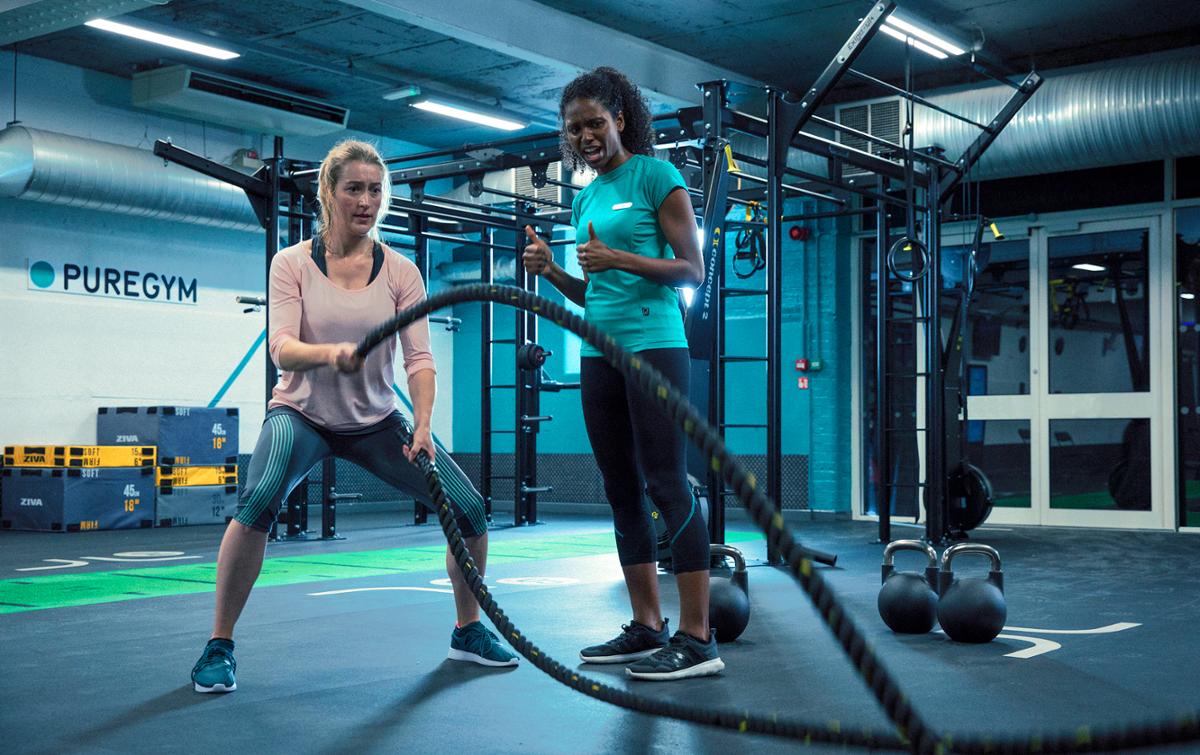
PureGym Partners with Girls Gone Strong to Expand Women-Centered Coaching in Europe
A Shared Vision for Coaching Women Across Europe After PureGym’s initial outreach, Girls Gone Strong co-founder Molly Galbraith connected directly with their leadership team to discuss their goals. The message was clear: PureGym wanted their fitness professionals to have access to world-class education in coaching women—so they could meet the needs of a diverse, growing female member base. From Vision to Action: Certifying PureGym Professionals Following the alignment of values and vision, Girls Gone Strong launched a private VIP enrollment exclusively for PureGym professionals. Trainers enrolled in Girls Gone Strong’s Certification programs, including: These Certifications help PureGym coaches deepen their skills in supporting women across key life phases—with a blend of physiology, psychology, and behavior change strategies grounded in science and compassion. Creating Welcoming, Inclusive Gyms for Women As a result of this partnership, many PureGym professionals are now GGS certified. That means more women walking into PureGym locations across Europe will work with coaches who truly understand them—whether they’re returning to exercise after childbirth, training through menopause, or simply looking for a gym where they feel seen and supported. What’s Next for PureGym x GGS This partnership lays the foundation for continued growth and impact. PureGym and Girls Gone Strong are exploring additional opportunities to expand Certification access and deepen education initiatives for their team. Together, we’re helping redefine what fitness can look like for women in Europe—and raising the standard for coaches everywhere. Source link

Black patients, women with UC less likely to undergo colectomy
Add topic to email alerts Receive an email when new articles are posted on Please provide your email address to receive an email when new articles are posted on . “ data-action=”subscribe”> Subscribe We were unable to process your request. Please try again later. If you continue to have this issue please contact customerservice@slackinc.com. Back to Healio Key takeaways: Black, Hispanic and female patients with ulcerative colitis were significantly less likely to undergo colectomy. Colectomy rates were significantly higher for higher-income and privately insured patients. CHICAGO — Black, Hispanic and female patients with ulcerative colitis were significantly less likely to undergo colectomy compared with white patients and men, according to data presented at Digestive Disease Week. Residents from higher-income areas and those with private insurance were also more likely to undergo colectomy, hinting at systemic inequities in care pathways. “Over the past 2 decades, the treatment landscape for ulcerative colitis has expanded significantly, but colectomy remains the definitive therapy for patients with medically refractory disease,” Vraj P. Shah, MD, an internal medicine resident at Rutgers New Jersey Medical School, told Healio. “Despite this, prior studies have suggested that not all patients are equally likely to undergo surgery.” He added: “In clinical practice, we often encounter variability in how and when patients are referred for surgical evaluation. This raised an important question: Are there systematic disparities in who ultimately receives colectomy?” Shah and Amanda A. Rupert, MD, director of motility disorders at Rutgers, conducted a retrospective population-based study using the 2016-2020 National Inpatient Sample to identify adults with ulcerative colitis (n = 727,515) — excluding those with concurrent Crohn’s disease — and using ICD-10 codes to flag those who underwent colectomy (n = 43,700). The researchers then used bivariable analyses to compare patient demographics of those who had surgery with those who did not and applied multivariable logistic regression to determine which factors independently predicted colectomy. “We observed that Black patients were approximately 50% less likely to undergo colectomy compared to white patients, and female patients were over 20% less likely than male patients, even after adjustment for multiple factors,” Shah told Healio. Shah and colleagues observed that patients who underwent colectomy were younger on average than those who did not (48.25 years vs. 57.47 years, P < .001). Men were more likely than women to undergo the surgery (7% vs. 5.2%, P < .001), and white patients underwent colectomy at higher rates (6.3%) than either Black (3.3%) or Hispanic (5.7%) patients (P < .001). In their multivariable analysis, the researchers noted that women were more than 20% less likely to undergo colectomy than men (OR = 0.79, P < .001). Black patients were nearly half as likely to receive colectomy as white patients, and Hispanic patients were 17% less likely than white patients to undergo surgery. Colectomy rates were higher among patients living in higher-income areas (OR = 1.13, P < .001) and nearly doubled among those with private insurance vs. Medicare (OR = 1.97, P < .001). “When we stratified by admission type, we found that disparities varied by clinical context,” Shah said. “Racial disparities were more pronounced in emergent settings, whereas gender, income and insurance-related differences were more prominent in elective settings. This suggests that disparities are not uniform but instead may arise at different points along the care pathway.” Shah noted that “access to care plays a major role” in these disparities, as patients with private insurance or higher income may have improved access to specialty inflammatory bowel disease care and colorectal surgeons, as well as shorter wait times for evaluation and surgery. “There may also be differences in referral patterns, where clinicians have a lower threshold to refer patients with greater resources for surgical consultation,” he said. “Additionally, socioeconomic barriers, such as time off work, caregiving responsibilities and transportation, may limit access to elective surgery for lower-income patients.” Shah stressed that these results should not be interpreted as favoring higher or lower colectomy rates for patients, but rather as a call to ensure all patients receive “equitable access to appropriate care” for their clinical needs. “Disparities in the surgical management of ulcerative colitis persist at a national level and vary depending on the clinical setting,” Shah told Healio. “Gastroenterologists play a central role in shaping these pathways. Ensuring equitable care requires awareness of these disparities, timely and consistent referral for surgical evaluation, and commitment to shared, patient-centered decision-making. Ultimately, the goal is to ensure that all patients have access to the full spectrum of appropriate therapies, including surgery when indicated.” For more information: Vraj P. Shah, MD, can be reached at gastroenterology@healio.com. Published by: Sources/Disclosures Source: Shah VP, et al. Racial and gender disparities in rates of colectomy in ulcerative colitis patients: A retrospective national cohort study. Presented at: Digestive Disease Week; May 2-5, 2026; Chicago. Disclosures: Shah reports no relevant financial disclosures. Please see the study for all other authors’ relevant financial disclosures. Ask a clinical question and tap into Healio AI’s knowledge base. PubMed, enrolling/recruiting trials, guidelines Clinical Guidance, Healio CME, FDA news Healio’s exclusive daily news coverage of clinical data Learn more Add topic to email alerts Receive an email when new articles are posted on Please provide your email address to receive an email when new articles are posted on . “ data-action=”subscribe”> Subscribe We were unable to process your request. Please try again later. If you continue to have this issue please contact customerservice@slackinc.com. Back to Healio Source link
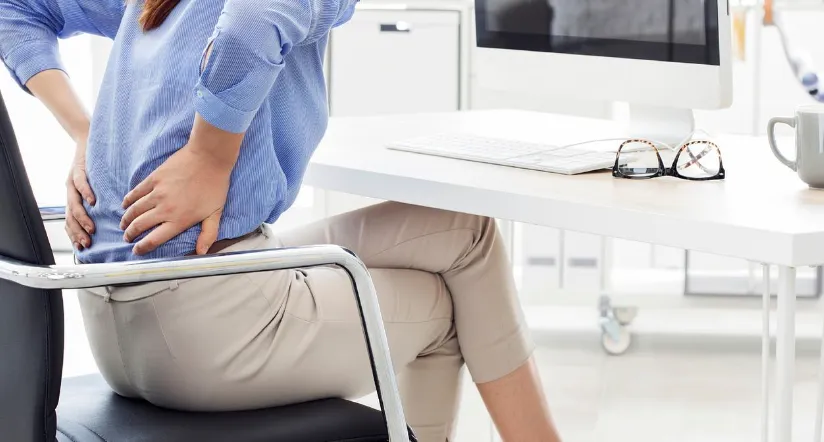
Can Stress Cause Lower Back Pain?
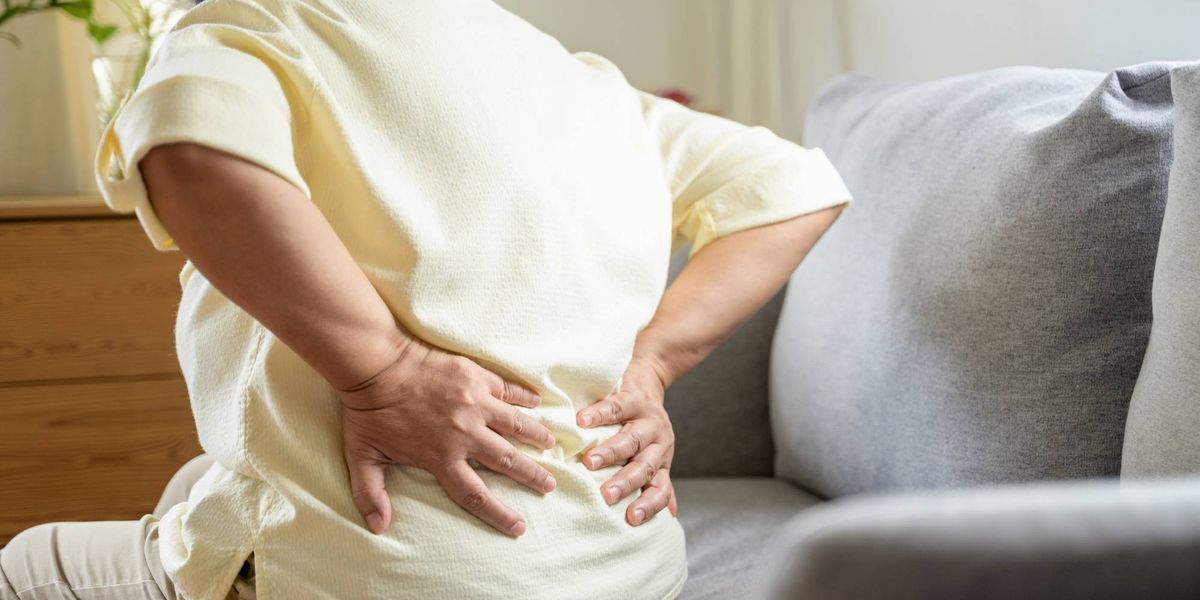
Stress is an unavoidable part of life, affecting us in various ways. One of the less discussed but significant impacts of stress is its potential to cause lower back pain. This connection is rooted in the body’s physiological response to stress, particularly through the secretion of hormones like cortisol. Understanding how stress contributes to back pain can help us find effective ways to alleviate this discomfort. As such, let’s take a closer look at the intersection between stress and lower back pain. The Physiological Response to Stress When the body encounters a stressful situation, it triggers a series of responses to prepare for immediate action. One crucial hormone released during this process is cortisol. Cortisol’s primary function is to increase muscle tension, preparing the body to respond quickly and effectively to perceived threats. Our body’s response to a threat, called the “fight or flight” response, is essential for survival. For instance, if you encounter a dangerous animal, heightened muscle tension would enable you to react swiftly. This can mean either putting up a stronger fight against it or giving you a bigger boost to how fast you can run away. These days, stress frequently stems from non-life-threatening sources, including work deadlines, traffic jams, or family responsibilities. Unlike the short-lived spikes of cortisol experienced in ancient stress scenarios, today’s stressors often result in prolonged cortisol secretion. Consequently, muscle tension remains high for extended periods, causing several physical ailments, including lower back pain. Chronic Stress and Muscle Tension Continuous stress means that the body remains in a heightened state of alertness. This perpetual state of stress results in consistently spiked cortisol levels, which in turn maintain increased muscle tension. Over time, this abnormal muscle tension can lead to chronic pain conditions. The muscles in the back, which play an important role in supporting the spine and facilitating movement, are particularly susceptible to this tension. Individuals living with chronic stress may find that their back muscles are constantly tight and painful. This prolonged tension can cause discomfort, restrict movement, and significantly reduce the quality of life. It’s not just about the immediate pain; chronic stress can transform acute pain episodes into long-term issues, making it important to address stress effectively. The Role of Cortisol Cortisol is often labeled as the stress hormone due to its integral role in the body’s response to stress. While it serves essential functions, including regulating metabolism and immune responses, its role in muscle tension is particularly relevant when discussing stress-induced back pain. Raised cortisol levels are beneficial in short bursts, but prolonged exposure can be detrimental. Studies have shown that high cortisol levels over extended periods can lead to various health issues beyond muscle tension and pain. These include increased risks of heart disease, disrupted sleep patterns, and weight gain. Understanding the broader implications of high cortisol underscores the importance of managing stress effectively. Transition from Acute to Chronic Pain Several studies indicate that stress not only contributes to immediate muscle tension but also plays a role in the development of chronic pain conditions. An acute episode of back pain, when combined with high stress levels, is more likely to evolve into a chronic issue. This transition occurs because continuous stress prevents the muscles from relaxing, leading to persistent discomfort. Addressing stress early on can help with preventing the escalation from acute to chronic pain. Recognizing the signs of stress and taking proactive steps to manage it can make a significant difference in maintaining back health. Techniques for Reducing Stress and Relieving Back Pain Finding effective stress-reduction techniques is important because of the clear connection between stress and lower back pain. Various methods can help manage stress and, in turn, reduce muscle tension and pain. Here are a few helpful techniques for reducing both stress and back pain: Meditation: Regular meditation will help calm the mind and reduce stress. By focusing on the present moment and controlling your breathing, you can lower cortisol levels and relax your muscles. Yoga: The practice of yoga combines physical postures, breathing exercises, and meditation to promote relaxation and flexibility. It is particularly beneficial for relieving muscle tension in the back. Therapy: Talking to a therapist can help you understand and manage the sources of your stress. Cognitive-behavioral therapy (CBT) is especially effective in changing stress-inducing thought patterns. Breathing Techniques: Simple breathing exercises, such as deep breathing or progressive muscle relaxation, can quickly reduce stress and alleviate muscle tension. Physical Activity: Regular exercise, whether walking, swimming, or other forms of physical activity, helps lower stress levels and releases endorphins, which are natural painkillers. Mindfulness Practices: Mindfulness entails being fully present in the moment without passing judgment. It can be practiced through meditation, mindful eating, or even mindful walking. Recognizing and Addressing Stress The first step in managing stress-induced lower back pain is recognizing when you are stressed. Awareness is important because it allows you to take proactive measures to address the stress before it exacerbates your pain. Keep an eye out for signs such as persistent muscle tension, irritability, trouble sleeping, or feeling overwhelmed. Once you recognize that stress is affecting you, implement one or more of the stress-reduction techniques mentioned above. It’s important to find what works best for you, as each person responds differently to various methods. Consistency is key; regularly practicing stress-reduction techniques can help maintain lower cortisol levels and reduce muscle tension over time. Broader Implications of Stress Management Managing stress is not just about alleviating back pain; it has broader health implications. Reducing stress can improve overall well-being, enhance sleep quality, lower the risk of heart disease, and promote a healthier lifestyle. By managing stress, you can improve your physical and mental health, leading to a more balanced and fulfilling life. Stress seriously contributes to lower back pain due to its impact on muscle tension and cortisol levels. If you find that stress management techniques are insufficient or your pain persists, professional assistance may be necessary. For those seeking professional help managing pain, our team at Pain
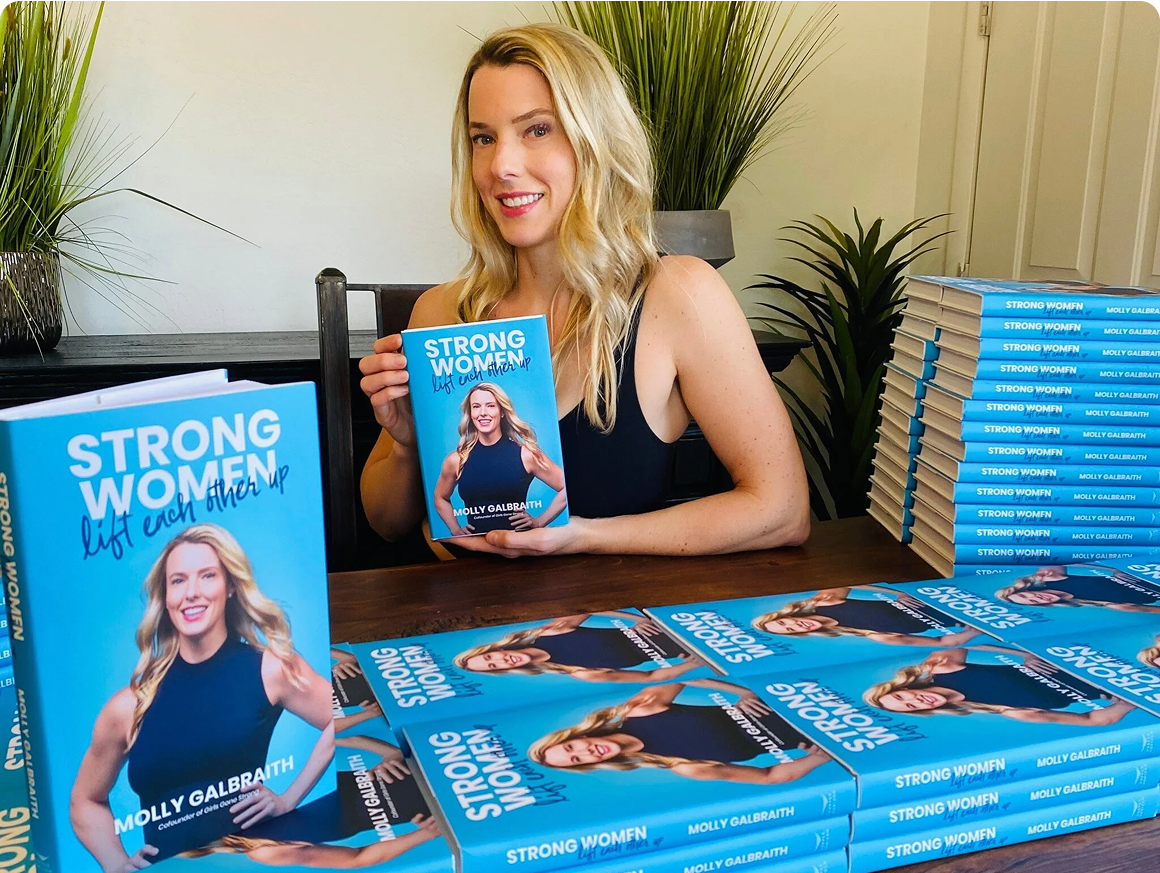
Target Features Strong Women Lift Each Other Up by GGS Co-Founder Molly Galbraith
A Shared Mission: Supporting and Advancing Women By featuring Strong Women Lift Each Other Up on shelves nationwide, Target amplified a message centered on supporting and uplifting women. The book explores the mindset and behaviors that foster empowerment, while Girls Gone Strong’s education programs translate those values into practical coaching skills for professionals working with women. The book shares the why and how of empowering women, while the GGS Academy provides the Certifications that turn that mission into action—educating coaches, trainers, and professionals to serve women in real, transformative ways. From Book to Certification: The GGS Impact Today, many of the students and grads who enroll in a Girls Gone Strong Certification also buy a copy of Strong Women Lift Each Other Up to help deepen their impact on the women they serve. Across health, fitness, and coaching contexts, GGS certified professionals carry these principles into their work by: Coaching women through pregnancy and postpartum Supporting clients in perimenopause or menopause Helping women feel strong, confident, and empowered in every stage of life GGS certified professionals carry forward the message and mission of the book in their daily work. Target’s National Feature and Its Impact on the GGS Mission In 2021, when Target chose to feature Strong Women Lift Each Other Up—it represented a national retail feature rooted in shared values around women’s empowerment. The book equips readers with the mindset, strategies, and stories to actively support and uplift women—in life, leadership, and fitness—aligning closely with the principles that guide Girls Gone Strong’s education and coaching philosophy. What You Can Do Next If you haven’t read the book, it’s available through major retailers like Audible, Amazon, and Target. For those interested in applying these principles professionally, Girls Gone Strong Certifications provide structured, evidence-based education for coaching and supporting women across life stages. Source link