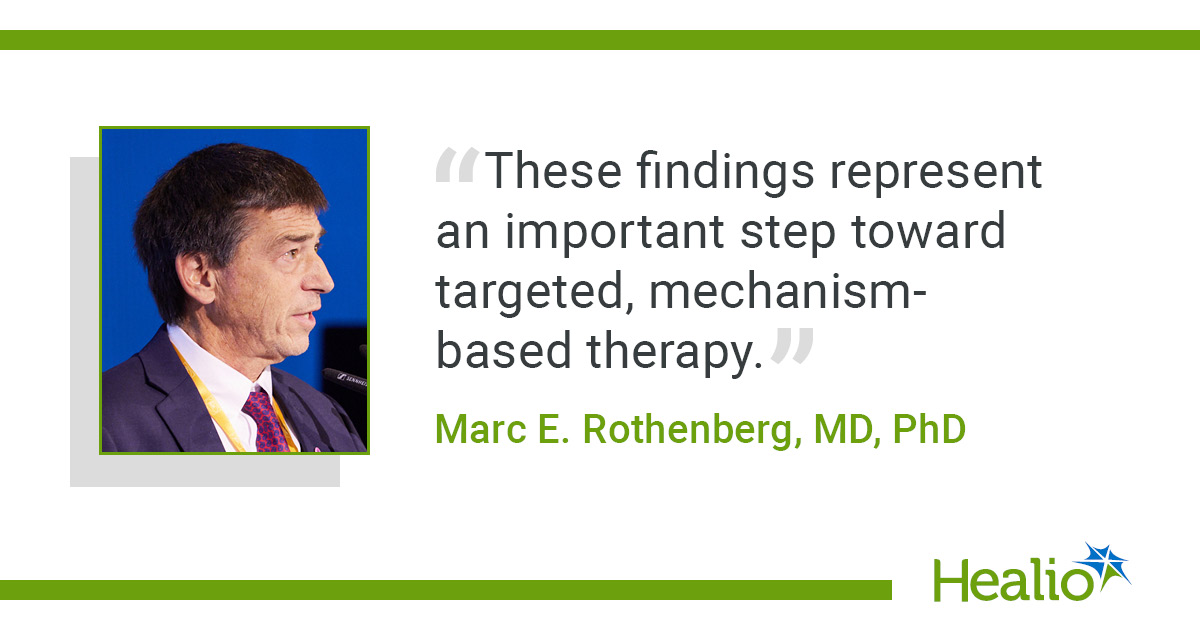
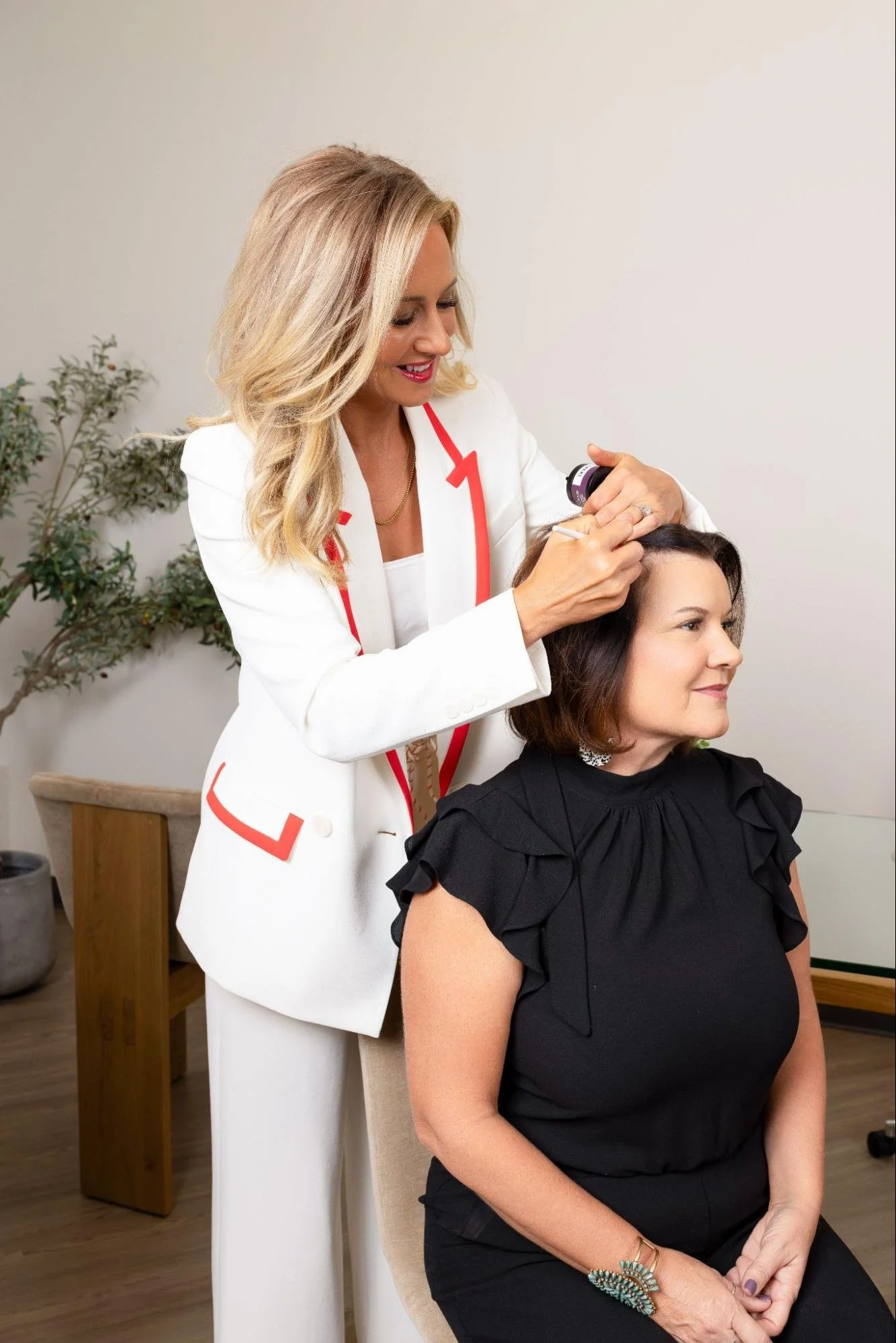
Most people spend a lot of time thinking about their hair: the right shampoo, the right cut, the right products. But the scalp? It often gets overlooked entirely. And that’s a problem, because your scalp is where everything begins. Think of your scalp the way you think of soil in a garden. No matter how much attention you give to the plant above ground, if the soil underneath is depleted, compacted, or out of balance, healthy growth simply cannot happen. The same principle applies to your hair. If your scalp is clogged, inflamed, or lacking in circulation, your follicles cannot do their job. At NHLMA, we see this every day in our practice. Patients come in frustrated with thinning, shedding, or slow growth, and what we often find is that the root of the issue (literally) is an unhealthy scalp environment. The good news is that scalp health is something you can actively improve. Here is where to start. Why Scalp Health Is the Foundation of Hair Growth Your hair follicles live inside your scalp. Each follicle is a living structure surrounded by blood vessels that deliver oxygen and nutrients, sebaceous glands that produce natural oils, and a network of cells that regulate the growth cycle. When any part of that environment is compromised, it affects how your hair grows, or whether it grows at all. Common scalp conditions that interfere with hair growth include buildup from products and dead skin cells, excess oil or chronic dryness, scalp inflammation (which can be silent and symptom-free), reduced blood flow to the follicles, and microbial imbalance that disrupts the scalp’s natural ecosystem. Addressing these issues proactively is one of the most effective things you can do to support long-term hair density and health. Source link
Best Hair Loss Treatments For Men
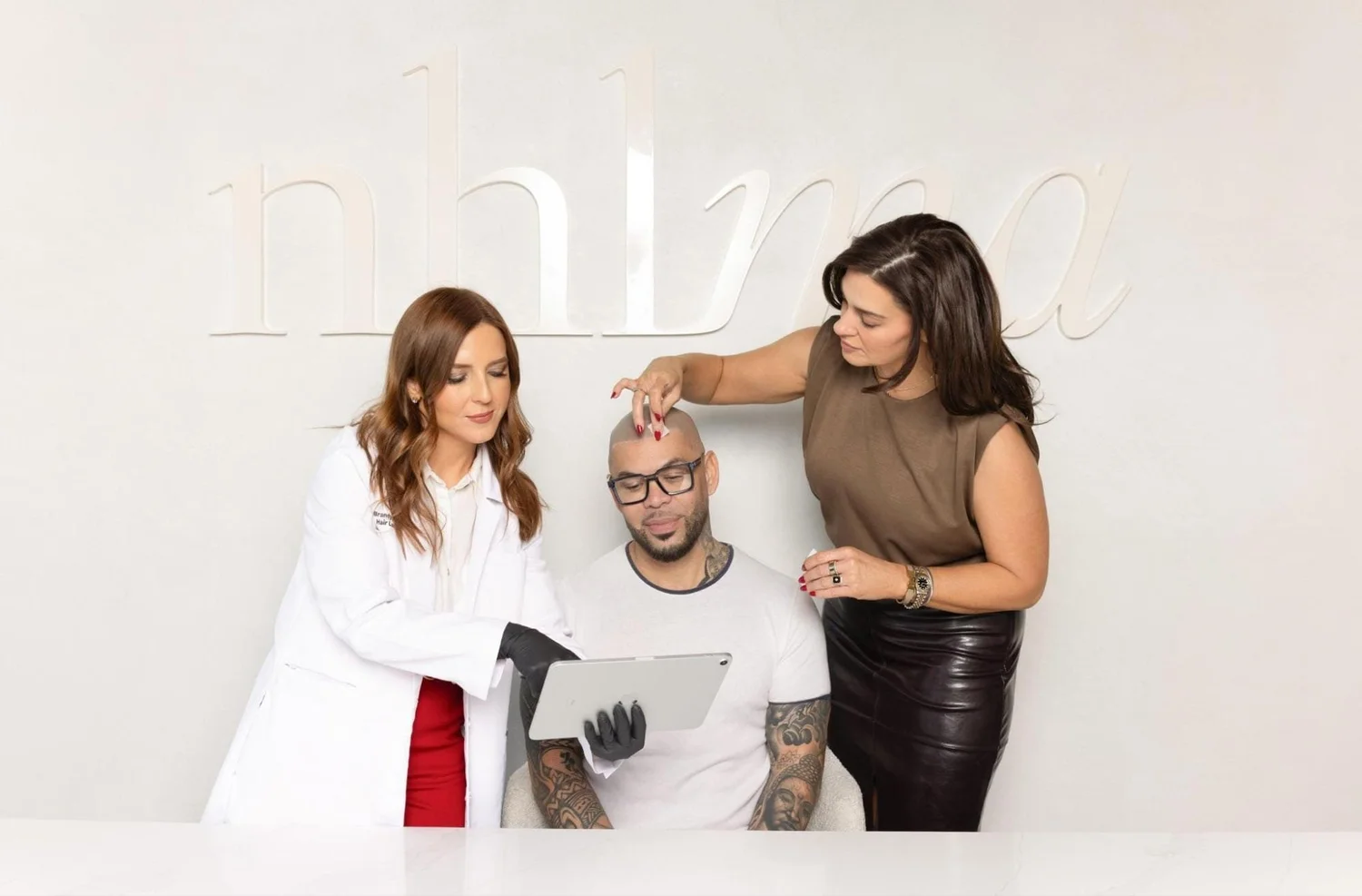
Hair loss is incredibly common in men, yet many delay treatment until thinning becomes more advanced. The good news is that modern, non-surgical hair loss treatments can slow progression, improve scalp health, and support stronger hair growth, especially when started early. At NHLMA, we take a medical, individualized approach to male hair loss. Below, we break down what causes hair loss in men, how to recognize the stages, and the most effective non-surgical options available today. Understanding Male Pattern Hair Loss The most common form of hair loss in men is androgenetic alopecia, often referred to as male pattern hair loss. It is driven by a combination of genetics and sensitivity to DHT (dihydrotestosterone), a hormone that gradually shrinks hair follicles over time. As follicles become weaker, hair grows thinner, shorter, and eventually stops growing altogether. Male Pattern Hair Loss Stages Hair loss in men typically follows a predictable pattern, often described using stages: Early stage: Receding hairline or thinning at the temples Mid stage: Thinning at the crown with visible scalp Advanced stage: Significant recession and reduced density across the scalp Can You Prevent Male Hair Loss? While genetics cannot be changed, the progression of male hair loss can often be slowed or managed with the right approach. Early intervention helps preserve existing hair, improve scalp health, and support stronger regrowth. We believe identifying hair loss early is key because treatments are most effective when follicles are still active, even if hair appears thinner. Our unique prevention techniques focus on: Reducing inflammation in the scalp Supporting healthy follicle function Addressing hormonal and lifestyle contributors Using evidence-based treatments consistently Source link
How Hair Follicle & Lab Testing Reveal the Root Causes of Hair Loss
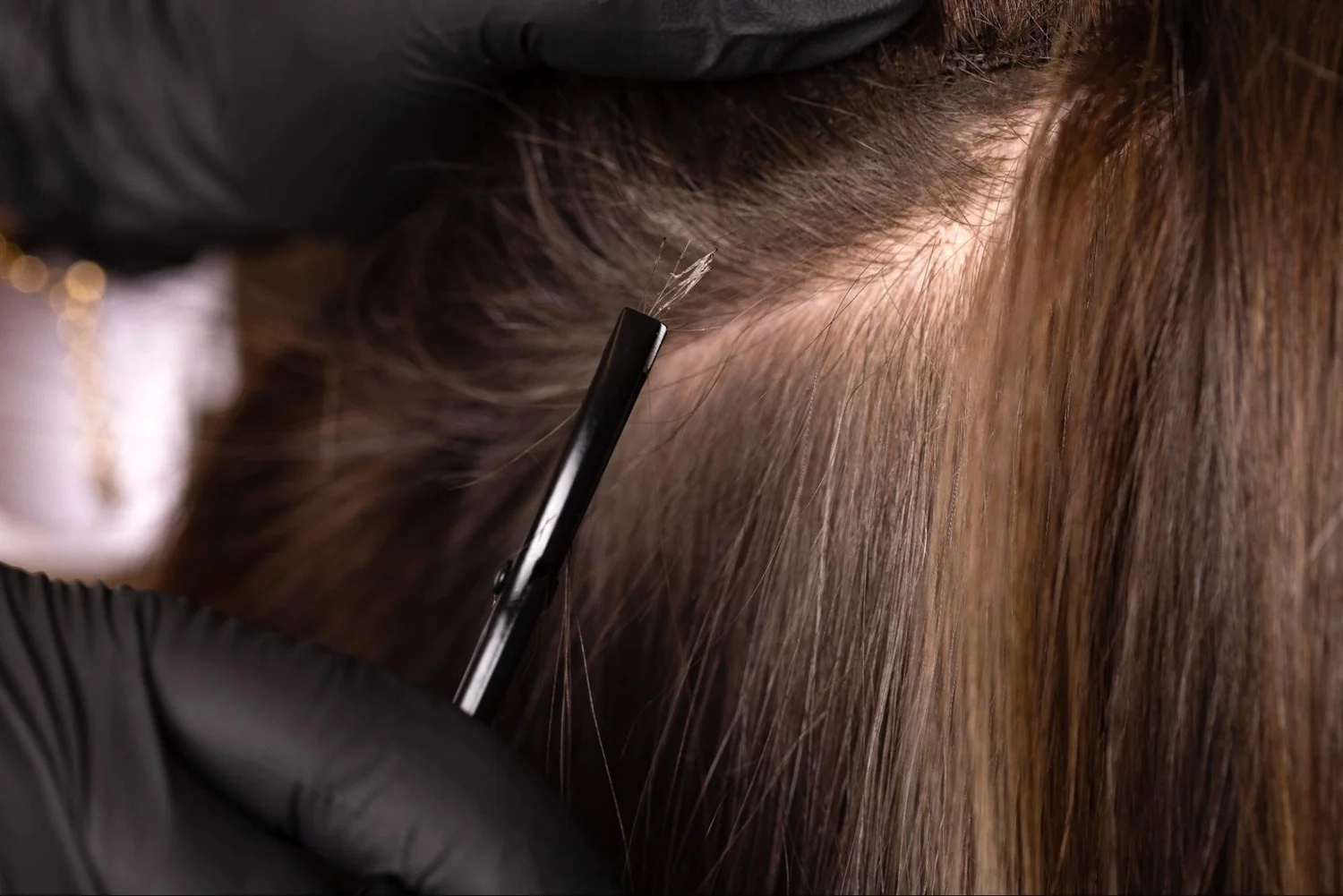
What You Can Learn From Testing When hair follicle analysis is combined with lab testing, it helps us better understand what may be causing changes in your hair. These evaluations can show whether your hair loss is temporary or ongoing and help identify if hormones or nutrient deficiencies are playing a role. Testing can also reveal whether genetics are contributing and help guide which treatments are most likely to work for you. Instead of guessing, testing gives us clearer answers so we can move forward with a plan that is thoughtful and targeted to your needs. How Personalized Treatment Comes Together Testing is just the starting point. The real value comes from using your results to build a personalized treatment plan. Depending on what your testing shows, your care plan may include hormone support, nutrient optimization, topical or oral therapies, and scalp treatments that improve the environment for healthy hair growth. Lifestyle and stress-related recommendations may also be included when appropriate. Our goal is always to create a well-rounded plan based on your unique health profile rather than a one-size-fits-all approach. Who Should Consider Hair Loss Testing? Hair loss testing may be helpful if you are noticing sudden or unexplained thinning, ongoing shedding, or gradual changes in your hair density. It can also be valuable for those with a family history of hair loss or individuals experiencing hormonal changes such as postpartum shifts or menopause. Testing may also provide helpful insight if symptoms suggest a possible nutrient deficiency. Identifying contributing factors early often leads to more effective treatment and better long-term results. Moving Forward With Clarity Hair loss is personal, and understanding it should be too. When diagnostic testing is paired with professional interpretation and individualized care, it becomes a powerful tool, not for quick fixes, but for informed, confident decision-making. If you’re ready to look beyond surface symptoms and understand what your body may be communicating, a thoughtful testing approach can be a game-changing first step toward progress. At NHLMA, we’re here to guide you through that process with concierge attention and care from start to finish. Source link
Pelage Pharmaceuticals Phase 3 Trials for PP405 in 2026
Pelage Pharmaceuticals. I originally wrote this post on Pelage Pharmaceuticals and its PP405 topical hair growth product in 2023. For all of the older updates, scroll till the end of this page. Also check out my 2017 post on Pelage founder and president Dr. William Lowry’s work. Update: March 28, 2026 Pelage PP405: New Hair Growth from Inactive Follicular Units Several hours ago, Pelage Pharmaceuticals made its much anticipated presentation at the 2026 AAD Annual Meeting in Denver. An earlier interview with CEO Daniel Gil and Chief Medical Officer Christina Weng can be read here. They did not mention anything about the ongoing Phase 3 trials. The livestream of today’s morning session is available on Vimeo. The session titled “Emerging treatments for hair loss targeting dormant hair follicles” starts at 1:21:09. The Pelage PP405 section runs from 1:26:38 through 1:35:10. They cover the results of their Phase 2a trial of the PP405 topical gel. They did not cover the results from the Phase 2b trial, which was completed towards the end of 2025. In case the video is taken down, a wonderful person on X named @suwakopro has posted all the key images. The main image that we are interesting in shows new hair growth from previously inactive follicular units (circled in red). The before and after images shown below are from baseline and from day 84. Note that they applied PP405 for only 4 weeks, but then had a follow-up through 12 weeks. Other images from today’s presentation show vellus hair thickening via blue circles. Pelage PP405 new hair growth from inactive follicular units. Pelage Pharmaceuticals I previously wrote about Pelage Pharmaceuticals in my 2019 post related to the research of its President and co-founder Dr. William Lowry. The other co-founders are Dr. Heather Christofk and Michael Jung. I also covered the findings of Dr. Lowry and Dr. Christofk’s UCLA team in a 2017 post. These UCLA researchers discovered two topical compounds (RCGD423) and (UK5099) that regrew hair in mice via different mechanisms. Both drugs involve an increase in lactate production. This in turn activates hair follicle stem cells and leads to increased and quicker hair growth. Dr. Lowry’s patent can be found here. Patent and technology rights to both topical drugs have been exclusively licensed to Pelage Pharmaceuticals by UCLA. The hair loss drug that the company plans to release is called PP405, a topical inhibitor of the mitochondrial pyruvate carrier (MPC). RCGD423 RCGD423 activates the JAK-STAT signaling pathway, which in turn leads to an increase in lactate production. This extra lactate activates hair follicle stem cells and results in quicker hair growth. The main 2017 study on RCGD423, lactate dehydrogenase activity and hair follicle stem cell activation can be read here. I also covered it in my earlier linked posts related to the work of Pelage co-founders Dr. William Lowry and Dr. Heather Christofk. UK5099 UK5099, blocks pyruvate (a glucose metabolite) from entering cell mitochondria. This also results in an increase in lactate production in the hair follicle stem cells, and therefore accelerates hair growth. There is a 2015 study from China related to the application of mitochondrial pyruvate carrier blocker UK5099 and its effects on prostate cancer cells. Where can you buy PP405? A number of companies are currently selling their own compounded version of PP405 online. However, this hair loss drug is not yet even officially approved for sale by the US FDA. I would recommend not buying this product from such sketchy vendors, often charging a hefty price for an untested product. PP405 Trial Signup Pelage now has a sign-up page for you to stay in the loop and potentially participate in Phase 3 clinical trials that begin in 2026. Pelage’s main website was also updated recently. Update: October 15, 2025 Pelage Raises $120 Million. Phase 3 Trials in 2026. In an insane development, Pelage just raised $120 million in Series B Financing. The round was co-led by ARCH Venture Partners and GV (Google Ventures), with participation from a few existing investors. This amount might be a record in the hair loss world. No wonder this post has over 900 comments, an all-time high for this site. “The financing will support the continued advancement of Pelage’s lead program, PP405, a topical small molecule designed to reactivate dormant hair follicle stem cells, offering a potential first-in-class approach for both men and women experiencing hair loss.” Update: June 17, 2025 Pelage Announces Positive Results of Phase 2a Trials for Hair Loss Drug PP405 Google Ventures (GV) backed Pelage Pharmaceuticals (US) just announced positive Phase 2a clinical trial results for PP405, its novel hair growth drug. The trial entails 78 men and women with androgenetic alopecia. Key quote: “PP405 induced new hair growth from follicles where no hair was previously present — offering early validation of its regenerative potential.” Note that the trial participants just had 4 weeks of treatment. At another 4 weeks after the completion of this treatment (“in men with a higher degree of hair loss”), 31% of those treated with PP405 exhibited a greater than 20% increase in hair density. In comparison, 0% of patients in the placebo group responded favorably. These results are incredibly rapid in comparison to existing treatments. Pelage expects to begin Phase 3 trials in 2026. They will likely have no issues with fundraising. Update: August 13, 2024 Pelage Pharmaceuticals (US) just announced that the first patients have been dosed in its Phase 2a clinical trial evaluating the safety and efficacy of PP405. This drug is a novel topical small molecule for the treatment of androgenetic alopecia. The company is enrolling 60 men and women in the clinical study. PP405 addresses the metabolic processes that regulate activation of hair follicle stem cells. Also of significance, Pelage raised $14 million in Series A-1 financing that was led by Google Ventures (GV). This follows an initial $16.75 million Series A financing round in February 2024 (see bottom of this post). The Series A-1 is a result of positive Phase 1 data
Secretomes Hair Restoration: Candidates, Results Timeline, and What to Expect
What Results Can You Expect? Regenerative treatments work gradually, because they support the body’s natural cycles rather than forcing immediate change. Many patients experience: Reduced shedding Improved scalp environment Increased hair thickness Stronger, healthier growth patterns Enhanced recovery when combined with other procedures Hair and skin rejuvenation both rely on cellular signaling. By enhancing those signals, secretome helps create a healthier environment for long-term improvement. Timeline of Improvement 1–3 Months Improved scalp condition and reduction in shedding. 3–6 Months Hair quality and thickness may begin to improve. 6–12 Months Progressive density enhancement and strengthened growth cycles. Results vary based on individual biology, lifestyle, and underlying contributors — which is why personalized evaluation remains essential. Why Personalized Regenerative Planning Matters Rejuvenation is rarely about one single factor. Hormones, inflammation, circulation, genetics, and nutrient status all influence how tissue responds. At NHLMA, secretome therapy is integrated into a larger diagnostic and regenerative strategy, always ensuring the right treatment is applied at the right time. If you’re interested in regenerative hair or skin rejuvenation that begins with your own biology, secretome therapy may represent a powerful next step. Schedule a consultation with NHLMA to learn whether Stem Cell Secretome Therapy is right for you. Source link
Low Dose Topical Finasteride | Hair Loss Cure 2020
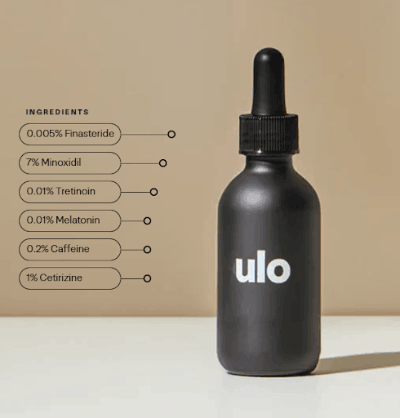
Low Dose Topical Finasteride: My Review of 5 Brands Finasteride is the most widely prescribed hair loss treatment in the world. While many clinical studies have demonstrated its effectiveness, there have also been rare reports of side effects. As a result, topical finasteride has become a hot topic. It provides similar benefits to oral finasteride, but with a lower risk of side effects. While this sounds ideal, topical formulations still run the risk of being absorbed into the bloodstream, leading to an increased risk of adverse reactions. As a result, the most recent innovations focus on low-dose finasteride and precision formulations that minimize the risk of side effects while retaining hair growth benefits. As with many hair care solutions, the market is saturated with topical finasteride options, each claiming to provide the optimal solution. So how do you decide which product to try? This article will guide you through some of the top-rated low-dose topical finasteride recommendations. The information provided will help you make an informed decision about what is best for your hair. Top 5 Low Dose Topical Finasteride Brands Ulo Finasteride + Minoxidil PlusRx Strut Hairfect Rx™ Topical with Finasteride Keeps Topical Finasteride and Minoxidil Gel Hims Topical Finasteride & Minoxidil Spray Ro Mane Spray How Finasteride Works Finasteride’s Core Mechanism The key hair loss mechanism in androgenic alopecia (male pattern baldness) is the miniaturization of hair follicles caused by dihydrotestosterone (DHT). The 5-alpha-reductase (5-AR) enzyme converts testosterone into DHT, and therefore plays a significant role in this process. Finasteride works by blocking the 5-AR enzyme, causing a reduction in DHT levels. This in turn protects against hair loss and encourages some hair regrowth. What is Topical Finasteride? Oral finasteride (in the form of a pill) was approved for treating hair loss by the US FDA in 1997 and has been consistently used as a prescription treatment since then. More recently, topical finasteride (in the form of a cream, gel, or spray) has been gaining popularity. Topical finasteride works via exactly the same mechanism as oral finasteride, by blocking a majority of serum DHT production, and thereby lowering scalp DHT levels. While oral finasteride lowers DHT systemically (i.e., throughout the body), topical finasteride mostly lowers it locally in the scalp. Multiple clinical trials have demonstrated the effectiveness of topical finasteride in reducing hair loss. In one study, topical finasteride showed a similar improvement in hair count compared to oral finasteride, while only reducing serum DHT by 34.5% (compared to a 55.6% DHT reduction with oral finasteride treatment). The reduction in systemic DHT suppression is thought to reduce the risk of finasteride-associated side effects, making topical finasteride the preferred option for many. Why Does Systemic DHT Suppression Matter? DHT is used by the body for a number of reasons, with scalp hair loss and body hair growth being just two side effects. As a result of DHT suppression throughout the body, some of the mechanisms of the body may be affected, leading to side effects. Oral finasteride associated side effects are relatively rare, but could include decreased libido, erectile dysfunction, ejaculatory dysfunction, and gynecomastia (male breast tissue growth). These side effects can be distressing and may result in people stopping finasteride treatment, thereby having their hair loss restart. What are the Advantages of Topical Over Oral? Fewer side effects Topical finasteride is thought to cause less systemic DHT suppression, although it does not stop it completely. As a result, topical finasteride has a better safety profile than oral finasteride, resulting in fewer side effects. Dose control Oral finasteride is generally prescribed as a standard 1 mg dose, whereas topical finasteride can be used at a range of doses, including low doses for those particularly concerned about side effects. This allows finasteride users greater control over dosing and enables tailored treatments. Drug combination potential Topical formulations can easily be combined with other hair loss drugs to form a single application with multiple beneficial treatments. For example, some hair loss brands offer the option to combine topical finasteride with minoxidil, caffeine, and/or tretinoin. These combinations have been shown to have additional beneficial effects to finasteride treatment alone and, when used in a combined therapy, can improve user satisfaction and improve the likelihood of consistent, long-term use. To summarize, topical finasteride shows several advantages over oral finasteride, all of which may contribute towards many choosing it for long-term treatment. Why Choose Low-Dose Topical Finasteride? As discussed above, topical finasteride reduces systemic DHT suppression and associated side effects. However, it does not completely prevent these issues. Some hair care brands offer low-dose topical finasteride. These treatments are thought to reduce systemic DHT suppression even further and minimize side effects while still having a beneficial effect on hair loss. Studies have shown that topical finasteride at dilutions as low as 0.005% can still result in increased hair density. Evaluation Criteria: What Separates a Good Topical Finasteride Brand from a Bad One? In writing this article, I have evaluated multiple hair care brands to produce my list the five best low-dose topical finasteride solutions. To achieve this, I adhered to the following criteria: Dosing Philosophy Brands should offer a low-dose topical formulation, and not solely push high concentrations. Vehicle Quality Brands should offer optimized base solutions that do not contain harmful or irritating ingredients, such as propylene glycol. Customization Brands should offer a level of customization where the finasteride dilution can be changed, additional beneficial ingredients added, and the delivery method altered. This will provide users with treatments personalized to their specific needs. Transparency and Awareness of Systemic Risk Brands should be transparent about what ingredients are included in products, about dosing strategies and techniques used to promote product absorption, and should make users aware of any potential risks associated with the products. Cost Brands should be transparent about pricing, providing users with clear information about single-use prices, repeat prescription discounts, and whether doctor consultations and follow-up care are included in the price. Medical Oversight Finasteride is a prescription product with rare but serious

How Peptides Support Hair, Skin & Energy
We’re sure by now you’ve heard of the word “peptide” being thrown around on social media, online, and even in person. Here’s the thing about peptides and why they are relevant now more than ever: modern hair and aesthetic medicine is evolving. The focus is no longer only on treating visible symptoms. It is about supporting the biology that drives healthy hair, resilient skin, and sustained energy at the cellular level. At NHLMA, we believe lasting results begin with intelligent cellular support. Peptide therapy represents an important advancement in this space by helping the body communicate, repair, and function more efficiently from within. What Are Peptides and Why Do They Matter? Peptides are short chains of amino acids that act as signaling molecules in the body. They deliver instructions to cells, guiding processes like tissue repair, collagen production, inflammation balance, and energy metabolism. Many peptides occur naturally, but their levels decline with age. This decline is often associated with slower healing, reduced collagen and elastin production, increased inflammation, fatigue, and visible changes in hair and skin quality. By supporting specific peptide pathways, we can help reactivate the body’s natural repair systems. The goal is not to override biology, but to optimize it and create a healthier internal environment for long term results. Source link
Cosmo Pharmaceuticals Presents Breakthrough Phase III Results for Breezula (Clascoterone)
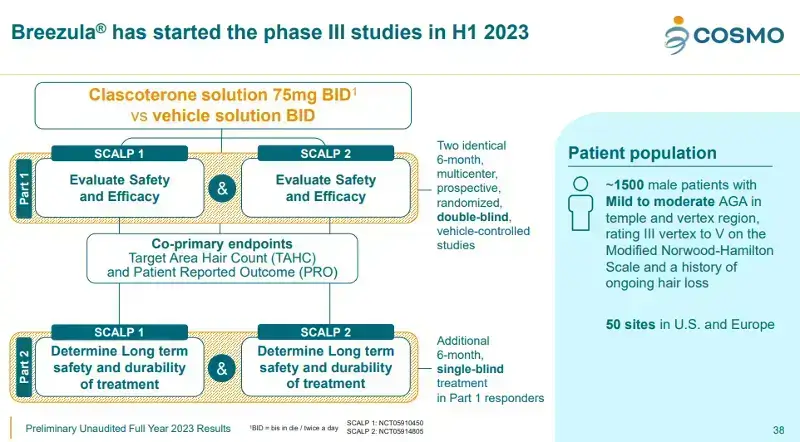
Breezula (Clascoterone) Phase 3 Clinical Trials. Source: Cosmo Pharmaceuticals. I have covered the novel androgen receptor antagonist Breezula® (Clascoterone) for 11 years across numerous posts. The product was originally known as CB-03-01, and manufactured by a company named Cassiopea (Italy). The latter was acquired by Cosmo Pharmaceuticals (Ireland) in December 2021. Clascoterone 5% is expected to get approved in the US and EU as a topical hair loss product in 2027. If successful, it will only be the third ever hair loss product approved in the US after Minoxidil (1988) and Finasteride (1997). Update: April 15, 2026 Positive 12-Month Phase III Trial Results of 5% Topical Clascoterone Cosmo Pharmaceuticals just announced positive 12-month Phase III results for its Clascoterone 5% topical solution in treating men with mild-to-moderate androgenetic alopecia (AGA). Key points: Patients who remained on Clascoterone treatment through month 12 continued to gain hair. In contrast, patients who switched to the placebo from month 7 onwards experienced a reduction in prior gains. Patients who remained on Clascoterone for the full 12 months achieved a 2.39x improvement in Target Area Hair Count (TAHC) versus patients who received Clascoterone for 6 months and then switched to vehicle from month 7 to month 12. The Phase III trial was composed of SCALP 1 and SCALP 2 pivotal studies. It enrolled 1,465 subjects across 51 centers in the United States and Europe. This made it the largest Phase III clinical program ever conducted for a topical male AGA treatment. Patient-reported outcomes were also positive. Subjects treated with Clascoterone for 12 months reported a +24.5% relative improvement in treatment satisfaction versus vehicle groups. Cosmo plans to file for a New Drug Application (NDA) with the US FDA in early 2027. They will also file a Marketing Authorization Application (MAA) in Europe. This development also bodes favorably for China-based Kintor Pharma’s androgen receptor antagonist KX-826 (Pyrilutamide). It is currently in Phase 3 trials. A number of other such products are currently in trials or have been released as weaker cosmeceuticals. December 2, 2025 Cosmo Pharmaceuticals Announces Breakthrough Phase III Trial 6-Month Results for Breezula (Clascoterone) Earlier today, Cosmo Pharmaceuticals announced breakthrough Phase III trial 6-month topline results for Clascoterone 5% solution in treating male pattern hair loss (androgenetic alopecia). Subsequently, the company’s CMOPF stock price rose a significant 24%. Interestingly, Cosmo did not use the word “Breezula” even once in the press release. It does not show up on the company’s pipeline page either. And the Breezula page on their site is not working at present. I really hope they do not change the name yet again. My blog post “categories” about this company and product are already too numerous. Cosmo also has a brand new upgraded website with a new domain name. Key notes from the press release: A massive 1,465 patients were randomized into the two identical clinical studies: Scalp 1 (NCT05910450) and Scalp 2 (NCT05914805). I covered these in detail here and here. Both studies reached statistically significant endpoints in Target-Area Hair Count (TAHC). The first reached 539% relative improvement compared to placebo; and the second reached 168% relative improvement to placebo. The safety profile across both studies for positive. The way they present these numbers is a bit strange and may exaggerate the efficacy. And the large gap between 539% and 168% is very surprising. In the successful 6-month interim Phase 2 trial results that were presented in 2018, they chose to compare Breezula results with finasteride. Cosmo will complete the required 12-month safety follow-up in spring 2026. Thereafter, Cosmo plans to promptly pursue parallel regulatory submissions in the United States and Europe. “Clascoterone 5% topical solution is positioned to become the first topical androgen receptor inhibitor ever approved for AGA, subject to regulatory authorization.” On a related note, Cosmo Pharma released Winlevi Clascoterone 1% cream in 2020, and it has since become the number 1 most prescribed topical acne brand in the US. Some people were trying to use Winlevi off-label on their scalps in the past, but I suspect that the dose is too low. Moreover, scalp absorption of the cream might be totally different from scalp absorption of the solution. Also of interest, an August 2025 study concluded that Breezula promotes dermal papilla inductivity and hair matrix keratinocyte proliferation to a similar extent as minoxidil. In addition, Breezula also reduces the secretion of hair growth inhibitor IL-6 in balding skin samples. Some of the scientists involved in this research are affiliated with Cosmo. Years ago, I mentioned how a hair transplant surgeon raved to me about Breezula based on a presentation (with photos) that he witnessed at an ISHRS conference. Fingers crossed that we finally have a third FDA-approved hair loss treatment by the end of 2027 (30 years after finasteride was approved, and 39 years after minoxidil was approved)! Source link

How Often Should You Use Red Light Therapy
Red light therapy has become incredibly popular for things like skin rejuvenation, hair growth support, muscle recovery, and inflammation. In fact, clinical studies on hereditary and hormonal hair loss show that consistent red light therapy can help stimulate follicles, support hair regrowth, and improve overall hair thickness and density. Some research suggests that low level light therapy may produce results comparable to minoxidil, a commonly prescribed treatment for pattern hair loss. This wellness tool has been studied extensively since the 1990’s by NASA, originally developed to support plant growth in space. As a bi-product of these studies, NASA found that red light therapy helps with body healing and inflammation reduction. But one of the most common questions people ask is surprisingly simple. How often should you actually use red light therapy? The short answer is that consistency matters more than anything else. Most people see the best results when they use red light therapy three to five times per week. But the exact frequency can depend on what you are using it for and how your body responds over time. Let’s walk through how it works and what a realistic routine looks like. Why Consistency Matters With Red Light Therapy Red light therapy works differently than many skincare or wellness treatments. Instead of creating a quick surface level change, it works at the cellular level. When your skin or scalp absorbs red and near infrared light, it helps support the mitochondria inside your cells, which are responsible for producing energy and supporting cellular repair. Over time, this can help support things like But your cells respond best to regular stimulation over time. One treatment can feel nice, but the real benefits come from making it part of your routine. A helpful way to think about it is that red light therapy works more like exercise for your cells than a one time treatment. Source link
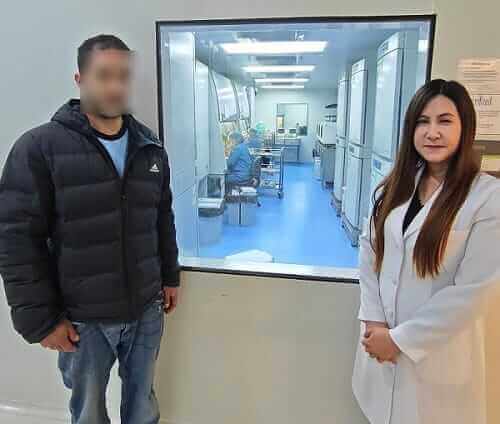
Combined DP and DSC Cell Expansion Hair Multiplication Procedure
Dermal papilla and dermal sheath cup cell expansion lab at Medeze Group (Thailand). In the photo, the person on the left is hair loss patient Alvaro (a long-time reader of HLC2020). Dermal Papilla Cell and Dermal Sheath Cup Cell Expansion and Implantation The two biggest newly available hair loss treatments that I have covered on this blog during the past few years are as follows: Prior to its arrival, I followed Shiseido’s progress for well over a decade, including its ex-partner RepliCel (Canada)’s original work. Of most significance, Shiseido’s DSC cell multiplication technology went through all three phases of clinical trials with no reported major side effects. So I have no hesitation in recommending it to those with the wherewithal. Unfortunately, for the time being, it remains almost exclusively limited to Japanese citizens. I have also followed HairClone’s DP cell expansion work for over a decade (even longer when including past work from Intercytex). In contrast to Shiseido’s procedure, HairClone’s procedure should be available to most people from around the world before the end of 2027. Patients can already get their hair follicles extracted and banked at various HairClone partner clinics around the world. However, they will ultimately need to travel to Guatemala to get the cultured and expanded DP cells injected into their scalps. Combination DP Cell and DSC Cell Hair Multiplication Over the years, I have read a few studies in which they mention that a combination of multiplying and transplanting both DP cells and DSC cells to regrow hair is more effective than doing each procedure separately. So I was quite excited to see both the Shiseido and HairClone technologies becoming available. Sooner or later, someone will surely manage to get both treatments. However, out of the blue, a few months ago I read about and wrote about Medeze Group (Thailand). They started to offer Asia’s first hair follicle banking and cultivation service in 2025. Moreover, they were planning to culture both DP cells and DSC cells for subsequent injections into patient scalps. And they were partnering with Shibuya Company of Japan to implement the world’s first robotic culture system. Although Medeze Group’s CEO has presented at reputable conferences and given a number of interviews to western publications, I was still skeptical about their progress. I felt like this was yet another hair multiplication related over-promise (in terms of speed of delivery) from an Asian company. Just like we have seen with South Korea’s Epibiotech and Han Bio. So I did not expect to cover Medeze Group again for several years, if ever. And of course the biggest drawback is that they have never conducted any clinical trials. Alvaro gets his own Expanded DP Cells and DSC Cells Injected into his Scalp at Medeze Since this blog’s inception in 2013, I have written just a handful of posts that were entirely driven by a reader’s personal experiences. For obvious reasons, I want to avoid anecdotal content. But there are always exceptions to the rule. Over the last few months, long-time blog reader “Alvaro” went to Switzerland and Thailand to get his hair follicles banked and his loss treated. He made his decision based on the posts I have written about HairClone and Medeze Group. I would urge readers to never make such important decisions based solely on my content! In any event, I am very excited to see Alvaro’s results in the coming year. Alvaro sent me all the details of his treatment (see below) as well as a bunch of photos, three of which I have added in this post. On January 26, 2026, Alvaro got his hair follicles banked at HairClone’s Switzerland-based partner Clinique de la Croix d’Or in Geneva. They extracted 100 of his scalp hair follicles and sent them to HairClone’s cryopreservation bank in Guatemala (at their partner Schambach Hair Clinic). This cost him 4,000 Euros. Thereafter, on February 9, 2026, Alvaro had a video call appointment with Dr. Schambach who was at her clinic in Guatemala. He begged her to let him participate in their “clinical trial”. However, they told him that because he previously received a hair transplant, he wouldn’t be selected as a candidate. So it seems like HairClone’s DP cell hair multiplication procedure is still only available via participation in a trial. In any event, the persistent Alvaro then contacted the Medeze Clinic in Thailand after reading about it in my blog post. Originally, he was hoping to get his banked cryopreserved hair follicles in Guatemala transferred to Thailand. However, after he contacted HairClone (or the Schambach Clinic) and told them his new plans, they told him that they could now treat him for 9,000 Euros. Please note that I have not verified all of this with the company, and am just posting what Alvaro is claiming. At this point, Alvaro just decided that it would be cheaper and more logical to get his hair follicles extracted and banked again in Thailand. And then multiplied and injected back into his scalp in Thailand at the same Medeze Clinic. Quote from Alvaro: “I think it’s the best thing I’ve ever done (I’ll always be grateful to you, administrator). At this clinic, the price is adjusted to the number of cells the patient needs, and they also multiply both DP and DSC cells. When I traveled there, I didn’t know anything about Bangkok, and Anya, the patient relations manager, arranged for cars to take me to the clinic, personally invited me to lunch, and picked me up herself in her car several times. They showed me the laboratory and the cryopreservation bank, and introduced me to all the people who work there. It’s a 100% safe and effective clinic. The medical team, the doctors, have always explained the process to me from the very beginning, and finally, yesterday, I traveled to Thailand for the second time and received the injections. I’d be happy to share photos of my progress throughout the process with the administrator.” Medeze DP and DSC cell hair