
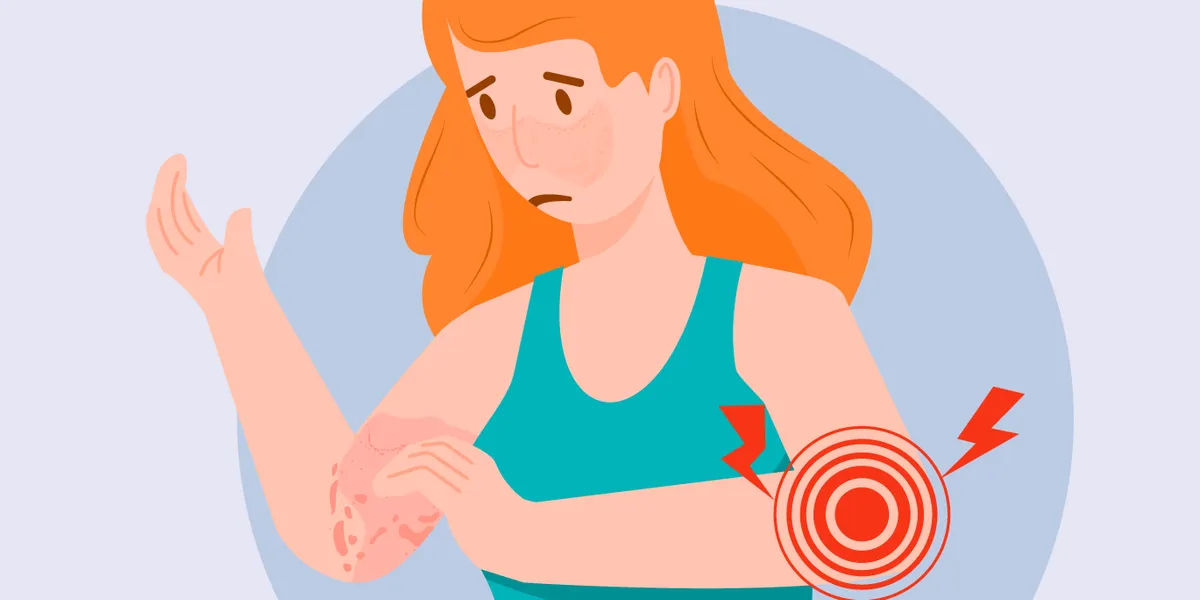

Lupus is a chronic (long-term) autoimmune disorder.
9 out of 10 people living with lupus are women.
Lupus symptoms can change over time and can vary from person to person.
Symptoms may:
Be mild or severe
Come and go
Last a short or long time
Lupus flares
Flares or flare-ups are when lupus symptoms worsen or a new symptom appears.
Symptoms of a flare might include:
-
Fever or flu-like symptoms not from an infection
-
Joint pain or swelling
-
Fatigue
-
Rash, tingling or numbness in the skin
-
Sores or ulcers in the mouth or nose
-
Swelling in the legs
Lupus triggers
Some common triggers that cause lupus symptoms for the first time or worsen existing symptoms include:
-
Medications
Some medications, such as hydralazine, procainamide or quinidine, can cause drug-induced lupus.
-
Physical Stress
-
Infections or Illness
Childhood trauma and post-traumatic stress disorder (PTSD) are strongly associated with lupus.
Tracking your symptoms can help you identify and avoid triggers, and prevent lupus flares.
This educational resource was created with support from Merck.