Will Your Hair Grow Back?
In most cases, yes. Telogen effluvium resolves as the body stabilizes and nutrient stores are replenished, with shedding slowing within three to six months and visible density improving over the following six to nine months.
The important distinction: hair loss driven by advancing androgenetic alopecia follows a different path and responds best to targeted clinical treatment. Getting a proper diagnosis is what makes the difference between watching and waiting and actually getting ahead of it.
What You Can Do Now
Prioritize protein. Hair is made of keratin, and dietary protein is its primary building block. Falling short during caloric restriction is one of the most direct drivers of follicle stress.
Get your levels tested. A panel covering ferritin, zinc, vitamin D, thyroid, and hormones gives a clear picture of where deficiencies exist before shedding becomes significant. Most of our hair loss programs start with comprehensive testing which you can do in person at our Scottsdale clinic or at home. To learn more about our blood tests, click here.
Start early. Earlier clinical support consistently produces better outcomes. Waiting until shedding is severe means the follicles have already been through a full cycle of stress.
Ready to Build a Plan with our Hair Loss Clinic in Scottsdale?
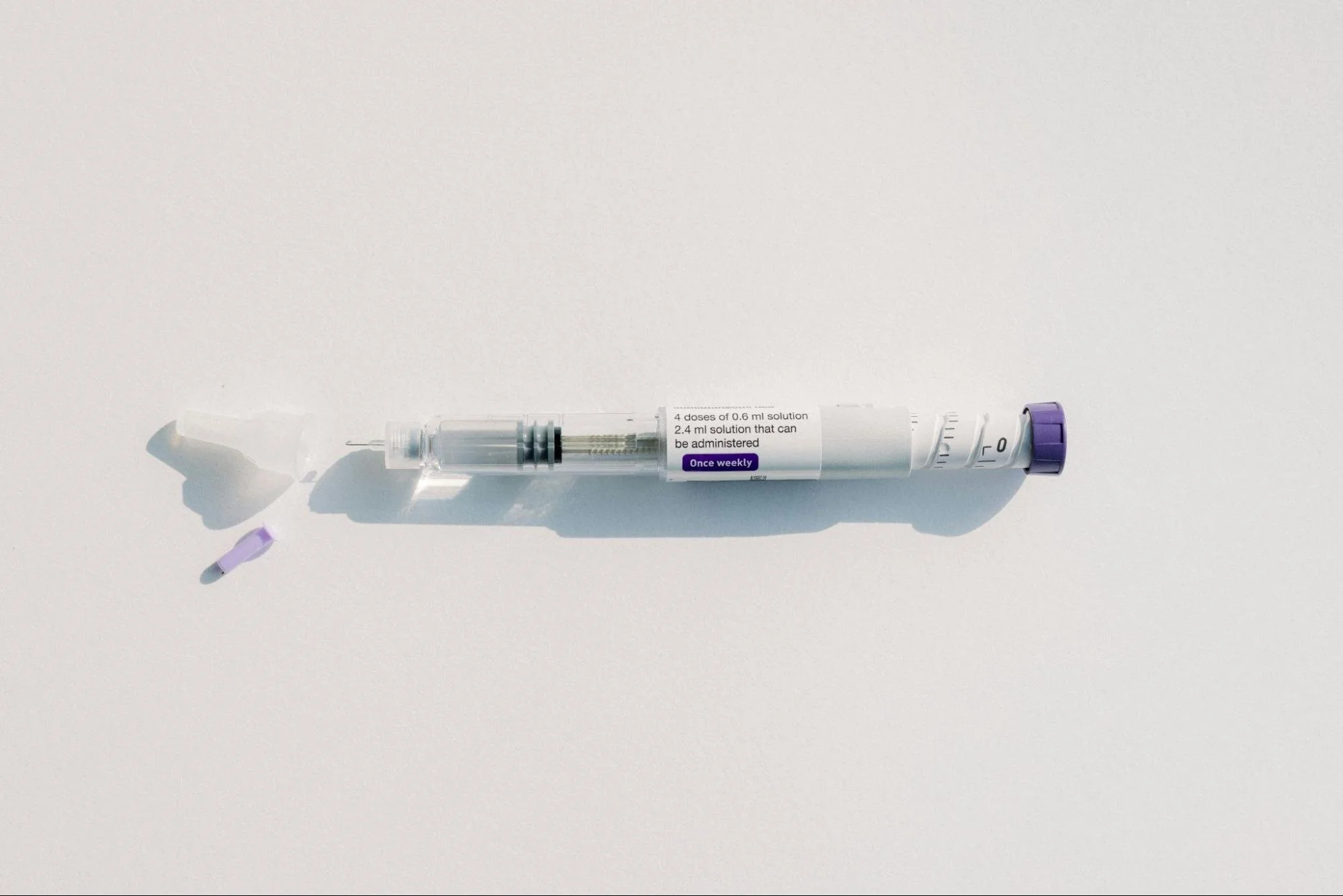
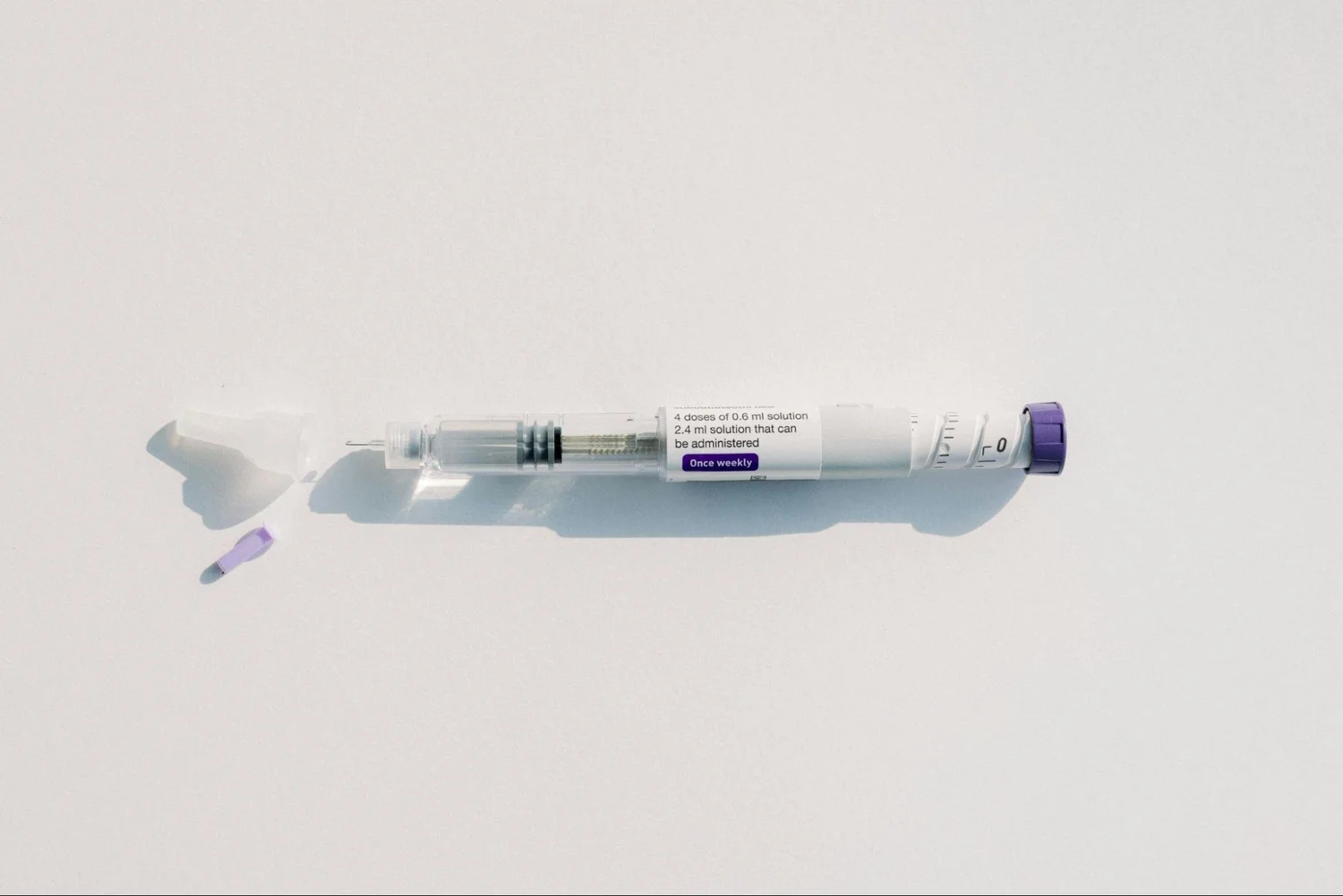
If you have been on a GLP-1 medication for three months or more and are noticing changes in your hair, a consultation with our Scottsdale team is the right next step. At NHLMA, we start with a thorough diagnostic workup and build a personalized protocol around your specific presentation — whether that includes comprehensive lab testing, PRP therapy, secretome stem cell therapy, or targeted clinical products.
Your weight loss journey and your hair health are two things you should never have to choose between. With the right support, you can have both.