
September 24, 2026
3 min watch

Key takeaways:
- Know your market value, data, BATNA and non-negotiables before entering any negotiation.
- Negotiating for fair pay, support and leadership opportunities can open doors for physicians who follow.
For physicians from underrepresented groups, negotiating with an employer means more than securing a higher salary; it can shape access to leadership opportunities, promotion, visibility and, above all, a voice within the institution.
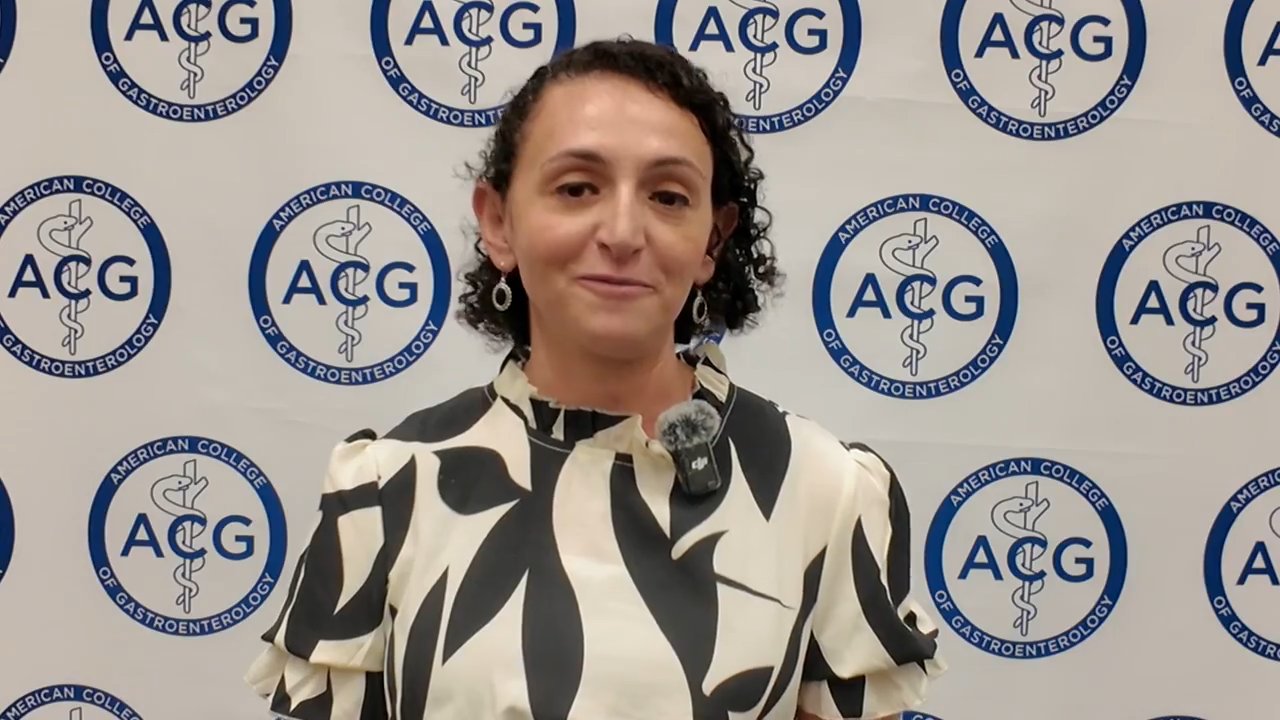
“We know that physicians from underrepresented minorities are offered less leadership opportunities and not promoted as often, but they are also paid less,” Christina N. Awad, MD, medical director of hepatology and faculty director for AI and innovation at UT Health San Antonio, told Healio. “When you negotiate, you’re not asking for a favor. You’re just asking for fairness.”
How can physicians approach the negotiation table with greater confidence? Start with the data, Awad said.
“You have to show up to the negotiation table having done your homework, knowing your data and what you’re asking for, and able to back that up,” she said. “You have to know your market value and your best alternative option or BATNA [Best Alternative to a Negotiated Agreement], in case what you’re asking for is not met.”
Awad added: “You must also know what your non-negotiables are: What are the things that are a must for me, and if I don’t get it, I will walk away. And [be willing to] do that: Walk away.”
Negotiation can also have an impact beyond the individual physician. When physicians from underrepresented groups advocate for equitable compensation, resources, advancement and leadership opportunities, they can help create greater access and visibility for those who follow.
“When we negotiate for ourselves, we also open the doors for those that will come after us, who will follow in the path we have made with our negotiation for better salary, better administrative staff, academic promotion and leadership titles,” Awad said.
Effective negotiation is not simply about asking for more, but about demonstrating how the right resources can amplify a physician’s impact, she noted. Preparation, data and a clear understanding of your own value can turn negotiations into an opportunity for meaningful change.
The key is to frame requests around impact: What support will allow you to do more for your patients, your team and your institution?
“When you negotiate, make sure that you are saying: With what I’m negotiating for, I want the best for our institution,” Awad said. “If you provide me with the admin staff that I need, that will even further my impact and better our institution.”
Sources/Disclosures
Source:
Healio Interviews
Disclosures:
Awad reports no relevant financial disclosures.

Ask a clinical question and tap into Healio AI’s knowledge base.
- PubMed, enrolling/recruiting trials, guidelines
- Clinical Guidance, Healio CME, FDA news
- Healio’s exclusive daily news coverage of clinical data