September is Sepsis Awareness Month.
Many people first hear about sepsis when someone they know is diagnosed with it or it’s mentioned on a medical TV drama. But hearing the word and knowing what it means are two different things.
Sepsis is a life-threatening medical emergency and requires immediate care. Although more than 1.7 million people in the U.S. develop sepsis each year, and 350,000 people die from it, most people don’t know about all the symptoms or risk factors of sepsis.
Here’s a primer on what sepsis is, what causes it, and why early identification and treatment matter.
What is sepsis?
Many people believe that sepsis is an infection and while that’s not correct, the confusion is understandable: You can’t have sepsis without an infection.
Think of a bee sting allergy. If a bee stings you, it hurts, but for most people, that’s the worst of it. But if you’re allergic to bees, your immune system overreacts, causing an allergic reaction — a whole-body (systemic) response — that can lead to anaphylactic shock and death. No bee sting means no allergic reaction. Similarly, no infection means no sepsis.
An infection can start off small, like in a bug bite or scrape, or in your body, like a urinary tract infection (UTI) or pneumonia. Antibiotics usually clear up bacterial infections. With viral infections like influenza, the virus goes away with time. But, for some people, their immune system goes into overdrive, causing a systemic response called sepsis, which can lead to septic shock.
Who gets sepsis?
Anyone can develop sepsis but some groups of people are at higher risk:
Many people believe sepsis is something that starts in a hospital. In reality, most sepsis cases develop outside the hospital — when someone is at home, at work or at school. And that makes sense. People develop infections all the time. They cut their finger gardening, scrape their knee playing sports, develop a UTI or catch one of the many viruses that are going around.
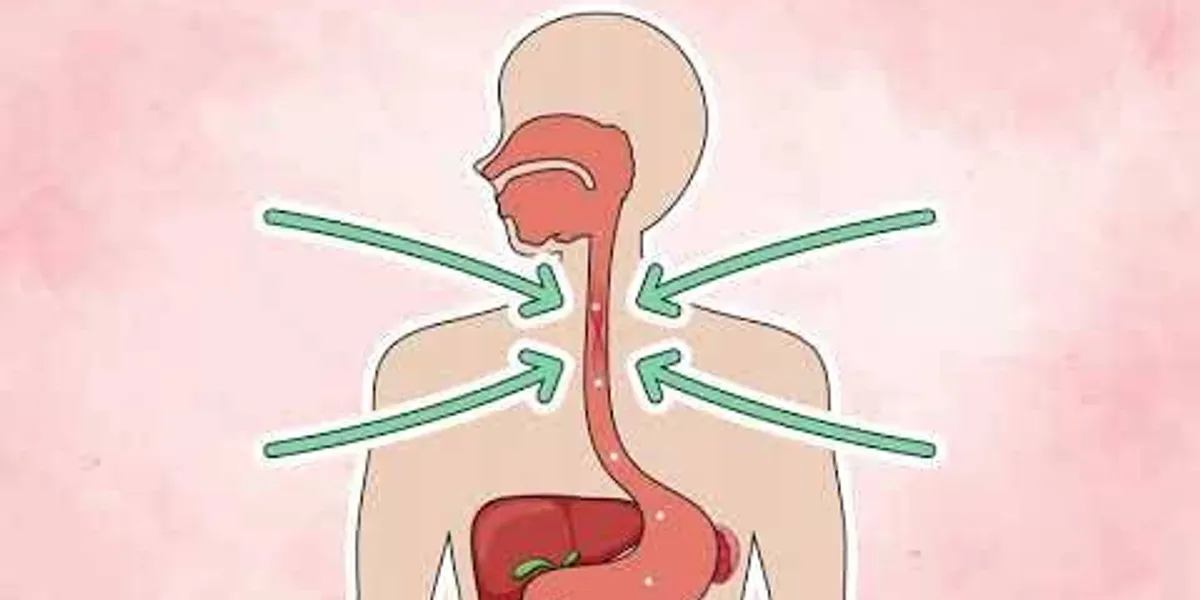
While any type of infection can cause sepsis, no matter how minor it seems, some infections are more likely to cause sepsis than others. Three common sources are:
- Respiratory infections, like pneumonia or influenza
- Urinary infections, including complicated UTIs (cUTIs) and kidney stones
- Intestinal infections, especially when associated with a perforated bowel
Sepsis symptoms
While any kind of infection can cause sepsis, the reality is that most infections do not. Two people might get the flu at the same time. One might get sepsis while the other recovers quickly.
Researchers don’t know why some people get sepsis and others don’t. And to make things more frustrating, sepsis can be hard to detect. There’s no single test for sepsis, and the signs can be vague. Instead, we have to put together puzzle pieces.
To remember the most common signs and symptoms, think TIME:
- Temperature: Higher or lower than usual
- Infection: Known or possible infection (did you recently have dental work, an invasive medical procedure or were you recently exposed to a virus, for example?)
- Mental status change: Are you sleepier than usual or feeling confused? For people with dementia, has it worsened or changed suddenly?
- Extreme illness: Severe pain, discomfort and shortness of breath are all symptoms of sepsis.
It’s important to seek emergency help immediately if you think you have sepsis. But don’t drive yourself to the hospital — your situation could change quickly and drastically while on the road. Call 911 and let them know you suspect sepsis.
Read: The Christmas That Almost Wasn’t, After I Survived Septic Shock >>
Pregnancy and sepsis
Maternal sepsis, sepsis that occurs from an infection during pregnancy, childbirth or postpartum, is a serious concern. It can be harder to detect sepsis in pregnancy and after giving birth. For example, when someone is pregnant, their heart rate is naturally faster. And they pee more often, which can be a sign of a UTI.
Risk factors that can increase the chance for sepsis during this time include:
- Being pregnant for the first time
- Diabetes
- Having invasive procedures to become pregnant
- Having invasive tests during pregnancy
- Minimal or no health insurance
- Being Black
Aside from infections that can affect anyone, infections during pregnancy, childbirth and postpartum could be caused by:
- Cesarean sections (during the procedure or the wound itself)
- Prematurely ruptured membranes (water broken too early)
- Tissue retention from pregnancy loss or abortion
Given this information, it’s important that if you feel something is wrong, get help. Tell your clinician that you’re worried and why.
Can sepsis be prevented?
The only way to prevent sepsis is to prevent infections. If you have an infection, the earlier the treatment, the better.
Here are some steps you can take to protect yourself from developing sepsis:
- Wash your hands. This simple step is one of the most effective ways to prevent infections.
- Stay up to date on vaccines. Sepsis can occur from any preventable illness, including the flu.
- Take proper care of any wounds. Always wash your hands before touching a wound. Rinse it with clean water. Apply antibiotic ointment, when appropriate, as directed on the product packaging. Cover the wound to keep it clean. If you notice any redness around the area, the skin around the wound is getting warm or there’s any discharge, see your clinician as soon as possible.
- Follow the directions when you take antibiotics. If your clinician prescribes antibiotics for a bacterial infection, take the full dose for the full length of time, even if you’re feeling better. This is vital to ensure all the bacteria are truly gone and to reduce the risk of antibiotic resistance.
- Avoid unnecessary antibiotics. Don’t take antibiotics for viral infections like the flu or a cold. Unnecessary antibiotics don’t help and run the risk of causing antibiotic resistance.
From Your Site Articles
Related Articles Around the Web