September 29, 2026
3 min read

Key takeaways:
- Researchers observed a nearly fourfold increase in xenobiotic-induced liver injuries over a 25-year period.
- Acetaminophen was the top contributor, accounting for 33% of exposures in men and 45% in women.
Cases of xenobiotic-induced liver injury have surged nearly fourfold since 2000, according to results of a retrospective study published in Clinical Gastroenterology and Hepatology.
Among exogenous substances that can cause liver injury — including alcohol, environmental toxins, dietary supplements, illicit drugs and medications — acetaminophen was the most significant xenobiotic contributor over more than 2 decades.

“Most national surveillance of xenobiotic-induced liver injury has focused on the most severe outcomes, such as acute liver failure, transplantation or hospitalization,” Eleanor Blair Towers, MD, PhD, of the department of psychiatry and neurobehavioral sciences at University of Virginia, told Healio. “We wanted to take a broader look at how clinically significant liver injury has changed over time using poison center data, which capture exposures across the continuum of care and provide near-real-time national surveillance.
“This was particularly important given major changes over the past 2 decades in medication use, pain management and acetaminophen regulation,” she continued.
Towers and colleagues noted a few of these regulatory and administrative changes, many of which occurred in the early 2010s. These included strengthened risk labeling mandated by the FDA, which coincided with a shift from opioids to nonopioid analgesics — like acetaminophen, which accounts for 40% to 50% of acute liver failure cases in the U.S. — in pain management.
The researchers used the National Poison Data System to investigate clinically significant instances of xenobiotic-induced liver injury. Biochemical evidence of injury was defined as aspartate aminotransferase or alanine aminotransferase levels exceeding 100 U/L.
They identified 220,160 instances of xenobiotic exposures leading to liver injury in individuals aged 15 years and older.
After adjusting for population growth, the researchers noted instances of xenobiotic-induced liver injury rose from 10.9 cases per million individuals to 52.9 cases per million individuals between 2000 and 2024.
This growth exceeded the concurrent 35% rise in overall national poison center case volume.
“Xenobiotic-associated liver injury remains a substantial and growing clinical problem,” Towers said.
More than half (54%) of exposures occurred among women. Tower and colleagues observed that between 2000 and 2011, counts and rates of liver injury were substantially higher among women aged 15 to 49 years than among men of the same age, but the disparity equalized by 2019.
The opposite pattern was observed among women aged 50 years and older. The gender gap in counts and rates of liver injury widened with time.
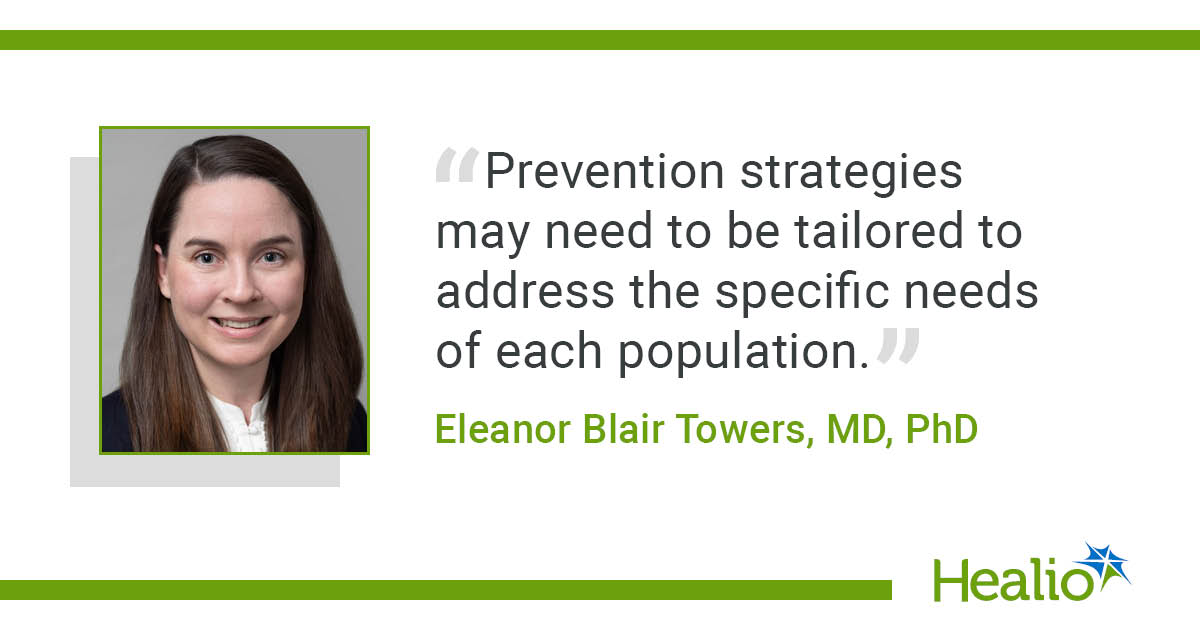
“Females consistently had higher rates of acetaminophen-associated liver injury, while the exposure patterns also differed by age,” Towers said. “That suggests prevention strategies may need to be tailored to address the specific needs of each population.”
Most exposures (women, 89%; men, 86%) led to inpatient hospitalization. According to poison center data, 5.7% of exposures among men resulted in death, as did 6.1% among women.
Incidence of single-substance exposures exceeded multiple-substance exposures among both genders (women, 57%; men, 56%).
The most common cause of xenobiotic-induced liver injury was medication, associated with 85% of exposures among men and 94% among women. Alcohol was the second most common, accounting for 19% and 13% of exposures, respectively.
The individual substance linked to the most cases of liver injury was acetaminophen.
The researchers noted that after the regulatory changes in 2010, liver injury associated with acetaminophen-opioid combination exposures declined by 60%.
“One of the most striking findings was the divergence between acetaminophen formulations,” Towers said. “Liver injury associated with acetaminophen-containing combination products declined substantially following regulatory actions in the early 2010s, suggesting that targeted regulatory interventions can have a meaningful public health impact.”
Study limitations include National Poison Data System’s reliance on voluntary reporting, which fails to capture mild events managed without poison center consultation, as well as surveillance-based definitions of liver injury.
Additional research should explore xenobiotic-induced liver injury prevention strategies, according to Towers.
“The apparent success of regulatory efforts targeting acetaminophen-containing combination products raises the question of whether additional strategies, such as pack-size restrictions or limits on non-pharmacy sales, could reduce injury from single-ingredient acetaminophen in the United States,” she told Healio.
For more information:
Eleanor Blair Towers, MD, PhD, can be reached at gastroenterology@healio.com.

Ask a clinical question and tap into Healio AI’s knowledge base.
- PubMed, enrolling/recruiting trials, guidelines
- Clinical Guidance, Healio CME, FDA news
- Healio’s exclusive daily news coverage of clinical data