There’s a new drug parents should know about: cychlorphine.
It doesn’t have an official street name yet, which tells you just how new it is. But the synthetic opioid is already showing up in overdose investigations across the country, including cases involving teenagers and college students. Federal officials have linked it to at least 55 deaths, and researchers say it may be even more powerful than fentanyl.
“The illicit drug supply is tainted,” Drug Enforcement Administration Special Agent Brian Mulcahy recently told 10TV, explaining that it can be “10 times more potent than fentanyl.” He continued, “Awareness is critical, especially with young people.”

Related story
Teen Screen Time Spikes in Summer. Here’s How to Bring It Down in Time for School
What Is Cychlorphine?
Cychlorphine is a synthetic, or lab-made, opioid. It’s not approved for medical use in the U.S., and despite the comparisons, it’s not a type of fentanyl.
It belongs to a newer group of synthetic opioids known as benzimidazolones. Researchers say cychlorphine was first detected in the U.S. in 2024, and by March 2026, overdoses or deaths linked to it had been reported in at least 24 states.
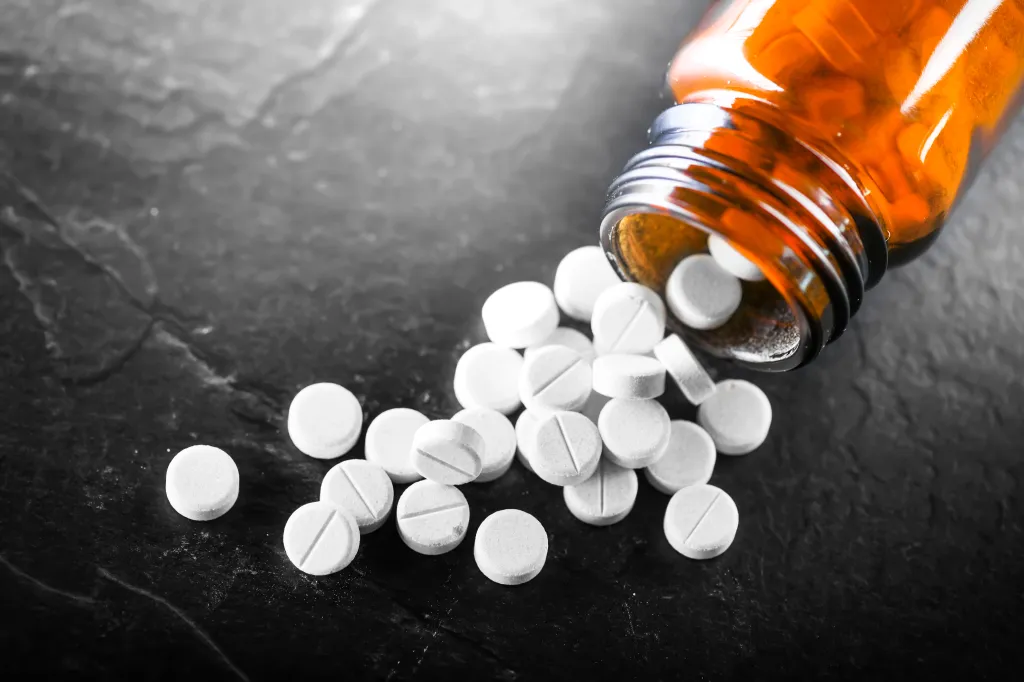
According to a report from KLTV, dealers frequently mix the opioid into other substances or press it into counterfeit pills designed to mimic standard prescription medications.
Why It’s So Hard to Detect
For parents trying to keep their kids safe, the scariest part of this drug is its ability to bypass standard screening methods. Typical hospital drug tests may not identify it, and the at-home test strips used to check for fentanyl don’t react to this new substance at all.
San Francisco resident Christina Lacourte lost her 16-year-old son, Dante, to a cychlorphine overdose in April. She expected his autopsy to show fentanyl, but the toxicology report revealed an opioid she had never heard of.
“The worst possible way to find out a new drug is in the city is by an autopsy,” Stanford psychiatry professor Keith Humphreys told The New York Times.
Like many parents, Lacourte warned her teenager about the dangers of tainted street drugs. “It just takes one pill,” she recalled telling him repeatedly.
What to Do During a Suspected Overdose
An overdose can look different from person to person, but the most urgent warning signs are usually clear: someone cannot be woken up, is breathing slowly or not at all, has blue or gray lips or fingernails or is making gurgling or snoring sounds. Call 911 immediately if any of those signs are present.
Give naloxone, commonly known as Narcan, if it’s available. Naloxone is safe to give if you’re unsure whether opioids are involved, and it can restore breathing during an opioid overdose.
The takeaway is not to frighten teenagers or parents into silence. It’s to make sure young people know that a pill can look familiar without being what it claims to be — and that if someone is unresponsive after taking any substance, calling 911 immediately is the right thing to do.