
October 09, 2026
3 min read

Key takeaways:
- The American Academy of Pediatrics endorsed a ban on raw milk products.
- The U.S. has experienced several outbreaks linked to raw milk products this year.
The American Academy of Pediatrics endorsed a ban on raw milk products in the United States, urging pediatricians to contact local politicians to support a ban and to lobby public health officials for more restrictions.
In a policy statement, the country’s largest professional group of pediatricians said the recommended ban is based on a “multiplicity of data” regarding life-threatening illnesses linked to consumption of raw milk and raw milk products, including cheese.

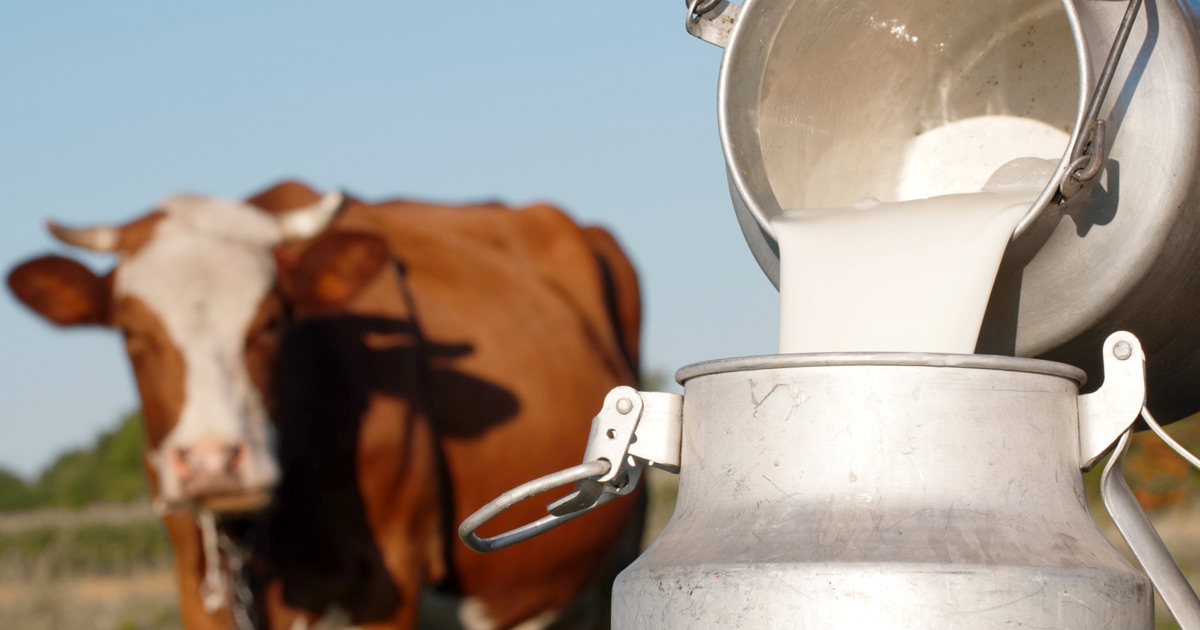
The AAP recommended a ban on raw milk products based on the threat of severe illness. Image: Adobe Stock
According to the statement, consumption of raw, unpasteurized milk led to 75 outbreaks consisting of 675 illnesses, 98 hospitalizations and two deaths in the U.S. from 2013 to 2018. The authors noted that 48% of those illnesses were in people aged younger than 20 years, and 14% occurred in children aged younger than 5 years.
Currently, 27 states in the U.S. permit the sale of raw dairy products, the authors pointed out.
Raw dairy does not undergo a pasteurization process, which is the only way to effectively kill harmful pathogens, according to the CDC.
Adam Ratner, MD, MPH, one of the authors, told Healio that the statement “is not a new position” and that the AAP has had a formal policy advising against consuming raw dairy products for more than a decade.
But with a “large amount of online misinformation about purported benefits of consumption of unpasteurized milk, this is an important time to remind families that children should not consume unpasteurized dairy products,” Ratner said.
In addition to infants and young children, the statement also emphasized that pregnant people, breastfeeding parents, adolescents and young adults also should consume only pasteurized milk and milk products.
Ratner conceded that it is unclear whether people are consuming more unpasteurized dairy products today than 5 or 10 years ago; however, he pointed to “numerous recent U.S. outbreaks” linked to raw dairy products as a cause for alarm.
There have been several such outbreaks in just the past 6 months, including one in June in which at least 45 people in Idaho tested positive for campylobacteriosis caused by drinking raw milk.
And just last month, health authorities identified recalled raw milk cheeses as the culprit behind a multistate Escherichia coli outbreak.
“Children are at particular risk in these outbreaks,” Ratner said, “and the infections acquired from unpasteurized milk can lead to severe disease and death.”
Along with usual bacterial risks such as E. coli, Salmonella, Campylobacter and Listeria, the AAP statement highlighted the “emerging threat” of H5N1 avian influenza — bird flu — through raw dairy consumption.
In 2024, amid an outbreak of bird flu in U.S. dairy cows, the FDA confirmed that genetic traces of H5N1 had been detected in pasteurized milk. Although the agency noted that studies have shown pasteurization inactivates H5N1, experts said evidence of its presence in pasteurized milk means that raw milk products were likely to contain live virus. In California that year, a child suspected of having H5N1 had consumed raw milk before experiencing symptoms, officials said.
“Unpasteurized milk from infected cows can harbor [H5N1] virus for up to 5 weeks when refrigerated,” Ratner and colleagues wrote.
The AAP statement cited “strong scientific evidence” that pasteurization does not reduce milk’s nutritional value and that any “claimed benefit (of raw milk) is outweighed by the risk of illness.”
“Unpasteurized milk has no nutritional advantages over pasteurized milk,” Ratner said, “and it puts children at potential risk, so the AAP recommends that children consume only pasteurized milk and other dairy products.”
For more information:
Adam Ratner, MD, MPH, can be reached at infectiousdisease@healio.com.
Sources/Disclosures
Source:
References:
Disclosures:
Ratner reports no relevant financial disclosures.

Ask a clinical question and tap into Healio AI’s knowledge base.
- PubMed, enrolling/recruiting trials, guidelines
- Clinical Guidance, Healio CME, FDA news
- Healio’s exclusive daily news coverage of clinical data