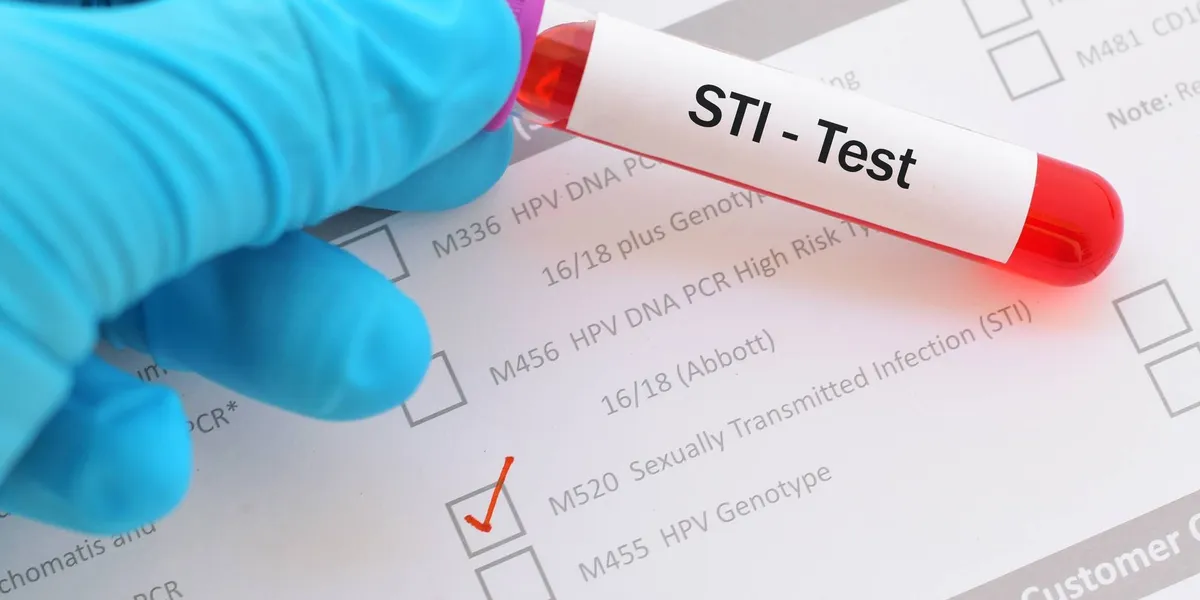
As if the diarrhea situation couldn’t get any worse, the Centers for Disease Control and Prevention (CDC) is warning about an extensively drug-resistant bacterial infection spreading through sexual contact.
The bacteria, known as Shigella, cause shigellosis, an intestinal infection that can bring on uncomfortable symptoms, including stomach cramps, diarrhea, and fever.
In a report published April 9, the CDC found that the proportion of Shigella samples classified as XDR rose from 0 percent between 2011 and 2015 to 8.5 percent in 2023. Among patients with age and sex information available, 86.2 percent were adult men.

Related story
Cyclospora Is Surging Nationwide. Here’s How to Keep Your Kids Safe From the Gut-Wrecking Parasite
How is XDR Shigella spread?
What’s worse, swallowing as few as 10 microscopic organisms can be enough to make you sick. Shigella spreads through the fecal-oral route — meaning tiny amounts of infected poop make their way into someone’s mouth. That can happen during sex, but also through contaminated food, water, hands, or surfaces. So, unfortunately, this isn’t just a bedroom problem.
Condoms and other barriers can reduce the risk, but preventing poop from getting onto hands, toys, or anything that might reach someone’s mouth matters, too.
Why is it harder to treat?
The biggest issue with XDR Shigella (besides the fact that it’ll give you “severe” diarrhea) is that it’s drug-resistant. It doesn’t respond to traditional treatment. That doesn’t mean there are zero treatment options, but the CDC says no optimal treatment has been established, and lab testing should guide antibiotic choices when possible.
Most Shigella infections resolve without antibiotics. Still, among the 258 patients with XDR infections, 97 (about 38 percent) were hospitalized.
How can you reduce your risk?
To protect yourself, wash your hands, genitals, and the anal area with soap and water before and after hooking up, use condoms, and thoroughly clean your sex toys between uses.
And if you do catch a stomach bug, health experts advise abstaining from all sexual activity for at least two weeks after your diarrhea ends, as the bacteria can still be present in stool even when you feel totally fine.