
October 29, 2026
3 min read
Key takeaways:
- The interim enforcement policy states that the decision was based on July’s Pharmacy Compounding Advisory Committee meeting.
- An expert discussed the potential benefits and consequences.
HHS has taken action to expand access to six peptides that were key in a controversial meeting this summer.
The interim enforcement policy states that, based on the Pharmacy Compounding Advisory Committee (PCAC) meeting that took place in July, “HHS believes that there is significant interest in the use of these peptides in compounding.” So, in an effort “to expand and improve patient access while FDA reviews these substances,” HHS will not take action against physicians, state-licensed pharmacies or federal facilities compounding a drug using the following bulk drug substances on the 503A list:

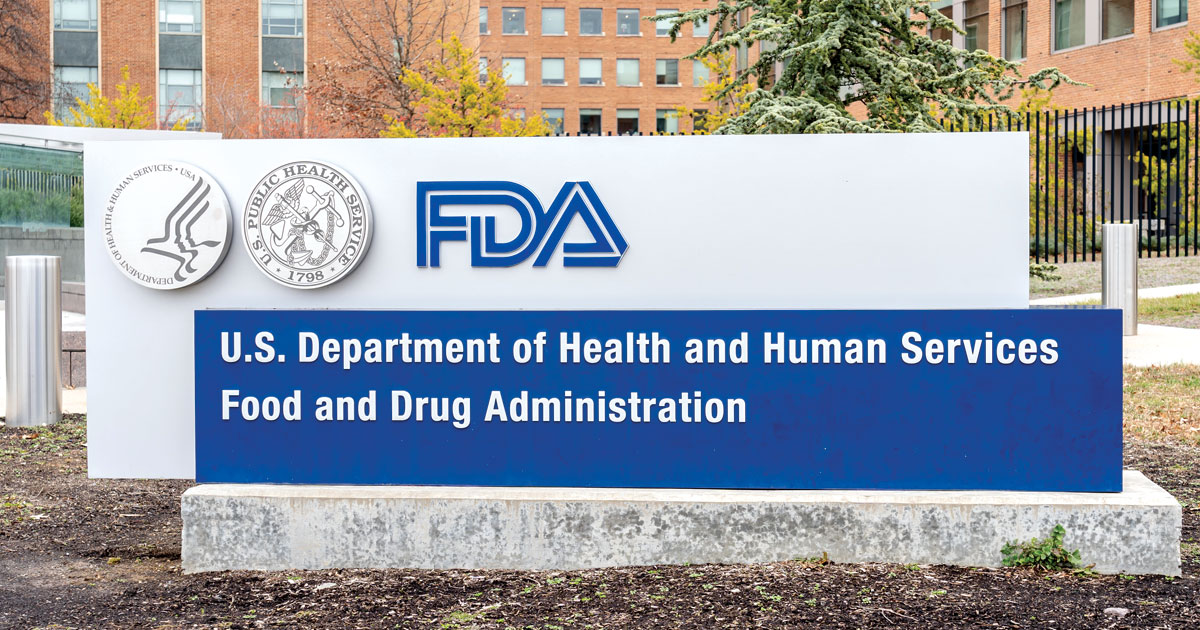
HHS has taken action to expand access to six peptides. Image: Adobe Stock
- BPC-157;
- epitalon;
- KPV;
- MOTS-c;
- semax; and
- TB-500.
HHS Secretary Robert F. Kennedy Jr. “determined that the policy advances patient choice and freedom while appropriately protecting patient safety,” according to the policy. In “allowing limited compounding of the substances … under appropriate safeguards, the policy provides patients with a more controlled alternative” to those supplied by foreign manufacturers “that pose a safety risk to U.S. patients.”
Owais Durrani, DO, an emergency medicine physician in Houston told Healio he hoped the “close votes” in July “would make the FDA take its time” with peptides.
“In a sense, it did, since the agency never added these to the approved list. The secretary went around that process instead, which skips the rulemaking and public comment that a formal listing would have required,” Durrani said. “The FDA’s own scientists advised against these compounds, and nothing about the human evidence has changed since the summer. Unilateral decisions that skip the formal review process are dangerous when it comes to human health and science.”
During the PCAC meeting, Matthew Lash, JD, acting director of the FDA’s Office of Compounding Quality and Compliance, clarified that compounded drug products are primarily overseen by state regulators and “are not FDA-approved,” meaning “they’ve not been reviewed by the FDA for safety, efficacy or manufacturing quality before marketing.”
According to reporting from the Associated Press, FDA’s “scientific staffers had little input on the decision and opposed the changes” in the interim enforcement policy. Citing six people familiar with the development, the AP reported that the document “faced overwhelming pushback” from those FDA staffers “who warned it could undermine the agency’s long-standing mission of keeping unsafe health products off the U.S. market.”
Durrani said the rule could offer “a genuine benefit for people who are already injecting these” peptides “because a prescription filled by a registered pharmacy is a lot safer than a vial from an overseas website where purity can be anyone’s guess.” But his bigger concern is how the public will hear this news.
“Most patients will take it as an FDA endorsement, even though HHS has said it isn’t one, and telehealth companies are ready to scale it quickly,” Durrani said. “Some of these compounds act on things like tissue growth and cellular aging, where the long-term questions involve cancer risk, and we have very little human data to answer them. The adverse event reporting requirement is a good addition, though it only matters if someone trustworthy is actually reviewing those reports and acting on them.”
Ultimately, Durrani said it is important to remember that “none of these are approved, and there’s still no established dose or long-term safety data for any of them.”
“Most were reviewed for narrow uses like ulcerative colitis or wound healing, while patients will be asking about joints, recovery and longevity,” he concluded. “With a prescription now required, the responsibility lands on the physician who signs it, so anyone prescribing should do real informed consent, document it and report any adverse events they see. Declining to prescribe these is a completely reasonable choice, and clinicians should be ready for patients who walk in believing these are FDA-cleared.”
For more information:
Owais Durrani, DO, can be reached at owaisdurrani@gmail.com.

Ask a clinical question and tap into Healio AI’s knowledge base.
- PubMed, enrolling/recruiting trials, guidelines
- Clinical Guidance, Healio CME, FDA news
- Healio’s exclusive daily news coverage of clinical data
