November 02, 2026
3 min read

Key takeaways:
- A low-carbohydrate, ketogenic diet was found to have the most benefits for liver health vs. other diets.
- The keto diet also appeared to be most effective at improving blood sugar control.
A low-carbohydrate ketogenic diet could be the most effective diet for improving liver health for individuals with obesity, according to research published in Cell Metabolism.
Weight loss has been proven to reduce obesity-related health risks, like type 2 diabetes and cardiovascular disease, according to research. Among the most popular diets are the low-carbohydrate ketogenic diet, a high-carbohydrate, low-fat, plant-forward diet, and the Mediterranean diet (a mix of the keto and plant-forward diets).

All three diets have markedly different macronutrient contents, but the specific metabolic benefits offered by each outside of weight loss are largely unknown, according to researchers, due to factors like “questionable dietary adherence” and “unequal weight loss among treatment groups.”
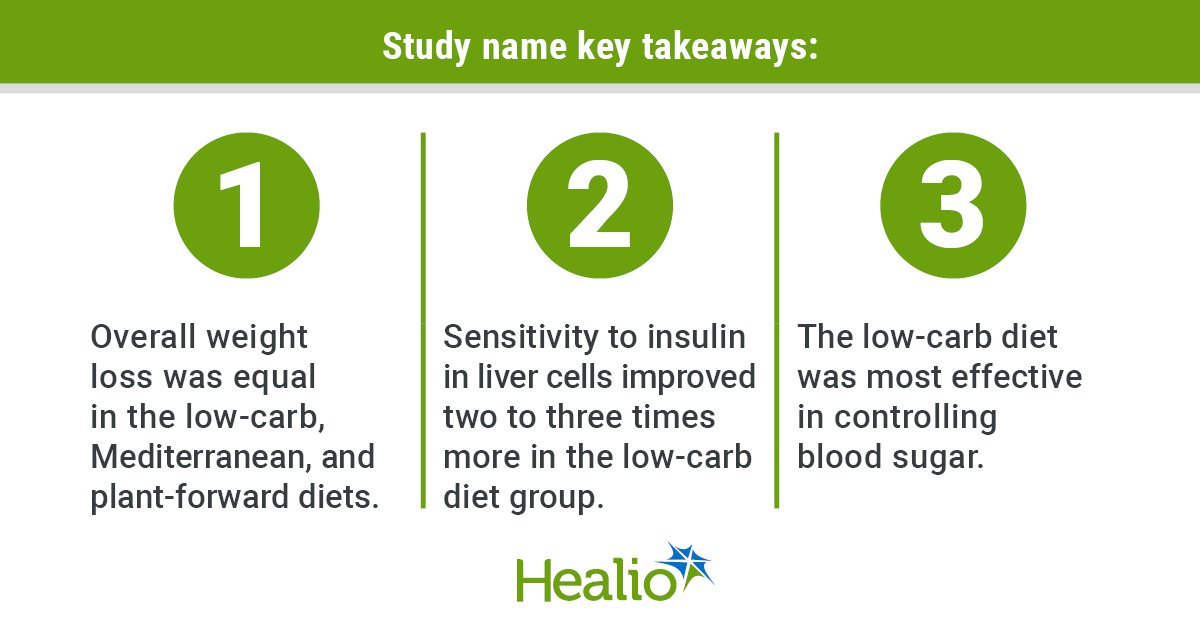
Researchers examined those three popular diets and how patients’ overall metabolic health improved with each one. In a clinical trial over the course of about 5 months, they found that while each diet led to an equal amount of weight loss, the low-carb keto diet provided the greatest boost to liver health.
The study included 55 participants, all of whom had metabolically unhealthy obesity. Participants were randomly assigned to one of the three diets: Seventeen were assigned to the low-carb keto diet, 18 to the Mediterranean diet and 20 to a very-low-fat plant-forward diet. Participants were provided food throughout the study and attended weekly meetings with a dietitian. The study reported 95% adherence in each diet group.
Individuals in all three groups lost about 10% of their total starting weight, which increased skeletal muscle insulin sensitivity by about 50% without any significant difference between the three diets.
However, according to results, sensitivity to insulin in liver cells, which plays a key role in glucose production, improved two to three times more in the ketogenic diet group than it did in the plant-forward and Mediterranean diet groups.
Further, researchers observed a decrease in intrahepatic triglycerides in all three groups, but the ketogenic diet group had a 67% decrease in fat content compared with 45% in both the plant-forward and Mediterranean diet groups.
“Fatty liver disease affects about 75% of adults with obesity worldwide and has become the fastest-growing cause of chronic liver disease and liver cirrhosis,” Max C. Petersen, MD, PhD, assistant professor of medicine at Washington University School of Medicine, said in a press release that accompanied the study. “Our study shows that for people with obesity and fatty liver disease, a low-carbohydrate ketogenic diet could reduce that statistic.”
Additionally, the ketogenic diet was the most effective of the three in improving blood sugar control compared with the other diets, according to the researchers. The low-carb keto diet lowered 24-hour glucose measurements by 20% compared with 8% for the Mediterranean and plant-forward diets. Half the patients in the low-carb keto group reversed their prediabetes vs. 29% on the Mediterranean diet and 7% on the plant-forward diet.
The study’s authors noted that the sample size was small but said there is enough evidence to support the conclusion that a low-carbohydrate, ketogenic diet demonstrates “superiority” to the Mediterranean and plant-forward diet plans in improving liver health.
“Weight loss — even just a moderate amount — is universally beneficial in people who are metabolically unhealthy,” Petersen said in the release. “Many metabolically unhealthy patients are also candidates for GLP-1 medicines, which have been useful tools for helping people lose weight. But our results show that choice of diet remains important because it has an impact on specific health outcomes that go beyond weight loss alone.”
Perspective

This randomized trial adds nuance to the “a calorie is a calorie” debate. In adults with obesity, prediabetes and fatty liver, equivalent weight loss on ketogenic, Mediterranean or plant-forward diets improved metabolic health. The very-low-carbohydrate arm, however, produced additional gains in liver health and glucose control.
For clinicians, the message is that weight loss does most of the work, and the best diet remains the one a patient can sustain. A ketogenic approach may be a reasonable option for patients with metabolic dysfunction-associated steatotic liver disease and dysglycemia, but it carries lipid trade-offs. Ketogenic diets commonly raise LDL and apolipoprotein B (ApoB), sometimes dramatically, particularly when saturated fat intake is high. Triglycerides typically fall and HDL rises, which can make the profile look deceptively favorable. Long-term cardiovascular outcomes are unknown. Patients choosing this path warrant baseline and follow-up lipid panels with ApoB, and counseling toward unsaturated fats.
Robert Glatter, MD, FACEP, FAAEM
Disclosures: Glatter reports no relevant financial disclosures.

Ask a clinical question and tap into Healio AI’s knowledge base.
- PubMed, enrolling/recruiting trials, guidelines
- Clinical Guidance, Healio CME, FDA news
- Healio’s exclusive daily news coverage of clinical data