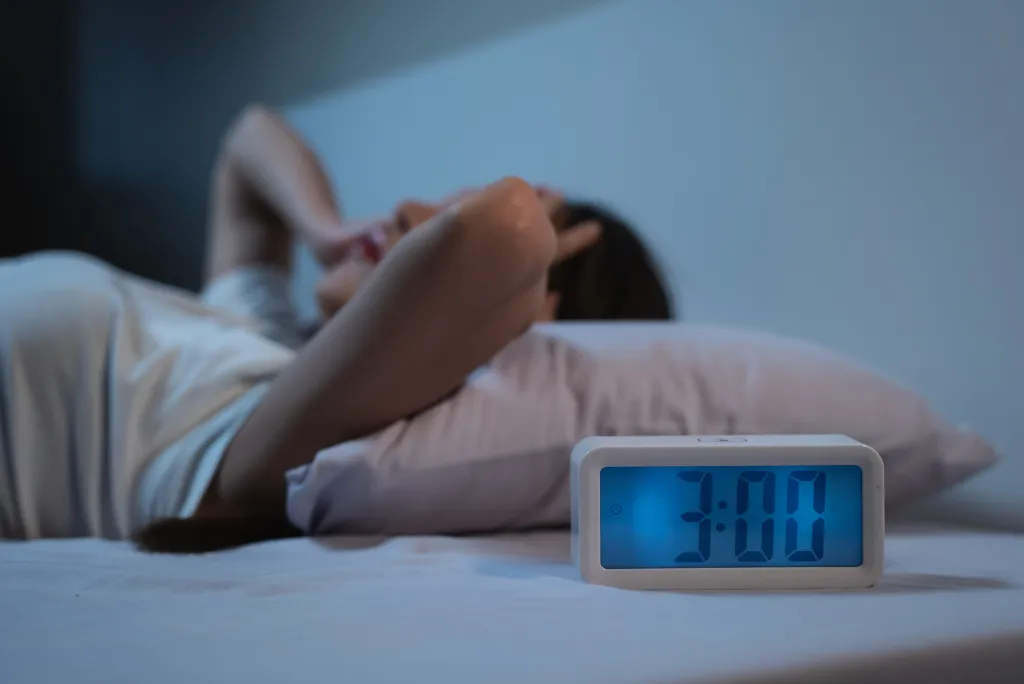
The heat is set to 68°F, the heavy comforter is back on the bed, and somehow, you’re wide awake at 3 a.m.
If you’re comfortable when you hop into bed but wake up a few hours later to push the covers off, you may need to adjust your thermostat. The 68°F winter recommendation is for when you’re home and awake. Once you’re in bed, you may sleep better with the heat turned down a few degrees.
What’s the Best Temperature for Sleep?
Around 65°F is a good place to start. Sleep Foundation recommends 65°F to 68°F, while American Standard Air gives a range of 60°F to 67°F based on sleep experts’ recommendations.

Related story
Dermatologists Say Yellow Stains on Your Pillow Are a Warning Sign, and Here’s What They Mean
“For most people, the ideal range is having the thermostat set between 60 and 67 degrees Fahrenheit for the most comfortable sleep,” Dr. Michelle Drerup, a sleep psychologist at Cleveland Clinic, told AccuWeather.
According to Sleep Foundation, your core body temperature begins dropping about two hours before sleep, around the same time your body releases melatonin (a hormone that helps regulate sleep). To cool down, your body sends more blood to the skin of your hands and feet so heat can escape. If your bedroom is too warm, your body has a harder time cooling down.
“The science behind ideal room temperature being around 65 degrees relates to your body’s internal temperature regulation for sleep,” Dr. Drerup told Scary Mommy.
Why Do You Keep Waking Up at 3 a.m. in Winter?
A heavy comforter can leave you too warm even if you haven’t changed the thermostat. Sleep expert Kent Smith told GoodRx that “one of the most common reasons people wake up in the middle of the night is because their bedroom is too warm or they are using too heavy of a blanket.”
“Your core body temperature needs to lower slightly as you fall asleep, which can become harder if a room is stuffy or too hot,” Dr. Hussain Ahmad told Tom’s Guide.
Your sleep changes throughout the night, too. According to Sleep Foundation, you move through light sleep, deep sleep, and REM sleep in cycles that average about 90 minutes. Most deep sleep happens in the first half of the night, while REM periods get longer toward morning. You’re easier to wake during lighter sleep, so being too hot may be enough to wake you.
That doesn’t mean your thermostat explains every 3 a.m. wakeup (or that overheating happens at a specific hour), but if you’re sweaty or kicking off the blankets, overheating could be part of the problem.
Is 68°F Too Warm for Sleep in Winter?
Not necessarily — 68°F falls within Sleep Foundation’s recommended range. But winter thermostat guidance covers more than sleep. The U.S. Department of Energy recommends 68°F while you’re home and awake, and BKV Energy describes 68 to 70°F as a general winter comfort range.
If you keep the house closer to 70°F all night, you’re above the 60-to-67°F range many sleep experts recommend. You don’t have to give up a comfortable daytime setting, but you may need a different one for bed, especially if you’re waking up hot.
How to Keep Your Bedroom Cooler in Winter
Keep your usual daytime setting, then lower it at bedtime. Try 65°F to start and adjust within the 60-to-67°F range for comfort. If you have a programmable thermostat, schedule the nighttime change so you don’t have to remember it.
If that’s too cold for your housemates, start with your bedding. Swap the heavy comforter for a lighter blanket or use layers you can remove during the night.
Colder isn’t always better, though. Dr. Hana Patel, an NHS GP and resident sleep expert for Time4Sleep, warned in Tom’s Guide that overly cold rooms can lead to “chest infections and cold-related illnesses, especially for vulnerable people.” Keep everyone’s health and comfort in mind before lowering the heat.
You don’t need to change everything at once. Try a slightly cooler setting or a lighter blanket tonight and see whether you’re more comfortable by morning.