

By Kari McBride “It’s just one mile. If you pace yourself, you can improve your time.” It was my freshman year in high school, and the Presidential Fitness Test was my least favorite activity. As I dragged myself up the stairs and out onto the gloomy Oregon streets, I could hear the words of my PE teacher playing in my head. “Just pace yourself.” “It’s only one mile.” “You’ll be done before you know it.” There was always a strong start to the run. As if I needed to prove that I really could do this. Then somewhere as I turned the curve down Carman Drive, I lost my stamina and quickly slowed to a speed walk. By the time I made it to the first corner, I was committed to my slow walk. There was no energy left, and no attempt at pacing myself to the finish. When I finally did see the end of the mile-long loop on Kruse Way, it was as if all life had been drained from my body, and it was taking every ounce of energy to plant one foot in front of the other. And then, if running the mile first thing in the morning wasn’t hard enough, it was right off to Human Biology next. It may come as no surprise, but I am not a runner. At the time, I assumed pacing was something only runners worried about. Fast-forward 20 years (give or take a few), and I can confidently say that today I would still not be able to run one mile—even if I did pace myself. But somewhere along the way, I learned that pacing looks different when you live with chronic illness or pain. My heart often responds before my brain has time to process. When teacher appreciation week, a choir concert, and my daughter’s birthday all collided in the same week, my heartfelt offer to help was almost immediate. “Yes, of course I’ll do it.” Somewhere in the background, my brain was grimacing, already bracing for the consequences. Oh no. She’s going to push herself again. My brain knew that I can’t do it all. Or at least, do it all well. But for a while, it looked like my heart was right. Birthday decorations were hung. Teacher gifts were made. Choir songs were sung on repeat. The week was going in my favor. Between coffee and adrenaline, I thought maybe I could do it all this time. But then: First, it was the tickle in the back of my throat. That annoying feeling I kept telling myself was allergies. Next, it was the ache permeating from my feet up through my back. Every muscle felt knotted and unable to relax. Finally, it was the wave of brain-numbing exhaustion. The kind where no amount of sleep leaves you truly feeling rested. And sure enough, my brain had been right all along. I couldn’t do it all. Not well, anyway. Just like my high school self, I crawled across the finish line and into the weekend. But instead of going to second-hour Human Biology, I poured myself into pajamas, curled up on the couch and spent the next 76 hours trying to recoup even a little energy. Dishes sat in the sink. Laundry stayed unfolded. The house could wait. Before long, I found myself thinking about those gloomy Oregon mornings and the words my PE teacher repeated before every run. And because I know this won’t be the last time, I wrote a note to myself: “Just pace yourself.” —by Kari McBride Source link

Is Mental Health Messing with Your Libido and Sex Drive?
Emily Jamea, Ph.D., is a sex therapist, best-selling author and keynote speaker. You can find her here each month to share her latest thoughts about sex. May is Mental Health Awareness Month. If you’re in midlife, you might be wondering why you’ve gone from “Let’s get it on” to “Please get off me.” And you wouldn’t be alone. Many women assume changes in libido in their late 30s, 40s or 50s are purely hormonal. But, while hormones certainly play a role, they’re just one of many potential pieces to the puzzle. Sexual desire can be affected by relationship conflict, stress and so much more, including one often overlooked piece: mental health. Anxiety, depression, ADHD, trauma and other mental health concerns can each have a significant impact on your sex drive. There’s a lot going on psychologically during midlife. Hormonal transitions, shifting identity, caregiving pressures and relationship changes all come together at the same time. Research consistently shows that the menopausal transition is associated with an increased risk of depression and anxiety, including in women with no prior history. Diagnoses of ADHD in women ages 30-49 nearly doubled among women between 2020 and 2022. And while trauma-related disorders are not being increasingly diagnosed, they can play a role in dampening your sex drive. Midlife’s onslaught of stressors can destabilize coping systems that have kept earlier trauma at bay, causing symptoms to surface or intensify for the first time. Each of these mental health issues affect desire in unique ways, and understanding the pattern is the first step in taking back control. Anxiety Anxiety has a specific and direct effect on sexual desire. Clinically, anxiety activates the brain’s threat-detection system. The nervous system shifts into a state of vigilance, scanning for danger and bracing for what’s next. For most people, that state is fundamentally incompatible with desire, which requires feeling a sense of safety. For women with anxiety, this can show up in the bedroom as hypervigilance about a partner’s reactions, anticipatory worry about performance or vulnerability, or a persistent inability to feel truly at ease in their own body. Even when nothing is overtly wrong, the nervous system is operating as though something might be, and that low-level alarm makes it nearly impossible to access pleasure. One client in her early 40s described feeling physically present during sex, but emotionally guarded, as though she were waiting for something to go wrong. Her description was a distinctly anxious experience. Her racing mind was about more than a full calendar. It represented a nervous system that had forgotten how to settle and surrender. Depression If anxiety is too much activation, depression is too little. Women experiencing depression often describe a loss of interest in things that once brought pleasure, including sex. A client in her late 30s described it this way: “It’s not that I don’t love my husband. I just don’t feel anything.” Her days felt flat, her energy was low, and even small tasks felt overwhelming. It wasn’t that she was opposed to sex, it just felt irrelevant in her life. Depression dampens the brain’s reward system. The pathways that support motivation, anticipation and pleasure become less responsive. It can also affect self-worth and body image, making it harder to feel desire or openness to connection. ADHD ADHD is increasingly being recognized in women, particularly because it was historically underdiagnosed in female patients whose symptoms often looked different from the hyperactive presentation more commonly identified in boys. Research has shown that ADHD can affect your sexuality in several different ways. ADHD can lead to hypersexuality, but in some women, it has been associated with both low sex drive and/or low sexual satisfaction. Perhaps most obviously, women may be unable to quiet and focus the mind enough to immerse themselves in the sensations of sex. Getting easily distracted by a noise in the other room or realizing you forgot to buy milk at the store can be enough to completely ruin the mood. Another way that ADHD can interfere with your sex life is through emotional dysregulation, which is a well-documented feature of ADHD. When daily life involves heightened emotional reactivity, frustration or a chronic sense of overwhelm, it can erode the emotional ease and safety that are necessary to feel desire. It’s less about a lack of interest and more about having trouble achieving fulfilling intimacy when you are already depleted or your emotions are dysregulated. Trauma Trauma-related disorders can have a profound effect on sexual desire. Trauma exists on a spectrum. “Big T” traumas (as we refer to them in the clinical world) — think sexual assault or a car accident — can more obviously affect desire. But we don’t often give enough attention to “little t” traumas — think ongoing relationship conflict, coping with a child with special needs or unresolved issues from your family of origin. “Little t” traumas can also affect desire. Desire is not just mental, but deeply embodied. One client in her early 50s had a history of sexual trauma she believed she had “worked through.” Yet she found herself shutting down during intimacy with her partner. She described a pattern of going numb or feeling suddenly irritated without understanding why. Trauma can live in the nervous system long after the conscious mind has made sense of it. Intimacy, vulnerability, and physical touch can unconsciously trigger protective responses — fight, flight, or freeze. For many women, this shows up as avoidance, low desire, or difficulty staying present during sex. What about medications? Many women wonder whether their medications are to blame when it comes to reduced sex drive or even reduced sexual pleasure. And, sometimes, they do play a role. Certain antidepressants, particularly SSRIs, are known to affect libido, arousal and orgasm. Medications for anxiety and mood stabilization can also have sexual side effects. ADHD meds, on the other hand, rarely have sexual side effects. If you suspect your medication is affecting your sex life, it’s worth having a conversation with your prescribing provider.

What You Should Know About Kyphoplasty for Compression Fractures
If you suffer from vertebral compression fractures in your spine, you know that the pain and limited mobility can greatly affect your quality of life. These small breaks in the bones of your back can lead to pain, limited mobility, and a hunched posture. A minimally invasive procedure called kyphoplasty can relieve pain and restore the height and stability of the fractured vertebra. Read on to find the answers to some common questions about kyphoplasty and the information you might need to make an informed decision about the best treatment to address vertebral compression fractures. What Causes Compression Fractures? Firstly, let’s understand the problem. In short, vertebral compression fractures are small breaks in the bones that stack up to form your back—medically known as vertebrae. Now, let’s move on to the root of the problem. Typically, these fractures stem from conditions that weaken the bones, such as cancer, vertebral hemangiomas, and osteoporosis. However, they can also be seen in people who have suffered a fall or have been in a car accident. What Is Kyphoplasty? Kyphoplasty is a minimally invasive procedure that aims to relieve pain, restore vertebral height, and stabilize the fractured vertebra. A balloon-like device is used to create space within the compressed vertebra, followed by an injection of bone cement to stabilize the fracture. Some of the conditions commonly treated with kyphoplasty include: Osteoporosis compression fractures Hemangiomas—noncancerous blood vessel growths in the vertebral body Cancerous tumors—cancer in the vertebral body How Is Kyphoplasty Used for Compression Fractures? Kyphoplasty is specifically designed to treat compression fractures in the spine by restoring the height and stability of the fractured vertebra. This procedure can greatly alleviate pain and improve the patient’s mobility. Kyphoplasty offers similar benefits as vertebroplasty when treating compression fractures but with a lower risk of cement leakage. This reduced risk can be attributed to the more viscous nature of the cement used in kyphoplasty, which requires less force to be injected into the body. Additionally, the formation of a cavity during the kyphoplasty procedure further decreases the need for forceful injection. When Is Kyphoplasty Performed? Kyphoplasty is typically performed for recent compression fractures, usually within a few weeks of the injury. However, the exact timing of the procedure may vary based on the individual case and the recommendation of your healthcare provider. It is important to seek medical attention as soon as possible if you suspect a compression fracture, as early intervention is crucial for better outcomes. What Is the Kyphoplasty Procedure? Before the procedure, you will receive anesthesia to ensure your comfort throughout the process. With X-ray guidance, your doctor will carefully insert a hollow needle through the pedicle and into the vertebral body, inserting a balloon-like device into the fractured vertebra. Under continuous X-ray guidance, the balloon is inflated to gently create space and restore the height of the vertebra while being diligently monitored for consistent pressure. Once the desired height is achieved, the balloon is deflated and removed, while a specially formulated acrylic bone cement is used to fill the void. This cement acts as an internal cast, allowing for the restoration of vertebral body height and reducing pain. When the procedure is complete, the needle will be safely removed, and band-aids will be applied over the needle site. The cement itself will begin to harden within a matter of minutes, ensuring that it is fully set before you leave the procedure table. In most cases, only one needle placement is required. However, if a physician determines that additional needle placements are needed for satisfactory results, they may choose to proceed with further placement. This approach ensures that the cement mixture is properly spread and the compression fracture is completely filled. Once the procedure is finished, you will be taken to the recovery room, where a medical team will observe you for a period of 30 minutes. How Should I Prepare for Kyphoplasty? To prepare for a kyphoplasty procedure, your healthcare provider will provide you with specific instructions tailored to your needs. Generally, you may need to avoid food and drink for a certain period before the procedure, and you may be asked to temporarily stop taking certain medications. It is important to discuss your medical history, current medications, and any allergies with your healthcare provider to ensure your safety during the procedure. What Can I Expect After Kyphoplasty? After kyphoplasty, you can expect to experience immediate pain relief in many cases. You may notice improved mobility and a decrease in your hunched posture. You can rest assured that there are no specific restrictions to worry about. This is because the cement used during the procedure has already completely hardened, providing stability to your vertebral body and the surrounding area. This means that you can proceed with your daily activities without any concern. However, there are simple measures you can take to alleviate any discomfort. Over-the-counter anti-inflammatories, ice packs, and pain medications can all be utilized to manage the soreness effectively. The band-aids placed over the needle site can safely be removed within 24 hours. However, it’s recommended to avoid getting in a bathtub for at least 24 hours to allow proper healing. If you wish, you may take a shower immediately following the procedure. While results can vary, many patients report an immediate return to activities that were previously causing pain, which is an encouraging sign of your improved condition. It is important to listen to your body and gradually increase your activity level as you feel comfortable. How Long Does It Take a Compression Fracture to Heal After Kyphoplasty? The healing time for a compression fracture after kyphoplasty can vary depending on various factors, including the severity of the fracture and individual patient characteristics. However, the full healing process can take several weeks to a few months, during which time your healthcare provider will closely monitor your progress and provide guidance for optimal recovery. If you are suffering from a compression fracture, kyphoplasty may be a viable treatment option. At Pain

Facts About Biomarkers and Cancer Care
When my healthcare provider (HCP) told me I needed HER2 and BRCA testing, I nodded politely like I totally understood everything she was saying. But, in reality, I had no clue what those letters meant. BRCA and HER2 were just part of the acronym soup dumped in my lap after I was diagnosed with breast cancer. But I quickly learned that biomarkers such as BRCA and HER2 are important pieces to the complex cancer puzzle when it comes to understanding and treating the disease. Cancer biomarkers and the importance of biomarker testing Cancer biomarkers are proteins, genes and other substances that can be measured to show details about someone’s cancer or cancer risk. Cancer varies from person to person at the gene or protein level, and biomarker testing can help HCPs create a personalized treatment plan to target the disease — also called precision medicine. “Some biomarkers help healthcare providers identify the exact type or subtype of cancer. Others help predict whether a patient is likely to benefit from a specific treatment, such as a targeted drug or immunotherapy,” said medical oncologist Leyre Zubiri Oteiza, M.D., Ph.D. “For example, some lung cancers have a change in a gene called EGFR. Patients with this change can receive pills that specifically target that mutation and often work better than standard chemotherapy.” Biopsies or blood tests for biomarkers can also provide insight into signs of genetic or molecular mutations, how the cancer may behave over time, how aggressive the cancer may be, and/or the risk that the cancer may come back. “Just as important, biomarker testing can help avoid treatments that are unlikely to work, saving time and reducing unnecessary side effects,” Zubiri Oteiza said. Read Biomarkers 101 >> The newest actionable biomarkers in cancer care The discovery of cancer-specific biomarkers has been a game changer for treating the disease. “In the past, healthcare providers mostly chose treatments based on where the cancer started in the body, like the lung or breast, and what the cancer looked like under the microscope,” Zubiri Oteiza said. “[Now] some treatments are based on the biomarker rather than where the cancer started.” Today, there are many biomarkers that are actionable biomarkers, meaning one or more treatments are available to directly target the biomarker to stop cancer growth. “Actionable biomarkers have led to the development of highly effective drugs that can have better outcomes than with traditional chemotherapy,” Zubiri Oteiza said. One example of an actionable biomarker is an NTRK gene fusion. When this biomarker is present, targeted therapies can block it, regardless of the type of cancer. “Overall, these advances are helping patients live longer and with better quality of life, while also making cancer treatment more precise and individualized,” Zubiri Oteiza said. Some of the newest actionable cancer biomarkers include: Programmed death-ligand 1 (PD-L1): PD-L1 stops the immune system from attacking cancerous cells in many different types of cancer, including bladder, breast, kidney, stomach, cervical and non-small cell lung cancer. Depending on the type of cancer, people with high levels of PD-L1 may respond to immunotherapy called immune checkpoint inhibitors that stop PD-L1 from binding to T cells (white blood cells that destroy cancer cells) and allow the immune system to kill the cancer cells. Trophoblast cell surface antigen 2 (TROP2): TROP2 is a biomarker for tumor aggressiveness in different types of cancer, including colon, pancreatic, gastric, breast and non-small cell lung cancer. TROP2 is the target of a targeted cancer therapy called antibody-drug conjugates (ADCs). Epidermal growth factor receptor (EGFR): When EGFR proteins are mutated or overexpressed, they increase cancer progression in people with lung cancer. EGFR is a target for different cancer therapies, including tyrosine kinase inhibitors. FLT3-internal tandem duplication (FLT3-ITD): FLT3-ITD is an aggressive genetic mutation that causes rapid cell growth in acute myeloid leukemia and is associated with high relapse rates and poor outcomes. FLT3-ITD presence guides personalized treatments to FLT3 inhibitors and early stem cell transplants. Human epidermal growth factor receptor 2 (HER2): Cancers with high amounts of HER2 protein or HER2 genes are called HER2 positive and tend to grow and spread quickly to other parts of the body. HER2 targeted therapy is used for HER2 positive cancers of the breast, stomach, esophagus, ovaries, pancreas and bladder. How to talk to your healthcare provider about biomarker testing Biomarker testing is standard care these days, but it’s important to talk to your HCP about what you can expect and what biomarkers are being considered. “Your healthcare provider can explain what tests are needed, whether they require tumor tissue or a blood sample, and how the results may guide your treatment plan,” Zubiri Oteiza said. “Sometimes testing is done on the tumor itself during a biopsy and other times it can be done through a blood test called a liquid biopsy.” It’s a good idea to write down all the questions you have about biomarker testing and go over them with your HCP. Questions about biomarker testing can include: Will I need a tissue biopsy or a liquid biopsy? What biomarkers are you testing for? Are there any other tests that can measure these same biomarkers? How will you use the information to recommend a treatment plan, and will the results change my treatment options? Will my insurance pay for biomarker testing? If not, what financial assistance options do I have? “Being informed and asking questions can help you play an active role in your care and make sure you are exploring all available options,” Zubiri Oteiza said. This educational resource was created with support from Daiichi, a HealthyWomen Corporate Advisory Council member. From Your Site Articles Related Articles Around the Web Source link

Exosome Therapy Explained: How Regenerative Medicine Supports Skin and Hair Health
If you’ve been researching advanced skin or hair treatments, you’ve likely come across exosomes. They’re often described as “next-generation regenerative therapy,” but what does that actually mean, and are exosomes worth considering? At NHLMA, we believe patients make the best decisions when they understand why a treatment works, not just what it promises. Below, we break down exosome therapy in clear, straightforward terms so you can decide whether it aligns with your goals. What Are Exosomes? (In Plain English) Exosomes are microscopic messengers naturally released by cells. Their job is to deliver instructions between cells, telling them how to repair, regenerate, and function more efficiently. In aesthetics, exosome therapy for skin treatment uses purified, lab-derived exosomes that contain powerful growth factors, proteins, and signaling molecules. When applied to the skin or scalp, these signals help activate the body’s natural repair processes rather than forcing change from the outside. Think of exosomes as communication tools: they don’t replace your cells, but they encourage them to perform better. Source link

Is Chronic Pain Hereditary?
In 2021, 51.6 million Americans reported having chronic pain. This constitutes 20.9% of the American population. Chronic pain is a debilitating condition that affects individuals’ ability to perform daily tasks and activities. At Pain Treatment Centers of America, we decided to answer one of the most frequently asked questions about chronic pain: is it hereditary? There’s still a lot of research being done on chronic pain. Yet, studies generally tend to support the view that chronic pain runs in families. Read on to find out more about this topic! What Is Chronic Pain? Even though chronic pain affects such a large number of Americans and people around the world, it was only recognized as a disease by the World Health Organization (WHO) not so long ago. In the past, it was simply considered a symptom. Adding chronic pain to the International Classification of Diseases (ICD) was an important step toward making sure that individuals affected receive adequate treatment. To better understand what chronic pain is, remember the last time you felt normal pain. Maybe you accidentally cut a finger while chopping veggies for lunch, or maybe you touched a stovetop, forgetting it was turned on. Your pain was immediate and acute. It was a sensation caused by pain signals firing in your nervous system. The primary goal was to warn you about a possible injury. Individuals affected by chronic pain experience a malfunctioning of the nervous system where pain signals continue to fire constantly, typically for more than three months. This has negative impacts on the quality of life. Two Main Types of Chronic Pain Now that we are on the same page about the definition of chronic pain, let’s move on to tackling our main question. Why does chronic pain happen? Chronic pain can be classified into two main types: primary and secondary. Primary Chronic Pain If pain affects an otherwise healthy body and doesn’t have an identifiable cause, it would be considered primary chronic pain. Secondary Chronic Pain In some cases, chronic pain may be caused by cancer treatment, surgery, or rheumatoid arthritis. In that case, it would be considered secondary. Most Prevalent Forms of Chronic Pain Chronic pain comes in a constellation of different forms, which is why we will focus on the most common ones: fibromyalgia, acute lower back pain, and migraines. Fibromyalgia This chronic pain condition affects around six million Americans. It is characterized by widespread body pain that is especially prominent in such areas as the back of the head, elbows, knees, hips, shoulders, back, and upper chest. It also comes with such symptoms as fatigue and unrefreshing sleep. Research tells us that individuals who have close relatives affected by fibromyalgia are far more likely to have the same condition. Yet, other causes may exist. For example, the development of fibromyalgia may be triggered by a traumatic physical or emotional event or repetitive injury. If you have fibromyalgia, there are treatment plans available for you to help you manage the pain. These include combining medications with physical and mental therapies. Migraine and Headaches This chronic condition is characterized by head pain, seeing flashing lights, light sensitivity, fatigue, and sickness. Migraines happen due to abnormal brain activity that affects nerve signals, chemicals, and blood vessels in the brain. Scientists lean toward linking migraines to genes. In fact, studies have confirmed that some rare types of migraine are caused by mutations in certain genes. For example, Hemiplegic Migraine is caused by mutations in the CACNA1A, ATP1A2, and SCN1A genes. If you are prone to migraines, you could mitigate their onset by having regular meals, maintaining steady blood sugar levels, getting enough sleep, and ensuring your room or office has enough sunlight and a comfortable temperature. At Pain Treatment Centers of America, we offer treatment plans for different types of headaches. Acute Lower Back Pain This type of pain usually continues for 12 weeks or longer and is characterized by pain that radiates from the glutes or hips, affects the legs, feet, and back, and lasts in sitting or resting positions. It can also happen while an individual is lifting heavy objects. Twin studies support the hypothesis that it is a hereditary form of chronic pain. If you are experiencing acute lower back pain, you should avoid straining your back, while also pursuing a low-impact exercise routine that will keep your muscles strong and flexible. It is also important to maintain a healthy weight and follow a nutritious diet. If possible, you should use ergonomically designed furniture and equipment. We offer a range of treatment plans for back pain, and we will work closely with you to develop a customized solution that will align best with your needs. Rheumatoid Arthritis While this isn’t a form of chronic pain, rheumatoid arthritis is closely associated with chronic pain because it is a condition when the immune system attacks the healthy tissues surrounding the joints, causing inflammation. This inflammation leads to pain, swelling, and stiffness. While there may be other factors that lead to rheumatoid arthritis, research has mostly shown that this disorder clusters in families. The following genetic markers have been identified as linked to rheumatoid arthritis: HLA-DR4, STAT4, TRAF1, C5, and PTPN22. Some environmental factors lead to a higher risk of rheumatoid arthritis. These include older age and obesity. Regular exercise, stress management, and weight loss can help manage the pain associated with rheumatoid arthritis more effectively. We offer treatment plans for individuals affected by this disorder. Final Words All in all, our general answer to the question of whether chronic pain is hereditary would be yes. Yet, it is important to keep in mind that environmental factors can play a significant role in triggering chronic pain in individuals. Therefore, early diagnosis and a healthy lifestyle are essential. If you or a loved one is living with chronic pain, our experts at Pain Treatment Centers of America are here to help. Contact us today to schedule a consultation. Source link

What Is ATTR CM? – HealthyWomen
What is ATTR-CM? ATTR-cardiac amyloidosis is a disease of the heart muscle. It is caused by a buildup of abnormal proteins (amyloid) in the walls of the heart. ATTR-CM reduces the heart’s ability to pump blood properly. This can lead to heart failure. There are two types of ATTR-CM Wild type ATTR-CM Caused by natural aging Can affect the heart and nervous system More common in men While most people diagnosed are male, ATTR-CM is underdiagnosed in women. Hereditary ATTR-CM Runs in families Is caused by a change in your genes Can affect the heart, nervous system, kidneys and other organs Risk factors include Family history of heart disease or ATTR-CM Older age Being Black or Afro-Caribbean About 1 in 25 Black Americans carry the V122I gene, which increases risk for hereditary ATTR-CM. ATTR-CM Symptoms You may initially have no symptoms or mild symptoms, especially with wild type ATTR-CM. Symptoms can mirror other conditions, like menopause, or appear unrelated to heart disease. People with ATTR-CM may experience: Shortness of breath Swelling in the legs Gastrointestinal problems, such as bloating in the stomach Irregular or fast heartbeat Fatigue If left untreated, ATTR-CM may lead to hospital visits, complex heart problems and shorter lifespan. Your nerves can also be affected. Protein buildup in the nervous system can lead to complications, such as: Carpal tunnel syndrome Numbness or tingling in the hands and feet Nerve pain Spinal stenosis (back pain due to narrowing of the spine) How is ATTR-CM diagnosed? Along with symptoms, your healthcare provider will use diagnostic imaging to see if further testing is needed. Genetic testing can then determine whether the condition is hereditary. ATTR-CM likely affects 400,000+ patients worldwide. But many people go undiagnosed, especially women. What causes ATTR-CM? A protein called transthyretin (TTR) is made in the liver and serves many important functions, including transporting: Thyroid hormone (needed to regulate your metabolism for health and well-being) Vitamin A (for vision health) ATTR-CM happens when TTR becomes unstable, breaks apart and misfolds. How is ATTR-CM treated? ATTR-CM cannot be cured, but treatments can prevent the disease from getting worse and help ease symptoms. Types of treatment include: TTR knockdowns May decrease the amount of TTR you have in your body TTR stabilizers May increase the amount of TTR you have in your body Measuring your TTR level can give your healthcare provider an idea about how well your treatment is working. Lifestyle changes are important when living with ATTR-CM Eat a heart healthy diet Monitor your sodium intake Walk and exercise daily, if possible Limit alcohol Wondering if you might have ATTR-CM or be at risk? Talk to your healthcare provider about treatment options so you can decide together what is best for you. Early diagnosis and treatment may help slow the progression of ATTR-CM and can lead to better health outcomes. This educational resource was created in partnership with BlackDoctor and with support from BridgeBio. Source link

Epsom Salt Bath for Migraine: Benefits, Recipes, Tips
Could an Epsom salt bath help ease your migraine symptoms? Many people find that these relaxing soaks not only alleviate tension but also support overall well-being. While not a cure, Epsom salt baths can be a soothing addition to your self-care routine for managing migraine symptoms. In this post, I’ll share my personal experience with Epsom salt baths, my favorite simple recipe, and tips for creating a relaxing, migraine-friendly environment. Let’s dive into the potential benefits and how you can make Epsom salt baths part of your migraine relief plan. Note: This post contains affiliate links. If you purchase a product through these links, I may earn a small commission at no extra cost to you. Thank you for supporting my blog—I hope you love these products as much as I do! What Are the Benefits of Epsom Salt Baths for Migraine Relief? Epsom salt (magnesium sulfate) offers a variety of benefits that may help with migraine management. Here are some of the top reasons to incorporate Epsom salt baths into your self-care routine: Muscle Relaxation Magnesium in Epsom salt can be absorbed through your skin during a bath. Magnesium plays a crucial role in relaxing muscles and supporting nerve function, which may help ease migraine-related muscle tension. Stress Reduction Stress is a common migraine trigger. A warm Epsom salt bath creates a calming environment, helping to reduce stress levels and possibly preventing migraine attacks. Improved Circulation The warm water in an Epsom salt bath promotes blood circulation throughout your body, including your head. Improved circulation may help relieve pressure around the brain, reducing migraine intensity. Detoxification Some believe Epsom salt baths can support the removal of toxins from the body, a process often recommended by functional medicine doctors. While research on this is limited, many report feeling better and experiencing fewer migraines after a detoxifying bath. Better Sleep Adequate rest is essential for migraine management. Soaking in an Epsom salt bath before bed can relax your body and mind, potentially improving your sleep quality. My Favorite Epsom Salt Bath Recipe Creating the perfect bath is simple! Here’s my go-to recipe for a relaxing and therapeutic experience: Ingredients: 1–2 cups Epsom salt 1/4–1/2 cup baking soda 8–10 drops of your favorite essential oil (lavender, eucalyptus, or peppermint are great options for relaxation and headache relief). Instructions: Fill your bathtub with warm water (not too hot to avoid overheating). Add the Epsom salt and baking soda. Stir to dissolve. Add a few drops of essential oil for a soothing aroma. Soak for 15–20 minutes. This is your time to unwind—light a candle, play calming music, or enjoy the quiet. Rinse off in a shower to remove any residue. Tip: If you don’t have time for a full bath, try a foot soak using the same ingredients. It’s a quick, relaxing way to ease tension. How Epsom Salt Baths Fit Into My Migraine Routine Taking an Epsom salt bath has become a Sunday ritual for me. It’s my way to unwind, reflect, and tackle letdown migraine attacks. Some days, a bath is all I need to ease my symptoms. On other days, my symptoms are too severe, and I opt for different migraine relief methods, like massage or stretching. Everyone’s response to baths is different—what works for me might not work for you. Experiment to find what helps you the most Natural Ways to Relax and Manage Tension In addition to Epsom salt baths, I incorporate these natural migraine relief strategies into my routine: Massage therapy for muscle tension relief. Stretching and gentle physical movement to improve circulation. Exploring salt caves and using a Himalayan salt lamp for a calming atmosphere. For more tips, check out my post on natural ways to manage migraine symptoms. Important Safety Tips Before starting an Epsom salt bath routine, consult your healthcare provider, especially if you: Do You Use Epsom Salt Baths for Migraine Relief? Epsom salt baths have been a game-changer in my self-care routine. I’d love to hear about your experience! Do you find relief with baths or have other favorite remedies? Let me know in the comments below. Check out the best gifts for people with migraine Source link

Gastroenterologists, hepatologists at forefront of GLP-1 revolution
Add topic to email alerts Receive an email when new articles are posted on Please provide your email address to receive an email when new articles are posted on . “ data-action=”subscribe”> Subscribe We were unable to process your request. Please try again later. If you continue to have this issue please contact customerservice@slackinc.com. Back to Healio Obesity may have met its match in GLP-1 receptor agonists. However, the role of gastroenterologists in obesity management and the administration of this revolutionary class of drugs is complicated and has yet to be defined. “Gastroenterologists are on the front lines of the obesity epidemic,” Andres Acosta, MD, PhD, associate professor of medicine and consultant in the division of gastroenterology and hepatology at Mayo Clinic and American Board of Obesity Medicine diplomate, told Healio. “We need GIs to embrace the disease and all of its impacts, including GERD, IBD, MASLD, fatty liver disease and obesity-related cancer risk.” Image: Andres Acosta, MD, PhD. Reprinted with permission. Hepatologists and primary care providers can handle some of these downstream effects of obesity. They often do, shutting gastroenterologists out of the equation. “It is my overall impression that there still is not sufficient commitment or embrace of the idea among cardiologists, hepatologists, pulmonologists and others that there is this opportunity to treat obesity itself,” Michael Camilleri, MD, DSc, consultant in the division of gastroenterology and hepatology at Mayo Clinic and professor of medicine, pharmacology and physiology at Mayo Clinic College of Medicine and Science, said in an interview. “A couple years ago I was almost evicted from a meeting because I suggested that hepatologists should be treating obesity and not just abnormal liver enzymes,” Camilleri said. Michael Camilleri There is growing recognition that gastroenterologists could play a larger role in obesity management, as well, largely because of GLP-1s. “There is this opportunity to embrace the pharmacology that is available with the FDA approval of GLP-1 receptor agonists,” Camilleri added. As uptake of these medications expands, adverse events are sure to follow. Many of them, such as nausea, constipation, delayed gastric emptying and motility issues, are commonly managed by gastroenterologists. But because the medications are not always prescribed by gastroenterologists, they are often not involved in management of the side effects. Also up for discussion is where GLP-1s fit into wider weight loss paradigms, from diet and exercise to bariatric surgery and endoscopic sleeve gastroplasty. “Many people who offer bariatric and metabolic procedures see this drug class as complimentary to procedural interventions,” Marianna Papademetriou, MD, director of endoscopy and motility at Washington VA Medical Center and associate professor at Georgetown University School of Medicine, told Healio. “We are still learning how to best integrate drugs with procedures.” The next concern is that more patients are turning to GLP-1s to manage obesity not by recommendation from their doctor, but as a result of direct-to-consumer advertising. “The digital and DTC platforms are certainly factors that risk fragmented oversight,” Camilleri said. ‘Truly frightening’ For Sonali Paul, MD, MS, hepatologist and associate professor at University of Chicago Medicine, “fragmented oversight” with this class of drugs is an understatement. Sonali Paul “The rapidly growing companies that are doing digital or direct-to-consumer prescribing of GLP-1s is truly frightening,” she said. “First, these drugs are often compounded so there is a risk of contamination, inconsistent dosing and improper or unsafe formation. Additionally, often there is no virtual visit or visit with a doctor or nurse practitioner prior to prescribing. Some have only a questionnaire.” Paul described a scenario in which a patient with an eating disorder who was severely malnourished was regularly prescribed GLP-1s for months without one consultation with a physician. “GIs have a unique role in bringing structure and safety, but we cannot do it alone,” she said. “Given the widespread use of GLP-1s across many medical specialties, we as a physician entity need to demand better safety and prescribing parameters.” While Papademetriou acknowledged many of these concerns, she took a more measured view. “There are plusses and minuses to online health platforms,” she said. “On the one hand, it is an effective way to improve access to care. On the other hand, many online platforms are zoomed in on the prescribing of weight management medications, and do not necessarily tailor that management to the patient’s overall medical issues.” Marianna Papademetriou For example, a patient with a history of erosive esophagitis and GERD who begins taking a GLP-1 may experience an escalation of symptoms that previously had been under control, according to Papademetriou. “The platforms do not appear to have the capability to work through that issue with a patient,” she said. The complications only get more complicated from there. “That patient may go back to their PCP or their gastroenterologist, and the GLP-1 is not on their medication list, or the patient may feel stigmatized about bringing up their use of GLP-1s,” Papademetriou said. “Their physician is now trying to work through this sudden change of symptoms without having the full picture. That could lead to unnecessary procedures or medication changes that could be avoided with better integrated care.” But there is a solution to this particular issue, according to Papademetriou. “We need to do a better job of improving access to these drugs through conventional medical pathways, and we need to reduce the stigma around these conversations with our patients,” she said. “Many people probably assume that people utilize telehealth for weight management for the ease and convenience,” Papademetriou continued. “But I suspect a significant part of the demand for this is also the bias people experience with conversations surrounding weight in the medical setting.” Whether that bias will decrease with more direct-to-consumer advertising and more patients taking GLP-1s remains to be seen. What is certain is that these patients are likely to experience gastrointestinal-related adverse events commonly reported with these medications. ‘Significant impact’ Patients experiencing side effects of these drugs, including nausea, vomiting, diarrhea and constipation, are
How to Create a Pain Management Plan
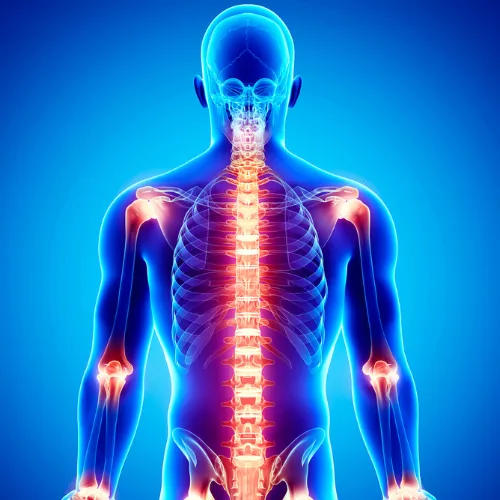
Living with chronic pain is not just a matter of dealing with discomfort. Such pain can interfere with work, relationships, family time, and even hobbies. Designing an effective pain management plan can act as a blueprint to maintain your physical and mental health. The process of creating a pain management plan involves an individualized and collaborative effort, starting with understanding the specific pain triggers, aligning the treatment options that suit individual needs, and regular monitoring for necessary adjustments. Keep in mind that the ultimate objective is to find a strategy that works for you. Read on to learn how to create an effective pain management plan. What Is Chronic Pain? Chronic pain, which affects millions of Americans, is not just a prolonged period of discomfort. It is a pain that lasts longer than the body’s normal healing process, typically persisting for months or even longer. Unlike acute pain, which acts as a warning to your body, chronic pain often remains even after the initial injury or illness has healed. Its pervasiveness and longevity can drain energy and motivation, hinder work, affect relationships, and intensify depression or anxiety symptoms. What Causes Chronic Pain? Common causes of chronic pain include, but are not limited to: Arthritis Nerve damage (Neuropathy) Back injuries Fibromyalgia Migraines and other headaches Infections Past surgeries or injuries What Are the Tools and Methods for Pain Assessment? Before creating a personalized pain management plan, the first step is to talk to your specialist about your pain and then try to find out what causes it and the patterns related to it. There are some effective tools and methods to keep track of the symptoms associated with your pain and evaluate pain levels. Pain Diaries Pain diaries allow you to keep track of your pain experiences daily, noting details such as pain intensity, location, and possible triggers. Over time, this information will help you and your physician recognize patterns that impact your treatment and note successful parts of your treatment that reduce your pain. Here are some key observations to include in your pain journal: Write the date and time of the day Give your pain a scale rating Be as descriptive as possible Note the location and duration of your pain Make a list of what you ate and drank Record additional symptoms and how you feel Pain Scales They offer a straightforward method to quantify your pain levels. Commonly, providers ask you to rate your pain on a scale from 0 to 10, with zero representing no pain and ten symbolizing the worst pain imaginable. Doctor Consultations Regular consultations with your healthcare provider are essential for creating an effective pain assessment. These consultations allow healthcare providers to gather information about your pain experiences, review your pain diary, evaluate your responses to current treatments, and determine if adjustments are needed in your pain management plan. How to Create a Comprehensive Pain Management Plan Developing a comprehensive pain management plan is a complex task, but with high levels of intentionality, openness, and collaboration, it’s achievable. The key component of any pain management plan is understanding your condition and symptoms. Here is a step-by-step guide to help you understand how a well-rounded strategy can provide effective pain relief and enhance your overall quality of life. Set Realistic Goals and Expectations Setting realistic, achievable goals is an integral part of any successful pain management plan. Understand that the aim of pain management isn’t necessarily to eliminate pain entirely but to control it enough to improve the quality of your daily life and enable you to perform daily activities with ease. It’s also important to realize that managing chronic pain is a process, not an immediate fix. Incorporate Multiple Pain Management Techniques A comprehensive pain management strategy doesn’t rely on a single method to control pain. Instead, it incorporates a blend of different techniques to provide relief. This may include a mix of medication management, physical therapy, behavioral strategies, and alternative therapies like acupuncture or massage. Using multiple techniques increases the chances of finding a successful combination that addresses your unique pain experience. Develop Strategies for Dealing with Potential Challenges Chronic pain management will often present challenges such as periods of intensified pain, decreased effectiveness of a particular treatment, or emotional tolls like depression or anxiety. Prepare resources to help effectively navigate these bouts. These resources might include a responsive healthcare team, supportive relationships, or coping techniques like meditation, relaxation exercises, or cognitive-behavioral therapy. Plan for Regular Evaluations and Adjustments Pain management is not a ‘set it and forget it’ plan. It requires regular evaluations to monitor the progress and effectiveness of treatments. Be prepared for adjustments to your plan based on these findings. Your healthcare team will regularly review your pain diary, pain scale data, physical function, and overall emotional well-being to ensure that your plan continues to be tailored to your evolving needs. What Are Pain Management Options? Pain management approaches are as diverse as the types of pain people experience and typically involve a combination of techniques. They range from medication management to alternative therapies, each with unique benefits and applications. Medication Management Medication is often the first line of defense against pain. Depending on the type of pain, prescription or over-the-counter medications may provide relief. It’s essential to follow your provider’s instructions when taking these medications and to discuss any potential side effects. Physical Therapy Physical therapy can reduce chronic pain and improve posture and overall body function. Therapeutic exercises aim to strengthen the body and reduce pain, giving the patient more control over their own treatment. Coping Strategies Coping strategies like relaxation techniques, meditation, and deep breathing can change how you react to physical discomfort. These techniques can aid in managing chronic pain and associated mental health challenges, such as anxiety and depression. Cognitive-Behavioral Therapy Cognitive-behavioral therapy (CBT) can be hugely beneficial for managing how your mind reacts to pain. CBT works by altering negative thought patterns, teaching effective coping strategies, and changing the way you perceive