

Worried About Creatine and Hair Loss? Test Before You Guess. Most hair loss advice online is a guessing game: stop this supplement, try that shampoo, and wait to see what happens. At NHLMA, the starting point is different. Before recommending that you eliminate creatine (or begin any hair loss treatment) we investigate what may actually be driving the changes in your hair. Our non-invasive genetic saliva test for hair loss analyzes genetic markers associated with hormone sensitivity and treatment responsiveness. This can help us understand whether your follicles may be genetically more susceptible to the effects of DHT and whether your profile suggests you may be a stronger or weaker responder to medications such as finasteride or dutasteride. We pair those insights with a detailed scalp and follicle evaluation to document the pattern and degree of miniaturization currently present. Comprehensive lab work rounds out the picture by evaluating ferritin, thyroid function, vitamin D, hormone levels, nutrient status, and other markers that may be missed on a basic panel. This is what separates a thoughtful diagnosis from trial and error. Research has found associations between variations in the androgen receptor gene, androgenetic alopecia, and response to finasteride. Genetic testing cannot guarantee how one person will respond, but it can give our providers another meaningful piece of information when evaluating DHT sensitivity and selecting treatment. That context matters when discussing creatine. The concern originated largely from one small study that measured an increase in DHT but did not measure hair loss. More recent research, including a 2025 randomized controlled trial, found no significant differences in DHT levels or hair-growth measurements between participants taking creatine and those receiving a placebo. Instead of eliminating a well-studied supplement based on one hormone study, or assuming creatine is responsible for shedding that may have another cause, NHLMA uses testing to investigate whether your hair loss appears genetic, hormonal, nutritional, inflammatory, or multifactorial. From there, we can build a treatment plan around your biology and determine whether a DHT blocker, nutritional support, regenerative therapy, or another approach makes the most sense. Source link

25 years after 9/11, lessons emerge for long-term care
September 10, 2026 3 min read Add topic to email alerts Receive an email when new articles are posted on Please provide your email address to receive an email when new articles are posted on . “ data-action=”subscribe”> Subscribe We were unable to process your request. Please try again later. If you continue to have this issue please contact customerservice@slackinc.com. Back to Healio Key takeaways: Enrollees in the World Trade Center Health Program have better survival vs. non-enrollees. Health systems can improve disease management by coordinating efforts on research, surveillance and clinical care. Twenty-five years after the Sept. 11 terrorist attacks, long-term follow-up of people exposed to the disaster offers important lessons for managing chronic disease in disaster-exposed populations, according to a review published in JAMA. The review is based on data from the World Trade Center (WTC) Health Program, which was launched in 2011 to evaluate the health outcomes of those affected. Enrollees in the World Trade Center Health Program have better survival vs. non-enrollees. Image: Adobe Stock “The WTC Health Program has evolved into a national model for longitudinal care and surveillance of disaster-exposed populations,” John Howard, MD, director of CDC’s National Institute for Occupational Safety and Health, said in a press release. “By linking surveillance, clinical care and research, the program functions as a continuous learning model that informs clinical practice and advances understanding of the long-term effects of 9/11 exposures among an aging population.” Alejandro Azofeifa, PhD, DDS, MPH, MSc, a scientist at the CDC, and colleagues aimed to capture new developments and insights of 9/11 and the WTC Health Program. They found that people directly exposed to 9/11 experience more chronic conditions, “both related and unrelated” to the exposure, and worse quality of life vs. the general population, although those enrolled in the program have greater survival vs. non-enrollees. For example, enrolled responders with cancer have 26% to 64% lower death rates compared with other New York residents “living in the same area across multiple cancer types, including prostate, lung, kidney and colorectal,” the CDC said. The agency added that 54% of enrollees meeting the United States Preventive Services Task Force’s criteria for lung cancer screening underwent testing, which “far exceeds the 7.5% national lung cancer screening benchmark and the 18% actual U.S. national rate in 2022.” Such findings show “the interplay between exposure-related risk and access to care,” the researchers wrote. “One-third of program members have no known 9/11-related health effects, which is a testament to the resilience of this population.” Follow-up studies on these health effects, they noted, has determined they “are persistent rather than time limited.” “Many affected individuals have experienced multimorbidity, including members who developed multiple conditions, listed here in descending order of prevalence within the program: cancer, respiratory disease, gastroesophageal reflux disease and mental disorders,” they wrote. Mental health disorders like anxiety, major depression, PTSD and substance use disorders have remained prevalent in the years following 9/11 “despite program-covered treatment, underscoring the enduring psychological impact of disaster,” Azofeifa and colleagues noted. They added follow-up data indicate “heterogeneous mental health trajectories, ranging from persistent symptoms to posttraumatic growth and improved mental quality of life.” According to the researchers, evidence suggests that integrated health systems combining exposure assessment, surveillance, research and clinical care could improve the chronic disease management of those exposed. Such an approach in the program has led encouraging developments in practice and evidence, they wrote, like “increased clinical recognition of obstructive sleep apnea among WTC-exposed individuals.” Azofeifa and colleagues concluded that 9/11 “offers a moment to reflect on the courage and sacrifice of those selfless responders who answered the call of duty, as well as those who lived, worked or went to school in the New York City disaster. “These observations underscore the importance of sustained surveillance, multidisciplinary clinical care and research to inform responses to future environmental and occupational disasters,” they wrote. Perspective Back to Top I saw the effects of 9/11 immediately in the hospital. I have not suffered any health consequences that I’m aware of, but immediately several of my friends and staff in the hospital developed nuanced asthma, respiratory problems, etc. I saw a 40-year-old orthopedic surgeon who never had a problem suddenly become asthmatic after he was down on Ground Zero. The impact was real and measurable. The density of the smoke was overwhelming, and it and smell coming from the pile lasted for months. It’s important for clinicians to know how much is still being discovered of the effects and to keep their clinical mind open to investigating new syndromes or ways of dealing with that event, which was so unprecedented. There is the psychological aspect, but the physical impact, considering the chemical exposure that was sustained, is undeniable. So, take those patients seriously forever. Antonio M. Dajer, MD NewYork-Presbyterian Hospital Lower Manhattan Hospital Disclosures: Healio could not determine Dajer’s relevant financial disclosures at the time of publication. Ask a clinical question and tap into Healio AI’s knowledge base. PubMed, enrolling/recruiting trials, guidelines Clinical Guidance, Healio CME, FDA news Healio’s exclusive daily news coverage of clinical data Learn more Add topic to email alerts Receive an email when new articles are posted on Please provide your email address to receive an email when new articles are posted on . “ data-action=”subscribe”> Subscribe We were unable to process your request. Please try again later. If you continue to have this issue please contact customerservice@slackinc.com. Back to Healio Source link
Cancer centers continue to face persistent drug shortages
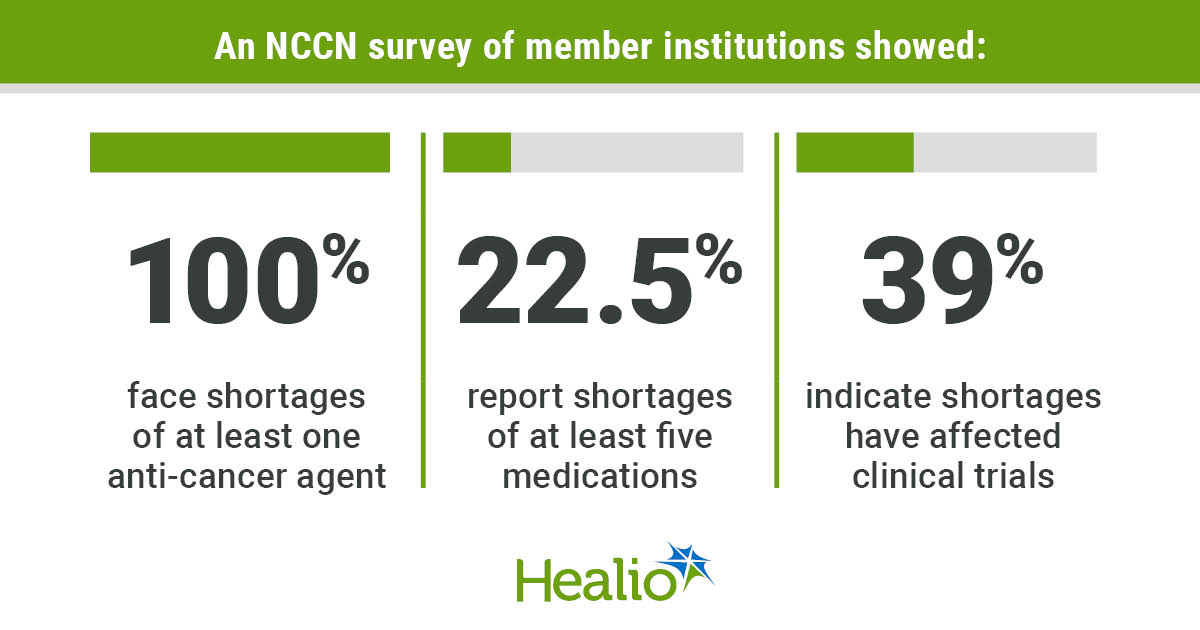
September 10, 2026 5 min read Add topic to email alerts Receive an email when new articles are posted on Please provide your email address to receive an email when new articles are posted on . “ data-action=”subscribe”> Subscribe We were unable to process your request. Please try again later. If you continue to have this issue please contact customerservice@slackinc.com. Back to Healio Key takeaways: All centers surveyed report shortages of at least one medication, and 22.5% report shortages of at least five agents. Most centers say the impact of drug shortages today is “about the same” as 3 years ago. U.S. cancer centers continue to experience persistent shortages of medications that are foundational components of oncology care, according to survey results. All cancer centers that participated in a late-summer survey administered by National Comprehensive Cancer Network reported current shortages of at least one cancer medication. One in five centers reported shortages of at least five different medications. Although medical societies, policymakers and the press have paid closer attention to the issue in recent years, nearly all centers surveyed indicated the impact of drug shortages is “about the same” today as in 2023. Crystal S. Denlinger, MD “This has really become more of a chronic condition than an acute problem,” Crystal S. Denlinger, MD, CEO of NCCN and a medical oncologist at Fox Chase Cancer Center, told Healio. “It is disappointing that we have not moved the needle as much as we would have liked over the last few years, despite the fact that we have been raising the alarm and there has been increased conversation about this topic.” Preserving the foundation As Healio previously reported, persistent and prolonged drug shortages across the country are affecting delivery of care across more than 100 therapeutic areas. They are lasting longer than ever, with the average duration exceeding 5 years, according to an analysis from United States Pharmacopeia (USP), a scientific nonprofit. Although drug shortages in oncology are not new, NCCN began surveying member institutions about their impact a few years ago amid concerns about a shortage of the generic chemotherapy drugs cisplatin and carboplatin. The organization conducted two surveys in 2023 and another in 2024. NCCN’s most recent survey, administered in August to its member institutions, suggests generic cancer medication shortages continue to have widespread impacts across the country. The survey — to which pharmacy directors and other clinical or administrative leaders from 31 institutions responded — showed: All centers continue to experience a shortage of at least one anti-cancer agent; 87.1% are experiencing shortages of at least two agents, and 22.5% reported shortages of at least five agents; 94% reported a shortage of ifosfamide, an IV chemotherapy medication used to treat bladder and ovarian cancer, sarcomas, leukemia, lymphoma and other malignancies; 71% reported a shortage of carboplatin, comparable to findings of a fall 2023 survey; 51.6% reported shortages of Bacillus Calmette Guérin, used to treat bladder cancer; 16% reported cisplatin shortages, down from 59% in fall 2023; and 39% reported drug shortages have affected clinical trials at their centers. The challenges extend beyond academic medical centers. Three-quarters (77%) of centers surveyed indicate that drug shortages are affecting community practices in their areas. “We have seen tremendous progress in cancer care and that has led to the development of many effective therapies,” Denlinger said. “But that doesn’t mean the contribution of older cytotoxic drugs — the ones that are more often now generic — should be discounted. In fact, a lot of the progress we have made is built on the foundation of those older regimens. Cancer care is built incrementally, and we have to make sure that those foundations remain available.” ‘Agility and resilience’ The survey revealed some silver linings. Nearly all centers (93%) indicated they have been able to continue treating all patients according to intended dose and schedule, although a higher percentage did so with mitigation strategies than without (61% vs. 32%). The most common mitigation strategies include waste management (79%), limiting use of current stock (43%), using the minimum value of a recommended dose range (32%) and using the maximum value of a recommended treatment interval range (21%). A majority of centers (71%) reported having a multidisciplinary committee in place to address issues related to drug shortages. Centers report relying on these committees to notify clinical staff of interim protocols (95%), develop therapeutic substitution protocols or other conservation strategies (91%), track inventory or forecast health system shortages (86%), or create prioritization or allocation criteria when supply must be rationed (82%). This best practice reduces the need for centers to “reinvent the wheel” when new shortages arise, Denlinger said. “It is heartening to see that organizations have been able to respond with agility and resilience,” Denlinger said. “They have created infrastructure that they can rely on when there is a shortage, and they have mitigation strategies that work so they do not have to delay or discontinue treatment.” However, 90% of centers indicated they have been required to re-obtain prior authorization at some point when treatment plans are modified or altered because of drug shortages, and 17% indicated that re-obtaining prior authorization due to shortage-prompted treatment modifications resulted in treatment delays. ‘This isn’t an easy fix’ Despite greater attention placed on drug shortages the past few years, the overall landscape has not improved much, survey results suggest. When asked if national or state policies enacted since 2023 have had an impact on drug shortages, 4% of centers reported seeing improvement, whereas 96% indicated the situation is “about the same.” The USP report released earlier this year pointed to several key drivers of shortages across specialties. Low prices for generic medicines often result in slim margins for manufacturers, reducing their willingness to enter or stay in a market. “Economics are at play here,” Denlinger said. “Generic drugs are not necessarily celebrated as an important component of oncology care, so we have to make sure there

Reclaiming Sexual Intimacy After Prostate Cancer
Emily Jamea, Ph.D., is a sex therapist, best-selling author and keynote speaker. You can also find her here, sharing her latest thoughts about sex. When your partner is faced with prostate cancer, the conversation understandably centers on survival, but often, getting to the other side is when another challenge begins — reclaiming sexual intimacy. Prostate cancer treatment can have a profound effect on sexuality. Depending on the type of treatment, men may experience erectile dysfunction, diminished sexual desire, changes in orgasm, loss of ejaculation, changes in penile sensation or length, and urinary leakage during sexual activity. These changes are physical but often have a major emotional and relational impact. Sexual recovery after prostate cancer often requires more than restoring erections. It requires redefining intimacy. I once worked with a couple — Nolan and Jenna — who came to me after Nolan had been treated for prostate cancer. Before cancer, they’d had a satisfying sex life, but everything felt different after treatment. Despite being cancer-free, he struggled to get and maintain an erection and simply didn’t experience desire for sex the way he had before. Jenna assumed he wasn’t initiating because he was embarrassed about his erections. But it was more than that for him. He still loved her and found her attractive, but the internal sexual “pull” he’d always taken for granted just wasn’t there in the same way. On an intellectual level, she empathized with his experience. She knew he’d been through a lot. But on an emotional level, she couldn’t help but take things personally. When they did try to have sex, every encounter felt like a test. Would he get hard? Would the erection last? Would intercourse work this time? Would he actually want it once they got started? He was monitoring his body instead of experiencing pleasure within it. She was monitoring his response for evidence that he still desired her. Neither could relax enough to enjoy what was actually happening between them. On top of that, he became obsessed with the preparation required to get an erection. Erectile rehabilitation is an important part of recovery, and Nolan had done it all – tadalafil, vacuum pumps and injections. He’d had a consultation for a penile implant. He could become semi-erect but couldn’t reliably get hard enough to have penetrative intercourse for very long. He intuited that medical treatment was only one part of sexual rehabilitation. He knew he needed guidance on addressing the psychological component and help navigating a new sexual landscape. While both Nolan and Jenna were open to Nolan getting an implant, he wanted to check all the boxes before having another surgery. I explained that when an erection becomes the goal of every intimate encounter, sex can start to feel like a performance. And performance is almost always the enemy of pleasure. As a therapist, that’s where I come in. We tend to organize heterosexual sex around a predictable script: desire leads to arousal, arousal leads to erection, erection leads to penetration and penetration leads to orgasm. Prostate cancer can disrupt virtually every step in that sequence. The mistake is assuming that when the old script stops working, sex itself is over. It isn’t. Read: Prostate Cancer Taught My Husband and Me What Real Intimacy Is >> One of the most important distinctions I help couples make after prostate cancer is the separation of erection from intimacy and penetration from sex. Pleasure can include kissing, touching, massage, oral sex, mutual stimulation, vibrators and other forms of erotic play. Orgasm for men may still be possible without a fully rigid erection. Couples can also discover forms of pleasure they rarely explored when intercourse was easy and predictable. It isn’t about pretending the loss of a familiar sexual experience doesn’t matter. There can be real grief associated with changes in both sexual function and desire. Men may mourn the spontaneity they once had. Partners may miss feeling pursued. Both people may miss the effortless way sex used to unfold. Giving that loss room to exist is part of healing. I reminded Jenna and Nolan that grieving their old sex life and becoming curious about a new one can happen at the same time. I encouraged them to temporarily take intercourse off the table. Instead, I encouraged them to spend time touching each other without trying to produce an erection or reach orgasm. They agreed that either partner could initiate an intimate experience and that Nolan’s job wasn’t to manufacture desire or an erection. It was simply to notice: Does this feel good? Do I want more? At first, this felt strange for both of them. They had become so accustomed to evaluating whether his body was “working” that simply experiencing sensation felt almost purposeless. But over time, they felt a shift. Touch became pleasurable again rather than diagnostic. Nolan stopped monitoring his erection. Jenna stopped using his erection (or his initiation) as the primary measure of whether he desired her. They laughed more. They experimented. Most importantly, they began to feel like lovers again instead of a patient and a caregiver. It’s important to note that sexual recovery after prostate cancer isn’t only about the person who had cancer. Partners often carry their own fears and losses. Some worry that initiating sex will create pressure. Others are afraid of hurting their partner. Some experience diminished desire themselves after being in a caregiving role. I encouraged both Nolan and Jenna to talk about what they missed, about what scared them and about what still felt good. I worked with them to determine what kind of touch felt comforting versus erotic, and whether they wanted one, the other or both. Cancer has a way of making the body feel medicalized. Suddenly, a part of the body associated with sexuality and pleasure becomes the focus of exams, procedures, medications and fear. Reclaiming sexuality can therefore be deeply emotional. It can be a way of saying, My body is still capable of pleasure and can remind a couple,
Cancer screening lower among adults with disabilities
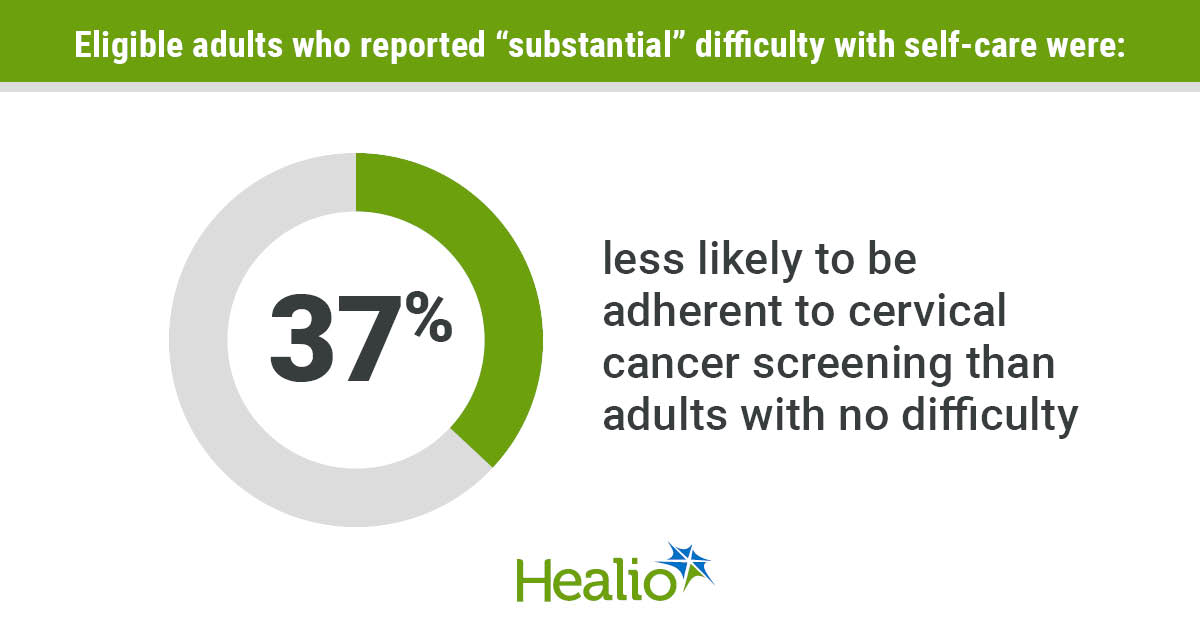
September 10, 2026 6 min read Add topic to email alerts Receive an email when new articles are posted on Please provide your email address to receive an email when new articles are posted on . “ data-action=”subscribe”> Subscribe We were unable to process your request. Please try again later. If you continue to have this issue please contact customerservice@slackinc.com. Back to Healio Key takeaways: Adults with disabilities are significantly less likely to undergo routine cancer screenings. The largest gaps exist for those with self-care disabilities and those with greater disability-related difficulty. U.S. adults with disabilities are considerably less likely than those without them to undergo routine cancer screening, according to an analysis of national survey data. Researchers observed the largest screening gaps among individuals with self-care disabilities, such as difficulty dressing or bathing. Data derived from Mazzitelli N, et al. Cancer. 2026;doi:10.1002/cncr.70557. Screening prevalence also declined as disability-related difficulty levels increased. For example, adults who reported “substantial” difficulties with self-care appeared 37% less likely to undergo cervical cancer screening and 31% less likely to undergo breast cancer screening than adults with no difficulty. Screening also declined with greater difficulty in other disability domains, such as cognition, mobility and vision. Priti Bandi, PhD The findings are “cause for alarm,” according to senior author Priti Bandi, PhD, scientific director for cancer risk factors and screening surveillance research at American Cancer Society. “We know individuals with disabilities tend to have lower access to healthcare, but the magnitude of the disparities we observed — and the consistency with which they showed up across different domains — really surprised me,” Bandi told Healio. “Being able to document this represents a call to action. This needs to be addressed.” ‘A clearer picture’ More than one in four adults in the United States have some type of disability, according to CDC statistics. The most prevalent disabilities are those that affect cognition (13.9%), mobility (12.2%), independent living (7.7%), hearing (6.2%), vision (5.5%) and self-care (3.6%). All-cause mortality risk is more than double among individuals with disabilities than without, and risk for death due to chronic conditions — including cancer — also is higher, according to study background. Prior research showed people with cognitive, mobility or intellectual disabilities are less adherent to cancer screening. This may be due to barriers related to clinic access (eg, lack of transportation or insurance), personal factors (eg, fear of embarrassment or distrust of the medical system) or difficulties completing the physical aspects of screening, Bandi said. However, evidence about how adherence varies based on disability domains and related difficulty is limited. “Having a clearer picture about how disabilities impact receipt of cancer preventive services across disability domains — not just physical, but also the more ‘invisible’ disabilities related to cognition and communication — is critical to help develop interventions that are relevant and effective for these populations,” Bandi said. Bandi and colleagues — including lead author Natalia Mazzitelli, MPH — evaluated self-reported adherence to U.S. Preventive Services Task Force recommendations for breast, cervical and colorectal cancer screening among adults with disabilities vs. those without, calculating adjusted prevalence ratios (aPR) to make the comparisons. The researchers pooled data from the National Health Interview Survey in 2021 and 2023. Each survey collected a broad range of data about health topics from more than 29,000 noninstitutionalized adults. Investigators assessed self-reported screening rates based on six functioning domains — vision, hearing, mobility, communication, cognition and self-care. Because there often is overlap between domains, researchers analyzed the degree of difficulty for each one — using the Washington Group Composite Disability Indicator, a validated tool that classifies severity of functional limitations — to further clarify individuals at greatest risk for screening nonadherence. Key findings The researchers identified survey respondents with disabilities eligible for breast screening (n = 1,712; population weighted, n = 6.02 million), cervical screening (n = 1,147, population weighted, n = 5.1 million) and colorectal screening (n = 3,106; population weighted, n = 11.17 million). Results revealed the following trends by screening type: Breast cancer: Eligible adults with “substantial” difficulties across multiple disability domains had lower screening prevalence than those who reported no difficulties, with the lowest prevalence in the self-care (52% vs. 79%; aPR = 0.69; 95% CI, 0.58-0.82), vision (62% vs. 79%; aPR = 0.83; 95% CI, 0.75-0.91) and mobility (68% vs. 79%; aPR = 0.89; 95% CI, 0.85-0.93) domains. Results showed significantly lower screening prevalence among those with “some” difficulties vs. no difficulty in self-care (71% vs. 79%; aPR = 0.93; 95% CI, 0.88-0.99), cognition (75% vs. 79%; aPR = 0.96; 95% CI, 0.94-0.99) and vision (75% vs. 79%; aPR = 0.96; 95% CI, 0.94-0.99). Cervical cancer: Eligible adults who reported “substantial” difficulties across multiple disability domains had lower screening prevalence than those who reported no difficulties, with the lowest prevalence in the self-care (37% vs. 78%; aPR = 0.63; 95% CI, 0.51-0.78), vision (64% vs. 78%; aPR = 0.89; 95% CI, 0.8-0.98), mobility (65% vs. 78%; aPR = 0.88; 95% CI, 0.82-0.94) and cognitive (64% vs. 78%; aPR = 0.91; 95% CI, 0.85-0.98) domains. Results showed significantly lower screening prevalence among those with “substantial” communication difficulties (35% vs. 78%; aPR = 0.65; 95% CI, 0.52-0.82) and “some” communication difficulties (62% vs. 78%; aPR = 0.89; 95% CI, 0.83-0.95) than those with no difficulty. Colorectal cancer: Eligible adults who reported “substantial” difficulty with self-care had significantly lower prevalence of any screening — colonoscopy or stool testing — than those who reported no difficulty (60% vs. 72%; aPR = 0.85; 95% CI, 0.76-0.95). “Breast cancer screening is crucial for early detection, but cervical cancer screening and colorectal cancer screening with colonoscopy are preventive,” Bandi said. “Seeing such a significant proportion of eligible individuals with disabilities not being screened according to recommendations translates to a tremendous population burden — in the millions — of cancers that will not be prevented or detected early.” There may be an opportunity for targeted intervention among
Inflammatory bowel disease events rare with IL-17s for hidradenitis suppurativa
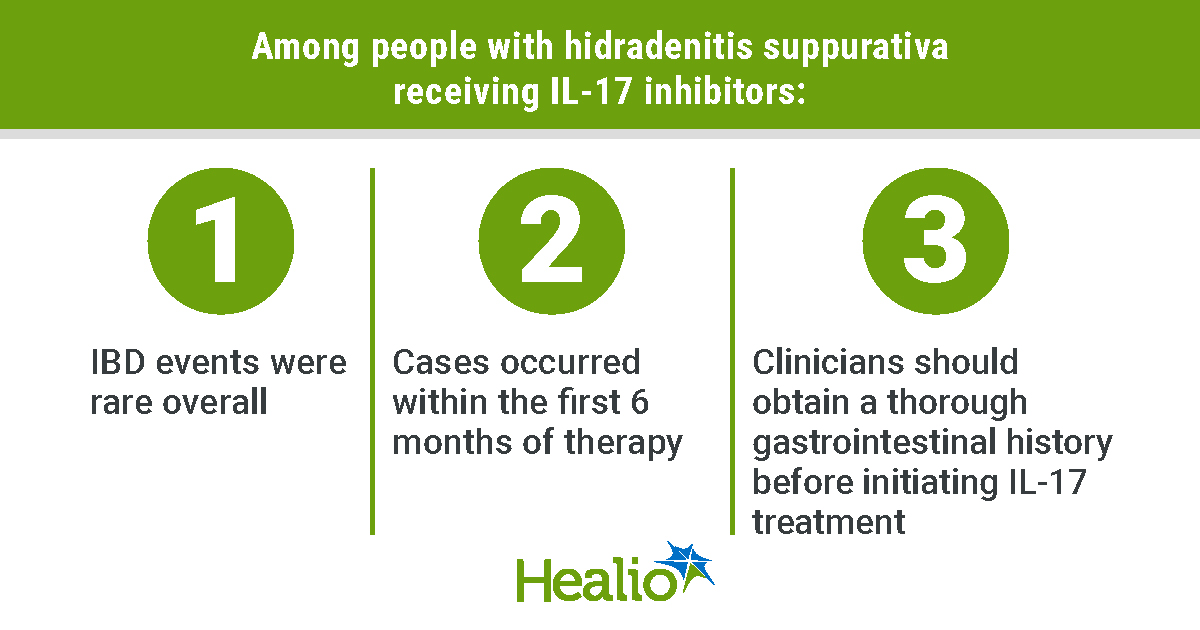
September 10, 2026 2 min read Add topic to email alerts Receive an email when new articles are posted on Please provide your email address to receive an email when new articles are posted on . “ data-action=”subscribe”> Subscribe We were unable to process your request. Please try again later. If you continue to have this issue please contact customerservice@slackinc.com. Back to Healio Key takeaways: The risk for inflammatory bowel disease is heightened among patients with hidradenitis suppurativa. Findings showed that IL-17 inhibitor therapy did not add to that risk. Interleukin-17 therapy for hidradenitis suppurativa was not associated with an increased risk for inflammatory bowel disease, according to a study published in JAMA Dermatology. Of the 2,572 patients with HS who were treated with an IL-17 inhibitor across 10 randomized clinical trials, only six experienced new-onset IBD, according to the researchers. Data derived from Cutrona M, et al. JAMA Dermatol. 2026;doi:10.1001/jamadermatol.2026.3373. “In this systematic review and meta-analysis, IBD events during IL-17 inhibitor therapy for HS were uncommon, with higher incidence rates in nonrandomized studies compared with RCTs, although events remained rare overall,” Marley Cutrona, BS, a medical student in the department of dermatology at Icahn School of Medicine at Mount Sinai, and colleagues wrote. “Although HS is associated with IBD, an additive risk with IL-17 inhibitor treatment was not observed.” Of the three approved biologics for HS, two are IL-17 inhibitors: secukinumab (Cosentyx, Novartis) and bimekizumab (Bimzelx, UCB). According to the authors, both biologics have demonstrated superior efficacy for the treatment of HS in the respective BE HEARD and SUNRISE clinical trial programs. Despite their overall safety profiles, dermatologists remain concerned about a potential association between IL-17 inhibitor therapy and IBD based on previous findings, according to the researchers. In this study, the researchers evaluated 11 cohort studies, 10 randomized clinical trials and three case series comprising a total of 3,015 patients receiving an IL-17 inhibitor for HS. Results from the analysis of randomized controlled trials showed that new IBD cases occurred in 0.23% of patients receiving an IL-17 inhibitor vs. 0% receiving placebo through week 16. The risk difference between the treatment and placebo groups was .002 (95% CI, 0.003 to 0.007). In the nonrandomized studies, there were seven cases of new-onset IBD among 469 patients who received an IL-17 inhibitor, for a crude incidence rate of 1.49% and a pooled incidence rate of 3.9% (95% CI, 2.3% to 6.5%). Across all trials included in the analysis, researchers observed 17 new-onset IBD cases and four flares. Cases often occurred within the first 6 months of therapy, suggesting that the period of the greatest risk for new-onset IBD among patients with HS is during the first few months of treatment, the researchers wrote. The researchers noted that statistical power was limited due to the small number of IBD events, follow-up across studies was inconsistent and IBD was not a primary endpoint for most studies. However, researchers concluded IL-17 therapy for HS is unlikely to increase the IBD risk. “The findings of our study support a low risk of IBD in patients with HS treated with IL-17 inhibitors,” the researchers wrote. “However, current guidelines recommend avoiding IL-17 inhibitors in patients with concomitant active IBD. For patients with HS without known IBD, a thorough gastrointestinal history should be obtained before treatment with IL-17 inhibitors and patients should be monitored for gastrointestinal symptoms.” Ask a clinical question and tap into Healio AI’s knowledge base. PubMed, enrolling/recruiting trials, guidelines Clinical Guidance, Healio CME, FDA news Healio’s exclusive daily news coverage of clinical data Learn more Add topic to email alerts Receive an email when new articles are posted on Please provide your email address to receive an email when new articles are posted on . “ data-action=”subscribe”> Subscribe We were unable to process your request. Please try again later. If you continue to have this issue please contact customerservice@slackinc.com. Back to Healio Source link
HHS dietary guidelines on protein, alcohol overlook liver risks
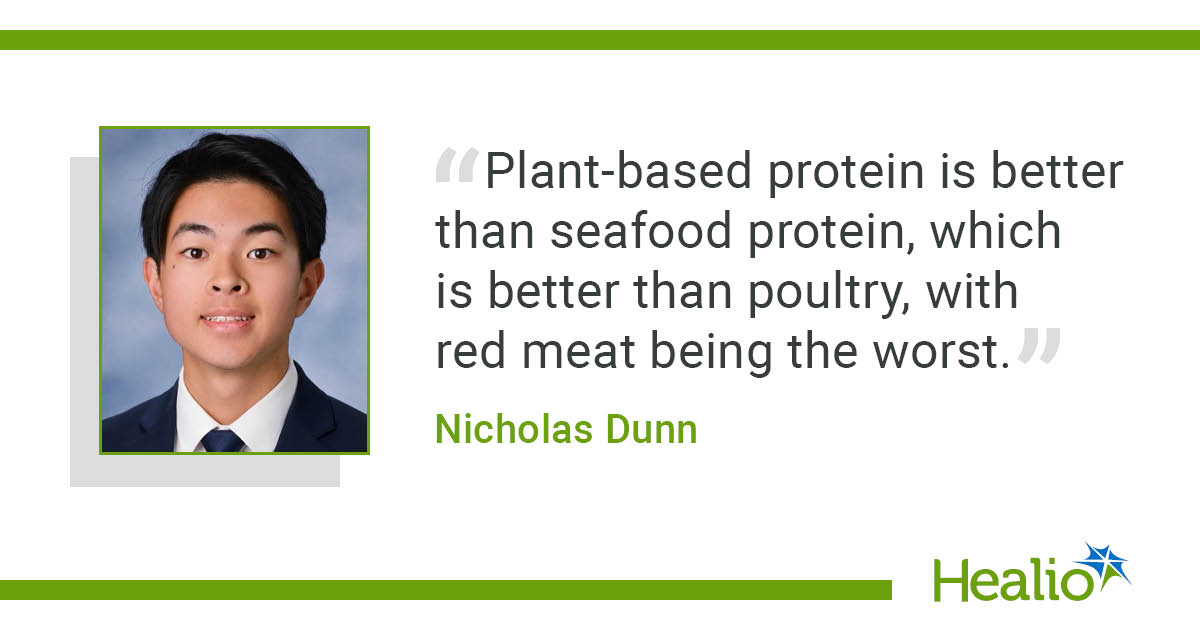
September 10, 2026 6 min read Add topic to email alerts Receive an email when new articles are posted on Please provide your email address to receive an email when new articles are posted on . “ data-action=”subscribe”> Subscribe We were unable to process your request. Please try again later. If you continue to have this issue please contact customerservice@slackinc.com. Back to Healio Key takeaways: The 2025-2030 Dietary Guidelines for Americans emphasize total protein intake and red meat, both of which have been linked to fibrosis risk. Clear, evidence-based guidance on alcohol consumption was omitted. Several dietary elements recommended in the 2025-2030 Dietary Guidelines for Americans, including total protein intake and red meat, have been linked to steatotic liver disease and fibrosis, analyses showed. Conversely, other components that were removed from previous guidelines — including increased intake of greens, beans and seafood or plant proteins, as well as clear limitations on alcohol consumption — were deemed protective for liver health. “This message of eating more protein is making a big impact on people’s diet,” Nicholas Dunn, a medical student at University of Missouri-Kansas City, told Healio. “You can even see that some varieties of Doritos have added protein. “We should do our best to spread the message of what kind of protein people should be eating, and how much alcohol they should be consuming, because we want to minimize the risk for liver disease.” As Healio previously reported, the new guidelines continue to recommend that Americans include high-quality protein, healthy fats, whole foods, and fruits and vegetables in their diet, and limit highly processed foods. However, the guidance removed clear, evidence-based alcohol consumption limits — no more than two drinks per day for men and one drink per day for women — and failed to address evidence linking alcohol and cancer. Ashwani K. Singal Dunn worked with Ashwani K. Singal, MD, MS, FACG, FAASLD, a transplant hepatologist at Trager Transplant Center, professor of medicine and director of clinical trials in hepatology at University of Louisville School of Medicine, and other researchers to evaluate the relationship between several of these dietary components and steatotic liver disease, fibrosis and cirrhosis. They analyzed data from 10,944 adults in the 2017-2023 National Health and Nutrition Examination Survey, for whom vibration-controlled transient elastography and 24-hour dietary recall were available. The researchers calculated Healthy Eating Index (HEI)-2020 component scores and energy-adjusted z-scores for food groups featured in the new guidelines. In addition to greens, beans and seafood or plant-based protein, increased consumption of total fruit, whole fruit, vegetables and whole grains was associated with lower odds of steatotic liver disease and fibrosis. Red or processed meats, sodium, total protein, saturated fat and added sugars were linked to greater prevalence of these outcomes. Limited alcohol use was “strongly protective” for all liver outcomes, the researchers wrote. Healio spoke with Dunn and Singal about the guidelines’ messaging on protein and alcohol consumption, and how clinicians can offer dietary counseling for patients with existing liver disease. Healio: What were your expectations going into this analysis? Did anything surprise you, and if so, what? Dunn: We had an open mind going into this, but we thought more protein could potentially mean less fat and carbs, which is a good thing. What surprised us the most was an analysis suggested by a reviewer, who explicitly asked us to break down protein into subsets by source. For the results, we saw a clear hierarchy: Plant-based protein is better than seafood protein, which is better than poultry, with red meat being the worst. Healio: The guidelines put greater emphasis on total protein intake, but your analysis found the type of protein consumed matters. Are we giving patients protein advice that’s too general? Dunn: What we found in our data was that high protein intake was associated with a higher risk for liver disease. It’s not that protein itself was inherently bad; it’s that when people are consuming so much protein, they usually aren’t eating lots of lentils or salmon. They’re eating a lot of red meat, and we found that red meat was associated with liver diseases. Such advice can be overly simplistic. The previous HEI, based on the DGA-2020, is more balanced. It assigned five points toward protein intake and another five points toward plant- and seafood-based protein intake. The current DGA-2025 no longer mentions protein sources. In fact, it implicitly promotes red meat by placing a picture of a very large ribeye steak in the center of the page. Singal: In the context of liver disease, we were pleasantly surprised to see this observation that red meat is more harmful. When we see patients in the clinic with liver disease and cirrhosis, we generally recommend eating more protein. But we advise eating vegetable- or white meat-based protein and avoiding red meat-based protein. That’s because red meat-based protein worsens liver disease, as documented in this study, and for patients with advanced fibrosis and cirrhosis, the amino acids in red meat are more ammoniogenic. Healio: For clinicians treating patients with metabolic dysfunction-associated liver disease, should the focus shift from how much protein to eat to where that protein comes from? Dunn: That seems to be a very reasonable recommendation. The level of evidence is not as strong, since it’s all cross-sectional, but most Americans are not at risk of having too little protein. It may seem reasonable to be more selective toward protein sources and to favor pro-plant and seafood options. While I think we should still pay attention to how much protein patients are eating, we certainly should also put the spotlight on what kinds of foods they are eating to get that protein. Singal: This is an area where we could compare vegetable vs. animal sources of protein in a randomized controlled trial of patients with MASLD. This was observational and cross-sectional data — would randomized data show the same findings? In more fibrotic or cirrhotic patients,

Kelly Ripa Returns to ‘Live With Kelly and Mark’ After Surgery
Kelly Ripa is back in her studio chair after taking six weeks off to recover from a major dental procedure. The 55-year-old television host returned to Live with Kelly and Mark alongside her husband and co-host, Mark Consuelos. She spent six weeks away from the daytime talk show while healing from a painful gum graft surgery. Doctors ordered the notoriously chatty morning host to rest her voice during her recovery, but keeping quiet proved virtually impossible. Related story Sharon Stone Reveals Bizarre ‘Orb’ Visions Following Near-Fatal 2001 Stroke Breaking Doctor’s Orders Periodontists instructed Ripa to stay on strict vocal rest for 10 days so the delicate tissue graft could heal properly. She admitted in an exclusive interview with People that she couldn’t help but ignore her doctor’s orders. “Oh, I was talking the whole time,” Ripa confessed. “He was like, ‘You’re not supposed to be talking.’ I’m like, ‘I’m fine!’ It did look weird, though, when I talked.” The resulting inflammation in her lower lip was so pronounced that show producers assumed she was holding cotton in her mouth. “What was funny, a few of my producers said, ‘You just need to take the cotton out, take the cotton out from under your lower lip,’” she explained. “And I was like, ‘There is no cotton. That is just swelling. That’s why I’m not at work today.’” An Overzealous Daily Routine Ripa previously revealed on her Let’s Talk Off Camera podcast that her aggressive dental hygiene routine — decades of over-brushing and over-flossing — wore away her gums, leaving her dentist no choice but to operate. Consuelos teased his wife about her five-minute brushing sessions and called her habits excessive. “She doesn’t follow instructions very well,” Consuelos said. Ripa responded, “I’m getting better. I’m retraining myself. I host a morning show. I know when there’s bad dental hygiene involved. It’s a good-bad habit, or a bad-good habit.” Despite the unusually painful recovery, Ripa reassured the outlet that she’s fully healed and feeling much better. “[I’m] so much better,” Ripa told People. “It was fine. It was definitely necessary. I delayed it for five years. I really did because I was like, ‘I’ll wait until I retire.’ And then, eventually my dentist was like, ‘Okay, now we have to finish it.’” Source link

Sharon Stone Recalls Seeing Mysterious Orbs After 2001 Stroke
Sharon Stone is opening up about the strange visions she experienced after surviving a near-fatal stroke in 2001. The 68-year-old actress reflected on her recovery during an interview on Mayim Bialik’s podcast, Breakdown. She shared that five glowing “orbs” appeared in her home shortly after she returned from the hospital. Stone kept the story to herself for over 20 years, admitting she struggled to explain exactly what she saw. Related story Kelly Ripa Admits She Failed at This Part of Oral Surgery Recovery Digital Language and Mysterious Orbs The Basic Instinct star suffered a catastrophic brain hemorrhage at the height of her Hollywood career. The medical emergency left her bedridden for eight months and required a seven-year recovery. It erased her memory, left her deaf in one ear, and caused severe facial paralysis. “When I was laying on the couch, sleeping and awake, these orbs sort of presented themselves to me,” Stone told Bialik. “These five orbs presented themselves to me and they sort of talked to me, but in a digital language.” She confronted the spheres directly: “I just kept saying to them, ‘I don’t know if I’m supposed to stay here or if I’m supposed to die,’” she recalled. “And they said, ‘You’re supposed to stay.’” A Premonition About Custody Stone’s biggest concern at the time was the safety of her infant son, Roan, whom she adopted in 2000 with her then-husband Phil Bronstein. Afraid that she would eventually be separated from her child, she asked the figures to look out for him. “I said, ‘I can only stay if two of you will stay with my son. Because I don’t want him to be alone, and I think he’s gonna get taken from me,’” she continued. “And they agreed. And they said, ‘But your destiny requires that we stay with you.’” Her premonition came true in 2008 when a judge awarded Bronstein primary physical custody of Roan, now 26. Stone told AARP that her medical history and role in “sexy movies” were weaponized against her in court. Despite the ruling, she went on to adopt sons Laird, 21, and Quinn, 20, and has maintained a close relationship with all three boys. Source link

Experience builds confidence when it comes to speaking at meetings
August 31, 2026 10 min read Add topic to email alerts Receive an email when new articles are posted on Please provide your email address to receive an email when new articles are posted on . “ data-action=”subscribe”> Subscribe We were unable to process your request. Please try again later. If you continue to have this issue please contact customerservice@slackinc.com. Back to Healio Key takeaways: Mentorship and peer support are invaluable when presenting at live conferences. Preparation is essential for overcoming fears at the podium. Click here to read the At Issue to this Healio Exclusive. Take a look at the Healio | OSN calendar page, and you will find more than three dozen meetings, symposia and summits that make up a year of ophthalmology gatherings. Image: Courtesy of Nandini Venkateswaran, MD Whether they are one-room, single-day conferences, such as Clinical Trials at the Summit, or they take up full convention centers, such as the American Academy of Ophthalmology annual meeting, they all give physicians a chance to stand in front of their peers to present research, discuss hot topics and celebrate their profession. Speaking at these conferences is a shared experience for many ophthalmologists. Nandini Venkateswaran, MD, was a first-year ophthalmology resident when she gave her first two presentations at a national conference at the 2017 American Society of Cataract and Refractive Surgery annual meeting in Los Angeles. “These were my first opportunities to present research that I had done with mentors, one from my residency program and one from outside my residency program,” she said. “It was just a special opportunity to have visibility at those paper sessions as a trainee in front of doctors who I looked up to and are leaders in the field.” Venkateswaran said a physician who moderated one of those sessions, Liliana Werner, MD, PhD, still brings up that paper session every time they see each other. “I was presenting a paper about the impact of IOL glistenings on vision quality that I had prepared with Dr. Kenneth Rosenthal, and I was all nerves to be presenting as a first-time resident about a topic that I did not feel I was an expert in,” she said. “But I ensured I knew all the details of my presentation, was prepared to answer any potential questions and ran through my talk several times. To this day, Dr. Werner will come up to me and say, ‘I remember when you were a first-year resident presenting that great paper on IOL glistenings and now look how far you have come!’ We always connect about that memory when we see each other at various meetings. It’s so memorable to me to have had that opportunity to present at the ASCRS meeting back then as a first-year resident, and now ASCRS has grown into one of my favorite and most important meetings to present at annually.” Start Small If young physicians want to present at a conference, they can start with research that is easily available to them, said Healio | OSN Associate Medical Editor William B. Trattler, MD. “What keyed my early success was just doing clinical research in my own practice that led to data that I could present at meetings,” he said. “Look at your outcomes from cataract surgery or refractive surgery.” William B. Trattler Trattler said starting out as a speaker can be as easy as presenting a complication and management. His first presentation was related to his practice outcomes for PRK in patients with a history of LASIK. Previous research had recommended against PRK after LASIK due to potential for corneal haze. Using data from his own practice, as well as outcomes reported by colleagues, Trattler came to a different conclusion. “I looked at my own results but then also reached out to other doctors and made a spreadsheet with all the results,” he said. “I was able to present that at various meetings, showing that it was safe to perform PRK over LASIK with the use of mitomycin C and other advances at the time.” Overcoming nerves Healio/OSN Board Member Laura M. Periman, MD, started presenting before she was even in medical school. When she was an undergraduate, she presented her summer research on proopiomelanocortin expression in primate hypothalami at the Oregon National Primate Research Center. Laura M. Periman “That ended up forming the basis for my expert knowledge on medications like melanocortins that we use in medicine,” she said. “No matter how esoteric something may seem from a basic science perspective, there are clinical applications. You can build on that knowledge base, share it with your colleagues and say, ‘This is how I’ve come to understand it.’” Periman said she did a lot of preparation before her first presentation, but she was still “terrified.” “I still get nervous, especially in front of big venues, but it gets better with time,” she said. For people who might struggle with that fear factor, Periman said there are ways to work on the issue. She recommended working on projects with passion behind them and submitting them as much as possible for practice. “The opportunity to present your work many times is powerful,” she said. “You don’t necessarily have to become a clinician scientist, but it’s good practice and skill building. Every time you do it, you’ve built more skills, more experience, more knowledge and more know-how.” Periman suggested starting at smaller conferences, whether that means a regional meeting or a niche national meeting such as Women in Ophthalmology. “Something less intense than ASCRS or AAO can help you get your feet wet,” she said. “I think it’s a great strategy to get started.” Periman said some people never actually overcome their fears; they just learn strategies to manage them. Practice is a good place to start. “It feels so silly to practice in front of a mirror, but it’s priceless,” she said. “Just run it again and again and