

If you purchase an independently reviewed product or service through a link on our website, SheKnows may receive an affiliate commission. Probiotics are living microorganisms that support multiple body functions. These supplements improve gut health, address digestive issues, and strengthen the immune system. For women over 40, they become even more crucial by helping maintain vaginal health as hormones fluctuate. To better understand these “good bacteria,” we spoke with experts to learn more about probiotics, their benefits, different strains, and the best options to shop for. Best Probiotics for Women 40+, at a Glance Best Overall: California Gold Nutrition LactoBif 30 Probiotics, $16 (originally $22)Best Probiotic for Vaginal Health: pH-D Women’s Probiotic and Prebiotics, $26Best for Digestive & Vaginal Health: Align Women’s Dual Action, $30Best All-In-One Probiotic: Arrae Tribiotic, $44 (originally $49)Best Probiotic for Gut Health: Ritual Synbiotic+, $43 (originally $44)Best Probiotic for Metabolic Health: Pendulum Metabolic Daily, $49 (originally $69) Related story The Brand Famous for Designer Fashion Dupes Makes the Best Greens Powder—So You Can Stop Overpaying for Yours What Are Probiotics? Probiotics are live microorganisms, primarily beneficial bacteria and some yeasts, that help support a healthy balance of microbes in the gut. “I often describe them to patients as the ‘good bacteria’ that work alongside your body to help maintain digestive function, immune health, and overall wellness,” says Dr. Susan Kais, a board-certified gastroenterologist and the assistant professor of clinical at UC Health. Dr. Kais says that you want your “good bacteria” to be balanced with “bad bacteria.” “We all naturally have trillions of bacteria living in our intestines, and many factors can disrupt our microbiome balance, like stress, illness, antibiotics, diet, aging, and hormonal changes.” Should Women Over 40 Take a Daily Probiotic? Women over 40 often experience hormonal changes that can affect gut health. Dr. Rob Boyd, a naturopathic physician, nutritionist, and medical advisor for the Institute for Digestive Wellbeing, explains that taking a targeted daily probiotic can be beneficial during this time. “For many women, perimenopause begins around age 40 and menopause around age 50; the hormonal shifts around this time, particularly declining estrogen, cause significant changes in gut bacteria,” he says. “High levels of the wrong types of bacteria can make hormonal symptoms worse, which is where probiotics can come to the rescue.” Dr. Erica Montes, a board-certified OB/GYN and pH-D feminine health advisor, says, “Women over 40 can decrease GI disturbance risks by speaking to their physician about menopause hormone therapy. They should also increase their fiber intake or include fermented foods like yogurt, kefir, kimchi, sauerkraut, or pickles. Probiotics may be helpful, but should not be used alone. All three options can benefit you during this period, since hormone changes affect every organ system.” Benefits of a Daily Probiotic Since probiotics are live microorganisms, often called “good” bacteria, they offer health benefits when consumed. But “supplemental over-the-counter probiotics, unfortunately, are packed with marketing claims rather than solid scientific evidence,” Dr. Kais warns. So, while supplemental probiotics can be beneficial for some, they should not be viewed as a miracle cure for gut health. “Potential benefits of daily probiotics can include improved digestive regularity, reduced bloating, support after antibiotic use, and better overall gut microbial balance,” Dr. Kais adds. “Some strains may also support immune function and vaginal health.” Dr. Kais also explains that, specifically for women over 40, probiotics may help address common concerns such as constipation, digestive changes during hormonal transitions, and recurrent yeast or urinary tract issues. “The key is understanding that benefits are strain-specific — not all probiotics work the same way, and results can vary from person to person.” Best Probiotic Strains for Women Dr. Boyd says some of the best probiotic strains for women 40 and over are Lactobacillus rhamnosus, Lactobacillus reuteri, Bifidobacterium longum, and Lactobacillus acidophilus. “These strains of probiotics have shown benefits to digestion, vaginal microbiome support, mood (via the gut-brain axis), and even some reduction in menopausal symptom severity.” The probiotics women over 40 are considering should also contain 1 to 10 billion CFUs (Colony-Forming Units). These “units” are used to measure the number of live and active bacteria and their potency. Below is a guide to probiotic strains for women. Probiotics for Gut Health and Digestion: Bifidobacterium lactisBifidobacterium longumLactobacillus plantarumLactobacillus acidophilus Probiotics for Immune Support: LactobacillusBifidobacterium Probiotics for Vaginal Health: Lactobacillus crispatusLactobacillus rhamnosusLactobacillus reuteri Ahead, discover the best probiotics for women over 40 that are nutritionist-and OB/GYN-approved. Best Probiotics for Women 40+ Best Overall California Gold Nutrition LactoBif 30 Probiotics The California Gold Nutrition LactoBif 30 Probiotics are the best overall probiotic option because their formula targets multiple symptoms simultaneously. The capsules help to support a healthy gut microbiome and ease bloating, gas, and irregular bowel movements. In addition to digestive health, this probiotic also strengthens the immune system. The potent, yet gentle formula harnesses the power of eight probiotic strains, including five lactobacilli and three bifidobacteria, and doesn’t contain dairy, gluten, GMOs, or soy. Strains: 5 Lactobacillus and 3 Bifidobacterium strainsCFU count: 30 billionForm: CapsulePrice per serving: $3.75 Best Probiotic for Vaginal Health pH-D Women’s Probiotic and Prebiotics “The pH-D Feminine Health Women’s Oral Probiotic supports specific communities of microorganisms in areas such as your gut, urinary tract, and vagina, which aid in promoting a healthy balance for digestive, immune, and urinary health,” Dr. Montes explains. Strains: Saccharomyces boulardii, Lactobacillus gasseri, Lactobacillus rhamnosus,CFU count: 4 billionForm: CapsulePrice per serving: $1.15 Best for Digestive & Vaginal Health Align Women’s Dual Action According to Dr. Kais, the Align Women’s Dual Action contains added strains to support both digestive and vaginal health. The supplement contains Florastor, “which uses the unique yeast strain Saccharomyces boulardii CNCM I-745 to promote digestive balance and support a healthy immune system,” Dr. Kais adds. “It is widely used to maintain normal bowel function and replenish good gut bacteria, especially during antibiotic use.” Strains: Bifidobacterium and Lactobacillus acidophilusCFU count: 6 billionForm: CapsulePrice per serving: $0.93 Best All-In-One Probiotic Arrae Tribiotic The Arrae Tribiotic offers a targeted 4-in-1 formula combining

Does Zyrtec Cause Hair Loss? What the Science Actually Says
You reach for Zyrtec every morning without a second thought. It keeps the sneezing at bay, clears your head, and lets you get through allergy season like a functioning human being. But lately you have been noticing more hair in the shower drain or on your pillow, and now you are wondering: could my allergy pill actually be thinning my hair? It is a surprisingly common concern. You are not imagining things, and you are not alone in asking. Let’s talk through what we actually know. The Reports Are Real, Even If the Science Is Still Catching Up Hair loss is not listed as an official side effect of cetirizine (the active ingredient in Zyrtec) in the product labeling. But that does not mean nobody is experiencing it. According to FDA adverse event data analyzed by eHealthMe, out of more than 109,000 people who reported side effects while taking Zyrtec, about 1.59% noted hair loss. That might sound like a small number, but it adds up to roughly 1,745 people. So the pattern exists. What is less clear is whether Zyrtec is the actual cause, or whether something else is going on. Why You Might Be Shedding More (And It May Not Be the Pill) Here is something worth knowing: the most common type of hair loss that follows a medication or stressor is called telogen effluvium. Think of it like a traffic jam in your hair growth cycle. Normally, your follicles cycle through growing, transitioning, and resting phases. When your body experiences any kind of disruption, whether that is illness, stress, hormonal changes, or certain medications, more follicles than usual get nudged into the resting phase at once. A few months later, you start shedding. The tricky part? The timing delay means you might blame whatever you started three months ago, when the real trigger was something entirely different. Some researchers have also raised the question of whether long-term antihistamine use could interfere with the absorption of nutrients like zinc or iron, both of which are critical for healthy hair growth. This is still a theoretical connection and not proven outright, but it is worth having on your radar. Source link

Healio AI partners with Holland Foundation for Sight Restoration
Add topic to email alerts Receive an email when new articles are posted on Please provide your email address to receive an email when new articles are posted on . “ data-action=”subscribe”> Subscribe We were unable to process your request. Please try again later. If you continue to have this issue please contact customerservice@slackinc.com. Back to Healio Key takeaways: Healio AI will integrate fundamentals of the Cincinnati Protocol into its core knowledge base. The partnership furthers Healio AI’s objective of providing verified information for physicians. Healio AI announced an official partnership with The Holland Foundation for Sight Restoration, which is dedicated to helping those with severe ocular surface disease. “Staying current with the most up to date medical opinions and treatment strategies is at the essence of what it means to be a physician and use best practices to treat patients,” Stephen S. Lane, MD, chair of the board of directors for The Holland Foundation for Sight Restoration (HFSR), said in a press release from The Wyanoke Group. “Today we have wonderful tools at our fingertips to gain these insights with trusted sources of knowledge. I am happy that HFSR has partnered with Healio AI to leverage its trusted corpus of knowledge to eliminate barriers to physicians accessing the most current and comprehensive content whenever and wherever they need it.” Healio AI will now integrate educational content from HFSR. According to the release, Healio AI will now integrate educational content from HFSR, a 501(c)(3) nonprofit organization, into its core knowledge base, including the fundamentals of the Cincinnati Protocol for stem cell transplantation in patients with severe ocular surface disease. HFSR, which was founded by ophthalmologist Edward J. Holland, MD, will help further Healio AI’s objective of providing trusted, verified AI sources for physicians. “Bringing a one-of-kind source to a one-of-a-kind platform is a powerful step forward for trusted clinical AI,” Joan-Marie Stiglich, ELS, Chief AI Officer at Healio, said in the release. “In a time when trust matters more than ever, this partnership strengthens our commitment to delivering authoritative, reliable answers backed by the industry’s most respected content.” Published by: Ask a clinical question and tap into Healio AI’s knowledge base. PubMed, enrolling/recruiting trials, guidelines Clinical Guidance, Healio CME, FDA news Healio’s exclusive daily news coverage of clinical data Learn more Add topic to email alerts Receive an email when new articles are posted on Please provide your email address to receive an email when new articles are posted on . “ data-action=”subscribe”> Subscribe We were unable to process your request. Please try again later. If you continue to have this issue please contact customerservice@slackinc.com. Back to Healio Source link

Una persona que nunca fumó y que descubrió que tenía cáncer pulmonar en una etapa temprana
English Tal como se relató a Erica Rimlinger Cuando tenía 43 años; tenía muy pocos factores de riesgo de cáncer pulmonar, tal vez ninguno. Corría regularmente, comía bien y no había fumado un solo cigarrillo en toda mi vida. Nunca tuve exposición a tabaquismo pasivo ni a niveles peligrosos de contaminación del aire. De hecho, mi papá era un neumólogo que me advirtió desde que era muy pequeña de los peligros de fumar y de todas las otras posibles amenazas a mi salud pulmonar. Por eso me conmocionó mucho recibir un diagnóstico de cáncer pulmonar de etapa 1. Justo una hora antes, estaba corriendo mi ruta usual, sin ningún problema de mis vías respiratorias. No tenía dificultad para respirar. Me sentía bien. No tenía ningún síntoma. Recibí el diagnóstico porque durante un viaje familiar y de negocios a la ciudad de Nueva York mi esposo me alentó a que me haga una RM para ver cómo estaba mi salud en general. A él le hicieron una RM unos meses atrás y recibió un diagnóstico de un problema médico menor que hubiera empeorado si no se enteraba que lo tenía para arreglarlo. Quería pasar la tarde en la ciudad con los niños, pero finalmente accedí y programé la consulta. El seguro no la cubría, así que asumí ese costo. El radiólogo identificó una masa pequeña en mi pulmón derecho pero recomendó que no le dé seguimiento. El radiólogo me dijo que fue un “hallazgo menor”. Era como encontrar una peca cuando se revisa la piel: Es bueno encontrarla y saber que está ahí, pero no es ninguna causa de alarma. Cuando regresé de mi consulta le dije a mi esposo, “¿ves? Soy tan bella por dentro como por fuera”. Ya casi había olvidado el hallazgo de mi RM, pero mis familiares y amigos no. Los doctores en mi círculo de familiares y amigos me dijeron que las RM eran geniales para diagnosticar órganos y tejidos densos, pero no tanto para examinar los pulmones. Recomendaron que le dé seguimiento a eso con una TC. Pensé que eso no era necesario, pero lo hice de todas formas. Así es como fui a parar en el consultorio de un radiólogo, enterándome de que la masa en mis pulmones, esa peca, había crecido 4.1 cm en unos meses desde que me hicieron la RM y que esa masa posiblemente era cáncer pulmonar de etapa 1. Me rehusé a confiar en ese diagnóstico. Acababa de correr y no tenía ningún problema para respirar. No tenía tos, por lo que creía que era imposible que tenga cáncer. Me sentía genial, así que debía estar bien. Envíe el vídeo de la TC a mi papá, el neumólogo de la familia. También envíe una copia al esposo de una amiga que es radiólogo con quien me encontré cuando recogía a los niños de la escuela. Sabía que leerían la tomografía y que tendrían una mejor respuesta que cáncer. Eso pasó el viernes. El sábado, recibí una llamada y me sorprendió ver en el identificador de llamadas el nombre de mi amiga. ¿Por qué me llamaba en vez de enviar un mensaje de texto? Me dijo que debía tener una consulta con un oncólogo inmediatamente. Mi esposo estaba en un despliegue militar, pero afortunadamente, regresó justo a tiempo para mi consulta con el oncólogo, donde se enteró del diagnóstico a mi lado. Tenía un adenocarcinoma de crecimiento rápido que requería una cirugía. Cuando llegamos a casa, reunimos a nuestros cuatro hijos que tenían entre 8 y 14 años. Se dieron cuenta de la atmósfera rápidamente y uno de ellos preguntó, “¿se están divorciando o tiene mi mamá cáncer?” Les dije que tenía cáncer. Los niños rieron porque pensaban que era un chiste. Luego todos lloramos. Me hicieron una broncoscopia el día siguiente, un procedimiento que requiere un ventilador mecánico Unos días después, organicé de una cena para terminar el ayuno de Yom Kipur, donde les dije a mis seres queridos las noticias. Esa semana, mi esposo hizo innumerables llamadas telefónicas para programar mi cirugía. Tuve esa cirugía una semana después de recibir mi diagnóstico. La cirugía removió la mitad de mi pulmón y confirmó que el cáncer no se había propagado a mis ganglios linfáticos. A pesar de que me sentí terrible después de la cirugía, también me sentí afortunada de haber descubierto el cáncer en una etapa tan temprana. Durante mi recuperación, me enteré que el cáncer pulmonar causa más muertes de mujeres que los cánceres de mama, ovario y útero combinados. Es tan mortal porque casi nunca se descubre en etapas tempranas, cuando la tasa de supervivencia es alta. El cáncer pulmonar se encuentra más frecuentemente cuando el cáncer se ha propagado en todo el cuerpo, es decir, cuando las probabilidades de supervivencia son mucho menores. Y a pesar de eso, no hacemos pruebas en forma regular para detectar cáncer pulmonar de la misma forma que hacemos pruebas rutinarias para detectar otros cánceres. Cinco semanas después de mi cirugía, estaba corriendo otra vez. Seis meses después de mi cirugía, mis pruebas y tomografías confirmaron que no tenía cáncer. Si bien me sentía feliz de que mi cáncer sea algo del pasado, comprendí que me salvé de milagro y que ese milagro podría salvar a otras personas. No dejaré de concientizar a la gente para promover pruebas de detección tempranas hasta que todos podamos detectar nuestros cánceres en etapas tempranas, . Actualmente, para que te hagan pruebas para detectar cáncer pulmonar, debes cumplir con ciertas pautas que se basan en nociones anticuadas. Estas incluyen creencias que el cáncer pulmonar se desarrolla después de los 50 años y solo para fumadores. De hecho, mujeres que nunca han fumado ahora están teniendo cáncer pulmonar con mayor incidencia que hombres que fuman y la edad promedio de ese diagnóstico también está disminuyendo. Las pautas actuales son tan anticuadas que ni siquiera se consideran los cigarrillos electrónicos. Concientizo a la gente para promover pruebas tempranas de detección, sabiendo que eso salvó mi

More research needed on IBD for patients who are transgender
Add topic to email alerts Receive an email when new articles are posted on Please provide your email address to receive an email when new articles are posted on . “ data-action=”subscribe”> Subscribe We were unable to process your request. Please try again later. If you continue to have this issue please contact customerservice@slackinc.com. Back to Healio Evidence suggests inflammatory bowel disease is equally prevalent in transgender and cisgender populations. However, it remains unclear whether gender-affirming care and the higher rates of trauma experienced by many transgender patients affect disease course. As political pressure threatens access to gender-affirming hormone therapy (GAHT), patients with IBD who are transgender are increasingly caught in an uncertain care landscape. Major knowledge gaps remain around how hormone therapy may affect Crohn’s disease and ulcerative colitis, as well as the psychosocial challenges of being transgender and navigating gastrointestinal care. Image: Rainbows in Gastro. Reprinted with permission. “There is an urgent need to close many gaps in literature,” Victor Chedid, MD, MS, gastroenterologist and director of the IBD Pride Clinic at Mayo Clinic, told Healio. “More data and guidelines will help us better care for patients from the LGBTQ+ community, including transgender and gender-diverse populations who are living with inflammatory bowel disease.” Among other important steps toward building trust with patients, having an inclusive and respectful space is critical to caring for patients who are transgender and have IBD, according to Kira Newman, MD, PhD, clinical assistant professor of internal medicine at Michigan Medicine. Newman emphasized that individuals with IBD often spend a significant amount of time interacting with the health care system. Kira Newman For patients who are transgender, that “presents a lot of opportunities to come in contact with individuals who may have stigma against trans people or systems where they feel like they’re not seen or heard,” Newman, whose clinical research focuses on health care equity for LGBTQ+ people with digestive diseases, said. Chedid has conducted studies with focus groups of patients in the LGBTQ+ community and found that many of them have experienced aggressive or dismissive care, which has eroded their trust in clinicians. “Patients living with IBD need prompt care,” he said. “If somebody has a history of [experiencing] discrimination and stigma and a mistrust of health care, they might delay and only present to clinic when their disease is more severe.” IBD care and flares Newman and Chedid were investigators in a key retrospective, multicenter study published in Clinical Gastroenterology and Hepatology in 2023 that evaluated IBD flares among patients in the transgender community. “We found there was no overall increase in IBD flares in the year after starting gender-affirming hormone therapy, which was a reassuring finding for providers and patients,” Chedid said. Victor Chedid He did note that patients with active IBD or inflammation when GAHT was initiated were more likely to experience a flare the following year. “That speaks to the importance of including an IBD provider in the gender-affirming care of a patient, because at the time of initiation of gender-affirming care — especially gender-affirming hormones — it will be important to get the IBD in deep remission to reduce the risk of flaring,” Chedid said. Chedid also recommends that clinicians be proactive and “consider noninvasive monitoring within the first 3 months of initiating hormones with stool-based testing, such as fecal calprotectin, and again at 6 months and 1 year.” Newman concurs that clinicians should continue observing patients during this period. “It appears that GAHT is safe and does not cause flares, but it is important to monitor anyone going through a major physiologic change, just like we would monitor people as they go through pregnancy or treatment for a major comorbid illness,” she said. Newman also highlighted the importance of recognizing that GAHT is not one monolithic treatment and not every patient is taking the same formulation. “If there is a liver-related injury we think is related to medication, [we should] assess all of a patient’s medications, including their GAHT,” Newman said. She added that clinicians should be aware that GAHT also differs in dosage and duration of action. If patients experience complications, it may be important to confirm they are obtaining GAHT from a licensed practitioner. Newman recommends asking where patients obtain their medications because, “while many transgender people are fortunate to be able to access clinics where they can get gender-affirming care, not everyone who is on GAHT is accessing that through a clinic.” Another point of concern is how feminizing hormone therapy specifically may interact with IBD. “Estradiol, especially if given orally, can increase the risk of venous thromboembolism, which is also a concern in patients with severe IBD,” Laura Targownik, MD, told Healio. Targownik is a clinician researcher at Mount Sinai Hospital in Toronto and president of Rainbows in Gastro, an organization that advocates for the LGBTQ+ community in gastroenterology and hepatology spaces. Laura Targownik She said there are still questions about how those two risk factors for venous thromboembolism interact, particularly when a third risk factor is added, like hospitalization. In those specific cases, Targownik said she believes temporarily pausing therapy could be a consideration to lower the risk for DVT. But in general, she emphasized that gastroenterologists should not think of GAHT as any less important than any other medication they may be on for any concomitant condition. “Even though we recognize some medications prescribed for other conditions can theoretically cause GI symptoms or impact a patient’s IBD, we’re pretty circumspect about telling people to stop medications that other [clinicians] have prescribed,” Targownik said. Alexander Michael Goldowsky, MD, attending gastroenterologist at Beth Israel Deaconess Medical Center and assistant professor at Harvard Medical School, cautions clinicians about “transgender broken arm syndrome,” a phenomenon where any condition a transgender individual is experiencing, up to and including a broken arm, is blamed on their GAHT. Goldowsky advises clinicians to avoid making assumptions and automatically attributing concerns a patient who is transgender
Información comprobada de las enfermedades hepáticas
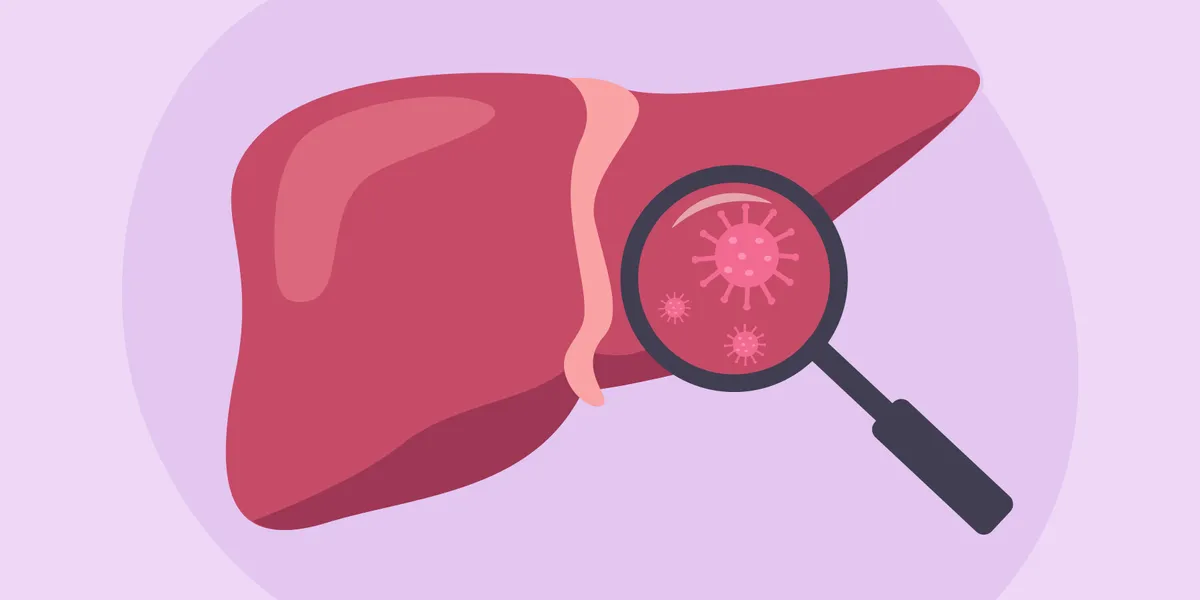
English Mayo es el Mes de Concientización de la Hepatitis. Aproximadamente 4.5 millones de adultos en Estados Unidos viven con enfermedades hepáticas crónicas y las mujeres tienen más posibilidades que los hombres de desarrollarlas. Algunas personas podrían asociar las enfermedades hepáticas con el consumo de alcohol, pero la verdad es que muchos factores diferentes, tales como el sobrepeso, trastornos autoinmunitarios e incluso virus, pueden causar enfermedades hepáticas. Además, ciertos tipos de enfermedades hepáticas atacan principalmente a mujeres. Aquí encontrarás información detallada de tu hígado, lo que hace en tu cuerpo y qué cosas malas pueden pasar. Tu hígado: Qué es y qué hace Somos muy afortunados de tener el hígado, que, con aproximadamente tres libras de peso, es el órgano interno más grande del cuerpo (técnicamente la piel es tu órgano más grande). El hígado no recibe tanta atención como tu corazón o los riñones, pero este órgano de color rojizo y café, que tiene la forma de una pelota de fútbol americano y que se encuentra justo bajo tus costillas realiza muchas funciones impresionantes todos los días. Además, es el único órgano interno de tu cuerpo que puede sanarse a sí mismo y crecer de nuevo completamente si se daña o se remueve. Honestamente, ¿cuán asombroso es eso? Aquí encontrarás un breve informe de solo algunas de las funciones que tu hígado realiza continuamente: Procesa los nutrientes de los alimentos Produce proteínas vitales Filtra toxinas de la sangre (¡esta función no solo es de los riñones!) Descompone sustancias peligrosas Almacena vitaminas y minerales Purga glóbulos rojos viejos Genera componentes necesarios para que tu sangre se coagule Los Institutos nacionales de salud (NIH, por sus siglas en inglés) describen el hígado como “duro” y “resiliente”. Independientemente de cuán fuerte sea el hígado, no es indestructible. Incluso un órgano capaz de sanarse a sí mismo puede dañarse, especialmente si se usa en exceso durante mucho tiempo. ¿Qué son las enfermedades hepáticas? Las enfermedades hepáticas pueden ser agudas (a corto plazo) o crónicas (a largo plazo). Las enfermedades hepáticas agudas son más infrecuentes que las crónicas. En ambos casos, el hígado está demasiado saturado para funcionar, pero usualmente tienen causas diferentes. Enfermedades hepáticas agudas Las enfermedades hepáticas a corto plazo comúnmente son producto de infecciones virales, tales como la hepatitis A, o en algunos casos, sobredosis de paracetamol, también conocido como Tylenol (las advertencias en las etiquetas de los envases existen por algo). Dependiendo de la magnitud del daño, las enfermedades hepáticas agudas a menudo pueden tratarse, especialmente si se detectan suficientemente temprano. En casos infrecuentes, las enfermedades hepáticas agudas pueden causar insuficiencia hepática total y, en esos casos, podría requerirse un trasplante de hígado. Enfermedades hepáticas crónicas A continuación: Las enfermedades hepáticas crónicas que son las más comunes. Uno de los papeles clave que juega el hígado es purgar toxinas de la sangre, lo cual le hace especialmente vulnerable a enfermedades con el tiempo. Si el hígado está expuesto continuamente a niveles altos de toxinas y le obligan a trabajar a altos niveles, incluso los órganos más resistentes pueden deteriorarse con el tiempo. Hay cuatro etapas de la enfermedad hepática crónica, que progresan según su gravedad: Hepatitis: Esta es la etapa de inflamación, cuando el hígado reacciona a una lesión o trauma. Si no se interviene para detener la inflamación, progresará a la siguiente etapa de fibrosis. Fibrosis: En esta etapa, a medida que el hígado se deteriora, el tejido saludable se reemplaza con tejido cicatricial. El hígado no puede funcionar normalmente con bandas de tejido con cicatrices. Sin embargo, incluso en esta etapa, si se detecta suficientemente temprano, el tejido cicatricial puede sanar. Sin embargo, si el hígado no tiene la oportunidad de sanar, la siguiente fase implica cicatrización permanente. Cirrosis: Una vez que ocurre la cirrosis del hígado, sus cicatrices se vuelven permanentes, aunque a veces pueden sanar en sus etapas tempranas si se trata la causa subyacente. A medida que la función hepática empeora, aparecerán gradualmente síntomas en el cuerpo. Sin embargo, tu cuerpo es muy bueno para compensar cuando el hígado no funciona normalmente, así que podrían pasar años hasta que aparezcan síntomas que puedan notarse. Incluso con cicatrices permanentes, si la enfermedad hepática se detecta relativamente temprano, es posible reducir la velocidad del progreso de la enfermedad o evitar daños adicionales. Insuficiencia hepática: La final y cuarta etapa de la enfermedad hepática es la insuficiencia hepática. La enfermedad todavía empeora lentamente y los síntomas podrían aparecer después de algún tiempo, pero en algún momento, señales completas de insuficiencia hepática se manifestarán. El único tratamiento para la insuficiencia hepática es un trasplante de hígado. Síntomas de enfermedades hepáticas Si tienes un malestar agudo de tu hígado, probablemente experimentes un dolor extremo en la parte superior derecha del abdomen, náuseas y vómito y una sensación general de malestar. Con una enfermedad hepática crónica, podrías tener síntomas similares, pero también podrías experimentar los siguientes síntomas de empeoramiento: Ictericia (cuando las escleróticas y la piel se ponen de color amarillo) Confusión Comezón en la piel sin sarpullido Excremento blanco Orina muy oscura Sangrado y moretones que aparecen fácilmente Protuberancias de grasa pequeñas y amarillas en tu piel o párpados Disminución de peso Pérdida muscular Aliento con olor rancio Dificultad para digerir grasas Inflamación de las manos y los pies Pérdida del ciclo menstrual Inflamación de los testículos La enfermedad hepática crónica tiende a empeorar lentamente con el tiempo, mientras el cuerpo compensa los daños hasta que la enfermedad es muy avanzada. Por eso, las personas podrían no notar síntomas de la enfermedad hepática de inmediato. ¿Cuáles son las causas de enfermedades hepáticas? Las enfermedades hepáticas pueden ocurrir por un consumo excesivo de alcohol y esa probablemente es la razón que se conoce más comúnmente. Sin embargo, también pueden ocurrir sin ninguna relación directa con el estilo de vida. Por ejemplo, una infección o trastorno hereditario puede causar enfermedades hepáticas. Hay más de 100 tipos diferentes de enfermedades hepáticas, pero algunas de las más frecuentes son: Enfermedad hepática autoinmunitaria: La

How Nuts Improve Brain Function
It’s no secret that nuts have some pretty great health benefits — they’re full of healthy fats, protein, vitamins, and even antioxidants — but did you know they’re also great for your brain? A 2017 study from Loma Linda University researchers found that regularly eating nuts can actually help with cognition, healing, learning, memory and other key brain activities. On top of that, “regular nut intake is linked to brain health benefits including slower cognitive decline, improved memory, and possibly reduced risk of dementia,” says Avery Zenker, a registered dietitian with MyHealthTeam. It all comes down to the healthy fats, fiber, protein, vitamins, and minerals that nuts are full of. Related story People Are ‘Snorting’ Peptides for Younger Skin & It’s Not a Scam Of course, not all nuts are created equal — at least when it comes to their value to our brains. in that 2017 study, researchers tested six varieties of nuts — almonds, cashews, peanuts, pecans, pistachios and walnuts — and found they all had high levels of antioxidants, with walnuts having the highest concentrations. Pistachios produced the greatest gamma wave response of all the nuts tested, which is necessary for enhancing cognitive processing, information retention, learning, perception and rapid eye movement during sleep. Technically, peanuts are legumes, but since they literally have “nut” in their name and most of us put them in that category anyway, they were included in the study. Turns out, they produced the highest delta response, which can help with immunity, natural healing and deep sleep. So what is it about nuts that makes them so brain-friendly? Many of the nutrients in nuts contain antioxidant properties, Zenker explains, which “help lower inflammation and combat oxidative stress.” The polyunsaturated fats in nuts — especially the omega-3s in walnuts — have been linked to reduced brain inflammation, studies have found. And, Zenker adds, “Vitamin E, magnesium, zinc, and selenium are essential micronutrients found in nuts that play important roles in nervous system function and antioxidant defense.” Zenker says that walnuts are especially a standout, thanks to those omega-3s. “Omega-3 is an essential fat that has potent anti-inflammatory benefits,” she explains. That’s important for your brain health, because “neuroinflammation is one of the primary contributors to cognitive decline,” Zenker says. Nuts also support brain health indirectly, Zenker adds, by promoting a healthy gut microbiome (which has a major effect on your brain health via the gut-brain axis) and benefiting cardiovascular health, which improves blood flow and nutrient delivery to the brain. Of course, nuts are also beneficial for the rest of your body; they are great for your heart, gut, brain, skin, immune, and metabolic health, Zenker says. And you can get those benefits with just a handful of mixed nuts a day — not too shabby for a quick health boost. A version of this article was originally published in 2017. Source link

Kintor Pharmaceutical Phase 3 Trial Results for KX-826 and GT20029
All the latest updates are underneath the below introductory section on KX-826 and GT20029. Note that Kintor is already selling its KX-826 (Pyrilutamide) androgen receptor antagonist (finishing Phase 3 trials in 2026) as a topical cosmetic on Amazon. Kintor Pharmaceutical Pyrilutamide (KX-826) Androgen Receptor Antagonist. Kintor Pharmaceutical: KX-826 and GT20029 for Androgenetic Alopecia My original post on Kintor Pharmaceutical (China) has become way too lengthy after so many updates. I will now add all new updates in this post below this section. This rapidly moving well funded company is in Phase 2 and Phase 3 trials in the US and China for both its male androgenetic alopecia (AGA) products. Kintor (pipeline here) is conducting hair loss trials for: Two separate androgen receptor (AR) targeting products: a degrader (GT20029) and an antagonist (KX-826 aka Pyrilutamide). Each of these trials is being conducted in both China and the US. Each of these products is being tested for both males and females with androgenetic alopecia (aka pattern hair loss). i.e., a total of 8 types of clinical trials times 3 phases in each = 24 developments we have to track. A bit too much if all of these do end up taking place, but a most welcome development. Over one-half of these 24 potential trials are already finished. The GT20029 product is an androgen receptor degrader (AR Degrader). It is developed using Kintor’s proprietary Proteolysis Targeting Chimera (PROTAC) platform. This is the world’s first topical androgen receptor (AR) compound (AR-PROTAC) to enter clinical trials. GT20029 degrades the AR protein via the E3 ubiquitin ligase pathway. During preclinical studies, GT20029 did not cause any notable side effects or systemic drug accumulation. Kintor’s main product for treating male pattern hair loss is KX-826 (Pyrilutamide) and is an androgen receptor antagonist (AR Antagonist). KX-826 is currently in Phase 3 clinical trials in the US and has completed Phase 3 trials in China. Note that Cassiopea’s Breezula (Clascoterone) is an AR antagonist that is also currently in Phase 3 trials in the US. Kintor’s website has an interesting article discussing both these competing AR antagonist products and hair loss. Make sure to also read my related past post on destroying the androgen receptor to reverse hair loss. Kintor GT20029 Androgen Receptor Degrader. Update: June 2, 2026 KX-826 Phase 3 Results Positive and Approval is Likely Kintor made a poster presentation at last week’s WCHR Conference that was well received and received an award. Professor Cheng Zhou from Peking University People’s Hospital (the lead principal investigators of the phase III clinical trial), presented the final results of KX-826 1.0% tincture. The treatment group consisted of male Chinese adults with androgenetic alopecia. On their site, they released an encouraging summary of the results, with the following quote: “The overall results demonstrated that KX-826 exhibited excellent efficacy and safety in patients with AGA.” Kintor is now actively pursuing the marketing authorization for KX-826. Upon approval, KX-826 is expected to become the first new treatment for male pattern hair loss in 30 years. Minoxidil was approved to treat androgenetic alopecia in 1988; and finasteride was approved for the same purpose in 1997. Update: March 18, 2026 KX-826 1.0% Phase 3 Trial Primary Endpoint Results Kintor just announced that the Phase 3 stage of the company’s pivotal clinical trial for its KX-826 tincture 1.0% for the treatment of AGA has obtained top-line results. The numbers show statistically significant and clinically meaningful hair growth outcomes, while demonstrating excellent efficacy and safety. A total of 666 patients were treated for 24 weeks. Both the 1.0% BID (i.e. twice a day) group and 0.5% BID group demonstrated statistically significant therapeutic efficacy and clinical significance relative to the placebo group. The target area non-vellus hair counts (“TAHC”) of the 1.0% BID group showed an increase of 15.33 hairs/cm2 from baseline. The TAHC of the 0.5% BID group showed an increase of 14.46 hairs/cm2 from baseline. The TAHC of the placebo group showed an increase of 4.68 hairs/cm2 from baseline. Note that at the bottom of the press release, they basically imply that competing product Breezula will beat them to market in the US and EU. Update: December 3, 2025 Positive Phase 2 Trial Results for GT20029 In my April 2024 update, I discussed the positive interim results for the Phase 2 clinical trial of GT20029 in China. Now we have a final report published on PubMed. The randomized, double-blind, placebo-controlled Phase II trial entailed 180 Chinese adult males with androgenetic alopecia. It lasted from April 2023 to April 2024. The subjects were randomized equally into six groups receiving GT20029 (0.5% or 1.0%) or placebo, either once daily (QD) or twice weekly (BIW) for 12 weeks. All four GT20029-treated groups showed significant increases in target area hair count (TAHC) at Week 12. Target area hair width (TAHW) also improved significantly in the 1.0% BIW group vs placebo. Update: September 25, 2025 Check out the Kintor AMA on Reddit with one of their medical scientists. Update: August 1, 2025 KX-826 1.0% Phase 3 Trials to Finish in Early 2026 Kintor’s enrollment of 666 patients in the Phase III Pivotal Clinical Trial of KX-826 tincture 1.0% for the treatment of AGA is finished. This trial is expected to be completed by the beginning of 2026. Update: July 25, 2025 KX-826 1.0% versus KX-826 0.5% Among the numerous trials that Kintor is undertaking for its two androgen receptor targeting products is a Phase II/III trial for KX-826 tincture 1.0% dosage. Yesterday, it announced the results of its “Phase 2 stage” of this pivotal trial consisting of 90 volunteers. The target area non-vellus hair counts (“TAHC”) of the 0.5% BID group increased by 22.39 hairs/cm2 from baseline. The TAHC of the 1.0% BID group increased by 21.87 hairs/cm2 from baseline. The TAHC of the placebo group increased by 8.73 hairs/cm2 from baseline. So the 0.5% and 1.0% dosages seem equally effective. A bit disappointing. Update: May 2, 2025 Clinical Observational Study finds KX-826 plus Minoxidil to be Superior Kintor just published the primary endpoint

More research needed on IBD for patients who are transgender
Add topic to email alerts Receive an email when new articles are posted on Please provide your email address to receive an email when new articles are posted on . “ data-action=”subscribe”> Subscribe We were unable to process your request. Please try again later. If you continue to have this issue please contact customerservice@slackinc.com. Back to Healio Evidence suggests inflammatory bowel disease is equally prevalent in transgender and cisgender populations. However, it remains unclear whether gender-affirming care and the higher rates of trauma experienced by many transgender patients affect disease course. As political pressure threatens access to gender-affirming hormone therapy (GAHT), patients with IBD who are transgender are increasingly caught in an uncertain care landscape. Major knowledge gaps remain around how hormone therapy may affect Crohn’s disease and ulcerative colitis, as well as the psychosocial challenges of being transgender and navigating gastrointestinal care. Image: Rainbows in Gastro. Reprinted with permission. “There is an urgent need to close many gaps in literature,” Victor Chedid, MD, MS, gastroenterologist and director of the IBD Pride Clinic at Mayo Clinic, told Healio. “More data and guidelines will help us better care for patients from the LGBTQ+ community, including transgender and gender-diverse populations who are living with inflammatory bowel disease.” Among other important steps toward building trust with patients, having an inclusive and respectful space is critical to caring for patients who are transgender and have IBD, according to Kira Newman, MD, PhD, clinical assistant professor of internal medicine at Michigan Medicine. Newman emphasized that individuals with IBD often spend a significant amount of time interacting with the health care system. Kira Newman For patients who are transgender, that “presents a lot of opportunities to come in contact with individuals who may have stigma against trans people or systems where they feel like they’re not seen or heard,” Newman, whose clinical research focuses on health care equity for LGBTQ+ people with digestive diseases, said. Chedid has conducted studies with focus groups of patients in the LGBTQ+ community and found that many of them have experienced aggressive or dismissive care, which has eroded their trust in clinicians. “Patients living with IBD need prompt care,” he said. “If somebody has a history of [experiencing] discrimination and stigma and a mistrust of health care, they might delay and only present to clinic when their disease is more severe.” IBD care and flares Newman and Chedid were investigators in a key retrospective, multicenter study published in Clinical Gastroenterology and Hepatology in 2023 that evaluated IBD flares among patients in the transgender community. “We found there was no overall increase in IBD flares in the year after starting gender-affirming hormone therapy, which was a reassuring finding for providers and patients,” Chedid said. Victor Chedid He did note that patients with active IBD or inflammation when GAHT was initiated were more likely to experience a flare the following year. “That speaks to the importance of including an IBD provider in the gender-affirming care of a patient, because at the time of initiation of gender-affirming care — especially gender-affirming hormones — it will be important to get the IBD in deep remission to reduce the risk of flaring,” Chedid said. Chedid also recommends that clinicians be proactive and “consider noninvasive monitoring within the first 3 months of initiating hormones with stool-based testing, such as fecal calprotectin, and again at 6 months and 1 year.” Newman concurs that clinicians should continue observing patients during this period. “It appears that GAHT is safe and does not cause flares, but it is important to monitor anyone going through a major physiologic change, just like we would monitor people as they go through pregnancy or treatment for a major comorbid illness,” she said. Newman also highlighted the importance of recognizing that GAHT is not one monolithic treatment and not every patient is taking the same formulation. “If there is a liver-related injury we think is related to medication, [we should] assess all of a patient’s medications, including their GAHT,” Newman said. She added that clinicians should be aware that GAHT also differs in dosage and duration of action. If patients experience complications, it may be important to confirm they are obtaining GAHT from a licensed practitioner. Newman recommends asking where patients obtain their medications because, “while many transgender people are fortunate to be able to access clinics where they can get gender-affirming care, not everyone who is on GAHT is accessing that through a clinic.” Another point of concern is how feminizing hormone therapy specifically may interact with IBD. “Estradiol, especially if given orally, can increase the risk of venous thromboembolism, which is also a concern in patients with severe IBD,” Laura Targownik, MD, told Healio. Targownik is a clinician researcher at Mount Sinai Hospital in Toronto and president of Rainbows in Gastro, an organization that advocates for the LGBTQ+ community in gastroenterology and hepatology spaces. Laura Targownik She said there are still questions about how those two risk factors for venous thromboembolism interact, particularly when a third risk factor is added, like hospitalization. In those specific cases, Targownik said she believes temporarily pausing therapy could be a consideration to lower the risk for DVT. But in general, she emphasized that gastroenterologists should not think of GAHT as any less important than any other medication they may be on for any concomitant condition. “Even though we recognize some medications prescribed for other conditions can theoretically cause GI symptoms or impact a patient’s IBD, we’re pretty circumspect about telling people to stop medications that other [clinicians] have prescribed,” Targownik said. Alexander Michael Goldowsky, MD, attending gastroenterologist at Beth Israel Deaconess Medical Center and assistant professor at Harvard Medical School, cautions clinicians about “transgender broken arm syndrome,” a phenomenon where any condition a transgender individual is experiencing, up to and including a broken arm, is blamed on their GAHT. Goldowsky advises clinicians to avoid making assumptions and automatically attributing concerns a patient who is transgender
Cirugías mínimamente invasivas y procedimientos robóticos para cáncer pulmonar
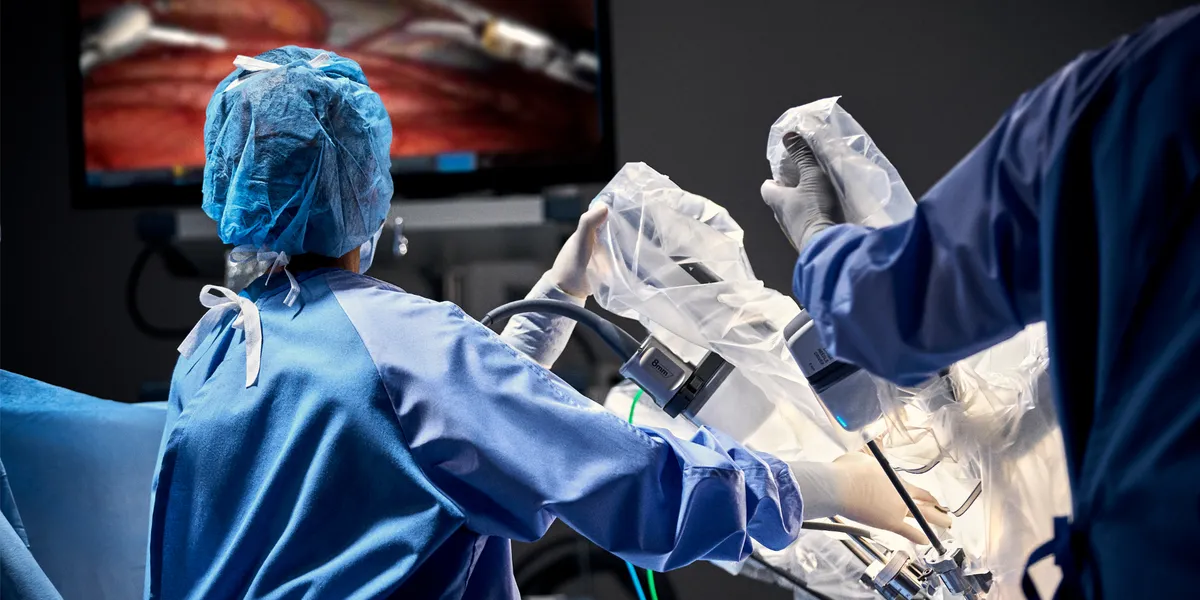
English Enterarte de que tienes un trastorno tal como cáncer pulmonar es espeluznante. Afortunadamente, hay opciones quirúrgicas de diagnóstico y tratamiento que son mínimamente invasivas. Esto significa que solamente implican cortes diminutos y tiempos de recuperación más rápidos en comparación con cirugías tradicionales o abiertas. Comprender unos tipos diferentes de procedimientos mínimamente invasivos y cómo pueden ser útiles para personas con cáncer pulmonar y otros trastornos, podría ser útil para que sientas menos ansiedad sobre lo que estás enfrentando. Procedimientos mínimamente invasivos comunes Un procedimiento mínimamente invasivo que se usa para diagnosticar y tratar una amplia variedad de problemas médicos es la endoscopía. Durante una endoscopía, tu proveedor de atención médica (HCP, por sus siglas en inglés) coloca un endoscopio, es decir, una sonda larga y delgada, dentro de tu cuerpo para ver de cerca la parte corporal que debe examinarse. Esta sonda usualmente tiene una luz y una cámara en uno de sus extremos y tu proveedor de atención médica mira la pantalla que le muestra lo que graba la cámara. Hay muchos tipos diferentes de endoscopias, pero todas funcionan de la misma forma básica. Un tipo de endoscopio llamado un laparoscopio puede usarse con herramientas quirúrgicas en una cirugía mínimamente invasiva denominada laparoscopía para detectar problemas en tu estómago o área pélvica. Durante una laparoscopia, el laparoscopio se inserta en tu estómago a través de una incisión pequeña y muestra imágenes en un monitor para que tu cirujano pueda verlas. La cirugía robótica es otro procedimiento mínimamente invasivo. Usa una cámara de alta definición (HD, por sus siglas en inglés) que muestra un acercamiento del área y un brazo robótico con herramientas quirúrgicas diminutas en uno de sus extremos. También hay un panel de control que se ve como un control de videojuegos. El cirujano controla el brazo robótico, que es un tipo de instrumento quirúrgico, para realizar la cirugía. ¿Cuándo se usan los procedimientos mínimamente invasivos? Si bien hay ocasiones en las cuales procedimientos más tradicionales son necesarios, se pueden usar procedimientos mínimamente invasivos para muchos problemas médicos diferentes en todo el cuerpo, incluyendo cáncer de pulmón y otros problemas médicos que afectan los pulmones. Por ejemplo, proveedores de atención médica podrían realizar un tipo de endoscopía denominado broncoscopia que usa una sonda para ver el interior de tus pulmones y vías respiratorias. Este procedimiento puede usarse para detectar cáncer pulmonar e identificar su gravedad. La broncoscopia robótica, que se realiza con sistemas tales como Ion y Monarch, usa una sonda más pequeña y un panel de control que un proveedor de atención médica controla para mover la sonda con precisión y para llegar a lugares del pulmón a los cuales las broncoscopias tradicionales no tienen acceso. Un mapa tridimensional de los pulmones permite al proveedor de atención médica dirigir la sonda para ver exactamente dónde se encuentra y a dónde debe ir, guiando la sonda a ganglios que son difíciles de alcanzar para hacer biopsias. También pueden usarse procedimientos mínimamente invasivos para tratar el cáncer pulmonar y otros problemas de los pulmones. En vez del método tradicional, que es una cirugía abierta llamada toracotomía, los procedimientos mínimamente invasivos usan incisiones más pequeñas y frecuentemente facilitan periodos de recuperación más cortos. Con cirugías videotoracoscópicas (CVT), utilizadas a menudo para cánceres pulmonares pequeños de etapas tempranas, tu proveedor de atención médica hace unas incisiones en tu pecho, luego usa una cámara y herramientas especiales de mango largo para realizar la cirugía mientras mira una pantalla de vídeo. Con equipos de cirugía robótica, tales como el sistema quirúrgico da Vinci o el sistema Mako, brazos robóticos (controlados completamente por un doctor) se usan en una forma mínimamente invasiva para tratar problemas pulmonares más complejos. La cirugía robótica usa una pantalla de vídeo con imagenología tridimensional de alta definición. Los beneficios de los procedimientos mínimamente invasivos Los procedimientos mínimamente invasivos solo requieren incisiones diminutas por lo que son mucho más suaves para el cuerpo, lo cual podría significar menos dolor para el paciente, tiempos más cortos de recuperación y cicatrices más pequeñas. Además, estudios han demostrado que la cirugía robótica se asocia a mejores desenlaces clínicos que otros tipos de cirugías mínimamente invasivas o que cirugías abiertas durante el procedimiento y posteriormente. Los beneficios de las cirugías robóticas incluyen una menor necesidad de transfusiones de sangre, menores tasas de complicaciones, estadías más cortas en los hospitales, menos regresos a los hospitales después de los procedimientos e incluso menores tasas de mortalidad. Las cirugías que implican una menor carga para el cuerpo pueden ser particularmente útiles para personas que se someten a tratamientos oncológicos. Cuando tu cuerpo no tiene que esforzarse tanto para sanar de una cirugía, podría lidiar de mejor forma con la siguiente fase de tu plan terapéutico. Y este tipo de tratamiento oncológico mínimamente invasivo cada vez se vuelve más común. Un estudio reciente dirigido por la facultad de medicina de la Universidad Duke que analizó más de 76,000 casos de cáncer pulmonar determinó que las cirugías de cáncer pulmonar se están haciendo cada vez menos invasivas, particularmente para pacientes más jóvenes y saludables. “Este es un hallazgo muy alentador para toda la comunidad de profesionales que atienden a pacientes de cáncer pulmonar”, dijo el autor del estudio, y profesor de la facultad de medicina de Duke, Xiaofei Wang, Ph.D., en una publicación de prensa. Identifica tus opciones Independientemente de si lidias con la posibilidad espeluznante de un diagnóstico de cáncer pulmonar o de otro problema médico, un procedimiento mínimamente invasivo podría ser una opción terapéutica potencial. Para obtener más información sobre tus opciones en lo que se refiere a tratamientos menos invasivos, habla con tu proveedor de atención médica. Puede indicar tus opciones y ayudarte a escoger la mejor para tus necesidades únicas. Este recurso educativo se preparó con el apoyo de Intuitive. From Your Site Articles Related Articles Around the Web Source link


