

Recognizing the significance of Cervical Cancer Prevention Month this January, INTIMINA understands that there is never enough encouragement and accessible education regarding preventative care. For many women, anxiety about cervical screening (smear tests or Pap smears) can be a significant barrier. Cervical cancer is one of the few cancers that is more common in younger women, with the highest incidence in the age group 30-34, followed by 35-39 age group, according to Cancer research UK data. Crucially, it is also one of the most preventable cancers, largely thanks to two major factors: the Human Papillomavirus (HPV) vaccine and regular screening. “Over 99% of cervical cancers are caused by a persistent infection with high-risk strains of HPV. That’s why HPV vaccination is such a critical tool in reducing infection across the population, and gives us a real opportunity to reduce cervical cancer dramatically in the future. However, regular cervical screening remains absolutely essential. It identifies high-risk HPV infections and picks up precancerous changes early, often long before they have any chance to develop into cancer,” explains Dr Unsworth. Despite its importance, statistics show that millions of women are not up-to-date with their routine cervical screening. For many, the barriers are fear, anxiety, or embarrassment about the procedure itself. Dr. Unsworth’s 5-Point Guide To a Comfortable Screening The cervical screening test takes only 2-3 minutes to perform, though the full appointment may last around 20 minutes. Dr Unsworth shares her top practical tips for a more relaxed experience: 1. Talk to Your Clinician “Don’t hesitate to share any concerns. Talk to the doctor or nurse beforehand. They are there to reassure you, answer questions, and make any adjustments you need. They can explain each step of the process, which often helps ease anxiety,” says Dr Unsworth and adds: “If you’re worried about how you’ll cope during the test, you can also agree on a word or signal to use if you need to pause or stop at any point.” 2. Focus on Your Breathing “If you’re feeling nervous or tense during the procedure, simple breathing techniques can really help,” says Dr Unsworth. “Focusing on slow, steady breaths can relax your body and make the test feel easier. You can also use any other techniques you know help you stay calm, whether that’s grounding exercises, visualisation, or simply chatting to the clinician. And remember, you can always ask the nurse or doctor to pause at any point so you can take a moment.” 3. Request a Smaller Speculum For some women, especially those experiencing menopausal symptoms like vaginal dryness, the speculum can be uncomfortable. “Using a smaller speculum can often make a big difference, says Dr Unsworth. “Don’t hesitate to ask about this. You may also feel more comfortable inserting the speculum yourself, and you can absolutely ask to do this if you prefer.” “If vaginal dryness is an issue, using vaginal oestrogen for a few weeks beforehand can also help, though you should avoid applying it in the 48 hours before your test”, adds Unsworth. 4. Consider Over-the-Counter Pain Relief (If Needed) If you think the procedure might be uncomfortable for you, Dr Unsworth suggests taking paracetamol or ibuprofen about an hour beforehand. This can help ease any mild discomfort in advance. 5. Adjust Your Body Position “Sometimes it can be tricky for the clinician to get a clear view of the cervix, and that’s an important part of the test. Everyone’s anatomy is a little different, and small adjustments can make a big difference. We may suggest tilting your pelvis slightly, which isn’t always easy on a flat examination couch. Simple techniques like placing your hands under your bottom can help adjust the angle, and for some women, lying on their side is both more comfortable and gives a better view. Whatever the approach, it should always be a conversation with you, making sure you feel comfortable throughout,” explains Dr Unsworth. Why Screening Is Non-Negotiable A cervical screening test involves taking a small sample of cells from the cervix to check for high-risk HPV. If high-risk HPV is detected, the sample is then checked for any abnormal precancerous cells. Routine Recommendations While guidelines vary regionally, in general, cervical screening is recommended every five years for everyone aged 25 to 64. What Happens Next A negative HPV result is excellent news, meaning you are at very low risk of developing cervical changes. If high-risk HPV is found, your sample is checked for cell changes. Minor changes can often return to normal, but more significant changes will lead to a referral to a colposcopy clinic for a more detailed examination. Most women referred to colposcopy do not have cancer. Dr Unsworth emphasises: “The key thing to remember is that cervical screening is designed to identify changes before cancer develops, or to detect cancer at a very early stage when treatment is usually highly effective. That is why regularly attending screening is important, as it gives us the best chance of detecting these changes early. HPV vaccination also plays an essential part in reducing risk, so if you’re offered it, it is well worth taking up. There are also recognised factors that can increase the risk of cervical cancer, such as smoking or having multiple sexual partners. These reflect what we know about how the virus spreads and how the body responds, and understanding them can help people make informed choices. With education, vaccination for those who are offered it, and regular cervical screening, we have powerful tools to reduce cervical cancer for future generations significantly.” Source link

Best Shampoos for Scalp Health and Hair Growth
Why Scalp Health Matters for Hair Growth Your scalp is home to thousands of hair follicles. These follicles rely on a clean and balanced environment to produce strong, healthy strands. Over time the scalp can accumulate buildup from When this buildup sits on the scalp for too long, it can interfere with follicle function and create inflammation. This often shows up as itching, flaking, excess shedding, or slower hair growth. This is why scalp focused shampoos can make such a difference. The right formula helps cleanse the scalp thoroughly while supporting circulation, follicle health, and balance. Should You Double Cleanse Your Hair? One of the most helpful techniques for improving scalp health is something called double cleansing your hair. If you have ever double cleansed your face to remove makeup and impurities, the concept is very similar. In many of our regimens, you will notice something called a secondary shampoo rinse. The idea is simple. The first wash breaks down buildup. The second wash actually cleans the scalp. A double scalp cleanse ensures a deeper and more thorough clean. This process helps remove dirt, debris, environmental pollutants, and hormone buildup that can sit on the scalp and contribute to excess shedding and slower growth. We have used this method in our routines for over a decade and consistently see improvements in scalp health, faster hair growth, and reduced shedding. Source link

Can Epidural Injections Be Used for Pain Management?
When pain becomes unbearable, people are willing to explore any treatment that promises relief. One treatment that often comes up in discussions is epidural steroid injections (ESIs). While you may have heard of these injections in the context of childbirth, they also serve another function: pain management for chronic conditions. So, the big question is: Can epidural injections really be used for pain management? Absolutely! Let’s look at how they work, who can benefit from them, and what you should know before considering them as a treatment option. What Are Epidural Injections? An epidural injection is a minimally invasive procedure that delivers anti-inflammatory medication—typically a corticosteroid—directly into the epidural space of your spine. The epidural space surrounds the spinal cord and the nerve roots, which are often the source of pain when irritated or inflamed. Corticosteroids are powerful anti-inflammatory medications that help reduce swelling, pressure, and irritation on the nerves. By delivering them directly to the source of the pain, epidural injections can provide targeted relief that oral medications often fail to offer. How Do Epidural Injections Work? Think of epidural injections as fire extinguishers for your nerves. When a nerve becomes inflamed, it can cause a lot of discomfort and, in some cases, even debilitating pain. This inflammation often results from conditions like a bulging disc or spinal stenosis that put pressure on your nerves. By injecting steroids near the affected nerve roots, the inflammation is reduced, and with it, the pain subsides. The injection consists of two key components: a corticosteroid to reduce inflammation and an anesthetic to provide immediate pain relief. The anesthetic gives you relief shortly after the injection, while the corticosteroid works over a longer period to keep inflammation at bay. Conditions That Epidural Injections Can Treat Epidural injections are most commonly used to treat pain that originates in the spine and radiates to other parts of the body, such as the legs or arms, which is known as radicular pain. Here are a few conditions where epidural injections may help: Herniated Disc A herniated disc occurs when the cushion-like discs between your spinal bones rupture, pressing on the spinal nerves. This condition can cause intense pain that radiates down the legs (sciatica) or arms. Epidural injections can relieve the inflammation caused by the herniated disc and alleviate nerve irritation. Spinal Stenosis This condition refers to the narrowing of the spinal canal, which can put pressure on the spinal cord and nerve roots. This typically causes pain, numbness, and weakness in the legs. Epidural injections can help reduce the inflammation and pressure on the nerves, providing relief from these symptoms. Sciatica Sciatica is the pain that radiates along the path of the sciatic nerve, which extends from your lower back through the hips and down each leg. When a nerve in the lower spine is compressed, the result is typically sciatica. Epidural injections target the inflamed nerve and provide relief. Degenerative Disc Disease As we age, the discs in our spine begin to wear down, leading to pain and discomfort. While this is a natural part of aging, it can become debilitating for some people. Epidural injections can help manage the pain associated with degenerative disc disease by reducing inflammation in the affected areas. What to Expect during the Procedure If you’re considering an epidural injection for pain relief, understanding the procedure can help ease any concerns you might have. Here’s a breakdown of what typically happens during an epidural steroid injection: Preparation: You’ll lie face down on a table, and the area where the injection will be administered is sterilized. Local anesthesia may be used to numb the injection site, so you won’t feel much discomfort. Guided Imaging: For precision, the physician will use fluoroscopy (a type of X-ray) to guide the needle into the epidural space. This imaging technique ensures that the medication is delivered to the right spot. The Injection: Once the needle is in place, the physician injects a mixture of corticosteroid and anesthetic into the epidural space. Post-Procedure: After the injection, you’ll be monitored for a short time before being allowed to go home. You’ll want to take it easy for the rest of the day but can typically resume normal activities the following day. How Long Do Epidural Injections Last? This is one of the most common questions people have about epidural injections. While the anesthetic in the injection provides immediate relief, the corticosteroid takes a little longer to kick in—usually within 2 to 7 days. The relief you experience from the injection can last anywhere from several days to a few months. Some patients experience significant pain reduction after just one injection, while others may require a series of injections for more sustained relief. Who Shouldn’t Get Epidural Injections? While epidural injections are a great option for many people, they aren’t suitable for everyone. You may not be a good candidate for an epidural steroid injection if you have a bleeding disorder, a current infection, uncontrolled diabetes, and certain neurological conditions. Your physician will review your medical history and discuss whether or not this treatment is appropriate for you. The Benefits of Epidural Injections One of the biggest benefits of epidural injections is that they provide targeted pain relief without the need for oral medications, which can come with unwanted side effects like drowsiness, nausea, or dependency. Here are some other key advantages: Non-Surgical: Epidural injections are a minimally invasive option that may help you avoid surgery. Fast Relief: The anesthetic component of the injection can provide immediate pain relief, often allowing you to return to normal activities quickly. Reduced Inflammation: The corticosteroid reduces inflammation at the source, helping to provide longer-lasting relief. Improved Quality of Life: For many, epidural injections allow for a significant improvement in quality of life, helping them stay active and functional. Should I Consider an Epidural Injection for Pain? If chronic back or neck pain is affecting your quality of life, an epidural injection might be worth considering. However, it’s not a

Life Time Hosts Girls Gone Strong Master Class for Fitness Professionals
A Shared Vision for Empowering Coaches and Clients Life Time and Girls Gone Strong both believe in equipping fitness professionals with science-backed, inclusive, and high-impact education. Their team sought out GGS after hearing strong endorsements from existing staff who had already experienced the quality of Girls Gone Strong Certifications. Following initial conversations with Life Time Leadership and one of their top female trainers, Life Time requested GGS education be made available to their training staff.” Real Impact for Fitness Professionals Who Work with Women. The pilot collaboration included several key initiatives: Girls Gone Strong issued Certifications to select Life Time team members, allowing them to review the curriculum and become GGS Certified. GGS Co-Founder Molly Galbraith delivered a company-wide master class focused on evidence-based health and fitness coaching for women. A private enrollment opportunity was created exclusively for Life Time professionals to access and complete GGS Certifications. The response demonstrated strong engagement, with many Life Time coaches attending the master class and completing their Certifications. Why It Matters: Elevating the Coaching Standard for Women’s Health This initiative reflects a broader shift toward elevating standards in women’s health and fitness education. With thousands of women walking into Life Time facilities every year, and more professionals now trained in women-centered coaching strategies, the ripple effect is powerful: The GGS x Life Time Educational Initiative Girls Gone Strong provided Life Time with educational resources, including a company-wide masterclass, complimentary certifications, and professional development opportunities for their training staff. Life Time fitness professionals interested in GGS certifications can learn more at girlsgonestrong.com. Source link
Should You Focus On Length Before Strength With PFD?
Estimated reading time: 9 minutes Should you focus on length before strength with pelvic floor dysfunction (PFD)? This is a question I am often asked. Maybe you are wondering what this even means? Length would imply stretching exercises such as yoga and strength would imply strengthening such as lifting weights. Some may quickly jump to the answer that you should lengthen if your muscles are “tight” and strengthen if your muscles are “weak”, however, it is not that simple. For one, tight muscles are not strong. Also, if you have weak muscles, other muscles will have to take the load so it is inevitable that you will have some muscles that need to lengthen and some that need to be strengthened. Back in 2015 when I was facing a life of incontinence following pelvic mesh removal, I felt that strength was very much needed in order to prevent leakage. The thought of lengthening was frightening as I also had a rectocele (a form of pelvic organ prolapse). Back then, my understanding of pelvic organ prolapse was based on what my gynaecologist had told me; my rectum was falling into my vaginal passage due to tissue laxity. The idea of organs falling made me tense up. I almost wished my vaginal opening had a zip so I could ensure none of my organs would drop out. Thankfully, through years of diligent investigation, education and training, I have changed my understanding of pelvic organ prolapse and pelvic floor dysfunction in general. With this change in understanding came a change in practice that saw an end to my PFD symptoms. Whether you are suffering from prolapse or pelvic pain, this article should provide some valuable information to propel your journey to empowerment. Nervous System Control The management of both strength and flexibility is governed by your nervous system. The nervous system utilizes both the musculoskeletal system and the connective tissue system to manage the balance of tension throughout your body. It is this balance of tension that dictates if you have hypertonicity (tightness) or hypotonicity (laxity). 10% off Empower Your Flower The nervous system can be viewed as an electrical system within the body that is responsible for protecting organs, muscles and joints so they can function optimally keeping you safe and ensuring your survival. This understanding – that the nervous systems primary goal is to protect – holds the key to relieving the symptoms of pelvic floor dysfunction (incontinence, pelvic organ prolapse, pelvic pain etc.). Regardless of whether you choose to stretch with yoga or to do strength exercises, you are simply communicating with your nervous system as all movement is a form of communication with this amazing system. Your thoughts also communicate with your nervous system. Maybe you have noticed this before. When remembering something horrible from your past, you might have felt a visceral response in your body. This is because your brain cannot tell the difference between a horrible memory from the past and something horrible that is presently happening. What you think about your pelvic organ prolapse, pelvic pain, incontinence or any other pelvic floor dysfunction, can dramatically impact how the condition manifests in your body. Let me explain… Survival Instinct Your autonomic nervous system is focused on protecting you and keeping you away from danger. At the core of your autonomic nervous system is a primitive survival instinct. The autonomic nervous system subconsciously controls major functions such as heart rate, breathing, digestion, urination and sexual function. There are two major subdivisions of this system: the sympathetic nervous system (“fight or flight”) and the parasympathetic nervous system (“rest and digest”). Negative thoughts have the power to influence your autonomic nervous system triggering the flight or fight response. This causes an increase in heart rate and respiration while pausing digestive function to prepare your body to escape imminent danger. Along with these autonomic changes, it is common to have an increase in muscular tension. This is where the term “a tense moment” originates. It indicates a state of nervous strain that creates tension in your tissues. Autonomic Nervous System – PNS & SNS The Business of Your Body’s Movement To gain a better understanding, we can explore the business of your body’s movement. The function of muscle is to shorten (contract). From the nervous systems perspective, the shortening of muscle is a protective response to prevent overstretching and muscle fiber damage. It is this shortening of muscles that moves your joints to create motion, therefore, you can view movement is an important function in your survival. Your muscles are connected to your bones through tendons; part of your connective tissue network. The connective tissue network which mechanically distributes tension throughout your body, stretching from the top of your head to the soles of your feet. Within your muscle tendons, there are sensory organs which monitor the stretch of your tendons. Again, this is a protection mechanism. As a muscle’s fibers shorten, the tendons at both end of that muscle are being stretched. Your nervous system will inhibit the contraction to save your tendons; another protective reflex that helps to ensure your survival as muscle tissues repair faster than connective tissues. This business of your body’s movement is complex and, in my opinion, extremely fascinating! We manage to achieve amazing feats with our movement every day – just standing up or walking around requires an amazing balance of tension through the entire network of tissues that make up your body. The body, being a self-healing organism, is always striving to rejuvenate and repair. It attempts to do this as efficiently as possible while expending minimal energy. Such a complex system is not without flaws, especially when we live such busy, stressful lives. It becomes easy to forget that what we think and do each day is sending subtle messages to the nervous system that can change the balance of tension in the body. Changing the Question So, when it comes to the question of length before strength, I think
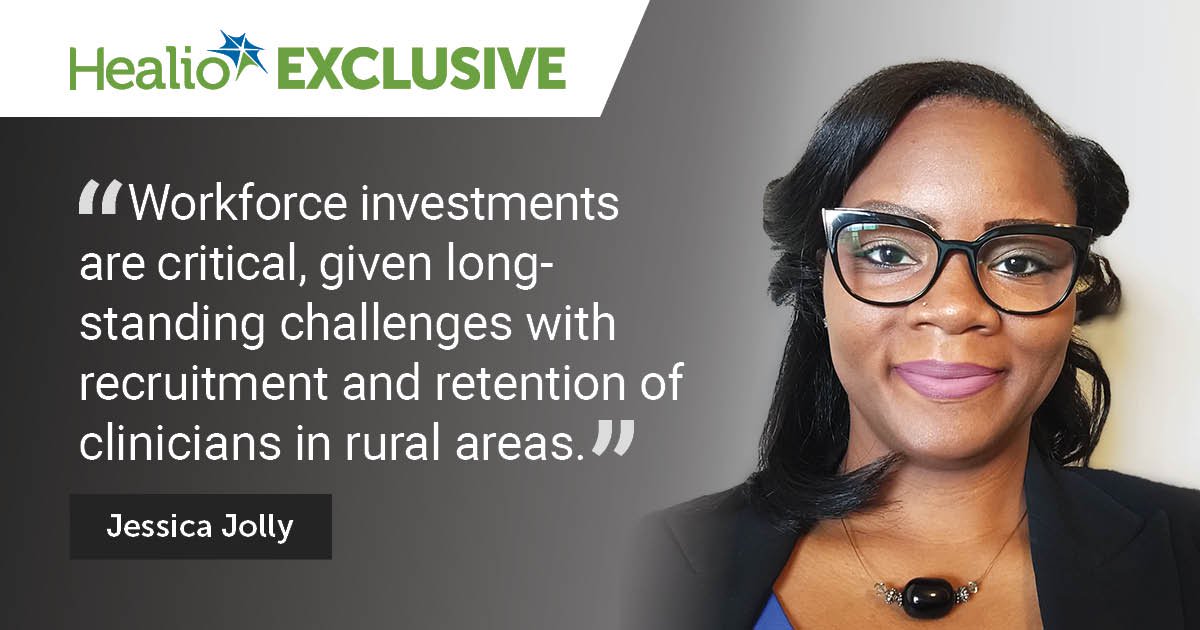
Experts weigh federal MAHA programs targeting rural health
Add topic to email alerts Receive an email when new articles are posted on Please provide your email address to receive an email when new articles are posted on . “ data-action=”subscribe”> Subscribe We were unable to process your request. Please try again later. If you continue to have this issue please contact customerservice@slackinc.com. Back to Healio Although experts generally support the stated goals of programs targeting rural areas in HHS Secretary Robert F. Kennedy Jr.’s “Make America Healthy Again” initiative, many have questioned whether the actual policies are up to the task. “Overall, the growing attention on rural health care and the barriers faced by rural residents is music to our ears,” Rebecca J. Schmidt, DO, FACP, FASN, assistant dean for rural outreach and community engagement, and professor of medicine in the division of nephrology, at West Virginia University School of Medicine, told Healio. “It is refreshing to note that the problems with access to care for rural residents are being recognized and that efforts to address access to care issues have entered the national dialogue.” In December 2025, CMS announced all 50 states would receive awards as part of the Rural Health Transformation Program, a $50 billion initiative established under the One Big Beautiful Bill Act. The awards ranged from $147 million to $281 million, with the average award being $200 million. “Overall, I think the initiatives are welcomed in rural communities, where there are disproportionately high rates of conditions such as type 2 diabetes, heart disease and obesity,” Jessica Jolly, senior director of practice advancement at the American College of Lifestyle Medicine, told Healio. However, she added that the awards’ impact must be considered in the context of recent reductions in federal and state health care funding. “While the Rural Health Transformation Program’s focus on the specific needs of rural communities is exciting, those needs are great and the funding is less than the reductions states have experienced recently,” she said. Similarly mixed opinions on the current administration’s efforts to improve rural health can be found across medicine. “In general, these initiatives are well-intended,” Stephen M. Lindsey, MD, MACR, of the Louisiana State University Health Science Center, in New Orleans, told Healio. “They want to move the focus from treating disease to prevention of chronic illness. They want to address behaviors like diet and exercise to reduce obesity. All of this will improve health in rural communities. Stephen M. Lindsey “However, there is nothing in the MAHA policy where they really address expanding rural health care or how to improve assistance in Louisiana,” he added. “What I am seeing is private systems are doing expansions by buying smaller hospitals. They are not doing it as part of the MAHA initiative, they are doing it as profit sources. In the long run, it may be helping rural patients, but it is hard to say.” Meanwhile, Terry L. Moore, MD, FACP, FAAP, MACR, director of the divisions of adult and pediatric rheumatology at Cardinal Glennon Children’s Hospital in St. Louis, Missouri, and professor of internal medicine, pediatrics and molecular microbiology and immunology at Saint Louis University Medical School, suggested that other messages that have emerged from Kennedy’s office and the MAHA movement in general, including vaccine skepticism, could be counterproductive to the rural health. Terry L. Moore “Missouri is a very red state,” he said. “We have young patients coming into our clinic with juvenile arthritis and connective tissue disease on immunosuppressives and they have had no flu shot, no COVID shot — they are reluctant to do any immunization. We have seen a few cases of measles. This is going to impact patient outcomes regardless of the other measures that are part of this initiative.” A close look at the language of the initiative and its specific components could hold clues to how rural communities and patient populations will be impacted. ‘Just rhetoric’ The Rural Health Transformation Program contains several platforms that aim to bring health care to places that are difficult to reach. “States will advance Make Rural America Healthy Again goals by expanding preventive, primary, maternal and behavioral health services, and creating new access points that bring care closer to home and help preserve strong local health systems,” HHS said in a statement. “Many states are implementing evidence-based, outcomes-driven strategies — such as physical fitness and nutrition programs, food-as-medicine initiatives, and chronic disease prevention models — to address root causes of diseases and manage chronic conditions,” the statement continued. “States will also strengthen rural emergency care through improved emergency medical services (EMS) communication, treat-in-place options, and coordinated transfers.” The program also includes provisions to upgrade the rural clinical workforce, drive structural efficiency and empower community providers, modernize rural health infrastructure and technology, and advance innovative care models and payment reform, according to the statement. “In general, the need for a nationwide commitment to strengthen rural health care cannot be overemphasized,” Bethany Pellegrino, MD, division chief of nephrology and nephrology fellowship program director at the West Virginia University School of Medicine, said in an interview. “The components of this initiative are noble and signify the recognition that health care in rural America, particularly that which addresses chronic illness, could be greatly improved.” Bethany Pellegrino However, for some, the issue is not the platforms themselves but how they will work in practice. Many experts who spoke with Healio voiced concerns that the MAHA initiatives, as stated, are not enough to provide people the resources they need to be healthy. “The MAHA initiative suggests that people should eat good food, but they can’t get it because they can’t afford it,” Lindsey said. “We need to reach these populations with healthy alternatives at affordable prices. I do not see a lot of action on that front. I hear a lot of rhetoric. It is good rhetoric, but it is still just rhetoric.” According to Schmidt, failure to generate material improvements among these communities through concrete action
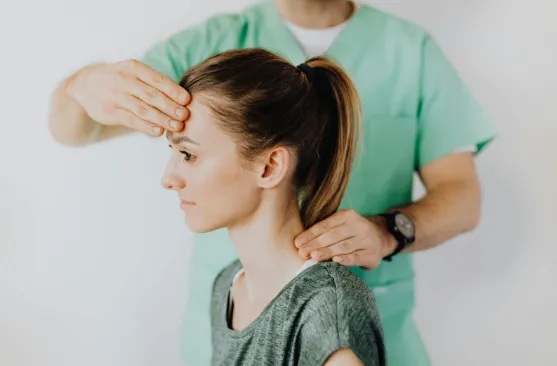
The Role and Importance of Pain Management Specialists
Pain is a common experience, whether from an injury, a chronic condition, or post-surgical recovery. While minor pain may fade with time, severe or chronic pain can significantly impact quality of life, interfering with daily activities and emotional well-being. This is where pain management specialists step in, offering essential care for individuals dealing with ongoing pain. Who Are Pain Management Specialists? Pain management specialists are physicians with specific training in evaluating, diagnosing, and treating various types of pain. They often have anesthesiology, neurology, physical medicine, or rehabilitation backgrounds. These professionals develop treatment plans tailored to each patient’s unique condition, using methods that may include medication, physical therapy, minimally invasive procedures, and lifestyle adjustments. The importance of pain management specialists lies in their ability to create comprehensive plans that address not just the symptoms but also the underlying causes of pain. This holistic approach is necessary for those with chronic pain, who often require ongoing care that standard medical providers may not be equipped to deliver. Benefits of Consulting a Pain Management Specialist Living with chronic or severe pain can be physically exhausting and emotionally draining. Consulting a pain management specialist offers many benefits, including: Specialized Knowledge These experts undergo rigorous training in pain assessment and treatment. Unlike general practitioners, who may treat pain as part of other health issues, pain specialists focus specifically on understanding pain and its complex mechanisms. This specialized knowledge enables them to diagnose complex pain issues accurately and create treatment plans that address the root causes. Access to Advanced Treatment Options Pain management specialists can access various treatment options beyond traditional pain relief medications. Depending on the diagnosis, a specialist may recommend interventional procedures such as nerve blocks, spinal injections, or radiofrequency ablation. For those with severe pain, advanced options like implantable devices that stimulate nerves or pump medication directly to affected areas are also available. Pain specialists may also explore complementary therapies, such as acupuncture or behavioral therapy, as part of a comprehensive approach to pain relief. Personalized Treatment Plans Each patient’s experience with pain is unique, as are the factors contributing to it. Pain management specialists understand this and customize treatment plans to address each patient’s specific needs. Rather than offering one-size-fits-all solutions, they consider factors like the patient’s age, lifestyle, medical history, and individual pain tolerance. How Pain Management Specialists Diagnose and Treat Pain Pain management specialists follow a thorough diagnostic process to identify the causes and characteristics of a patient’s pain. This allows them to develop effective treatment plans tailored to each individual’s needs. Here’s what the process typically looks like: Comprehensive Evaluation The first step involves a detailed evaluation, where they review the patient’s medical history, current symptoms, and previous treatments. They may conduct a physical examination and ask about the patient’s pain experience, such as the intensity, location, and duration of the pain. Advanced diagnostic tools like imaging studies (MRI, CT scans, or X-rays) or nerve conduction tests might also be used to identify the root cause of the pain. Developing a Treatment Plan Based on the diagnosis, the specialist designs a treatment plan that combines different approaches. For instance, a treatment plan for a patient with arthritis may include anti-inflammatory medications, physical therapy, and specific lifestyle recommendations. A person recovering from surgery might benefit from medication combined with rehabilitation exercises. Regular Monitoring and Adjustments Pain management is not always a straightforward process; it requires monitoring and adjustments. Specialists follow up with patients regularly to evaluate their response to treatment, making necessary adjustments along the way. This continual monitoring helps prevent side effects, reduces the risk of dependence on medications, and helps the patients receive optimal care. The Role of Pain Management in Improving Quality of Life For those experiencing chronic pain, quality of life can be significantly affected. Pain management specialists help improve patients’ daily experiences by helping them regain mobility, reduce reliance on medications, and improve emotional well-being. The benefits of their care extend beyond physical relief and can impact mental health and overall outlook. Pain often takes a toll on mental health, leading to issues like depression, anxiety, and social isolation. The specialists can address these factors, either directly or by coordinating with mental health professionals. This holistic approach helps patients manage the emotional aspects of chronic pain, creating a support system that emphasizes physical and mental wellness. When to See a Pain Management Specialist It can be challenging to know when pain requires specialist intervention. Here are some indicators: Persistent Pain: If pain has lasted longer than three months and doesn’t respond to standard treatments, consulting a pain management specialist may help uncover the root cause. Reduced Daily Functioning: When pain affects work, family life, or recreational activities, a specialist’s intervention can help restore a sense of normalcy. Side Effects from Pain Medications: Chronic use of pain medications can lead to side effects or dependency. A pain management specialist can offer alternative treatments to reduce medication reliance. Complex Conditions: For patients with conditions like fibromyalgia, migraines, or complex regional pain syndrome, the specialists provide the advanced expertise necessary for effective treatment. Finding the Right Pain Management Specialist When choosing a pain management specialist, consider their experience, certifications, and approach to patient care. Many specialists are board-certified, indicating they’ve undergone additional training. It’s important to find a provider who listens, takes the time to understand your needs, and communicates clearly about treatment options. Referrals from primary care doctors or other specialists can be helpful, as they may know reputable providers with experience in treating specific types of pain. Final Thoughts Pain management specialists offer hope and relief for those dealing with chronic or severe pain. Their training and expertise allow them to provide advanced treatment options, personalized care plans, and compassionate support that can make a significant difference in a patient’s life. Seeking help from a pain management specialist can help individuals regain control over their pain, improve their quality of life, and, in many cases, return to activities they once enjoyed. If chronic pain has

Facts About Night Blindness (Dim Light Disturbances)
Picture this: It’s Friday night and you have plans to meet your BFF for dinner. You opt for a ride share, get in the car and notice the lights are glaringly bright — beams extending up and out from passing headlights — making it hard to see. If this sounds familiar, you could be experiencing dim light disturbances (DLD), formerly known as night vision disturbances or night blindness. People with DLD can see fine during the day or in well-lit areas but have difficulty seeing clearly in low lighting. DLD can have a serious impact on quality of life, but new hope is on the horizon. What are dim light disturbances? Dim light disturbances refer to a wide range of symptoms that affect the quality of vision in darker environments. Symptoms can include: Seeing halos surrounding light sources Monocular diplopia (double vision) Blurriness Starbursts — streaks or rays surrounding a light source Glare disability — reduced vision because of the intense light How does the eye adjust for dim light? Your eyes are always adjusting to help you see — even in the dark. The iris — the colored part of your eye that surrounds the pupil — regulates the size of your pupil and manages how much light enters the eye. When it’s dark, your pupils get bigger to let more light in so you can see. For people with DLD, the larger pupil size makes flaws in the lens or cornea of the eye worse, which leads to symptoms like light scattering and distorted images. What are the causes of dim light disturbances? Dim light disturbances are a side effect of a health condition or eye surgery. Causes of DLD can include: Keratorefractive surgery (e.g., LASIK, PRK, SMILE) Keratoconus, an eye condition that changes the shape of the cornea Cataracts Dry eye disease Corneal scars For some people, DLD can last for months or years following a common surgery like LASIK. Treatments for dim light disturbance There are currently no FDA-approved treatments for DLD. But there are promising developments on the horizon. Researchers are looking at phentolamine ophthalmic solution eyedrops to help improve DLD symptoms. The eyedrops help keep the pupil smaller to block out unfocused rays of light for clearer vision. So far, the research has shown promising results, including an increase in vision and overall decrease in glare disability, halos and startbursts in people with DLD. Accommodations for dim light disturbance There are some accommodations people can make to help with DLD: Get your annual eye exam and update any prescriptions If you wear glasses, try antireflective coatings to reduce glare Get treated for any health conditions like dry eye that may be affecting your vision Add more lights around your home Dim your dashboard lights to reduce glare when driving Stick to familiar streets and well-lit roads when driving See your healthcare provider about your night vision Dim light disturbances can have a negative impact on vision, which can be especially dangerous when driving at night. If you have symptoms of DLD or notice any vision changes when going from a well-lit area to low lighting, talk to your healthcare provider (HCP) right away. Your HCP can properly test you for eye conditions and help you find the best path forward. This educational resource was created with support from Viatris, a HealthyWomen Corporate Advisory Council member. Related Articles Around the Web Source link

13 Meningitis Symptoms You Should Know If You Have Teens
Bacterial meningitis acts fast: What may start as mild, cold-like symptoms can turn into a life-threatening situation in less than 24 hours. Ultimately, the disease — which is most common in teens, as well as infants and the elderly — kills about one in six people who develop it, and 20% survivors live with enduring side effects, such as hearing loss, according to the World Health Organization. That’s why it’s so important to be familiar with the symptoms of meningitis. Being able to recognize early signs of the condition and get help right away can make a huge difference in survival rates. Our experts break down meningitis, including what causes it, the red flags symptoms everyone should know, and the best prevention techniques. Related story What Makes Meningitis So Deadly For Teens & 4 Simple Ways to Address the Risk What Is Meningitis? “Meningitis, in general terms, is a severe infection involving the brain,” says Sharon Nachman, M.D., chief of pediatric infectious diseases at Stony Brook Children’s Hospital. The brain and spinal cord are covered by delicate membranes called meninges. Between the brain and spinal cord and the meninges, there’s fluid known as cerebrospinal fluid. Meningitis occurs when an infectious agent such as a virus or bacteria gets into the cerebrospinal fluid and causes inflammation in the meninges, explains William Schaffner, M.D., a professor of infectious diseases at the Vanderbilt University Medical Center. That swelling can create pressure inside the skull and affect blood flow, leading to headaches, fevers, confusion, loss of consciousness, and seizures, according to the National Library of Medicine. “[Meningitis] can be a milder or a much more severe infection, depending upon the nature of the infectious agents,” Dr. Schaffner says. What Are the Types of Meningitis? Meningitis can be caused by viruses or bacteria, and more rarely fungi or parasites, the World Health Organization reports. Over half of meningitis cases are viral, according to the National Library of Medicine. “The viruses usually produce a transient infection that heals itself. These infections are, relatively speaking, mild,” Dr. Schaffner says. Bacterial meningitis can be much more severe. It requires treatments, and even if cured can leave patients with “substantial disabilities,” Dr. Schaffner says. And this is the type that targets teens and young adults (as well as infants and the elderly), per the Meningitis Research Foundation. The good news is that bacterial meningitis is relatively rare. In 2006, about 22% of all meningitis cases were caused by bacterial infections, according to the National Library of Medicine research. But since then bacterial meningitis has become less common, thanks in part to the development of vaccines that protect people from the disease, a 2025 study in The Lancet Regional Health shows. Many different bacteria can cause bacterial meningitis. “Meningococcal meningitis is the most common form of bacterial meningitis in adolescents and young adults. [It] is caused by a bacterium called Neisseria meningitidis,” says Patti Wukovits, BSN, RN, AMB-BC, the co-executive director of the American Society for Meningitis Prevention and Executive Director of the Kimberly Coffey Foundation. “Neisseria meningitidis lives harmlessly in the back of the nose and throat of roughly 10 to 35% of the population at any given time. In most people, the immune system keeps it contained. But in some, and we still don’t fully understand why, the bacteria breach the blood-brain barrier, enter the bloodstream, and trigger a very serious, potentially deadly infection,” Wukovits says. What Are the Symptoms of Bacterial Meningitis? One reason bacterial meningitis is so dangerous is because it moves very quickly. “Many initial symptoms are mild and are similar to most illnesses: headache, fever, feeling unwell,” Dr. Nachman says. “However, these symptoms rapidly progress to severe illness.” In one The Lancet study of children and teens under age 16 with the condition, most had non-specific symptoms in the first four to six hours of infection, but were close to death by 24 hours. She says later symptoms of bacterial meningitis include: An inability to stand or walk A red or purplish pinprick rash High fevers Unresponsiveness A severely stiff neck that may impede movement A headache that progressively worsens Light sensitivity Trouble answering questions or confusion. Viral meningitis can cause similar symptoms. According to the National Library of Medicine, these include: A fever A headache Sensitivity to light Neck stiffness Nausea and vomiting. While people with bacterial meningitis will get worse over time, those with viral meningitis typically recover. But since bacterial meningitis is so severe and fast-acting, it’s not safe to wait and see how symptoms progress before seeking help. What Should You Do If You Think Your Teen Has Meningitis? Bacterial meningitis is rare, so unless there’s an outbreak going on in your area, early symptoms can go overlooked. But any delay in treatment can be devastating. “Call 911 or get to an emergency room immediately. Do not wait to see if they improve. Do not wait for a doctor’s appointment in the morning. This is one of the very few diseases where hours, sometimes minutes, can make a very big difference,” Wukovits says. Specifically, Dr. Schaffner says that if your teen ever complains of a severe headache and fever of about 101 or higher at the same time, it’s a good idea to visit the doctor and ask about meningitis. If there’s a known outbreak in your area, any sign of illness at all is enough of a reason to at least call your doctor, if not go to the emergency room. A purplish rash that doesn’t fade when you press a glass against it is also a red flag to visit the ER, Wukovits says. That said, not everyone develops one and it can be harder to see on darker skin tones, Dr. Schaffner says. So the absence of a rash can’t be taken as reassurance, especially when other symptoms of meningitis are present. The bottom line is that since bacterial meningitis is so dangerous, it’s never a bad idea to act quickly, even if you’re not entirely sure whether
Oral Minoxidil for Hair Loss: A Comprehensive Review
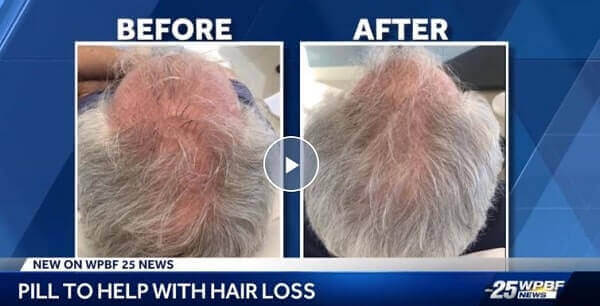
I originally wrote this post in 2017 (see the bottom of this page). However, since an August 2022 NY Times article on low-dose oral minoxidil (LDOM) for hair loss went viral, the media keeps covering this topic regularly. And major new studies on this subject keep getting published at least a few times per year. I cover these in all the regular updates you see below. When I first wrote this post, doctors from Thailand had already been using oral minoxidil to treat hair loss patients for a decade. And an Australian doctor was also using it regularly. Thereafter, Spanish doctors got into the game. It is only in 2022 that this option really took off in the US and much of Western Europe. Update: April 18, 2026 Low-Dose Oral Minoxidil: Hair Growth May Peak After 6 Months In a retrospective review of 178 patients from the US, it was found that the hair growth results from low-dose oral minoxidil peaked after 6 months. More specifically: Mean hair density increased significantly from baseline at 3-6 months (16.1 hairs/cm2). It then remained at a similar level at 6-12 months (16.2 hairs/cm2). This was followed by a modest increase from 12-36 months (19.0 hairs/cm2). Mean hair diameter improved significantly from baseline at 3-6 months (3.0 μm). And at 6-12 months (2.4 μm), but not at 12-36 months. Note that the median LDOM starting dose was only 1.25 mg/day, though 65.2% of patients underwent dose escalation during treatment. Update: September 20, 2025 Oral Minoxidil 2.5 mg/day shows Similar Efficacy to 5 mg/day A September 2025 study from Brazil has found that oral minoxidil 2.5 mg/day showed a similar efficacy to 5 mg/day in the treatment of male androgenetic alopecia. Moreover, the lower dose had a better safety profile compared to the higher dose, as would be expected. Higher Dose Oral Minoxidil Interestingly, just a month earlier, scientists from Spain and Brazil published a report on the rare use of higher-dose oral minoxidil (greater than 5 mg/day) to treat androgenetic alopecia. They found that 17.5% of patients got a significant (over 50%) improvement in hair growth on the higher dose; and another 17.5% saw modest (under 10%) improvement. Update: March 30, 2025 Oral Minoxidil Significantly Raises VEGF Levels A study from Iraq finds that oral minoxidil substantially raises serum VEGF levels. Moreover, hair count and hair diameter also improved significantly. Update: December 1, 2024 Low-Dose Oral Minoxidil Speeds up both Nail and Hair Growth In an interesting small study of 10 adult men, it was found that low-dose oral minoxidil increased the rate of both hair and nail growth drastically. Minoxidil 2.5 mg increased nail growth speed by 50.7%. minoxidil 1 mg and 2.5 mg increased hair growth speed by 16.5% and 35.9%, respectively. Oral Minoxidil and Hair Growth Older Updates Update: April 11, 2024 — According to a new study from Brazil, oral minoxidil 5 mg (once per day) for 24 weeks did not demonstrate superiority over topical minoxidil 5% (twice per day) in men with androgenetic alopecia. Oral minoxidil was superior to topical minoxidil on the vertex (crown), but not on the frontal region of the scalp. It should ne noted that only 68 of the 90 participants completed the study, and 33 of those 68 were enrolled in the low-dose oral minoxidil group. Update: June 2, 2023 — Make sure to also check out my post on oral minoxidil before and after results from Reddit. I selected some of the best hair regrowth results that I have seen during the past year from people taking oral minoxidil. Update: May 18, 2023 — Joe Tillman interviews Dr. Bevin Bhoyrul of Sinclair Dermatology (Australia) in regards to using oral minoxidil to fight hair loss. Update: May 19, 2023 — On today’s Bald Truth show, there were two highly encouraging updates on oral minoxidil from callers. One (Greg, starting at 16:18) said that it has taken his hair quantity to almost how it was ten years ago. The other guy (starting at 57:13) who is 63 year old said that he was regrowing hair in the area of his scalp with scarring alopecia. Update: April 20, 2023 — On today’s “The Mane Event” show (Edit: link no longer working), regular watcher “Andrew 12” said that after 14 years of finasteride and then dutasteride giving him good results, he started oral minoxidil. He got the best ever hair growth results in his life. He later elaborated in the chat: “I never regrew a single hair on fin or dut, it only maintained my hair. Oral minoxidil regrew hair.” Update: April 4, 2023 — Per Dr. Ruth Williams: “I had a lot of patients grow their hair back on this medication so I’m very familiar with it and I really think it works.” Update: March 5, 2023 — In this post’s comments section, make sure to read my recent ones on: a long-time German reader who has been taking oral minoxidil for 20 years (initially 5mg, and then 10mg); a reputable HLT forum member named “Kagaho” who is seeing great hair growth from LDOM. Update: February 20, 2023 — Yet another great testimonial from a 75 year old patient. The below before and after photo is just after a few months use. His doctor Supriya Tomar is very pleased with oral minoxidil and says that the pill is effective, safe and very cheap. She says that LDOM will not regenerate new hair follicles, but will maintain what you have. I think that besides maintenance, it also thickens what you have if you are one of the lucky ones. And since the topical version can grow new beard hair, I would not be surprised that some people even see new scalp hair. Oral Minoxidil before and after in an older 75-year old male. Source: WPBF 25. Update: February 13, 2023 — In a response to a reader question on switching from topical to oral, Dr. William Rassman stated that: “About 40% of men respond to topical minoxidil, but