
Physical therapy specialists note that regular, low-impact activities can trigger exercise-induced hypoalgesia, a scientifically documented phenomenon where aerobic exercise increases pain threshold and tolerance in chronic musculoskeletal conditions. By utilizing this effect, you can improve daily functioning and regain confidence in movement. Why Gentle Exercise Is Essential During Summer and Fall Staying active with low-impact movement during the summer and fall months offers unique advantages for managing chronic pain, joint conditions, and overall physical function. With warmer muscles in summer and lower inflammation in fall, these seasons create the ideal conditions for safe, effective exercise. Keeps Joints Flexible While Avoiding Stress Light physical activity encourages synovial fluid production, which lubricates your joints and reduces stiffness. This is especially beneficial for individuals with arthritis or degenerative joint conditions, where immobility often worsens symptoms. Summer’s heat naturally warms up muscles and tendons, making it easier to perform flexibility routines and range-of-motion exercises without risk of injury. Builds Muscular Support Even minimal strength training using resistance bands, water weights, or bodyweight can strengthen the muscles that support your joints. Stronger muscles absorb more of the physical load, reducing direct stress on the joints themselves. This can also help with weight management, which is important because excess body weight increases joint wear and inflammation, particularly in the knees and hips. Improves Cardiovascular Health Low-impact aerobic activities like brisk walking, stationary biking, or swimming enhance blood flow, which helps deliver oxygen and nutrients to tissues and remove inflammatory byproducts. Outdoor exercise in moderate temperatures allows for longer sessions without overheating, helping to build endurance while maintaining joint comfort. Activates Neurochemical Pain Relief Endorphins, serotonin, and norepinephrine are neurochemicals that help elevate mood and lessen pain perception. They are released when you exercise. These biochemical changes don’t just offer temporary relief; they support long-term resilience by lowering the intensity and frequency of pain flare-ups. Staying active also helps regulate sleep patterns and reduce stress, both of which are key to managing chronic pain. Understand the Source of Your Pain Before You Begin Any Exercise Exercising without identifying the cause of your pain can lead to setbacks, injury, or worsening symptoms. Before building a fitness plan, it’s important to identify the root cause of discomfort through targeted diagnostics that guide safe, effective movement. High-Resolution MRI and CT Scans Advanced imaging tools like MRI and CT scans offer detailed insights into the body’s internal structures. These scans can reveal joint degeneration, disc herniations, inflammation, or soft-tissue damage that might not be obvious during a physical exam. When these issues are identified early, your care provider can design exercise modifications that prevent further irritation, especially in sensitive areas like the spine or shoulders. Nerve Assessments If your symptoms include tingling, numbness, or unexplained weakness, electromyography (EMG) and nerve conduction studies (NCS) help determine whether nerve dysfunction is to blame. These tests measure how well nerves transmit electrical signals and can detect conditions like sciatica, peripheral neuropathy, or nerve entrapments. Knowing whether the pain stems from nerve or muscle involvement allows for more precise physical activity recommendations. Diagnostic Nerve Block Confirming the exact source of your pain allows your care team to tailor exercises that promote healing while minimizing the risk of aggravating symptoms. Diagnostic nerve blocks are particularly helpful in this process, offering targeted, short-term relief to better understand your condition. This approach offers accurate treatment to help you move with greater confidence during your recovery. A local anesthetic is injected near a specific nerve or joint to isolate the pain source. Provides temporary relief, helping identify whether symptoms are nerve-related or structural. Differentiates between overlapping pain conditions that may require different treatments. Creates a short window of reduced pain, allowing for safe testing of therapeutic movements. How to Take Advantage of the Weather Changing your exercises and surroundings with the seasons supports your comfort and joint health. Summer’s warmth helps relax muscles and improve flexibility, making it a good time for gentle, low-impact exercise. As fall brings cooler temperatures, adjusting your routine helps keep you moving and prevents stiffness. Aquatic Therapy Water’s buoyancy and warmth ease pressure on your joints while boosting circulation. Activities like pool walking, leg swings with resistance bands, and gentle water aerobics build endurance and flexibility without strain. The water’s gentle pressure also reduces swelling, making aquatic therapy a great choice for pain relief and injury recovery. Gentle Cycling Using a stationary recumbent bike lets you avoid uneven surfaces and control the temperature. Outdoor cycling on flat trails during cooler times connects you with nature. Start with short rides, ensure your bike fits well, and gradually increase your time for safe, comfortable progress. Mind-Body Exercises Practices like Tai Chi and restorative yoga combine slow, gentle movements with deep breathing to improve balance and flexibility and reduce stress. Doing these exercises on grass or natural paths adds sensory benefits and promotes relaxation. Therapeutic Stretching Cooler weather can make your joints stiff and sore. Regular stretching with gentle holds of 20 to 30 seconds on muscles like hamstrings, hips, shoulders, and back keeps your joints lubricated. Adding dynamic, flowing stretches before activity encourages smoother movement and helps prevent stiffness that worsens pain. Safe Strength Training As outdoor time decreases in fall, focus on indoor strength exercises using resistance bands and light dumbbells. Moves like rows, curls, glute bridges, and shoulder presses build muscle without overloading painful areas. Perform 8 to 12 repetitions per set, resting between, to strengthen muscles that support your joints and reduce pain caused by imbalances. Create a Pain-Friendly Indoor Environment Sit with good lumbar support, keep screens at eye level to avoid neck strain, and wear supportive shoes indoors to ease joint stress. Use cushioned mats for standing or floor exercises. These simple changes improve comfort and help you move better throughout the day. Our Targeted Pain Relief Treatment Plan When pain prevents you from being active, medical interventions can help you regain the ability to move safely. At PTCOA, our interventional treatments are

I Had a Major Heart Attack at 43
As told to Nicole Audrey Spector That night — the night that changed my life — it was late and I was in my home studio alone, deeply focused on my work. I’m a florist and run my own business. I had a wedding coming up and was in the middle of processing flowers. Suddenly, I felt pain in between my shoulder blades — along my angel wings, as my father would call them. I wondered if maybe I tweaked something while carrying buckets of flowers. Maybe it would subside in a minute or two. Then I began to feel nauseous. I walked out into the living room where my husband, Aaron, was working on his laptop. The nausea made me think perhaps my blood sugar was low. I’ve always been just on the cusp of hypoglycemia, but never dipped over into needing treatment. “You probably need to eat something,” my husband said. “Why don’t you have some leftovers?” 2021, Shayai making a floral design(Photo/Amanda Kinsey) I warmed up some chicken in the microwave and took it back to my studio. As I took a bite, I cringed. The chicken, which had tasted delicious just a few hours earlier, tasted horribly wrong — just off. And that’s when I knew something more serious was going on with me. When I was a child, I was diagnosed with a rare heart condition called supraventricular tachycardia (SVT), which can cause a rapid heart rate (tachycardia) and irregular heartbeat (arrhythmia). I also have Wolff-Parkinson-White (WPW) syndrome, a congenital heart condition that creates extra electrical pathways in your heart and also causes tachycardia. Complications from these conditions had landed me in the ER in the past. In 2000, I had a cardiac ablation. This is a procedure that, to put simply, involves burning off the excess pathways in your heart. Because of my conditions, I’ve always been deeply in tune with my heart. I get cardiology checkups regularly and can really feel when something isn’t right. Usually I’ll notice a flutter in my heart or brain fog. Not backache, nausea or sudden food aversion. My husband and I agreed that I needed immediate medical attention — not easy considering how far away we live from a hospital ER and how few EMTs we have serving a 100-mile radius. I am a Native American woman, a tribal citizen of two federally-recognized tribes: the Pueblo of Acoma and the Pueblo of Laguna. I was born and raised out on the reservations approximately 50 miles west of Albuquerque. It’s a rural life with a strong community spirit. We aren’t just neighbors, we’re a tribe, banded together through thick and thin. We feast together, celebrate together and do community service together. Because we’re all so incredibly close, my husband and I were able to leave our two sleeping children in their beds that night. My parents who live next door to us hurried over to keep watch. As my husband sped along the interstate with me in the passenger seat, I worried — but not about myself. I figured this was just some minor heart incident related to my conditions that could be swiftly resolved. What I was worried about was my work — those floral arrangements. I didn’t want any hangups in getting that done. The wedding was just a few days away. I thought of how devastated the bride would be if her vision wasn’t brought to life. On the way to the hospital, a new symptom arose: heartburn, or what I imagined heartburn felt like. I’d never had it before. Then another symptom: pain along with my jawline. This was also something completely new to me. I was puzzled. 2023, Shayai gathering plant medicine (Photo/Joel Wigelsworth) As soon as I walked into the ER and told a nurse that something seemed to be wrong with my heart, I was rushed into the main triage room, not even formally checked in. Within minutes I was attached to an IV, given aspirin (a blood thinner that can help prevent blood clots, the primary cause of heart attacks) and nitroglycerine (this improves blood flow to the heart). I was also hooked up to an EKG. I was trying to keep the mood light by joking around with the nurses, and though they chuckled with me, it was clear they were concerned. I was very tired by then and wanted to sleep. They told me I must stay awake. What they said next truly shocked me. “We believe this is all related to your heart, and we want to get you to a heart hospital in Albuquerque.” With my thoughts spinning I asked if an ambulance was on its way. “No, we’re going to fly you over.” What? Everything was happening so fast now, even late at night. My husband and I made calls to our family to keep everyone in the loop. Before flying, I was injected with a cocktail of medications to help stabilize my blood pressure and oxygen levels (which can be affected by changes in altitude). The helicopter ride, my first ever, was noisy, cramped and completely uncomfortable.I was still trying to keep the mood light by making the flight crew laugh and asking if they could fly over my house. Not even a near-fatal event can dampen my sense of humor. Once at the heart hospital, I was seen by the on-call cardiologist who said to me blankly, “Well, you had a heart attack.” My husband and I looked at one another, gasping. It was the first time we’d heard those words. I broke into tears. I was only 43 years old. Then the cardiologist immediately left the room as though flustered. The nurse was the person who comforted us with the news. I had heart conditions, yes, but never anything like a heart attack — and I’d later learn my heart attack had nothing to do with my other issues. I asked for a different cardiologist because the one who broke the
In new guideline, ‘failure to thrive’ becomes ‘faltering weight’
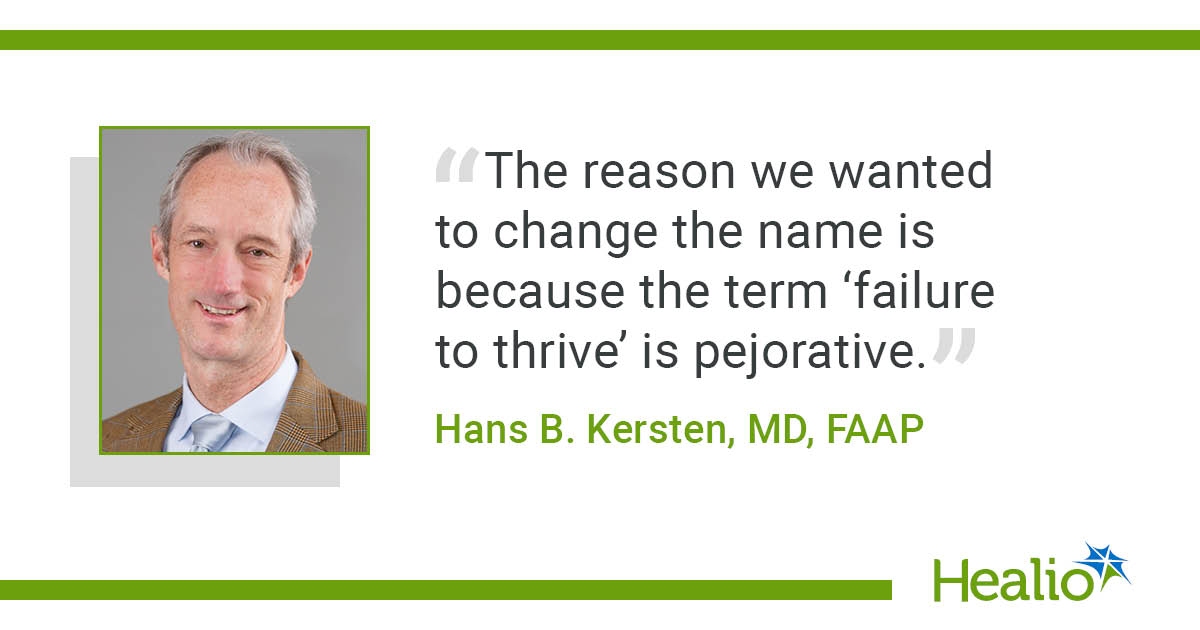
The American Academy of Pediatrics released its first clinical practice guideline on faltering weight — formerly known as failure to thrive — with advice for diagnosing and treating the condition.The AAP teamed up with the North American Society for Pediatric Gastroenterology, Hepatology and Nutrition nearly a decade ago to create an evidence-based guideline for pediatricians, according to Hans B. Kersten, MD, FAAP, chair of the AAP’s guideline panel on faltering weight.“There were a number of different goals that we had,” Kersten told Healio. “First was … a new name.” [Editor’s note: Source link

How the Seasonal Transition Affects Sleep Quality and Chronic Pain
Pain and Sleep: How the Seasonal Transition Affects Sleep Quality and Chronic Pain As the seasons shift, many people notice changes not only in the weather but also in how their body feels. A drop in temperature, shorter days, and varying levels of sunlight can change how well people sleep and how much pain they feel. For those already living with chronic pain, these seasonal changes can bring added challenges. Here’s how the transition between seasons affects sleep quality and chronic pain. The Link Between Pain and Sleep Sleep and pain are closely connected. When someone does not sleep well, their body becomes more sensitive to pain. On the other hand, pain can make it harder to fall asleep or stay asleep through the night. This cycle creates a loop where poor sleep makes pain worse, and pain makes sleep harder. Research shows that even a single night of disrupted sleep can lower the body’s pain threshold. This means everyday aches can feel sharper, and chronic pain conditions like arthritis, fibromyalgia, or back pain, may flare up more often. Over time, this can reduce a person’s overall quality of life. How Seasonal Changes Affect the Body The body works on a 24-hour cycle known as the circadian rhythm. This internal clock controls sleep patterns, hormone levels, and temperature regulation. As seasons change, so do the signals that affect this rhythm. During colder months or rainy seasons, there is usually less sunlight. Reduced light exposure can affect the release of melatonin, a hormone that helps the body fall asleep. At the same time, the body may produce more cortisol, a stress hormone that can keep people awake or make them feel restless. This mix can lead to lighter sleep or more frequent waking during the night. Shifts in barometric pressure, temperature, and humidity may also affect the joints and muscles. Many people with chronic pain conditions notice that their symptoms get worse when the weather changes, especially when it becomes cold or damp. Why Cold Weather Increases Pain Colder temperatures can cause blood vessels to narrow. This reduces blood flow to the muscles and joints, making them feel stiffer and more painful. People may also move less in cold weather, which can lead to more stiffness, swelling, or soreness in already sensitive areas. In conditions such as rheumatoid arthritis or osteoarthritis, the drop in temperature can increase joint discomfort. Inflammatory responses may also rise during cold months, especially when combined with low activity levels or lack of sunlight. How Sleep Suffers During Seasonal Transitions Changing seasons can disrupt normal sleep routines. Longer nights in winter may trick the brain into thinking it’s time to sleep earlier than usual, while shorter nights in summer might delay sleep. This shift can confuse the body and lead to irregular sleep cycles. For people living with chronic pain, this can be even more challenging. They may already experience trouble falling or staying asleep due to discomfort. When seasonal changes interrupt sleep schedules further, it can add to their fatigue and pain levels. Other seasonal factors, such as allergies in spring or dry indoor air in winter, can also affect sleep. Nasal congestion, dry throat, or overheating during the night can lead to poor sleep quality, which in turn may increase pain levels the next day. How Daylight and Mood Play a Role Light plays a major role in regulating sleep and mood. Less exposure to natural light, especially during winter, can lead to a condition known as seasonal affective disorder (SAD). People with SAD often feel low on energy, sleepy during the day, and less motivated. This drop in mood can make it harder for people with chronic pain to manage their symptoms. Negative feelings can reduce pain tolerance and contribute to stress-related insomnia. Even people without SAD may feel more tired or unmotivated when the days get shorter, affecting both their sleep and how they handle pain. How Movement Patterns Change with Seasons Physical activity tends to decrease when the weather turns cold or wet. People are less likely to go for walks or exercise outside. Reduced movement can lead to joint stiffness and weakened muscles, which may increase chronic pain symptoms. Exercise helps the body release endorphins, which naturally reduce pain and improve sleep. So, when people move less during seasonal shifts, they miss out on these natural benefits. Sleep quality may drop, and pain levels may rise as a result. How to Support Better Sleep and Pain Relief During Seasonal Shifts It is possible to manage seasonal effects with a few practical steps. Adjusting daily routines to match the season can support more restful sleep and lower pain levels. Adjust Sleep Habits Keeping a consistent sleep schedule throughout the year helps the body stick to its natural rhythm. Limit screen time before bed and dim the lights an hour before sleeping to help the brain wind down. Sleeping in a cool, dark room with proper bedding helps improve comfort. During colder months, using a heating pad or a warm bath before bed can relax tense muscles and reduce pain. Increase Light Exposure Try to spend some time outside during daylight hours. Even short walks during the day can boost mood and improve sleep patterns. When natural sunlight is limited, using a light therapy box in the morning may help reset the sleep-wake cycle. Stay Physically Active Gentle exercises such as walking, stretching, or yoga can reduce joint stiffness and promote better sleep. Regular movement keeps muscles strong and flexible, which supports pain relief. If the weather makes it hard to go outside, indoor exercises or guided online workouts can be a good option. Staying active throughout the year helps reduce pain and supports better sleep. Support Mental Well-Being Managing stress levels is important for both sleep and pain. Deep breathing, mindfulness, or relaxation exercises can calm the mind before bedtime. Speaking with a healthcare provider or therapist during difficult seasons can also provide helpful support. If seasonal changes are making your

True or False: Alzheimer’s Disease
Visit our Brain Health Hub. 1. Alzheimer’s disease and dementia are the same disease. 2. Alzheimer’s affects more women than men. 3. Alzheimer’s is a normal part of aging. 4. Because I am younger in age, I don’t have to worry about Alzheimer’s. 5. Having a family history of Alzheimer’s increases your risk of disease but doesn’t mean you will definitely develop Alzheimer’s. Source link

Managing Seasonal Joint Pain: Tips for Autumn Weather Changes
As summer fades and autumn sets in, the drop in temperature, fluctuating humidity, and shorter days can trigger discomfort for those with joint issues. People living with arthritis, past injuries, or chronic musculoskeletal conditions often report increased stiffness, soreness, or swelling during seasonal changes—particularly in cooler, damp weather. Understanding why these changes occur and how to address them can help you maintain mobility and improve your overall quality of life during the autumn months. Understanding the Connection Between Weather and Joint Pain Research on the relationship between weather changes and joint pain has produced mixed results, but many individuals report a noticeable difference in symptoms during cooler seasons. Changes in barometric pressure, which occur when weather patterns shift, are thought to play a role. A drop in barometric pressure may cause tissues in the body to expand slightly, increasing pressure on joints and contributing to discomfort. Cooler temperatures can also reduce blood flow to extremities, causing muscles and ligaments to tighten. This stiffness can make movement more difficult and lead to increased pain levels, especially for people with arthritis or previous injuries. Additionally, autumn often brings damp weather, which some studies suggest can exacerbate joint symptoms, though the exact mechanism remains unclear. Common Conditions Affected by Seasonal Changes Several joint-related conditions can worsen as temperatures drop and humidity fluctuates. Osteoarthritis, the most common form of arthritis, may cause heightened stiffness in the morning or after periods of inactivity. Rheumatoid arthritis, an autoimmune condition, can also flare up during seasonal shifts, with increased joint swelling and tenderness. People recovering from orthopedic surgeries or injuries may notice that scar tissue feels tighter in cold weather. Fibromyalgia, a chronic pain disorder, can also become more difficult to manage during autumn due to heightened sensitivity to environmental changes. Understanding how these conditions interact with seasonal factors is essential for implementing effective coping strategies. Preparing Your Joints for Cooler Weather Maintaining joint health during autumn requires a proactive approach. Start by adjusting your daily routine to include gentle warm-up exercises in the morning to combat stiffness. Even a few minutes of stretching can improve flexibility and promote blood flow to the joints. Wearing layered clothing helps keep muscles warm, reducing the risk of stiffness when transitioning between indoor and outdoor environments. Footwear also plays a significant role. Supportive shoes with proper cushioning can minimize stress on knee, hip, and ankle joints, especially when walking on uneven or damp autumn surfaces. If you use orthotic inserts, ensure they are in good condition before the season begins. Staying Active Despite the Weather Reduced daylight and cooler conditions can make it tempting to become less active, but maintaining regular movement is crucial for joint health. Low-impact activities such as walking, swimming, or cycling help keep joints lubricated and muscles strong. For those who prefer indoor workouts during autumn, yoga, Pilates, or resistance band exercises can be effective alternatives. Joint-friendly exercises not only improve mobility but also enhance mood, which can be beneficial as autumn often coincides with seasonal affective disorder (SAD). Consistency is key—try to schedule exercise at the same time each day to maintain a routine, even if you need to modify activities based on weather conditions. Nutritional Support for Joint Health Diet plays a significant role in managing inflammation and maintaining healthy cartilage. During autumn, focus on incorporating seasonal produce rich in antioxidants, such as pumpkins, sweet potatoes, and dark leafy greens. These foods provide essential vitamins like vitamin C, which supports collagen formation, and vitamin K, which contributes to bone health. Omega-3 fatty acids, found in fatty fish like salmon and plant-based sources like chia seeds and walnuts, may help reduce joint inflammation. Staying hydrated is equally important, as adequate fluid intake supports joint lubrication and prevents stiffness. Herbal teas or warm water with lemon can be a comforting way to increase hydration in cooler months. Managing Pain and Inflammation For individuals already experiencing seasonal joint discomfort, various strategies can help manage symptoms. Applying heat to affected areas can improve circulation and relax tight muscles, while cold therapy can help reduce swelling and numb acute pain. Some people find relief by alternating between the two methods. Over-the-counter anti-inflammatory medications can be useful for occasional flare-ups, but it is important to consult a healthcare provider before starting any new medication regimen. In some cases, physical therapy can offer targeted exercises and techniques to improve joint function and reduce pain. Mind-body approaches, such as meditation and deep breathing exercises, can also play a role in managing discomfort by reducing muscle tension and stress, which may otherwise exacerbate pain perception. When to Seek Professional Care While mild seasonal joint discomfort is common, persistent or severe symptoms should not be ignored. Seek medical attention if you experience significant swelling, redness, or warmth in a joint, as these may indicate an infection or inflammatory flare. Sudden inability to bear weight on a joint, or pain accompanied by fever, also warrants immediate evaluation. A healthcare provider can assess your symptoms, order diagnostic imaging if necessary, and recommend a tailored treatment plan. This may include prescription medications, joint injections, or referrals to specialists such as rheumatologists or orthopedic surgeons, depending on the underlying cause. Long-Term Strategies for Year-Round Joint Health Although autumn can bring unique challenges, the best defense against seasonal joint pain is consistent year-round care. Maintaining a healthy weight reduces unnecessary stress on joints, while regular physical activity helps preserve mobility and muscle strength. Investing in ergonomic tools and furniture can also protect joints from repetitive strain. If you have a chronic joint condition, scheduling regular check-ups with your healthcare provider ensures that your treatment plan remains effective. Early intervention can prevent minor discomfort from developing into a more serious mobility issue, regardless of the season. Final Thoughts Autumn’s crisp air and vibrant landscapes make it a beautiful season, but for those with joint concerns, it can also bring increased discomfort. Understanding the impact of weather changes, staying active, supporting your body with proper nutrition, and seeking timely medical
Todo sobre los virus respiratorios
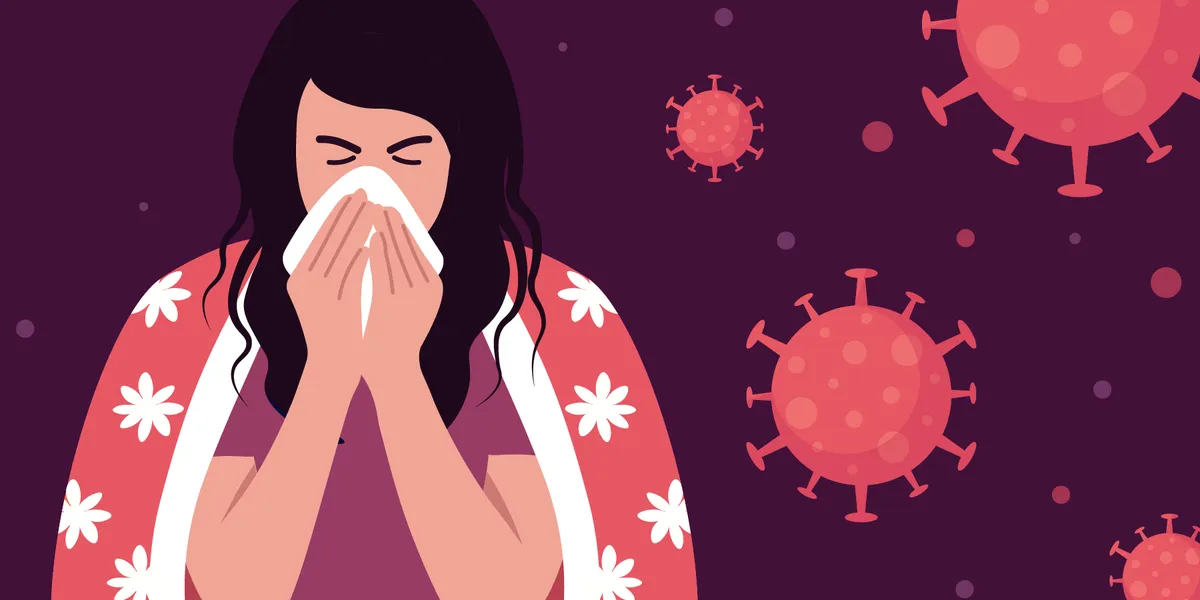
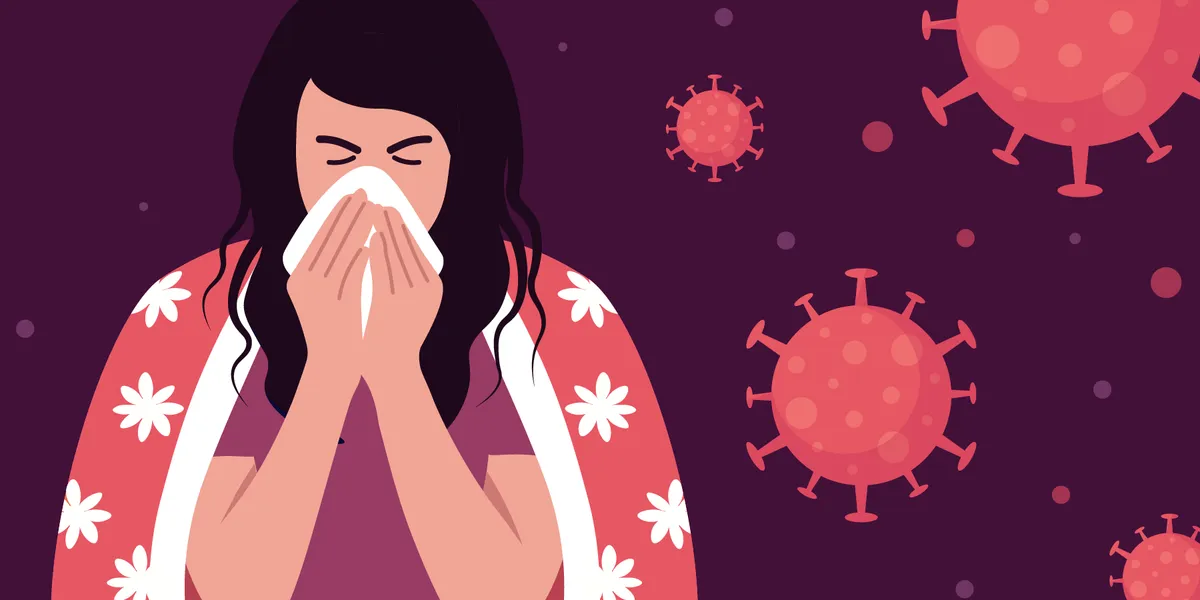
Los trastornos respiratorios se originan por virus que afectan el sistema respiratorio . Trastornos respiratorios comunes: Resfriado (rinovirus o enterovirus) Gripe (influenza A y B) Covid-19 (SARS-CoV-2) VRS (virus respiratorio sincitial) Adenovirus PIVH (parainfluenzavirus humano) MNVh (metaneumovirus humano) Las enfermedades respiratorias causan síntomas, tales como: Tos Goteo u obstrucción nasal Estornudos Dolor de garganta Escalofríos Fiebre Dolor de cabeza Dolor corporal Cansancio Sibilancia ¿Quién tiene riesgo de enfermedades respiratorias? Cualquier persona puede enfermarse de un virus respiratorio, pero algunas personas tienen más probabilidades de enfermarse gravemente Adultos mayores Niños pequeños Personas con sistemas inmunitarios debilitados Personas embarazadas Personas con discapacidades Personas con ciertos trastornos médicos, tales como: Enfermedades pulmonares Diabetes Enfermedades cardiacas ¿Cómo podemos protegernos y a otras personas de virus respiratorios? Mantente al día con las vacunas recomendadas, especialmente para la gripe, el VRS y el covid-19 . Las vacunas pueden ser útiles para protegerte de enfermedades graves causadas por virus respiratorios. Otros pasos que puedes tomar para evitar enfermarte de virus respiratorios Lava tus manos frecuentemente Evita tocar tu rostro Limpia las manijas de las puertas y otras superficies que se tocan frecuentemente Quédate en casa cuando te sientas enferma Evita que niños enfermos vayan a la escuela Usa un purificador de aire Usa una mascarilla en público ¿No estás segura si ya debes recibir una vacuna? ¿Necesitas ayuda para identificar cómo vacunarte? ¡ Habla con tu proveedor de atención médica, llama a tu departamento de salud local o visita el sitio web vaccinefinder.org ! Este recurso educativo se preparó con el apoyo de Moderna. Source link
Guselkumab ‘efficacious’ in perianal fistulizing Crohn’s disease
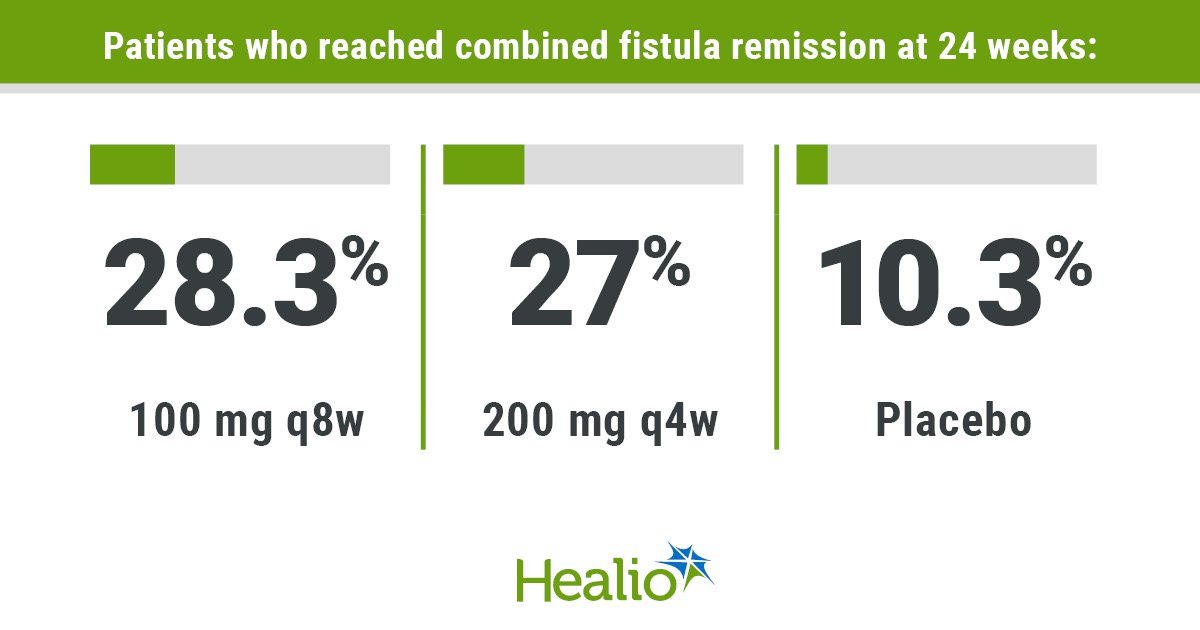
Add topic to email alerts Receive an email when new articles are posted on Please provide your email address to receive an email when new articles are posted on . “ data-action=”subscribe”> Subscribe We were unable to process your request. Please try again later. If you continue to have this issue please contact customerservice@slackinc.com. Back to Healio Key takeaways: More than a quarter of patients who received guselkumab induction and maintenance therapy achieved combined fistula remission at 24 weeks. No new safety signals were reported. CHICAGO — Guselkumab demonstrated significantly higher rates of combined fistula remission at 24 weeks compared with placebo among adults with perianal fistulizing Crohn’s disease, according to data from the ongoing FUZION trial. “This is the first successful international phase 3 trial assessing the combined clinical and MRI primary points, and the first in more than 2 decades showing efficacy of an advanced therapy in perianal fistulizing Crohn’s disease,” Laurent Peyrin-Biroulet, MD, PhD, head of the IBD unit at Nancy University Hospital in France, said while presenting his research at Digestive Disease Week. Data derived from Peyrin-Biroulet L, et al. Guselkumab for perianal fistulizing Crohn’s disease: Week 24 results from the phase 3, randomized, double-blind, placebo-controlled, multicenter FUZION study. Presented at: Digestive Disease Week; May 2-5, 2026; Chicago. “Importantly, guselkumab was efficacious until week 24,” he added. “In the study of populations [that] were bionaive or bioexposed with perianal Crohn’s disease, there was clearly clinically meaningful difference vs. placebo during the induction, and you could see that both doses have good efficacy and close efficacies.” Peyrin-Biroulet and colleagues conducted a randomized, multicenter study to investigate rates of combined fistula remission after 24 weeks of treatment with guselkumab (Tremfya, Janssen). Combined fistula remission was defined as complete healing of external fistulas with no new fistula development and MRI confirmation of no collections more than 2 cm. The researchers assigned 286 adults to three treatment cohorts (2:2:1), stratified by baseline proctitis and bionaive status. No endoscopies were performed, so they used MRI to assess proctitis, Peyrin-Biroulet explained. Participants had at least one active draining perianal fistula, Crohn’s Disease Activity Index (CDAI) of less than 350, and either intolerance or inadequate response to other treatments. Demographics were similar across cohorts (mean age, 36.5 years; 71.7% men). Baseline disease characteristics also were balanced (mean CDAI, 148.7). More than half (58%) of participants had one open or draining fistula and 42% had multiple open or draining fistulas. The first cohort received 200 mg guselkumab IV induction at 0, 4 and 8 weeks, with an additional 100 mg subcutaneously for maintenance every 8 weeks (Q8W, n = 113). The second group received the same induction doses and 200 mg subcutaneously every 4 weeks for maintenance (Q4W, n = 115). The third group received placebo (n = 58). A total of 91.3% of participants completed 24 weeks of treatment. The combined fistula remission rate was 28.3% in the Q8W cohort, 27% in the Q4W cohort and 10.3% in the placebo cohort. Both Q8W (P = 0.007) and Q4W (P = 0.013) cohorts had significantly higher rates of combined fistula remission than the placebo group. Notably, by week 12, the difference in fistula remission between placebo and treatment groups had reached statistical significance. “I think that is very interesting for our patients, because every month matters,” Peyrin-Biroulet said. Adverse events observed in the trial appeared consistent with the known safety profile of guselkumab, which is approved for moderate to severe CD. Published by: Sources/Disclosures Source: Peyrin-Biroulet L, et al. Guselkumab for perianal fistulizing Crohn’s disease: Week 24 results from the phase 3, randomized, double-blind, placebo-controlled, multicenter FUZION study. Presented at: Digestive Disease Week; May 2-5, 2026; Chicago. Disclosures: Healio was unable to confirm relevant financial disclosures at time of publication. Ask a clinical question and tap into Healio AI’s knowledge base. PubMed, enrolling/recruiting trials, guidelines Clinical Guidance, Healio CME, FDA news Healio’s exclusive daily news coverage of clinical data Learn more Add topic to email alerts Receive an email when new articles are posted on Please provide your email address to receive an email when new articles are posted on . “ data-action=”subscribe”> Subscribe We were unable to process your request. Please try again later. If you continue to have this issue please contact customerservice@slackinc.com. Back to Healio Source link

Identifying and Coping with Health Anxiety
It’s normal to worry about your health from time to time—especially when you’re experiencing new or unexplained symptoms. However, when these worries become overwhelming, persistent, and difficult to control, they may point to something known as health anxiety (also called illness anxiety disorder). At Pain Treatment Centers of America (PTCOA), we understand that pain and health-related worries often go hand in hand. Learning to identify and manage health anxiety can help you regain peace of mind and focus on your overall well-being. What Is Health Anxiety? Health anxiety occurs when your mind fixates on the possibility that you have—or might develop—a serious illness, even when medical tests show no cause for concern. It’s more than just being cautious or attentive to your body; it’s a pattern of fear and rumination that interferes with daily life. People with health anxiety often: Constantly check their body for signs of illness (for example, touching a spot, checking their pulse, or scanning for pain). Seek reassurance from doctors, loved ones, or the internet—but find that relief only lasts temporarily. Avoid doctors or medical testing because they fear getting bad news. Misinterpret normal bodily sensations—like a headache or fatigue—as symptoms of a serious disease. Struggle to focus on work, relationships, or hobbies because of ongoing worry about their health. If this sounds familiar, you’re not alone. Many people living with chronic pain or health conditions experience anxiety about their symptoms. At PTCOA, we see how emotional and physical health are deeply connected—and we approach both as part of your care. What Causes Health Anxiety? Health anxiety can stem from a variety of factors, often working together. Past medical experiences: A serious illness in your past—or in the life of a loved one—can make you more sensitive to new symptoms or health changes. Chronic pain or health problems: People who live with pain or ongoing medical conditions often worry that each new sensation means something worse. Chronic pain can heighten awareness of the body and increase fear of additional issues. Stress and personality factors: If you’re naturally prone to worry, perfectionism, or stress, you may be more likely to experience health-related anxiety. Information overload: In today’s digital age, searching online for symptoms can quickly lead to alarming or misleading information. Reading worst-case scenarios can amplify anxiety. The mind-body connection: Pain and anxiety share similar pathways in the brain. When you’re anxious, your nervous system goes into “fight-or-flight” mode, which can intensify physical sensations—making pain feel worse and worry harder to manage. Understanding these triggers can help you start breaking the cycle of fear and physical tension that fuels health anxiety. Recognizing the Signs of Health Anxiety You might be experiencing health anxiety if you: Frequently fear having a serious illness despite reassurance. Schedule multiple doctor visits or constantly switch physicians. Feel anxious when reading or hearing about diseases. Avoid medical care altogether out of fear of bad news. Spend excessive time researching health topics online. Notice that anxiety increases physical symptoms such as heart rate, sweating, or pain. When health worries begin to consume your time and energy, they become more than just a concern—they become an obstacle to living well. Strategies to Cope with Health Anxiety Managing health anxiety takes time and patience, but small, consistent steps can make a big difference. 1. Acknowledge the Mind-Body Connection Recognize that worrying about your health doesn’t mean something is wrong—it’s a symptom of anxiety itself. The body and mind are interconnected, especially when you’re managing chronic pain or recovering from illness. By understanding that anxiety can amplify physical sensations, you can begin to interpret your symptoms more calmly. 2. Limit Symptom Checking Repeatedly checking your body for signs of illness can reinforce fear. Try setting boundaries—for instance, allowing yourself to check once a day, or not at all unless a symptom significantly changes. Trust that your doctor will guide you on what requires attention. 3. Step Away from Dr. Google Searching for answers online often increases worry instead of providing relief. Limit or eliminate online symptom research and instead rely on your healthcare team for accurate, personalized information. 4. Set “Worry Time” If you find yourself unable to stop worrying, schedule a short “worry period” each day—say, 15 minutes. During this time, write down your concerns and what’s on your mind. When anxious thoughts arise outside of that time, remind yourself you’ll revisit them later. Often, the urgency of the worry fades before the scheduled time arrives. 5. Practice Relaxation Techniques Anxiety activates the body’s stress response. Calming that response can help ease both your emotional and physical discomfort. Techniques to try include: Deep breathing: Inhale for four seconds, hold briefly, and exhale slowly.Progressive muscle relaxation: Tense and release different muscle groups to reduce tension. Mindfulness meditation: Focus on the present moment instead of future “what ifs.” Gentle movement: Activities like walking, yoga, or stretching calm both mind and body. 6. Focus on What You Can Control Instead of worrying about potential illnesses, shift your energy toward proactive, healthy habits—getting enough sleep, eating well, staying hydrated, and maintaining regular exercise. These actions empower you and provide a sense of control. 7. Seek Professional Support If anxiety continues to affect your daily life, professional support can help. Therapy: Cognitive Behavioral Therapy (CBT) is one of the most effective treatments for health anxiety. It helps reframe unhelpful thoughts and reduce compulsive behaviors like constant checking or reassurance seeking. Integrated care: At Pain Treatment Centers of America, our providers understand how emotional stress can intensify physical pain. Our multidisciplinary approach combines pain management and behavioral health to help patients heal both physically and mentally. Medication: In some cases, anxiety medications prescribed by a healthcare provider can help reduce symptoms while you work on long-term coping strategies. Why It’s Important to Manage Health Anxiety Ignoring health anxiety can have real consequences: It can worsen pain perception and fatigue. It can lead to unnecessary medical tests or avoidance of necessary care. It increases stress, sleep problems, and strain in relationships. Addressing
All About Respiratory Viruses – HealthyWomen
Alex Fulton Alex Fulton has been working in the wellness field for more than 20 years. She has written extensively about integrative medicine, herbalism, supplements and other topics related to holistic health. Alex also focuses on issues related to women’s health, from menstruation to menopause. She has collaborated with physicians, midwives and functional medicine practitioners to promote natural approaches to health care for women. She has a BA in English from the University of Wisconsin-Madison. Full Bio Source link