May is Asthma Awareness Month. Coughing. Wheezing. Shortness of breath. All things on our not to-do list. But if you have asthma, you’re all too familiar with these symptoms and the many ways asthma can affect everyday life. Asthma causes inflammation in the airways, and the symptoms range from mild to severe. While most people with asthma can take medications to reduce inflammation, people with severe asthma have a harder time controlling symptoms, which can be life-threatening. Severe asthma can develop at any age, and women are more likely to have severe asthma than men. But you can breathe a little easier knowing a proper diagnosis and treatment plan can help improve overall health and quality of life. What is severe asthma? By definition, severe asthma is asthma that requires a combination of high-dose inhaled steroid medications (corticosteroids) and longer-acting medications to help treat symptoms. Asthma is also considered severe if symptoms go on even when taking the proper medications. People with severe asthma tend to have reduced lung function and more intense symptoms compared to people with mild or moderate asthma. People with severe asthma also experience more asthma attacks — when symptoms rapidly get worse or build up over a few hours and don’t respond to a fast-acting inhaler. Signs of an asthma exacerbation or attack can include: Severe chest tightness or pain Shortness of breath when talking Inability to speak in full sentences Needing quick-relief medications more frequently The types of severe asthma There are different types of severe asthma: Allergic asthma: Symptoms are triggered by allergens such as mold, pollen, dust mites and pet dander. Nonallergic asthma: Symptoms are caused by air pollution, tobacco smoke, viruses and exercise. Eosinophilic asthma: Involves high levels of a white blood cell called eosinophils and Type 2 inflammation, which is an overactive immune response that causes inflammation. Neutrophilic asthma: Involves inflammation not related to Type 2 inflammation and high levels of neutrophilic white blood cells. This type of asthma is resistant to corticosteroid treatment. Knowing what type of asthma you have is important to finding the right treatment plan for you. The difference between severe asthma and uncontrolled asthma Some people with asthma may think they have severe asthma but in reality, severe asthma is rare — only about 5%–10% of asthma cases are severe asthma. But 3 out of 5 people with asthma have uncontrolled asthma. On paper, severe asthma and uncontrolled asthma have similar symptoms, like persistent coughing and wheezing and symptoms that wake you up during the night. But the difference is that symptoms of uncontrolled asthma improve with medication and lifestyle changes to avoid triggers. Severe asthma symptoms remain uncontrolled or happen often, even when taking the maximum, high-dose medications. It’s important to tell your healthcare provider (HCP) if you’re not seeing improvement with your breathing after using a rescue inhaler, if your chest muscles feel tired and if you get shortness of breath when you’re talking because these are all signs of severe asthma. Read: Is Your Asthma Under Control? >> Tracking your symptoms is key to finding the best treatment for severe asthma Treatment for severe asthma depends on a number of different factors, so it’s a good idea to keep a journal of your symptoms and how those symptoms affect your everyday life. Start by tracking symptoms on a day-to-day basis and note any identifiable triggers. For example, if you’re experiencing shortness of breath when talking, write it down along with any triggers like stress. Also note the frequency: Does this happen often? Is it getting worse? Other notable factors that can affect the severity of asthma symptoms can include: Health conditions like COPD that can affect breathing Certain medications Improper use of an inhaler Irritants or allergens Keeping a journal can help you and your HCP get an accurate picture of the severity of the disease and identify treatment goals as part of the shared decision-making process. Pulmonologist vs. allergist for severe asthma People with severe asthma need to see a specialist — typically a pulmonologist or allergist — for personalized care. A pulmonologist specializes in the respiratory system and can diagnose, treat and manage severe asthma that is not controlled or has unknown triggers. Allergists also specialize in treating asthma and asthma that’s triggered by environmental factors. Treatments for severe asthma Severe asthma means dealing with a constant level of inflammation in the airways, and treatment usually requires a combination of different medications depending on the type of asthma and triggers for the disease. Treatments can be delivered through an inhaler or nebulizer, in a pill, or by injection or infusion. Treatments for severe asthma can include: Bronchodilators to relax muscles around the airways Long-acting beta2-agonists (LABAs) Long-acting muscarinic antagonists (LAMAs) Anti-inflammatory medications, including steroids, to help reduce inflammation Inhaled corticosteroids (ICS) are medications that can be used long-term to manage symptoms and prevent asthma attacks. Oral corticosteroids (OCS), also called oral steroids, are pills or medications in liquid form that reduce swelling and inflammation in the body to treat an asthma attack or to treat chronic, severe cases. These medications are only prescribed for short-term use because the side effects can be serious. Biologics, which are injectable medications that work by targeting cells or chemical messengers in the body that cause the inflammatory response in the lungs and airways Other medications that can be used as add-ons to the above treatments Macrolide antibiotics for non-Type 2 inflammation, which control the number of white blood cells in the airways to reduce symptoms Bronchial thermoplasty, a procedure that uses heat to reduce the amount of smooth muscle tissue for less airway constriction and may reduce attacks Leukotriene modifiers, prescription medications that reduce or block the production of inflammatory chemicals called leukotrienes that cause bronchial constriction Cromolyn sodium, a nasal medication that prevents swelling in the air passages of the nose usually caused by allergies Lifestyle factors also play a role in the treatment for non-Type 2 inflammation severe asthma. For people
AI-aided colonoscopy may help high-risk colorectal cancer group
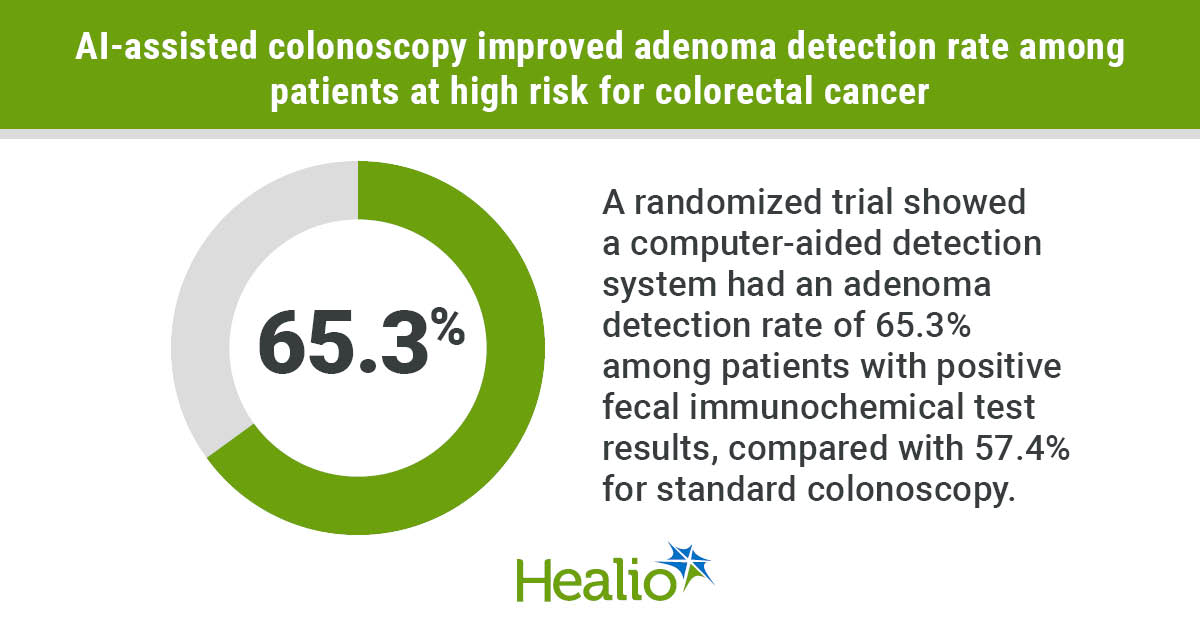
Add topic to email alerts Receive an email when new articles are posted on Please provide your email address to receive an email when new articles are posted on . “ data-action=”subscribe”> Subscribe We were unable to process your request. Please try again later. If you continue to have this issue please contact customerservice@slackinc.com. Back to Healio Key takeaways: A computer-aided detection system improved adenoma detection rate and had higher adenomas per colonoscopy among FIT-positive patients. The improvement was mostly driven by diminutive adenoma detection. AI-assisted colonoscopy could detect diminutive adenomas at higher rates than standard colonoscopy, which could be beneficial to populations at high risk for colorectal cancer. A randomized trial of more than 1,300 individuals in Taiwan showed computer-aided detection (CAD) was noninferior to standard colonoscopy for adenoma detection in the general population, but had a 39% higher likelihood of detecting adenomas among patients with positive fecal immunochemical test (FIT) results. Data derived from Hsu WF, et al. JAMA Netw Open. 2026;doi:10.1001/jamanetworkopen.2026.4881. “CAD should be strategically deployed as a precision tool for high-risk cohorts and as a quality-standardization asset within organized screening programs,” Han-Mo Chiu, MD, PhD, attending physician at National Taiwan University Hospital, told Healio. “In FIT-positive patients, more is not just more. Finding more diminutive adenomas is clinically vital. Because these small lesions in high-risk patients have a higher propensity for advanced histology like [high-grade dysplasia (HGD)], using AI to maximize their detection directly addresses the risk of interval cancers that might otherwise be overlooked in a manual exam. Crucially, this enhanced detection is achieved without over-resection.” ‘A unique high-risk cohort’ Adenoma detection rate has a significant association with interval colorectal cancer, according to study background. Prior studies have shown every 1% increase in detection decreases risk for colorectal cancer 3%, but up to 26% of adenomas and 27% of serrated polyps are missed on standard colonoscopy, most of which are classified as diminutive ( 5 mm) or small (6-9 mm). CAD has been shown to increase detection of smaller adenomas. “A major critique is that CAD primarily increases the detection of adenomas less than 1 cm, which some argue may have limited clinical impact in the general population,” Chiu said. “However, we recognized that FIT-positive individuals represent a unique high-risk cohort. They tend to have a higher multiplicity of adenomas, and importantly, even adenomas smaller than 1 cm in this population carry a substantially higher likelihood of advanced histology, such as HGD. “Our previous study in Taiwan comparing adenomas detected in FIT-positive individuals with those identified in the general population undergoing direct colonoscopy demonstrated that the former have a significantly higher risk of HGD and invasive cancer, even within the same size category of less than 1 cm. This raises the question of whether the common criticism — that CAD mainly increases detection of small adenomas and therefore has limited impact on future colorectal cancer risk — is applicable in the FIT-screening setting.” Chiu and colleagues conducted a multicenter trial in Taiwan to investigate. They randomly assigned 1,356 adults aged 40 to 79 years (mean age, 60 years; standard deviation, 9.4; 50% women) undergoing colonoscopy for positive FIT results, gastrointestinal symptoms, screening or surveillance for a history of polyps, to receive either CAD-assisted (n = 675) or standard colonoscopy (n = 681). Adenoma detection rate served as the primary endpoint. Researchers defined detection rate as the proportion of patients who had at least one histologically confirmed adenoma. Adenomas per colonoscopy, postpolypectomy surveillance intervals, and sessile serrated lesion detection rate served as secondary endpoints. ‘Critical finding’ Overall, researchers observed noninferiority in adenoma detection rate between CAD (58.5%) and standard colonoscopy (53.1%; P = .01), but the difference did not reach statistical significance (P = .05). However, among patients with positive FIT results, the CAD cohort had a significantly higher adenoma detection rate (65.3% vs. 57.4%; adjusted OR = 1.39; 95% CI, 1.05-1.86). “This is a critical finding,” Chiu said. “The AI’s ability to detect more of these subcentimeter adenomas in this trial will hopefully translate into a highly meaningful clinical benefit for this specific group.” CAD helped identify significantly more adenomas per colonoscopy overall (mean, 1.41 vs. 1.2; P = .01) and in the FIT subgroup (mean, 1.64 vs. 1.39; P = .01), the difference stemming from detection of diminutive adenomas. The CAD group also had significantly more polyps per colonoscopy (mean, 1.97 vs. 1.71; P = .005). The CAD and standard colonoscopy groups had similar advanced adenomas per colonoscopy, nonneoplastic polypectomy rates, and sessile serrated lesion detection rates. However, withdrawal time was significantly longer with CAD than standard colonoscopy (mean, 9.14 minutes vs. 8.32 minutes; P < .001). Patients who underwent CAD-assisted colonoscopy had a significantly higher likelihood of being assigned to U.S. Multi-Society Task Force intensive surveillance of 3 to 5 years (10.4% vs. 7.2%; aOR = 1.5; 95% CI, 1.01-2.21). Patients in the FIT subgroup had even greater odds (13.2% vs. 7.3%; aOR = 1.94; 95% CI, 1.22-3.09). “What surprised us the most was how the AI acted as a great equalizer among physicians,” Chiu said. “The benefit of CAD was most pronounced among junior endoscopists, significantly improving their performance, while senior experts saw numerical, but nonsignificant, gains. Furthermore, we were pleased to see that CAD did not increase the nonneoplastic polypectomy rate. This means the AI did not cause our endoscopists to over-resect normal tissue, proving that clinical judgment remained intact alongside the AI assistance.” Researchers acknowledged study limitations, including use of a single CAD system and not being able to blind endoscopists in the study arm. “I would like to emphasize the rigorous, high-ceiling setting of our trial,” Chiu said. “We conducted this study across centers where the baseline adenoma detection rate was already exceptionally high — over 50% for all indications of colonoscopy. Demonstrating that AI can still provide measurable clinical benefits in such an optimized environment — specifically by catching high-risk subcentimeter lesions in FIT-positive patients

Preventing Winter Falls: Balance and Strength Training Tailored for Cold Weather Challenges
Winter, widely considered the season of comfort, is the time for indoor relaxation and quiet contemplation. However, winter also brings with it some very real dangers, including cold, dark, and slippery surfaces. For older adults or those dealing with chronic pain, a small slip on these surfaces can lead to serious injuries that take months to heal. The good news? You can train your body to handle these challenges. Let’s explore some simple, safe exercises you or your loved ones can do from the comfort of your home to build your winter-proof stability. Why Winter Increases the Risk of Falls Cold weather brings more than just chilly air. It changes the way we move, how our muscles respond, and even how we think about walking. When it’s icy, people tend to tense up, take shorter steps, and look down more often. Muscles also get tighter in the cold, which reduces flexibility. Plus, all those bulky layers of clothes mess with your center of gravity and limit how quickly you can react if you start to lose your balance. Your boots might be waterproof and warm, but they’re probably not giving you the ankle support or ground feel you’d get from your regular shoes. Then there’s the simple fact that many of us move less in winter. Maybe you skip your daily walks when it’s freezing, or you stop going to that exercise class because driving feels too risky. But here’s the catch: the less you move, the weaker you get, and the weaker you get, the more likely you are to fall. Building a Foundation To prevent this, you simply need to work on two main things: balance and strength. Physical therapy and balance-focused exercises train your muscles, joints, and nervous system to respond faster and more effectively when something throws you off. Balance Training Balance isn’t just about standing still without wobbling. It’s about how your body reacts when something throws it off center. When you step on ice, for example, your brain and muscles have to communicate in an instant to keep you upright. If that connection is slow or weak, you’re more likely to fall. Some simple ways to train your balance include: ● Single Leg Stands: Stand near a sturdy surface like a countertop or wall for support. Lift one foot slightly off the ground and hold that position for 10–15 seconds. Then switch sides. At first, you might wobble, but that’s perfectly normal. Over time, your legs, ankles, and core muscles will get stronger, and your balance will improve. Try doing 3 rounds on each leg daily. ● Heel-to-Toe Walk: Imagine you’re walking on a tightrope. Place one foot directly in front of the other, heel touching toe, as you move slowly across the room. This simple drill strengthens your stabilizing muscles and sharpens coordination. Keep your eyes forward, not down, and use a wall for light support if needed. ● Side Leg Raises: Hold onto a sturdy chair or counter. Lift one leg out to the side while keeping your back straight and your toes facing forward. Lower it slowly and repeat. This exercise builds hip strength, which plays a big role in staying upright on slippery ground. ● Weight Shifts: Stand with your feet hip-width apart and shift your weight from one leg to the other slowly. Feel your balance change from left to right. This gentle exercise teaches your body to adjust quickly. Strength Training Balance and strength go hand in hand. When your muscles are strong, they act like shock absorbers, keeping you stable even when your footing isn’t perfect. Focus on the muscles that support your posture and help you move safely. Here are a few simple exercises to include in your daily routine: ● Chair Squats: Sit down and stand up from a sturdy chair without using your hands for support. Keep your feet flat on the floor and your knees aligned with your toes. This move strengthens your thighs, hips, and glutes—key muscles for stability and control. ● Heel Raises: Stand behind a chair or counter and slowly lift your heels so you’re standing on your toes. Lower back down after holding for a few seconds. This helps strengthen your calves and ankles, improving the small muscle reactions that keep you upright when you slip. ● March in Place: Lift your knees high as if you’re marching. Do this for one to two minutes, rest, and repeat. Marching builds leg endurance and helps train your coordination. ● Core Squeezes: While sitting or standing, tighten your stomach muscles as if you’re zipping up a snug jacket. Hold for 10 seconds, then release. A strong core helps your upper and lower body work together to keep you balanced. These movements may look simple, but they’re powerful. Doing them for just 10–15 minutes a day can make winter walks safer and less stressful. Warming Up Before You Head Outdoors Cold weather tightens muscles and slows blood flow, making your body less responsive. That’s why warming up before heading outside is so important. Think of it as insurance against sudden slips. Try a short warm-up routine before stepping out: ● Arm circles to loosen shoulders. ● Gentle knee bends to wake up leg muscles. ● Shoulder rolls and neck stretches to improve mobility. ● A quick indoor walk or stair climb to raise your heart rate slightly. It’s also wise to check your footwear. Look for rubber soles with deep treads for better traction. Avoid smooth or worn-out shoes, and consider ice grips that attach to your boots if you live in a particularly snowy area. Winter doesn’t have to be a season of fear. By investing just 10-15 minutes a day in these simple, safe exercises, you can build the strength and confidence you need to navigate the season safely. You are giving your body the tools it needs to stay upright, stable, and strong. When to Ask for Professional Help If you’ve had a fall before or feel nervous

Finding the Best Lupus Treatments
May is Lupus Awareness Month. Did you know the word “lupus” is Latin for wolf? We know that sounds random, but there is meaning behind the name. Back in the 13th century, a healthcare provider (HCP) said skin lesions from the disease resembled a bite mark from a wolf. Usually when people talk about lupus, they’re referring to the most common type called systemic lupus erythematosus. “Systemic” means throughout your body and “erythematosus” comes from the Greek word erythros, which means red — a nod to the butterfly-shaped rash associated with the disease. While the name represents a few symptoms associated with the disease, there are many symptoms of lupus to consider. And the disease affects everyone differently, so it’s not a one-size-fits-all approach when it comes to treatment for the disease. Symptoms of lupus Lupus is a chronic autoimmune condition that causes your body’s immune system to attack healthy organs and tissues. That means the disease can affect different parts of the body and show up in different ways. Symptoms of lupus can include: Butterfly-shaped rash on the face Joint pain, stiffness and swelling White or blue-colored fingers and toes from cold temperatures or stressful situations It’s important to keep track of your symptoms and their severity so you and your HCP can keep them in mind when forming a treatment plan. Types of healthcare providers for lupus care The first step in treating lupus is finding an HCP you trust. For many people, that person is a rheumatologist. A rheumatologist specializes in treating conditions that affect the muscles and joints. But many HCPs treat lupus, so primary care physicians can also help you with treatment options and overall management. Depending on your symptoms and type of lupus, other HCPs for lupus-associated conditions may include: A nephrologist for kidney problems, such as lupus nephritis. Lupus nephritis is a serious complication of SLE that happens when the immune system mistakenly attacks the kidneys and can cause inflammation and organ damage. A gastroenterologist for issues in the digestive tract, including the mouth, esophagus, stomach, intestines, liver, pancreas and gallbladder A dermatologist to treat sores, rashes and/or scaly skin associated with a type of lupus called cutaneous lupus A cardiologist for heart issues A neurologist for brain and nervous system disorders A pulmonologist for lung conditions A perinatologist for high-risk pregnancies and gynecologic care Open communication with your healthcare provider is key to managing lupus The next step in finding the right treatment plan is talking to your HCP about your symptoms and your goals for treatment as part of a shared decision-making process. Since no two cases of lupus are alike, it’s important to let your HCP know what symptoms you’re experiencing, the symptoms that bother you the most and the different ways lupus is affecting your life. It’s a good idea to write this information down before your HCP visit and also define what you hope to achieve with treatment. A good place to start in defining your personal goals is to think about the activities you love to do and how you can find a treatment that allows you to do what you love. For example, if you’re experiencing joint pain every day, your personal goal may be pain management. Treatment options for lupus There is no cure for lupus yet, but medications can help manage symptoms, reduce inflammation and flares, and reduce the risk of organ damage. Hydroxychloroquine (an antimalarial) reduces pain and flares and lower the amount of other lupus medications needed to treat the disease Non-steroidal anti-inflammatory drugs (NSAIDs) help manage pain and inflammation Steroids reduce pain, swelling and inflammation quickly Immunosuppressants reduce damage to organs Monoclonal antibodies target immune cells and helps control disease activity Biologics reduce disease activity, prevent flares and lower the amount of other medications needed to treat lupus ACTH gels reduce inflammation and are used when steroids or other medications are not working When discussing treatment options with your HCP, it’s also important to go over the side effects of medications and any long-term effects you may want to consider. In addition to medications, alternative therapies (physical therapy or chiropractic) and lifestyle changes like lowering stress and getting enough sleep are options you may want to incorporate into your plan. Shared decision-making makes a difference in lupus care Lupus is a complex disease, and you may have to try a few combinations of treatments to get to the plan that works for you. But open communication between you and your HCP can help you find the right combo so you can work toward remission and live your best life. This educational resource was created with support from GSK, a HealthyWomen Corporate Advisory Council member. From Your Site Articles Related Articles Around the Web Source link

#FGblog – Eosinophilic oesophagitis: the past, present, and future.
Eosinophilic oesophagitis (EoE) is an allergic disease of the oesophagus characterised by an elevated eosinophil count on oesophageal biopsy. It classically presents with dysphagia in adults; symptoms in children can be more varied, including abdominal pain and vomiting as well as dysphagia [1]. It is a relative newcomer in the world of gastrointestinal disease, first having been described just over 30 years ago, but its incidence is increasing, even taking into account increased knowledge of the condition and better diagnostic strategies [2]. In this #FGblog we want to draw Frontline Gastroenterology readers’ attention to two recent open access papers published in the journal on EoE; one offering insights into the real-world experience of EoE in England, and the other ways in which care for patients living with this condition can be improved. Xu et al. integrated and interrogated three national databases to evaluate EoE-related symptoms and comorbidities in 2381 patients with EoE compared to 9365 age and sex matched controls [3]. As might be expected, patients were predominantly male (70.1%) and young (median age 40). 29.2% of patients with EoE had one or more allergic comorbidity, the most common being asthma. Some of the more hard-hitting findings include the fact that 15.5% of patients had a diagnosis made 24-36 months after symptom onset. Factors associated with this prolonged time to diagnosis included having symptoms of acid reflux or heartburn, which would fit with symptoms being attributed to gastro-oesophageal reflux disease rather than EoE, but interestingly also with age less than 18 years old, and the presence of one or more EoE-related comorbidities. The latter finding is surprising, as the association of EoE with other allergic conditions has been known for a long time. 8.2% of patients presented with food bolus impaction, and 18.3% of patients developed strictures. Although this is the minority of patients, when the ground-level burden on patients and resource use is considered (e.g. emergency endoscopy, therapeutic dilatation), the impact of this ‘rare’ condition is huge. In terms of treatment, most received proton pump inhibitor (PPI) monotherapy as first line therapy, and if patients were switched, the most popular alternative was PPI with topical corticosteroid (TCS). Our second paper from Dhar et al. proposes an integrated care pathway to tackle some of the difficulties faced by patients living with and clinicians managing EoE [4]. The pathway agreed on in two expert group meetings are clear, evidence based, and will be for many, practice-changing. Out for good are non-recommended medical therapies for relieving food bolus obstruction such as buscopan, glucagon and Coca Cola (other ineffective fizzy drinks available). In are recommended time intervals to OGD of within 6 hours, 24 hours, or 2 weeks depending on whether the patient is distressed, stable but at risk of aspiration, or if the food bolus has passed respectively. More on recent advances in EoE can be found here [5]. The need for multiple oesophageal biopsies to increase diagnostic yield should be standard practice; the authors recommend at least six biopsies from multiple sites, ideally three. The diagnostic threshold recommended is >15 eosinophils per 0.3mm2 of oesophageal epithelium. First line medical therapy for induction of remission is unequivocally budesonide orodispersible tablet (ODT). PPIs and dietary interventions usually fail and result in more repeat endoscopies, and compliance with the strictest, more effective six-food elimination diet is low. Patients should also be on maintenance treatment once remission is achieved as relapse rates following treatment cessation are high. Once again, the best option is budesonide ODT, which is both effective and safe in achieving clinico-histological remission. We would strongly encourage readers to read the full versions of both of these excellent papers, which are certainly cause for reflection on the care we provide to people living with EoE. References Shillitoe B, Lee JC, Hussien M, et al. Clinical spectrum of paediatric and adult eosinophilic oesophagitis in the North East of England from 2016 to 2019. Frontline Gastroenterology 2022;13:231-236. https://fg.bmj.com/content/13/3/231 Dhar A, Haboubi H, Auth M, et al. Eosinophilic oesophagitis: improving diagnosis and therapy – reducing the burden of repeated endoscopy. Frontline Gastroenterology 2022;13:e51-e56. https://fg.bmj.com/content/13/e1/e51 Xu X, Chen SY, Maslova E, et al. Clinical symptoms, comorbidities, treatment patterns and time to diagnosis in patients with eosinophilic oesophagitis in England: a retrospective cohort study. Frontline Gastroenterology Published Online First: 08 August 2024. doi: 10.1136/flgastro-2024-102646 https://fg.bmj.com/content/early/2024/08/08/flgastro-2024-102646 Dhar A, Attwood S, Basu K, et al. Improving management of eosinophilic oesophagitis in adults in the UK: proposal for an integrated care pathway. Frontline Gastroenterology Published Online First: 12 August 2024. doi: 10.1136/flgastro-2024-102768. https://fg.bmj.com/content/early/2024/08/11/flgastro-2024-102768 Attwood S, Epstein J. Eosinophilic oesophagitis: recent advances and practical management. Frontline Gastroenterology 2021;12:644-649. https://fg.bmj.com/content/12/7/644 Author: Dr James Kennedy (Trainee Associate Editor) Twitter: @DrJMKennedy Declarations: I am a trainee associate editor for Frontline Gastroenterology (Visited 368 times, 1 visits today) Source link

Understanding Medications & Pharmacologic Options for Pain Management
Preventing Winter Falls: Balance and Strength Training Tailored for Cold Weather Challenges By Bob Berendsen • January 15, 2026 Winter, widely considered the season of comfort, is the time for indoor relaxation and quiet contemplation. However, winter also brings with it some very real dangers, including cold, dark, and slippery surfaces. For older adults or those dealing with chronic pain, a small slip on these surfaces can lead to serious injuries that take months to heal. The good news? You can train your body to handle these challenges. Let’s explore some simple, safe exercises you or your loved ones can do from the comfort of your home to build your winter-proof stability. Why Winter Increases the Risk of Falls Cold weather brings more than just chilly air. It changes the way we move, how our muscles respond, and even how we think about walking. When it’s icy, people tend to tense up, take shorter steps, and look down more often. Muscles also get tighter in the cold, which reduces flexibility. Plus, all those bulky layers of clothes mess with your center of gravity and limit how quickly you can react if you start to lose your balance. Your boots might be waterproof and warm, but they’re probably not giving you the ankle support or ground feel you’d get from your regular shoes. Then there’s the simple fact that many of us move less in winter. Maybe you skip your daily walks when it’s freezing, or you stop going to that exercise class because driving feels too risky. But here’s the catch: the less you move, the weaker you get, and the weaker you get, the more likely you are to fall. Building a Foundation To prevent this, you simply need to work on two main things: balance and strength. Physical therapy and balance-focused exercises train your muscles, joints, and nervous system to respond faster and more effectively when something throws you off. Balance Training Balance isn’t just about standing still without wobbling. It’s about how your body reacts when something throws it off center. When you step on ice, for example, your brain and muscles have to communicate in an instant to keep you upright. If that connection is slow or weak, you’re more likely to fall. Some simple ways to train your balance include: ● Single Leg Stands : Stand near a sturdy surface like a countertop or wall for support. Lift one foot slightly off the ground and hold that position for 10–15 seconds. Then switch sides. At first, you might wobble, but that’s perfectly normal. Over time, your legs, ankles, and core muscles will get stronger, and your balance will improve. Try doing 3 rounds on each leg daily. ● Heel-to-Toe Walk: Imagine you’re walking on a tightrope. Place one foot directly in front of the other, heel touching toe, as you move slowly across the room. This simple drill strengthens your stabilizing muscles and sharpens coordination. Keep your eyes forward, not down, and use a wall for light support if needed. ● Side Leg Raises: Hold onto a sturdy chair or counter. Lift one leg out to the side while keeping your back straight and your toes facing forward. Lower it slowly and repeat. This exercise builds hip strength, which plays a big role in staying upright on slippery ground. ● Weight Shifts: Stand with your feet hip-width apart and shift your weight from one leg to the other slowly. Feel your balance change from left to right. This gentle exercise teaches your body to adjust quickly. Strength Training Balance and strength go hand in hand. When your muscles are strong, they act like shock absorbers, keeping you stable even when your footing isn’t perfect. Focus on the muscles that support your posture and help you move safely. Here are a few simple exercises to include in your daily routine: ● Chair Squats: Sit down and stand up from a sturdy chair without using your hands for support. Keep your feet flat on the floor and your knees aligned with your toes. This move strengthens your thighs, hips, and glutes—key muscles for stability and control. ● Heel Raises: Stand behind a chair or counter and slowly lift your heels so you’re standing on your toes. Lower back down after holding for a few seconds. This helps strengthen your calves and ankles, improving the small muscle reactions that keep you upright when you slip. ● March in Place: Lift your knees high as if you’re marching. Do this for one to two minutes, rest, and repeat. Marching builds leg endurance and helps train your coordination. ● Core Squeezes: While sitting or standing, tighten your stomach muscles as if you’re zipping up a snug jacket. Hold for 10 seconds, then release. A strong core helps your upper and lower body work together to keep you balanced. These movements may look simple, but they’re powerful. Doing them for just 10–15 minutes a day can make winter walks safer and less stressful. Warming Up Before You Head Outdoors Cold weather tightens muscles and slows blood flow, making your body less responsive. That’s why warming up before heading outside is so important. Think of it as insurance against sudden slips. Try a short warm-up routine before stepping out: ● Arm circles to loosen shoulders. ● Gentle knee bends to wake up leg muscles. ● Shoulder rolls and neck stretches to improve mobility. ● A quick indoor walk or stair climb to raise your heart rate slightly. It’s also wise to check your footwear. Look for rubber soles with deep treads for better traction. Avoid smooth or worn-out shoes, and consider ice grips that attach to your boots if you live in a particularly snowy area. Winter doesn’t have to be a season of fear. By investing just 10-15 minutes a day in these simple, safe exercises, you can build the strength and confidence you need to navigate the season safely. You are giving your body the tools it needs to

What Is PMDD? – HealthyWomen
May is Mental Health Awareness Month and National Women’s Health Month. Mood swings. Bloating. Breast tenderness. The terrible trilogy can only mean one thing: Winter — sorry, your period — is coming. About 3 out of 4 people who menstruate experience symptoms of premenstrual syndrome (PMS) up to two weeks before their period actually starts. (Sidenote: If the math is mathing, that means women have around seven days a month that are PMS or Aunt Flo free. Just a reminder that women are amazing.) PMS is common, but for some women, the emotional and physical symptoms are so extreme they seriously impact the ability to function. This severe version of PMS is actually a mood disorder called premenstrual dysphoric disorder (PMDD). Read: 7 PMS Tips from the Pros >> What is PMDD? Premenstrual dysphoric disorder is a chronic condition that causes intense emotional and physical symptoms that start one to two weeks before your period and end a few days into your cycle. PMDD symptoms The physical and emotional symptoms of PMDD are extreme — so severe that they affect the ability to function at home, work and in personal relationships. PMDD symptoms can include: Feelings of sadness, hopelessness or worthlessness Anxiety Mood swings Self-critical thoughts and/or increased sensitivity Increased irritability or anger Increased conflicts with family, coworkers or friends Loss of interest in everyday activities Problems concentrating Fatigue Changes in eating patterns (binging, overeating or craving certain foods) Problems sleeping or sleeping too much Feeling overwhelmed or out of control Breast tenderness Headache Muscle aches Weight gain Bloating What causes PMDD? Research is ongoing as to what causes PMDD, but it may have something to do with the drop in hormone levels that happen after ovulation. Serotonin — a natural brain chemical that regulates mood — may also play a role. Serotonin levels fluctuate throughout the menstrual cycle and some people may be more sensitive to the changes. PMDD vs. PMS PMDD is like PMS on steroids. Here’s the difference: PMS symptoms are typically mild to moderate and don’t usually stop you from doing everyday activities. PMDD causes intense mental and physical changes that impact your everyday life and the way you interact with others. PMDD is a medical condition that should be diagnosed and treated by a healthcare provider. Risk factors for PMDD PMDD affects about 5 out of 100 people who menstruate. You may be at risk for PMDD if you: Have a family history of PMS or PMDD Have a personal or family history of mood disorders, depression or postpartum depression How do you get a diagnosis of PMDD? PMDD is defined by having five or more symptoms, including one that’s mood-related. In addition to going over your health history and a physical exam, a healthcare provider (HCP) will usually ask you to track your symptoms in a journal or diary for a period of time before making a diagnosis. PMDD treatments There are several medications and lifestyle changes that can help manage the wide range of symptoms associated with PMDD. PMDD treatments can include: Selective serotonin reuptake inhibitors (SSRIs) Over-the-counter (OTC) pain relievers Stress management and relaxation techniques Cutting down on sugar, salt, caffeine and alcohol may also help decrease some symptoms of PMDD. Read: Why Hormonal Birth Control Is So Important to Women’s Healthcare >> PMDD is a chronic condition For many people with PMDD, symptoms get worse over time and last until menopause. So, it’s important to talk to your HCP if you think you may have PMDD. There are treatment options that can help. From Your Site Articles Related Articles Around the Web Source link
Should gastroenterologists prescribe GLP-1s to their patients?
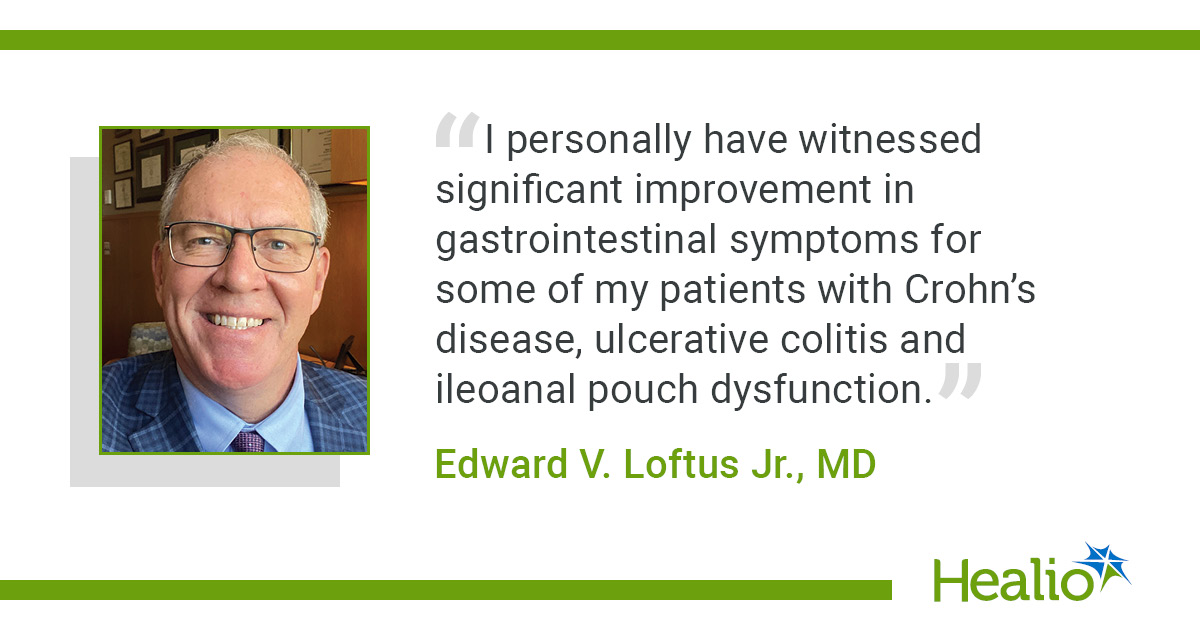
Column Editorials Add topic to email alerts Receive an email when new articles are posted on Please provide your email address to receive an email when new articles are posted on . “ data-action=”subscribe”> Subscribe We were unable to process your request. Please try again later. If you continue to have this issue please contact customerservice@slackinc.com. Back to Healio More from Column Editorials View all This month’s Healio Exclusive in Healio Gastroenterology poses a highly topical question. GLP-1 receptor agonists have revolutionized the treatment of obesity and related conditions, including type 2 diabetes, major adverse cardiovascular events, obstructive sleep apnea, metabolic dysfunction-associated steatotic liver disease, osteoarthritis and polycystic ovarian syndrome. The benefits of this drug class seem to far outweigh adverse events, which are often gastrointestinal. For some patients, including those with MASLD, gastroesophageal reflux disease or inflammatory bowel disease, there is evidence that these drugs may provide benefit. I personally have witnessed significant improvement in gastrointestinal symptoms for some of my patients with Crohn’s disease, ulcerative colitis and ileoanal pouch dysfunction. Furthermore, given the association between BMI and risk for gastrointestinal cancers, use of GLP-1s may prevent these malignancies. This raises the question: Should gastroenterologists prescribe these drugs as well? GLP-1s often seem to be under the purview of endocrinologists, weight management specialists or primary care providers. In one camp, we hear from gastroenterologists who subspecialize in obesity and feel we should fully embrace this drug class and be comfortable prescribing them. However, we also hear concerns about how GLP-1s are being marketed directly to patients through online health platforms, leading to little or no oversight of the prescription. One could argue this is a sign of primary care provider shortage and another reason for gastroenterologists to take ownership of prescribing GLP-1s. Given the broad number of indications for these drugs, it may be best for the primary care provider to “be the quarterback” and handle the prescribing. Certainly, gastroenterologists should embrace drugs such as tirzepatide and semaglutide in the sense that they should encourage patients with overweight or obesity to try them when the question is raised. As mentioned by Michael Camilleri, MD, DSc, in the cover story, use of GLP-1s fits nicely within the spectrum of treatments that should be offered to these patients after diet and lifestyle modifications but before endoscopic or surgical bariatric procedures. We also should be familiar with and comfortable discussing potential side effects of these medications, which include nausea, vomiting, diarrhea, constipation, indigestion, abdominal pain, fatigue and belching. We can talk patients through some of these side effects and reassure them that generally, they ease with time. We also should be aware of less common and more severe side effects such as biliary problems, pancreatitis and allergic reactions. Ultimately, the decision for a gastroenterologist to prescribe GLP-1s is a personal one and will depend on their patients and the availability of primary care providers who are comfortable with this class of drugs. Further research into the effect of the use of this drug class on gastrointestinal cancer prevention is warranted, too. For more information: Edward V. Loftus Jr., MD, is the Maxine and Jack Zarrow Family Professor of Gastroenterology at the Mayo Clinic and chief medical editor of Healio Gastroenterology. He can be reached at loftus.edward@mayo.edu. More from Column Editorials View all Published by: Sources/Disclosures Source: Expert submission Disclosures: Loftus reports consulting for AbbVie, Alvotech, Amgen, Boehringer Ingelheim, Bristol Myers Squibb, Celltrion Healthcare, Eli Lilly & Co., Fresenius Kabi, Gilead Sciences, Janssen and Takeda Pharmaceuticals; and receiving research support from AbbVie, Bristol Myers Squibb, Celgene/Receptos, Gilead, Janssen and Takeda. Ask a clinical question and tap into Healio AI’s knowledge base. PubMed, enrolling/recruiting trials, guidelines Clinical Guidance, Healio CME, FDA news Healio’s exclusive daily news coverage of clinical data Learn more Add topic to email alerts Receive an email when new articles are posted on Please provide your email address to receive an email when new articles are posted on . “ data-action=”subscribe”> Subscribe We were unable to process your request. Please try again later. If you continue to have this issue please contact customerservice@slackinc.com. Back to Healio Source link

Get Active This Spring with Low-Impact Exercises for Pain Relief and Better Mobility
Preventing Winter Falls: Balance and Strength Training Tailored for Cold Weather Challenges By Bob Berendsen • January 15, 2026 Winter, widely considered the season of comfort, is the time for indoor relaxation and quiet contemplation. However, winter also brings with it some very real dangers, including cold, dark, and slippery surfaces. For older adults or those dealing with chronic pain, a small slip on these surfaces can lead to serious injuries that take months to heal. The good news? You can train your body to handle these challenges. Let’s explore some simple, safe exercises you or your loved ones can do from the comfort of your home to build your winter-proof stability. Why Winter Increases the Risk of Falls Cold weather brings more than just chilly air. It changes the way we move, how our muscles respond, and even how we think about walking. When it’s icy, people tend to tense up, take shorter steps, and look down more often. Muscles also get tighter in the cold, which reduces flexibility. Plus, all those bulky layers of clothes mess with your center of gravity and limit how quickly you can react if you start to lose your balance. Your boots might be waterproof and warm, but they’re probably not giving you the ankle support or ground feel you’d get from your regular shoes. Then there’s the simple fact that many of us move less in winter. Maybe you skip your daily walks when it’s freezing, or you stop going to that exercise class because driving feels too risky. But here’s the catch: the less you move, the weaker you get, and the weaker you get, the more likely you are to fall. Building a Foundation To prevent this, you simply need to work on two main things: balance and strength. Physical therapy and balance-focused exercises train your muscles, joints, and nervous system to respond faster and more effectively when something throws you off. Balance Training Balance isn’t just about standing still without wobbling. It’s about how your body reacts when something throws it off center. When you step on ice, for example, your brain and muscles have to communicate in an instant to keep you upright. If that connection is slow or weak, you’re more likely to fall. Some simple ways to train your balance include: ● Single Leg Stands : Stand near a sturdy surface like a countertop or wall for support. Lift one foot slightly off the ground and hold that position for 10–15 seconds. Then switch sides. At first, you might wobble, but that’s perfectly normal. Over time, your legs, ankles, and core muscles will get stronger, and your balance will improve. Try doing 3 rounds on each leg daily. ● Heel-to-Toe Walk: Imagine you’re walking on a tightrope. Place one foot directly in front of the other, heel touching toe, as you move slowly across the room. This simple drill strengthens your stabilizing muscles and sharpens coordination. Keep your eyes forward, not down, and use a wall for light support if needed. ● Side Leg Raises: Hold onto a sturdy chair or counter. Lift one leg out to the side while keeping your back straight and your toes facing forward. Lower it slowly and repeat. This exercise builds hip strength, which plays a big role in staying upright on slippery ground. ● Weight Shifts: Stand with your feet hip-width apart and shift your weight from one leg to the other slowly. Feel your balance change from left to right. This gentle exercise teaches your body to adjust quickly. Strength Training Balance and strength go hand in hand. When your muscles are strong, they act like shock absorbers, keeping you stable even when your footing isn’t perfect. Focus on the muscles that support your posture and help you move safely. Here are a few simple exercises to include in your daily routine: ● Chair Squats: Sit down and stand up from a sturdy chair without using your hands for support. Keep your feet flat on the floor and your knees aligned with your toes. This move strengthens your thighs, hips, and glutes—key muscles for stability and control. ● Heel Raises: Stand behind a chair or counter and slowly lift your heels so you’re standing on your toes. Lower back down after holding for a few seconds. This helps strengthen your calves and ankles, improving the small muscle reactions that keep you upright when you slip. ● March in Place: Lift your knees high as if you’re marching. Do this for one to two minutes, rest, and repeat. Marching builds leg endurance and helps train your coordination. ● Core Squeezes: While sitting or standing, tighten your stomach muscles as if you’re zipping up a snug jacket. Hold for 10 seconds, then release. A strong core helps your upper and lower body work together to keep you balanced. These movements may look simple, but they’re powerful. Doing them for just 10–15 minutes a day can make winter walks safer and less stressful. Warming Up Before You Head Outdoors Cold weather tightens muscles and slows blood flow, making your body less responsive. That’s why warming up before heading outside is so important. Think of it as insurance against sudden slips. Try a short warm-up routine before stepping out: ● Arm circles to loosen shoulders. ● Gentle knee bends to wake up leg muscles. ● Shoulder rolls and neck stretches to improve mobility. ● A quick indoor walk or stair climb to raise your heart rate slightly. It’s also wise to check your footwear. Look for rubber soles with deep treads for better traction. Avoid smooth or worn-out shoes, and consider ice grips that attach to your boots if you live in a particularly snowy area. Winter doesn’t have to be a season of fear. By investing just 10-15 minutes a day in these simple, safe exercises, you can build the strength and confidence you need to navigate the season safely. You are giving your body the tools it needs to
Heather se hace una prueba del VIH
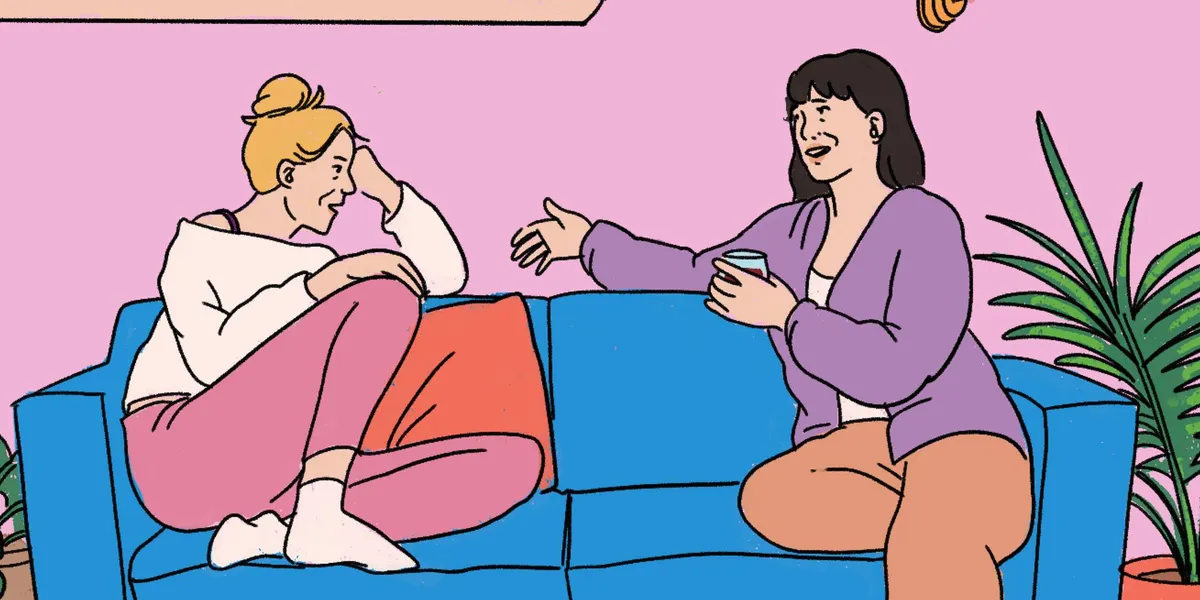
[GRAPHIC] Heather, una mujer de casi 60 años, sostiene su teléfono y su aplicación de citas muestra que alguien que le gusta quiere conocerla. Tiene una enorme sonrisa en su rostro mientras aparece un globo de diálogo que muestra su conversación. Hombre: “¿Cenamos el viernes en la noche?” Heather: “¡Es una cita!” [GRAPHIC] Heather está en su cita, ella y él están sentados juntos y él tiene su brazo sobre los hombros de Heather. Hombre: “¿Vamos a otro lugar?” Heather: “¿Tu casa o la mía?” [SUPER] Días después… [GRAPHIC] Heather y su amiga están sentadas en el sofá en la casa de Heather. Mientras conversan, ambas sostienen vasos de vino, comen bocadillos, acarician un gato, etcétera. Amiga: “¡Cuéntame cómo te fue en tu cita!” Heather: “Estuvo bien. Ya sabes, no busco nada serio. Solo deseo divertirme mientras conozco gente nueva después del divorcio. Tener citas a los 56 años ha sido una aventura”. Amiga: “¿Y qué pasó con Brad? ¿Todavía se ven?” Heather: “Nos vemos casualmente”. Amiga: “Epa, estoy viviendo todo esto a través de ti. Por cierto, ¿qué haces para protegerte? ¿Todavía tomas píldoras anticonceptivas?” Heather: “No, dejé de tomarlas hace varias semanas. Lo bueno de la menopausia es que no tienes que preocuparte de embarazarte. ¡Qué alivio!” Amiga: “¿Y cómo te proteges de ITS (infecciones de transmisión sexual)?” Heather: “Eso no me preocupa mucho”. Amiga: “No deseo desanimarte, pero puesto que soy enfermera, siento que debo decirte que las tasas de ITS están aumentando. Se duplicaron para personas de entre los 50 y 60 años en la última década”. Heather: “¿Por qué?” Amiga: “Algo de eso se debe a personas como tú, que están volviendo a salir con parejas nuevas después de un divorcio, pensando que ya no necesitan protección. Y la menopausia en sí puede hacerte más propensa a enfermarte de ITS”. Heather: “Epa, qué sorpresa. La menopausia realmente es un regalo que nunca acaba”. [GRAPHIC] Cambios vaginales, tales como la pérdida de elasticidad y sequedad, te hacen más propensa a laceraciones, lo cual hace que sea más fácil enfermarse de ITS. Amiga: “Tal vez deberías hacerte una prueba del VIH. Solo por seguridad”. Heather: “Eso me da miedo”. Amiga: “Es una simple prueba de sangre. Y no saber tu situación da más miedo, ¿no lo crees así? Heather: “Supongo que sí. Tienes razón”. [ SUPER] Puedes hacerte una prueba del VIH en: El consultorio de tu proveedor médico Un departamento de salud pública local Clínicas con pruebas del VIH Amiga: “Si tienes el VIH y recibes tratamiento, todavía podrás disfrutar de una vida larga y saludable. Pero si ignoras algo así, podría ser mortal”. Heather: “Gracias. Siempre me das buenos consejos. ¡Lo haré! Encontraré un lugar mañana. Ahora enfoquémonos en el evento principal de la noche. Veamos ‘¡El amor es ciego!’” Source link