
Preventing Winter Falls: Balance and Strength Training Tailored for Cold Weather Challenges By Bob Berendsen • January 15, 2026 Winter, widely considered the season of comfort, is the time for indoor relaxation and quiet contemplation. However, winter also brings with it some very real dangers, including cold, dark, and slippery surfaces. For older adults or those dealing with chronic pain, a small slip on these surfaces can lead to serious injuries that take months to heal. The good news? You can train your body to handle these challenges. Let’s explore some simple, safe exercises you or your loved ones can do from the comfort of your home to build your winter-proof stability. Why Winter Increases the Risk of Falls Cold weather brings more than just chilly air. It changes the way we move, how our muscles respond, and even how we think about walking. When it’s icy, people tend to tense up, take shorter steps, and look down more often. Muscles also get tighter in the cold, which reduces flexibility. Plus, all those bulky layers of clothes mess with your center of gravity and limit how quickly you can react if you start to lose your balance. Your boots might be waterproof and warm, but they’re probably not giving you the ankle support or ground feel you’d get from your regular shoes. Then there’s the simple fact that many of us move less in winter. Maybe you skip your daily walks when it’s freezing, or you stop going to that exercise class because driving feels too risky. But here’s the catch: the less you move, the weaker you get, and the weaker you get, the more likely you are to fall. Building a Foundation To prevent this, you simply need to work on two main things: balance and strength. Physical therapy and balance-focused exercises train your muscles, joints, and nervous system to respond faster and more effectively when something throws you off. Balance Training Balance isn’t just about standing still without wobbling. It’s about how your body reacts when something throws it off center. When you step on ice, for example, your brain and muscles have to communicate in an instant to keep you upright. If that connection is slow or weak, you’re more likely to fall. Some simple ways to train your balance include: ● Single Leg Stands : Stand near a sturdy surface like a countertop or wall for support. Lift one foot slightly off the ground and hold that position for 10–15 seconds. Then switch sides. At first, you might wobble, but that’s perfectly normal. Over time, your legs, ankles, and core muscles will get stronger, and your balance will improve. Try doing 3 rounds on each leg daily. ● Heel-to-Toe Walk: Imagine you’re walking on a tightrope. Place one foot directly in front of the other, heel touching toe, as you move slowly across the room. This simple drill strengthens your stabilizing muscles and sharpens coordination. Keep your eyes forward, not down, and use a wall for light support if needed. ● Side Leg Raises: Hold onto a sturdy chair or counter. Lift one leg out to the side while keeping your back straight and your toes facing forward. Lower it slowly and repeat. This exercise builds hip strength, which plays a big role in staying upright on slippery ground. ● Weight Shifts: Stand with your feet hip-width apart and shift your weight from one leg to the other slowly. Feel your balance change from left to right. This gentle exercise teaches your body to adjust quickly. Strength Training Balance and strength go hand in hand. When your muscles are strong, they act like shock absorbers, keeping you stable even when your footing isn’t perfect. Focus on the muscles that support your posture and help you move safely. Here are a few simple exercises to include in your daily routine: ● Chair Squats: Sit down and stand up from a sturdy chair without using your hands for support. Keep your feet flat on the floor and your knees aligned with your toes. This move strengthens your thighs, hips, and glutes—key muscles for stability and control. ● Heel Raises: Stand behind a chair or counter and slowly lift your heels so you’re standing on your toes. Lower back down after holding for a few seconds. This helps strengthen your calves and ankles, improving the small muscle reactions that keep you upright when you slip. ● March in Place: Lift your knees high as if you’re marching. Do this for one to two minutes, rest, and repeat. Marching builds leg endurance and helps train your coordination. ● Core Squeezes: While sitting or standing, tighten your stomach muscles as if you’re zipping up a snug jacket. Hold for 10 seconds, then release. A strong core helps your upper and lower body work together to keep you balanced. These movements may look simple, but they’re powerful. Doing them for just 10–15 minutes a day can make winter walks safer and less stressful. Warming Up Before You Head Outdoors Cold weather tightens muscles and slows blood flow, making your body less responsive. That’s why warming up before heading outside is so important. Think of it as insurance against sudden slips. Try a short warm-up routine before stepping out: ● Arm circles to loosen shoulders. ● Gentle knee bends to wake up leg muscles. ● Shoulder rolls and neck stretches to improve mobility. ● A quick indoor walk or stair climb to raise your heart rate slightly. It’s also wise to check your footwear. Look for rubber soles with deep treads for better traction. Avoid smooth or worn-out shoes, and consider ice grips that attach to your boots if you live in a particularly snowy area. Winter doesn’t have to be a season of fear. By investing just 10-15 minutes a day in these simple, safe exercises, you can build the strength and confidence you need to navigate the season safely. You are giving your body the tools it needs to
Heather Gets an HIV Test
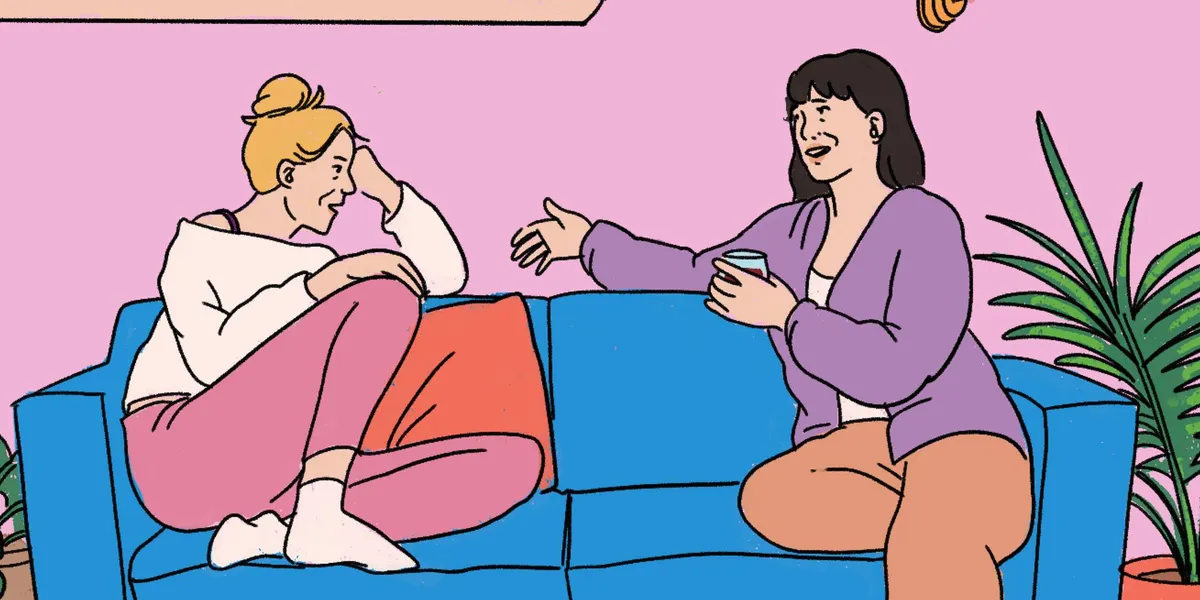
[SUPER] Later that week… [GRAPHIC] Heather and her friend are sitting on the couch at Heather’s house. Throughout the conversation, they are both holding glasses of wine, eating snacks, petting a cat, etc. Friend: “So tell me about the date!” Heather: “It was alright. You know me, I’m not looking for anything serious. Just having fun getting back out there since the divorce. Dating at 56 has been an adventure so far.” Friend: “And what about Brad? Are you still seeing him?” Heather: “Casually.” Friend: “Wow, I’m totally living vicariously through you. By the way, what are you doing for protection? Are you still on the pill?” Heather: “No, I got off that a few weeks ago. One good thing about menopause is that you don’t have to worry about getting pregnant. Whew!” Friend: “But what about STIs?” Heather: “I’m not too worried.” Friend: “Not to put a chill on Netflix and chill, but since I’m a nurse, I feel like I need to tell you that STIs are actually on the rise. They’ve doubled in people in their mid-50s and older in the last decade.” Heather: “Really? Why?” Friend: “Some of it is from people like you, who are getting back out there with new partners after a divorce, thinking they no longer need protection. And menopause itself can make you more likely to get STIs.” Heather: “Oh, wow. Menopause really is the gift that keeps on giving.” [GRAPHIC] Changes in the vagina, like loss of elasticity and dryness, make you more prone to tearing, which makes it easier to get STIs. Friend: “Maybe you should get an HIV test. Just to be safe.” Heather: “That sounds scary.” Friend: “It’s really just a simple blood test. And not knowing is a lot scarier though, right? Heather: “I guess. Yeah.” [ SUPER] You can get an HIV test at: Your healthcare provider’s office Local health departments HIV testing clinics Friend: “If you have HIV and you get treated, you can still live a long, healthy life. But if you ignore something like that, it can be life-threatening.” Heather: “Thanks. You always give me good advice. I’ll do it! I’ll find a place tomorrow. Now let’s get to the main event of the evening. Turn on “Love Is Blind!” Source link
AI uses routine data to create biomarker for pancreatic cancer
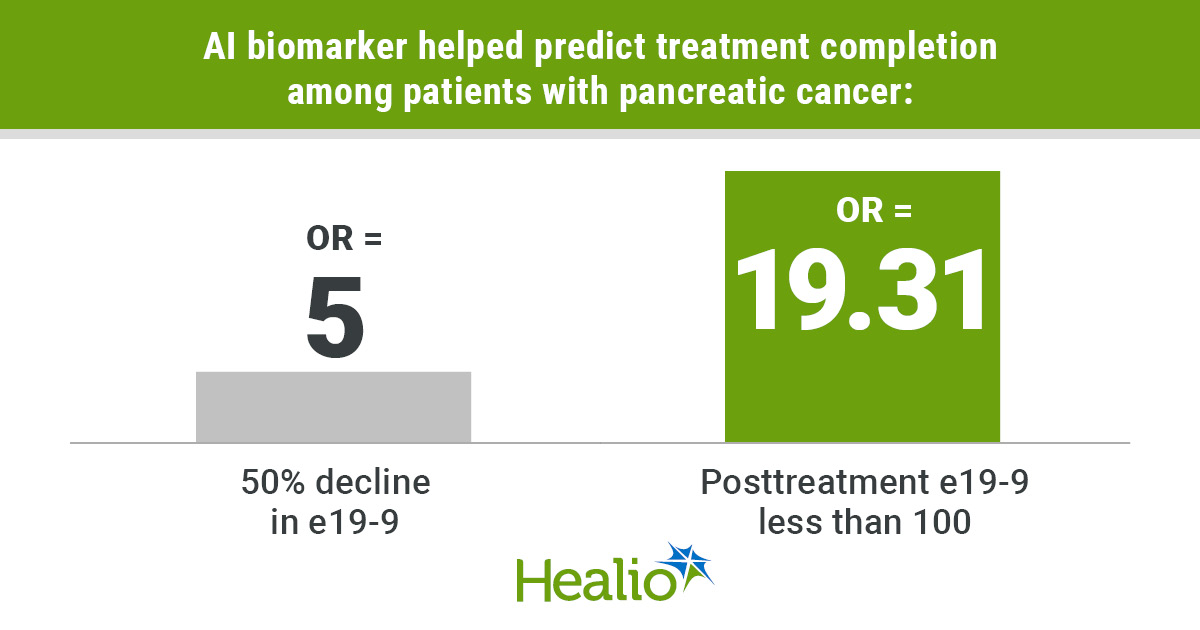
Add topic to email alerts Receive an email when new articles are posted on Please provide your email address to receive an email when new articles are posted on . “ data-action=”subscribe”> Subscribe We were unable to process your request. Please try again later. If you continue to have this issue please contact customerservice@slackinc.com. Back to Healio Key takeaways: About a third of patients do not have a biomarker used to track treatment progress in pancreatic cancer. An AI biomarker derived from routinely collected data predicted treatment completion and survival. Approximately a third of patients with pancreatic ductal adenocarcinoma do not have elevated or detectable levels of a biomarker commonly used to measure response to therapy. An AI tumor marker derived from routinely collected data could provide prognostic information on treatment completion and survival similar to that seen in patients who have measurable cancer antigen 19-9 (CA19-9). Data derived from Thalji SZ, et al. JAMA Surg. 2026;doi:10.1001/jamasurg.2026.0291. Anai N. Kothari “This behaves just like CA19-9 does clinically,” Anai N. Kothari, MD, MS, assistant professor of surgical oncology at Medical College of Wisconsin, told Healio. “It tracks response, predicts outcomes and can help guide treatment decisions. This really is a step forward using AI, not just to predict outcomes, but to fill in some critical gaps in clinical care using data we already have.” ‘A big gap’ Pancreatic ductal adenocarcinoma (PDAC) tumors can exhibit significant changes on imaging, so clinicians use biomarker CA19-9, a serum blood value, to measure response to therapy and make prognostic assessments, according to study background. However, about 30% of patients with PDAC do not produce elevated levels of CA19-9, including 10% who do not have any detectable CA19-9. “There’s no high-quality biomarker in that patient population to follow,” Kothari said. “Instead, [clinicians use] a lot of intermittent screening tests, imaging that ends up being costly and challenging for the patients to do. They may miss an opportunity to change treatment in someone who’s not responding. This is a big gap that needed to be filled.” Kothari and colleagues investigated whether AI could use other common laboratory data routinely collected along with CA19-9 to find a surrogate biomarker, which they called electronic CA19-9 (e19-9). They trained the model on 3,239 patients with PDAC and elevated C19-9. The cohort had a combined 21,555 unique CA19-9 values. Researchers then conducted external validation on 4,384 similar patients with 16,487 unique CA19-9 values. Finally, they tested the model on 121 patients with localized PDAC (median age, 65 years; interquartile range, 14; 51% men; 89% white) who did not have elevated CA19-9 (less than 35 U/mL). Completion of all neoadjuvant treatment and surgery, metastatic progression and OS served as primary endpoints. ‘Highly usable tool’ Overall, 77% of patients in the test cohort completed neoadjuvant therapy, including surgery. Individuals who finished treatment had similar e19-9 values before therapy as those who did not complete treatment (median, 121 vs. 134.1). Kothari and colleagues found patients who had at least a 50% decline in e19-9 during treatment had a significantly higher likelihood of finishing (OR = 5; 95% CI, 1.6-15.66). Additionally, patients who had posttreatment e19-9 levels less than 100 had nearly 20 times the likelihood of completing therapy, including surgery (OR = 19.31; 95% CI, 5.8-64.26). Metastatic progression occurred significantly less in patients who had any decline in e19-9 (47% vs. 80%; P = .01), those who had a 50% decrease (24% vs. 56%; P = .01), and those with levels less than 100 (29% vs. 80%; P < .001). OS significantly increased among patients who had any decline in e19-9 (median, 49 months vs. 22 months; P = .03), those with a 50% reduction (median, 53 months vs. 32 months; P = .007), and those with posttreatment levels less than 100 (median, 60 months vs. 16 months; P < .001). E19-9 less than 100 had a significant association with improved OS (HR = 0.49; 95% CI, 0.25-0.97). “This is a highly usable tool, and it sets the stage for a lot more innovation and impact by using AI the right and responsible way,” Kothari said. “Before, for this 30% of patients who have pancreas cancer, we didn’t have a reliable way of making these estimates over time. Now, the data show we have a biomarker for that 30%. We have something that can guide treatment decision-making, to look at things over the course of their therapy, and to be able to give them some idea of the probability that they would make it to surgery, or what their survival could look like.” Researchers acknowledged study limitations, including e19-9 being based on a predictive model. Kothari noted the importance of further prospective analysis at different institutions. He also highlighted the impact this could have on other malignancies. “Why stop at pancreas cancer?” he asked. “We know that tumor biomarkers are important parts of other cancers, and similar to the problem in pancreas cancer, there’s a subset of patients who don’t have a meaningful ability to use that biomarker. There are other populations we can help with this same methodology. The key is that we’re not drawing any new information, new labs. We’re just using the data we already have to be able to provide this information.” This is the benefit AI can provide. “I’ve been studying artificial intelligence for over a decade,” Kothari said. “There’s always this promise that AI was going to identify information that the human eye could not see. For an individual patient with cancer, we now gather up to a million data points as part of their treatment. We can use AI to see patterns, then augment that with our human expertise to improve not just cancer outcomes, but health outcomes overall. Instead of treating everyone exactly the same, we really are homing in on what’s personal and unique about that individual.” For more information: Anai N. Kothari, MD, MS, can be reached at akothari@mcw.edu. Published by:

Pain Flares: Why They Happen and How to Manage Them
Preventing Winter Falls: Balance and Strength Training Tailored for Cold Weather Challenges By Bob Berendsen • January 15, 2026 Winter, widely considered the season of comfort, is the time for indoor relaxation and quiet contemplation. However, winter also brings with it some very real dangers, including cold, dark, and slippery surfaces. For older adults or those dealing with chronic pain, a small slip on these surfaces can lead to serious injuries that take months to heal. The good news? You can train your body to handle these challenges. Let’s explore some simple, safe exercises you or your loved ones can do from the comfort of your home to build your winter-proof stability. Why Winter Increases the Risk of Falls Cold weather brings more than just chilly air. It changes the way we move, how our muscles respond, and even how we think about walking. When it’s icy, people tend to tense up, take shorter steps, and look down more often. Muscles also get tighter in the cold, which reduces flexibility. Plus, all those bulky layers of clothes mess with your center of gravity and limit how quickly you can react if you start to lose your balance. Your boots might be waterproof and warm, but they’re probably not giving you the ankle support or ground feel you’d get from your regular shoes. Then there’s the simple fact that many of us move less in winter. Maybe you skip your daily walks when it’s freezing, or you stop going to that exercise class because driving feels too risky. But here’s the catch: the less you move, the weaker you get, and the weaker you get, the more likely you are to fall. Building a Foundation To prevent this, you simply need to work on two main things: balance and strength. Physical therapy and balance-focused exercises train your muscles, joints, and nervous system to respond faster and more effectively when something throws you off. Balance Training Balance isn’t just about standing still without wobbling. It’s about how your body reacts when something throws it off center. When you step on ice, for example, your brain and muscles have to communicate in an instant to keep you upright. If that connection is slow or weak, you’re more likely to fall. Some simple ways to train your balance include: ● Single Leg Stands : Stand near a sturdy surface like a countertop or wall for support. Lift one foot slightly off the ground and hold that position for 10–15 seconds. Then switch sides. At first, you might wobble, but that’s perfectly normal. Over time, your legs, ankles, and core muscles will get stronger, and your balance will improve. Try doing 3 rounds on each leg daily. ● Heel-to-Toe Walk: Imagine you’re walking on a tightrope. Place one foot directly in front of the other, heel touching toe, as you move slowly across the room. This simple drill strengthens your stabilizing muscles and sharpens coordination. Keep your eyes forward, not down, and use a wall for light support if needed. ● Side Leg Raises: Hold onto a sturdy chair or counter. Lift one leg out to the side while keeping your back straight and your toes facing forward. Lower it slowly and repeat. This exercise builds hip strength, which plays a big role in staying upright on slippery ground. ● Weight Shifts: Stand with your feet hip-width apart and shift your weight from one leg to the other slowly. Feel your balance change from left to right. This gentle exercise teaches your body to adjust quickly. Strength Training Balance and strength go hand in hand. When your muscles are strong, they act like shock absorbers, keeping you stable even when your footing isn’t perfect. Focus on the muscles that support your posture and help you move safely. Here are a few simple exercises to include in your daily routine: ● Chair Squats: Sit down and stand up from a sturdy chair without using your hands for support. Keep your feet flat on the floor and your knees aligned with your toes. This move strengthens your thighs, hips, and glutes—key muscles for stability and control. ● Heel Raises: Stand behind a chair or counter and slowly lift your heels so you’re standing on your toes. Lower back down after holding for a few seconds. This helps strengthen your calves and ankles, improving the small muscle reactions that keep you upright when you slip. ● March in Place: Lift your knees high as if you’re marching. Do this for one to two minutes, rest, and repeat. Marching builds leg endurance and helps train your coordination. ● Core Squeezes: While sitting or standing, tighten your stomach muscles as if you’re zipping up a snug jacket. Hold for 10 seconds, then release. A strong core helps your upper and lower body work together to keep you balanced. These movements may look simple, but they’re powerful. Doing them for just 10–15 minutes a day can make winter walks safer and less stressful. Warming Up Before You Head Outdoors Cold weather tightens muscles and slows blood flow, making your body less responsive. That’s why warming up before heading outside is so important. Think of it as insurance against sudden slips. Try a short warm-up routine before stepping out: ● Arm circles to loosen shoulders. ● Gentle knee bends to wake up leg muscles. ● Shoulder rolls and neck stretches to improve mobility. ● A quick indoor walk or stair climb to raise your heart rate slightly. It’s also wise to check your footwear. Look for rubber soles with deep treads for better traction. Avoid smooth or worn-out shoes, and consider ice grips that attach to your boots if you live in a particularly snowy area. Winter doesn’t have to be a season of fear. By investing just 10-15 minutes a day in these simple, safe exercises, you can build the strength and confidence you need to navigate the season safely. You are giving your body the tools it needs to

Cómo las prescripciones sociales pueden mejorar la salud cardiaca
English Las enfermedades cardíacas son la causa principal de muertes de mujeres en EE.UU. La mayoría de nosotras conocemos las recomendaciones estándar: Hacer más ejercicio, comer mejor, dejar de fumar y controlar el estrés. Pero incluso con las mejores intenciones, estas instrucciones podrían sentirse abstractas, especialmente si vives en un vecindario sin un lugar seguro para caminar, si no tienes fácil acceso a productos agrícolas frescos o si pasas días sin hablar con otra persona. ¿Qué pasaría si tu proveedor de atención médica pudiese referirte a un coro comunitario, darte un vale de un mercado de productores agrícolas o decirte que te inscribas en una caminata con guía en tu parque local como si estas opciones fuesen medicamentos? Esa es la idea de las prescripciones sociales. ¿Qué son las prescripciones sociales? Las prescripciones sociales son un sistema de referencias que conectan a personas con actividades y recursos comunitarios que no son de índole médica para abordar situaciones que afectan su salud. Imagina que son como puentes entre el consultorio de tu proveedor de atención médica y los otros aspectos de tu vida. Julia Hotz, periodista y autora de The Connection Cure, el primer libro que se ha escrito de prescripciones sociales, ha dado seguimiento a este movimiento a medida que se propagó desde el Reino Unido a más de 32 países. “Las prescripciones sociales recibieron su nombre por cómo se abordan factores sociales que afectan la salud”, explicó. “Refiriéndose a que las personas sin acceso a espacios verdes, comida saludable y nexos sociales importantes experimentan más disparidades médicas”. Hotz Identifica cinco pilares de las prescripciones sociales: la actividad física, la naturaleza, el arte, el servicio y la conexión social. No es un reemplazo de medicamentos o cirugías. Pero es un suplemento poderoso, un método para tratar a una persona íntegramente y no solo abordar el diagnóstico. Los riesgos cardiacos ocultos de tu vida social Cuando la mayoría de personas piensan en el riesgo de enfermedades cardíacas, piensan en el colesterol, la presión arterial y el cigarrillo. Pero décadas de investigaciones señalan algo más profundo: Tu vida social ejerce influencia en tu salud cardiovascular en formas sorprendentes. Personas con una mala vida social tienen un 30% más de probabilidades de desarrollar cardiopatías isquémicas y accidentes cardiovasculares, según una revisión sistemática de 23 estudios. Personas adultas que rara vez o nunca recibieron apoyo social tuvieron casi el doble de riesgo de acumular tres o más factores de riesgo cardiovascular, incluyendo hipertensión, colesterol alto y diabetes, en comparación con personas con nexos sociales sólidos. Y la soledad inflige un perjuicio importante: Un estudio de 2025 determinó que personas con soledad crónica tienen un riesgo 56% mayor de accidentes cardiovasculares, incluso después de ajustar los resultados por depresión y aislamiento social”. Lee: Cómo establecer relaciones sociales si sientes soledad >> La ciencia detrás de esto es simple. El estrés, la soledad y la depresión elevan los niveles de cortisol y de marcadores inflamatorios, incrementan la presión arterial y alteran el sueño, factores de riesgo conocidos de enfermedades cardíacas. Por eso, aunque las prescripciones sociales empezaron como una respuesta a varias crisis de la salud mental, también se están reconociendo cada vez más como intervenciones cardiovasculares. De hecho, un estudio de 2025 que se publicó en Frontiers in Public Health examinó específicamente las prescripciones sociales para la salud cardiaca e identificó relaciones importantes entre prescripciones que incluían exposición a la naturaleza, actividades físicas e iniciativas para vivir saludablemente con mejores desenlaces clínicos cardiovasculares. “Es verdad que las prescripciones sociales tienen un historial de abordar cosas tales como el estrés, la soledad, la ansiedad y la depresión, pero también pueden ser útiles para la salud cardiaca porque se podrían prescribir actividades físicas y exposición a la naturaleza que se sabe que reducen el estrés de los sistemas cardiovasculares”, dijo Hotz. Hotz resalta como ejemplo a Walk with a Doc fundado por un cardiólogo de Columbus, Ohio, y que ahora tiene más de 500 sucursales en todo el mundo. “He hablado con muchas personas que han mejorado directamente su salud cardiovascular con estas caminatas”, dijo. El poder de la prescripción ¿Por qué los pacientes necesitan una prescripción para algo que podrían hacer por su propia cuenta? Expertos resaltan el “efecto oficial” de una prescripción formal. Si un proveedor de atención médica dice que una actividad social es parte de tu plan de atención, no solo es una buena idea, el paciente lo toma más seriamente y sigue las instrucciones. “Si tu doctor dice que esta es una parte importante de tu proceso de bienestar y de salud, es más probable que cumplas con eso”, dijo Adrienne Hundley, jefa de estrategia comunitaria de SocialRx, una organización sin fines de lucro que establece conexiones entre pacientes y experiencias artísticas, culturales y comunitarias. Tener una prescripción también podría disminuir la carga financiera de participar en actividades comunitarias porque pueden incluirse en planes terapéuticos formales por lo que pueden tener cobertura de seguros médicos de compañías que trabajan en conjunto con organizaciones tales como SocialRx. Además, los programas Medicaid y Medicare Advantage cada vez abordan más los factores sociales de la salud mediante iniciativas de bienestar que incluyen la cobertura de prescripciones sociales. Adicionalmente a las aseguradoras, también puede encontrarse financiamiento a través de programas de equidad médica de hospitales, subvenciones médicas públicas u organizaciones comunitarias sin fines de lucro. SocialRx cubre los costos de participación de sus miembros, ofrece programas en español y en otros idiomas y frecuentemente incluye asistencia para el transporte. Asesores de atención manejan la logística, dando seguimiento y motivación, hablando con los pacientes después de cada experiencia y ayudando a los pacientes a seguir con el tratamiento. Todo esto es útil para eliminar obstáculos que podían evitar que pacientes participen individualmente en esas actividades. El modelo de SocialRx incluye 12 dosis mensuales de experiencias comunitarias a lo largo de un año. Hundley compartió la historia de una mujer de edad avanzada que no había salido de su hogar en más de seis meses. Su asesor
#FG Blog- British Society of Gastroenterology minimum service standards and good practice statements for Endoscopic Retrograde Cholangiopancreatography (ERCP)
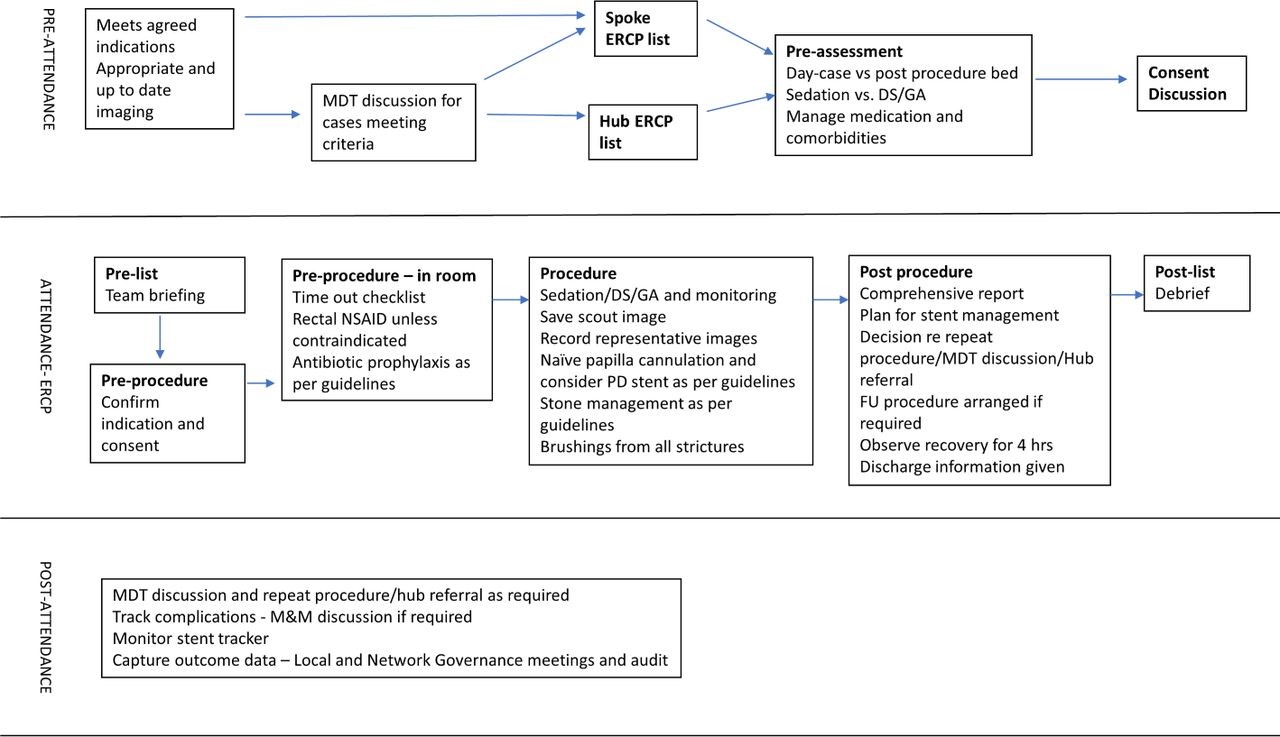
Mohsan Subhani1, Simon M Everett2 Affiliations1School of Medicine University of Nottingham, United Kingdom2Gastroenterology, Leeds Teaching Hospitals NHS Trust, Leeds, UK Endoscopic Retrograde Cholangiopancreatography (ERCP) is one of the highest-risk procedures routinely performed by endoscopists (1). It is one of the most complex endoscopic procedures, often reserved for more advanced therapeutic interventions rather than routine diagnosis. Given its complexity and potential risks, ensuring that the highest standards of care are met is essential. The British Society of Gastroenterology (BSG) first conducted a national audit in 2007 to examine the quality of ERCP training and practice (2). In 2014, BSG published a standard Framework, introducing key performance indicators (KPIs) to guide ERCP practitioners (3). These KPIs focused on practitioner skills, service quality, and training programs to standardise care and improve patient outcomes. ERCP practice has significantly evolved over the years due to the availability of alternative diagnostics tools such as endoscopic ultrasound andmagnetic resonance cholangiopancreatography and it should now mainly be performed for therapeutic purposes. The “Getting it Right First Time” (GIRFT) review and recent NHS white papers highlight the need for multidisciplinary teams, improved case selection, and regional consolidation to enhance quality and outcomes in ERCP (4). In this #FGblog, we want to draw Frontline Gastroenterology readers’ attention to recently published BSG ERCP minimum service standards and good practice statements (5), exploring the driving factors behind these guidelines, and what they mean for both healthcare professionals and patients. In 2021, BSG established a diverse multi-stakeholder ERCP project group including both healthcare professionals and members of the public. Two national surveys were conducted to assess ERCP practices across the UK, targeting both practitioners and endoscopy units. Discussion groups further explored these issues, integrating feedback to draft statements prioritising high-quality, safe ERCP services. The survey had a 100% response rate from all 170 UK endoscopy units and a 74% (389/526 respondents) response from ERCP practitioners. Final recommendations, based on consensus, are presented as good practice statements rather than formal guidelines. These focus on service delivery rather than the technical aspects of performing ERCP. Below is a summary of key statements. The statements are grouped into categories: the patient journey through the unit, the ERCP team, CPD and clinical governance, safety and KPIs, equipment and services, and network provision with multi-disciplinary teams (MDTs). Documents and Policies A high-quality ERCP service requires comprehensive written policies and guidelines. 75% of organisations have clinical pathway guidelines, while only 23% have policies for temporary stent removal. Standard operating procedures (SOPs) reduce variability and enhance safety, as highlighted by reports linking the lack of SOPs to patient safety incidents. ERCP services should have dedicated policies covering vetting, consent, and adherence to published guidelines. Pre-procedure: Referral and Vetting Booking and vetting of ERCP cases should prioritise appropriateness and patient safety. While 58% of units use electronic referral systems, paper-based processes remain common. ERCP consultants are responsible for vetting referrals, ensuring patient fitness and the necessity of procedures. Inpatients require additional review by ERCP team members to avoid late cancellations or inappropriate procedures. Timeliness and Waiting List Management Effective booking and waiting list management are critical for ERCP services. Procedures should be scheduled with proper time allocation to ensure efficiency. Outpatient cases should be prioritized earlier in the day to enable same-day discharge. Additionally, units must track and audit compliance with ERCP timing standards, especially for urgent cases like CBD stones. Monitoring systems for stent removal are crucial to avoid complications such as biliary sepsis. Consent Consent processes for ERCP procedures vary across units, often falling short of BSG and ESGE guidelines. Many patients lack thorough communication about risks, especially in emergency cases. Pre-procedure discussions, preferably face-to-face or by phone, are recommended to ensure informed consent. Final consent must be confirmed by an ERCP-trained endoscopist. Procedure Patients undergoing ERCP often have comorbidities, requiring careful preparation, including medication review, hydration, and imaging. Specialist radiology support is crucial, especially for complex cases. Pre-procedure briefings and adherence to surgical checklists (e.g., WHO) ensure safety, with specific checks for ERCP, such as clotting and stent selection. Managing staff fatigue is important; breaks and lightweight lead gowns should be provided. Teamwork and a learning culture enhance outcomes. Pancreatitis is a common complication; adherence to prevention guidelines and early recognition of complications, like perforation, is vital. Clear escalation pathways should be established to manage adverse events. Post-procedure Recoverypost-procedure care focuses on safe recovery from sedation and monitoring for complications. Patients should be observed for at least four hours after the procedure, with trained nurses available to identify issues like pancreatitis. DischargeDiscussions about the procedure should occur in private after recovery, involving the endoscopist and caregivers. Patients must receive clear discharge information about potential complications and guidance on when to seek help. Follow-upTracking temporary stents is essential to prevent complications. Only 61% of hospitals monitor stent patients, so Trusts must establish reliable systems for timely follow-ups and removals. The ERCP team ERCP nurses must have specific competencies, including leadership skills, to ensure positive patient outcomes. A minimum of three trained staff is essential for each procedure, with one designated as the lead nurse. Management requires coordination between endoscopists, nurses, and administrators to ensure quality and efficiency. Patient engagement in the consent process is critical, as is collaboration with radiologists and surgeons for complex cases. Access to urgent surgical and interventional radiology expertise is essential for safe ERCP procedures, emphasizing the importance of an integrated approach within ERCP networks. Continuous professional development (CPD), clinical governance, safety and KPIs CPD is essential for high-quality patient care, yet many clinicians lack adequate ERCP-related CPD, with 53% having no dedicated time in their job plans. Robust clinical governance is crucial for monitoring safety and quality in high-risk ERCP procedures. KPIs indicate that individual endoscopists should perform a minimum of 100 procedures annually and units should perform a minimum of 200. All ERCP units must implement governance arrangements, designate clinical leads, and ensure compliance with KPIs to improve patient outcomes and care standards. Equipment and services The survey of ERCP facilities highlights areas needing improvement, with
The Weight We Carry: Pain, Resilience, and Recovery in Military Life
By Lexi Mitchell When people think about military service, they often picture discipline, strength, and resilience. What they don’t always see is the hidden cost—the physical and emotional pain that service members carry long after the mission ends. Officer training is infantry-based, and as a smaller female in a physically demanding environment, I learned firsthand how unforgiving that world can be on the body. The Army trains everyone to push beyond limits—but there’s a fine line between endurance and injury. During one combatives training session, I tore my rotator cuff. It was just one of many injuries that came from carrying heavy rucksacks, weapon systems, and gear that easily weighed over 60 pounds—sometimes for miles, over and over again. The physical strain doesn’t discriminate. It doesn’t matter your size or gender—everyone hurts. Feet blister and bleed after a 12-mile ruck march, and yet you wake up in the woods the next day and do it all over again. There’s rarely time for the body to recover before the next test of strength or endurance begins. The culture rewards pushing through pain, and for most of us, stopping wasn’t an option. But pain isn’t just physical. The constant pressure—mental, emotional, and physical—takes a toll that many don’t talk about. Under that much stress, your body’s healing process slows down. Your immune system weakens. When all three—mind, body, and spirit—are under siege, the effects can be long-lasting. Today, I live with the consequences of those years of service. What many people don’t realize is that pain isn’t always visible. I often hear comments like, “You’re young, you look healthy, you look fine.” But the truth is, my pain lies within me. It doesn’t show on my skin, but it affects every part of my life. It’s invisible—but it’s real. I share this not to complain, but to inform. As a veteran and as someone who values facts, I know that stress directly impacts the body’s ability to heal. Chronic pain isn’t weakness—it’s biology. And yet, too many veterans continue to “suck it up,” ignoring pain until it becomes unmanageable. Veterans often carry invisible wounds alongside the visible ones. Pain management isn’t just about medication—it’s about understanding the full human experience of those who served. It’s about listening, validating, and creating care systems that honor both strength and vulnerability. To my fellow veterans: you are not alone. Pain does not define your worth. Seeking help isn’t a sign of weakness—it’s a continuation of your service, because it allows you to reclaim your health and your life. Resources for Veterans in Pain Source link
How Social Prescribing Can Improve Heart Health
Español Heart disease is the number one killer of women in the U.S. Most of us know the standard advice: Exercise more, eat better, quit smoking, manage stress. But even with the best intentions, those instructions can feel abstract, especially if you live in a neighborhood without a safe place to walk, can’t easily afford fresh produce, or go days without talking to another person. What if your healthcare provider could connect you to a community choir, give you a farmers market voucher, or tell you to sign up for a guided walk through your local park and call it medicine? That’s the idea behind social prescribing. What is social prescribing? Social prescribing is a referral system that connects people to non-medical, community-based resources and activities to address the root conditions shaping their health. Think of it as a bridge between your healthcare provider’s office and the rest of life. Julia Hotz, journalist and author of The Connection Cure, the first book written on social prescribing, has followed the movement as it spread from the United Kingdom to more than 32 countries. “Social prescribing got its name from the way it intends to address the social determinants of health,” she explained. “Meaning that people without access to green space, people without access to healthy food and people without access to strong social supports would experience further health disparities.” Hotz identifies five pillars of social prescribing: movement, nature, arts, service and social connection. It’s not a replacement for medication or surgery. But it’s a powerful complement to both, a way of treating the whole person, not just the diagnosis. The hidden heart risks in your social life When most people think of heart disease risk, they think of cholesterol, blood pressure and smoking. But decades of research point to something deeper: Your social world shapes your cardiovascular health in ways that may surprise you. People with poor social health were 30% more likely to develop coronary heart disease and stroke, according to a systematic review of 23 studies. Adults who rarely or never received social support had nearly twice the risk of accumulating three or more cardiovascular risk factors — including hypertension, high cholesterol and diabetes — compared to those with strong support. And loneliness carries its own toll: A 2025 study found that people with chronic loneliness had a 56% higher risk of stroke, even after adjusting for depression and social isolation. Read: How to Make Connections When You’re Lonely >> The biology behind this is straightforward. Stress, loneliness, and depression each elevate cortisol and inflammatory markers, raise blood pressure, and disrupt sleep, all recognized risk factors for heart disease. This is why social prescribing, though it originated as a response to mental health crises, is increasingly recognized as a cardiovascular intervention too. In fact, a 2025 study published in Frontiers in Public Health specifically examined social prescriptions for heart health and found strong relationships between prescriptions involving nature exposure, physical activity and healthy living initiatives and improved cardiovascular outcomes. “It’s true that social prescribing does have a track record of addressing things like stress, loneliness, anxiety, depression, but it can also help heart health in that it could be for activities involving movement, activities involving nature, which are known to de-stress the cardiovascular systems,” Hotz said. Hotz highlights Walk with a Doc, launched by a cardiologist in Columbus, Ohio, and now operating more than 500 chapters worldwide, as a prime example. “I’ve spoken with lots of people who have directly improved their cardiovascular health through these walks,” she said. The power of the prescription Why do patients need a prescription for something they can do on their own? Experts point to the “authority effect” of a formal prescription. When a healthcare provider says a social activity is part of your care plan — not just a nice idea — patients take it more seriously and follow through. “If your doctor says this is an important piece of your health and well-being journey, you’re probably more likely to follow through on that,” said Adrienne Hundley, head of community strategy for SocialRx, a nonprofit that connects patients with arts, cultural and community-based experiences. Having a prescription may also ease the financial burden of participating in community activities by tying them to formal treatment plans so they can be covered by health insurance, which may partner with organizations like SocialRx. Additionally, Medicaid and Medicare Advantage programs increasingly address social determinants of health through wellness initiatives that include social prescription coverage. Beyond insurers, funding can also flow through hospitals’ health equity programs, public health grants, or community nonprofits. SocialRx covers participation costs for members, offers programming in Spanish and other languages, and often includes transportation assistance. Care navigators handle the logistics and serve as accountability partners, checking in after each experience and helping patients stay on track. All of this helps remove barriers that may prevent patients from engaging on their own. SocialRx’s model involves 12 monthly doses of community experience over a year. Hundley shares the story of one older woman who had been nearly housebound for over six months. Her care navigator connected her to a community choir. She went once, came back and by the third month had stepped in as a piano accompanist. By the end, she was the choir’s assistant director at the senior center multiple times a week. “I have found my people, I have found my community, and I have found a renewed lease on life,” she told the team. That kind of transformation can have a powerful physiological impact. According to SocialRx, nearly 4 out of 5 of their members with positive indicators for mental health concerns — anxiety, depression or loneliness — show improvement after their last dose as measured by the The World Health Organization-Five Well-Being Index. Given the links between these conditions and cardiovascular risk, those figures may carry implications for heart health as well. Social prescriptions require a personalized approach Social prescriptions can look wildly different from one person to
Mufemilast demonstrates efficacy in ulcerative colitis
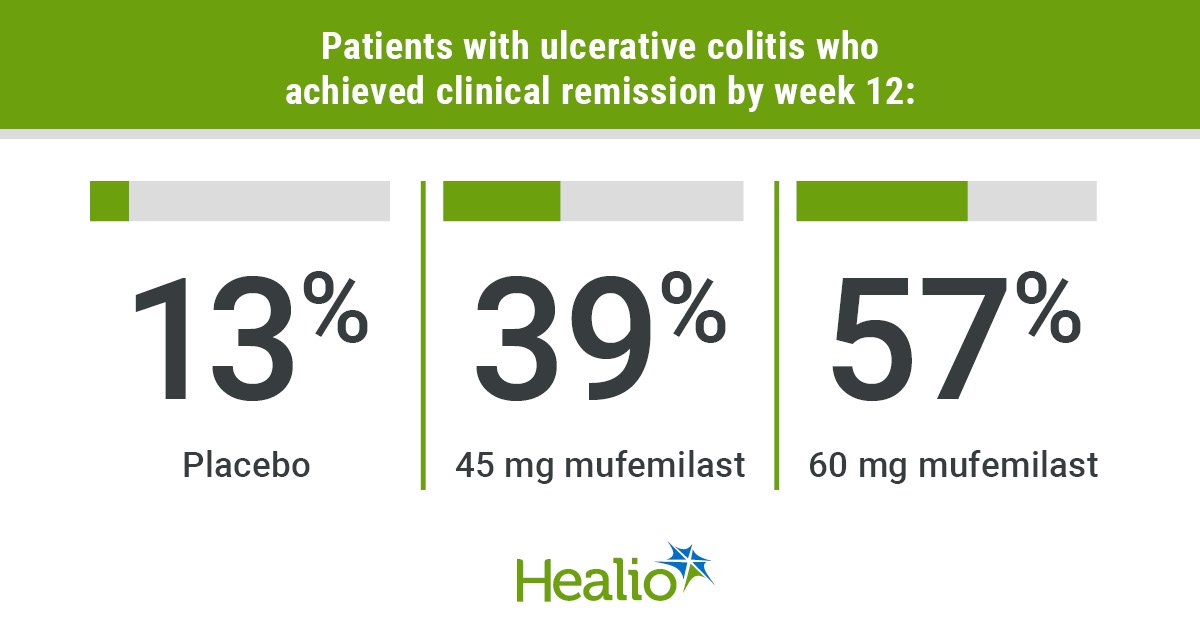
Add topic to email alerts Receive an email when new articles are posted on Please provide your email address to receive an email when new articles are posted on . “ data-action=”subscribe”> Subscribe We were unable to process your request. Please try again later. If you continue to have this issue please contact customerservice@slackinc.com. Back to Healio Key takeaways Mufemilast 60 mg improved clinical remission rate at 12 weeks, which was maintained through 24 weeks. Incidence of adverse events was similar between treatment and placebo groups. CHICAGO — An investigational small-molecule oral phosphodiesterase-4 inhibitor appeared well-tolerated and maintained clinical remission rates at 24 weeks among adults in China with ulcerative colitis, according to data presented. The novel drug, mufemilast (Hemay005, Tianjin Hemay), has been approved in China for patients with plaque psoriasis, but does not have FDA approval. Data derived from Jones CR, et al. Mufemilast (oral pde4 inhibitor) for ulcerative colitis: Open-label extension results at 24 weeks from a multicenter, randomized, double-blind, placebo-controlled parallel group induction phase II clinical trial. Presented at: Digestive Disease Week; May 2-5, 2026; Chicago. Results from a recent trial were presented at Digestive Disease Week. “When looking at this drug, there are some preclinical data that are quite interesting,” presenting author Laurent Peyrin-Biroulet, MD, PhD, head of the IBD unit at Nancy University Hospital in France, told attendees at the meeting. “On top of [an impact on] inflammation, there is also an impact on fibrosis.” Peyrin-Biroulet and colleagues investigated use of mufemilast in UC by conducting a phase 2, double-blind, placebo-controlled trial of 92 patients with moderate to severe disease. Patients needed a modified Mayo score of 4 to 9, an endoscopy score at least 2, and inadequate/failed response or intolerance to conventional therapy or biologics. Participants were randomly assigned to 45 mg mufemilast (n = 31), 60 mg mufemilast (n = 30) or placebo (n = 31) twice daily for 12 weeks, after which all groups switched to 60 mg mufemilast for an additional 12 weeks. Clinical remission rate at week 12 served as the primary endpoint. Secondary endpoints included clinical remission rate at week 24 and clinical response rate at weeks 12 and 24. Analysis included 70 patients who received 60 mg mufemilast in the open treatment period. Results showed clinical remission rates improved from 13% at 12 weeks to 75% at 24 weeks in the group originally assigned placebo, and from 39% to 62% in the group that switched from 45 mg to 60 mg. Remission rates remained steady in the group assigned 60 mg mufemilast for the entire 24-week period (57% to 52%). Researchers also reported increases in clinical response from week 12 to 24 for the groups originally assigned placebo (42% to 81%) and 45 mg mufemilast (87% to 90%), as well as in endoscopic improvement (placebo: 16% to 75%; 45 mg: 42% to 66%). The group assigned 60 mg achieved an 80% clinical response rate at 12 weeks, which dropped slightly to 72% by week 24, and also demonstrated endoscopic improvement (week 12: 67%; week 24: 64%). No significant differences were observed between responses of biologic-naive and biologic-exposed patients. Two adverse events and one severe adverse event — associated with preexisting thrombophlebitis — in the 60 mg group led to trial discontinuation. Incidence of adverse events was comparable between the treatment and placebo groups and included headache, dizziness and nausea. The incidence of headache, which ranged from 9.68% in the placebo and 45 mg groups to 10% in the 60 mg group during the 12-week treatment period, dropped to 2.86% in the open treatment period. Peyrin-Biroulet noted that tuberculosis, which is endemic in China, was an additional safety outcome in the study. “Despite having 17 TB-positive patients receiving mufemilast, no reactivation of TB was observed,” he said. “[Mufemilast] has improved efficacy, significant treatment effect and dose response — which is something that is very important,” Peyrin-Biroulet said. Published by: Sources/Disclosures Source: Jones CR, et al. Mufemilast (oral pde4 inhibitor) for ulcerative colitis: Open-label extension results at 24 weeks from a multicenter, randomized, double-blind, placebo-controlled parallel group induction phase II clinical trial. Presented at: Digestive Disease Week; May 2-5, 2026; Chicago. Disclosures: Healio was unable to confirm relevant financial disclosures at time of publication. Ask a clinical question and tap into Healio AI’s knowledge base. PubMed, enrolling/recruiting trials, guidelines Clinical Guidance, Healio CME, FDA news Healio’s exclusive daily news coverage of clinical data Learn more Add topic to email alerts Receive an email when new articles are posted on Please provide your email address to receive an email when new articles are posted on . “ data-action=”subscribe”> Subscribe We were unable to process your request. Please try again later. If you continue to have this issue please contact customerservice@slackinc.com. Back to Healio Source link
New EDS Patient: Where Do I Begin?
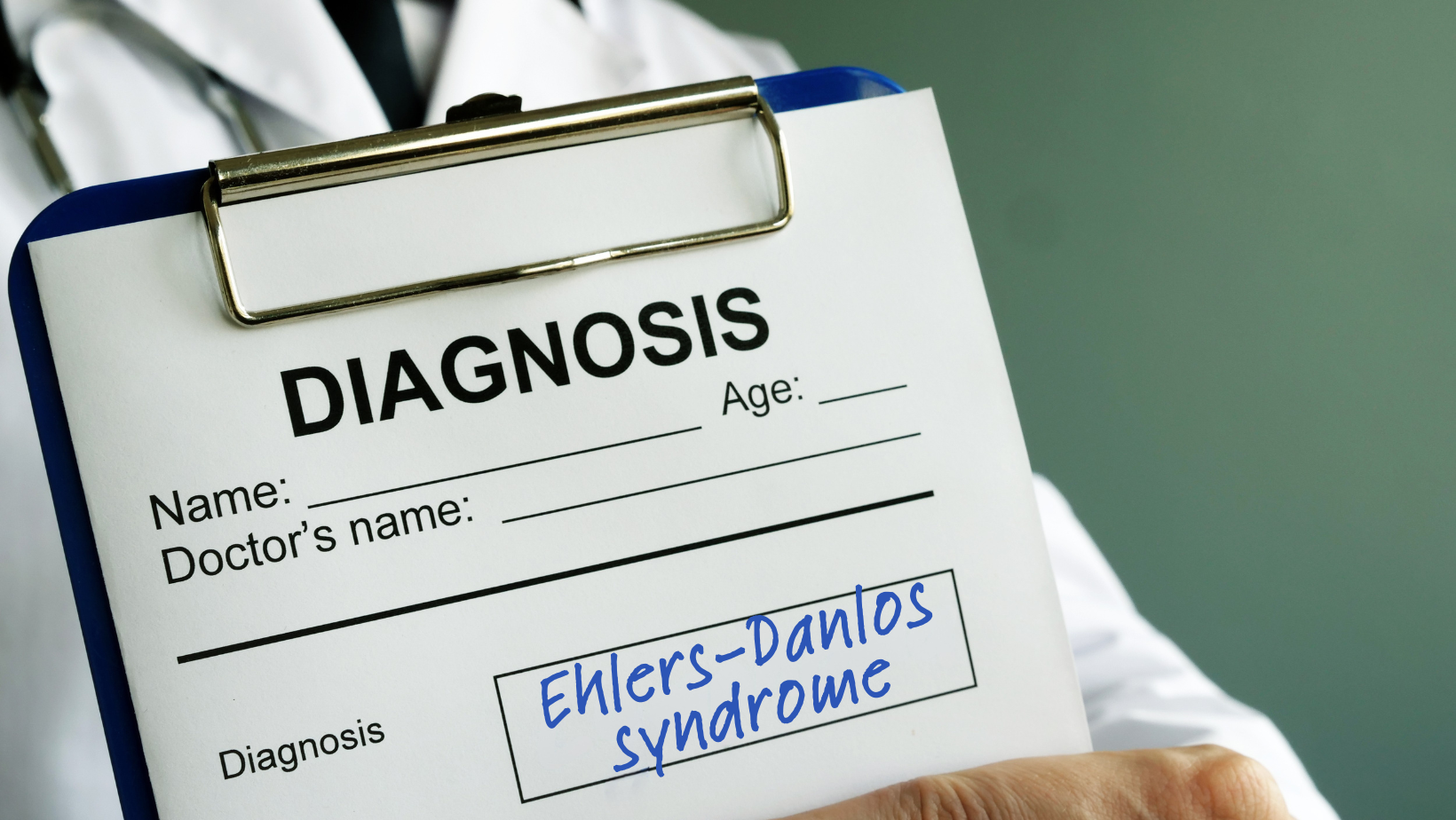
Did you recently get diagnosed with Ehlers-Danlos syndrome (EDS), and feel overwhelmed and confused about where to turn for help? What was described to me years ago as a rare condition is now believed to be much more prevalent, particularly when combined with the broader diagnosis of joint hypermobility disorder or hypermobility spectrum disorder (HSD). Still, many, like me, wait years to find out what is really the problem. Being diagnosed at the age of 54 with a condition I was born with lit a spark in me to do all I could to help others learn to cope. We have to wonder, if so many of us are living with the chaos and confusion of this condition, then why do we feel so lost as to where to begin to help ourselves? Shouldn’t the medical field be right there by our side with guidance? Well, as they catch up to us and learn how to help us, let’s make it our mission to pass information forward to help those around us. That may look like setting up a support group, sharing a list of medical personnel who are willing to learn and help with EDS, and paying it forward by sharing the strategies that have worked for us—including to medical providers working to learn more, as I’ve done in the past. But meanwhile, if you’ve just been diagnosed or don’t know where to start, what can you do to begin the process of trying to get on top of this condition? This Ehlers-Danlos Syndromes (EDS) and Hypermobility Spectrum Disorders (HSD) Awareness Month, I’d like to share some of what I’ve experienced and learned during my decades of living with and managing this disease. Please note that the information in this article should not be considered as professional medical advice, diagnosis, or treatment. It is for informational purposes only and represents my opinions alone, rather than the views of the U.S. Pain Foundation. These are my personal experiences and suggestions on what has helped me improve my quality of life. I share this in hopes that others living with this condition might also learn something new and improve their quality of life, too. What is Ehlers-Danlos syndrome? EDS is an inherited disorder primarily involving problems with the body’s connective tissue. There are 13 subtypes, with various levels of severity and impact. Hypermobile EDS (hEDS) is by far the most common subtype, accounting for about 9 in 10 cases. Classical EDS (cEDS) and vascular EDS (vEDS) are the next most common types, with the remaining subtypes being diagnosed much more rarely. HSD more broadly describes connective tissue disorders causing joint hypermobility and instability; some people are diagnosed with HSD when they don’t meet all of the diagnostic criteria for EDS. While this piece is largely based on my experiences with EDS, many of these insights will apply to those with HSD as well. Some people living with EDS go through life with minimal symptoms and little pain. Others are faced with a wide range of symptoms and complications. Clinical manifestations of EDS are most often joint- and skin-related and may include: Joints: Joint hypermobility (extreme flexibility) and hyperextensibility (movement beyond the joint’s normal range); loose or unstable joints that are prone to frequent dislocations and/or subluxations; joint pain. Skin: Soft, velvety skin; skin hyperextensibility (stretchiness); fragile skin that tears or bruises easily or severely; severe scarring; slow and poor wound healing. Other symptoms, which can vary by subtype, include chronic, early-onset, debilitating musculoskeletal pain; fatigue; scoliosis or neck instability; and mitral valve prolapse. Less common symptoms or complications associated with rare subtypes can include arterial, intestinal, or uterine fragility or rupture; scleral fragility; poor muscle tone; and gum disease. Due in part to the fact that the connective tissue impacted by EDS is widespread throughout the body, there are a number of associated disorders people may deal with, including postural orthostatic tachycardia syndrome (POTS) and other types of dysautonomia; mast cell activation syndrome (MCAS); Raynaud’s disease; early-onset osteoarthritis; autoimmune conditions; migraine and other headache disorders; a number of gastrointestinal disorders; gynecologic conditions; Chiari I malformation; craniocervical instability; tethered cord syndrome; and more. EDS is often misdiagnosed as fibromyalgia, osteoarthritis, rheumatoid arthritis, lupus, multiple sclerosis, myalgic encephalomyelitis/chronic fatigue syndrome (ME/CFS), or Munchausen syndrome or other psychiatric disorders. To complicate matters further, it is possible to have both EDS alongside one or more of most of these disorders. How is EDS Diagnosed? While a number of providers or specialists, including general practitioners or rheumatologists, may be initially involved in identifying or suspecting EDS, a confirmed diagnosis is often obtained by a geneticist familiar with the disease, as our symptoms can vary significantly. For some types of EDS, a skin biopsy to determine the chemical makeup of the connective tissue can help to suggest the diagnosis. Genetic testing can also help identify most subtypes of EDS—but not hEDS, the most common type. Geneticists often diagnose hEDS after ruling out other types. For some, the diagnosis of EDS is based upon the patient’s clinical findings and family history. However, while family history is key in helping diagnose EDS, particularly when genetic testing can’t help, the National Institutes of Health (NIH) has found patients who were born with EDS with no family history. And due to the difficulty of receiving a diagnosis, some people are the first in their family to be diagnosed. After receiving a diagnosis of EDS, you can work with your providers to find the best ways to manage the disease. These are some of the tips I have learned. Maintaining Physical Activity When you live with chronic pain, you can get emotionally and physically worn down, and you may sometimes feel that you have no energy to exercise. But living with EDS makes it all the more important to do just that. We need to keep our muscles strong to help support our joints, and cardio workouts also help keep our bodies in the best shape possible. Consider the stationary bike,