
Where the Research Actually Stands It is important to be direct about the current stage of this science. Hair cloning is not available to patients as of 2026. Several programs are in active but early clinical development. Researchers at RIKEN, working with Tokyo-based OrganTech, identified a third cell type, termed hair follicle regeneration-supporting cells, that had been missing from earlier lab attempts to grow hair follicles. When layered together with epithelial stem cells and dermal papilla cells and transplanted into engineered skin, the three cell types reproduced a complete, repeating hair growth cycle in a laboratory setting. OrganTech has said it plans Phase I trials injecting these support cells into patients as early as late 2026 to 2027. Biotech companies including dNovo and Stemson Therapeutics are running preclinical and early clinical programs focused on dermal papilla cell multiplication, harvesting cells from a single follicle, expanding them, and reimplanting them to generate new growth. dNovo has demonstrated human hair stem cells producing hair growth in a mouse model, while Stemson has successfully grown human hair follicles in humanized mice using engineered follicular units. HairClone, a separate research effort, has been working toward clinical testing of its own cloned cell methodology, though full scale human trials remain in early stages. Realistic Timeline Expectations Based on current trial phases and regulatory pathways, most researchers in the field do not expect hair cloning to be commercially available for several more years. Industry estimates vary, but many point to a limited, conditional approval in Japan as the most likely first milestone, given the country’s accelerated regenerative medicine pathway, with broader approval and eventual availability in markets like the United States following well after that. These projections are still estimates rather than confirmed regulatory timelines, and they will continue to shift as trials progress. In other words, this is genuinely exciting science, and it is not a near term treatment option. Source link

CK Regeon Releases its PTD-DBM Hair Booster
CK Regeon HAIRREGEON and HERIBON. Update: August 6, 2026 CK Regeon Releases HAIRREGEON and HERIBON Four years after I wrote this post (and almost 9 years since I covered the original research on the targeting of CXXC5 by PTD-DBM), CK Regeon finally released two brands of its products in July 2026. One is a set of four topical products and the other is a PTD-DBM booster vial. I will add these to my growing list of new hair loss cosmeceuticals. Companies are increasingly using this route to bring new hair growth products to market fast, without going through long-lasting and expensive clinical trials. HERIBON. This line consists of four products that you apply to the scalp, including shampoo. Every HERIBON product features the WNTON Formula (a combination of KY19382 and hesperidin). I covered the KY19382 molecule when I first wrote this post in 2022 (scroll till the bottom). HAIRREGEON. The have a detailed blog post on their new site about the HAIRREGEON PTD-DBM Hair Booster. They say that: “PTD-DBM helps restore healthy WNT signaling, which in turn supports a more optimized scalp environment and healthier hair growth conditions.” August 26, 2022 In 2017, I covered the development of a new biochemical peptide material called PTD-DDM that would grow hair. The peptide targets the CXXC5 gene, resulting in activation of the Wnt/β-catenin pathway. This is turn leads to accelerated hair regrowth. The South Korean team that conducted this research was led by Dr. Kang-Yell Choi, who even has a wikipedia entry. I previously also covered Dr. Choi in my post on valproic acid and hair growth. CK Regeon To bring this hair growth peptide (KY19382) to market, Dr. Choi started a company named CK Biotech that I mentioned in my original post. However, in 2021, it was renamed to CK Regeon. Recently, I heard again about this company due its presentation at a June 30, 2022 South Korean symposium on the development of innovative new drugs for hair loss. This conference was led by Epibiotech and Yonsei University. On a side note, Inventage Lab also presented at this conference, indicating that finasteride injections are still on track. CK Regeon. Dr. Kang-Yell Choi’s new company targeting CXXX5 inhibition in order to restore Wnt/beta-catenin signaling. Make sure to read CK Regeon’s regular press releases. On Linkedin, the company currently has 8 employees. On the company’s Twitter page, they keep sharing an updated infographic on the benefits of Wnt pathway activation. The latest heading: “WNT Pathway restoration, a therapeutic target for tissue regeneration, diabetic wound healing, hair growth, non-alcoholic steatohepatitis (NASH), obesity and diabetes.” On the company’s target diseases page and pipeline page, they include the above conditions as well as “countering short stature” and treating Alzheimer’s disease. While I doubt that CK Regeon can cover all these bases, it is not surprising that the Wnt/Beta-Catenin signaling pathway is so crucial to human health. Blocking CXXC5 and Improved Wnt/Beta-Catenin Signaling Previously, we got excited about the potential of Samumed in curing hair loss by activating the Wnt pathway. Unfortunately, this company did not pan out after years of favorable publicity. Another company named Frequency Therapeutics is trying to regrow inner ear hair cells via stimulating the Wnt signaling pathway. Fractional lasers and wounding also work on the same pathway, leading to a regrowth of scalp hair in some who are lucky. CK Regeon’s overall technology entails blocking the CXXC5-Dishevelled (Dvl) protein-protein interaction (PPI). This is accomplished via the creation of new small molecules or peptides. This inhibition of CXXC5 results in restored Wnt/beta-catenin signaling and hair regrowth. Note that CXXC5 is overexpressed in men with androgenetic alopecia (aka male pattern baldness). CXXC5 is a negative feedback regulator of the Wnt/beta-catenin pathway. Source link
OliX Pharmaceuticals Asymmetric siRNA Targeting Androgen Receptor
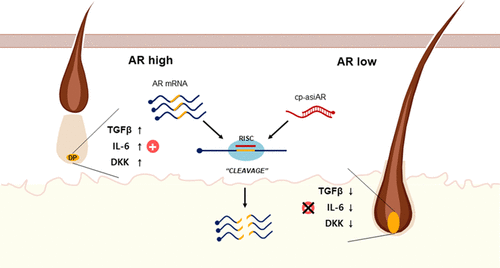
Olix siRNA Hair Growth. Source: Molecular Pharmaceutics. Note that this post on Olix Pharmaceuticals (South Korea) and its androgenetic alopecia drug candidate OLX104C was originally written in February 2021. Newer updates are on top in reverse chronological order. OliX Pharmaceutica’ OLX104C is a RNA interference (RNAi) based small interfering RNA (siRNA) molecule to treat hair loss. The drug is currently in Phase 1b/2a clinical trials, and in some docuements also referred to as OLX72021. It targets the androgen receptor (AR). Update: August 5, 2026 L’Oréal (France) and others Invest $78 million in OliX Pharmaceuticals and Phase 2a Trials for OLX104C to Start Soon Renowned French multinational personal care corporation L’Oréal just invested 10.5 billion won ($7.4 million) in OliX via the purchase of over 70,000 shares. OliX actually raised a much higher 110 billion won ($78 million) in total, with US asset management firm Weiss Asset Management accounting for 100 billion won in equity financing. Note that in my June 9, 2025 update, I mentioned that OliX and L’Oréal had partnered in research related to hair and skin regeneration. Per the new article: “The industry is taking note that L’Oréal has joined as a direct investor following the joint research. It is seen as a move that shows confidence in OliX Pharmaceuticals’ research outcomes and commercialization potential.” Also of note, Olix has completed patient dosing in the Phase 1b clinical trial of its male pattern hair loss treatment OLX104C in Australia. They are set to advance to Phase 2a drug efficacy trials after completing patient follow-up observation and data analysis this month. CEO Lee Dong-ki quote: “We will accelerate clinical development to bring a differentiated male pattern hair loss treatment to market.” And finally, a new presentation from CEO DK Lee: Update: December 26, 2025 OliX Begins Phase 1b/2a Clinical Trials for OLX72021 OliX Pharmaceuticals has finally begun Phase 1b/2a clinical trials for OLX72021 in Australis. They are using that name in the press release, but sill use OLX104C on their website. Note that OliX completed Phase 1 clinical trials in June 2024 (see my older updates). Update: June 30, 2025 OliX Launches U:BERNA Hair Loss Tonic OliX has officially launched a new functional cosmetic hair loss tonic product called U:BERNA that helps alleviate hair loss symptoms. They do not specify if this is the RNAi based OLX104C (OLX72021), which targets the androgen receptor (AR) and is currently in Phase 1b/2a clinical trials. While U:BERNA is currently only available in South Korea, OliX plans to enter the global market in the near future. This trend of hair loss companies launching cosmecuticals before they get through clinical trials for their main product is great in my opinion, even if the cosmetic product turns out to be weak. On a related note, Kintor (China) launched its KX-826 androgen receptor targeting product as a cosmetic spray in 2024. A stronger version of the same product is currently in Phase 3 clinical trials. OliX U:BERNA Hair Loss Tonic. Update: June 9, 2025 OliX Partners with L’Oréal for Skin and Hair Regeneration Research OliX and L’Oréal (France) are partnering in an exclusive multi-year scientific collaboration aimed at developing breakthrough solutions in the hair and skin regeneration sector. They will make use of OliX’s proprietary RNA interference (RNAi) platform technology. Note that I have covered L’Oréal a few times in the past due to their significant interest in the hair loss sector. Update: March 15, 2025 OliX Pharmaceuticals Submits a Phase 1b/2a Clinical Trial Plan for OLX104C OliX Pharmaceuticals has filed for a Phase 1b/2a clinical trial plan for its hair loss treatment candidate OLX104C. The trial will be conducted on 120 men with androgenetic alopecia at 10 trial sites in Australia. Surprisingly, the clinical trial is scheduled to last a lengthy 30 months from the date of approval. OliX’s stock price responded favorably to this news. Also of interest, in February 2025, Eli Lilly (US) paid OliX $630m for rights to the company’s metabolic-associated steatohepatitis (MASH) candidate OLX75016. The Phase 1 clinical trials for this produce began in Australia in February 2024. Update: June 19, 2024 OliX Completes Phase 1 Clinical Trials In a very surprising development, OliX Pharmaceuticals just announced that it completed its Phase 1 clinical trials in Australia ahead of schedule. Note that they call their hair loss treatment drug OLX104C, but call the “substance name” OLX72021. The trial was conducted via a step-by-step increase in dosage. The drug was injecting intradermally into the hair loss patient’s crown region. Based on follow-up observations, safety was found to be excellent in three cohorts of treated volunteers. The company then decided to skip the fourth cohort. Official results are expected before the end of this year after 8 weeks of follow-up. Meanwhile, apart from the injectable treatment, Olix is also developing a hair loss cosmeceutical and plans to launch it this year. Update: April 12, 2024 At the just ended WCHR2024 conference, OliX Pharmaceutical made a presentation via Dr. Won Chong-hyun. This doctor is a dermatology professor at Asan Medical Center and is collaborating with OliX on the hair loss drug OLX104C (OLX72021) that targets the androgen receptor. In the news release on OliX’s own website, it says that OliX announced the “research results” of its hair loss treatment drug ‘OLX104C’ at WCHR 2024. Which would imply that the Phase 1 trials that started in June 2023 in Australia must have ended. Moreover, a Korebiomed article from today has the following quote: “OliX Pharmaceuticals, a Korean biotech firm specializing in RNA interference technologies, recently announced the promising results of its hair loss treatment, OLX104C, at the 13th World Congress for Hair Research (WCHR 2024).” Neither of the two news items discuss actual results. However, they must have been favorable enough for the South Korean company to attend and present at this conference in the US. The presentation itself was titled: “Efficacy of Asymmetric siRNA Targeting Androgen Receptor for the Treatment of Androgenetic Alopecia.” Update: June 13, 2023 Olix Pharmaceuticals Begins Clinical Trials in Australia

Neurocosmetics: The Science Linking Stress and Skin Aging
Your skin is not a passive barrier. It is an active sensory organ that talks directly to your brain, and your brain talks back. That two way conversation is the foundation of neurocosmetics, one of the fastest growing areas of clinical skincare research heading into 2026. At NHLMA, we look at skin and hair health as a whole body system rather than a set of isolated symptoms. Neurocosmetics gives us a scientific language for something patients have described for years: stress shows up on your face. What Neurocosmetics Actually Means Neurocosmetics is the study and application of ingredients that interact with the skin brain axis, the communication network between your nervous system and your skin cells. Researchers describe skin as a neuro immuno endocrine interface, meaning it can both receive and transmit biochemical signals to your central nervous system. This is not a marketing term. It is an emerging clinical field, with recent research published in journals including Cosmetics (MDPI) and ScienceDirect exploring how targeted compounds can calm this communication system and visibly improve skin. How Stress Physically Ages Your Skin When you experience psychological stress, your body activates the hypothalamic pituitary adrenal axis, commonly known as the HPA axis. This triggers a cascade: Your brain and pituitary gland release corticotropin releasing hormone and adrenocorticotropic hormone. Your adrenal glands respond by secreting cortisol, catecholamines, and androgens. Peripheral nerve endings in your skin release neuropeptides such as substance P and calcitonin gene related peptide. The result is not just a feeling of stress. It is a measurable biological event. Chronically elevated cortisol impairs collagen synthesis, slows barrier repair, and increases inflammation, all of which accelerate visible signs of aging including fine lines, dullness, and sensitivity Source link
The Cirino Regenerative Technique | Hair Loss Cure 2020
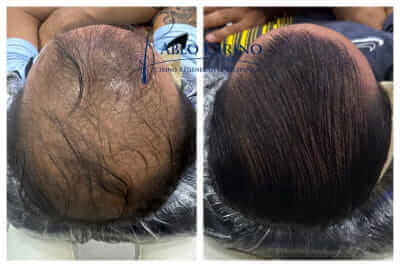
In 2024, I wrote a post on the subdermal scalp infusion of drugs by tattooing to induce hair growth. Also known as skin microinfusion of medications (MMP®). One of the main practitioners and developers of this technique is Dr. Pablo Cirino of Brazil. At the time, he called his process “combined regenerative technique” and published a paper on it in September 2025. Cirino Regenerative Technique (CRT): Before and after hair growth. Cirino Regenerative Technique (aka Combined Regenerative Technique) As of 2026, Dr. Cirino now calls his process the Cirino Regenerative Technique (CRTTM). He has made a number of modifications to the original version insofar as what drugs, peptides, growth factors and micronutrients to use. The delivery mechanism via precision microinfusion technology using a tattooing machine type device remains the same. It creates thousands of microscopic channels across the scalp at a controlled depth. This allows the various hair growth customized medications to be delivered directly to the hair follicle at the dermal papilla level. This is superior in comparison to your typical topical gels, serums, liquids, creams and lotions. In addition, this method stimulates natural growth factors and regenerative processes. I think there is a microneedling type effect, but I am not sure. CRT is now becoming especially popular in the hair loss world so I decided to write this post. Moreover, a number of renowned hair transplant surgeons are being trained to use CRT at their clinics (see the end of this post). Also check out Spex’s new interview with Dr. Cirino further below. Cirino Regenerative Technique (CRT): Before and after hair regrowth. In a response to me in 2025, Dr. Cirino told me that he delivers the below combination of topical drugs with a tattoo machine for transcutaneous delivery: Arginine 200 µg. This is an amino acid. Biotin (Vitamin B7) 50 µg. Copper Sulfate 2 µg. Chromium 0.2 µg. Dexpanthenol 20 µg. Riboflavin (Vitamin B2) 10 µg. Vitamin B6 6 µg. In addition, for males with androgenetic alopecia (AGA), he adds the following: Minoxidil 0.5%. Finasteride 0.05%. Dutasteride 0.1% For females with AGA (i.e., female pattern hair loss), he adds the following: CRT scalp microinfusion of drugs via tattooing for thinning hair. This week, Dr. Cirino told me that he now also uses some growth factors from PRP. Moreover, after studying the main hair growth pathways, he has also added some “home treatments” to patients to boost the results. He never prescribes oral finasteride or oral dutasteride, preferring to apply both topically via his scalp microinfusion of drugs via tattooing technique. He does prescribe oral minoxidil. In a January 2026 article, Dr. Cirinho mentions that the combined regenerative technique: “Integrates tattoo machine-assisted infusion of minoxidil sulfate, dutasteride, copper peptides, and platelet-rich plasma with concurrent oral minoxidil and topical finasteride.” Combined regenerative technique for hair growth. Before and after. All of this reminds me of the kitchen skin approach to tackling hair loss that we have discussed numerous times on this blog. Except that in this case, it is via a superior delivery mechanism of topical medications directly to the scalp. And from a doctor who has been experimenting with various regimens for a number of years. On a related note, make sure to read my 2019 post on creating the ultimate hair loss drug cocktail. Most online vendors of topical finasteride these days also offer a mix of molecules in one serum. Dr. Pablo Cirino Interview: Non-Surgical Hair Growth via CRT Earlier this month, Dr. Pablo Cirino gave a lengthy interesting interview to Spencer (“Spex”) Stevenson that I have embedded below. Among the highlights: His CRT method has led to 40% of his patients ultimately not need a hair transplant. The cost is just $500 at his Brazil clinic. He is training many surgeons from around the world via his Tricho Surgery Academy. Most people need one 30-minute treatment session for 6 months. Cirino Regenerative Technique Training Sessions In 2026, Dr. Cirino has started training many other doctors and hair transplant surgeons in regards to his CRT technique. Check out his Tricho Surgery Academy for more information as well as numerous photos and training session videos. A number of globally renowned hair transplant surgeons are now proponents of this unique method of delivering multiple hair loss drugs to the scalp subcutaneously. Source link
StimuSIL StimuField PEMF Cap | Hair Loss Cure 2020
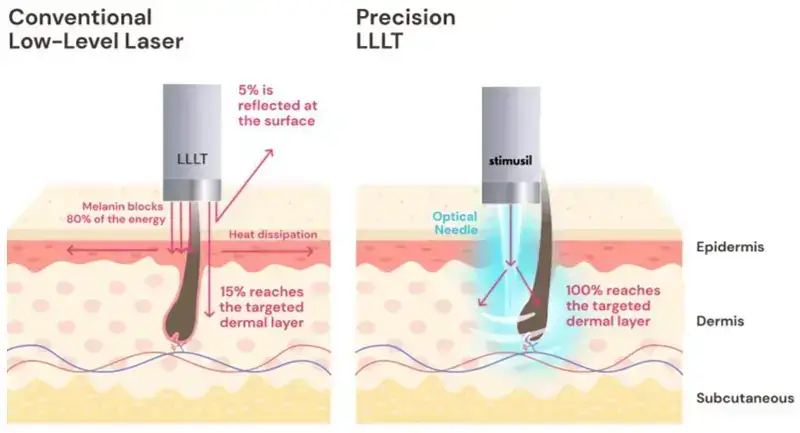
Update: July 24, 2026 The StimuField® PEMF Cap to treat Hair Loss Since I published this post in September 2024, there have been a number of new developments. The StimuField® Cap from StimuSIL was launched towards the end of 2025. It requires 30 minutes of daily use and costs $1,590. A pilot study on the results of StimuField pulsed electromagnetic field (PEMF) therapy was published in July 2025 in the “Brazilian Journal of Hair Health.” The positive results of the above study were presented in May 2026 at the 45th Annual Conference of the American Society for Laser Medicine and Surgery (ASLMS). In June 2026, StimuSIL co-founder Pablo Villalba was interviewed by Spencer “Spexhair” Stevenson: September 19, 2024 In my last post on pulsed electromagnetic field therapy, I mentioned a recent August 2024 paper funded by StimuSIL (US). In there, the authors describe in detail a new hair growth technology and device from StimuSIL that combines laser and microneedling. It is supposed to be significantly superior to traditional low-level laser therapy for hair growth. StimuSIL SAGA-001: Combined Laser and Microneedling The new StimuSIL hair growth device is called SAGA-001 and is only meant for in-clinic use. Most hair loss treatments entail daily usage (e.g., pill, topicals or laser caps/helmets/combs). In contrast, SAGA-001 treatments are only required once every two weeks. StimuSIL was co-founded by CEO Ana Villalba and Chairman Pablo Villalba. StimuSIL’s initial SAGA-001 clinical trial was just completed in Turkey on September 1, 2024. The purpose of the 24-week study was to see if the SAGA-001 device is safe and effective at treating male pattern hair loss. The original 2023 trial commencement announcement calls the product a “novel microneedling and laser device for male pattern hair loss”. The SAGA-001 device combines microneedling and laser light delivery for hair growth. The manufacturer calls this patented technology “precision low-level laser therapy (LLLT)”. StimuSIL does not have much on its website regarding the exact nature of this subdermal laser process. StimuSIL SAGA-001 precision LLLT. Combining laser energy and microneedling for hair growth. The device uses lasers that are first inserted into the skin’s dermis in order to avoid loss at the melanin level. According to the new paper’s authors: “Precision LLLT utilizes a novel approach to photobiomodulation delivery, which is intended to reproduce the success of combining minoxidil with microneedling.” The SAGA device pierces through the skin’s epidermis layer using novel optical microneedles. These needles bypass the melanin layer in order to safely and efficiently deliver more energy to the hair follicles. On StimuSIL’s website, they state that when conventional laser hair growth devices shine light over the epidermis, most of it is blocked due to the melanin layer. Per the image above from their study, a staggering 80% of the low-level laser’s light energy is blocked by the skin’s melanin. And another 5% is reflected of the surface. So only 15% gets down to the dermis layer from where the hair follicles arise. Quite hard to believe. The company’s proprietary technology: “Aims to deliver PBM across the melanin layer of the skin in order to enhance this treatment’s biostimulatory effects.” StimuField Also significant, On August 2, 2024 StimuSIL announced plans to launch StimuField, a new wearable product entering their biomedical device pipeline. StimuField uses pulsed electromagnetic field therapy to improve hair and scalp health in men and women. I discussed this development in my earlier mentioned PEMF and hair growth post. Below is a comparison image of the various treatments from the StimuSIL’s new paper: StimuSIL Precision LLLT. Source: Journal of Clinical Medicine, August 2024. Source link
Early Signs of Hair Loss You Shouldn’t Ignore
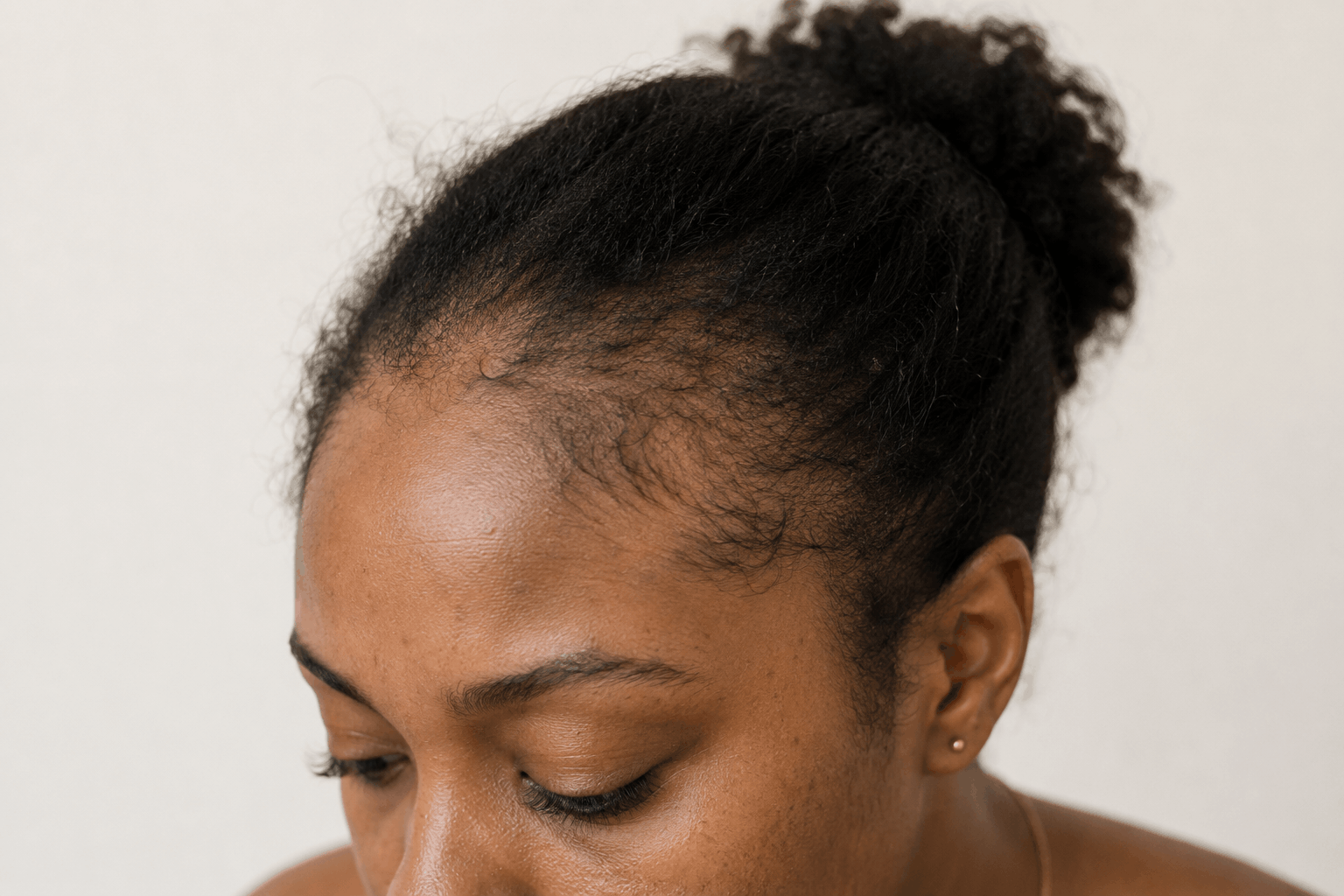
Your Part Looks Wider Than It Used To For women especially, a widening part is one of the earliest and most telling signs of female pattern hair loss (FPHL), a type of hair loss. It happens so gradually that it’s easy to miss in real time. If you look at a photo from a year or two ago and notice a difference in how much scalp is visible along your part, that’s worth paying attention to. You’re Seeing More Hair Than Usual in the Shower or on Your Brush Losing 50 to 100 hairs per day is within the normal range. But if you’re consistently noticing a significant increase in hair in the shower drain, on your pillowcase, or on your brush over several consecutive weeks, that’s a pattern rather than a phase. Context matters here. A burst of shedding for a few weeks following a stressful event, illness, or hormonal shift is normal and usually temporary. Persistent elevated shedding over months is the signal to take seriously. Your Hair Texture Has Changed Hair that was once thick and full starting to feel fine, limp, or flat is a sign that your follicles may be miniaturizing, which means producing progressively thinner strands over time. This is one of the hallmarks of androgenetic alopecia and responds well to treatment when caught before the miniaturization progresses too far. Your Scalp Is More Visible at the Crown Increased scalp visibility at the top of the head, or a growing area of thinning, is one of the more advanced early warning signs. If you’ve started styling your hair differently to cover an area, or if you notice it in photographs, it’s worth having it properly evaluated sooner rather than later. Your Hairline Has Shifted Men typically notice a receding hairline first, with gradual retreat at the temples or the forehead. Women can also experience hairline changes, though they more commonly present as diffuse thinning at the crown. Any shift from where your hairline has historically been is worth noting. Your Scalp Feels Off Chronic scalp itching, flaking, redness, tenderness, or irritation isn’t just uncomfortable, it can be a sign that your scalp environment isn’t supporting healthy hair growth. Conditions like seborrheic dermatitis and scalp inflammation can contribute to shedding and impair follicle function over time. A healthy scalp is the foundation of everything else. Your Skin Is Changing Too The skin and hair follicle share more biology than most people realize. Changes in skin texture, increased breakouts, persistent dryness, or a loss of your natural glow can sometimes point to the same underlying issues affecting your hair, hormonal shifts, nutritional deficiencies, chronic inflammation, or stress. If you’re noticing changes in both your hair and your skin around the same time, that’s worth mentioning at a consultation. Source link
Two New LSS Gene Variants Expand Our Understanding of Congenital Hypotrichosis — Donovan Hair Clinic
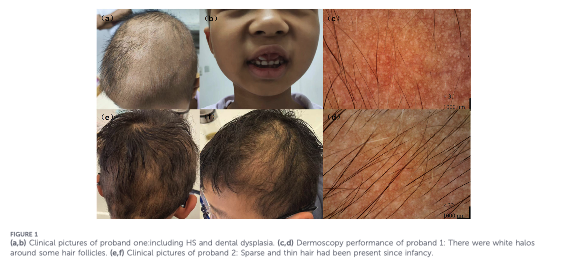
Here is an interesting study of new gene variants in Congenital Hypotrichosis The two key points I’d like you to take from this study are: 1. Two previously unknown (novel) mutations in the LSS gene were identified in children with congenital hypotrichosis, expanding the known genetic causes of this rare hair disorder. 2. This study reminds us that congenital hypotrichosis may not be limited to the hair. Some patients may also have abnormalities involving the teeth, highlighting the importance of looking beyond the scalp during clinical assessment. BACKGROUND AND PURPOSE OF THE STUDY Hypotrichosis simplex is a rare inherited form of hair loss that typically begins in infancy or early childhood. Children usually have sparse, fine, slowly growing hair but otherwise develop normally. Over the past several years, mutations in the LSS (lanosterol synthase) gene have emerged as one of the important genetic causes of this condition. Because relatively few patients have been described worldwide, physicians are still learning how different LSS mutations affect clinical presentation. The purpose of this study was to identify the genetic cause of congenital hypotrichosis in two unrelated Chinese children and determine whether they carried previously unrecognized mutations in the LSS gene. METHODS This was a genetic case report involving two unrelated Chinese pediatric patients with congenital hypotrichosis. The study included one 6-year-old girl and one 6-year-old boy. Both had sparse scalp hair beginning shortly after birth or in infancy. The girl also had delayed shedding of her baby teeth with abnormal eruption of permanent teeth, whereas the boy had isolated hair abnormalities. Neither child had neurological impairment, visual abnormalities, nail abnormalities, or intellectual disability. One patient’s older brother was also affected, while both sets of parents were unaffected, consistent with an autosomal recessive inheritance pattern. Race/ethnicity was Chinese. Because these were newly diagnosed children, no prior hair-loss treatments were reported. The investigators performed whole-exome sequencing on both children and their parents, confirmed the findings with Sanger sequencing, and used computer-based structural protein modeling (AlphaFold2 and PROVEAN) to predict how the newly discovered mutations would affect the function of the LSS protein. RESULTS The investigators identified four disease-causing LSS variants, including two completely novel mutations that had never previously been reported: p.(Glu532Gln) and p.(Pro337Leu). Structural modeling predicted that both mutations significantly destabilize the lanosterol synthase protein and impair its function. The clinical findings supported these genetic discoveries. Both children had congenital hypotrichosis beginning early in life. One child also had dental dysplasia, strengthening the growing evidence that certain LSS mutations can affect structures beyond the hair follicle. Trichoscopy in one patient demonstrated predominantly anagen hairs, occasional twisted hairs, and perifollicular white halos, features that may become useful clues when evaluating patients before genetic testing is performed. Overall, the study expands the known spectrum of LSS mutations and provides additional evidence that genotype may influence whether patients develop isolated hair disease or additional ectodermal abnormalities such as dental involvement. Source link

Best Nutrients for Hair Growth: What to Eat and Supplement
Protein: The Building Block Your Hair Can’t Do Without Hair is made almost entirely of keratin, a type of protein. If you’re not eating enough protein, your body will deprioritize hair growth to protect more essential functions. The result is diffuse shedding and slower regrowth. Most adults need between 0.7 and 1 gram of protein per pound of body weight per day, and many people, particularly those who eat plant-forward diets or restrict calories, fall short without realizing it. Eggs, fish, chicken, legumes, and Greek yogurt are all strong, accessible sources. Shop our favorite source of protein here, Body Health Perfect Amino Tablets! Iron: The Most Commonly Missed Deficiency Iron deficiency is one of the most prevalent and underdiagnosed causes of hair loss, particularly in women. It affects the hair growth cycle directly, pushing follicles out of their active growth phase prematurely. The tricky part is that standard iron panels often miss the problem. Ferritin, the protein that stores iron in the body, is the more relevant marker for hair loss, and it’s frequently left off routine lab orders. If you’re shedding excessively and also feel fatigued or foggy, requesting a ferritin test specifically is worth doing. Red meat, leafy greens, lentils, and pumpkin seeds are good dietary sources. Pairing iron-rich foods with vitamin C significantly improves absorption. We cover the iron and hair loss connection in depth in a dedicated post if you want to go deeper on this one. Zinc: Quiet but Critical Zinc plays a key role in protein synthesis and cell division, two processes that are essential for healthy hair growth. It also helps regulate androgen production, which matters because elevated androgens are a primary driver of pattern hair loss. Zinc deficiency can cause hair thinning, a dry or flaky scalp, and slow healing. Oysters, pumpkin seeds, beef, and chickpeas are among the best dietary sources. Because zinc and iron compete for absorption, taking them as separate supplements at different times of day is worth knowing. Biotin: The Most Talked About, the Most Misunderstood Biotin (vitamin B7) is one of the most heavily marketed nutrients for hair growth, and the reason is legitimate, a true biotin deficiency does cause hair loss. But true deficiency is actually uncommon in people who eat a reasonably varied diet. For most people with adequate biotin levels, supplementing more won’t produce the dramatic results the packaging suggests. If you are deficient, though, correcting it can make a real difference. Eggs, salmon, sweet potatoes, and nuts are reliable sources. If you’re taking a biotin supplement, it’s worth flagging to your doctor before any lab work, as high biotin levels can interfere with certain thyroid and hormone test results. Vitamin D: Far More Important Than Most People Realize Vitamin D receptors are found directly on hair follicles, and low vitamin D levels are meaningfully associated with hair loss, particularly in women. It’s also one of the most common deficiencies in the general population, especially for people who spend most of their time indoors. If you haven’t had your vitamin D levels tested recently, it’s worth adding to your next panel. Supplementation is simple and can have a genuine impact on hair growth over time. We’ve written a dedicated post on the vitamin D and hair loss connection for anyone who wants the full picture. Shop our go-to Vitamin D3 supplements here! Omega-3 Fatty Acids: For the Scalp Environment You Can’t See Omega-3 fatty acids support scalp health by reducing inflammation and maintaining the skin barrier that your follicles depend on. A dry, inflamed scalp is not a hospitable environment for healthy hair growth, and chronic scalp inflammation is an underappreciated contributor to shedding. Fatty fish such as salmon, sardines, and mackerel are the best sources. Flaxseeds, chia seeds, and walnuts provide plant-based omega-3s. For people who don’t eat much fish, an algae-based omega-3 supplement is a well-absorbed alternative. B Vitamins: The Energy Your Follicles Run On The B vitamin family, particularly B12, folate, and niacin, supports the energy production that hair follicles depend on to function. B12 deficiency is especially common among people who eat primarily plant-based diets, since B12 is found almost exclusively in animal products. Hair loss, persistent fatigue, and neurological changes are all potential signs. If you’ve been plant-based for a while and haven’t checked your B12 recently, adding it to your next lab panel is a good idea. Shop our favorite B12 supplements here! Source link

Rhamsydil: LG AI-Developed Hair Loss Compound
Rhamsydil from LG AI Research. The number of novel AI-developed hair loss products keeps proliferating. The latest one is South Korea based LG AI Research and its AI-developed Rhamsydil. It seems like this will be a cosmeceutical type product, so there will be no need for it to go through any clinical trials. Rhamsydil: LG’s AI-Driven Hair Loss Solution Set to Launch in 2026 LG (a multinational conglomerate) via LG AI Research has used artificial intelligence (AI) to develop a novel compound called Rhamsydil to treat hair loss. The key ingredient activates a key estrogen receptor on the scalp. The company presented its new AI-developed products at last week’s International Conference on Machine Learning (ICML) in Seoul (video at the bottom). ICML is one of the world’s three most prominent AI and machine learning conferences per Korea Herald. LG created Rhamsydil using its flagship AI model EXAONE. Their EXAONE Discovery platform is designed to accelerate the discovery of advanced materials and drug candidates. Rhamsydil was discovered by LG Household & Health Care in collaboration with LG AI Research. The latter used AI to screen more than 420,000 candidate compounds in just one day. Per the company: “The ingredient has demonstrated hair-loss prevention efficacy without steroid-derived compounds.” The research behind this product was presented at the 14th World Congress for Hair Research that was held in South Korea in May 2026. Rhamsydil is being prepared for commercialization in 2026. Estrogen Receptor Activation On Linkedin, LG Household & Healthcare makes the following claim: “Using AI-powered screening on around 420,000 candidate molecules, LG H&H identified a vitamin A–derived, non-steroidal ingredient that can activate a key estrogen receptor linked to women’s hair health. In testing, this ingredient helped create a more favorable environment for hair growth, supporting both hair follicles and their stem cells, and showed visible improvements in hair thickness in clinical evaluation. Rhamsydil has been shown in lab studies to help reduce signals that push hair into the shedding phase, pointing to its potential as a next-generation “scalp longevity” ingredient.” Make sure to read my past post on estrogen and hair growth. LG AI Research and EXAONE Since its inception in December 2020, LG AI Research has published 363 papers at the world’s leading AI conferences. The institute has also to date filed 838 patent applications (371 domestic patents, 243 international patents and 224 PCT applications), Per Lim Woo-hyung (the co-director of LG AI Research), EXAONE has evolved into an expert AI system that delivers real-world solutions. It is poised to claim global AI leadership through a first mover strategy and a pioneering approach to solving complex industrial challenges. Source link