This post may contain affiliate links. Migraine Strong, as an Amazon Affiliate, makes a small percentage from qualified sales made through affiliate links at no cost to you. Migraine disease affects over 1 billion people worldwide, including more than 39 million in the United States, making it the 3rd most disabling illness globally, according to the Migraine Research Foundation. For those of us navigating this chronic condition, finding an effective migraine cocktail—a personalized mix of medications and therapies that stop an attack—is often a game-changer. In the Migraine Strong Facebook community, we talk daily about which acute medications work best, which ones can be combined, and how many triptans are actually available. This article brings together everything you need to know about building a migraine cocktail, including over-the-counter (OTC) options, prescription treatments, second-line rescue meds, and even devices. I’ll also share what works for me personally, as well as treatments for vestibular migraine and emergency care options. 🩺 Disclaimer: This post is written from the perspective of a patient and patient advocate. It is not a substitute for professional medical advice. Please consult your healthcare provider to find the best treatment plan for you. What Is a Migraine Cocktail? A migraine cocktail is a combination of medications—prescription, OTC, and/or natural remedies—used together to treat a migraine attack effectively. The goal is to interrupt the migraine process and relieve symptoms like head pain, nausea, and sensory sensitivity. It’s important to note that not all medications are safe to combine. Always speak to your doctor or pharmacist before trying a new combination. Triptans: First-Line Acute Treatment Triptans are often the first prescription medication added after OTC treatments have failed. These drugs work by narrowing blood vessels and blocking CGRP (calcitonin gene-related peptide), a protein involved in migraine pain pathways. CGRP causes blood vessels to swell and triggers the inflammation cascade that leads to migraine pain.¹ While sumatriptan (Imitrex) is the most commonly prescribed, not everyone finds it effective—or tolerable. Digestive issues during attacks can also interfere with absorption. In these cases, nasal sprays or injections might provide better relief. If one triptan doesn’t work, it’s worth trying another. Each is formulated differently. Trying a different triptan or combining it with other medications may lead to better outcomes. Triptans should be limited to 10 days a month or about twice a week to avoid rebound headaches.² #AD Acute Medications – Triptans Medication Brand Name Dosage Maximum per Day Almotriptan Axert 12.5mg tablet 25mg/day Eletriptan Relpax 40mg tablet 80mg/day Frovatriptan Frova 2.5mg tablet 5mg/day Naratriptan Amerge 1–2.5mg tablet 2 doses/day Rizatriptan Maxalt 10mg tablet or ODT 3 doses/day Rizatriptan/Meloxicam Symbravo 1 tablet (20mg meloxicam/10 mg rizatriptan) 1 dose/day Sumatriptan Imitrex 50–100mg tablet, 40mg nasal spray 200mg/day or 40mg nasal spray Sumatriptan Injection Imitrex, STATdose, Sumavel, DosePro 4–6mg subcutaneous Twice/day Sumatriptan + Naproxen Treximet 85mg sumatriptan + 500mg naproxen 2 tablets/day Zolmitriptan Zomig 2.5–5mg dissolvable tablet or nasal spray 10mg/day or one nasal spray NSAIDs and Other Non-Triptan Acute Medications NSAIDs such as ibuprofen, naproxen, and diclofenac block the neuroinflammation that fuels migraine pain. These medications may be more effective for fully developed attacks—especially those that strike during the night or early morning.³ NSAIDs can also complement triptans to form a well-rounded migraine cocktail that targets multiple pain pathways. If used alone, NSAIDs may be taken up to 15 days per month. However, when part of a combination drug like Excedrin Migraine or used in combination with a triptan, they should be limited to 10 days/month to avoid rebound. Other Acute Medications Medication Brand Name Dosage Maximum per Day Diclofenac potassium powder Cambia 50mg packet 150mg/day Naproxen/Naproxen sodium Aleve, Anaprox 220mg or 500mg 1000mg/day Diclofenac sodium Voltaren 75mg tablet 2 tablets/day Ibuprofen Advil, Motrin 400–800mg 2400mg/day Excedrin Migraine – 1–2 tablets 4 tablets/day Prodrin – 1–2 tablets 5 tablets/day Timolol maleate (ophthalmic solution) – 0.5% solution – 1 drop/eye 2 drops/eye/day Why Timolol? Timolol eye drops are a fast-acting beta blocker with no rebound risk. In a small study, they were found to help relieve migraine symptoms.⁴ They work faster than the oral version used preventively and are worth discussing with your doctor. Compounding pharmacies can make a nasal spray that is also a 0.5% solution. The formulation was published in the International Journal of Pharmacy Compounding. You can read more in our article about Timolol for migraine. New Migraine-Specific Medications Recent additions to migraine treatment include CGRP receptor blockers like Ubrelvy, Nurtec, and Zavzpret, as well as Reyvow, which works like a triptan without affecting blood vessels. Many headache specialists recommend taking these meds early in the attack. They may also be combined with NSAIDs to enhance their effectiveness. New Migraine Medications Medication Brand Name Dosage Maximum per Day Ubrogepant Ubrelvy 50–100mg tablet 200mg/day Rimegepant Nurtec 75mg orally dissolving tablet (ODT) 75mg/day Lasmiditan Reyvow 50, 100, or 200mg tablet 1 dose/day Dihydroergotamine Trudhesa 1 spray per nostril (upper nasal) Follow prescription Zavegepant Zavzpret 10mg nasal spray (1 spray in 1 nostril) 1 spray/day Rescue and Second-Line Treatments When first-line medications don’t work, rescue meds may be used. These are often prescribed for severe or prolonged attacks and are sometimes combined with Benadryl or anti-nausea meds. Our article on Benadryl for migraine provides more in-depth information. Second-Line Rescue Medications Medication Brand Name Dosage Max/Day Diclofenac sodium Voltaren 75mg tablet 2 tablets/day Dihydroergotamine Migranal Nasal spray Per RX Ketorolac Toradol, Sprix Injection 60mg/2ml 2/day Ketorolac Tablets – Oral tablets 2/day Ketorolac Nasal Spray Sprix 1 spray per nostril 4 doses/day Steroids Prednisone, Dexamethasone Varies 40–80mg max/day Ergotamine Ergomar, Cafergot Varies 2 tablets/day Controversial Rescue Treatments These medications are generally not recommended due to addiction and rebound risks. They may be prescribed in rare situations. Dr. David Watson notes that when used occasionally, opioids may offer relief.⁵ However, studies show they can lead to central sensitization⁶ and cause rebound headaches when used more than four times per month.⁷ Controversial Treatments Medication Brand Name Max Dose Guidance Butalbital combos Fiorinal, Fioricet, Phrenilin, Esgic As directed, limit per
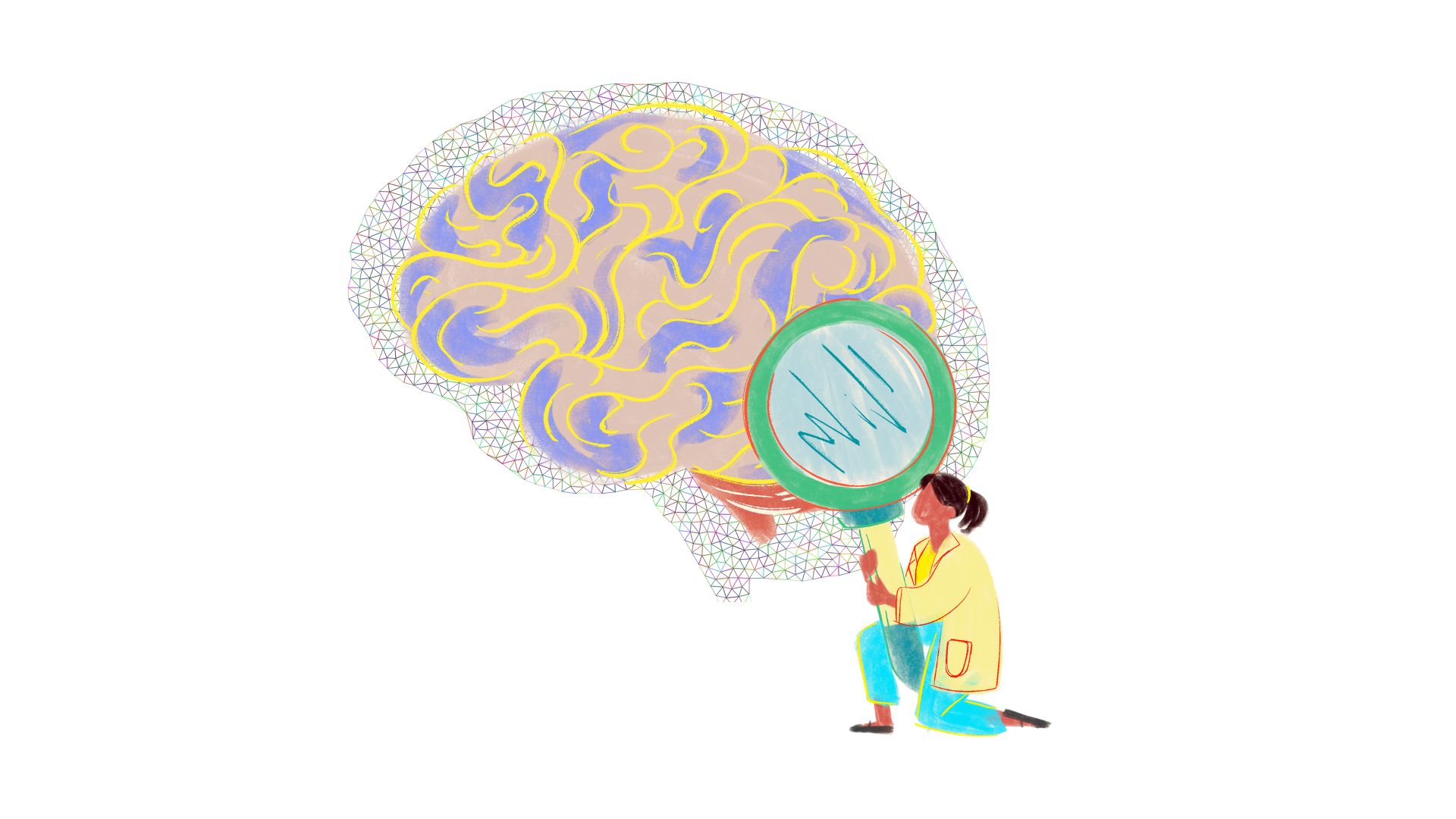
From research lab to medicine cabinet: how new migraine treatments are discovered
The first widely used migraine-specific treatments, the triptans, were introduced in the early 1990s. These drugs marked a turning point towards more targeted management of migraine. However, a substantial proportion (around one third) of individuals do not respond adequately to current treatments. Many drugs primarily target head pain, despite non-pain symptoms like fatigue, light sensitivity and nausea often being just as debilitating. As a result, researchers continue to search for new drug targets. But how does a new migraine treatment turn from an idea into something prescribed in a clinic? This blog will give you some insights into what happens ‘behind the scenes’ of drug discovery. Where do new ideas come from? New treatment ideas begin with discovery science. As research improves what we know about what’s happening in the brain during a migraine attack, scientists identify biological processes that could be targeted with drugs. For example, Calcitonin Gene-Related Peptide (CGRP) was discovered to play a key role in migraine pain-signalling as its levels were shown to increase in people during attacks. This initial insight led to the development of therapies to block its effects, with some drugs now available. But not all scientific discoveries lead to the development of new drugs. Sometimes researchers can repurpose existing treatments, like botox, instead. In other cases, observing the strengths and weaknesses of existing drugs, helps researchers design safer or more effective options. New treatments rarely emerge in isolation but instead build on decades of accumulated research and clinical observations. From the research lab: Once an idea is generated, the earliest stage of drug development happens in laboratories. Scientists will first test compounds in preclinical models, like cells, animals or computer simulations, to look for signs that one of these compounds might improve migraine-related biology. You can think of drug discovery as testing many different keys in a complex lock (which may itself not yet be understood). If a particular compound is successful at improving migraine-related biology, it becomes a potential new medicine, known as a ‘drug candidate’. However, scientists may need to test thousands of compounds before finding one promising drug candidate, making this a challenging and time-consuming process. These initial investigations done in preclinical models allow researchers to begin to assess both how effective a drug candidate is at modifying migraine-related biology and whether it appears safe enough to progress further. To the medicine cabinet: If a medication shows promise in preclinical testing, it will move on to clinical trials. Clinical trials are divided into four phases to ensure safety of participants and effectiveness of a drug. Each phase has its own specific purposes and builds upon the preceding phase. The key questions answered and goals of each phase of a clinical trial are as follows: Phase 1: Is it safe? What dose should be used? Small groups of healthy participants are studied to determine the safety of the drug candidate. Phase 2: Does it show signs of working? Is it effective in improving migraine biology in people with migraine? Larger groups of volunteers, including people with migraine, allow researchers to test the effectiveness of the drug at improving migraine-related biology. Phase 3: Does it work well and safely compared to existing treatments? Does it provide additional benefits to existing drugs that are already on the market? Large populations are studied to assess if there are improved benefits to most people with migraine. Approval by regulatory bodies: Can this drug be put on the market? If there is evidence that a drug candidate meets these criteria in a significant proportion of participants, the medication will be considered for market approval. In the United Kingdom, regulatory bodies like the Medicines and Healthcare products Regulatory Agency (MHRA) oversee the approval of new medications. These regulatory bodies are critical in ensuring treatments are safe and effective for public use. In England and Wales, approval by regulatory bodies is not the final stage. New drugs also need to be assessed and approved by the National Institute for Health and Care Excellence (NICE) to make them available to people being treated by the NHS, often with specific rules. Phase 4: What happens after approval in real-world use? Even after approval, drugs continue to be monitored. This is done to look out for rare side effects that may not have been spotted during clinical trials. It also allows real-world data to be collected to refine how medications are used. For example, drugs could be repurposed or better dosing strategies can be discovered to improve their use in migraine management. Why does this process take so long? It can take years (and hundreds of millions of pounds) to develop an idea for a new migraine medication into a fully-fledged drug that is prescribed in the clinic. Circling back to the development of the triptans, although they were discovered in the late 1970s, they were only made available to the public in the 1990s. Similarly, CGRP was initially discovered in the early 1980s and convincingly linked to migraine biology in 1990, but the first CGRP-targeting drug (a CGRP monoclonal antibody called erenumab) was only approved for use in 2018. Testing these medications for safety and effectiveness took around 20 to 30 years, highlighting that the process from drug discovery to development can be slow. Many potential drugs fail along the way either in their ability to work well in improving symptoms of a migraine attack, in their safety or in providing more benefits than existing medications. Therefore, time is needed to ensure that beneficial medications are being developed. What is currently in the discovery pipeline? There are currently exciting prospects in the migraine treatment pipeline. While much progress has been driven by targeting CGRP, researchers are now exploring new approaches that go beyond pain. Recent clinical trial data showed the potential for early intervention in migraine care, whereby blocking CGRP signalling during the earliest phase of an attack, prior to the onset of pain demonstrated beneficial effects. Data from the study suggests that the early use of a

Top Gift Ideas For People With Migraine
This post may contain affiliate links. Migraine Strong, as an Amazon Affiliate, makes a small percentage from qualified sales made through affiliate links at no cost to you. With the holiday season quickly approaching, gift shopping is officially on the horizon. Finding the perfect present for someone you care about can feel overwhelming—especially when you’re not quite sure what they want or what might truly help. The good news? We’re here to make celebrating, supporting, and choosing a meaningful gift for someone living with migraine a whole lot easier. We’ve curated thoughtful ideas designed to bring a genuine smile to your loved one’s face. Many retailers are already kicking off their holiday deals, and whenever possible, we’ll also share special Migraine Strong discount codes to help stretch your budget a little further. Keep an eye out for savings as you explore the list! To take the stress out of holiday shopping, we’ve gathered a selection of gifts that are both practical and comforting—great for anyone navigating migraine disease (including yourself!). Our hope is that this collection of top picks helps simplify your search and makes your gift-giving feel effortless, meaningful, and successful. 1. Migraine care package options Migraine gift bundles are a heartfelt way to show compassion and genuine understanding for the people you care about. Because you can tailor these care packages to match someone’s specific symptoms and needs, they’re a meaningful way to say, “I see what you’re going through, and I want to help.” To make your gift-giving effortless, we’ve gathered some of the most helpful tools and comforts that many people with migraine rely on. These migraine-friendly picks include items that can ease triggers between attacks and offer soothing relief during an attack—thoughtful gifts anyone living with migraine would be grateful to receive. Ear Plugs Nausea and Pain Relief Saje Peppermint Halo This is perfect for rolling directly onto the scalp to help ease head pain—and it’s truly one of my favorites. I love applying it around my hairline for that cool, icy sensation that wraps around my whole head. It’s a great source of distraction and comfort while waiting for medication to kick in! Peppermint Essential Oil Roll On is great not only for nausea but to mask strong triggering scents. Be Kool soft gel sheets – Great for symptom relief. Soothing Sleep Bucky 40 Blinks No Pressure Eye Mask – This eye mask blocks out every bit of light, all without putting pressure on your eyelids. It also helps keep your eyes comfortably moisturized throughout the night, making it a great option for more restful sleep. Alaska Bear Sleep Mask – This eye mask ensures no pressure on the eyes. Science Based Supplements Travel Pill Organizer – My favorite travel organizer for my bag. I use the 8 compartments to keep my migraine meds and acute cocktails with me, organized and labeled! Personal pampering TheraGun Mini Plus Massage Gun by Therabody – Handheld massager designed for travel or home. Helps ease migraine neck and shoulder pain. Ice Face Roller Massager – De-puff eyes and reduce migraine pain and you can customize it to include anything soothing for you. Tangle Teezer Plant-Based Ultimate Detangler Brush – This Tangle Teezer hair brush has regular-flex teeth that gently detangle straight to curly strands and is great for migraine sensitive scalps. Therabody SmartGoggles Heated Eye Mask – This mask offers customized treatments to lower heart rate, relieve eye strain or tension, provide headache/migraine relief and stress relief. Very soothing! Naturium The Glow Getter Multi-Oil Hydrating Body Wash – This hydrating body wash transforms from a luscious oil to a gentle lather, cleansing without stripping the skin of essential moisture. I love that it is unscented!LISAPACK Metal Eye Cream Roller Wand – This metal eye-roller wand can massage the eye and face to relieve eye strain, reduce puffiness, dark circles, wrinkles, and tighten skin. It’s lovely and cool when applying eye cream. Love it!Supergoop! Unseen Sunscreen – SPF 40 – This sunscreen is a totally invisible, weightless, scentless formula that provides oil-free sunscreen protection for all skin types and tones. Everyone in my family uses this and loves the feel and protection it offers. Will not leave a cast on the skin!Aquaphor Repairing Hand Masks – Hydrating and conditioning hand treatment infused with a blend of avocado oil and shea butter, plus Aquaphor’s signature ingredients. Unscented as well!! I love using these in the winter when my hands get so dry. Migraine Strong Amazon Store Thoughtful Gifts That Costs No Money An offer to watch the kids, walk the dog, throw in a load of laundry etc. to allow your loved one to rest would be well received & appreciated! Prepare dinner and pop it into their freezer so they have easy access to a healthy meal when they’re feeling their worst. Weighted products Nodpod Weighted Sleep Mask – Nodpod’s strap-free design evenly spreads gentle, deep-touch pressure across key points on the face, helping to calm a busy mind, soothe head pain, and ease you into deeper, more restful sleep. Nodpod Weighted Pod For Your Bod – It’s like having all the calming benefits of a weighted blanket wrapped into a single, convenient pod. Nodpod BODY’s unique design offers a cooler, more contouring experience, giving you the soothing feel of a full-sized weighted blanket in a portable, machine-washable form. Hand-Knit Weighted Blanket for Adults,Chunky Knit Blanket – carefully balanced weight distribution, this blanket drapes naturally with 8–12 pounds of gentle pressure. The deep-touch stimulation helps promote relaxation, making it easier to drift into a deep, restorative sleep. Cozy Comforts Women’s Pajamas Long Sleeve Sleepwear – These cozy PJ’s are perfect for lounging! Women’s Fuzzy Socks – The moderate thickness of these socks is nice for wearing during sleep or lounging.Chunky Knit Throw – This throw is cozy and warm. It has replaced my heated throw for the fall season! Crafts and Hobbies Crafting and hobbies can be a powerful distraction from the pain and discomfort of migraine. We

Training for a half marathon was not straightforward, just like my journey with migraine.
My first migraine attack happened when I was 14 years old and in school. My hand and mouth became numb, I had an intense headache, and I didn’t know what was happening. Nowadays, I can go up to six months of not having a migraine attack and then have a period of having migraine symptoms daily. My symptoms begin with blurry vision, it’s as if glass has shattered and I can’t read things. When this happens, I take painkillers early to manage my symptoms, but I still experience aura. I’m lucky in that if I catch it early enough, I can treat my symptoms with basic painkillers. Sometimes, my migraine attacks can come on suddenly, for example, when I’m looking after my kids. When this happens, I need to take time out and sit in a dark room. When this occurs, I’ve had to stay in bed for the rest of the day and not interact with anyone. Source link