
In 2002, Pamela Anderson received a terrifying diagnosis: hepatitis C. Now, she’s speaking out about the once incurable disease. The 59-year-old actress accepted the Award of Courage at the amfAR Gala in Venice on Sept. 6 and shared new details about that heavy chapter in her life in an emotional speech. “It was a death sentence,” Anderson said, per People. “That’s what my doctor told me — that I probably had around 10 years to live.” Related story Brandi Glanville Gives a Close-Up Look at the Parasite ‘Moving’ in Her Face via Ultrasound What Is Hepatitis C? Hepatitis C is a viral liver disease caused by the hepatitis C virus (HCV). It’s spread through contact with infected blood. Anderson has stated in the past that she contracted the virus by sharing tattoo needles with her ex-husband, Mötley Crüe drummer Tommy Lee. Most people with hepatitis C are asymptomatic; they don’t look or feel sick and can often go years without showing any symptoms. If left untreated, chronic hepatitis C can cause severe health problems like liver damage, liver cancer, and even death. According to the Centers for Disease Control and Prevention (CDC), hep C is one of the most common types of viral hepatitis in the U.S. A Mother’s First Thought Anderson said her immediate concern was raising her two young sons, Brandon Thomas and Dylan Jagger. She shares both boys with Lee. “It was not fear of death, but fear of what might happen to my young children,” Anderson told the gala audience. “It turned my life inside out.” She admitted that the diagnosis “colored and corrupted” her decisions during that time. Facing a 10-year timeline forced her to confront the very real possibility of leaving her children behind. Refusing to Play the Victim Anderson spent everything she had in the bank on medical treatments. Then, in 2011, researchers made a breakthrough, using antiviral drugs to treat patients with a 97 percent success rate. That same year, Anderson announced the happy news that she was officially hepatitis C-free. “I am CURED!!! – I just found out #nomorehepc #thankyou #blessing #family #prayer #live,” Anderson shared in a now-deleted Instagram post. “I pray anyone living with Hep C can qualify or afford treatment. It will be more available soon. I know treatment is hard to get still…#dontlosehope.” Twenty-something years later, she’s now on the other side of that long health battle and refuses to let the illness define her story. “I’m not a victim; I’m a victor. I am strong and capable, more now than I could ever dream of,” she said. “I’m not the damsel in distress, no matter how easy that role is to play.” Source link
Brandi Glanville Shares Ultrasound Results of ‘Moving’ Facial Parasite
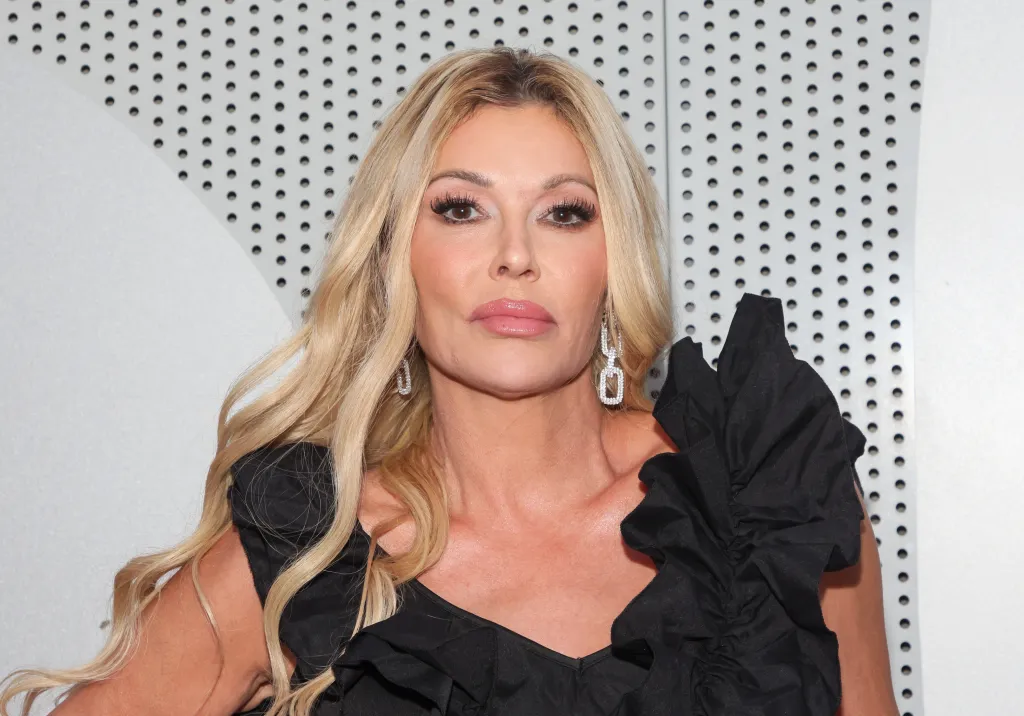
Brandi Glanville is giving fans an unfiltered look at her daily medical treatments to treat what she calls a facial parasite. The 53-year-old podcast host shared a series of Instagram videos over the weekend to explain the daily reality of managing her facial swelling. She revealed that her current treatment plan requires 18 hours of IV infusions every single day. “I haven’t been ready to talk about all of it publicly, and there’s still a lot I’m not ready to share yet,” Glanville captioned one of the videos. She followed that up with a breaking update on Tuesday in which she lists her confirmed medical diagnoses for the first time. Related story Pamela Anderson Was Given 10 Years to Live After Hepatitis C Diagnosis, but Death Wasn’t Her Biggest Fear A Frightening Ultrasound The former Real Housewives of Beverly Hills star recently underwent an ultrasound to investigate the swelling on the left side of her face. She told her followers the technician and radiologist both saw “something alive” that “was moving” beneath her skin. (Could you even imagine?!) Glanville returned to Instagram on Tuesday with a concrete list of ailments. She listed diagnoses of a highly resistant bacterium, Coccidioidomycosis (Valley Fever), Demodex dermatitis, and Mononucleosis. She also shared that doctors found a “fungal ball” in her face that requires surgical removal. “The treatment has NOT been easy, and so far I’ve had very little improvement,” she wrote in the caption. “I still have a couple surgeries ahead of me and months of treatment to go.” A Costly and Exhausting Battle Glanville said her symptoms first began in July 2023. She initially believed that she contracted a bug while filming the Real Housewives Ultimate Girls Trip in Morocco. She later discovered that an infection from “completely ruptured” silicone breast implants had clogged her lymph nodes. “I had silicone all over my lymph nodes,” Glanville told TMZ. “That’s what caused the infection in my face; it couldn’t get out as my lymph nodes were all clogged.” A Beverly Hills plastic surgeon removed her 18-year-old implants and replaced them with new ones in February 2026. However, her latest update clarified that she will need surgery again to remove those replacement implants and additional metals from old dental work. It took 21 different doctors (and $200,000) to reach these answers, and the financial strain continues. “Even with insurance, this is costing me around $3,300–$6,000 a month,” she continued. “I’m not able to work right now other than my podcast, and I honestly don’t know how I’m going to do this mentally or financially.” Source link
The Best Hair Growth Products of 2026, According To a Dermatologist
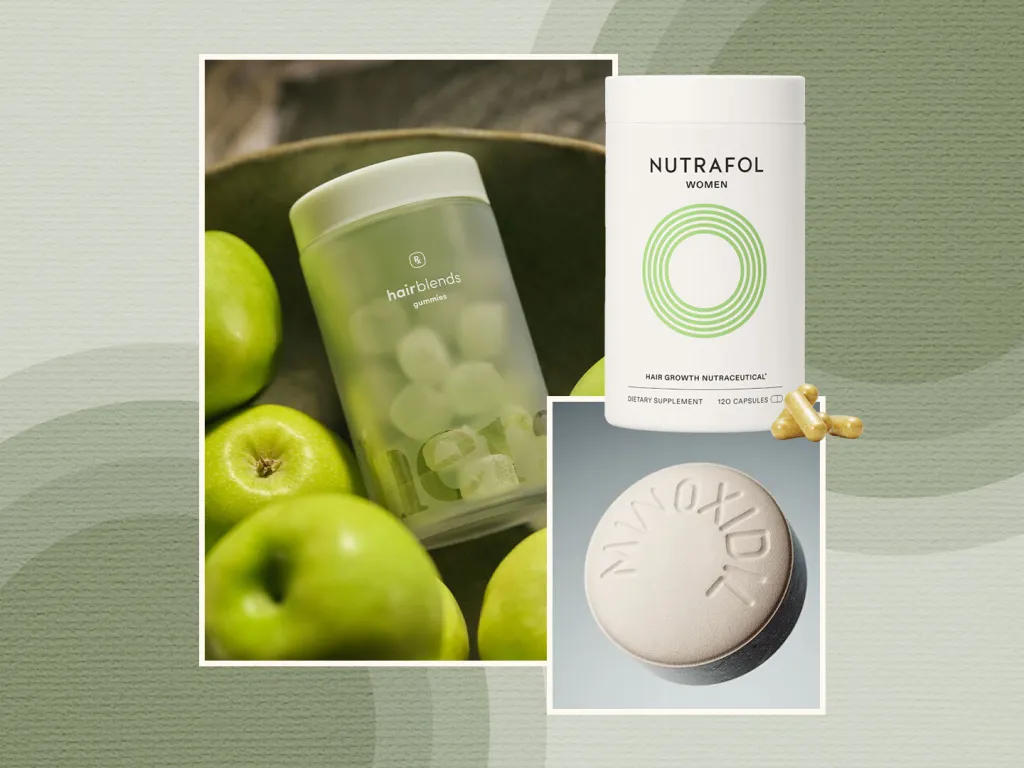
Few things are more discouraging than brushing or blow-drying your hair and watching it shed—onto the floor, into the sink, or tangled around your brush. If you started the year with a comb full of clumps, you’re far from alone, and the start of a new year is a surprisingly good moment to take a closer look at what’s going on at the scalp. Age-related hair loss is ubiquitous among men, but women can also experience hair loss and slow hair growth for a variety of reasons: some of them related to age, and others related to hormonal changes. Beyond hormonal hair changes, stress can be a factor in hair loss, as can the hairstyle you wear. Related story The Only Skincare You Should Be Using During Pregnancy, According to Dermatologists The good news is, if you’re dealing with hair loss, no matter the cause, you’re not alone (celebrities including Tyra Banks and Kristin Davis have even opened up about their hair loss and alopecia). There is also hope in some dermatologist-recommended treatments that you can turn to for hair loss, which might just become your new best friend in the year ahead. Consider this one resolution that’s less about restriction and more about giving your hair the support it actually needs. Best Hair Loss Treatments & Products at a Glance Best Overall: Polar Hair Density Serum, $23 (originally $27)Best LED Hair Growth Device: iRESTORE Elite Hair Growth System, $1,799 (originally $2,699)Best Gummy: Hers Biotin + Minoxidil Gummy for Hair Regrowth, $35Best Prescription Minoxidil Capsule: Alloy Low-Dose Oral Minoxidil, $33Best OTC Scalp Serum: Vegamour GRO Hair Serum, $29 (originally $49)Best Capsule: Nutrafol Women Hair Growth Nutraceutical, $79Most Affordable: Ro Oral Minoxidil for Women, $30Best Topical: Musely FaceRx The Hair Topical Solution, $33Best Shampoo & Conditioner: Keranique Damage Control Complete Hair Regrowth System, $49 Before we get to hair growth products, it’s important to understand the various factors behind hair loss and the types of hair loss remedies you can try. Why does hair loss happen? Hair loss happens naturally to women at a certain age, just as it happens to men. “Roughly 55% of women experience some form of hair loss by the time they reach the age of 70,” explains Dr. Libby Rhee, DO, FAAD, dermatology advisor for Ro. Most commonly, women over 40 begin what’s called female pattern hair loss, which may look like gradual thinning at the top of the scalp or around the temples. Some of that age-related hair loss could also be provoked by menopause. “With a decrease of estrogen and progesterone in menopause, there is often a slowing of the hair growth rate and a decrease in time spent in the growth phase,” Dr. Christine Shaver, MD, FAAD, board-certified dermatologist at Bernstein Medical Center for Hair Restoration in New York City, tells SheKnows. “This causes hair to grow slower and shorter before falling out.” Hormones also affect your hair during and after pregnancy. During those nine months, spikes in estrogen promote hair growth and thickening, according to Shaver. After birth, when estrogen levels start to decrease, hair growth pauses and then begins a natural process of shedding postpartum. “The hair shedding following delivery will slow after a few months, and then volume will slowly begin to return after about one year without any treatment,” Shaver assures. There are other biological reasons for slow hair growth or hair loss, including female pattern hair loss in your genetics, or certain nutritional deficiencies (more on that below). If you often style your hair in a way that might weaken hair follicles and lead to hair falling out, you may need more support with hair growth, says Rhee. Some examples of hairstyles that can cause some fallout are a super tight ponytail, cornrows, extensions, or box braids. What are your options for hair growth remedies? Hair growth solutions can look like topical solutions such as sprays, serums, and foams. The key ingredient to look for in hair growth topicals is minoxidil, which is a hair growth-inducing and follicle-supportive active ingredient, according to Rhee. There are also oral minoxidil treatments you can take as well. Since slow hair growth can also be caused by nutritional deficiencies such as anemia, low iron (which may occur because of low consumption in the diet or heavy periods) or vitamin D, deficiencies should be addressed individually with an appropriate supplement, says Shaver. Many people take biotin, or vitamin B7, for hair or nail growth. This may be helpful if you have a diagnosed vitamin B deficiency, but you may not notice a huge improvement in your hair growth from taking biotin alone, Shaver explains. Rhee recommends meeting with a medical professional about your hair loss before trying any treatment or supplement intended for hair growth. All that said, once you’ve had that conversation, these are the best hair growth products to keep in mind. Our mission at SheKnows is to empower and inspire women, and we only feature products we think you’ll love as much as we do. Polar Hair is a SheKnows sponsor, however, all products in this article were independently selected by our editors. Please note that if you purchase something by clicking on a link within this story, we may receive a small commission of the sale. Best overall Polar Hair Density Serum The Polar Hair Density Serum uses a scalp-first approach to thinning hair. Its serum-like formula combines peptides, caffeine, botanical extracts, and zinc in a lightweight daily treatment. The serum’s two key peptides, Acetyl Tetrapeptide-3 and Biotinoyl Tripeptide-1, are clinically studied and support the hair at the root, while caffeine helps support the hair’s growth phase. The formula also contains apigenin and oleanolic acid, along with green tea extract and zinc, to help create a healthy scalp environment for stronger, thicker-looking hair. Apply the serum directly to your scalp once a day on dry or freshly washed, blow-dried hair, then gently massage it in for one to two minutes. It absorbs within minutes, won’t leave your hair feeling greasy or
Jenni ‘JWoww’ Farley Shares Back-to-School Message From Hospital
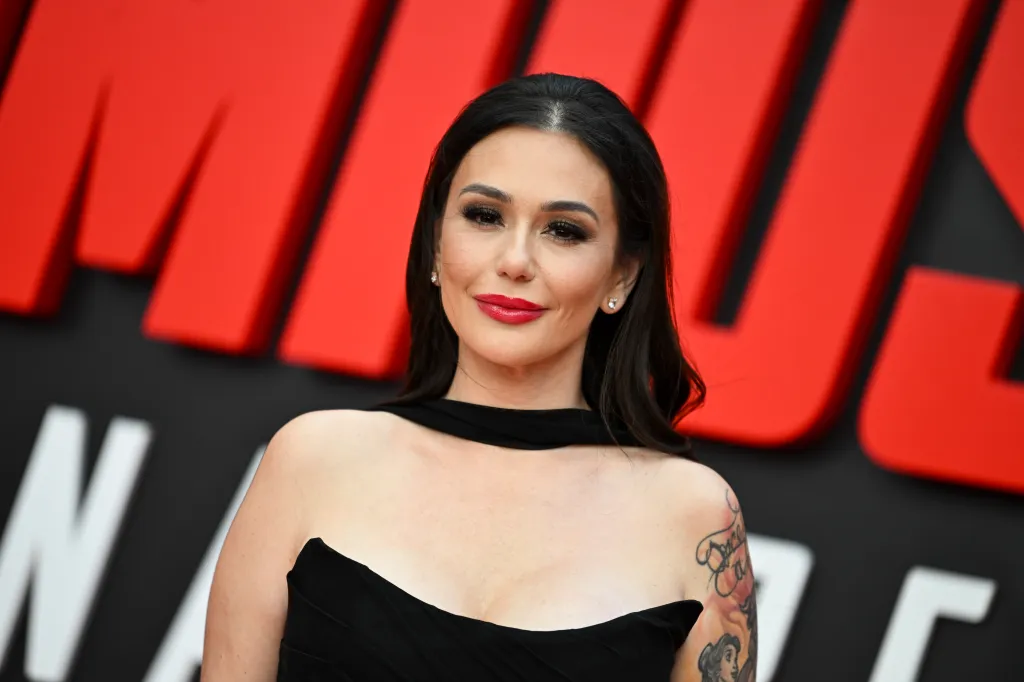
Jenni “JWoww” Farley unexpectedly spent her kids’ first day of school in a hospital bed. The 41-year-old Jersey Shore alum revealed that she’s currently being treated for a severe kidney infection and appendicitis in an Instagram post on Sept. 3. In the photo, Farley stands between her 11-year-old daughter, Meilani, and 10-year-old son, Greyson, wearing a hospital gown and a smile. “Not the ‘first day of school’ picture I wanted to post… but then again, I guess we wouldn’t have one,” she wrote. Related story Benny Blanco Says This Mental Health Practice Helped Him ‘Find the Right Partner’ in Selena Gomez Making the Best of an Unconventional Morning Refusing to let the medical emergency ruin their annual routine, Farley’s family adjusted their plans so she could still participate in the milestone. Her husband, Zack Carpinello, brought the kids to her hospital room extra early, backpacks in tow. Farley even managed to do her daughter’s hair before sending her off to class. “No matter where I was, I was going to do my daughter’s hair for her first day,” Farley wrote. “And @zackclayton made sure the kids were here extra early this morning so we could all be together.” The hospitalization didn’t happen overnight. Farley admitted she hadn’t felt like herself for months before her body finally gave out on Aug. 28. “I want to say it came out of nowhere, but the truth is, I haven’t felt like myself for months,” she shared. “Weight loss, exhaustion, constantly feeling off… and then last Friday, my body finally said, ‘We aren’t making it like this anymore.’” A Gentle Reminder for Back-to-School Season Watching her kids head off to school from a hospital room made Farley think about the pressure parents face this time of year. With social media feeds full of picture-perfect family photos, she wanted to remind fellow parents that plenty of families are quietly dealing with hard times behind the scenes. “Some parents may be scrolling today wishing they could have taken that perfect ‘first day’ picture,” she wrote. “So as our kids go back to school, please remind them to be kind. Notice the kid sitting alone. Don’t judge someone by what they’re wearing, what they have, or what they didn’t post. You never know what someone is carrying behind closed doors.” That advice hits close to home for Farley, who faced public scrutiny over her changing appearance earlier this summer before people knew what was going on with her health behind the scenes. Her post serves as a gentle reminder that life rarely goes according to plan, but holding onto gratitude — and showing kindness to people fighting silent battles — is what really matters. Source link
Benny Blanco Shares How Therapy Led Him to Wife Selena Gomez
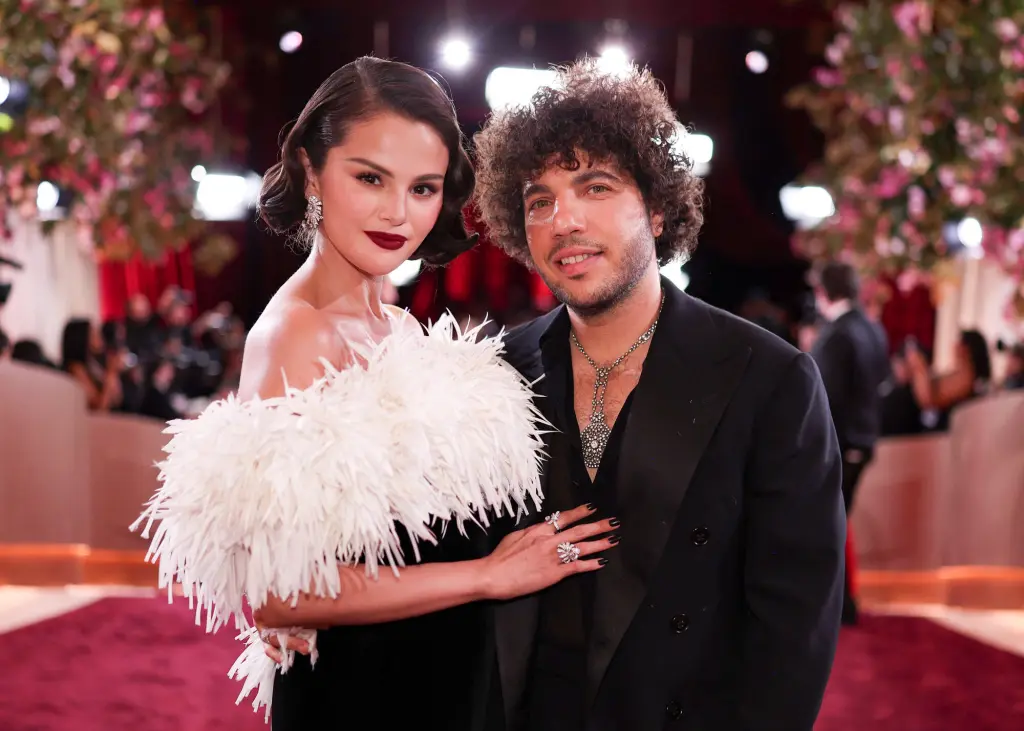
Benny Blanco credits a very specific mental health practice for helping him find his wife, Selena Gomez. On a recent episode of The Mel Robbins Podcast, the 38-year-old producer shared that creating a structured manifestation list with his therapist helped him clarify what he truly needed in an “ideal partner.” The exercise worked; Blanco married Gomez in September 2025. “I said, ‘I really wanna find the right partner, and I’m doing something wrong,” Blanco recalls of the conversation with his therapist. “And we came up with some guidelines and a list.” Related story Jenni ‘JWoww’ Farley Missed a Back-to-School Milestone For This Relatable Reason What Really Matters When Looking for a Partner Instead of focusing on superficial physical details, Blanco listed foundational qualities like being “age-appropriate,” genuinely nice, and compassionate. “These were like broad things, and if it didn’t meet those like first five or six things, [I] couldn’t even pursue,” he said. One of the most important items on Blanco’s list was finding a partner who “woke up generally happy,” but was also “actively” willing to work through their hard days. “And if they were sad, they were doing something about it.” he continued. “Like they were going to therapy, they were taking medicine if they need to, they were doing yoga.” Handling the Hard Days Together That emotional maturity naturally aligned with Gomez, who openly advocates for psychiatric care while managing bipolar disorder. “It is helpful to have a partner that will understand where the temperature is at and meet you where you are,” Gomez said on an episode of Blanco’s podcast, Friends Keep Secrets. Blanco is equally transparent about his own mental health journey. In a recent interview with Audacy, Blanco admitted to getting “crippled by anxiety.” “It’s OK to not be OK all the time,” he added. “I feel like more people should just be real about it and say that everything isn’t always perfect. It’s not always fine. We’re always in some sort of battle, and you should talk about it, and talk to other people, and find someone great that you can talk to.” Doing that emotional groundwork is exactly what prepared Blanco for his marriage. Even though he and Gomez first crossed paths 15 years ago, he admits that getting together back then just wasn’t in the cards. “We worked together five or six years after that, and then again five or six years after that, and had a casual friendship… then we started dating a few years after that,” he told Robbins. “We always talk about how it never would’ve worked out if it were at a different time or place in our lives, because neither one of us would’ve likely been ready.” Source link

Kate Beckinsale Shares PTSD Struggles After Mother’s Passing
Kate Beckinsale is giving fans an unfiltered look at what it’s like living with post-traumatic stress disorder (PTSD). In a now-deleted Instagram video, the 53-year-old actress shared her thoughts on the “horror” people with PTSD go through every day. She published the message shortly after posting a series of Instagram Stories honoring her late mother, Judy Loe, who died of stage 4 cancer in July 2025. “There are men and women and children who have seen such absolute horror or experienced such absolute horror that their nervous system is permanently altered as a result. And a lot of those people become incredibly good at masking it,” she said. “And it’s sad because they become so good that they get no grace whatsoever.” Related story ‘You Don’t Have to Live as the Victim’: Jennifer Aniston’s Boyfriend Shares His Life-Changing Health Journey What Is PTSD? PTSD is often linked to severe accidents or combat. But long-term emotional stress — like watching a loved one deal with a terminal illness — can affect your body’s nervous system just as much. Once trauma sets in, simple everyday things can cause a physical reaction. A specific smell, a sudden noise, or a calendar date can trigger severe panic and anxiety, even when you’re in a safe place. According to data from the National Institute of Mental Health (NIMH) and the U.S. Department of Veterans Affairs, an estimated 6% of U.S. adults will experience PTSD at some point in their lifetime. Women are nearly twice as likely as men to develop PTSD, with a lifetime prevalence of about 8%. Past-year statistics show 5.2% of women affected compared to 1.8% of men. High-Functioning Trauma and the Pressure to Look ‘Okay’ Beckinsale pointed out how high-functioning people often hide their trauma, leading others to assume they’re doing fine just because they manage to get through the day. “They get up, they go to work, they look after their kids, they provide for their family, they have a laugh, they’re the fun person, but they don’t sleep for more than an hour because when they do, it’s full of nightmares,” she said. “Anything — smells, sounds, thoughts, feelings — can trigger them into a place that is actually like hell.” After reiterating that these internal struggles are invisible to outsiders, she asked her followers to show more empathy and patience in everyday interactions. “Given the fact that it’s invisible and you can’t know, maybe err on the side of being gentler with people, being kinder,” she said. “It really is true that when you haven’t walked a mile in someone’s shoes — however fancy you think the shoes are — you have absolutely no idea what they might be carrying, masking, dealing with day and night.” Source link
Jennifer Aniston’s Boyfriend Jim Curtis Shares Spinal Cord Diagnosis
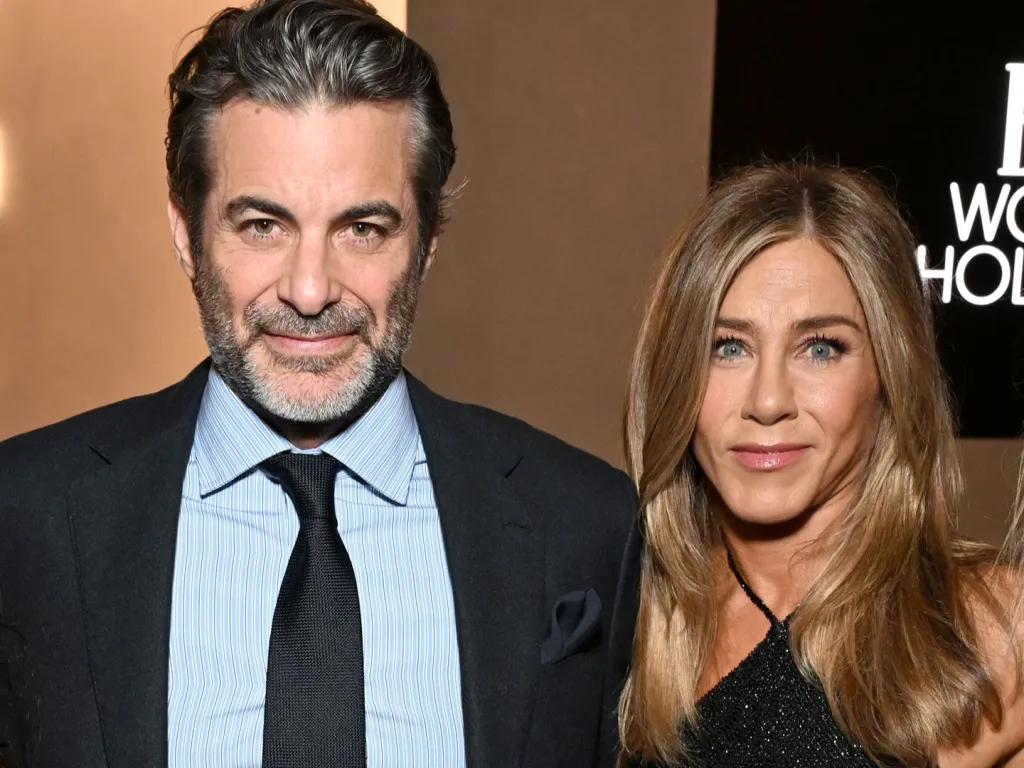
Jennifer Aniston’s boyfriend, Jim Curtis, lived with partial paralysis and nerve damage for years before he could bring himself to talk about it openly. The 50-year-old hypnotist sat down with Aniston at New York City’s 92nd Street Y to discuss his new book, The Book of Possibility. During the event, Curtis recalled a late-night ER visit in his 20s where he spent 13 hours in “severe pain” before getting a “really scary diagnosis” — lesions on his spinal cord. Those spinal lesions caused permanent, chronic nerve damage, leaving him with partial paralysis. After doing a quick internet search on his phone in the hospital bed, Curtis said he felt his body “freeze and seize up,” but he decided right then not to let the panic take over, telling himself: “Tomorrow, everything changes.” Related story Busy Philipps Says James Van Der Beek Had a Touching Role in Brain Tumor Diagnosis — & His Widow Agrees Lying to Hide the Truth Even as he moved forward, coping with a visible limp and chronic physical limitations as a young man triggered a deep sense of shame. Curtis admitted he felt so embarrassed by his body’s limitations that he lied to people for years, calling the diagnosis “an ultimate low.” “I would say I got into a motorcycle accident,” Curtis said, per People. “I was so shameful that I had a medical condition. [I thought] I was broken in some way. I thought the motorcycle accident was at least a little macho.” It took him 25 years to get past that shame and accept his health for what it was. Grounded Advice for Real Life Today, Curtis uses his experience to help others reframe their personal struggles, encouraging people not to view themselves as victims. “What I’m saying is that you don’t have to live as the victim,” he explained. “You don’t have to live in your suffering. It can become your power. As soon as you accept it and love it [you can move beyond it].” During the panel, Aniston (who’s been in a relationship with Curtis since July 2025) asked him how he advises people who feel trapped in a “rat race” but want to make a meaningful change. Curtis gave a realistic answer. He brought up the fact that most people can’t just walk away from their lives when they have rent, medical bills, and kids to feed. Instead of making drastic moves, he suggested making small, intentional mindset changes so fear stops running the show. He added: “You don’t have to let fear stop you from living your dream. You can manifest at any time by placing your focus on the outcomes that you want.” Source link
Sugar Substitute Xylitol Linked to Heart Risks
If you’ve ever browsed the “sugar-free” snack aisle wondering: Is this really healthier for me? You were right to question it. New research is showing that one of the most popular artificial sweeteners might be doing your body more harm than good. A long-term study presented at the European Society of Cardiology analyzed data from over 17,000 adults and found that high blood levels of xylitol, a sugar alcohol commonly used as a sugar substitute, were linked to a significantly higher risk of major cardiovascular events like heart attacks and strokes. Related story The Healthy Eating Trends That Nutritionists Stand Behind — & A Few They Don’t Specifically, researchers saw a 57% higher risk over a six-year period, and an 18% higher risk over 30 years for those with the highest levels of xylitol in their blood. The problem comes down to how this sweetener interacts with your blood. When xylitol levels rise in the bloodstream, it causes blood platelets to react much faster, making them clump together and form clots more easily. As someone with Factor V Leiden, I already have a genetic mutation that puts me at a higher risk for blood clots. So learning that a common sugar substitute can cause blood platelets to clump together is concerning, to say the least. It’s frustrating that something sold as a “healthier” alternative can carry a risk like that, but it’s a good reminder to read the fine print on “sugar-free” labels — especially if you take blood thinners or have any history of clotting or heart issues. The Secret Danger Hiding in Your Pantry You can now find xylitol in specialty peanut butter, nut spreads, ice creams, chewable vitamins, cough syrups, and even oral care products like toothpaste and mouthwash. On top of the cardiovascular risks for humans, xylitol poses an immediate, fatal threat if you have pets at home. Xylitol is severely toxic to dogs. Ingesting even a small amount causes a rapid drop in blood sugar, liver failure, and sudden death. The scariest part is how easily the ingredient sneaks past you on a label. Manufacturers don’t always spell out “xylitol.” Instead, they list it under much more natural-sounding names like birch sugar, wood sugar, or birch bark extract. If you regularly use peanut butter to fill a Kong toy or hide medication for your dog, accidentally grabbing a jar sweetened with birch sugar can be lethal within minutes. How to Protect Your Household There’s no need to panic and throw out your toothpaste. Because oral care products are spit out rather than swallowed, xylitol won’t reach your bloodstream in quantities that affect blood clotting. Just make sure you store those tubes safely away from curious pets. When it comes to food and drinks in your kitchen, keeping your household safe requires a few specific habits: Check for alternative names: Look for “xylitol,” “birch sugar,” or “birch bark extract” on any food item labeled low-carb, zero-sugar, or keto. Inspect peanut butter labels: Never give your dog peanut butter without verifying the ingredient list contains only peanuts and salt. Opt for simple ingredients: When looking for a sweetener, choose simple whole foods, raw honey, or moderate amounts of regular sugar over laboratory-processed sugar alcohols. Taking a few extra seconds to scan food labels is a small habit that can protect both your heart and your pets. Source link

Kimberly Van Der Beek Reacts to Busy Philipps’ Brain Tumor News
Busy Philipps is honoring the memory of her late Dawson’s Creek co-star James Van Der Beek by reminding fans to stay on top of their health — a message that caught the attention of his widow, Kimberly. The actress recently revealed she had surgery to remove a 2.6-centimeter brain tumor that doctors caught during a full-body scan earlier this year and revealed the surprising connection her diagnosis had with her late co-star. Following the news, Kimberly Van Der Beek reached out to offer a sweet show of public support. Related story Kelly Osbourne Calls Out ‘Cruel’ Body-Shaming Comments Amid Her Recent Health Battle An Unexpected Push to Get Scanned Philipps admitted to nearly canceling the February health screening altogether. The appointment was scheduled for the morning after Van Der Beek died at age 48 from stage III colorectal cancer. Unsure if she should go, Philipps asked her ex-husband, Marc Silverstein, for advice. “Maybe it’s the best thing you could do for your friend this morning,” Silverstein told Philipps at the time. “Go get that scan.” Fortunately, she took his advice. Doctors found a grade 2 oligodendroglioma, a rare type of slow-growing tumor. According to Philipps’ neuro-oncologist, the mass, while considered malignant (cancerous), had the “best prognosis of all the malignant gliomas.” “It’s sort of defined as a cancerous tumor based on the ability of the tumor to regrow over time, rather than it looking very malignant under the microscope,” Dr. Miller told People. Philipps shared that losing someone so close to her changed how she views self-care and daily life. “See doctors, get checkups, like, make sure that you’re taking care of your body and your health, and if something feels off, go get it checked out,” Philipps told Us Weekly. It seems like Kimberly Van Der Beek co-signs that message, and James’ role in Philipps’ diagnosis. “We love you @busyphilipps, and you got angels in heaven,” Kimberly commented on an Instagram post shared by People. Facing Recovery Setbacks The road to recovery didn’t go as smoothly as she hoped. Just a month after her brain surgery, Philipps developed a staphylococcus infection along her incision line that required her to get a follow-up procedure to clear the wound. Despite the setback, she kept a lighthearted attitude, jokingly asking People, “What am I? The luckiest girl in the world?” Moving Forward With Perspective Managing a serious medical diagnosis while grieving a close friend reshaped how Philipps approaches her daily routine. “[It] really sort of instills in you that every day is all you have,” she said. “You need to live your life with that understanding and move through the world in a way that reflects that you get that. So I do try to do that.” By turning a tragic loss into a clear reminder about early detection, Philipps continues to encourage others to schedule routine checkups and advocate for their well-being. Source link
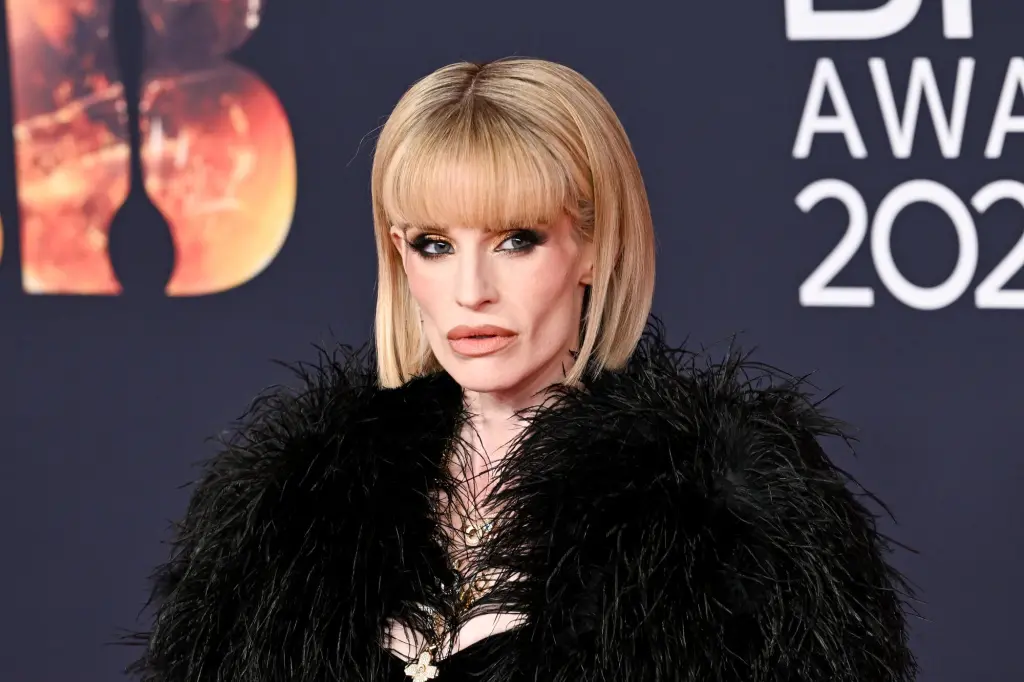
Kelly Osbourne Shuts Down Body Shamers and Shares Health Update
Kelly Osbourne isn’t holding back about the harsh realities of living in the public eye while dealing with severe physical and emotional struggles. The 41-year-old television personality recently sat down for her first exclusive photoshoot and interview since the passing of her father, Ozzy Osbourne, to share what’s been going on behind the scenes. In the interview with Hello!, Osbourne also addressed the ongoing scrutiny about her weight. After dealing with internet trolls commenting on her slimmer appearance, she called out the lack of empathy from people judging her body while she was battling a serious, undisclosed illness. Related story Michael Douglas Proves He’s Feeling ‘Not Bad’ for 82 During Sunday Walk in NYC “How can you navigate something so cruel when you’re so sick?” she told the publication. This isn’t the first time Osbourne has had to defend herself against invasive comments. “To the people who keep thinking they’re being funny and mean by writing comments like ‘Are you ill,’ or ‘Get off Ozempic, you don’t look right.’ My dad just died, and I’m doing the best that I can, and the only thing I have to live for right now is my family,” she said in a now-deleted Instagram Story. “And I choose to share my content with you and share the happy side of my life, not the miserable side of my life,” she continued, adding, “So to all those people, ‘f— off.”’ Fortunately, Osbourne confirmed she’s on the mend. “I’m getting a lot better,” she added. “I’ve got all the help I need, and I’m grateful for the support I have in my life.” Starting Over in the UK Following Ozzy’s death, Osbourne packed up her life and moved back to the English countryside to give her son, Sidney, a fresh start. Settling into a new routine after such a devastating loss has also brought a lot of clarity about her inner circle. “[They] are not just my friends,” she shared. “Because what you’ll find when you’re grieving is that people don’t know how to handle it, and you do lose a lot of friends. But the ones who stick around are the real ones.” Putting Work In Now, Osbourne is putting her mental health first. “You’ve got to fix the head before you can fix the body,” she told Hello! “It’s going to take me a minute. I’m not going to be fixed in a day. I’m not going to be fixed on one therapy session. This is a lifetime of work I’ve got to do and continue to do for the rest of my life.” She confirmed that she’s feeling “a lot more healthy” these days, largely thanks to her time in therapy. “It’s great discovering things about yourself [in therapy], and the reasons why I do certain things that stem from my childhood,” she continued. “You go all the way back, and you’re like: ‘Oh, my god, that’s why I do that. That’s crazy.’” Source link