
Key takeaways:
- In patients with severe hypertriglyceridemia, olezarsen reduced triglycerides compared with placebo at 12 months.
- Olezarsen also lowered risk for acute pancreatitis events compared with placebo.
In patients with severe hypertriglyceridemia, olezarsen lowered triglycerides and reduced acute pancreatitis events compared with placebo, researchers reported at the European Atherosclerosis Society Congress.
André Zimerman, MD, PhD, professor of cardiology and head of clinical trials at Hospital Moinhos de Vento, Moinhos de Vento Medical School, Porto Alegre, Rio Grande do Sul, Brazil, presented on behalf of the TIMI Study Group a pooled analysis of 455 patients (mean age, 52 years; 20% women) with severe hypertriglyceridemia, defined as triglyceride level more than 880 mg/dL, or 10 mmol/L, from the CORE-TIMI 72a and CORE2-TIMI 72b trials. Patients were randomly assigned to olezarsen (Tryngolza, Ionis) 50 mg, olezarsen 80 mg or placebo.

André Zimerman
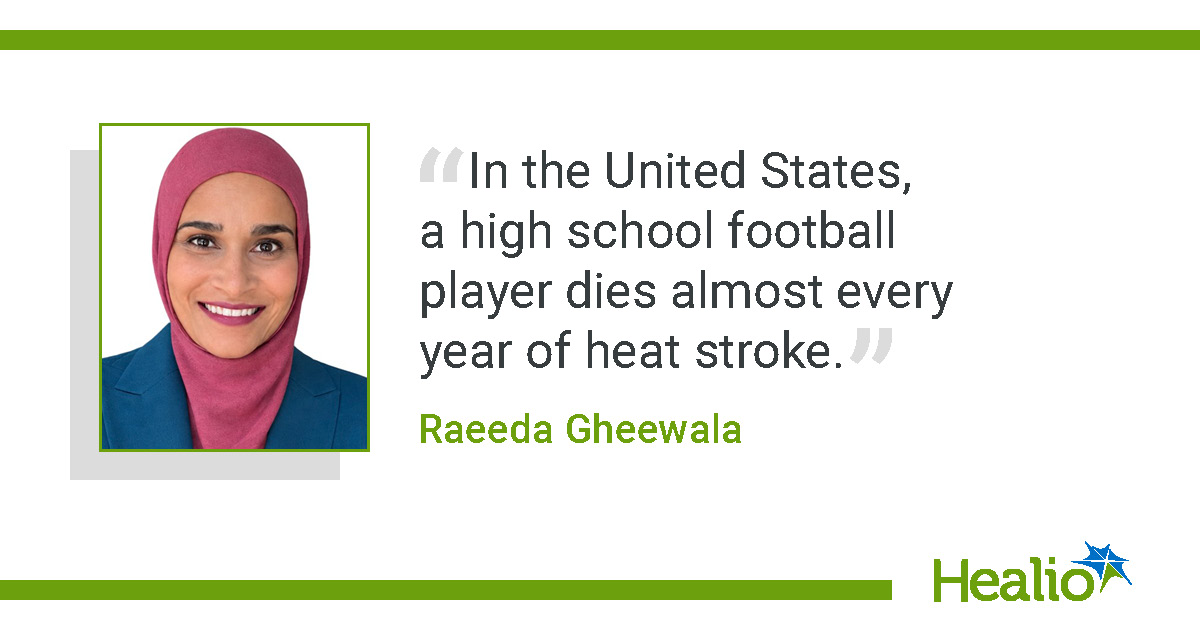
“Patients with severe hypertriglyceridemia are at high risk for acute pancreatitis, but randomized evidence showing that pharmacologic triglyceride lowering reduces pancreatitis events has been limited,” Zimerman told Healio. “Currently available therapies, such as fibrates and omega-3 fatty acids, have a modest triglyceride-lowering effect and have not been shown to prevent acute pancreatitis.”
As Healio previously reported, olezarsen was approved by the FDA in 2024 for treatment of patients with familial chylomicronemia syndrome, but has not yet been approved for treatment of severe hypertriglyceridemia in the U.S.
At 6 months, compared with placebo, olezarsen 50 mg lowered triglycerides by 58.8% and olezarsen 80 mg lowered triglycerides by 65.5% (P < .001 for both), Zimerman said during a presentation.
At 6 months, 85% of the olezarsen 50 mg group and 86% of the olezarsen 80 mg group reached a triglyceride level less than 880 mg/dL compared with 43% of the placebo group, and both olezarsen groups reached triglyceride levels less than 500 mg/dL and less than 150 mg/dL at greater rates than the placebo group (P < .001 for all comparisons), according to the researchers.
Both olezarsen groups also had lower levels of apolipoprotein C-III, remnant cholesterol and non-HDL at 6 months compared with the placebo group (P < .001 for all comparisons), Zimerman and colleagues found.
Acute pancreatitis events over 12 months were lower in the pooled olezarsen group than in the placebo group (RR = 0.15; 95% CI, 0.06-0.43; P < .001; number needed to treat to prevent one event at 12 months = 9), Zimerman said.
“Targeting ApoC-III with olezarsen meaningfully lowers triglycerides and markedly reduces pancreatitis risk in patients with severe hypertriglyceridemia, a population with substantial residual risk despite available therapies,” Zimerman told Healio.
For more information:
André Zimerman, MD, PhD, can be reached at andre.zimerman@hmv.org.br.
Sources/Disclosures
Source:
Zimerman A, et al. Late breaker clinical abstracts. Presented at: European Atherosclerosis Society Congress; May 24-27, 2026; Athens, Greece.
Disclosures:
Zimerman reports receiving honoraria/expenses from Daiichi Sankyo, Eli Lilly and Novartis and serving on a consultant/advisory board for Novartis. Zimerman also reports that at the time of the trials, he was a member of the TIMI Study Group, which received institutional grant support through Brigham and Women’s Hospital from numerous drug and device companies including Ionis Pharmaceuticals. The CORE-TIMI 72a and CORE2-TIMI 72b trials were sponsored by Ionis Pharmaceuticals.

Ask a clinical question and tap into Healio AI’s knowledge base.
- PubMed, enrolling/recruiting trials, guidelines
- Clinical Guidance, Healio CME, FDA news
- Healio’s exclusive daily news coverage of clinical data