
I’m sitting at my desk trying to focus on my next project but I can’t keep my eyes open. It’s only 1:00 p.m., and I want to crash. Instead, I make myself another cup of coffee, grab a bag of chips and head back to my desk to muddle through the rest of the day.
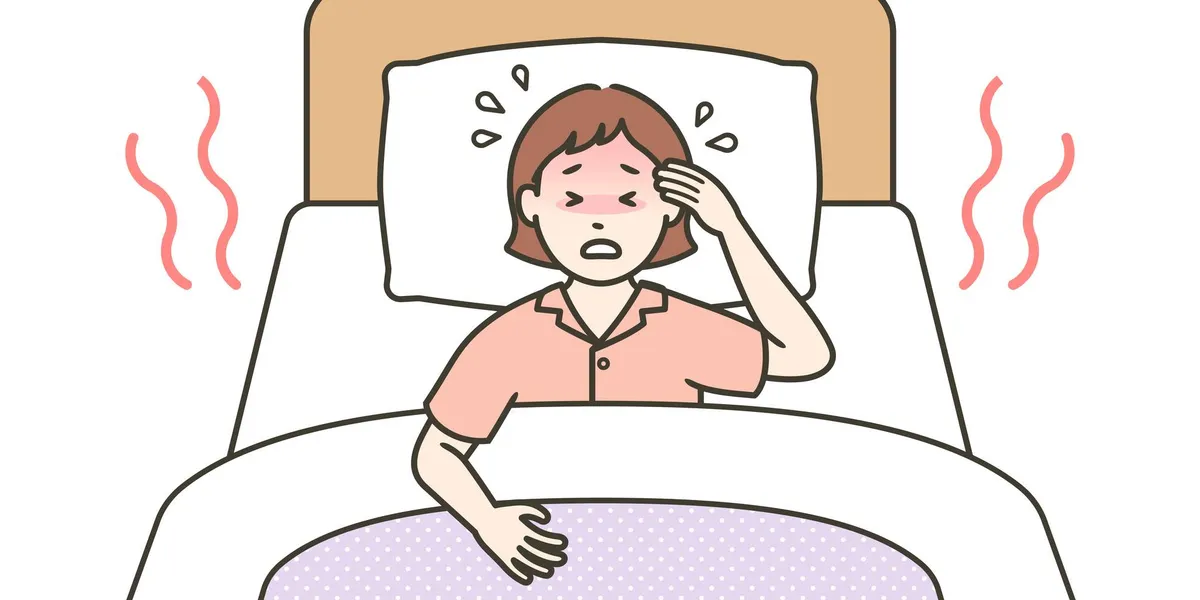
I haven’t had a good night’s sleep in months. I wake up halfway through the night drenched in sweat. Then I toss and turn until my hot flashes subside in the early morning hours. If I’m lucky, I get four solid hours of sleep. Most days, I’m running on caffeine and comfort food, which I know isn’t healthy. It’s a downward spiral that leaves me feeling foggy and cranky by mid-afternoon.
According to Menopause: The Journal of the Menopause Society, hot flashes and night sweats, also known as vasomotor symptoms (VMS) of menopause, cause sleep disturbances for up to 3 out of 5 perimenopausal and postmenopausal women.
Hot flashes are a sudden feeling of warmth in the face, neck and chest that occur when estrogen levels decline. They can cause intense sweating, flushed skin, feeling chilled when the hot flash subsides and feelings of anxiety. All of this can lead to difficulty sleeping. “This can include sleeping for shorter periods or having trouble falling or staying asleep,” said JoAnn Pinkerton, M.D., medical director of Midlife Health Center and member of HealthyWomen’s Women’s Health Advisory Council. But middle-of-the-night wakings from VMS don’t just ruin the next day. They can also have long-term consequences.
Read: Once Hot Flashes Fade, Are There Lasting Health Impacts? >>
Why you need a good night’s sleep
When you don’t get enough sleep, both your mental and physical health can suffer. “Poor sleep can cause fatigue, brain fog, trouble concentrating, daytime sleepiness, irritability and lower productivity at work. It can also affect relationships,” Pinkerton said.
Lack of sleep can impact your heart health, too. A study from The American Heart Association (AHA) showed that women going through menopause who don’t get enough sleep, or who don’t sleep well, were three times more likely to have poor cardiovascular health outcomes, including heart disease and stroke.
Missing out on sleep can also contribute to midlife belly fat. “When women don’t sleep, it increases the stress hormone cortisol, making them more likely to put on abdominal fat,” Pinkerton said. It’s a vicious cycle. Poor sleep leads to higher cortisol levels, which then leads to excess fat storage. And because you’re tired, you’re much less likely to exercise or make healthy meal choices.
How hot flashes and night sweats affect your sleep
The average age of menopause is 51 in the U.S., but VMS can begin in your 30s and last until you’re in your 70s. Declining estrogen levels during menopause cause an imbalance between estrogen and a brain chemical called neurokinin B (NKB). Having too much NKB causes the KNDy neurons in your brain to become overactive and disrupts your brain’s temperature control center. Your body thinks it’s getting hot and triggers the body to believe it’s overheating, causing your blood vessels to dilate to cool off your body, triggering a hot flash that may cause flushing and sweating. The intensity of a middle-of-the-night hot flash can vary. “People can have anything from mild awakenings to feeling like they have to take their covers on and off, or even having significant sweating, such as soaking the bed or soaking their night clothes,” Pinkerton said.
In white women, VMS generally lasts an average of seven years, while Hispanic and Black women experience hot flashes for an average of 10 years. In people of color, hot flashes are often more intense and last longer, though more research is needed to understand why, Pinkerton said. One theory points to the fact that anxiety and stress can make VMS worse, and people of color may experience more anxiety and stress.
“Black women may have had more stress in their lives, and that stress can increase the duration and frequency of the hot flushes,” Pinkerton added. People of color may also be less likely to seek help, talk about menopause or find treatment.
How to reduce the effect of hot flashes and night sweats on your sleep
Pinkerton said that the first thing you can do to make sure you get a good night’s sleep is to pay attention to your sleep hygiene, which includes aiming for 7 to 9 hours of sleep per night. “This means sticking to a set sleep schedule, making your bedroom dark and cool, limiting screen time, and avoiding stimulants before bed,” she said.
Be hot flash and night sweat ready
- Lower the temperature in your bedroom to 68 degrees or less or open a window
- Use a fan
- Add a cooling gel bed topper and/or cooling sheets to your mattress
- Wear wicking pajamas
- Sleep with a cool compress on the back of your neck
Avoid diet and environmental causes of hot flashes and night sweats
- Cut down on caffeine, especially in the evening
- Avoid spicy food
- Limit alcohol
- Stop smoking cigarettes
You also might want to talk to your doctor about prescription hormonal or non-hormonal therapy treatment options for VMS due to menopause.
How hormone and non-hormone therapy can help
Hormone therapy can help improve sleep by replacing the estrogen in your body that declines during menopause. This will allow the brain’s temperature control center to stabilize, reducing the frequency and intensity of VMS. Women under the age 60 and within 10 years of menopause who are healthy are good candidates for hormone therapy. “We have newer and safer options than we did 10 years ago,” Pinkerton said.
For women who can’t or don’t want to take hormone therapy, there are non-hormonal options available, such as neurokinin-receptor antagonist therapies that target the KNDy neurons in the brain. NK-receptor antagonists help reduce hot flashes and night sweats due to menopause and some women may have fewer nighttime wake-ups.
Other medications like certain antidepressants and certain anticonvulsants can also help with VMS. You can even consider cognitive behavioral therapy, which can help change negative thoughts and sleep-related behavior.
When to talk to your clinician about hot flashes and night sweats
If you’re experiencing symptoms that affect your quality of life, it’s time to talk to your clinician. Pinkerton suggested having a yearly conversation with your clinician once you enter perimenopause, even if you don’t have troublesome symptoms yet.
If you feel your concerns aren’t being addressed, or if you’re told you’re too young for perimenopause to be the cause of your symptoms, it may be helpful to see a clinician with specific menopause training. That way, you can be sure to get accurate information. The Menopause Society has a section where you can find a certified specialist by ZIP code. Be honest about your symptoms and how they’re affecting you. There’s no need to sugar coat it.
Everyone deserves treatment for their menopausal hot flashes and night sweats. And no one should have to struggle with middle of the night pajama swaps.
This educational resource was created with support from Astellas.
From Your Site Articles
Related Articles Around the Web