Where the Research Actually Stands
It is important to be direct about the current stage of this science. Hair cloning is not available to patients as of 2026. Several programs are in active but early clinical development.
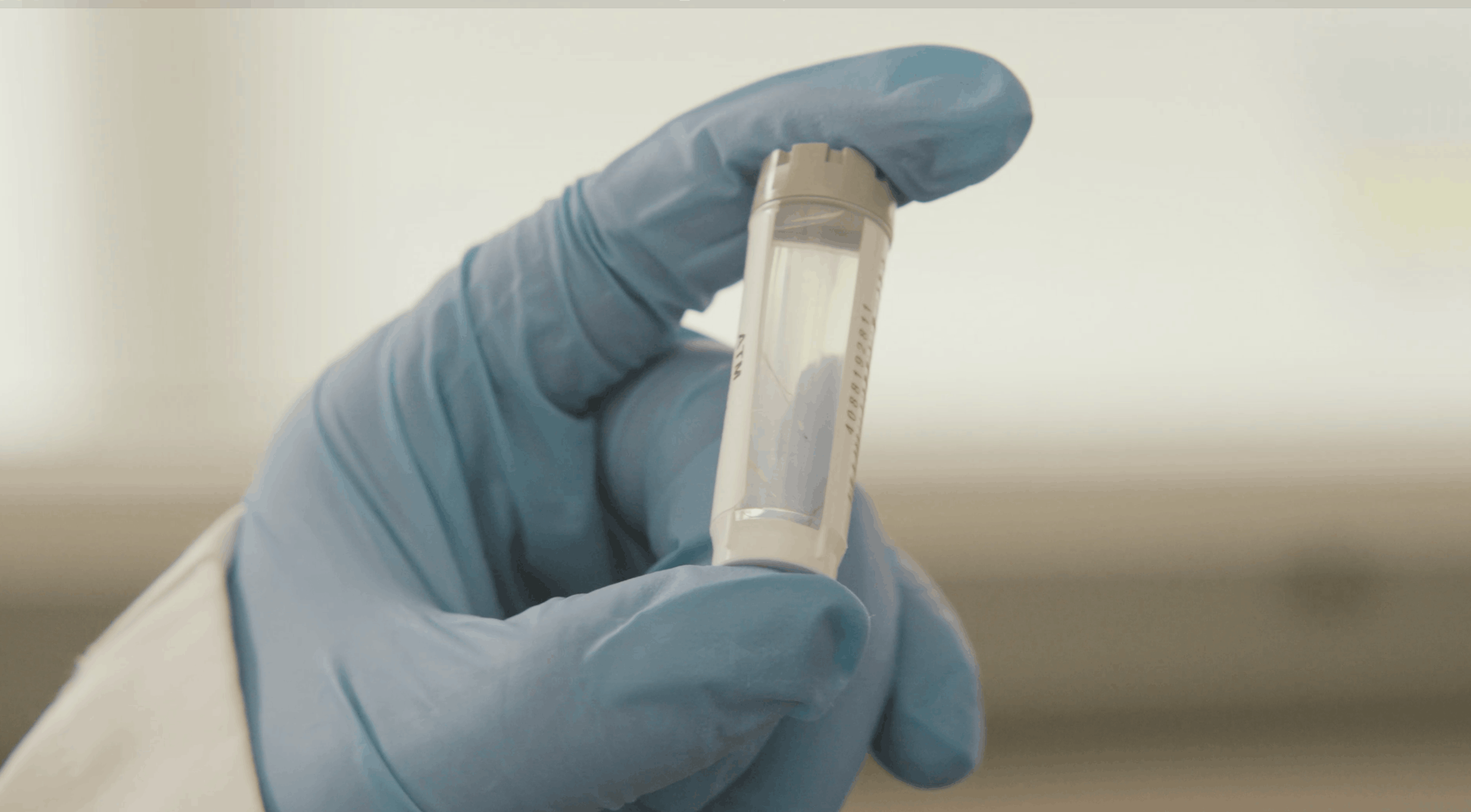
Researchers at RIKEN, working with Tokyo-based OrganTech, identified a third cell type, termed hair follicle regeneration-supporting cells, that had been missing from earlier lab attempts to grow hair follicles. When layered together with epithelial stem cells and dermal papilla cells and transplanted into engineered skin, the three cell types reproduced a complete, repeating hair growth cycle in a laboratory setting. OrganTech has said it plans Phase I trials injecting these support cells into patients as early as late 2026 to 2027.
Biotech companies including dNovo and Stemson Therapeutics are running preclinical and early clinical programs focused on dermal papilla cell multiplication, harvesting cells from a single follicle, expanding them, and reimplanting them to generate new growth. dNovo has demonstrated human hair stem cells producing hair growth in a mouse model, while Stemson has successfully grown human hair follicles in humanized mice using engineered follicular units.
HairClone, a separate research effort, has been working toward clinical testing of its own cloned cell methodology, though full scale human trials remain in early stages.
Realistic Timeline Expectations
Based on current trial phases and regulatory pathways, most researchers in the field do not expect hair cloning to be commercially available for several more years. Industry estimates vary, but many point to a limited, conditional approval in Japan as the most likely first milestone, given the country’s accelerated regenerative medicine pathway, with broader approval and eventual availability in markets like the United States following well after that. These projections are still estimates rather than confirmed regulatory timelines, and they will continue to shift as trials progress.
In other words, this is genuinely exciting science, and it is not a near term treatment option.