
Back-to-school season can feel like a full-speed sprint for families. Between last-minute supply runs, packed activity schedules, and the scramble to reestablish morning routines, it’s easy for important health conversations to fall to the bottom of an already crowded to-do list.
But as teens head back to school and their worlds widen with friends and activities, it’s an important moment for parents to ensure their teen’s vaccinations are up-to-date and to get informed about diseases like meningococcal disease, also known as meningitis.

Related story
Teen Cannabis Use Might Double the Risk of Severe Mental Health Disorders
While uncommon, meningitis can have devastating consequences. According to the CDC, about 10–15% of people who develop meningococcal disease will die, and 1 in 5 survivors experience long-term complications, including hearing loss, brain damage, or limb amputation.1
Among teens and young adults, 16- to 23-year-olds have the highest rates of meningitis, and the bacteria that can cause meningitis can spread through certain everyday activities like sharing drinks or utensils, kissing, and living in close quarters, like dorms or military housing.2
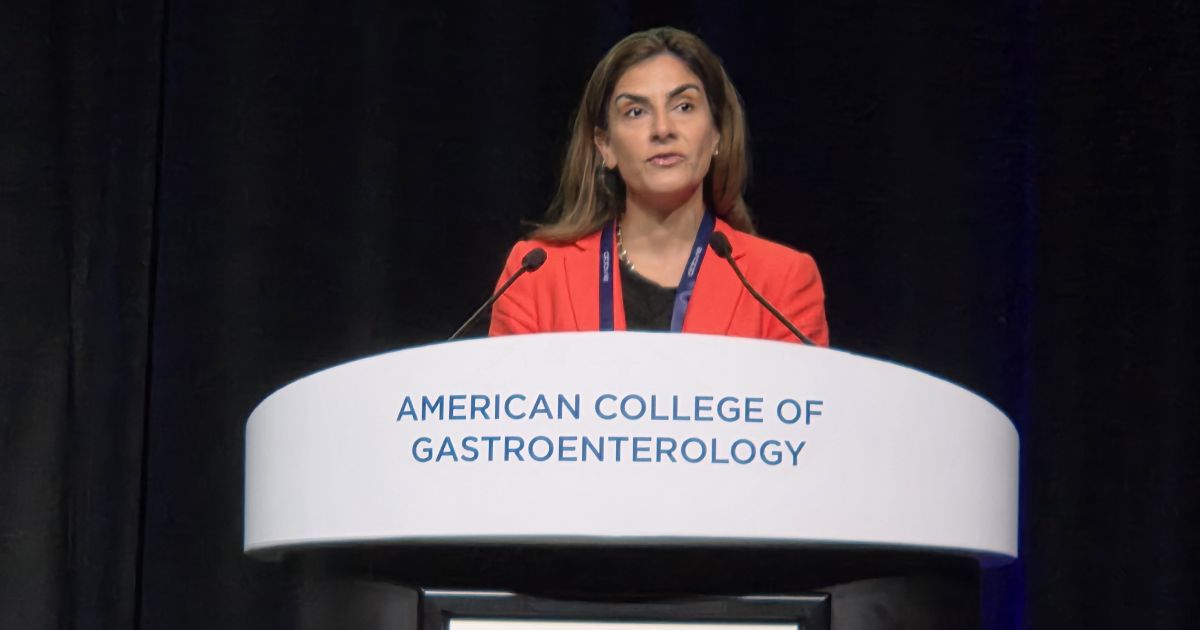
We spoke with Dr. Candice Robinson, a board-certified pediatrician and Director of Scientific Affairs & Public Health for U.S. Vaccines at GSK, about what parents should know about meningitis and what questions to ask the pediatrician during back-to-school check-ups.
For parents who may have not heard of meningitis, what is it and why is it so serious?
Dr. Robinson: It’s not uncommon for parents to be unfamiliar with this disease, so if this is your first time hearing about it, there’s no need to feel bad. Meningococcal disease is an infection caused by bacteria called Neisseria meningitidis. The bacteria can infect the membrane that surrounds the brain and spinal cord. While uncommon, meningitis is a serious illness that can cause permanent consequences, or even death, sometimes within as little as 24 hours. A diagnosis can be life-threatening and life-altering.3,4,5
What everyday teen behaviors or school-related settings can increase the risk of spreading the bacteria that can cause meningitis?
Dr. Robinson: What can be surprising for parents is that certain everyday activities can put teens and young adults ages 16 to 23 at increased risk for sharing the bacteria that can cause meningitis. These certain everyday behaviors include sharing food and drinks, kissing, and living in close quarters such as dorms or shared housing.2,6
As students venture back to school, they’re sharing food together in cafeterias, sharing water bottles at sports practice, and spending more time in prolonged contact with the same group of friends. And for some teens and young adults, this may also mean living in dorms or shared housing.
These are all normal parts of growing up, and I certainly wouldn’t tell teens to stop making memories with their friends. But it’s important for parents to understand that close or lengthy contact can make it easier for the bacteria that can cause this disease to spread.
Why should meningitis be top of mind for parents during back-to-school season, even if their teen seems healthy and up to date on vaccines?
Dr. Robinson: Parents are juggling a lot of responsibilities, especially during back-to-school season. Even if your teen is healthy and you think they’re up to date on their vaccinations, it’s important to check with their doctor. Parents may not know there are different vaccines available for meningitis groups A, C, W, and Y (MenACWY), meningitis B (MenB), and meningitis A, B, C, W, and Y (MenABCWY).
While many teens have been vaccinated against meningitis A, C, W, and Y when they were younger, they could still be missing vaccination against meningitis B. According to CDC survey data from 2024, less than 16% of 17-year-olds received two or more doses of vaccination against meningitis B.7 It takes more than one dose to complete the meningitis B vaccination series.
The decision to vaccinate against meningitis B is based on a conversation with your teen’s doctor. That’s why it’s important to Ask2BSure whether they are vaccinated against the 5 vaccine-preventable groups of meningitis, including A, B, C, W, and Y.
If a parent isn’t sure if their teen is up to date on their vaccinations, what should they do before their teen’s next doctor’s appointment, and what should they ask during the visit?
Dr. Robinson: First and foremost, don’t panic if you’re not sure. Between hunting down school forms, scheduling sports physicals or routine checkups, and keeping our kids fed, tracking down vaccination records doesn’t always fall to the top of our mental to-do list.
But, if you aren’t sure whether your teen has received meningitis vaccination, all you need to do is ask. Contact their doctor’s office and ask for your teen’s vaccination records. If you think your teen may be missing vaccination against meningitis, plan to ask about it at their next appointment. If they don’t have an appointment scheduled — make one. Before leaving the doctor’s office, schedule any follow-up appointments needed to complete your teen’s meningitis vaccination series.
What’s the most important message you want parents to remember this back-to-school season about talking to their teen’s doctor regarding meningitis risk and vaccination?
Dr. Robinson: I want parents to remember that they are their teen’s biggest advocates, especially when it comes to their health. It’s okay not to have all the answers. What matters is being aware and feeling empowered to ask questions. The more informed parents are, the better equipped they’ll be to start these discussions and make the best decisions for their teen or young adult. You can be the one to start the conversation with your teen’s doctor and Ask2BSure about meningitis.
1. Centers for Disease Control and Prevention. Meningococcal Disease Symptoms and Complications. Available at: https://www.cdc.gov/meningococcal/symptoms/index.html. Accessed July 2026.
2. Centers for Disease Control and Prevention. Risk Factors for Meningococcal Disease. Available at: https://www.cdc.gov/meningococcal/risk-factors/index.html. Accessed July 2026.
3. Thompson MJ, et al. Clinical recognition of meningococcal disease in children and adolescents. Lancet. 2006;367(9508):397-403.
4. Pelton SI. Meningococcal disease in adolescents and young adults. J Adolesc Health. 2010;46(suppl):S9-S15. doi:10.1016/j.jadohealth.2009.11.220
5. Centers for Disease Control and Prevention. Clinical Overview of Meningococcal Disease. Available at: https://www.cdc.gov/meningococcal/hcp/clinical/index.html. Accessed July 2026.
6. Mayo Clinic. Meningitis: symptoms and causes. Updated October 17, 2024. https://www.mayoclinic.org/diseases-conditions/meningitis/symptoms-causes/syc-20350508. Accessed July 2026.
7. Pingali C, Yankey D, Elam-Evans LD, et al. Vaccination Coverage Among Adolescents Aged 13–17 Years — National Immunization Survey-Teen, United States, 2024. MMWR Morb Mortal Wkly Rep 2025;74:466–472.