
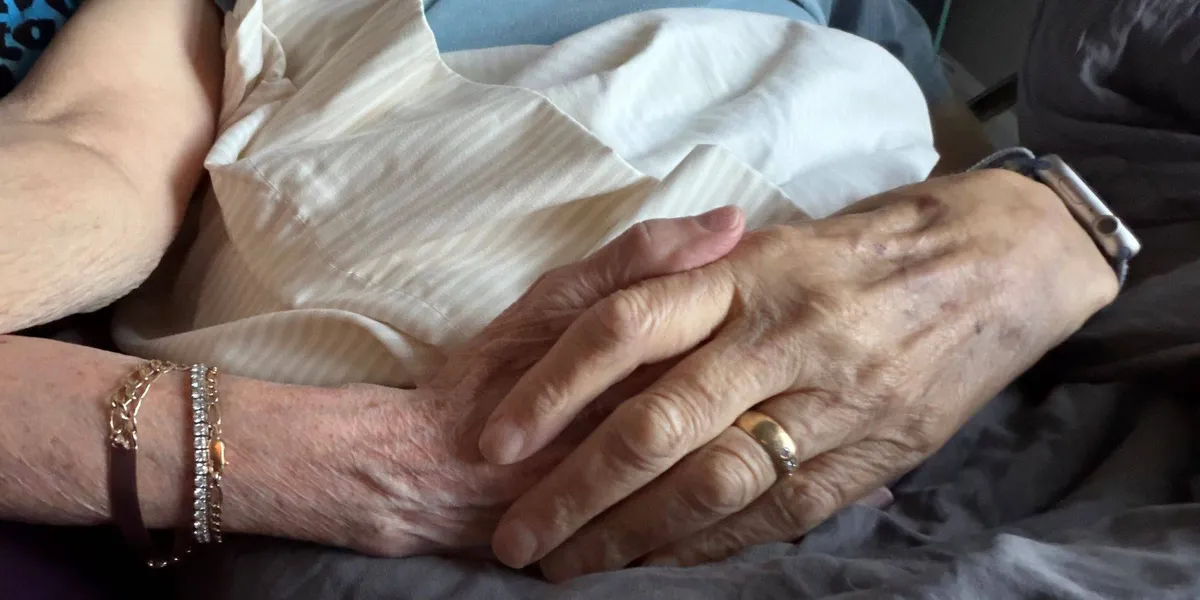
My husband, Dean Skylar, bought me lingerie after his prostate cancer diagnosis. It was a hopeful act that indicated he wanted to preserve our sex life through what he knew would be challenging times ahead.
After skin cancer, prostate is the most common cancer for American men. The disease is found through a blood test to determine prostate-specific antigen level (PSA). Found early, treatment may simply be active surveillance. If the cancer is contained in the prostate, a prostatectomy might be recommended to remove the prostate and surrounding tissue.
In Dean’s case, the cancer had spread, and he was diagnosed with stage 4 metastatic cancer. His treatment was chemical castration, and his life expectancy was five years.
All of a sudden, our lives changed dramatically. We had to deal with a death notice as well as a potential end to our sex life.
A prostate cancer diagnosis affects a couple’s lives in profound ways. Information about the disease’s effect on loss of sexuality related to hormone therapy isn’t widely discussed. Your oncologist will prescribe information on drugs and treatments to fight the disease, but discussion about sex is uncomfortably sparse.
While you’re both fighting for his life, he’s losing what he’s likely considered essential to it — his sexuality. It’s not only that he loses the ability to have an erection; he loses his sex drive. And his partner may need more than a black silk nightgown to feel sexy again.
When Dean was diagnosed four years ago, it was essential to his well-being that we preserve our intimacy. We tried to plan for both physical and emotional changes. The drugs he was on eliminated his testosterone, which fuels the cancer. The androgen deprivation therapy also reduced his muscle tone and caused weight gain, hot flashes, mental fog and fatigue.
My confident, weight-lifting, tennis-playing, sex-loving man felt emasculated. The psychological distress this caused was debilitating in the beginning. We researched the disease. We changed our exercise, diet and intimacy patterns to accommodate physical limitations.
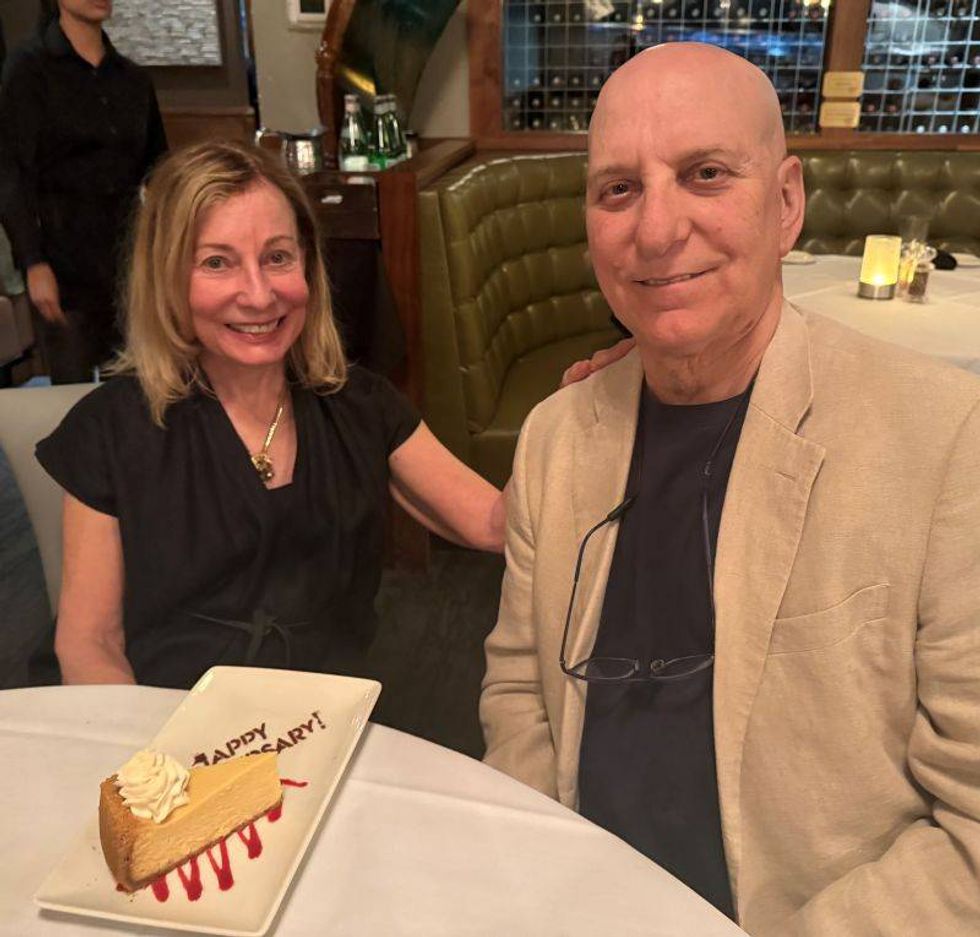 Dean and Christine, on their anniversary, 2025
We found help through prostate support groups, cancer help organizations and therapists. We discovered online Facebook groups as well as in-person group therapy, which offered useful tips. We already knew that intercourse wasn’t the only path to intimacy. Genitals are not the only way to have erotic experiences.
Some people in our groups found success through vacuum erection devices or penis pumps, which use suction to draw blood into the penis. This can be used with drugs such as Viagra. We ended up giggling over our failure when we tried, and I accused Dean of buying a cheap one. Others suggested penile implants, a surgical option that can be expensive and not necessarily covered by insurance.
There is also injectable penile therapy, where medications are injected into the penis with a syringe. Several of those options seemed daunting and kind of ouchy to us. We were already dealing with drug injections for his treatment, and surgery seemed excessive considering his life-threatening diagnosis.
We chose touch. We held hands, kissed, caressed and massaged. While he napped, I read next to him. I watched his favorite television programs with him and ate what he was hungry for. I synced with him.
He kept track of our intimate moments. Because he no longer felt sexual urges, he monitored a wall calendar where I would pencil in a heart when he made love to me. I signaled desire by lighting candles, putting “our” songs on Sonos or running a bath.
Always a generous lover, he responded to my invitations with a smile. As we navigated through the steps of his illness, I wanted to make sure he would never feel alone and hoped we would grow closer than ever. We talked through everything.
When he weakened, I performed physical tasks for him I had never done before. As soon as he had trouble reaching his toes, I clipped his nails. Once he tired of shaving, I trimmed his beard. I groomed his eyebrows and clipped his nose hairs. I stood next to the shower while he washed; I towel-dried him when he got out.
His skin remained smooth because I massaged lotion on him every day. His doctors and nurses always commented on it.
We decided on home hospice because I wanted to take care of him to the end. I slept on the couch next to his hospital bed. Sometimes I would bring my pillow with me and ask him to slide over so I could spoon next to him.
He kept telling me how sorry he was to put me through this. I insisted I was the lucky one to have experienced a lifetime of being his friend, lover and wife. I repeatedly told him I would miss him every second of the rest of my life, and I know that will be true.
He died on July 20. We were prepared for his last breaths.
I am forever grateful that I held him in my arms through his final moments. I whispered I loved him. In the weeks since, I keep reminders close. I wear his wedding ring around my neck and don his red terry-cloth robe before bed. My electronic calendar flashes photos of him, and I sometimes look at messages from him on my phone.
His ashes are in a silver urn on the coffee table inscribed with initials DS & CL. It awaits mine to join his. Our children are instructed to drop them from the Ponte Vecchio bridge in Florence, where we had a romantic vacation nearly 20 years ago. Yet that trip decades ago is not what I remember most these days. It’s the many small moments we spent together during the past four years, steering our way through a devastating illness. Our intimacy never ended; it grew just like our love.
This educational resource was created with support from Bayer.
Have your own Real Women, Real Stories you want to share? Let us know.
Our Real Women, Real Stories are the authentic experiences of real-life women. The views, opinions and experiences shared in these stories are not endorsed by HealthyWomen and do not necessarily reflect the official policy or position of HealthyWomen.
From Your Site Articles
Related Articles Around the Web