

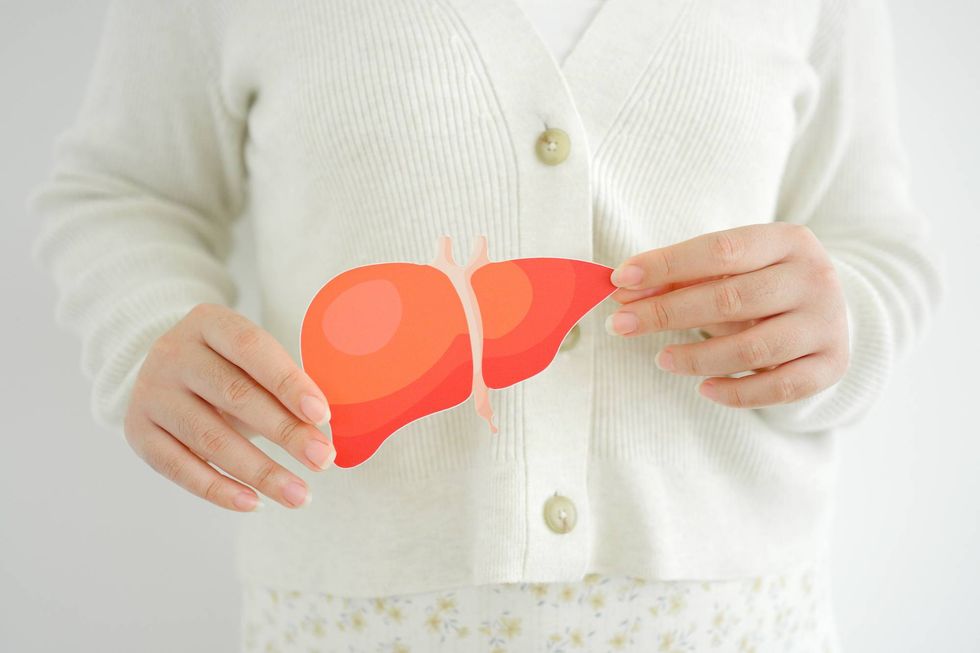
As of 2020, roughly 34% of people in the United States were living with metabolic dysfunction–associated steatotic liver disease (MASLD). And that number is expected to jump to over 40% (2 in 5 Americans) by 2050 due to increasing rates of obesity.
Understanding MASLD, including symptoms and possible causes, can help you know if you might be at risk.
What is MASLD?
Formerly known as nonalcoholic fatty liver disease (NASLD), MASLD is actually an umbrella term for a group of diseases that happen when too much fat builds up in your liver when there is little to no alcohol use.
Over time, this fatty buildup can cause inflammation (swelling) in your liver, which in turn may trigger more serious problems.
If not treated, MASLD can worsen and become MASH, metabolic dysfunction–associated steatohepatitis (formerly called NASH, non-alcoholic steatohepatitis) that also causes fatty buildup and liver swelling.
Eventually, MASH may lead to cirrhosis, a type of liver disease that happens when scar tissue caused by long-term inflammation prevents the liver from working like it should.
Symptoms of MASLD
It can take many years for MASLD to happen, and you may not have symptoms unless you develop MASH or another more serious type of liver disease.
People with MASH or other types of MASLD may notice symptoms like:
- Pain in the upper right part of your belly (where your liver is)
Risk factors for MASLD
Experts aren’t sure why some people are more likely to have fat buildup in their livers, or why this buildup sometimes leads to serious liver problems.
We do know both MASLD and MASH are linked to:
- Genetics: People are up to 12 times more likely to develop MASLD if a first-degree relative (parent, sibling or child) has it. Certain genetic factors are more common in Hispanic people as well.
- Overweight and Obesity: Three out of 4 people with overweight and obesity — and 9 out of 10 people with severe obesity — have MASLD.
- Insulin resistance: This happens when your cells don’t respond properly to the insulin in your body to process glucose in your blood.
- Triglycerides: Triglycerides are a type of fat, and high levels of them and other fats in the blood are connected to MASLD.
You may also be at higher risk of developing MASLD (including MASH) if you have:
- Polyendocrine metabolic ovary syndrome (PMOS), formerly called polycystic ovary syndrome (PCOS)
- Obstructive sleep apnea
- Metabolic syndrome
- Underactive thyroid (hypothyroidism)
- Underactive pituitary gland (hypopituitarism)
- Growth hormone deficiency
If you have any of these conditions, consider talking to your clinician about your personal risk of getting MASLD.
Preventing MASLD
The good news about MASLD? You can help prevent it with lifestyle changes.
It’s probably no surprise that the same healthy habits that support general well-being are also good for your liver. These include:
- Eating well, meaning getting plenty of vegetables, fruits, protein, healthy fats and whole grains
- Enjoying sugar in moderation
- Avoiding alcohol
- Maintaining a weight that’s healthy for your body shape and size
- Moving your body most days of the week, in whatever ways you enjoy (dancing, gardening, walking, etc.)
Keep in mind that you don’t have to completely overhaul your diet or hit the gym every day to lower your risk of MASLD. Even tiny tweaks can add up to a big difference when it comes to supporting liver health.
Treating MASLD
How MASLD is treated depends on the person, but in general the first step is getting to a healthy weight if you’re not there yet.
Studies show big improvements in the amount of liver fat, swelling and scarring in people with MASLD who lose just 5%–10% of their body weight — and weight loss over 10% may resolve fatty liver disease completely.
Next, your doctor may recommend medications to help lessen the amount of fat in your liver.
Two medicines currently available to treat people with MASH who have moderate to severe liver scarring are:
If you have other conditions like Type 2 diabetes or high cholesterol, your clinician will likely help you manage them as part of your MASLD treatment plan.
Your liver, your health
MASLD may be common, but it’s far from inevitable. By taking simple steps like eating well and exercising regularly, you can help reduce your chances of developing liver disease.
If you think you may be at increased risk of MASLD — because of genetics, obesity or other health conditions — it may be time for a conversation with your clinician.
Together, you can go over any symptoms you may be having and figure out a plan for diagnosis and treatment.
This educational resource was created with support from Merck.
From Your Site Articles
Related Articles Around the Web