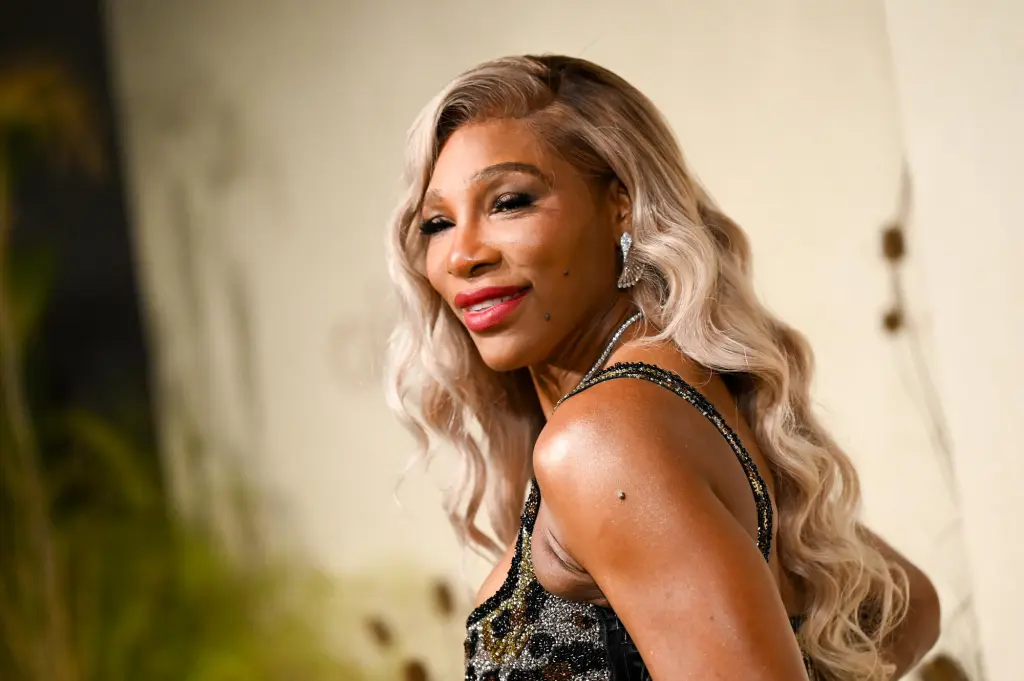
Serena Williams is encouraging women everywhere to “prioritize” their breast health.
After spending the morning getting breast exams, the 45-year-old tennis star explained why she’s careful about keeping up with her screenings: She has “very dense breasts.” In a recent post on X, Williams reminded followers that the end of Breast Cancer Awareness Month isn’t a reason to put off their appointments.
“A morning full of breast exams. Top on, top off, top on, top off!” Williams wrote. “I know October is over, but breast cancer awareness should never stop. I have very dense breasts, so I have to be extra thorough with my screenings.”

Related story
Jenny McCarthy Opens Up About Mold ‘Nightmare’ That Had Her Immune System ‘Under Attack’
What Does It Mean to Have Dense Breasts?
Having “dense breast tissue” means that there’s more glandular and fibrous tissue (milk ducts, milk glands, and connective tissue) than fatty tissue. You can’t feel whether your breasts are dense or not —a radiologist determines breast density from a mammogram. Nearly half of women aged 40 and older who get mammograms have dense breast tissue, according to the National Cancer Institute.
Dense tissue and tumors can both appear white on a mammogram, making cancer harder to spot. Women with dense breasts also have a higher risk of developing breast cancer, so your provider may recommend additional screening.
That might mean adding an ultrasound or MRI to your screening plan. Your provider will consider your age, personal and family history of breast cancer, and any known inherited gene changes, such as harmful BRCA1 or BRCA2 variants, when deciding whether you need another test.
What Should You Ask About at Your Next Appointment?
Start with your mammogram report. If it mentions dense tissue, ask your provider how that affects your breast cancer risk and whether you need additional screening. Mention any breast cancer diagnoses in your family, including who was diagnosed and at what age. Those details can help your provider assess your risk.
If your provider recommends another test, ask why and what the potential benefits and drawbacks are.
“Ladies, don’t forget to prioritize your breast health,” Williams wrote. “Get checked, know your body, and stay on top of your screenings.” If your report says you have dense breasts, ask what comes next. You shouldn’t have to figure that out from the report alone.