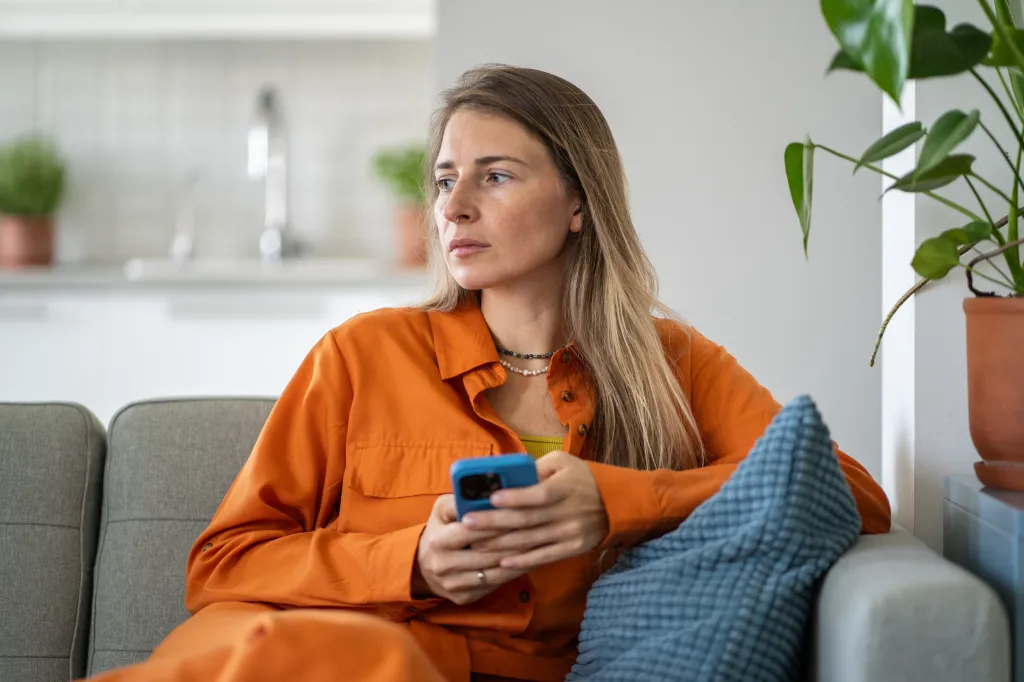
Checking the news can start as a way to feel more prepared — and leave you feeling anything but.
A new international commission published in The Lancet Psychiatry is calling on governments to treat “problematic” internet use as a public health concern. Researchers estimate that more than 10% of people worldwide may be affected.
If you’ve ever stayed up refreshing upsetting headlines or reached for your phone before getting out of bed, you may be wondering when staying informed becomes a problem. To help explain the difference, we spoke with licensed professional counselor Myisha Jackson, founder and clinical director of Healing Journey Counseling Center, and licensed psychotherapist Meredith Van Ness.

Related story
Christie Brinkley’s Daughter Sailor Shares the ‘Superpower’ She Learned From Her Mom to Help Battle Anxiety
Why Is Doomscrolling a Public Health Concern?
The report’s authors want tech companies to take more responsibility for how their products affect people’s health. They argue that asking users and families to manage their screen time isn’t enough when features like infinite scroll and autoplay are designed to keep them online.
“Our bodies may be physically still, but our minds are continuously processing information, much of which can be stressful, frightening, or emotionally overwhelming,” Jackson tells SheKnows. Distressing content can activate the body’s stress response, she explains. You might notice that your muscles tense up, your heart beats faster, or you have trouble relaxing even after you put down your phone.
What Doomscrolling Habits Should You Watch For?
The biggest concern isn’t just how often you open a news app. It’s whether you can stop — and what the habit takes away from the rest of your day.
“I get concerned when people have trouble stopping, even when they can see it’s affecting their sleep or their relationships,” Van Ness tells SheKnows. She and Jackson shared several warning signs to watch for, including these eight habits.
- Checking upsetting news as soon as you wake up. Reading distressing headlines before you’re out of bed can put you on edge before your day has even started, Van Ness says.
- Staying up later to keep scrolling. You meant to go to bed, but you’re still reading updates an hour later. Van Ness recommends paying attention when scrolling regularly keeps you up past your intended bedtime.
- Struggling to put the phone down. You know scrolling is affecting your sleep or your time with other people, but you keep doing it anyway.
- Refreshing for reassurance. Jackson suggests asking whether you genuinely want an update or feel anxious about not knowing what’s happening. If you’re hoping the next headline will make you feel less worried, you may find yourself checking again and again.
- Continuing even as your body gets tense. Notice whether you’re clenching your jaw, tightening your shoulders, or feeling your heart race while you scroll. Those are physical reactions to stress, even if you’re sitting comfortably on the couch.
- Checking updates without meaning to. You open an app before you’ve thought about why you’re doing it. Jackson recommends paying attention to when checking the news becomes something you do automatically throughout the day.
- Scrolling to avoid uncomfortable feelings. Boredom, stress, and anxiety can all send you reaching for your phone. Jackson suggests noticing whether scrolling has become your usual way of dealing with those feelings — and whether you feel better afterward.
- Putting updates ahead of relationships or responsibilities. If you’re having trouble concentrating at work or being present with others because you can’t stop checking, scrolling may be interfering with your daily life.
How Can Doomscrolling Affect Your Health?
Repeated exposure to distressing content can contribute to persistent worry, irritability, difficulty concentrating, and disrupted sleep, Jackson explains. For someone already managing anxiety or depression, it may make symptoms worse.
Part of what keeps people checking is the hope that more information will finally make them feel better.
“Most people don’t doomscroll because they enjoy it. They’re looking for information that will help them feel less anxious or more in control,” Van Ness says. “Something frightening is happening, and one more headline brings a few seconds of relief. So they check again.”
How Can You Break the Cycle Without Tuning Everything Out?
Start by choosing when you’ll check the news instead of letting every notification decide for you. Van Ness recommends picking two times a day and sticking with one or two trusted sources. She also suggests keeping your phone out of the bedroom so upsetting headlines aren’t the first thing you read in the morning or the last thing you see at night.
Before opening an app, ask yourself why you’re reaching for it. Are you looking for a specific update, or are you bored, worried, or avoiding something? Jackson recommends identifying those triggers and limiting unnecessary notifications. Van Ness also suggests muting accounts that consistently leave you feeling worse.
“I don’t believe we need to disconnect completely from the world to protect our mental health,” Jackson says. “Staying informed is important, but we also have to recognize when information consumption begins affecting our well-being.”