Add topic to email alerts Receive an email when new articles are posted on Please provide your email address to receive an email when new articles are posted on . “ data-action=”subscribe”> Subscribe We were unable to process your request. Please try again later. If you continue to have this issue please contact customerservice@slackinc.com. Back to Healio Key takeaways: GLP-1s plus lifestyle counseling sustained weight loss and improved bowel symptoms in patients with IBD with obesity. Fatigue also improved without IBD-related hospitalizations or changes in therapy. CHICAGO — Patients with obesity and inflammatory bowel disease showed improved bowel function while receiving GLP-1 receptor agonists and lifestyle counseling, in contrast to the gastrointestinal issues typically associated with GLP-1s. “Given that gastrointestinal side effects are often a concern with GLP-1 therapy, it was notable that patients reported improvement rather than worsening of bowel symptoms, suggesting these therapies may have broader benefits in selected patients with IBD,” Stephanie Lauren Gold, MD, assistant professor of gastroenterology at Icahn School of Medicine at Mount Sinai, told Healio. Gold and colleagues presented their research at Digestive Disease Week. “These findings highlight the importance of integrating metabolic and weight management interventions into routine IBD care,” Gold continued. The treatment combination also was associated with clinically significant weight loss and reduced patient-reported fatigue. Obesity may be a modifiable risk factor in patients with IBD, the researchers wrote. “In the general population, GLP-1s are well-established therapeutic options to treat obesity,” Gold said. “However, prospective and real-world data on the safety and efficacy of GLP-1 therapy in patients with IBD remain limited.” For a 12-month period, 95 patients (median age, 40 years; 64% women; median BMI, 35 kg/m2) with an IBD diagnosis and a BMI higher than 25 kg/m2 received guidance on diet and exercise at a multidisciplinary IBD-metabolic clinic. Vibration controlled transient elastography showed 68 patients had hepatic steatosis and three had fibrosis. Clinicians initiated GLP-1 therapy among 50 patients who met indication criteria — BMI of at least 27 kg/m2 with a comorbidity or BMI of at least 30 kg/ m2 — and could pay for or had insurance to cover the drug. Data on IBD symptoms, weight loss and fatigue were gathered at baseline and 3, 6, 9 and 12 months of follow-up. During the study period, patients receiving both GLP-1 therapy and lifestyle counseling had a significantly greater median percent weight change than those treated with counseling alone. At 3 months, the difference was –5.5% vs. +1%; 6 months, –9.5% vs. +2%; 9 months, –13.8% vs. +1%; and 12 months, –20.9% vs. +3%. Patients receiving the combined intervention also reported reduction in fatigue and improvement in stool frequency and consistency after 3 months. The researchers observed no significant differences in ED visits, hospitalizations and changes in IBD therapy between cohorts. Further research is required on the topic, according to Gold and colleagues. “We need prospective studies to define optimal dosing, duration, long-term safety, predictors of response and tolerability, and whether GLP-1 therapy can improve IBD-related outcomes beyond weight loss,” Gold said. “It is also important to focus on a more personalized approach for obesity care in patients with IBD, identifying which patients are most likely to benefit from specific interventions.” For more information: Stephanie Lauren Gold, MD, can be reached at laura.ruocco-duran@mountsinai.org. Published by: Sources/Disclosures Source: Gold SL, et al. GLP-1RA therapy plus lifestyle counseling significantly improves clinical and patient-reported outcomes in patients living with IBD and obesity. Presented at: Digestive Disease Week; May 2-5, 2026; Chicago. Disclosures: Gold reports being a 2023 Nestle Nutrition Institute Fellow, as well as support from Crohn’s and Colitis Foundation Career Development Award and Medical Board Members of Nutritional Therapy for IBD. Please see the study for all other authors’ relevant financial disclosures. Ask a clinical question and tap into Healio AI’s knowledge base. PubMed, enrolling/recruiting trials, guidelines Clinical Guidance, Healio CME, FDA news Healio’s exclusive daily news coverage of clinical data Learn more Add topic to email alerts Receive an email when new articles are posted on Please provide your email address to receive an email when new articles are posted on . “ data-action=”subscribe”> Subscribe We were unable to process your request. Please try again later. If you continue to have this issue please contact customerservice@slackinc.com. Back to Healio Source link
The Link Between Chronic Pain and Mental Health: Breaking the Cycle
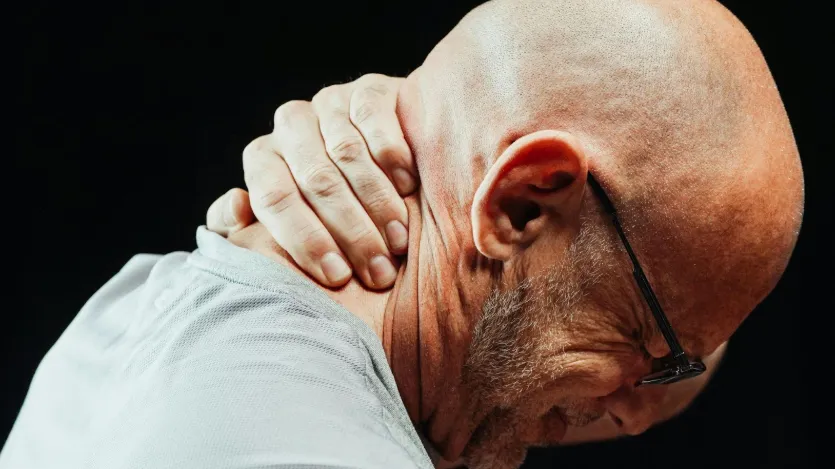
Chronic pain and mental health are closely connected, creating a cycle that is often challenging to disrupt. Persistent physical discomfort often leads to emotional distress, while mental health challenges can amplify pain perception. Understanding this relationship is integral to finding effective solutions for those trapped in this cycle. What Is Chronic Pain? Chronic pain is defined as pain lasting for three months or longer, persisting beyond the typical healing time for an injury or illness. Unlike acute pain, which signals immediate harm to the body, chronic pain often serves no protective purpose. Common conditions associated with chronic pain include arthritis, fibromyalgia, and back pain. Chronic pain impacts physical well-being and disrupts daily routines, work performance, and relationships. Over time, the constant struggle with pain can lead to feelings of frustration, hopelessness, and isolation. The Impact of Chronic Pain on Mental Health Living with chronic pain can significantly affect mental health. Persistent pain often leads to anxiety, depression, and mood disorders. These mental health challenges arise for several reasons: Emotional Strain: The stress of dealing with ongoing pain can wear down emotional resilience. Sleep Disruption: Chronic pain frequently interferes with sleep, which is necessary for mental and physical recovery. Reduced Social Interaction: Pain may limit mobility and participation in activities, leading to loneliness and social withdrawal. Studies have shown that individuals with chronic pain are more likely to experience mental health conditions. For example, depression rates are significantly higher among people with chronic pain compared to the general population. How Mental Health Influences Pain Mental health disorders can intensify the experience of chronic pain. Anxiety and depression often heighten pain perception, making it feel more severe than it is. This occurs because emotional distress activates areas of the brain involved in pain processing, creating a feedback loop that worsens both conditions. Additionally, negative thought patterns associated with depression or anxiety, such as catastrophizing, can make it harder to cope with pain. Catastrophizing involves focusing on the worst-case scenarios, which increases feelings of helplessness and amplifies pain. Effective Approaches to Breaking the Cycle Breaking the link between chronic pain and mental health challenges requires a comprehensive approach. Addressing both physical and emotional aspects is essential for meaningful relief. Holistic Pain Management Managing chronic pain involves far more than just taking medication; it requires a comprehensive and integrated approach that considers physical, emotional, and social factors. Physical therapies like physiotherapy focus on improving strength, flexibility, and mobility, which can reduce pain over time. Acupuncture, an ancient practice rooted in traditional Chinese medicine, stimulates specific points in the body to alleviate discomfort and promote healing. Similarly, massage therapy can help relax tense muscles, improve circulation, and release endorphins, the body’s natural painkillers. These treatments don’t just address physical symptoms; they also promote relaxation, which can ease the emotional distress often linked to chronic pain. Relaxation techniques help regulate the nervous system, reducing stress and anxiety—two factors that can intensify the perception of pain. Holistic pain management also emphasizes the importance of addressing the social dimensions of chronic pain. Isolation and reduced participation in daily activities can worsen feelings of despair, creating a cycle that’s hard to break. Individuals can maintain connections that foster emotional resilience by incorporating group support, counseling, or even gentle social activities. This multidimensional approach makes sure that pain is not merely suppressed but actively managed in a way that improves overall quality of life. Combining physical treatments with mental health support creates a powerful framework to help individuals regain control and live more comfortably. Psychological Interventions Cognitive-behavioral therapy (CBT) is one of the most effective tools for addressing the mental health impacts of chronic pain. It frees individuals from negative thought patterns and develops healthier coping mechanisms. Other therapies, such as mindfulness-based stress reduction (MBSR) and acceptance and commitment therapy (ACT), focus on building resilience and fostering acceptance of pain. Medication and Medical Treatments In some cases, medications such as antidepressants or anti-anxiety drugs may be prescribed to address the mental health effects of chronic pain. These medications can work alongside pain relievers to provide comprehensive support. However, it is important to use medications under the guidance of a healthcare professional to avoid dependence or side effects. Lifestyle Modifications Lifestyle changes play a critical role in managing chronic pain and improving mental health. Regular exercise, for instance, releases endorphins—the body’s natural painkillers—and boosts mood. Balanced nutrition and adequate hydration also support overall well-being. Prioritizing sleep hygiene can help reduce both physical discomfort and emotional distress. The Role of Support Systems A strong support system can help individuals dealing with chronic pain and mental health challenges. Family, friends, and support groups can provide emotional encouragement and practical assistance. Sharing experiences with others who understand the challenges of chronic pain can also reduce feelings of isolation. Healthcare professionals, such as doctors, psychologists, and physiotherapists, are allies in this journey. Promoting Awareness and Reducing Stigma One significant barrier to addressing the link between chronic pain and mental health is stigma. Many people feel ashamed to discuss their struggles, fearing judgment or misunderstanding. Promoting awareness and fostering open conversations can help break down these barriers. Educational campaigns, community programs, and workplace initiatives can raise awareness about the challenges faced by individuals with chronic pain and mental health conditions. Encouraging empathy and understanding creates a more inclusive environment for those seeking support. Final Thoughts The connection between chronic pain and mental health is undeniable, yet it is often overlooked. Breaking the cycle requires acknowledging the intricate relationship between physical and emotional well-being. Addressing chronic pain and mental health together is about both reducing symptoms and empowering individuals to lead fulfilling lives. With the right approach, this is possible, offering hope and relief to those who need it most. Take control of your life with us at Pain Treatment Centers of America, where expert care meets compassionate solutions. Don’t let chronic pain hold you back—our team is here to provide personalized treatments that work. Rediscover the joy of living pain-free with innovative therapies tailored to
Understanding Hot Flashes – HealthyWomen
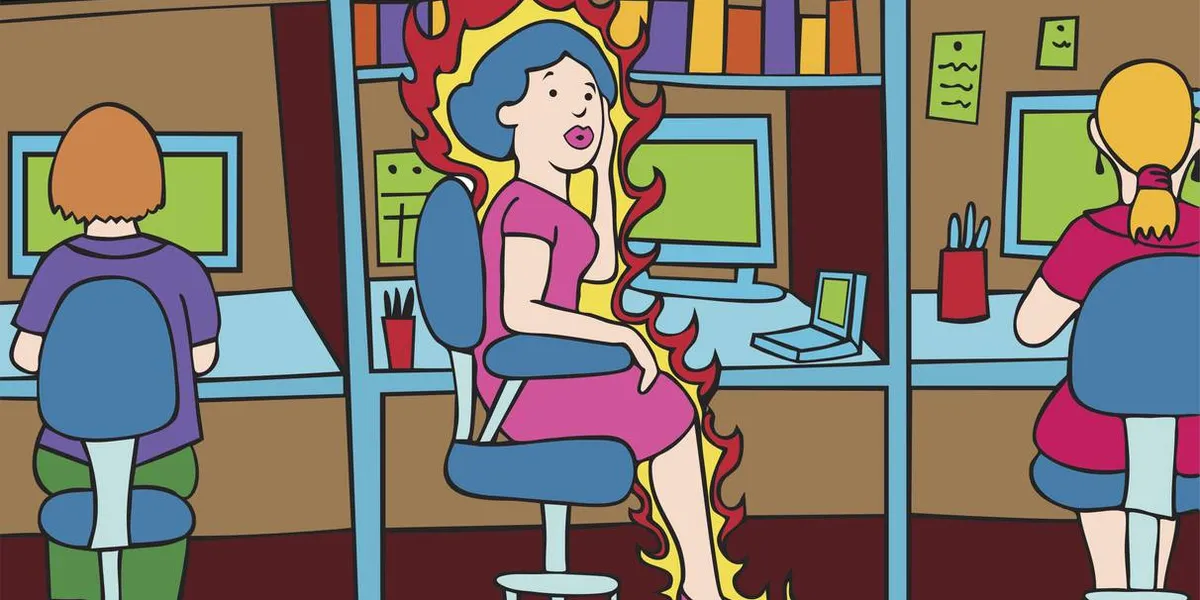
Standing before 50 coworkers in the conference room, I was taking questions after giving a presentation when I felt the familiar stirrings of a hot flash. “Please, not now,” I bargained with my perimenopausal body. “Don’t put me in the hot seat both literally and figuratively.” My body rejected the bargain. Like it was coming from a hot hairdryer, the heat blasted up from the center of my chest, just under my collarbones, and spread up through my neck. My face burned and sweat erupted everywhere: dripping from my temples, pooling in the center of my bra and running down my back. In just a few seconds, I’d gone from appearing calm and collected to looking like I was being interrogated by commandos in a military prison. My friends and I often debate which hot flash scenario is worse: erupting in sweat during an important meeting, presentation or job interview — or relentlessly sweating all night through nightshirts and sheets, the nuclear fusion in our pajamas hot enough to power cities, birth stars and rob us of another night of sleep. There are arguments for either, but everyone agrees that hot flashes are not cool. What causes menopausal hot flashes, why do they happen, and most importantly, how can we stop them from interrupting our busy lives? We asked two medical experts who help women cope. What causes menopausal hot flashes? Alicia Scribner, M.D., associate professor of obstetrics and gynecology at the University of Washington School of Medicine, described a hot flash as a “sudden sensation of heat that begins centrally and spreads out.” One of her patients described it with more emotion: “She told me that when she gets a hot flash, she feels like her whole body is in flames,” Scribner said. An individual hot flash can last five to six minutes. That may seem manageable, but women can have up to 20 hot flashes per day and they can continue for an average of seven years. This leads to women everywhere asking: “Why is this happening to us? What is it about the menopause transition that causes our bodies to feel like they’re spontaneously combusting?” Neurologists are closing in on the answer. The brain’s ability to regulate temperature is closely tied to estrogen levels, said Kellyann Niotis, M.D., a New York City–based neurologist. When estrogen levels wobble during perimenopause then decline rapidly after menopause, the brain’s thermostat, the hypothalamus, is destabilized. “When estrogen is no longer activating this region properly, the brain misreads internal temperature cues and triggers a cascade of events to cool the body down: widening blood vessels and starting sweat production,” she said. There’s also evidence that dips in brain glucose levels contribute to menopausal hot flashes. “Estrogen normally helps maintain stable glucose delivery to the brain, so when levels fall, the brain may be more vulnerable to these dips — another trigger for hot flashes,” Niotis said. A part of the brain called the prefrontal cortex, which governs stress reactivity and emotional regulation, may shape how disruptive or distressing hot flashes feel. In fact, said Niotis, “Women who are under more perceived stress or anxiety often report more frequent and more intense hot flashes even when objective physiological measures, like skin conductance, don’t differ. In other words, two women may have the same event, but the one under more emotional strain may experience it as more overwhelming.” This may clarify how socioeconomic conditions and race factor into the hot flash equation. In the U.S., data show that Black women are more than twice as likely to experience frequent hot flashes compared to white women, and more likely to report them as more bothersome and disruptive to daily life and sleep. Hispanic women also report more frequent menopausal hot flashes than white women, though they tend to describe them as less intense and less disruptive. If your life is being disrupted by your hot flashes, it’s time to seek treatment. “If women feel their symptoms are impacting their quality of life — their focus at work, fatigue, energy and sleep — it’s important to get help,” said Scribner. Treatments for hot flashes Although science has not yet found a cure for hot flashes, or a way to prevent them, there are plenty of medical and non-medical treatment options. Hormone therapy (HT) works to control hot flashes and other menopause symptoms by replacing the estrogen lost to menopause. But for women who don’t want to take hormonal treatments or for those whose risk factors keep HT from being an option, there are non-hormonal treatments as well. A class of drug called neurokinin receptor antagonists have been FDA-approved to treat moderate to severe menopausal hot flashes by addressing the chemical imbalance that can lead to hot flashes and night sweats. Other medication options include antidepressants. One antidepressant, paroxetine, has been FDA-approved to treat hot flashes, but other antidepressants are sometimes prescribed off-label, as are some anti-seizures medications, antispasmodics and blood pressure drugs. The jury is out on herbal solutions, said Scribner. “I have heard from some of my patients that they’re taking different herbs and supplements, but there’s no good data that supports the effectiveness of these,” said Scribner. However, believing something works — known as the placebo effect — can be helpful in reducing the perception of discomfort. As long as a solution isn’t harmful, Scribner said, “if you think something is making you feel better, you’ll get that benefit from it.” Lifestyle changes can also help. “Caffeine, alcohol, hot drinks and spicy foods have been shown to trigger hot flashes,” Scribner said. But how much a person reacts to a potential trigger is highly personal. Scribner urged women to observe their personal hot flash patterns and make adjustments based on that insight. She also recommended sleeping in a cool room, and using a fan and ice packs at night. When asked if hot flashes serve an evolutionary purpose that provide a benefit to menopausal women, Scribner laughed and said she was not aware
Hypopressives and Hip Strengthening
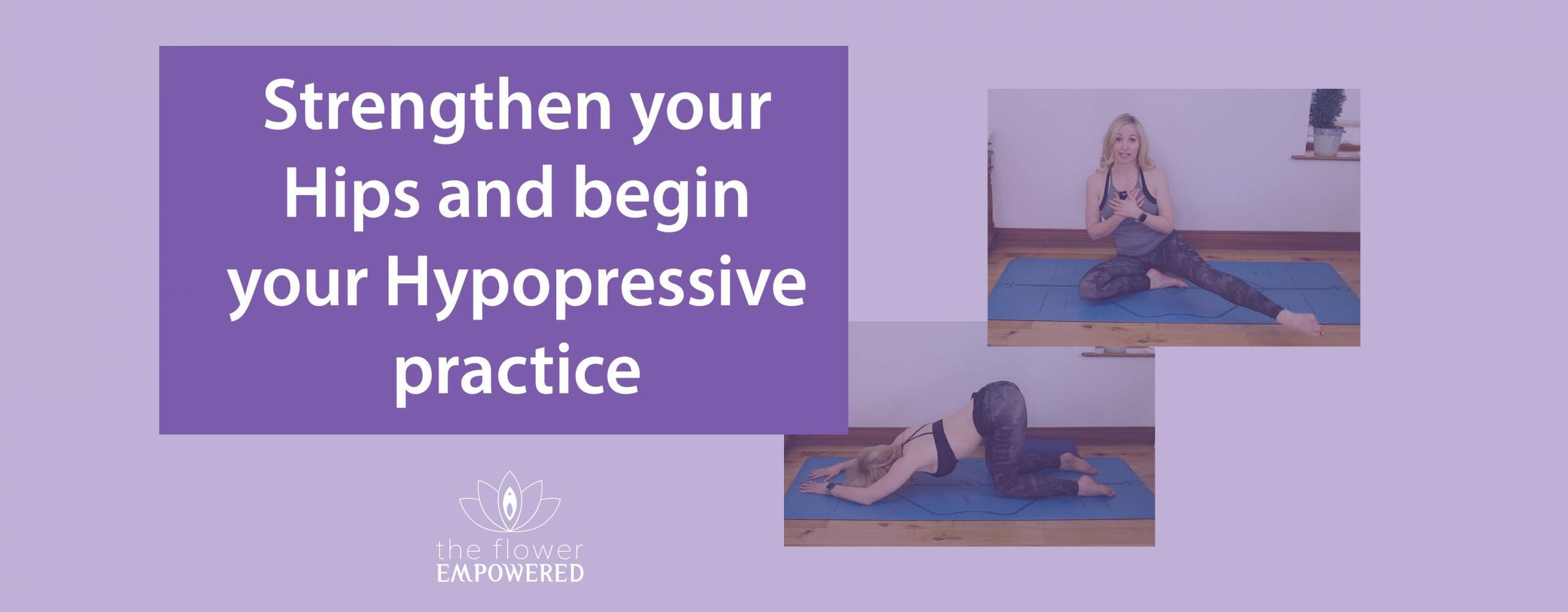
We’ve just launched two new series on our YouTube channel! One series focuses on hypopressive exercises beginning with some simple exercises on all fours. This hypopressive series will add new poses and increase in difficulty each week. If you decide to follow along, you do not need to move to the next step after one week. Instead, we would encourage you to move forward when you feel you have mastered your current level. This practice is a great compliment for those with pelvic organ prolapse or other pelvic floor dysfunctions. The other series focuses on hip strengthening exercises. The hips provide lot of support to the pelvic floor and so a good balance of length-tension across the hips can greatly assist when trying to optomize pelvic floor function. The exercises increase in intensity each week eventually working up the strength to perform pistol squats. Like the hypopressive series, we recommend you only progress to the next level once your body has mastered your current level. Listening to your body with any physical practice is imperative! As always, we recommend you get approval from your health practitioner or pelvic floor physiotherapist before adding any exercise to your regular practice. Please read our disclaimer you begin. Source link

Chronic Conditions Management: How a Team-Based Approach Leads to Better Long-Term Health
Chronic Conditions Management: How a Team-Based Approach Leads to Better Long-Term Health Managing a chronic condition can feel overwhelming, but you don’t have to do it alone. A team-based approach to healthcare changes the way chronic illnesses are managed, offering better long-term outcomes for patients. Instead of relying on a single doctor to handle every aspect of care, a collaborative team of healthcare professionals works together to provide comprehensive, patient-centered treatment. The Challenge of Managing Chronic Conditions Living with a chronic illness, such as diabetes, heart disease, or arthritis, requires ongoing care and lifestyle adjustments. Many patients struggle to manage their symptoms effectively, especially when faced with complex treatment plans, multiple medications, and the need for lifestyle changes. Without proper support, it’s easy to fall into a cycle of poor symptom control, frequent hospital visits, and worsening health. Traditional healthcare models often place the burden of management on one doctor, typically a primary care physician. While these doctors can diagnose and guide treatment, chronic conditions require a broader approach. Patients benefit from a variety of specialists and healthcare providers who can address different aspects of their condition and overall well-being. What Is a Team-Based Approach? A team-based approach to chronic disease management brings together multiple healthcare professionals, each playing a specific role in a patient’s care. This team may include a primary care physician, specialists, nurses, pharmacists, dietitians, mental health counselors, and physical therapists. By working together, they create a comprehensive care plan tailored to the patient’s unique needs. This model focuses on coordination and communication. Instead of each provider working in isolation, they share information and collaborate on treatment decisions. This ensures that patients receive consistent care and benefit from the expertise of multiple professionals who bring different perspectives and skills to the table. Improved Coordination Leads to Better Outcomes When specialists, primary care doctors, and other healthcare professionals communicate regularly, they can make informed decisions that prevent complications and unnecessary treatments. For example, a patient with diabetes may see an endocrinologist for blood sugar management, a nutritionist for dietary guidance, and a podiatrist for foot care. If these providers work together, they can adjust treatments based on the patient’s overall progress rather than treating each issue separately. This leads to more effective care, fewer medication conflicts, and better disease control. Personalized Care for Each Patient Chronic conditions affect everyone differently, which is why personalized care needs to be part of the plan. A team-based approach ensures that treatment plans are tailored to each patient’s specific needs, lifestyle, and health goals. Instead of a one-size-fits-all approach, patients receive care that considers their unique circumstances. A physical therapist may develop a custom exercise plan to improve mobility, while a mental health professional helps a patient cope with the emotional toll of living with a chronic illness. This level of personalization leads to better adherence to treatment plans and, ultimately, improved health outcomes. The Role of Patients in Their Care A team-based approach empowers patients to take an active role in managing their condition. Rather than simply following doctor’s orders, patients become partners in their healthcare journey. They receive education, guidance, and support from different providers, helping them make informed decisions about their health. For example, a pharmacist may educate a patient on how to take their medications properly, while a dietitian helps them make healthier food choices. These small but significant changes can have a major impact on long-term health, reducing the risk of complications and improving overall well-being. Reducing Hospital Visits and Emergency Care When chronic conditions are managed well, patients are less likely to experience complications that require emergency care or hospitalization. A team-based approach helps prevent health crises by providing proactive care, routine monitoring, and early intervention when issues arise. Instead of waiting until symptoms worsen, healthcare teams can adjust treatment plans as needed. Regular follow-ups with a nurse or health coach can help identify problems before they become serious, which prevents unnecessary hospital stays and improves the patient’s quality of life. Mental and Emotional Support in Chronic Disease Management Living with a chronic condition can take an emotional toll, leading to stress, anxiety, and even depression. Many patients struggle with feelings of frustration or isolation as they navigate their health challenges. A team-based approach recognizes the importance of mental health in chronic disease management. Mental health professionals, social workers, and support groups play a part in providing emotional support and coping strategies. By addressing the mental and emotional aspects of chronic illness, patients are more likely to stay engaged in their treatment plans and maintain a positive outlook on their health journey. The Importance of Family and Caregiver Involvement A team-based approach doesn’t just include healthcare professionals—it also extends to family members and caregivers. When managing a chronic condition, having a strong support system at home can make all the difference. Loved ones who are educated about the patient’s condition can help with medication management, encourage healthy lifestyle choices, and provide emotional support. Healthcare teams often work with families to ensure they understand the patient’s treatment plan and can assist in daily care. This collaborative effort leads to better adherence to medical recommendations, reduced stress for the patient, and an overall improvement in quality of life. By integrating caregivers into the care plan, patients receive the consistent support they need to stay on track with their health goals. Technology’s Role in Team-Based Care Advancements in technology are making it easier than ever for healthcare teams to collaborate and monitor patients remotely. Telehealth appointments, wearable health trackers, and patient portals allow providers to stay connected and adjust treatment plans in the moment. For example, a patient with high blood pressure can use a smart blood pressure monitor that automatically shares data with their doctor. If concerning trends appear, the healthcare team can intervene before the condition worsens. This proactive approach means that patients receive timely care without needing frequent in-person visits, making chronic disease management more convenient and effective. The Future of Healthcare As healthcare continues

What is Presbyopia? – HealthyWomen
May is Healthy Vision month. If you’re holding your smartphone at arm’s length to read the screen — not to take a selfie — you could have presbyopia. Presbyopia is when your eyes lose the ability to focus on objects that are close-up. That sounds scary, but presbyopia is a natural part of aging and it happens to everyone. Over time, the lens of your eyes hardens and becomes less flexible, which makes it more difficult for your lens to change shape in order to focus on objects that are close — think reading a book or looking at your watch. In our recent survey, we asked women and people assigned female at birth (AFAB) about eye health and their experience with presbyopia. Overall, prescription glasses were the go-to to help with symptoms of presbyopia (65%). A few creative ways that participants said they adjusted to symptoms of presbyopia included: Holding items at arms length Borrowing reading glasses Making fonts larger Using a magnifying glass Zooming in on pictures Here’s more information on presbyopia, treatments for presbyopia and our survey results. Read: Women’s Eye Health 101 >> Risk factors for presbyopia Age is the top risk factor for presbyopia. Most people start to see symptoms — blurred vision, headaches, eyestrain, inability to read close-up — in their 40s. In our survey, nearly 9 out of 10 people were aware that age has a negative effect on eyesight. But participants who were diagnosed with presbyopia were significantly more likely to believe eyesight gets worse with age compared to participants who haven’t been diagnosed with presbyopia. Although presbyopia happens to pretty much everyone, risk factors for premature presbyopia can include: Being farsighted (the inability to see things that are near to the eyes) Having specific health conditions such as diabetes, cardiovascular disease and multiple sclerosis Taking certain medications such as antidepressants, diuretics and antihistamines How to diagnose presbyopia Presbyopia is diagnosed during a routine eye exam. Your healthcare provider (HCP) will give you a few different tests to check your vision. Visual acuity test (the big letters on a wall chart) to check your eyesight Refraction test for prescription lenses Slit lamp exam to check the structure of the eyes Per our survey, most participants — 7 out of 10 — get a regular eye exam. And most people — also 7 out of 10 — would see an HCP if they were having symptoms of presbyopia, which is crucial for catching changes in eye health. While only a few people surveyed had been diagnosed with presbyopia, it’s crucial to talk to your HCP if you notice any vision changes — however small — and get regular eye exams to catch any problems early when they are easier to treat. Treatments for presbyopia Presbyopia happens with age — so we can’t put the genie back in the bottle. But there are treatment options that can help you see clearly. Treatments for presbyopia include: Glasses (with or without prescription) Contact lenses Surgery Prescription eye drops Survey participants living with presbyopia were more likely to get prescription reading glasses (62%) than people who were not diagnosed with presbyopia (34%). Eye exams are a clear winner Without treatment, presbyopia can cause headaches, eye strain and overall lower quality of life. So, if you’re in your 40s, get your eyes checked and save the arm extensions for taking selfies in your new glasses. This educational resource was created with support from Viatris, a HealthyWomen Corporate Advisory Council member. From Your Site Articles Related Articles Around the Web Source link

Dating As a Single Mom Means Living a Double Life
Mid-March in Miami is a special kind of idyllic; the reason my fellow locals and I stick out the soggy and punishing summer months. On the evening in question, I enjoyed the backyard breeze on my bare shoulders and midriff. It was the perfect weather for a crop top and maxi skirt— no boob sweat and no jacket was required to show a suggestive little bit of skin. I was celebrating a friend’s husband’s birthday, and I’d brought a new flame to the party—a cute, younger guy from my gym whom I was simultaneously hiding from my kids but excited to show off to my friend group. The party presented a unique challenge, though. Like many parent friend groups, mine overlapped almost entirely with those of my little ones, and the birthday boy’s kids were best friends with mine. Related story Why This Viral NYC ‘Mommune’ Is Hitting Home With Other Single Moms I wasn’t ready for those worlds to collide, but in theory, I was safe from any awkward cameos. The party was for adults only, and all the kiddos had been shuffled off to a playdate with another friend. This left me free to sidle up to my date, carefree, with a spicy margarita in my hand and his arm around my shoulders. These days, I was either “single” or a “mom” but not both at the same time, and on this occasion, I was intent on being the former. It’s possible that I’d become overly confident in my abilities to juggle the dual roles. “Are you sure this is a good idea?” my date had asked as I dressed for the party. He didn’t have kids himself, but worried that I might be playing with fire with the zero degrees of separation. Our entanglement was new, casual, and definitely not appropriate for discussion with my children. “Of course!” I assured him. “Everyone there knows the drill. Separation of church and state. It will be fine.” I was wrong. An hour and a half and two cocktails into the night, with the background of a booming early aughts playlist and deep conversation, I spotted her. While my date loaded up a baked potato for me at the food station, the unmistakable bouncing ponytail of my ten-year-old daughter made its way into the crowd. The adults froze in unison, like kids getting caught misbehaving at a party, but in reverse. Apparently, whoever had been watching the group of kids hadn’t received the secret lover memo and thought it would be fun to show up with them as a surprise. “It will be so cute!” they probably thought. And it was, but for me, the surprise was also slightly terrifying. Within seconds, my body morphed from “single” to “mom” like some creature from a Transformers movie (Optimus Prime’s ex-wife, probably). The baked potato was abandoned, and my date was ignored for the rest of the night as I tried to justify my skimpy outfit to my daughter, offering her platitudes about the weather and how it’s nice to dress up for a friend’s birthday. Though the run-in sent me into a mild panic attack, I ultimately got away with the duplicity. My date maintained a respectful distance while my daughter was at the party, and she was none the wiser about whose arm I’d been on before she arrived. If she had figured it out, I’m sure we could have had an age-appropriate conversation about what mommy was up to, but I was grateful that it hadn’t been necessary. Asha Elias and her boyfriend. Courtesy of Asha Elias Motherhood, no matter what the relationship status, is a constant balancing act. Morning routines, pickups, drop-offs, career, housework, keeping the little ones alive, keeping yourself alive. The thing that no one talks about, though, is how divorce can actually relieve some of that pressure. Shared custody and healthy co-parenting came with an unexpected benefit for me—time. Do I miss my kids when they’re with their father? Tremendously. But I’m also at ease knowing that they are spending quality time with a loving and responsible parent. It allows me to be more present on “my” days and to figure out who I am when I’m not being a mother on the other days. I try to schedule girls’ nights, events, and dates exclusively when the kids are with their dad, so when they’re with me, I can focus on meals together, homework, and bedtime routines. This is definitely a luxury, and I feel for the full-time moms who need to rely on childcare for those activities. On the days I don’t have the kids, I have more time to work, practice self-care, and —yes—let my hair down (and put on my crop top) to live a double life. The “single” part of my identity is exciting and fulfilling, even though the mom guilt about not being devoted to my children 24/7 still eats at me. Is it ever possible to truly be two different people in one body? It’s a question that I’ve heard asked dozens of times from my fellow divorced moms and in online communities, so I asked Dr. Mindy DeSeta, PhD, a therapist and certified sexologist, for her clinical take on my personal duplicity. “Let’s drop the outdated message that becoming a mom means you have to give up who you are and pour every ounce of yourself into your kids,” DeSeta told me. “Motherhood is a huge part of you, but it shouldn’t be the only part.” She also says that guilt is not always a reliable compass, and that sometimes we feel guilty about things that can actually be good for us. “Kids do best when their moms are supported, cared for, and emotionally well. Taking care of yourself, staying connected to your identity, and rebuilding your confidence isn’t “extra”—it’s part of being a healthy parent,” DeSeta says. The confidence part can be tricky for recently divorced women. For me, reentering the dating scene was almost as
Veradermics VDPHL01 Extended-Release Oral Minoxidil Tablet for Hair Loss
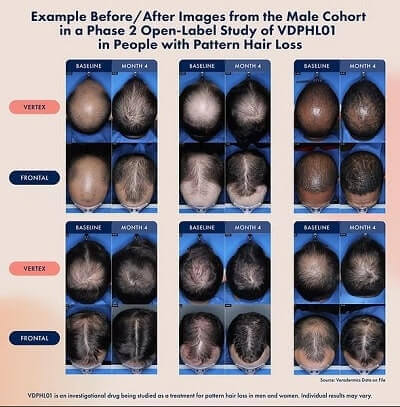
Veradermics (US) is working on a new extended-release oral Minoxidil tablet to treat androgenetic alopecia (AGA). The product is called VDPHL01 and is currently in Phase 3 clinical trials. Also see my past posts on immediate-release low-dose oral Minoxidil and sublingual Minoxidil. Note that this post was originally written in August 2024. The top two-thirds of it contain new updates in reverse chronological order. Veradermics VDPHL01 extended-release oral Minoxidil. Before and after hair growth photos. Update: April 26, 2026 Veradermics Announces Positive Phase 2/3 Clinical Trial Results for Oral VDPHL01 Veradermics just announced positive topline results from Part A of its randomized, double-blind, placebo-controlled Phase 2/3 clinical trial to evaluate VDPHL01 for male pattern hair loss. The company’s stock price “MANE” rose almost 50% in early trading (it is currently up 35%). Make sure to go through their detailed Presentation Slides from today for more details, including very encouraging before and after photos. A quote from there: VDPHL01 is designed to deliver nearly twice the total amount of minoxidil over 12h and maintains concentrations above the hair growth threshold twice as long vs. a 2.5 mg IR tablet.” The trial (referred to as Study “302”) enrolled 519 patients who were randomized to receive either VDPHL01 8.5mg once daily (QD); VDPHL01 8.5mg twice daily (BID); or placebo. The results met all primary and all key secondary endpoints with statistical significance. There was a rapid and consistent response across patients, with a “robust” increase in hair count. There were no treatment-related serious adverse events (SAEs), nor any adverse events of special interest (AESIs) of cardiac origin. Key quote: “Patients achieved an average increase in non-vellus hair count of 30.3 hairs/cm² (p<0.0001) and 33.0 hairs/cm² (p<0.0001) in once daily and twice daily VDPHL01 treatment arms, respectively. Those receiving placebo only showed a 7.3 hairs/cm² increase from baseline at Month 6.” If such results were to hold for many years, this is truly impressive in my opinion. Even better than Finasteride (which inhibits the DHT hormone). But many people report that regular oral Minoxidil effectiveness declines over the years. So it is too early to get overly excited about extended-release oral Minoxidil just yet. In terms of the less meaningful patient self-reported outcomes, following 6 months of treatment with VDPHL01: 79.3% of patients in the once daily dose arm and 86.0% of patients in the twice daily dose arm reported improvement in hair coverage on the Androgenetic Alopecia Impact Rating Scale (AAIRS). A surprisingly high 35.6% of placebo patients also reported an improvement in hair coverage on the AAIRS scale. I am not sure why we see so many studies give significant emphasis to self-reported outcomes. Additionally, 48.4% of patients in the once daily dose arm and 62.9% of patients in the twice daily dose arm reported “improved” or “much improved” hair coverage on the AAIRS (compared to 13.4% of placebo patients). Veradermics believes that these results will lead to VDPHL01 becoming the first FDA-approved oral pill in nearly 30 years to treat pattern hair loss. Finasteride was approved in 1997. Note that Cosmo Pharmaceuticals’ Breezula is a topical solution that is also likely to get FDA approval (in 2027) to treat pattern hair loss. Veradermics also announced that it completed enrollment in a second Phase 3 male trial (Study ’304’) in February 2026. Topline results are expected in the second half of 2026. They also have an ongoing Study ‘306’ Phase 2/3 trial evaluating VDPHLO1 in females with pattern hair loss. VDPHL01 vs Rogaine Foam vs Oral Finasteride vs Oral Minoxidil From the earlier linked presentation, they have an interesting hair growth comparison chart of: VDPHL01 versus Rogaine 5% Foam versus Oral Finasteride 1mg versus Oral Minoxidil 5mg. I will repeat that these results while impressive, are still not proven to be long-lasting. VDPHL01 hair growth comparison versus Rogaine Foam, Oral Finasteride and Oral Minoxidil. Update: March 28, 2026 Faster Onset and Superior Efficacy of an Extended-Release Oral Minoxidil Tablet (VDPHL01) Veradermics is presenting at this week’s American Academy of Dermatology’s 2026 AAD Annual Meeting in Denver. Prior to the presentation, CEO Reid Waldman spoke with “Managed Healthcare Executive”. He said that VDPHL01 produced faster, more consistent and greater hair growth than existing minoxidil treatments. Update: February 4, 2026 Veradermics just completed a successful IPO that raised $256 million. It is now listed on the New York Stock Exchange under the ticker “MANE.” Update: October 16, 2025 Veradermics Raises $150 million in Series C Financing Yesterday, we heard that Pelage Pharmaceuticals (US) raised a massive $120 million in Series B Financing. In 2026, they plan to begin Phase 3 trials for their hair growth product PP405. Today, we have news that Veradermics has raised an even larger $150 million in an oversubscribed Series C Financing. And this is after they raised $75 million in 2024 from Series B Financing. Such numbers are unheard of in the hair loss world. Veradermics is already conducting multiple Phase 3 trials for their hair growth product VDPHL. For context, in 2021, the esteemed RIKEN and Dr. Takashi Tsuji of Japan were finding it difficult to raise $5 million and even asked me to help them with the goal. And in 2025, Yunce Biotech (China) is finding it tough to raise just $2 million to move forward with their hair cloning work. See the most recent comments from reader “Jan Miedza” in that Yunce post. And in late 2024, the much hyped Stemson Therapeutics (US) folded because it could not raise sufficient funds. Many other hair loss companies that I have discussed on this site in the past folded due to lack of funds to proceed with tedious clinical trials and approval processes. In the earlier mentioned press release from Veradermics, they do not mention any other ingredient besides extended-release oral Minoxidil in this VDPHL01 tablet. The do provide some great before and after hair growth photos from their Phase 2 trials: Update: September 29, 2025 Early Study Finds Extended-Release Minoxidil Grows More Hair An optimistic summary of the

FDA approves Bizengri as first treatment for adults with rare bile duct cancer
Add topic to email alerts Receive an email when new articles are posted on Please provide your email address to receive an email when new articles are posted on . “ data-action=”subscribe”> Subscribe We were unable to process your request. Please try again later. If you continue to have this issue please contact customerservice@slackinc.com. Back to Healio Key takeaways: The FDA approved Bizengri for adults with advanced, metastatic or unresectable NRG1 fusion-positive cholangiocarcinoma. Bizengri is the seventh drug approved under the National Priority Voucher pilot program. The FDA has approved zenocutuzumab-zbco as the first drug for certain patients with a rare and aggressive bile duct cancer. Zenocutuzumab-zbco (Bizengri, Partner Therapeutics) received approval for adults with advanced, metastatic or unresectable neuregulin 1 (NRG1) fusion-positive cholangiocarcinoma who experience disease progression during or after previous systemic therapy. The FDA has approved the first drug for certain patients with a rare and aggressive bile duct cancer Zenocutuzumab-zbco is the seventh drug to receive approval under the National Priority Voucher (CNPV) pilot program. “Patients with this ultra-rare type of cancer desperately need new treatment options,” FDA Commissioner Marty Makary, MD, MPH, said in a press release. “Through the national priority voucher pilot program, the FDA is accelerating therapies for rare diseases with unmet medical needs, reviewing applications in significantly shortened timelines.” The FDA based its approval on a single-arm trial that included 19 patients with NRG1 fusion-positive cholangiocarcinoma. In that study, 36.8% of participants had an overall response, which lasted between 2.8 and 12.9 months. Serious adverse events associated with zenocutuzumab-zbco include infusion-related reactions, interstitial lung disease and pneumonitis, and left ventricular dysfunction. Other common adverse events include abdominal pain, constipation, diarrhea, dyspnea, edema, fatigue, musculoskeletal pain, nausea, rash, and vomiting. Published by: Sources/Disclosures Source: Press release Reference: Ask a clinical question and tap into Healio AI’s knowledge base. PubMed, enrolling/recruiting trials, guidelines Clinical Guidance, Healio CME, FDA news Healio’s exclusive daily news coverage of clinical data Learn more Add topic to email alerts Receive an email when new articles are posted on Please provide your email address to receive an email when new articles are posted on . “ data-action=”subscribe”> Subscribe We were unable to process your request. Please try again later. If you continue to have this issue please contact customerservice@slackinc.com. Back to Healio Source link

Outdoor Activities Without the Ache
Spring is the perfect time to get outside, soak up the sunshine, and enjoy the fresh air. But for those dealing with joint pain, the idea of outdoor exercise can seem daunting. Whether it’s arthritis, an old injury, or just general stiffness, discomfort shouldn’t keep you from being active. The good news? There are plenty of joint-friendly exercises that let you enjoy the beauty of spring without the ache. The Benefits of Low-Impact Outdoor Exercise Engaging in low-impact activities is one of the best ways to stay active while protecting your joints. Unlike high-impact exercises that put stress on your knees, hips, and shoulders, low-impact movements allow you to build strength, improve flexibility, and boost cardiovascular health without unnecessary strain. Exercising outdoors adds even more benefits. Natural sunlight provides a healthy dose of vitamin D, which supports bone health, while fresh air can enhance mood and energy levels. Plus, moving outside offers a change of scenery that makes workouts feel less like a chore and more like an enjoyable part of your day. The Ultimate Joint-Friendly Activity Walking is one of the easiest and most accessible exercises for people of all fitness levels. It’s a natural movement that helps lubricate the joints, strengthen muscles, and improve circulation—all without putting excessive pressure on your body. To make walking even more joint-friendly, consider choosing soft surfaces like grass, dirt trails, or a rubberized track instead of pavement. Walking poles can also provide extra support by distributing weight more evenly and reducing strain on your lower body. If you want to take your walk to the next level, try adding gentle intervals. Walking at a slightly faster pace for short bursts can help boost your endurance without increasing the impact on your joints. A Smooth Ride for Joint Health Cycling is another excellent way to enjoy the outdoors while being kind to your joints. Unlike running, which places repeated stress on your knees and ankles, biking allows for smooth, controlled movements that strengthen your leg muscles without pounding your joints. For the best joint-friendly experience, consider riding a bike with good suspension and proper seat positioning for proper comfort. A well-adjusted seat helps maintain proper knee alignment and prevents unnecessary strain. If you’re new to cycling or have balance concerns, try a recumbent bike, which offers extra back support and reduces pressure on your hips and knees. Whether you’re riding through a park, along a scenic trail, or around your neighborhood, cycling provides a great mix of exercise and exploration. A Weightless Workout When it comes to protecting your joints while getting a full-body workout, nothing beats exercising in water. Swimming provides a near-weightless environment, reducing stress on the joints while allowing for smooth, fluid movements. The resistance of the water also helps strengthen muscles without the need for heavy weights. If traditional swimming strokes feel too challenging, consider water aerobics or simply walking in the pool. Water walking engages the muscles while supporting your body weight, making it a great choice for those with arthritis or mobility concerns. Many community pools offer water exercise classes designed specifically for joint health, making it easy to get started. Gentle Movements for Flexibility and Strength For those who want to enhance flexibility, balance, and strength without stressing their joints, yoga and tai chi are excellent choices. Both practices focus on slow, controlled movements that promote joint mobility and overall well-being. Not all yoga and tai chi styles are the same, so it’s important to select one that prioritizes gentle movement. Hatha yoga and restorative yoga are ideal for beginners and those with joint pain, as they emphasize stretching and deep breathing rather than intense poses. Tai chi, often referred to as “meditation in motion,” involves slow, flowing movements that improve balance and coordination while being easy on the joints. Practicing yoga or tai chi in a park or garden can enhance the experience by allowing you to connect with nature while moving your body in a soothing, controlled way. Upper Body Strength Without the Strain For those who love being on the water, kayaking is a fantastic way to build upper body strength without putting excessive strain on the joints. The fluid paddling motion engages the arms, shoulders, and core while allowing you to explore lakes, rivers, or coastal areas. To keep kayaking joint-friendly, focus on using smooth, controlled strokes and try not to grip the paddle too tightly. Choosing a kayak with good back support can also help maintain proper posture and reduce strain on your spine and shoulders. Kayaking offers a unique blend of exercise and relaxation, making it a perfect springtime activity for those who enjoy the peacefulness of being on the water. Keeping Joints Happy with Stretching and Mobility Exercises No matter what outdoor activity you choose, incorporating gentle stretching and mobility exercises can help keep your joints feeling their best. Stretching before and after exercise helps maintain flexibility, reduces stiffness, and minimizes the risk of injury. Dynamic stretches, like leg swings or arm circles, are great for warming up before activity, while static stretches, such as seated hamstring stretches or shoulder stretches, can help cool down the muscles afterward. Taking a few minutes to stretch in a quiet outdoor space, whether it’s a local park or your own backyard, can also provide a mental reset, helping you feel more relaxed and refreshed. Adjusting Activities for Comfort One of the most important aspects of staying active with joint pain is listening to your body. While movement is beneficial for joint health, pushing through pain can do more harm than good. If an activity causes you discomfort, try modifying it or switching to something else that feels better. Hydration, proper footwear, and good posture all play big parts in keeping your joints healthy. Drinking enough water helps maintain joint lubrication, while supportive shoes with cushioned soles reduce impact. Maintaining good posture, whether walking, cycling, or practicing yoga, can make sure that your body moves efficiently and minimizes strain. At Pain Treatment